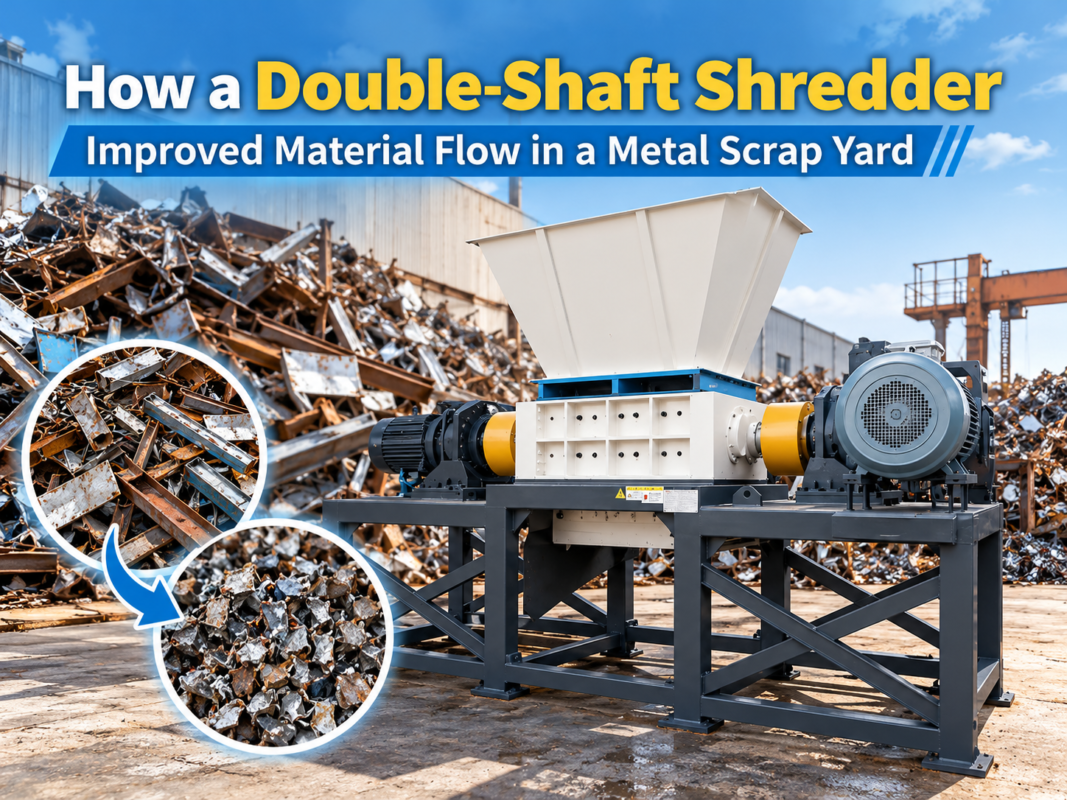
Double-Shaft Shredder Buying Guide: Common Mistakes to Avoid When Investing in Shredding Equipment

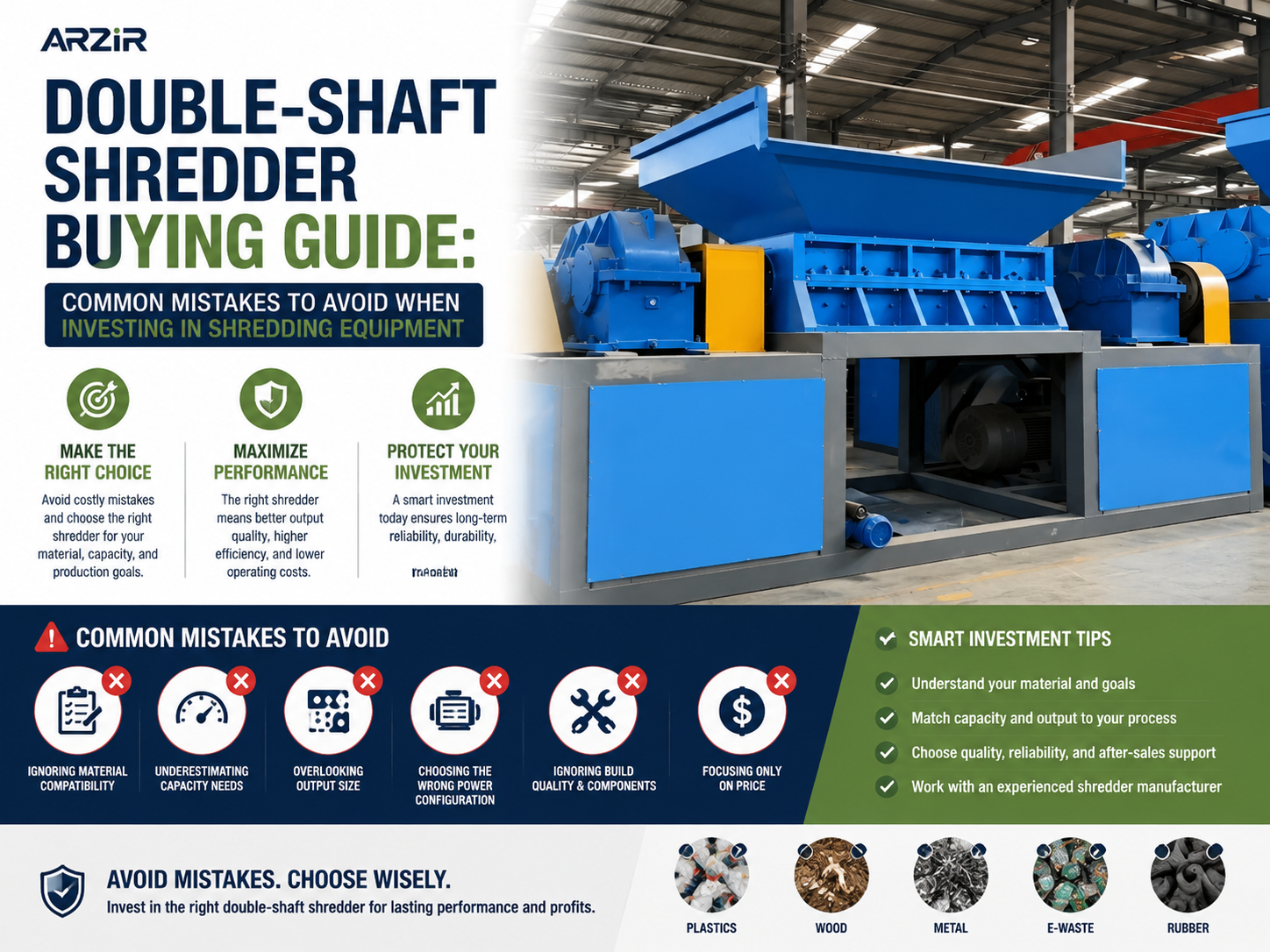
Introduction to Double-Shaft Shredder Investment
In the modern industrial landscape, waste management and material recycling have transitioned from secondary operational concerns to primary profit centers. The double-shaft shredder stands at the heart of this transition, offering the high torque and low-speed shearing capabilities necessary to process everything from scrap metal and electronic waste to plastics and tires. However, the process of Double-Shaft Shredder Buying : Common Mistakes Avoid When Investing In Shredding Equipment is fraught with technical complexities that can lead to costly errors if not approached with a rigorous, engineering-focused mindset.
Investing in a double-shaft shredder is not merely about purchasing a machine; it is about integrating a critical component into a production or recycling line. A mismatch between the machine’s specifications and the material’s physical properties can result in frequent downtime, excessive blade wear, and ultimately, a failure to achieve the projected return on investment (ROI). This guide aims to provide a comprehensive roadmap for procurement officers and facility managers to navigate the market effectively.
HARSLE, as a leader in metal fabrication and recycling machinery, understands that the difference between a successful installation and a capital expenditure disaster lies in the details. From the metallurgy of the cutting blades to the logic programmed into the PLC for jam protection, every variable matters. This article will break down the financial, technical, and operational aspects of acquiring a double-shaft shredder, ensuring you avoid the common pitfalls that plague many first-time buyers.
Price Range Overview: What to Expect
The price of a double-shaft shredder varies significantly based on its capacity, the materials it is designed to handle, and the quality of its internal components. Generally, the market is divided into three primary tiers: entry-level/light-duty, mid-range industrial, and heavy-duty custom solutions. Understanding where your needs fall within these tiers is the first step in budgeting for your investment.
Entry-level double-shaft shredders, often used for light plastics, paper, or thin electronic scrap, typically range from $15,000 to $35,000. These machines usually feature lower horsepower motors (15-30 HP) and smaller cutting chambers. While they are cost-effective for small-scale operations, a common mistake is attempting to use these machines for denser materials like thick-walled plastics or light metals, which leads to premature motor failure and shaft deformation.
Mid-range industrial shredders, which are the workhorses of the recycling industry, generally fall between $40,000 and $90,000. These units are designed for continuous operation and can handle tougher materials like rubber tires, aluminum extrusions, and municipal solid waste. They feature robust gearboxes and high-torque motors (40-100 HP). This is the category where HARSLE’s most popular models reside, offering a balance between durability and capital efficiency.
Heavy-duty and custom-engineered shredders can exceed $150,000 to $500,000. These are massive installations designed for car crushing, large-scale metal recovery, or hazardous waste processing. They often include specialized features like explosion-proof motors, advanced hydraulic drive systems, and custom-alloy blades designed for specific chemical resistances. When Double-Shaft Shredder Buying : Common Mistakes Avoid When Investing In Shredding Equipment, failing to account for the long-term durability of these high-end machines often leads buyers to choose a cheaper, underpowered alternative that fails within the first year.
Main Cost Drivers in Shredding Equipment
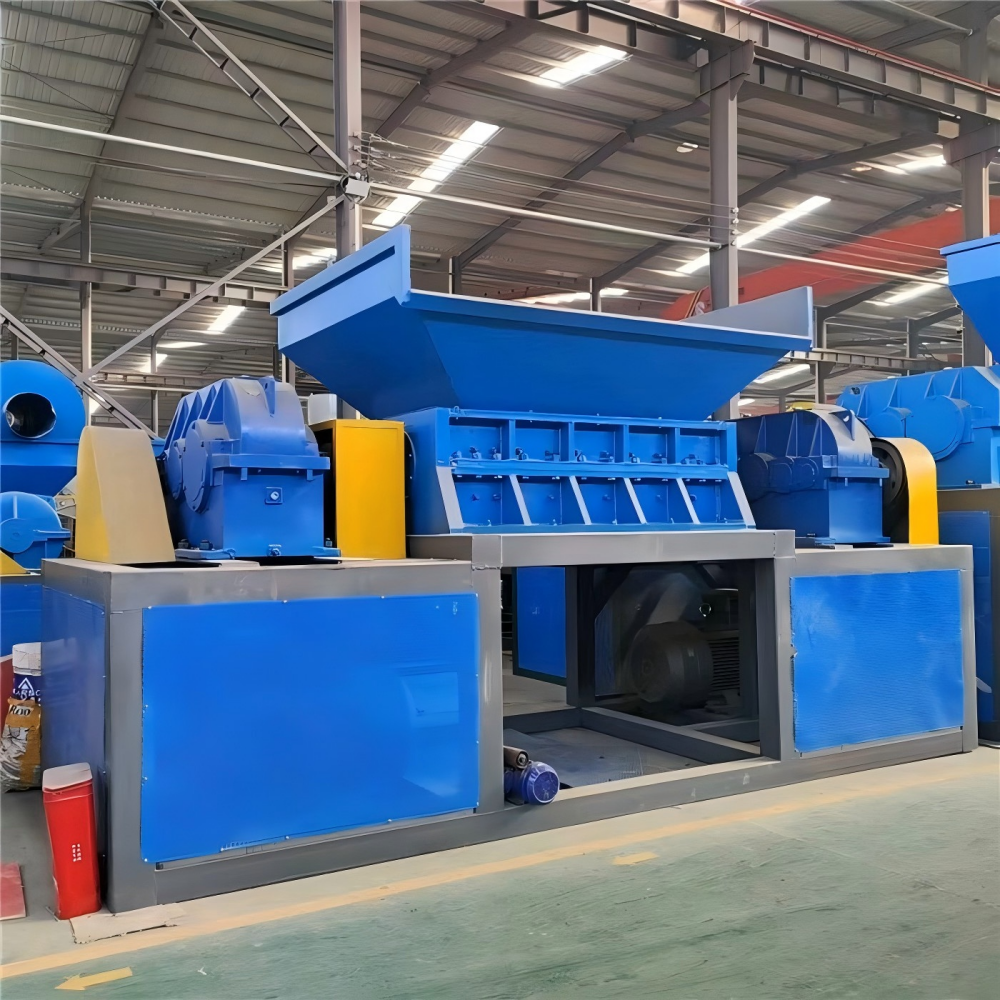
When analyzing a quote for a double-shaft shredder, it is essential to look beyond the bottom line and understand what is driving the cost. The most significant cost driver is the cutting system, which includes the shafts and the blades. High-quality blades made from D2, SKD-11, or DC53 heat-treated tool steel are significantly more expensive than standard carbon steel blades but offer five to ten times the service life. Investing in superior metallurgy upfront reduces the frequency of expensive blade replacements.
The drive system—comprising the motor and the gearbox—is the second major cost driver. Premium brands like Siemens or WEG for motors and Bonfiglioli or SEW for gearboxes add to the initial price but provide the reliability needed for high-torque applications. A common mistake in Double-Shaft Shredder Buying : Common Mistakes Avoid When Investing In Shredding Equipment is opting for generic, unbranded gearboxes that cannot handle the shock loads inherent in shredding tough materials, leading to catastrophic mechanical failure.
The structural integrity of the machine frame and the cutting chamber also impacts the price. A shredder designed for heavy metal scrap requires a thicker, reinforced steel plate frame to absorb vibrations and resist the outward pressure generated during the shearing process. Thinner frames may flex over time, leading to shaft misalignment and bearing failure. HARSLE utilizes precision-machined, heavy-duty frames to ensure that the internal components remain perfectly aligned even under maximum load.
Configuration Impact: Tailoring the Machine to the Material
The configuration of a double-shaft shredder must be precisely matched to the material it will process. One of the most critical configuration choices is the blade profile and the number of “hooks” on each blade. For example, a single-hook blade is ideal for aggressive grabbing and tearing of bulky items like plastic drums, while multi-hook blades are better for producing a smaller, more uniform output size in materials like paper or thin films.
Shaft speed and torque are inversely related; for tough materials like scrap metal, a low-speed, high-torque configuration is essential. This allows the machine to shear through the material without stalling. Conversely, for lighter materials where throughput volume is the priority, a slightly higher shaft speed may be appropriate. Buyers often make the mistake of prioritizing speed over torque, resulting in a machine that frequently jams when encountering dense objects.
The inclusion of a PLC (Programmable Logic Controller) with an auto-reverse function is another vital configuration element. When the shredder encounters a material it cannot immediately shear, the PLC detects the spike in motor amperage and automatically reverses the shafts to reposition the material before attempting to shred again. This prevents motor burnout and protects the gearbox. Machines lacking sophisticated PLC logic require constant manual intervention, significantly increasing labor costs.
Hidden Costs: Beyond the Initial Purchase Price
The “sticker price” of a shredder is only a portion of the total cost of ownership. One of the most overlooked hidden costs is electrical infrastructure. High-horsepower shredders require significant amperage, which may necessitate an upgrade to your facility’s electrical panel or the installation of new transformers. Failing to account for these utility upgrades can delay installation by months and add thousands to the project cost.
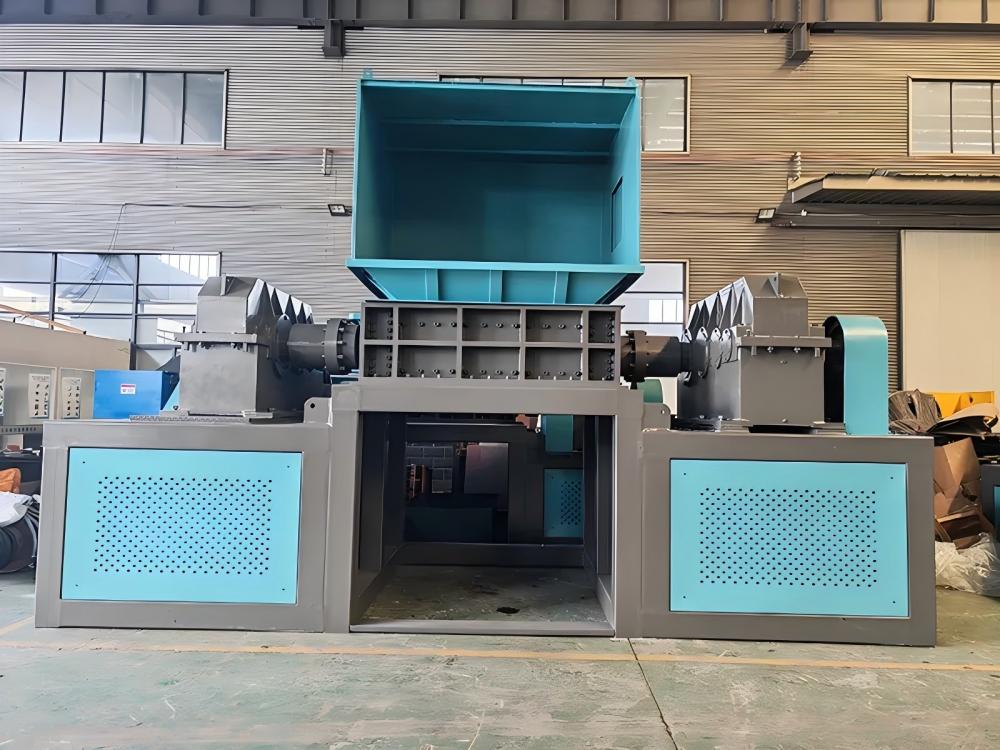
Maintenance and wear parts represent a recurring hidden cost. Blades are consumables; they will eventually dull and require sharpening or replacement. The ease of access to the cutting chamber for blade maintenance is a critical design feature. Some low-cost shredders require a complete teardown of the shafts to change a single blade, leading to days of downtime. HARSLE designs its shredders with maintenance in mind, allowing for faster blade rotations and reduced labor hours.
Shipping and installation are also significant factors. These machines are heavy and often require specialized freight and rigging for installation. Furthermore, if the machine is imported, customs duties and brokerage fees must be calculated. When Double-Shaft Shredder Buying : Common Mistakes Avoid When Investing In Shredding Equipment, many buyers forget to budget for the specialized hydraulic oil, initial spare parts kits, and the cost of training operators on the new equipment.
ROI Calculation: Justifying the Investment
To calculate the ROI of a double-shaft shredder, you must look at both cost savings and revenue generation. The most immediate benefit is volume reduction. For companies paying for waste removal by the cubic yard, shredding can reduce waste volume by a ratio of 4:1 or higher, directly slashing disposal fees. In many cases, the savings on transport and landfill tipping fees alone can pay for the machine within 18 to 24 months.
Revenue generation comes from the ability to sell processed material. Shredded scrap metal, plastic regrind, and crumb rubber command much higher market prices than raw, unprocessed waste. By transforming waste into a commodity, the shredder becomes a profit center. For example, shredding E-waste allows for the efficient separation of high-value copper and precious metals from low-value plastics, significantly increasing the yield of the recycling process.
Labor efficiency is the third pillar of ROI. A well-configured double-shaft shredder with an automated conveyor feed system can replace several manual sorting and breaking stations. When calculating ROI, compare the annual cost of the machine (including financing and maintenance) against the total reduction in labor and waste disposal costs. A HARSLE shredder, known for its longevity, often provides a positive ROI long after the initial capital has been recovered.
Buying Advice: Common Mistakes to Avoid
The most frequent mistake in Double-Shaft Shredder Buying : Common Mistakes Avoid When Investing In Shredding Equipment is underestimating the “toughness” of the waste stream. Buyers often provide samples of their “cleanest” material for testing, but in reality, the waste stream will contain contaminants like tramp metal, stones, or oversized chunks. Always specify your machine for the worst-case scenario, not the best-case scenario.
Another common error is ignoring the importance of after-sales support and spare parts availability. A shredder is a high-wear machine; eventually, something will break. If your manufacturer is located overseas with no local support or stocked parts, a minor bearing failure could shut down your entire production line for weeks. HARSLE prides itself on providing robust technical support and maintaining a comprehensive inventory of wear parts to ensure our clients experience minimal downtime.
Finally, avoid the trap of “over-shredding.” Some buyers insist on a very small output size when a larger size would suffice for their downstream process. Smaller output requires more blades, more power, and more time, which increases both the initial cost and the operational cost per ton. Define the maximum allowable size for your needs and choose a machine that meets that requirement efficiently rather than over-engineering the solution.
Buyer’s Checklist for Double-Shaft Shredders
| Criteria | What to Look For | Why It Matters |
|---|---|---|
| Blade Material | D2, SKD-11, or DC53 Steel | Determines wear resistance and interval between sharpening. |
| Gearbox Brand | SEW, Bonfiglioli, or equivalent | Ensures the machine can handle high-torque shock loads. |
| PLC Features | Auto-reverse, Overload Protection | Prevents motor and shaft damage during jams. |
| Frame Construction | Heavy-duty welded and machined plate | Prevents vibration and maintains shaft alignment. |
| Maintenance Access | Split-bearing housing or easy-access chamber | Reduces downtime during blade changes. |
Frequently Asked Questions (FAQ)
1. How often do the blades on a double-shaft shredder need to be sharpened?
The frequency depends entirely on the material being processed. For soft plastics, blades may last 1,000+ hours before needing attention. For abrasive materials like glass-filled plastics or contaminated scrap metal, they may need sharpening every 200-400 hours. Using high-quality alloy steel blades from HARSLE significantly extends these intervals.
2. Can a double-shaft shredder handle “tramp metal” (unshreddable objects)?
While double-shaft shredders are robust, they are not indestructible. A large piece of hardened steel (like a tool bit) can damage the blades. This is why the PLC auto-reverse function is critical—it stops the machine before damage occurs. For operations where tramp metal is common, we recommend magnetic separators on the input conveyor.
3. What is the difference between a single-shaft and a double-shaft shredder?
A single-shaft shredder uses a hydraulic pusher to press material against a high-speed rotor with small cutters, making it ideal for precise sizing of plastics. A double-shaft shredder uses two low-speed, high-torque shafts to grab and shear bulky, tough materials. Double-shaft machines are generally better for primary shredding of diverse waste streams.
4. Does the machine require a special foundation?
For mid-to-large scale shredders, a level, reinforced concrete pad is essential to handle the weight and the operational vibrations. Smaller units can often be placed on a standard industrial floor, but anchoring is always recommended to prevent shifting during high-torque events.
5. How do I choose the right motor power?
Motor power should be determined by the required throughput (tons per hour) and the density of the material. A common mistake in Double-Shaft Shredder Buying : Common Mistakes Avoid When Investing In Shredding Equipment is choosing a lower HP to save money, which results in the machine constantly reversing and failing to meet production targets. Consult with HARSLE engineers to match the HP to your specific material tests.
6. What kind of maintenance is required daily?
Daily maintenance is relatively simple: check for loose bolts, inspect the blades for major chips, and ensure the lubrication system is functioning. Weekly, you should check gearbox oil levels and clear any material buildup from around the bearings and seals.
Conclusion
Investing in a double-shaft shredder is a significant step toward operational efficiency and sustainability. By avoiding the common mistakes of under-speccing the drive system, ignoring blade metallurgy, and failing to account for hidden costs, you can ensure that your investment yields high returns for years to come. HARSLE remains committed to providing high-performance, durable shredding solutions tailored to the unique needs of the metal fabrication and recycling industries. When you are ready to discuss your specific shredding requirements, our team of experts is here to guide you through every technical detail, ensuring you get the right machine for the job.