Best Double-Shaft Shredder for Your Production Line: A Practical Guide to Comparing Models

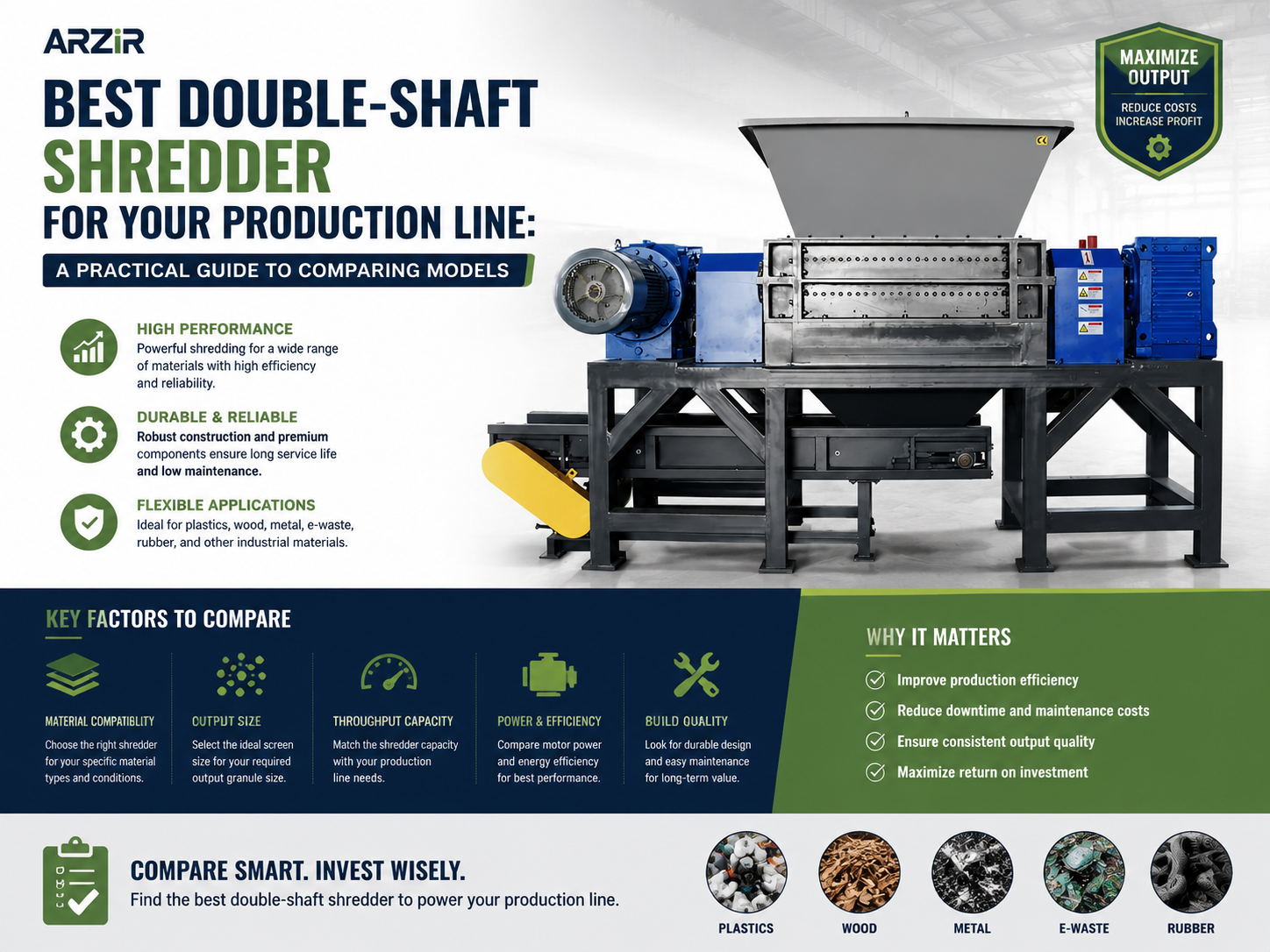
Introduction to Industrial Shredding Solutions
In the modern manufacturing and recycling landscape, the efficiency of a production line often hinges on how effectively it handles waste and raw material preparation. Selecting the Best Double-Shaft Shredder Production Line: A Practical Comparing Models approach is essential for businesses looking to optimize their throughput, reduce volume, and prepare materials for secondary processing. A double-shaft shredder, also known as a twin-shaft shredder, utilizes two counter-rotating shafts equipped with interlocking blades to shear, tear, and crush a wide variety of materials ranging from scrap metal and tires to plastics and electronic waste.
The versatility of these machines makes them a cornerstone of the circular economy. However, the market is flooded with various models, each claiming to be the most efficient. For a production manager or business owner, the challenge lies in distinguishing between a machine that looks robust and one that actually delivers consistent performance under heavy industrial loads. This guide aims to provide a comprehensive framework for comparing models, understanding costs, and ensuring that your investment yields the highest possible return.

Price Range Overview: What to Expect
When searching for the Best Double-Shaft Shredder Production Line: A Practical Comparing Models, the first hurdle is often the wide variance in pricing. Industrial shredders are not off-the-shelf consumer products; they are engineered systems. Generally, the price of a double-shaft shredder can be categorized into three main tiers based on capacity, durability, and automation features.
- Entry-Level/Light Industrial Models ($15,000 – $40,000): These units are typically designed for lighter materials like thin plastics, cardboard, or small electronic components. They usually feature lower horsepower motors (20-40 HP) and smaller cutting chambers. While cost-effective, they may lack the torque required for heavy metal or rubber processing.
- Mid-Range Professional Models ($45,000 – $120,000): This is the most common category for established production lines. These machines offer a balance of power (50-150 HP) and durability. They are capable of handling bulkier waste, including aluminum scrap, tires, and thick-walled plastics. They often include basic PLC controls and improved blade alloys.
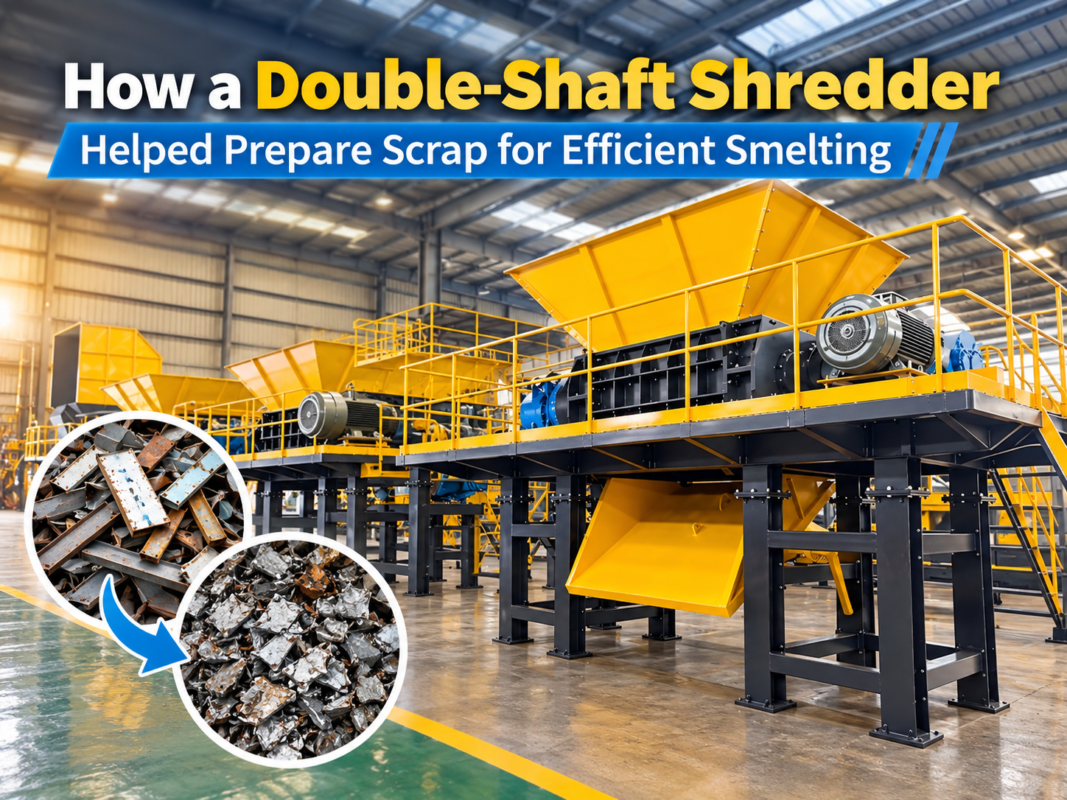
- High-End/Heavy-Duty Custom Systems ($150,000 – $500,000+): These are massive installations designed for 24/7 operation. They feature high-torque hydraulic drives or dual-motor electric drives, advanced Siemens or Schneider PLC systems, and specialized blade configurations. These systems are often integrated with conveyors, magnetic separators, and dust suppression systems.
Understanding these price brackets helps in setting a realistic budget. However, the initial purchase price is only one part of the equation. A cheaper machine that requires frequent blade replacements or consumes excessive energy can quickly become more expensive than a premium model over a five-year period.
Main Cost Drivers in Double-Shaft Shredders
Several technical factors dictate the price and performance of a shredder. When comparing models, you must look beneath the paint to see what drives the machine’s value. The primary cost drivers include the motor and gearbox assembly, the blade material, and the structural frame.
1. Motor and Drive System
The heart of the shredder is its drive system. High-quality models use motors from reputable brands like Siemens or ABB, which offer better energy efficiency and longer lifespans. Furthermore, the gearbox—specifically planetary gearboxes—is crucial for converting high-speed motor rotation into the high-torque shearing force needed for tough materials. A cheap gearbox is a common failure point in low-end models.
2. Blade Material and Manufacturing
The blades (or cutters) are the most critical wear part. The Best Double-Shaft Shredder Production Line: A Practical Comparing Models analysis must prioritize blade metallurgy. Common materials include D2 (Cr12MoV), SKD-11, and specialized alloys. The heat treatment process is equally important; blades must be hard enough to maintain an edge but tough enough not to crack when hitting a non-shreddable object. Precision CNC-machined blades increase the initial cost but significantly extend the interval between sharpenings.
3. Frame and Shaft Construction
A double-shaft shredder is subjected to immense internal stresses. A robust frame made of thick, welded steel plates is necessary to prevent vibration and structural fatigue. Similarly, the shafts should be made of high-strength alloy steel, often hexagonal in shape, to ensure maximum torque transfer to the blades without slipping or shearing the shaft itself.
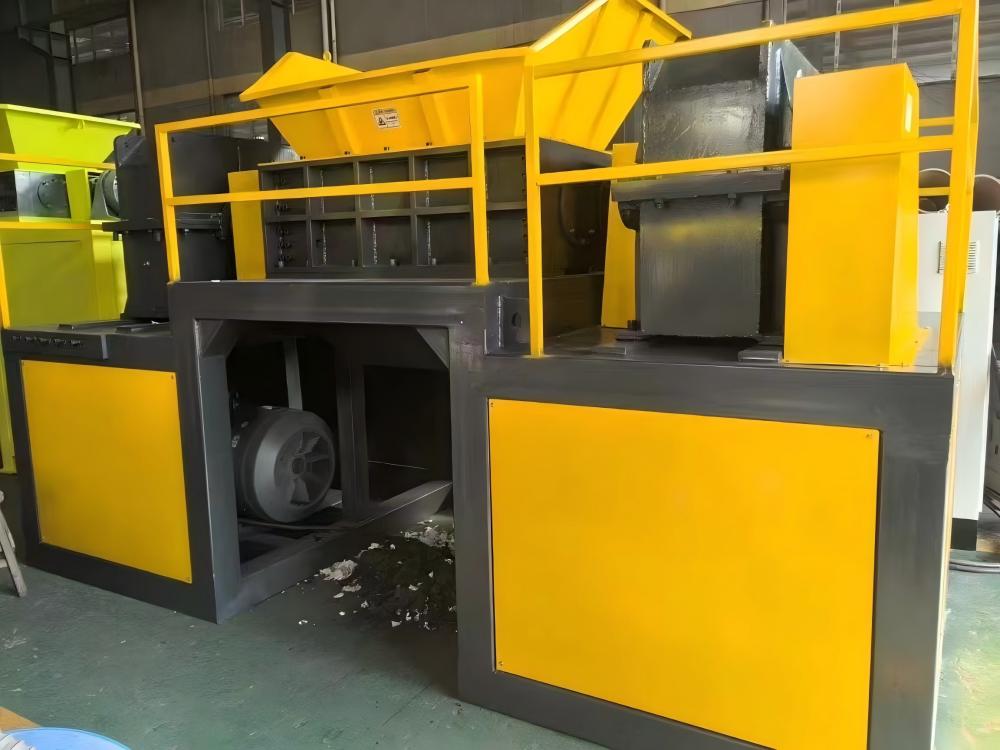
Configuration Impact on Production Efficiency
The configuration of your shredder determines how well it fits into your specific production line. A “one size fits all” approach rarely works in industrial shredding. You must consider how the following configurations impact your daily operations:
Drive Type: Electric vs. Hydraulic
Electric drives are generally more energy-efficient and easier to maintain, making them ideal for consistent materials like plastics or paper. Hydraulic drives, however, offer superior torque at low speeds and are better at handling “shocks” from heavy metal or unpredictable waste streams. If your production line handles varied or heavy scrap, a hydraulic drive might be the better, albeit more expensive, choice.
PLC and Automation Features
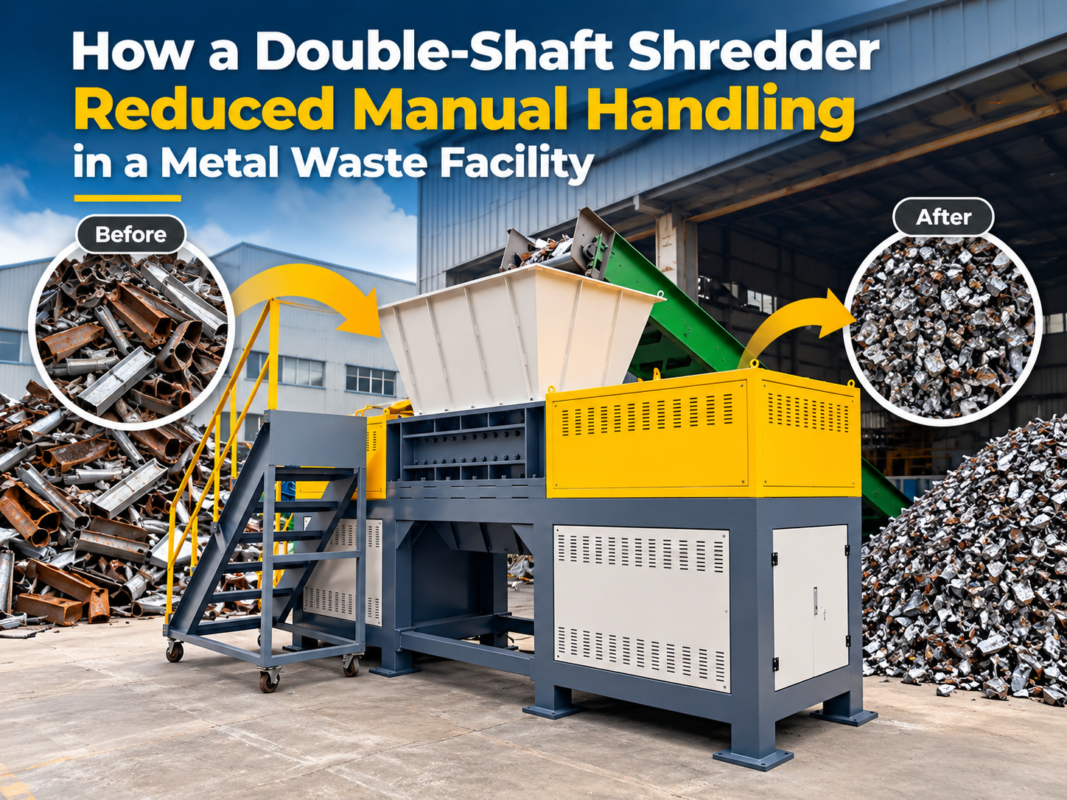
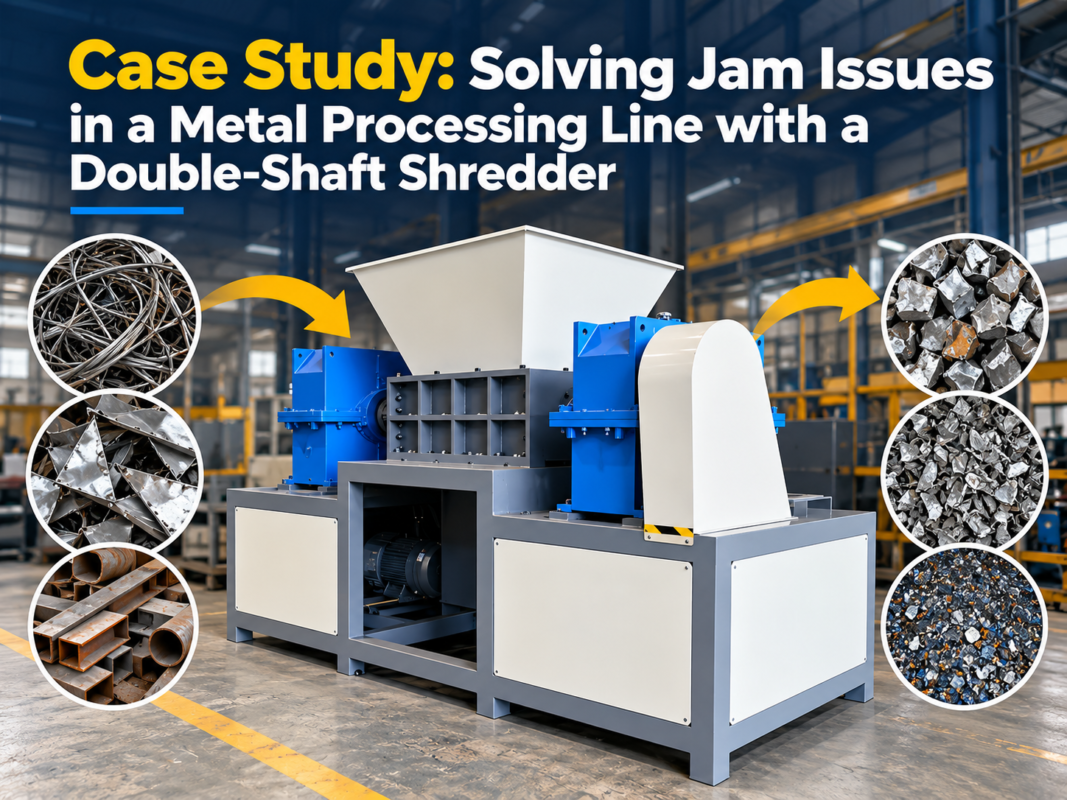
Modern production lines require smart machinery. A high-quality PLC (Programmable Logic Controller) allows for “Auto-Reverse” functionality. When the shredder detects an overload or a jam, the shafts automatically reverse to clear the material before attempting to shred again. This prevents motor burnout and reduces manual intervention. Advanced models also offer remote monitoring, allowing managers to track throughput and maintenance needs from a smartphone or computer.
Hopper and Discharge Design
The physical interface of the shredder matters. A hopper designed for manual feeding looks very different from one designed for a grapple or conveyor feed. Similarly, the discharge area must be configured to match your downstream equipment. If the shredded material is too large for the next machine in the line, you may need to add a screen or a secondary granulator, which changes the entire production line dynamic.
Hidden Costs of Ownership
When evaluating the Best Double-Shaft Shredder Production Line: A Practical Comparing Models, many buyers overlook the long-term operational costs. These “hidden” expenses can significantly impact your bottom line.
| Cost Category | Description | Estimated Impact |
|---|---|---|
| Blade Maintenance | Sharpening, hard-facing, or full replacement of cutters. | High (15-25% of annual OPEX) |
| Energy Consumption | The kW/h required per ton of processed material. | Medium (Depends on local rates) |
| Downtime | Lost production during repairs or blade changes. | Critical (Can exceed machine cost) |
| Spare Parts | Bearings, seals, and gearbox oil. | Low to Medium |
To minimize these costs, look for shredders designed with “Easy Access” maintenance features. Some HARSLE models, for instance, feature split-bearing housings that allow for shaft removal without dismantling the entire machine frame. This can reduce a two-day maintenance job to a few hours.
ROI Calculation: Is the Investment Worth It?
Calculating the Return on Investment (ROI) for a double-shaft shredder involves more than just looking at waste reduction. You must quantify the value added to your production line. The formula for ROI is generally:
ROI = (Annual Gain from Shredding – Annual Operating Costs) / Total Investment Cost
Consider these factors for your “Annual Gain”:
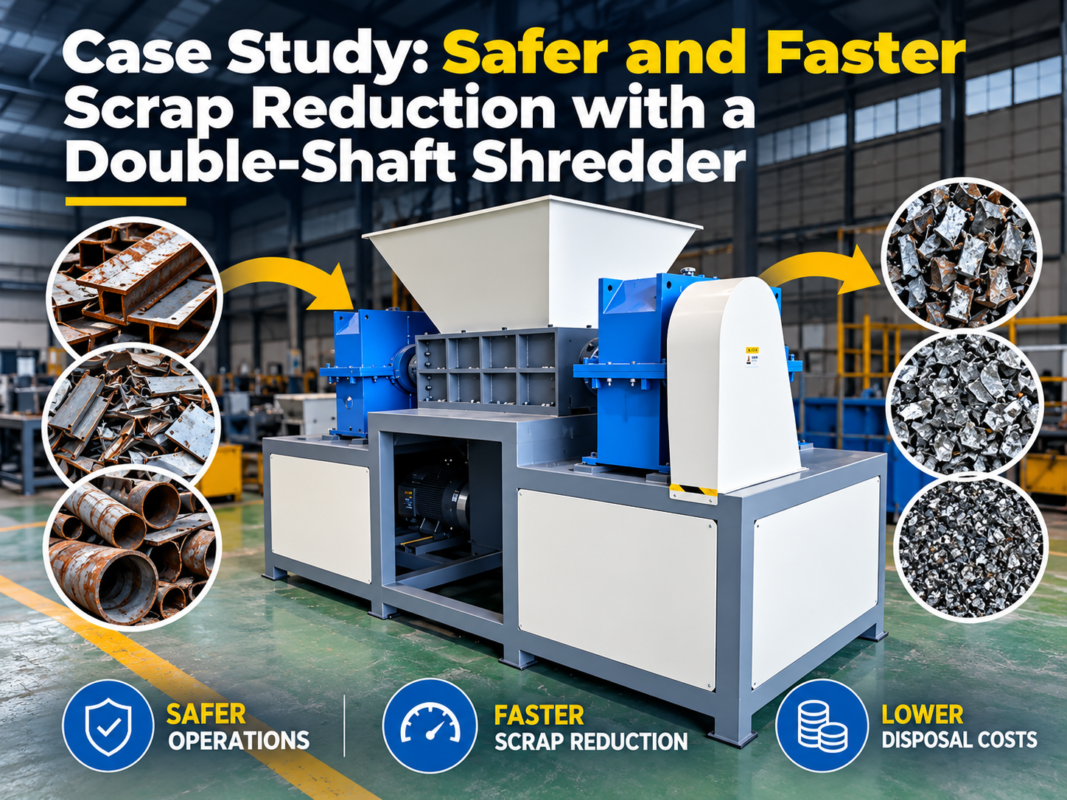
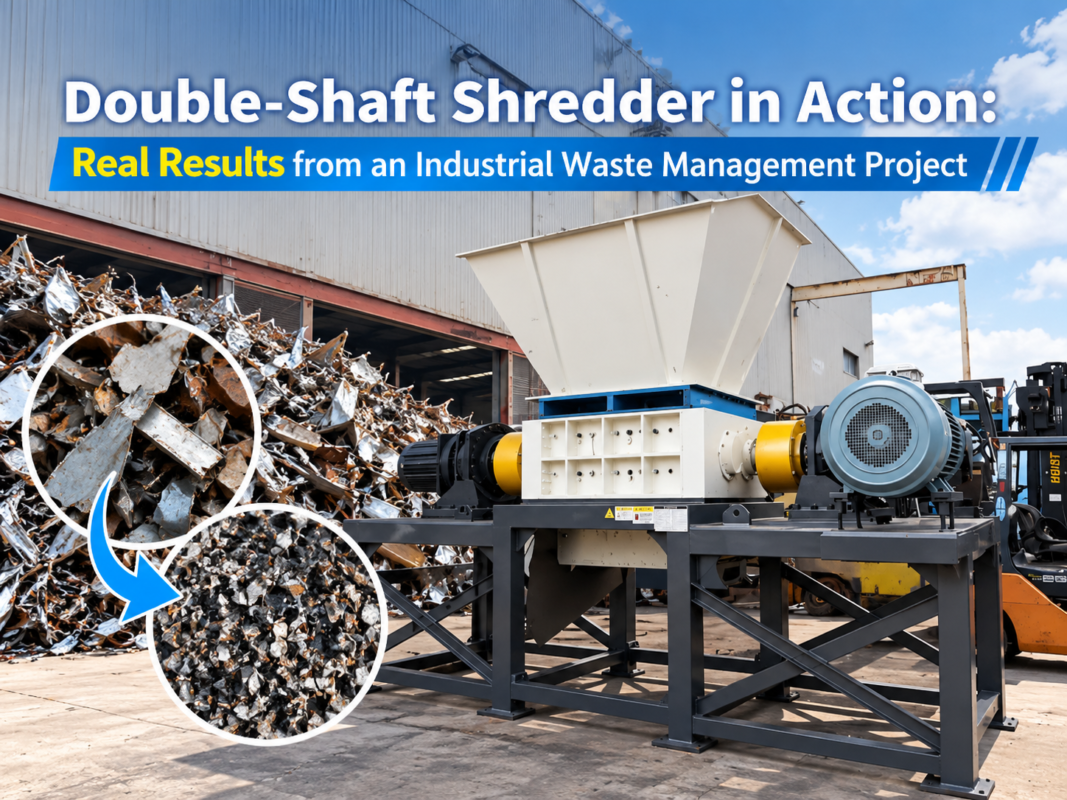
- Volume Reduction: Reducing waste volume can cut disposal transportation costs by up to 70%.
- Material Recovery: Shredding allows for the separation of valuable metals from plastic or rubber, which can then be sold as high-quality regrind or scrap.
- In-house Recycling: If you can reuse your own production scrap, you reduce the need to purchase virgin raw materials.
For example, if a $60,000 shredder saves $3,000 a month in disposal fees and generates $2,000 a month in reclaimed material revenue, while costing $1,000 a month in power and maintenance, the net monthly gain is $4,000. The machine pays for itself in just 15 months. This is a very attractive ROI for industrial equipment.
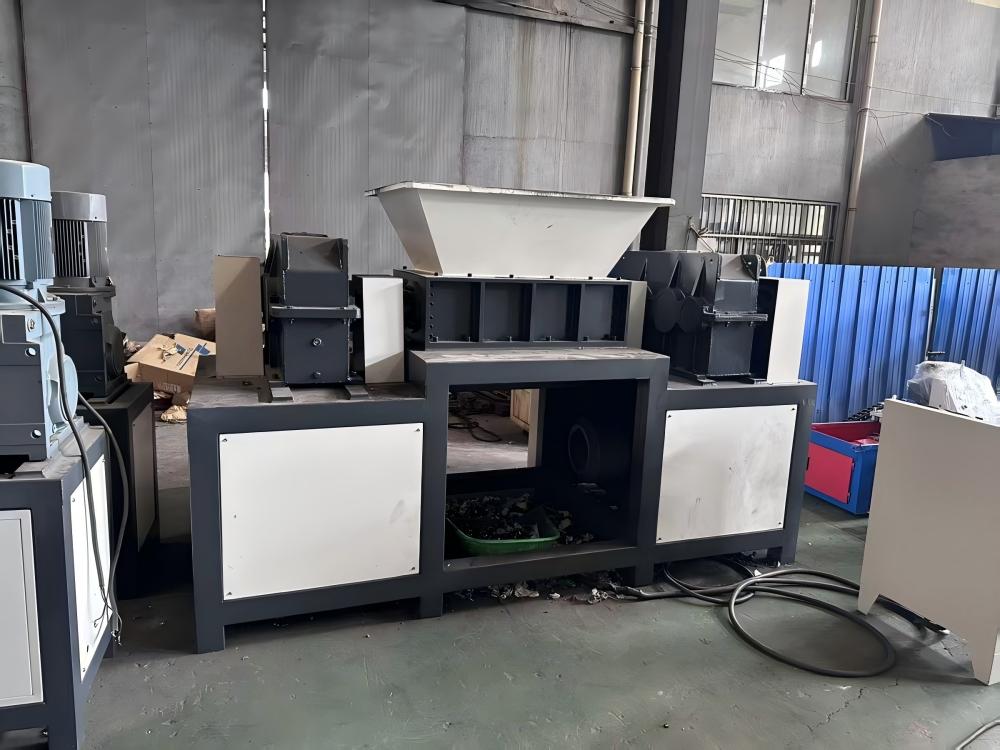
Buying Advice: How to Choose the Right Model
To ensure you select the Best Double-Shaft Shredder Production Line: A Practical Comparing Models for your specific needs, follow this professional checklist:
- Define Your Material: Be specific. “Plastic” is not enough. Is it HDPE pipe, PET bottles, or nylon film? Each requires different blade profiles and speeds.
- Request a Material Test: Reputable manufacturers like HARSLE often allow you to send samples of your material for a test shred. This provides proof of throughput and output size before you commit to a purchase.
- Check the Blade Hardness: Ask for the specific Rockwell hardness (HRC) of the blades. For most industrial applications, a range of 55-58 HRC is ideal for balancing sharpness and durability.
- Evaluate After-Sales Support: A shredder is a high-wear machine. Ensure the manufacturer has a robust supply of spare parts and can provide technical support in your region.
- Consider Future Expansion: If you plan to increase production by 20% next year, buy a machine that can handle that extra load now. Running a shredder at 100% capacity constantly will lead to premature failure.
Frequently Asked Questions (FAQ)
What is the main advantage of a double-shaft shredder over a single-shaft one?
Double-shaft shredders are generally better for high-volume, bulky materials and offer higher torque. They are “self-feeding” because the counter-rotating shafts pull material into the cutters. Single-shaft shredders are typically better for achieving a very small, uniform particle size in a single pass, often using a screen.
How often do the blades need to be sharpened?
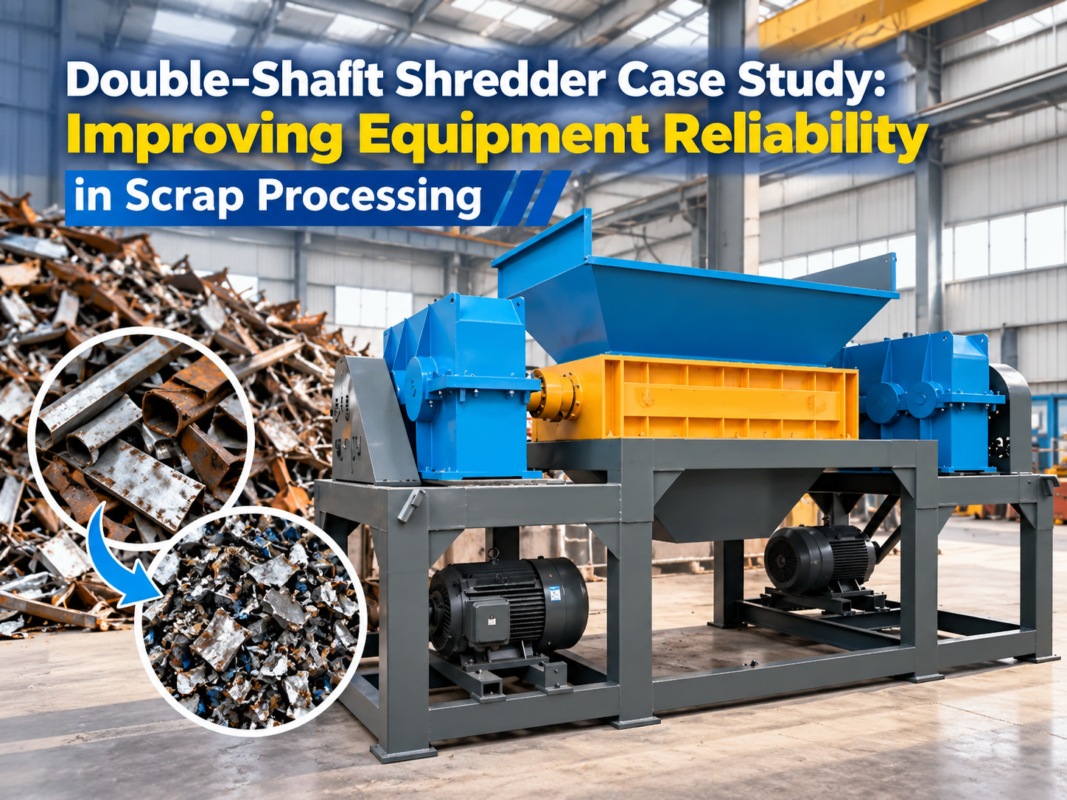
This depends entirely on the material. Shredding clean plastic might allow blades to last for 1,000+ hours, while shredding contaminated scrap metal or glass might require sharpening every 200-400 hours. Regular inspection is key to preventing damage to the shafts and motors.
Can a double-shaft shredder handle metal?
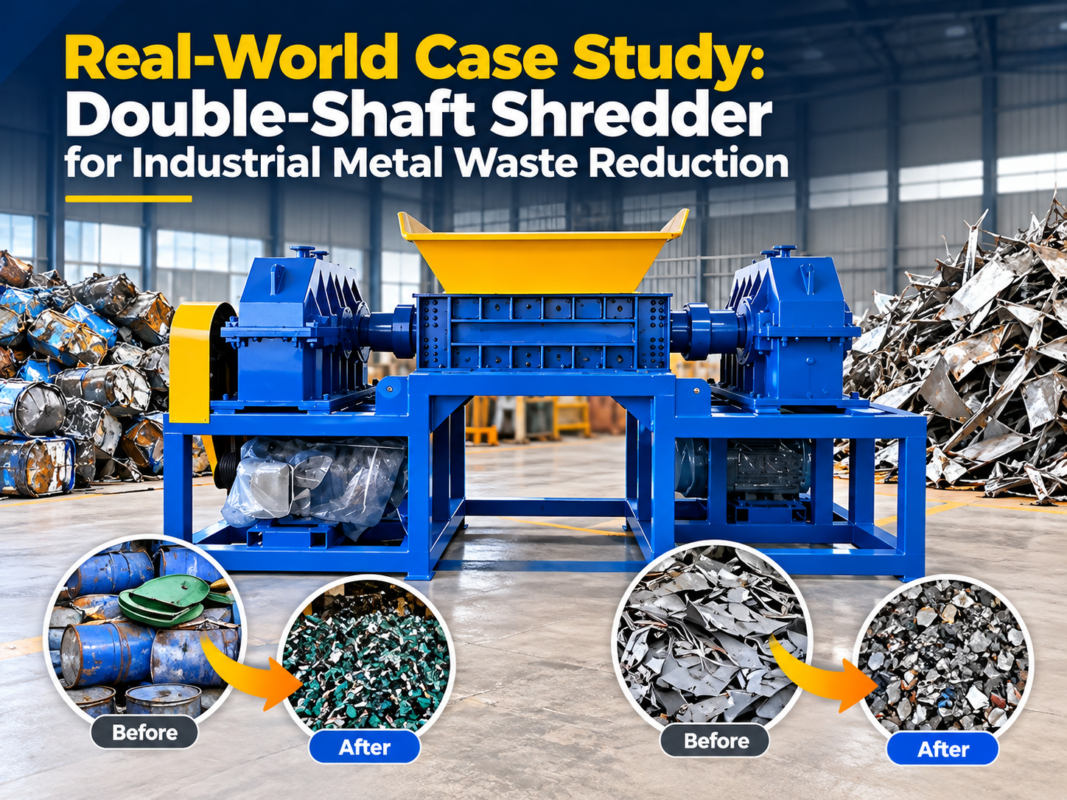
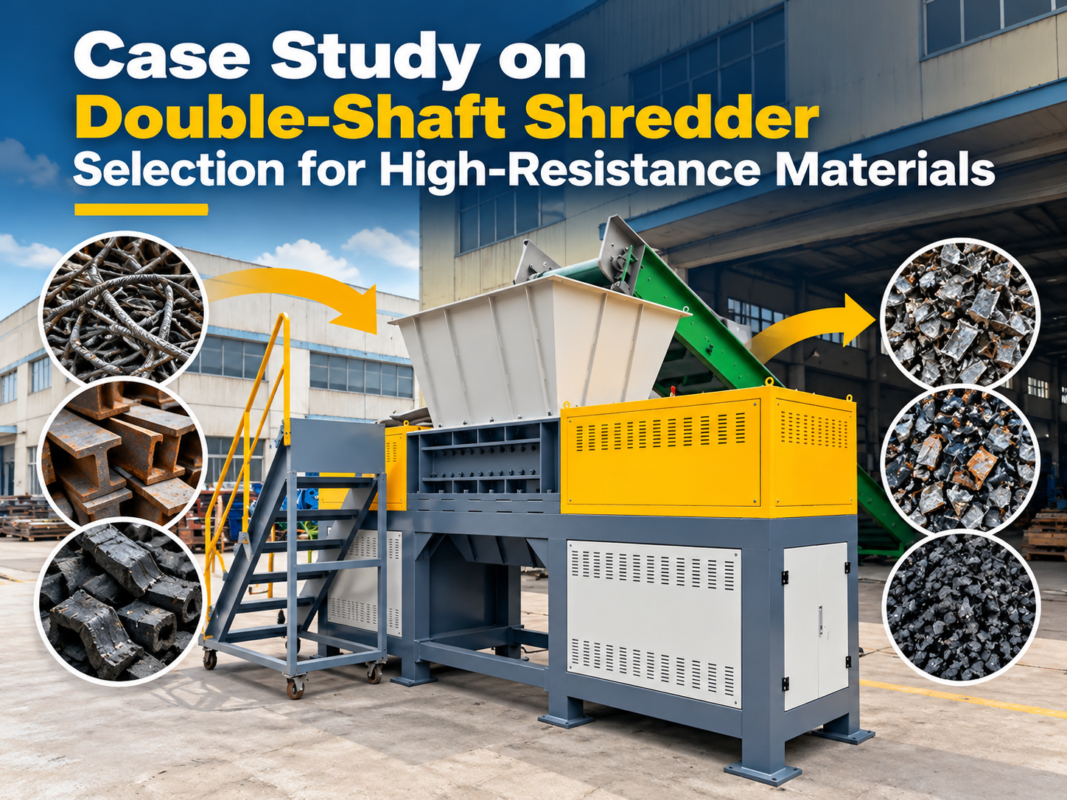
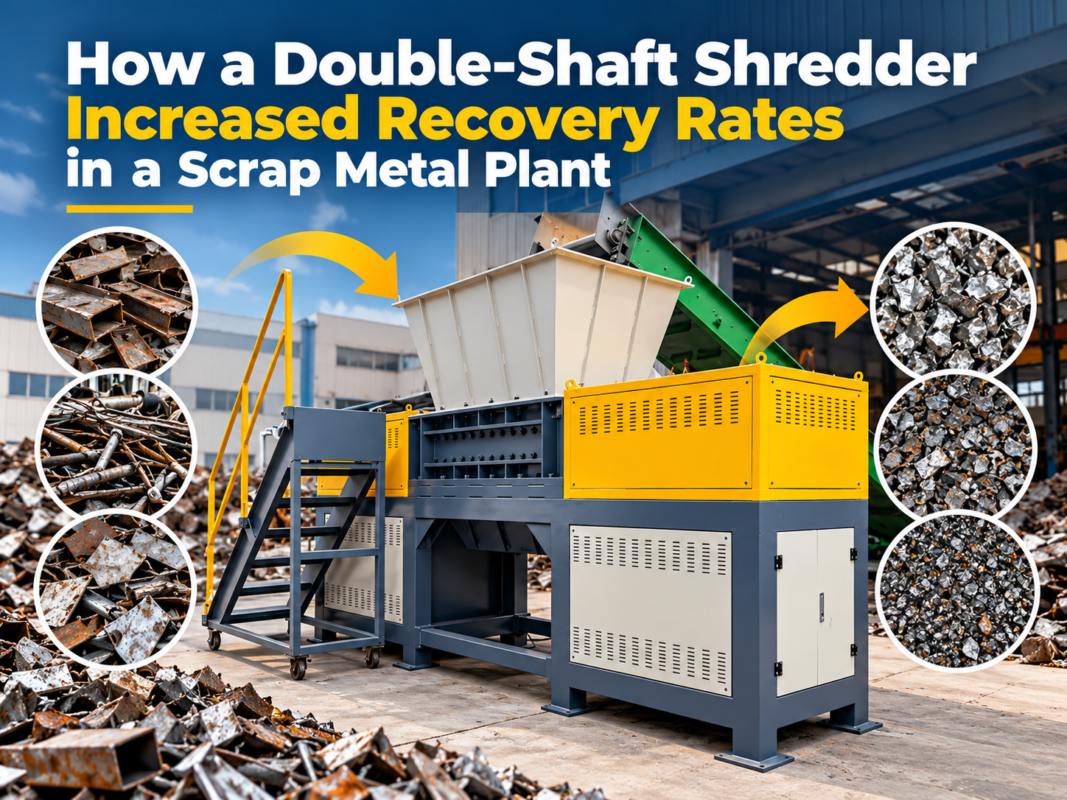
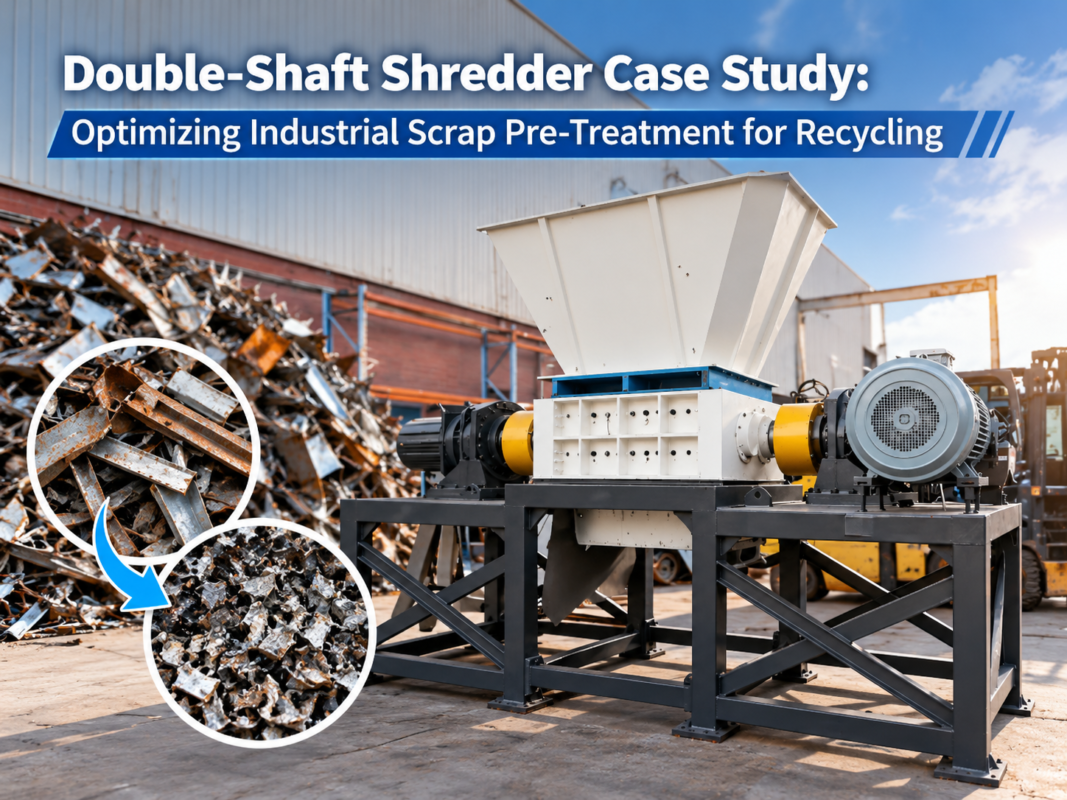
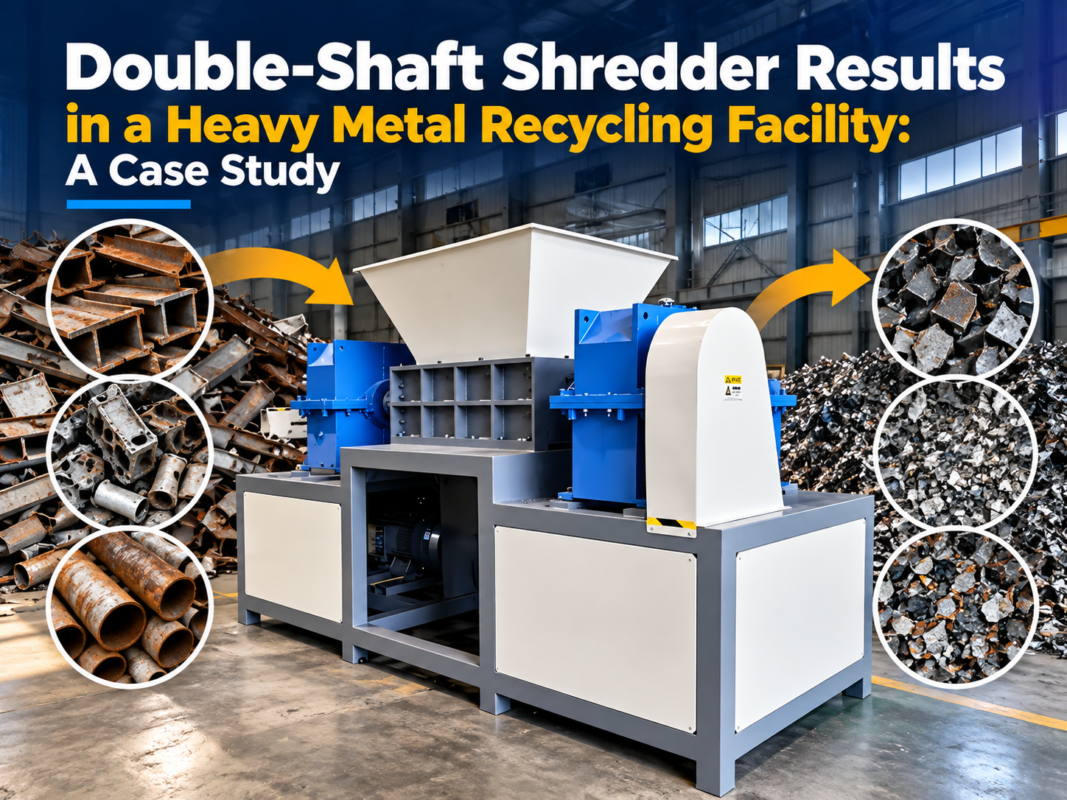
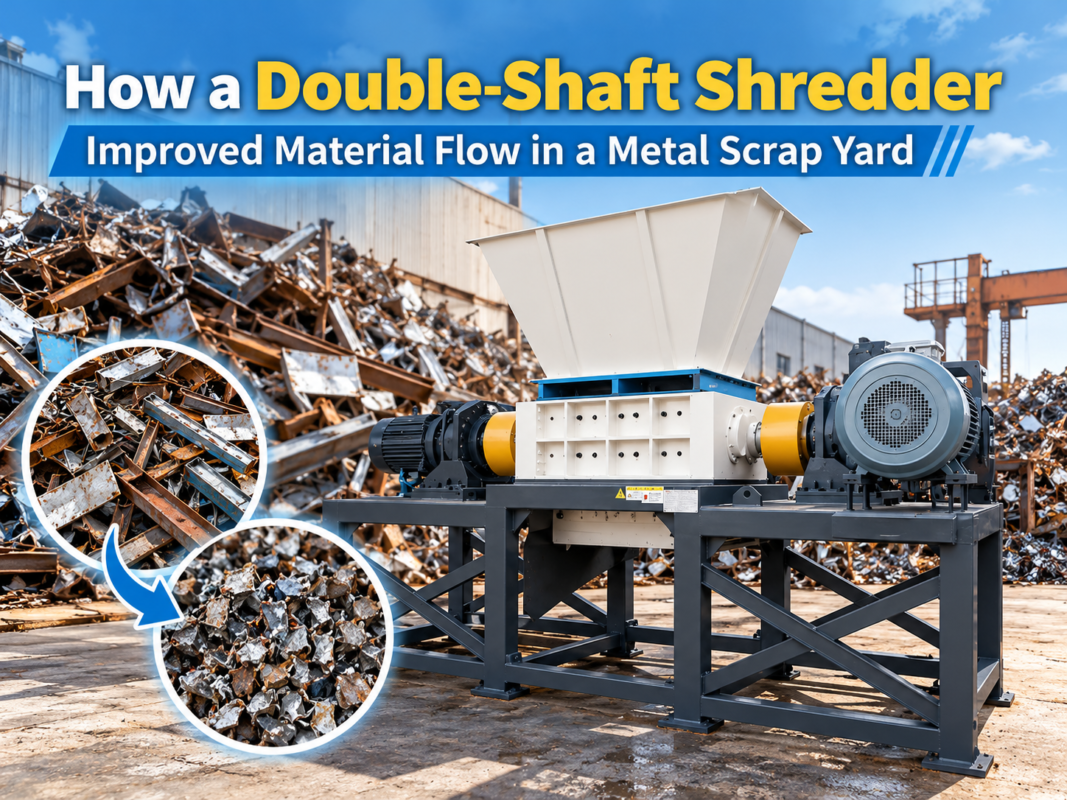
Yes, but the machine must be specifically configured for it. Metal-shredding models require lower speeds, higher torque, and specialized through-hardened blades. Attempting to shred thick steel in a machine designed for plastic will result in catastrophic failure.
What is the typical lead time for a custom shredder?
For standard models, lead times are often 4-8 weeks. For highly customized systems integrated into a full production line, lead times can range from 12 to 20 weeks, depending on the complexity of the automation and auxiliary equipment.
Is a hydraulic drive better than an electric drive?
Not necessarily “better,” but different. Hydraulic drives are superior for heavy-duty, shock-loading applications (like car tires or heavy scrap). Electric drives are more efficient and easier to maintain for consistent, lighter-duty applications. Your choice should be based on your specific waste stream.
Conclusion
Choosing the Best Double-Shaft Shredder Production Line: A Practical Comparing Models requires a deep dive into your production needs, material characteristics, and long-term financial goals. By focusing on high-quality components—specifically the blades, motors, and PLC systems—and accounting for the total cost of ownership, you can transform waste management from a cost center into a profit-generating part of your business. HARSLE continues to lead the industry by providing robust, high-torque shredding solutions tailored to the rigorous demands of modern metal fabrication and recycling environments. Invest in quality, and your production line will reap the benefits for years to come.