Best Industrial Shredder Uses for Automotive Scrap Recycling: A Comprehensive Guide

Introduction to Automotive Scrap Recycling and Industrial Shredding
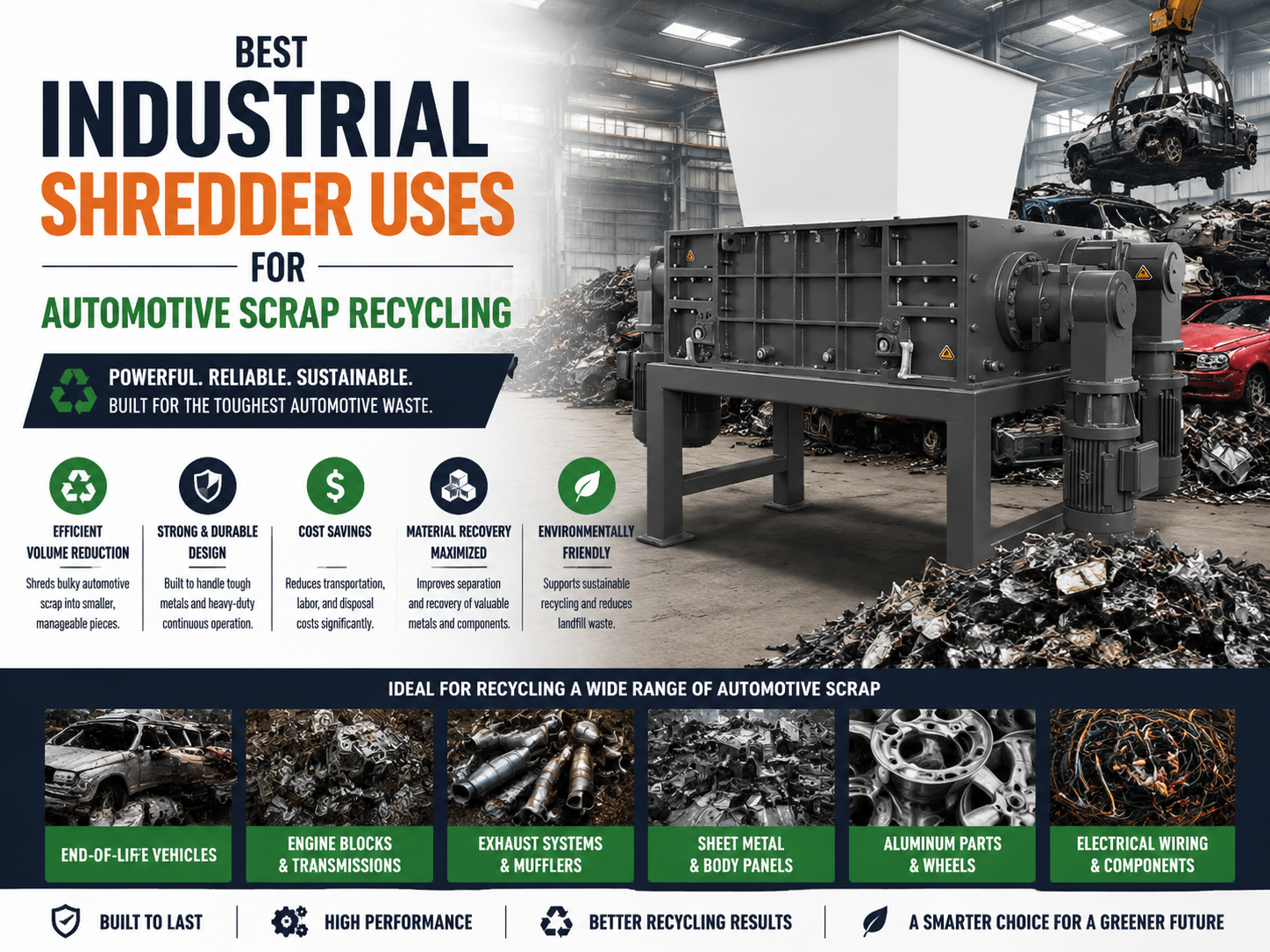
The automotive industry is one of the largest contributors to the global scrap metal market. Every year, millions of vehicles reach the end of their operational life, leaving behind a complex mixture of steel, aluminum, plastics, and rubber. Efficiently processing this waste is not just an environmental necessity but a highly profitable industrial venture. The cornerstone of this process is the industrial shredder. Understanding the Best Industrial Shredder Uses Automotive Scrap Recycling is essential for facilities looking to maximize their throughput and output quality.
Industrial shredders are heavy-duty machines designed to break down large automotive components into smaller, manageable pieces. This reduction in size is the first and most critical step in the recycling chain, enabling further separation and refining. HARSLE, a leader in metal fabrication machinery, provides advanced shredding solutions that cater specifically to the rigorous demands of the automotive recycling sector. In this guide, we will delve deep into the applications, technical requirements, and strategic benefits of using high-performance shredders in this industry.
Application Scenarios in the Automotive Sector
The versatility of industrial shredders allows them to be used across various stages of vehicle decommissioning. One of the primary application scenarios is the processing of End-of-Life Vehicles (ELVs). When a car is sent to a recycling center, it is first stripped of hazardous fluids and reusable parts. The remaining shell, often referred to as the ‘hulk,’ requires massive force to be broken down. This is where high-torque, low-speed shredders excel, tearing through reinforced steel frames and body panels with ease.
Beyond the main chassis, specific automotive components require specialized shredding. For instance, engine blocks and transmission housings, which are primarily composed of cast aluminum or iron, need to be reduced to a specific grain size to facilitate the removal of steel bolts and internal components. Shredders are also used for processing automotive interior components, such as dashboards, upholstery, and carpets, which are often shredded to recover plastics or for use in waste-to-energy programs.
Another critical scenario involves tire recycling. Automotive tires are notoriously difficult to process due to their elastic nature and steel wire reinforcement. Specialized industrial shredders are used to produce ‘tire-derived fuel’ (TDF) or rubber crumb for construction projects. By utilizing the Best Industrial Shredder Uses Automotive Scrap Recycling, facilities can ensure that every part of the vehicle, from the heavy metal frame to the smallest rubber seal, is processed efficiently.
Material and Process Requirements
Automotive scrap is characterized by its heterogeneity. A single vehicle contains high-strength steel, lightweight aluminum alloys, copper wiring, and various polymers. This diversity imposes strict requirements on the shredding process. The machinery must be capable of handling high-impact loads without suffering from premature wear or catastrophic failure. For metal components, the shredder must provide enough torque to overcome the tensile strength of the alloys used in modern vehicle safety cages.
The process also requires precise control over the output size. In the recycling industry, the value of the scrap is often determined by its purity and its size. Smelters and refineries have specific requirements for the feedstock they accept. Therefore, the shredder must be equipped with interchangeable screens or adjustable blade gaps to meet these specifications. Furthermore, the process must minimize dust and noise pollution, adhering to increasingly stringent environmental regulations.
Heat management is another vital consideration. Shredding tough materials generates significant friction and heat. If not managed, this can lead to the melting of plastics or even fire hazards within the shredder chamber. Advanced industrial shredders incorporate water-cooling systems or specialized blade coatings to maintain optimal operating temperatures. This ensures the longevity of the cutting tools and the safety of the entire recycling facility.
Recommended Machine Configuration
Choosing the right machine configuration is the difference between a profitable operation and a maintenance nightmare. For automotive scrap, three main types of shredders are typically recommended: single-shaft, double-shaft, and four-shaft shredders. Each has its specific strengths depending on the material being processed.
Double-Shaft Shredders
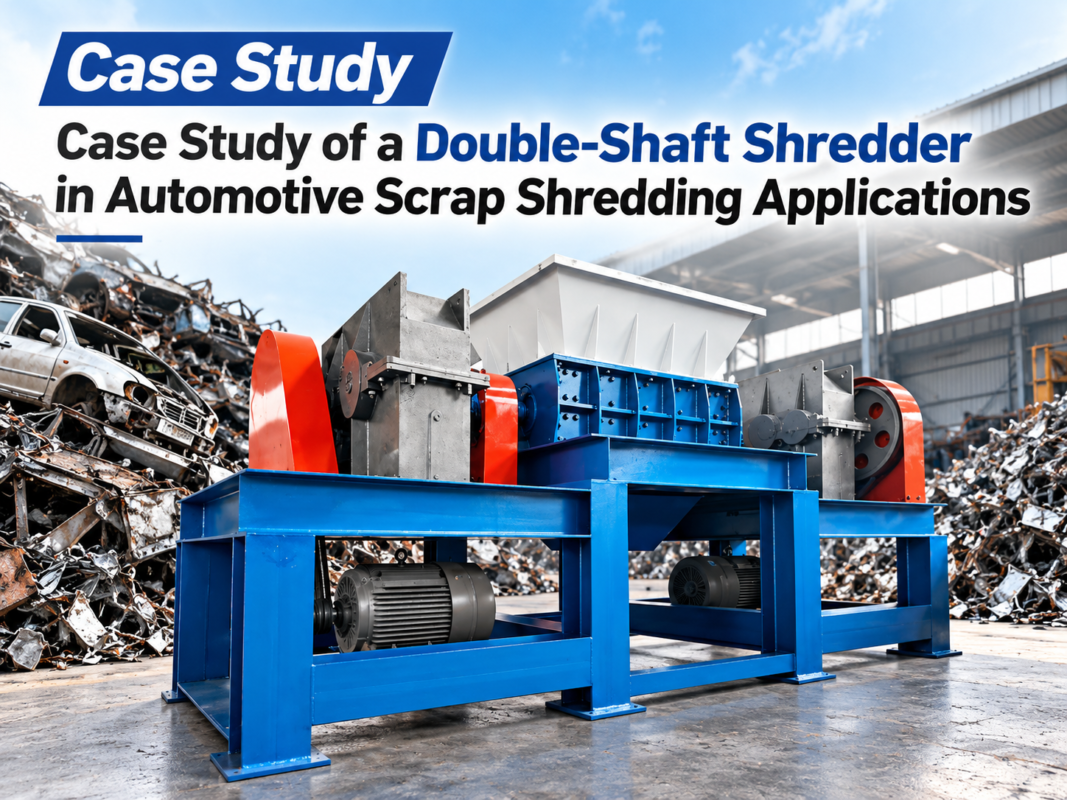
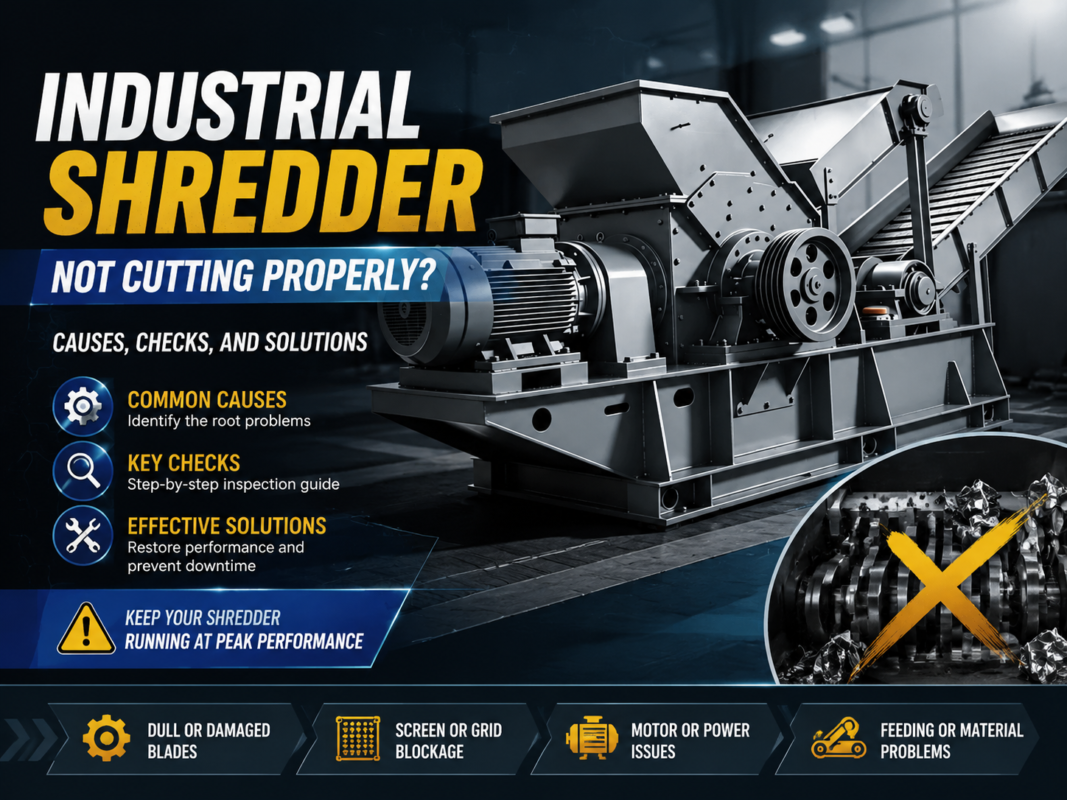
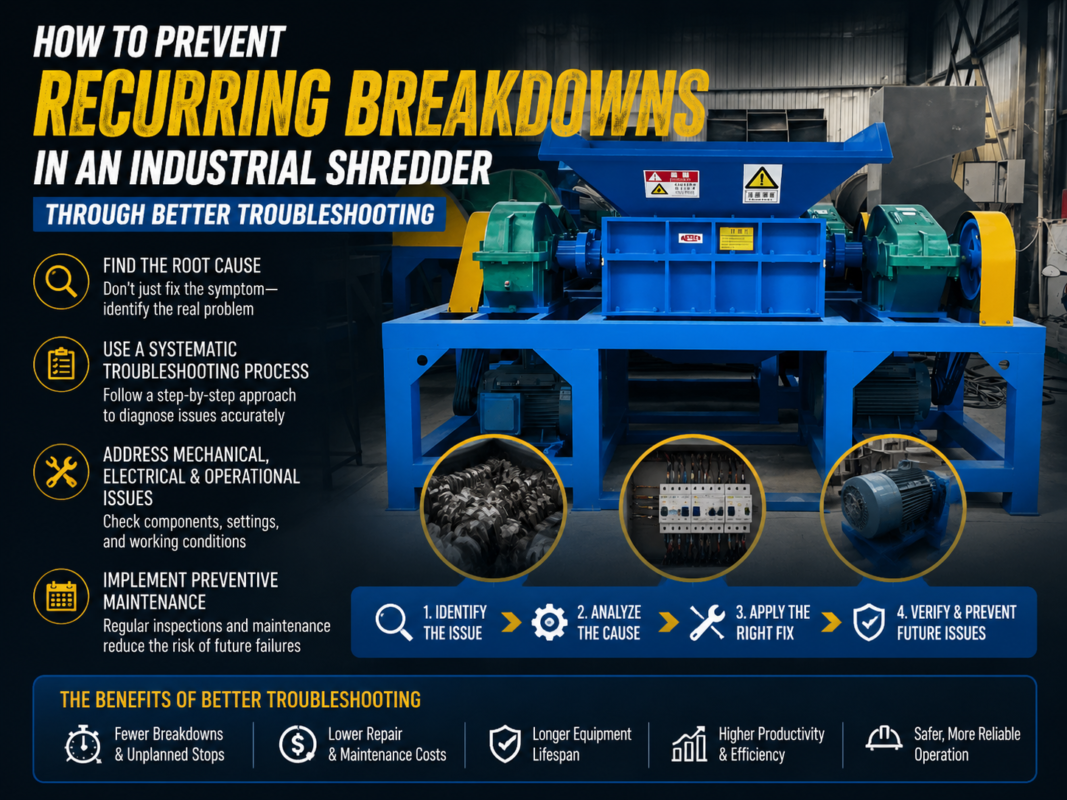
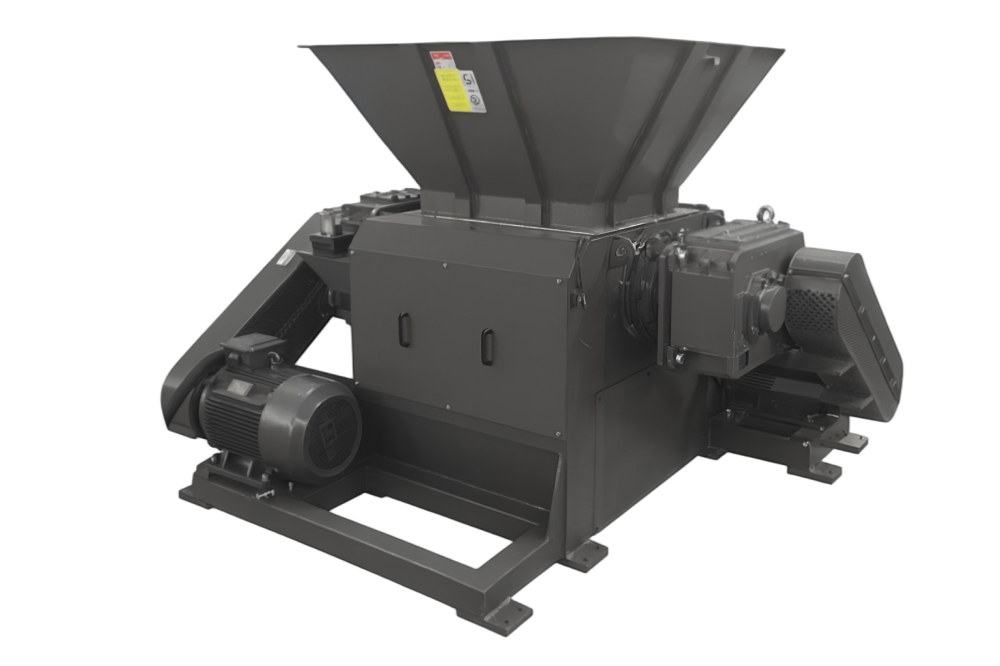
Double-shaft shredders are the workhorses of the metal recycling industry. They feature two counter-rotating shafts equipped with hooked blades that pull material into the cutting chamber. This configuration is ideal for bulky items like car doors, hoods, and fenders. The high torque and low speed ensure that even thick-gauge steel is sheared effectively without the risk of high-speed projectiles.
Four-Shaft Shredders
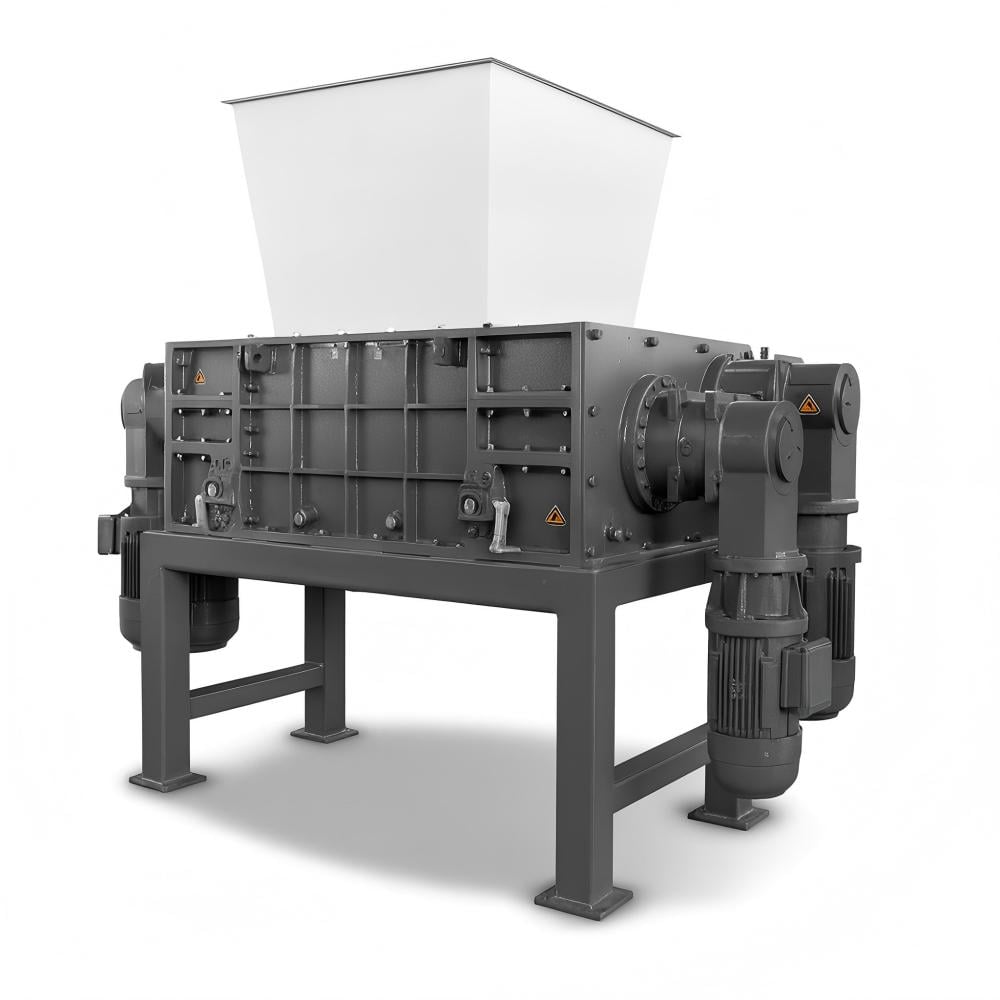
For applications requiring a consistent output size in a single pass, the four-shaft shredder is the preferred choice. These machines include two main cutting shafts and two auxiliary shafts that help feed the material and provide additional shearing. They are often equipped with a screen underneath the shafts; material that is too large is recirculated back to the top, ensuring that only the desired size exits the machine. This is particularly useful for processing engine components and aluminum rims.
Technical Specifications Checklist
| Feature | Requirement for Automotive Scrap | Benefit |
|---|---|---|
| Blade Material | D2 or SKD-11 Tool Steel | High wear resistance and toughness |
| Drive System | Hydraulic or High-Torque Electric | Ability to handle sudden load spikes |
| Control System | PLC with Auto-Reverse | Prevents jams and protects the motor |
| Cooling System | Integrated Liquid Cooling | Prevents overheating during 24/7 operation |
The Workflow of Automotive Scrap Shredding
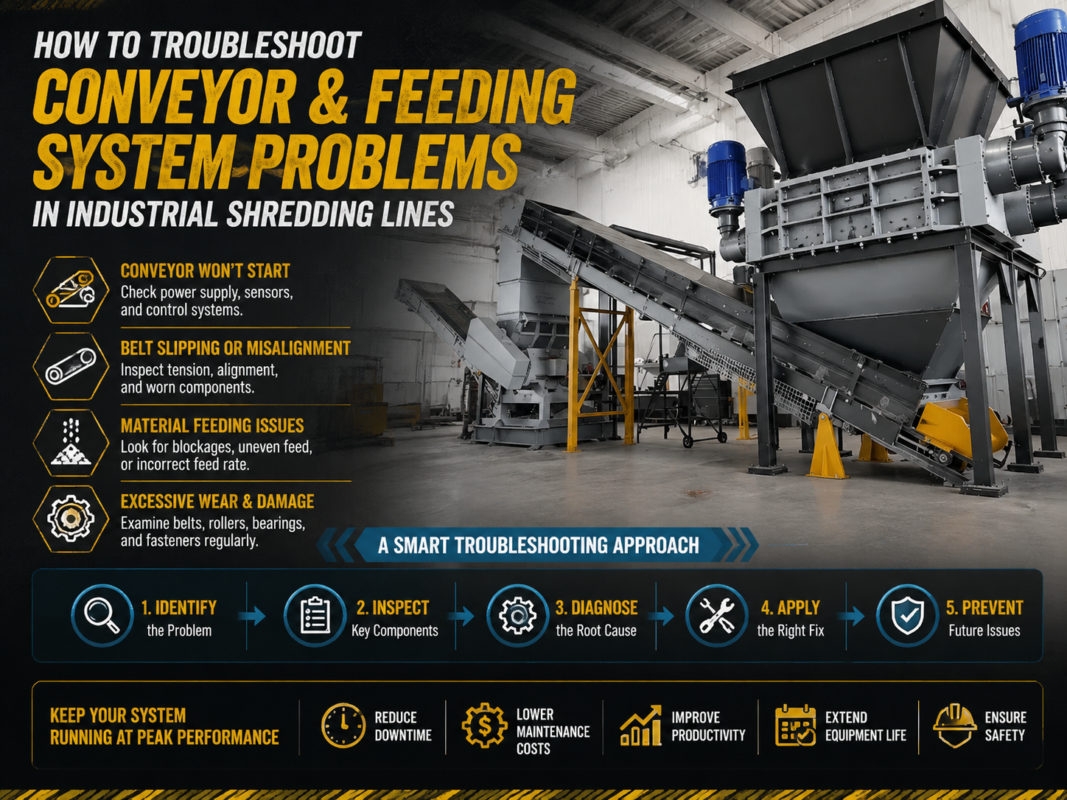
The workflow begins with the arrival of the scrap at the facility. After initial inspection and hazardous material removal, the scrap is loaded onto a heavy-duty slat conveyor. This conveyor feeds the material into the primary shredder. At this stage, the goal is volume reduction. The large car parts are broken down into pieces roughly the size of a hand. This primary shredding significantly increases the bulk density of the material, making it easier to transport and store.
Following the primary shredder, the material passes through a series of separation technologies. Magnetic separators are used to pull out ferrous metals (iron and steel). Eddy current separators are then employed to recover non-ferrous metals like aluminum and copper. The remaining material, known as Automotive Shredder Residue (ASR) or “fluff,” consists of plastics, glass, and rubber. This residue may undergo a secondary shredding process in a single-shaft shredder to further refine the plastics for specialized recycling streams.
The final stage of the workflow involves cleaning and quality control. The shredded metal is often washed to remove oils and dirt before being baled or sent directly to the furnace. Throughout this workflow, the Best Industrial Shredder Uses Automotive Scrap Recycling are integrated with automated sensors and monitoring systems to ensure that the flow of material remains constant and that any blockages are addressed immediately by the PLC’s auto-reverse function.
Productivity and Economic Benefits
Investing in high-quality shredding equipment yields substantial productivity benefits. Firstly, the reduction in volume leads to massive savings in logistics. Shredded scrap occupies up to 80% less space than whole car bodies, allowing for more efficient trucking and shipping. This directly impacts the bottom line by reducing fuel and labor costs associated with transportation.
Secondly, the ability to produce high-purity metal fractions increases the market value of the scrap. Refineries pay a premium for clean, well-sized material because it reduces their own processing time and energy consumption. By utilizing a four-shaft shredder to achieve precise sizing, a recycling facility can position itself as a top-tier supplier in the global metal market. Furthermore, the recovery of non-ferrous metals like copper from wiring harnesses provides a significant secondary revenue stream.
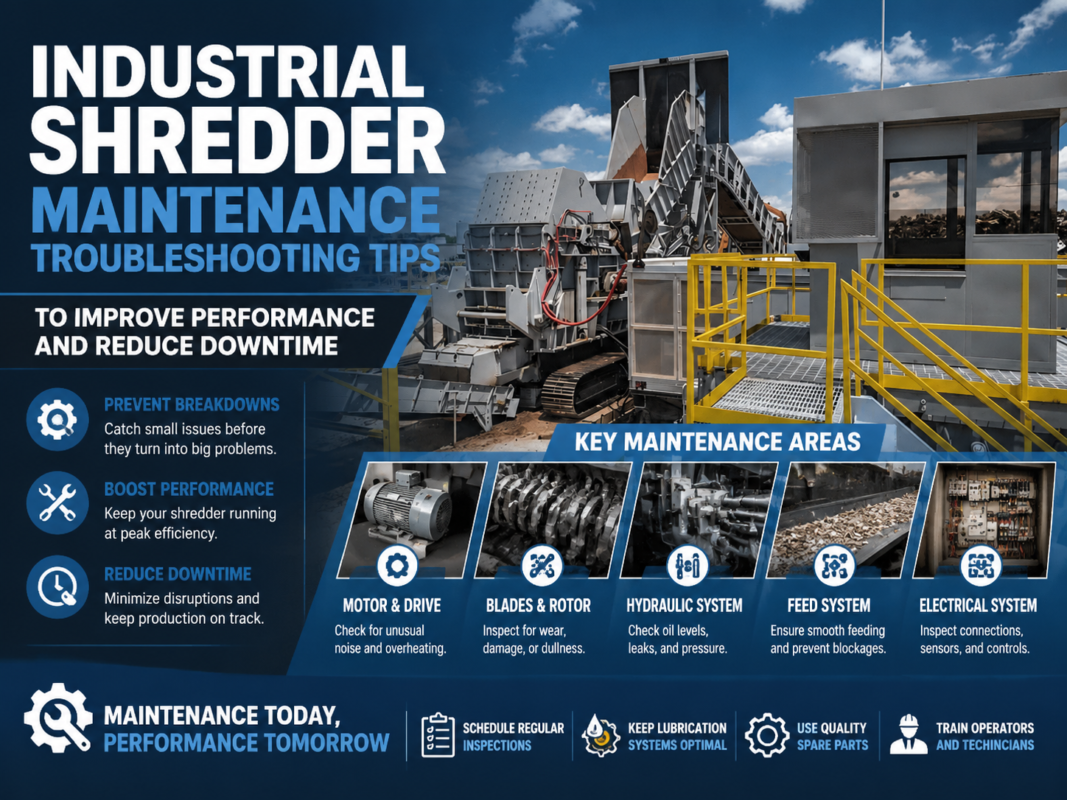
From an operational standpoint, modern shredders are designed for ease of maintenance. Features such as split-bearing housings and replaceable blade inserts mean that routine servicing can be performed quickly, minimizing downtime. In a high-volume industry like automotive recycling, where machines often run for multiple shifts, the reliability and serviceability of HARSLE equipment provide a competitive edge that ensures long-term profitability.
Case Example: High-Capacity Metal Recovery Plant
A prominent recycling facility in Eastern Europe recently upgraded its processing line with a HARSLE double-shaft shredder system to handle an influx of end-of-life vehicles. Previously, the facility relied on manual dismantling and small-scale crushers, which were labor-intensive and produced inconsistent results. The goal was to increase their processing capacity from 10 cars per hour to over 30.
By implementing a 200kW double-shaft shredder integrated with a magnetic drum separator, the plant was able to automate the entire primary breakdown process. The high-torque system allowed them to feed entire car shells (minus the engines) directly into the hopper. The result was a 300% increase in throughput and a significant reduction in labor costs. Moreover, the consistency of the shredded steel allowed them to secure a long-term contract with a major steel mill, providing a stable and lucrative outlet for their processed scrap.
Frequently Asked Questions (FAQ)
What is the typical lifespan of shredder blades in automotive recycling?
The lifespan of blades depends heavily on the material being processed and the maintenance schedule. For automotive scrap, which includes hardened steels, blades typically require sharpening or rotation every 500 to 1,000 hours of operation. Using high-quality alloys like D2 steel can significantly extend this interval.
Can one shredder handle both metal and tires?
While some heavy-duty double-shaft shredders can process both, it is generally recommended to use specialized configurations. Metal shredding requires high torque and specific blade geometries, while tire shredding requires high-speed shearing to cut through the elastic rubber and internal steel wires cleanly. Using a dedicated machine for each ensures better output quality and less wear.
How does the auto-reverse function work?
The auto-reverse function is a safety and efficiency feature controlled by the PLC. When the shredder encounters a material that is too hard or too large to shear, the motor’s current spikes. The PLC detects this and immediately reverses the direction of the shafts to clear the jam before attempting to shred the material again. This prevents motor burnout and mechanical breakage.
What are the power requirements for an industrial automotive shredder?
Power requirements vary based on throughput. Small-scale units may start at 45kW, while large-scale industrial systems for processing full car bodies can range from 160kW to over 400kW. It is essential to ensure your facility’s electrical infrastructure can handle these loads, including the high starting current required by large motors.
Conclusion and Call to Action
The Best Industrial Shredder Uses Automotive Scrap Recycling represent a vital intersection of engineering excellence and environmental stewardship. As the world moves toward a more circular economy, the demand for efficient, high-capacity recycling machinery will only continue to grow. By choosing the right shredder configuration and integrating it into a well-designed workflow, recycling facilities can achieve unprecedented levels of productivity and profitability.
HARSLE is committed to providing the metal fabrication and recycling industries with the most robust and technologically advanced shredding solutions available. Whether you are looking to upgrade an existing line or build a new facility from the ground up, our team of experts is ready to assist you in selecting the perfect machine for your needs. Contact HARSLE today to learn more about our industrial shredders and how we can help you transform automotive scrap into valuable resources.