Best Four-Shaft Shredder Features to Consider Before You Invest: A Comprehensive Industrial Guide

Introduction to Four-Shaft Shredding Technology
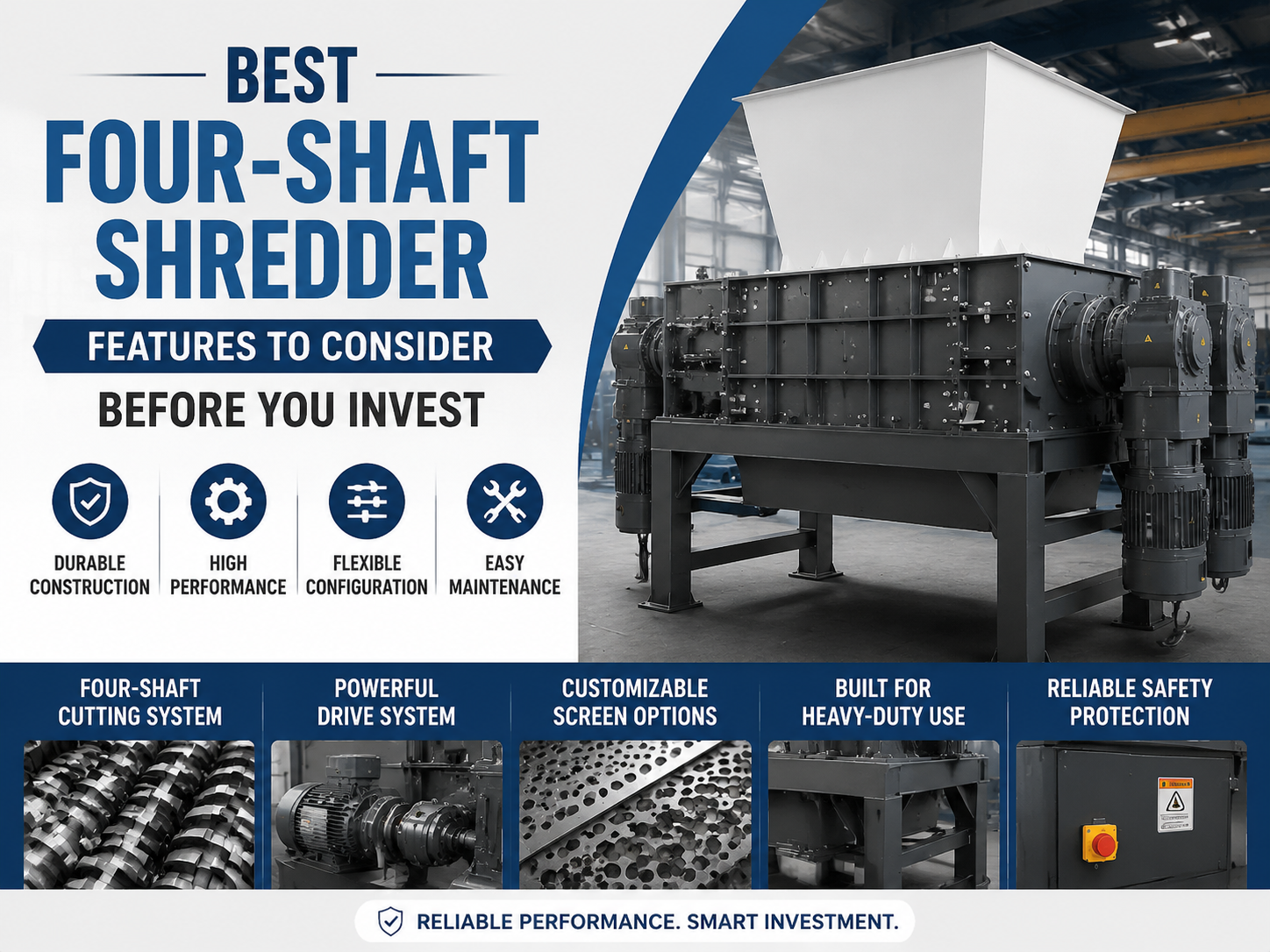
In the modern landscape of industrial recycling and waste management, the four-shaft shredder stands as a pinnacle of engineering efficiency. Unlike its single or double-shaft counterparts, the four-shaft design offers unparalleled versatility, particularly when uniform particle size and high throughput are required. When searching for the Best Four-Shaft Shredder Features Consider Before You Invest, it is essential to understand that this machine is not just a piece of hardware; it is a strategic investment in your facility’s operational capability. These machines are designed to handle everything from electronic waste (e-waste) and plastic drums to tires and confidential documents, making them indispensable in the circular economy.
The primary advantage of a four-shaft system lies in its ability to self-feed and recirculate material until it passes through a sizing screen. This ensures that the output is consistent, which is a critical requirement for downstream processes like pelletizing or chemical recycling. However, the market is flooded with various models, each claiming to be the best. To make an informed decision, buyers must look beyond the surface-level specifications and delve into the mechanical nuances that dictate long-term reliability and performance. This guide will break down the essential features, costs, and ROI factors to ensure your investment yields the highest possible returns.
Price Range Overview: What to Expect
Investing in a four-shaft shredder is a significant financial commitment. Prices can vary wildly based on capacity, brand reputation, and technical sophistication. Generally, the market can be divided into three main tiers. Entry-level machines, often designed for lighter materials like plastics or paper, typically range from $25,000 to $50,000. These units are suitable for small-scale recycling centers or facilities with intermittent shredding needs. While they offer the basic benefits of a four-shaft design, they may lack the heavy-duty components required for continuous 24/7 operation.
Mid-range four-shaft shredders, which are the most common in industrial settings, usually fall between $60,000 and $150,000. These machines are built with higher-grade alloys, more powerful motors, and advanced PLC (Programmable Logic Controller) systems. They are capable of handling tougher materials like light metals, IBC totes, and thick-walled plastics. For large-scale industrial operations or specialized recycling plants dealing with hazardous waste or heavy scrap, high-end custom-engineered shredders can exceed $250,000. These premium units often include integrated conveyor systems, advanced fire suppression, and remote monitoring capabilities.
Main Cost Drivers: Why Prices Vary
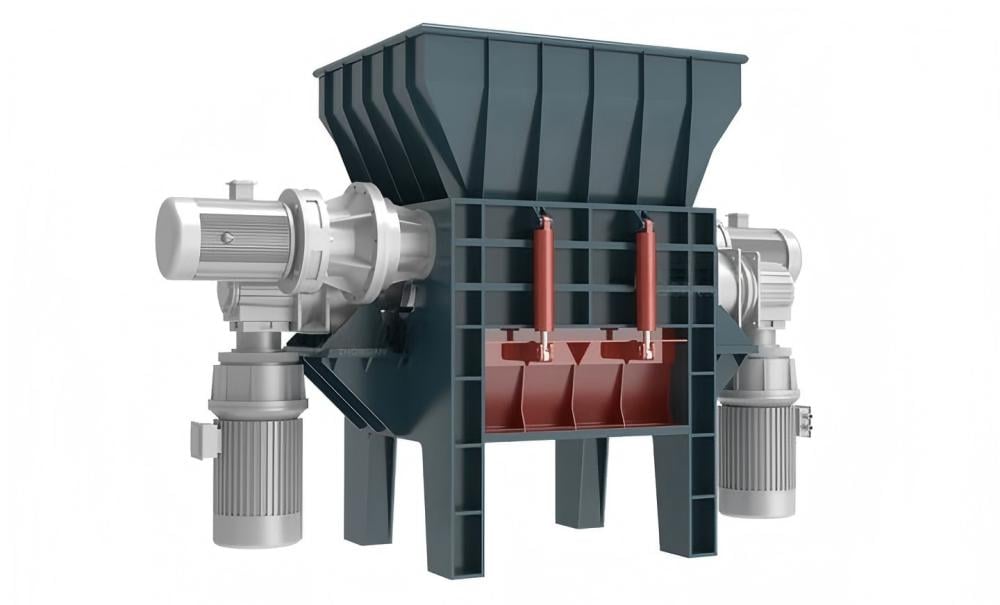
When evaluating the Best Four-Shaft Shredder Features Consider Before You Invest, it becomes clear that the price is driven by the quality of internal components. The most significant cost driver is the motor and gearbox assembly. High-torque, low-speed motors are essential for shredding tough materials without stalling. Brands like Siemens or ABB are preferred for their reliability and global support, but they add a premium to the initial cost. Similarly, the gearbox must be robust enough to handle the immense shock loads generated during the shredding process.
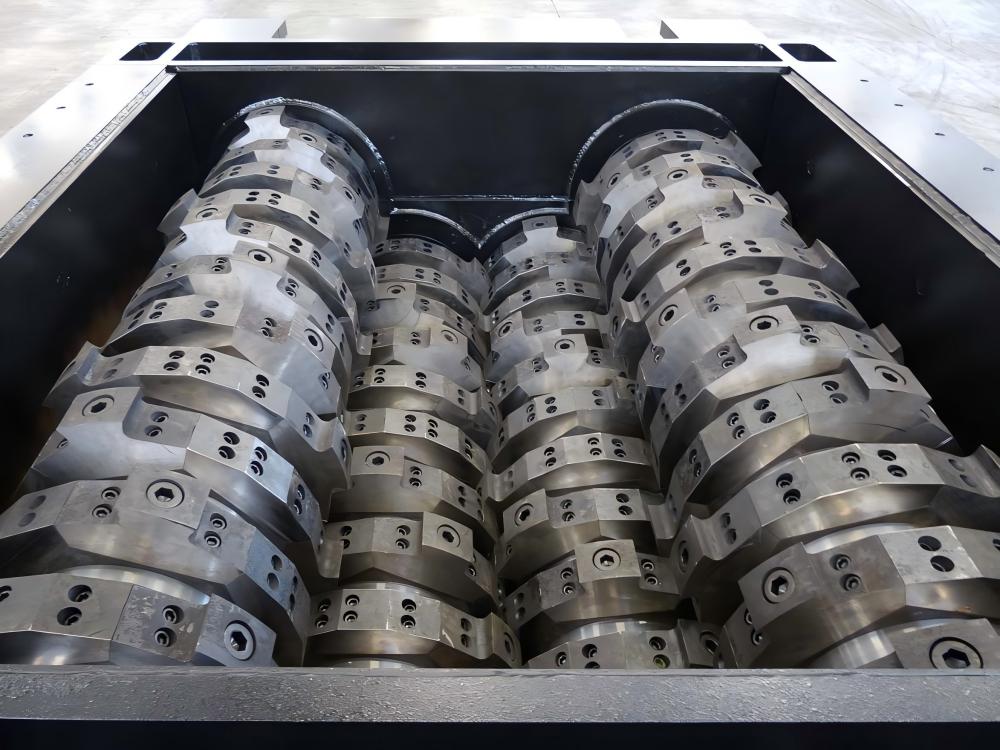
Another major factor is the metallurgy of the cutting blades. Standard carbon steel blades are cheaper but wear out quickly when processing abrasive materials. High-alloy steels like D2, SKD-11, or specialized heat-treated alloys offer much longer lifespans and better edge retention. While the upfront cost of these blades is higher, they significantly reduce the frequency of maintenance shutdowns. Additionally, the complexity of the control system—specifically the inclusion of intelligent reverse functions to prevent jams—adds to the cost but protects the machine from catastrophic failure.
Configuration Impact: Tailoring the Machine to Your Needs
The configuration of a four-shaft shredder is what determines its efficiency for specific materials. One of the most critical features is the shaft arrangement. In a typical setup, the two inner shafts do the bulk of the cutting, while the two outer shafts assist in grabbing the material and forcing it down into the cutting zone. The geometry of the hooks on these shafts must be matched to the material; for example, aggressive, large hooks are better for bulky items like tires, while smaller, more numerous hooks are ideal for achieving a fine grind on electronic components.
The sizing screen (or sieve) is another vital configuration element. The screen sits beneath the shafts and dictates the maximum size of the shredded output. Material that is too large is carried back up by the teeth for another pass. When considering the Best Four-Shaft Shredder Features Consider Before You Invest, look for machines that offer easy-to-change screens. This flexibility allows you to switch between different output requirements (e.g., 20mm for one client and 50mm for another) without hours of downtime. Furthermore, the inclusion of a hydraulic ram or pusher can drastically increase throughput for lightweight, bulky materials that might otherwise “float” on top of the shafts.
Hidden Costs: Beyond the Purchase Price
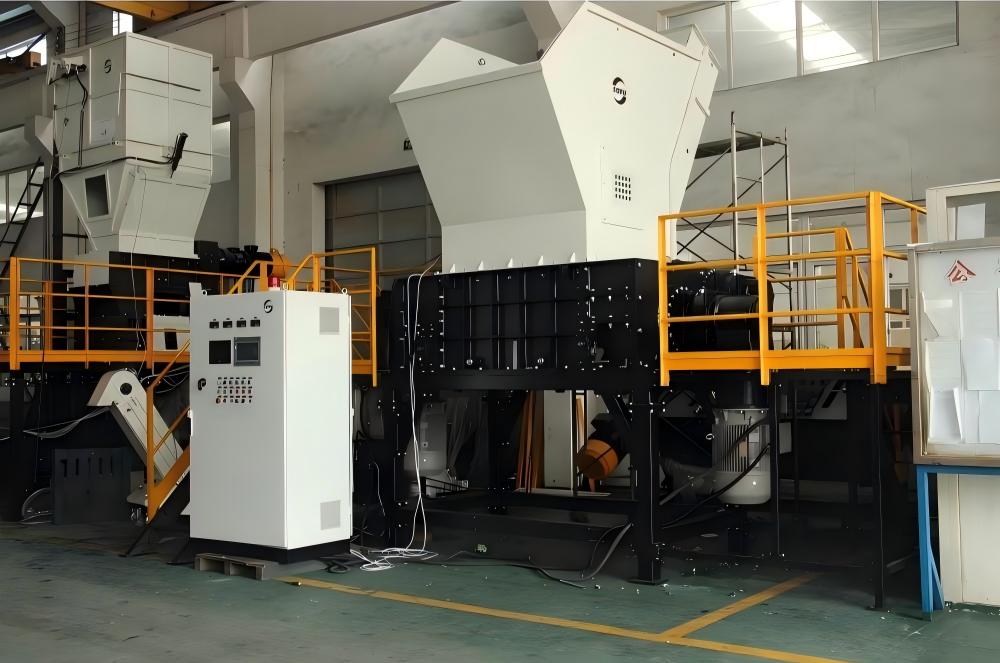
Many buyers make the mistake of only looking at the sticker price, ignoring the total cost of ownership (TCO). One of the most significant hidden costs is energy consumption. A shredder running a 75kW motor for 10 hours a day can rack up massive electricity bills. Modern shredders with VFDs (Variable Frequency Drives) can mitigate this by adjusting power usage based on the load, but these systems require a higher initial investment. Maintenance is another ongoing expense; blades will eventually need sharpening or replacement, and bearings require regular lubrication.
Spare parts availability is a crucial consideration. If your shredder breaks down and the manufacturer is located overseas with no local stock, you could face weeks of downtime. This lost production time often costs more than the repair itself. Additionally, consider the cost of installation and site preparation. Heavy-duty shredders require reinforced concrete flooring and specialized electrical hookups. Some materials may also require dust extraction or cooling systems to prevent fires or melting, adding further to the project’s total budget.
ROI Calculation: Measuring Your Investment
To justify the purchase, you must calculate the Return on Investment (ROI). The formula is relatively straightforward: (Annual Revenue/Savings – Annual Operating Costs) / Total Investment. Revenue can come from selling shredded material (which often commands a higher price than raw scrap) or from reduced disposal fees. For example, shredding bulky waste can reduce its volume by up to 80%, significantly lowering the number of truck trips required for transport to a landfill.
Labor savings also play a huge role in ROI. A high-capacity four-shaft shredder can replace several manual sorting and cutting stations. If the machine allows you to process 5 tons per hour with one operator instead of 1 ton per hour with four workers, the payback period shortens dramatically. Most industrial users aim for an ROI within 18 to 24 months. When evaluating the Best Four-Shaft Shredder Features Consider Before You Invest, prioritize features that maximize uptime and throughput, as these are the primary drivers of profitability.
Buying Advice: How to Choose the Right Partner
Choosing the right manufacturer is just as important as choosing the right machine. Start by requesting a material test. Any reputable supplier, like HARSLE, should be willing to process a sample of your specific waste material to demonstrate the machine’s effectiveness and the resulting particle size. This test provides empirical data on throughput and power consumption, removing the guesswork from your investment. Furthermore, check the manufacturer’s track record in your specific industry. A shredder that works well for paper might fail miserably when faced with reinforced rubber or aluminum scrap.
Look for a partner that offers comprehensive after-sales support. This includes not just a warranty, but also technical training for your operators and a clear maintenance schedule. A well-trained operator can identify potential issues—like a dull blade or a loose belt—before they lead to a breakdown. Finally, consider the scalability of the solution. Can the manufacturer provide integrated conveyors, magnetic separators, or granulators if your needs grow in the future? A modular approach to waste management allows you to expand your operations without replacing your core equipment.
Frequently Asked Questions (FAQ)
What is the main advantage of a four-shaft shredder over a two-shaft shredder?
The main advantage is the inclusion of a sizing screen and the ability to recirculate material. While a two-shaft shredder produces long, irregular strips, a four-shaft shredder ensures a consistent, predetermined particle size. This makes it superior for applications where the output must meet specific size requirements for further processing.
How often do the blades need to be sharpened?
Blade life depends entirely on the material being processed. If you are shredding clean plastic, blades can last for hundreds of hours. However, if the material contains abrasives like sand, glass, or metal fasteners, the blades will wear much faster. Most modern four-shaft shredders feature individual blade disks that can be removed and sharpened or replaced without dismantling the entire shaft assembly.
Can a four-shaft shredder handle metal?
Yes, but with limitations. They are excellent for light metals like aluminum extrusions, copper wiring, and thin-gauge steel sheets. They are not designed for heavy structural steel or solid metal ingots. Attempting to shred materials beyond the machine’s rated capacity will lead to premature wear and potential shaft breakage.
What safety features should I look for?
Essential safety features include emergency stop buttons, safety interlocks on all access doors, and an automatic reverse function that triggers when the motor detects an overload. For certain materials, explosion-proof motors and integrated fire suppression systems (like water misters or CO2) are also necessary.
Is a hydraulic or electric drive better?
Electric drives are generally more energy-efficient and easier to maintain, making them the standard for most applications. Hydraulic drives, however, offer superior torque at very low speeds and are better at handling sudden, extreme shocks. The choice depends on the toughness and variability of your input material.
Conclusion
Investing in industrial machinery requires a balance of technical knowledge and financial foresight. By focusing on the Best Four-Shaft Shredder Features Consider Before You Invest—such as blade quality, motor reliability, and screen flexibility—you can ensure that your facility remains productive and profitable for years to come. Remember that the cheapest option is rarely the most cost-effective in the long run. Partnering with an experienced manufacturer like HARSLE ensures you receive a machine tailored to your specific needs, backed by the technical expertise required to keep your operations running smoothly.