Best Briquetting Machine Configuration for Small and Medium Factories: A Comprehensive Guide

Introduction to Briquetting in Small and Medium Enterprises
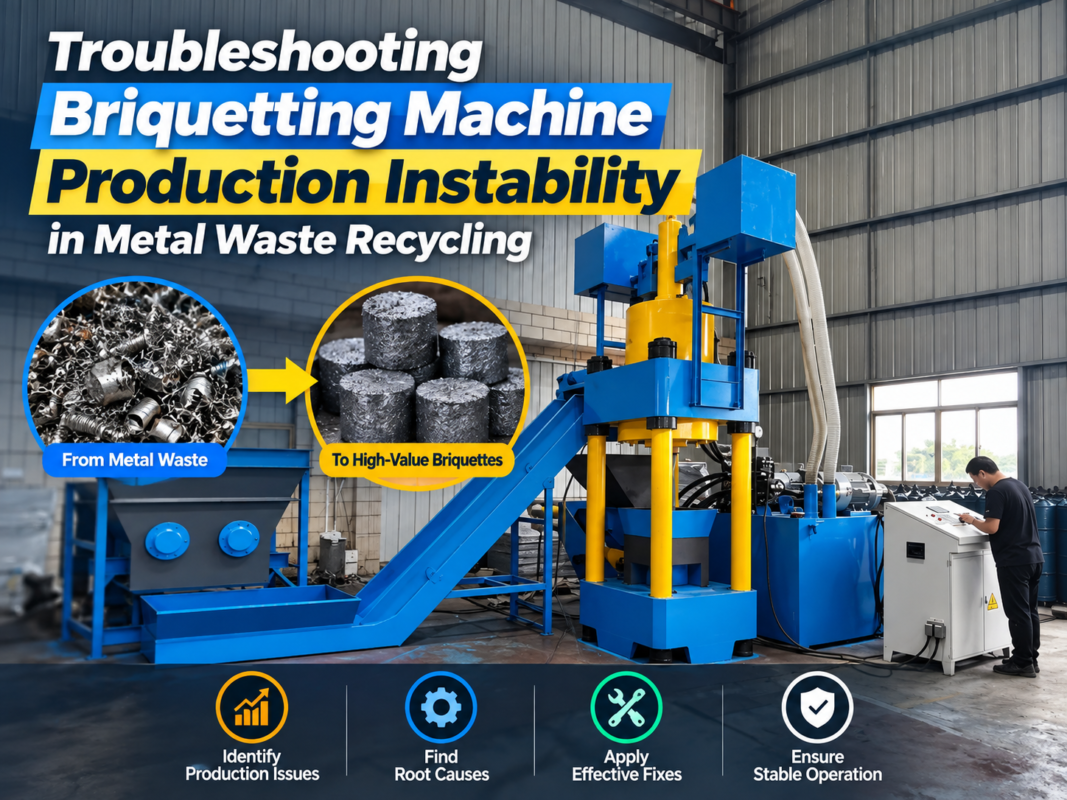
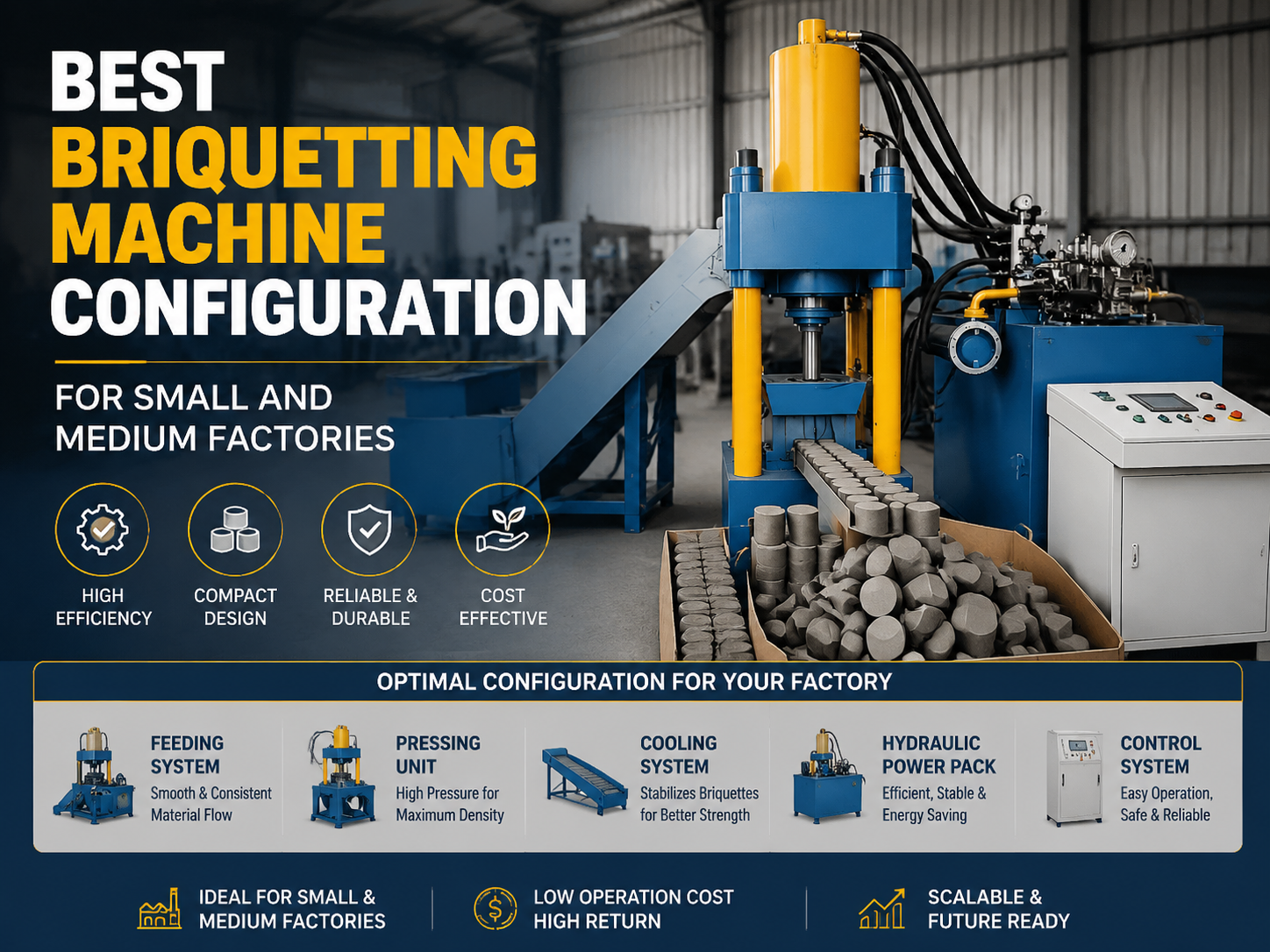
In the modern manufacturing landscape, small and medium-sized factories (SMEs) face increasing pressure to optimize their waste management processes while maintaining profitability. Metal fabrication, whether it involves CNC machining, milling, or grinding, inevitably produces a significant amount of metal chips, turnings, and swarf. Traditionally, these materials were sold as loose scrap for a fraction of their potential value. However, the adoption of the Best Briquetting Machine Configuration Small Medium Factories can transform this waste stream into a high-value asset.
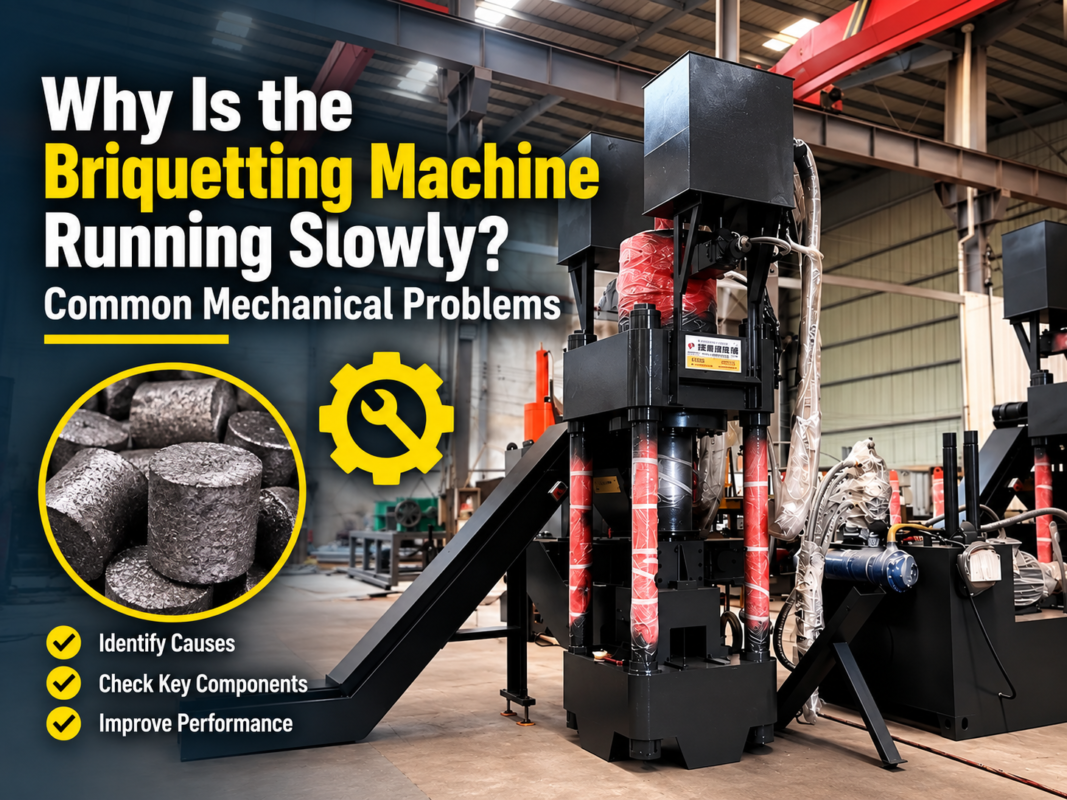
A briquetting machine uses high hydraulic pressure to compress metal chips into dense, cylindrical blocks known as briquettes. For an SME, the goal is not just to buy any machine, but to find a configuration that balances initial capital expenditure with operational efficiency and long-term durability. This guide explores the technical nuances, financial implications, and strategic considerations for selecting the ideal briquetting setup tailored specifically for the needs of smaller industrial operations.
Price Range Overview for Briquetting Equipment
Understanding the financial landscape is the first step for any factory manager. Briquetting machines are not one-size-fits-all; their prices vary significantly based on capacity, pressure, and automation levels. For small and medium factories, the market generally falls into three distinct tiers.
Entry-Level Solutions ($10,000 – $25,000)
Entry-level machines are typically designed for factories producing less than 200-300 kg of scrap per hour. These units are often semi-automatic and may require manual loading or basic conveyor systems. While they offer the lowest barrier to entry, they may lack advanced cooling systems or high-density compression capabilities required for certain materials like tough steel alloys. They are ideal for small workshops focusing on aluminum or cast iron chips.
Mid-Range Configurations ($25,000 – $60,000)
This is the ‘sweet spot’ for most medium-sized factories. Machines in this range offer a balance of robust hydraulic systems, PLC (Programmable Logic Controller) integration, and moderate throughput (500-1,000 kg/h). These units often include basic filtration systems for coolant recovery, which is a critical factor in ROI. HARSLE’s mid-range models are frequently cited as the Best Briquetting Machine Configuration Small Medium Factories because they provide industrial-grade durability without the price tag of massive foundry-scale equipment.
High-End Specialized Units ($60,000 – $120,000+)
For factories with high-volume output or those dealing with difficult-to-compress materials (like titanium or long, stringy stainless steel turnings), high-end configurations are necessary. these machines feature high-tonnage cylinders, advanced Siemens or Mitsubishi PLC systems, and fully integrated chip shredders and centrifuges. While the cost is higher, the automation reduces labor costs to nearly zero.
Main Cost Drivers in Briquetting Technology
Several technical factors dictate the final price and performance of a briquetting press. Identifying these drivers helps SMEs avoid paying for features they don’t need while ensuring they don’t under-spec their equipment.
- Hydraulic System Quality: The heart of the machine. High-quality valves (such as Rexroth or Vickers) and pumps increase the cost but significantly reduce downtime and maintenance issues.
- Compression Force (Tonnage): Higher tonnage allows for denser briquettes. While aluminum requires less pressure, steel and copper demand higher force to achieve a stable briquette that won’t crumble during transport.
- Automation Level: Features like automatic chip feeding, briquette discharge conveyors, and remote monitoring via IoT add to the cost but lower the operational overhead.
- Material Compatibility: Machines designed to handle abrasive materials or those requiring specialized feeding mechanisms (like screw feeders for fine dust) are more expensive than standard chip presses.
Configuration Impact: Matching Specs to Production Needs
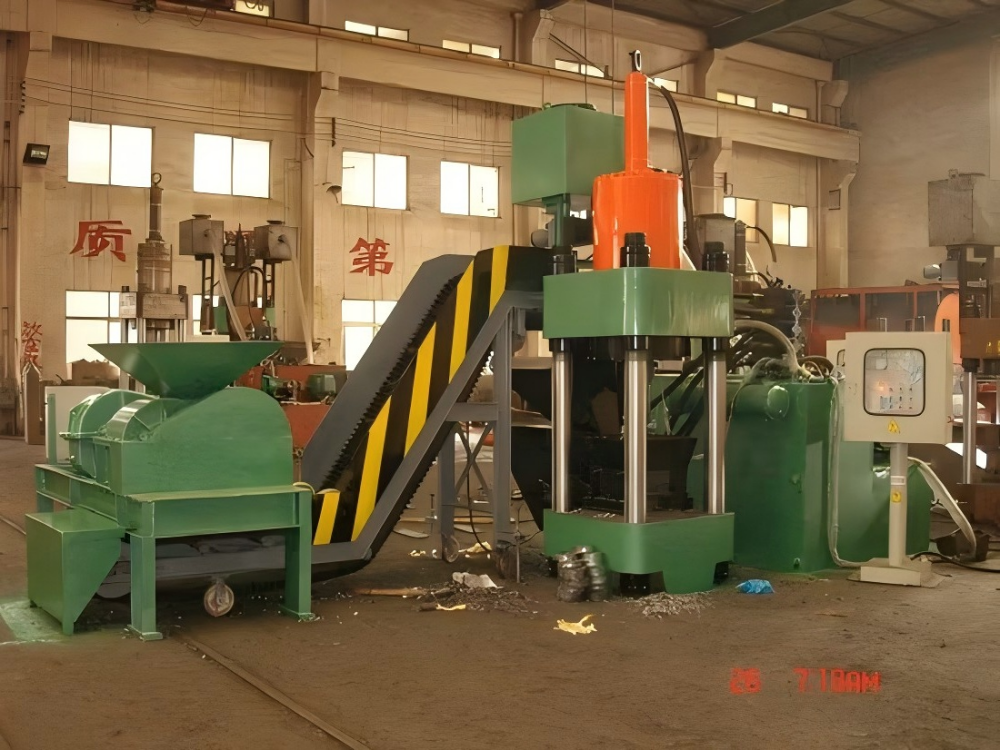
The Best Briquetting Machine Configuration Small Medium Factories must be precisely matched to the factory’s specific output. A common mistake is overestimating the required throughput, leading to a machine that sits idle, or underestimating the material toughness, leading to premature mechanical failure.
Cylinder Diameter and Stroke
The diameter of the main hydraulic cylinder determines the pressure exerted on the material. For SMEs, a cylinder diameter that provides between 150 to 300 tons of force is usually sufficient. The stroke speed is also vital; a faster cycle time means more briquettes per hour, but it also requires a more powerful motor and better cooling to prevent the hydraulic oil from overheating.
PLC and Control Systems
Modern briquetting machines should feature a user-friendly PLC interface. This allows operators to adjust the compression time, pressure limits, and feeding intervals based on the moisture content and size of the metal chips. For a medium-sized factory, a system that stores ‘recipes’ for different materials (e.g., one setting for aluminum, another for brass) can significantly improve efficiency during material changeovers.
Coolant Recovery Systems
One of the most overlooked aspects of configuration is the ability to reclaim cutting fluids. When metal chips are compressed, the residual coolant is squeezed out. A well-configured machine for an SME should include a collection tray and a pump system to return this expensive fluid back to the CNC machines or a central filtration unit. This feature alone can often pay for the machine’s price difference within the first year.
Hidden Costs of Operating a Briquetting Press
Beyond the purchase price, factory owners must account for the total cost of ownership (TCO). Ignoring these factors can turn a profitable investment into a financial burden.
1. Consumable Parts: The pressing die and the punch are subject to extreme friction and pressure. Depending on the material being processed (abrasive materials like cast iron wear parts faster), these components may need replacement every 6 to 12 months. SMEs should ensure that the Best Briquetting Machine Configuration Small Medium Factories they choose uses standard-sized, easily replaceable wear parts.
2. Energy Consumption: Hydraulic motors are power-hungry. A 15kW to 30kW motor running 8 hours a day adds up. Choosing a machine with a variable frequency drive (VFD) can reduce energy consumption by adjusting the motor speed to the actual load required during different stages of the compression cycle.
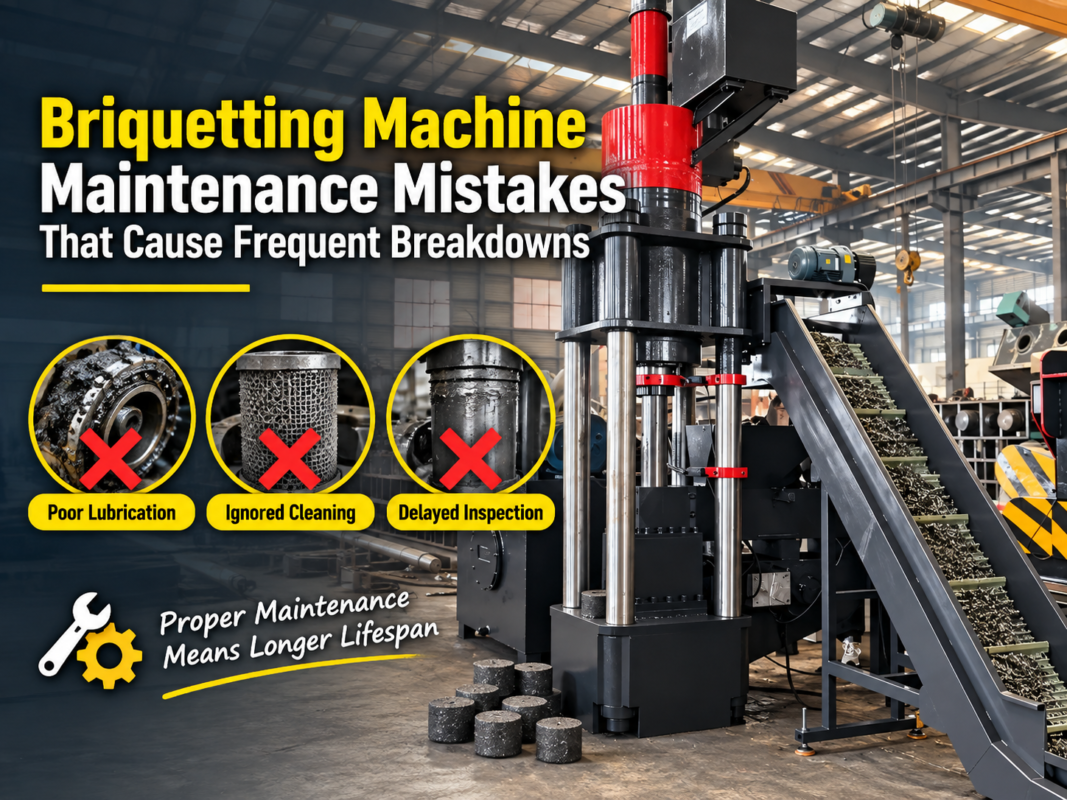
3. Hydraulic Oil Maintenance: A typical machine may require 200 to 500 liters of hydraulic oil. This oil must be kept clean and cool. If the factory environment is hot, an external air or water cooling system for the oil is mandatory to prevent seal failure and pump cavitation.
ROI Calculation: Is It Worth the Investment?
For a small or medium factory, the Return on Investment (ROI) is the ultimate metric. Let’s look at a typical scenario for a factory producing 10 tons of aluminum chips per month.
| Factor | Loose Chips (No Machine) | Briquettes (With Machine) |
|---|---|---|
| Scrap Value (per ton) | $800 | $1,100 |
| Monthly Revenue | $8,000 | $11,000 |
| Coolant Recovery Value | $0 | $400 |
| Storage/Transport Savings | $0 | $200 |
| Total Monthly Benefit | $8,000 | $11,600 |
In this example, the factory gains an additional $3,600 per month. If a mid-range machine costs $40,000, the payback period is approximately 11 months. This does not even account for the intangible benefits, such as a cleaner shop floor, reduced fire risk (loose chips soaked in oil are a fire hazard), and improved environmental compliance.
Buying Advice for Small and Medium Factories
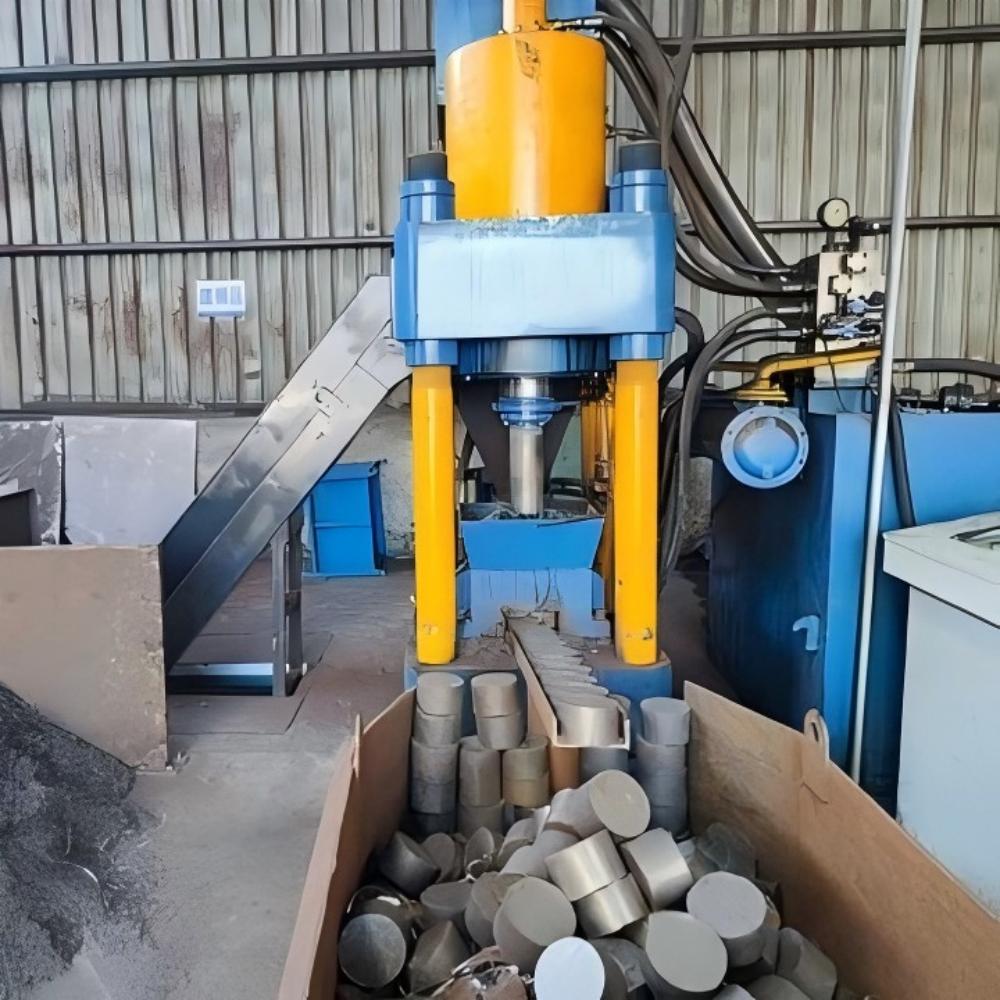
When you are ready to move forward, follow this checklist to ensure you secure the Best Briquetting Machine Configuration Small Medium Factories for your specific needs:
- Test Your Material: Always send a sample of your actual scrap to the manufacturer. Different alloys behave differently under pressure. A reputable manufacturer like HARSLE will provide a test report showing the density and stability of the resulting briquettes.
- Check the Footprint: Space is often at a premium in SMEs. Look for vertical configurations if floor space is limited, or horizontal models if you have height restrictions but more floor area.
- Evaluate After-Sales Support: A briquetting machine is a heavy-duty piece of equipment. Ensure the supplier offers technical support, a clear warranty, and a ready supply of spare parts.
- Consider Future Growth: If you expect your production to increase by 20% in the next two years, buy a machine that can handle that extra capacity now. Upgrading a machine later is far more expensive than buying slightly more capacity upfront.
Frequently Asked Questions (FAQ)
What materials can be briquetted?
Most industrial metals can be briquetted, including aluminum, steel, cast iron, copper, brass, titanium, and magnesium. The configuration of the machine (specifically the pressure and feeding system) will change depending on the material’s ductility and chip size.
How much space does a briquetting machine require?
For a small to medium factory, a typical machine occupies about 4 to 8 square meters. However, you must also account for the space needed for the chip hopper, the briquette collection bin, and maintenance access around the hydraulic unit.
Does the machine require a specialized operator?
No. Most modern machines are designed for ‘set and forget’ operation. Once the PLC is configured for the material, the operator only needs to ensure the hopper is fed and the briquette bins are emptied. Many factories integrate the briquetting machine directly into their chip conveyor system for fully autonomous operation.
What is the ideal briquette density?
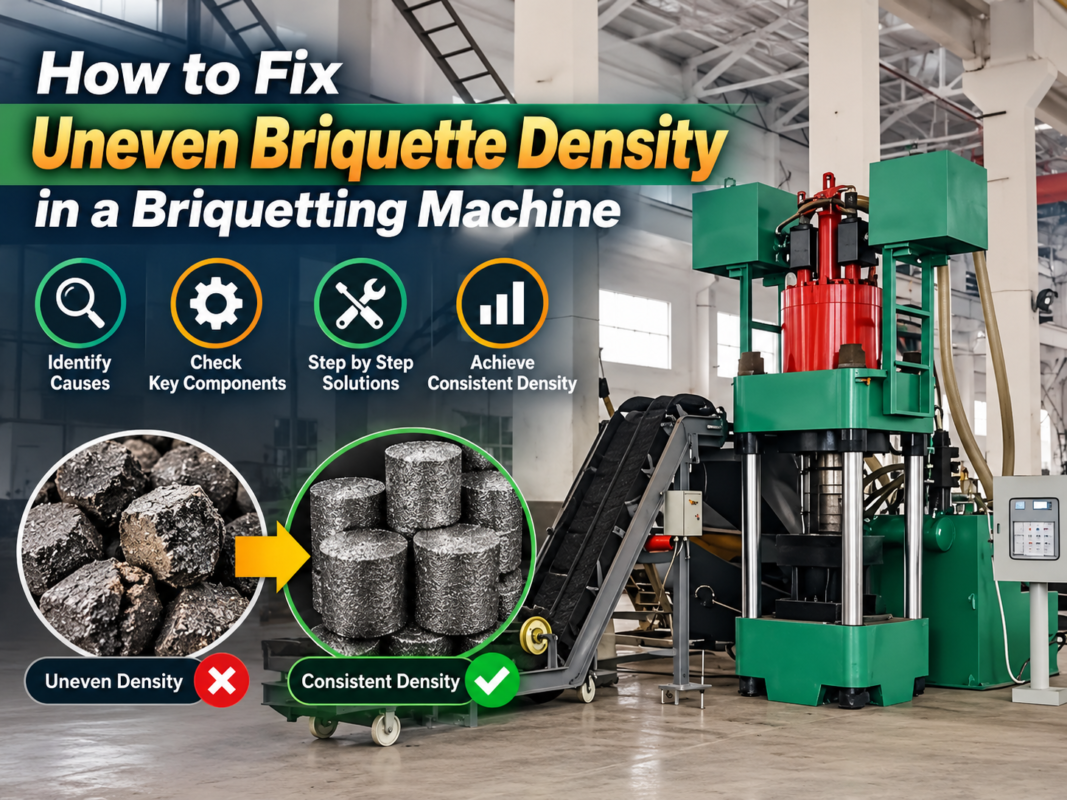
Ideally, a briquette should reach 70% to 85% of the solid metal’s density. This ensures it doesn’t break during handling and provides the best melting yield in the furnace. Higher density also means more efficient coolant extraction.
Can I process wet chips?
Yes, briquetting machines are specifically designed to handle wet chips. In fact, the compression process is one of the most effective ways to remove and recover cutting oils and coolants from metal waste, which is a major environmental and financial benefit.
Conclusion
Selecting the Best Briquetting Machine Configuration Small Medium Factories is a strategic move that enhances both the sustainability and the bottom line of a manufacturing business. By focusing on the right balance of pressure, automation, and coolant recovery, SMEs can turn a waste management headache into a streamlined, profitable operation. As the global focus on circular economy and resource efficiency grows, the ability to recycle metal scrap on-site will become not just an advantage, but a necessity for competitive manufacturing.