What Causes Hydraulic Briquetting Machine Cylinder Failure and How to Prevent It

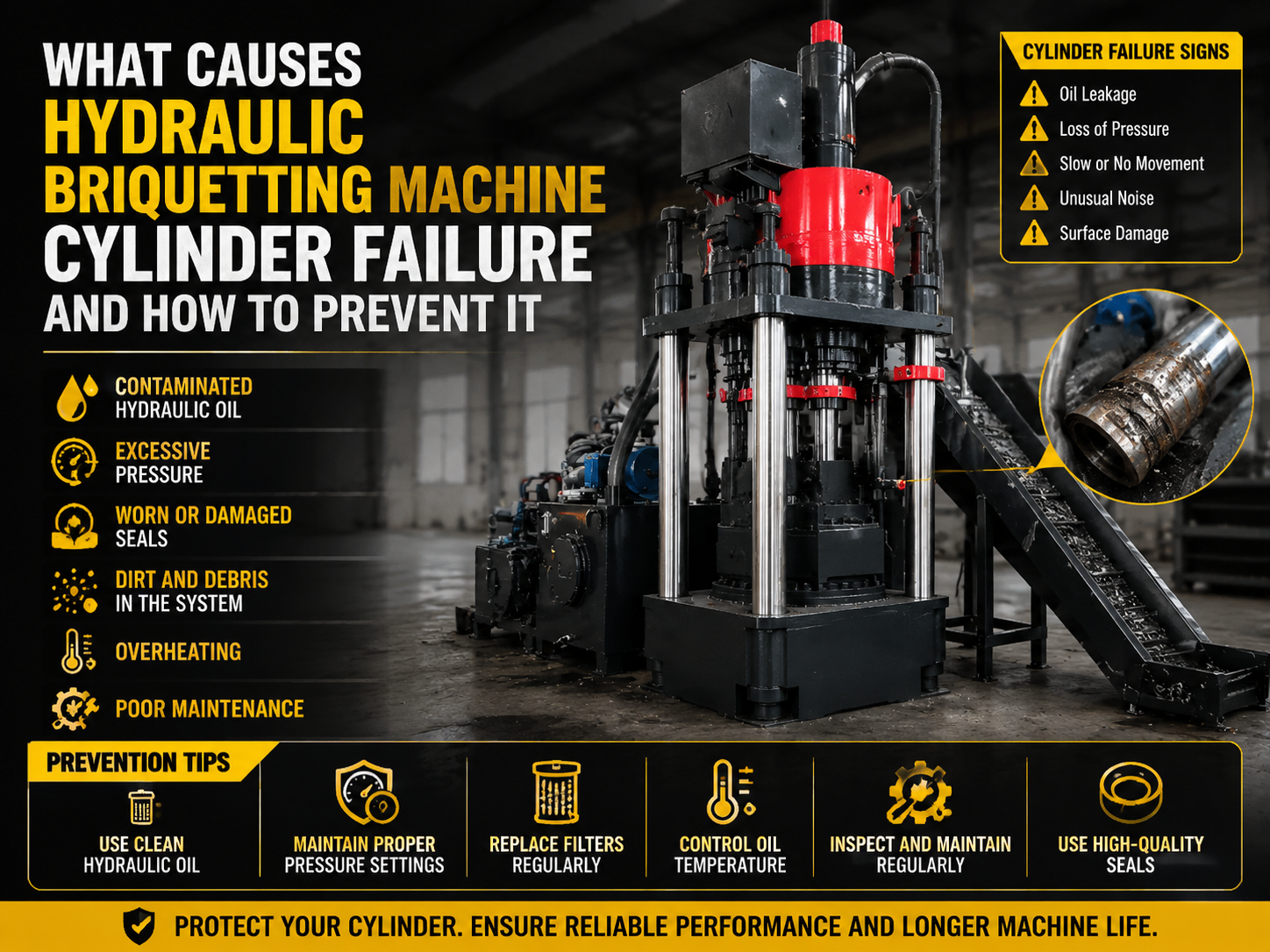
Introduction to Hydraulic Briquetting Machine Cylinder Reliability
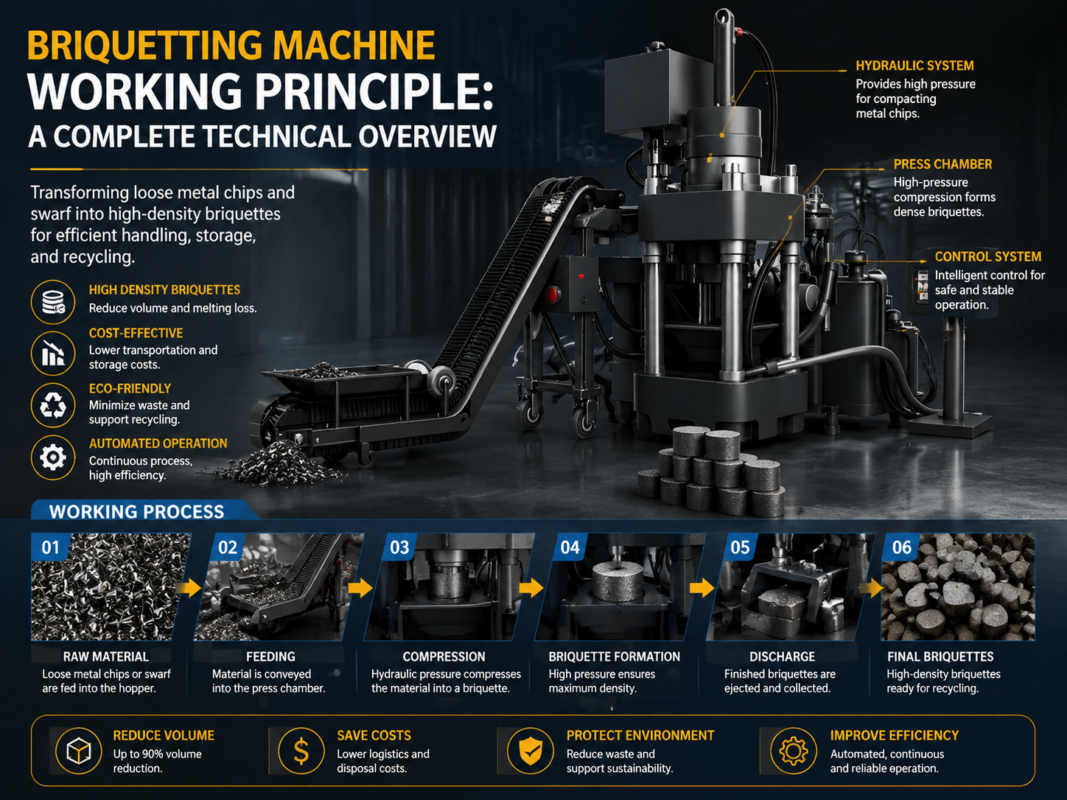
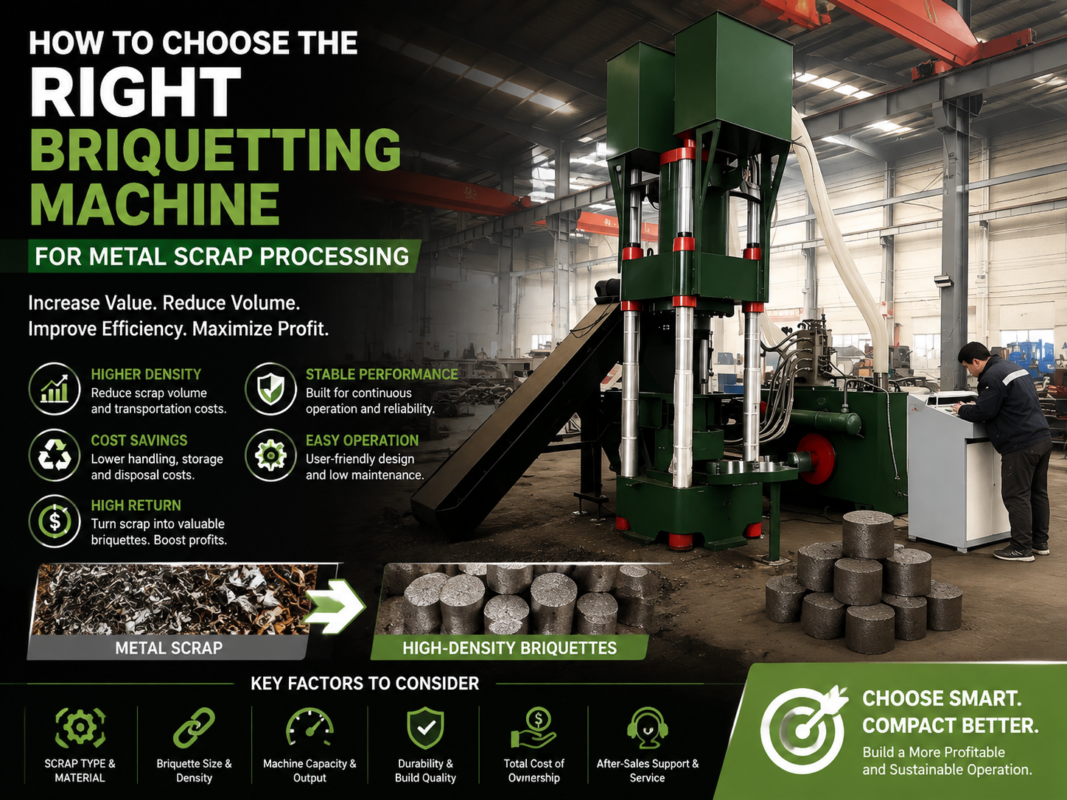
In the world of metal recycling and waste management, the hydraulic briquetting machine stands as a cornerstone of efficiency. By compressing loose metal chips, shavings, and turnings into dense, manageable blocks, these machines significantly reduce storage space and increase the value of scrap material. At the heart of this powerful operation lies the hydraulic cylinder. The cylinder is responsible for generating the immense force required to transform loose debris into solid briquettes. However, because it operates under extreme pressure and often in harsh environments, the cylinder is also one of the most vulnerable components of the system.
Understanding what causes hydraulic briquetting machine cylinder failure and how to prevent it is essential for any facility manager or machine operator. A failure in the cylinder doesn’t just mean a broken part; it results in costly downtime, potential safety hazards, and expensive repairs. When a cylinder fails, the entire production line grinds to a halt, leading to a backlog of scrap and lost revenue. Therefore, proactive maintenance and a deep understanding of the technical stressors placed on these components are vital for long-term operational success.
HARSLE, a leader in metal fabrication machinery, emphasizes that the longevity of a briquetting machine is directly tied to the health of its hydraulic system. This guide will delve into the technical nuances of cylinder failure, exploring the environmental, mechanical, and chemical factors that lead to breakdowns. We will also provide actionable strategies to prevent these issues, ensuring your hydraulic briquetting machine remains a reliable asset in your production arsenal for years to come.
Key Considerations: Primary Causes of Cylinder Failure
Identifying the root causes of cylinder failure is the first step toward effective prevention. In industrial settings, several factors often converge to compromise the integrity of the hydraulic system. By recognizing these early warning signs, operators can intervene before a catastrophic failure occurs.
1. Fluid Contamination
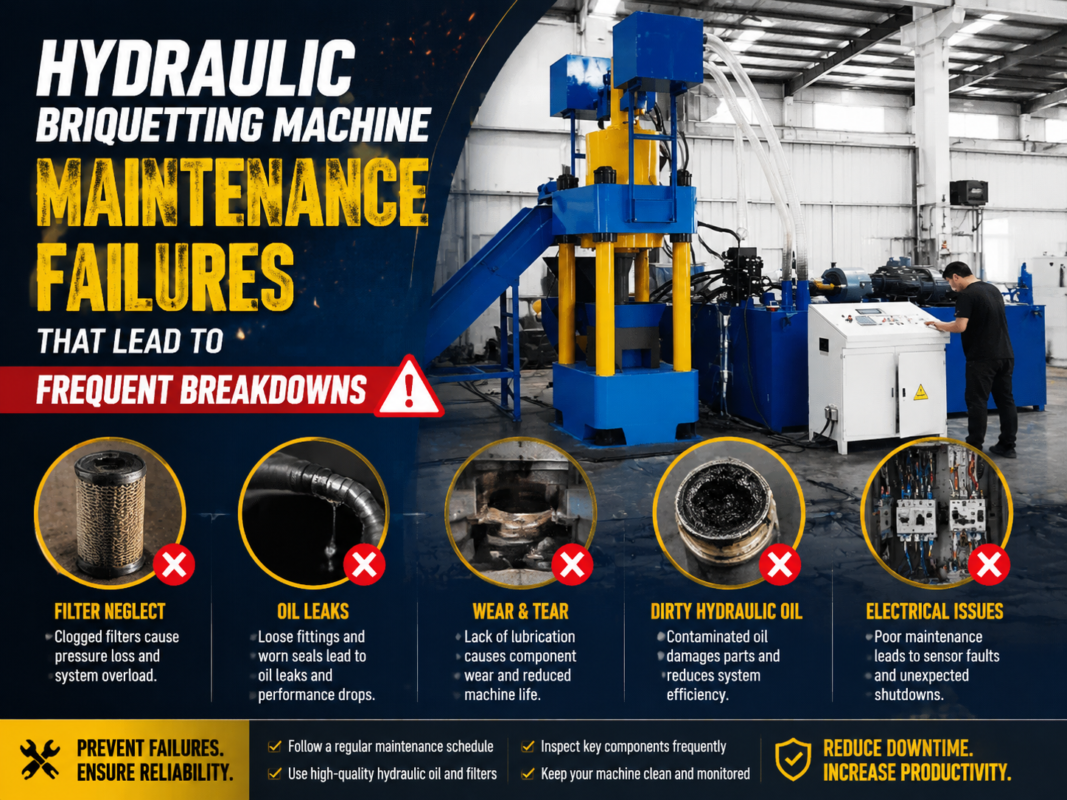
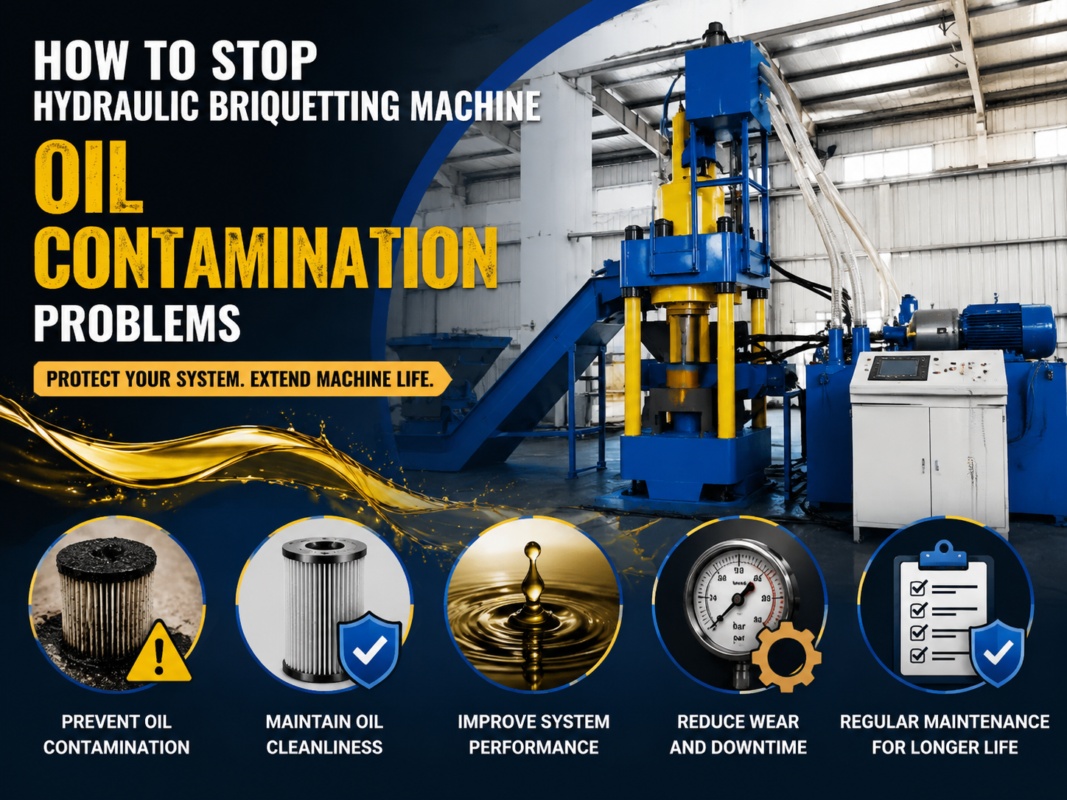
Fluid contamination is arguably the most common cause of hydraulic cylinder failure. In a briquetting environment, the air is often filled with fine metal dust, coolant mist, and other particulates. If these contaminants enter the hydraulic oil, they act as an abrasive paste. As the piston moves back and forth, these particles score the cylinder walls and damage the seals. Even microscopic particles, invisible to the naked eye, can cause significant internal leakage over time, reducing the machine’s pressing force and efficiency.
2. Seal Wear and Degradation
The seals within a hydraulic cylinder are designed to contain high-pressure oil while allowing the piston rod to move smoothly. However, seals are subject to wear from friction and chemical breakdown. Over time, the heat generated by continuous operation can cause seals to harden, crack, or lose their elasticity. Once a seal fails, oil begins to bypass the piston (internal leak) or leak out of the rod end (external leak). This not only wastes expensive hydraulic fluid but also prevents the cylinder from reaching its target pressure, resulting in soft or incomplete briquettes.
3. Mechanical Misalignment and Side Loading
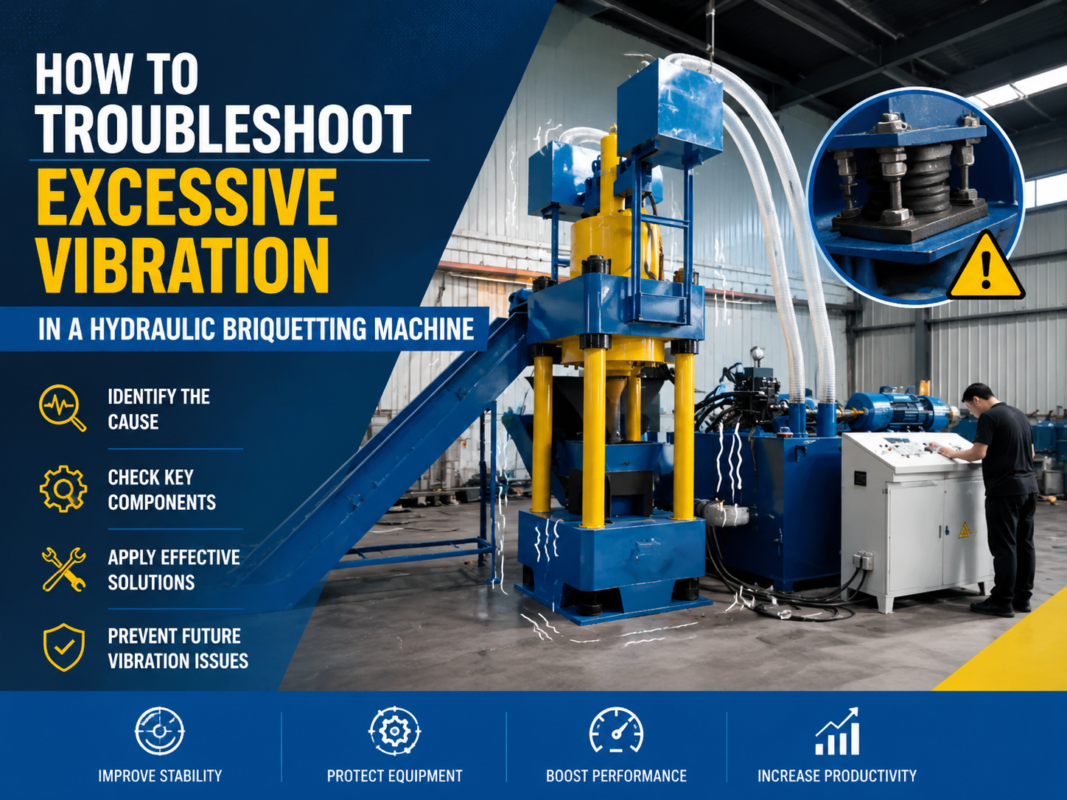
Hydraulic cylinders are designed to apply force in a straight line. If the machine’s frame is warped, or if the pressing tools are not perfectly aligned, the cylinder may experience “side loading.” This occurs when force is applied perpendicular to the axis of the cylinder. Side loading puts immense stress on the rod bearings and the cylinder gland. This leads to uneven wear on one side of the piston and can eventually cause the rod to bend or the cylinder tube to become oval-shaped, necessitating a complete replacement of the unit.
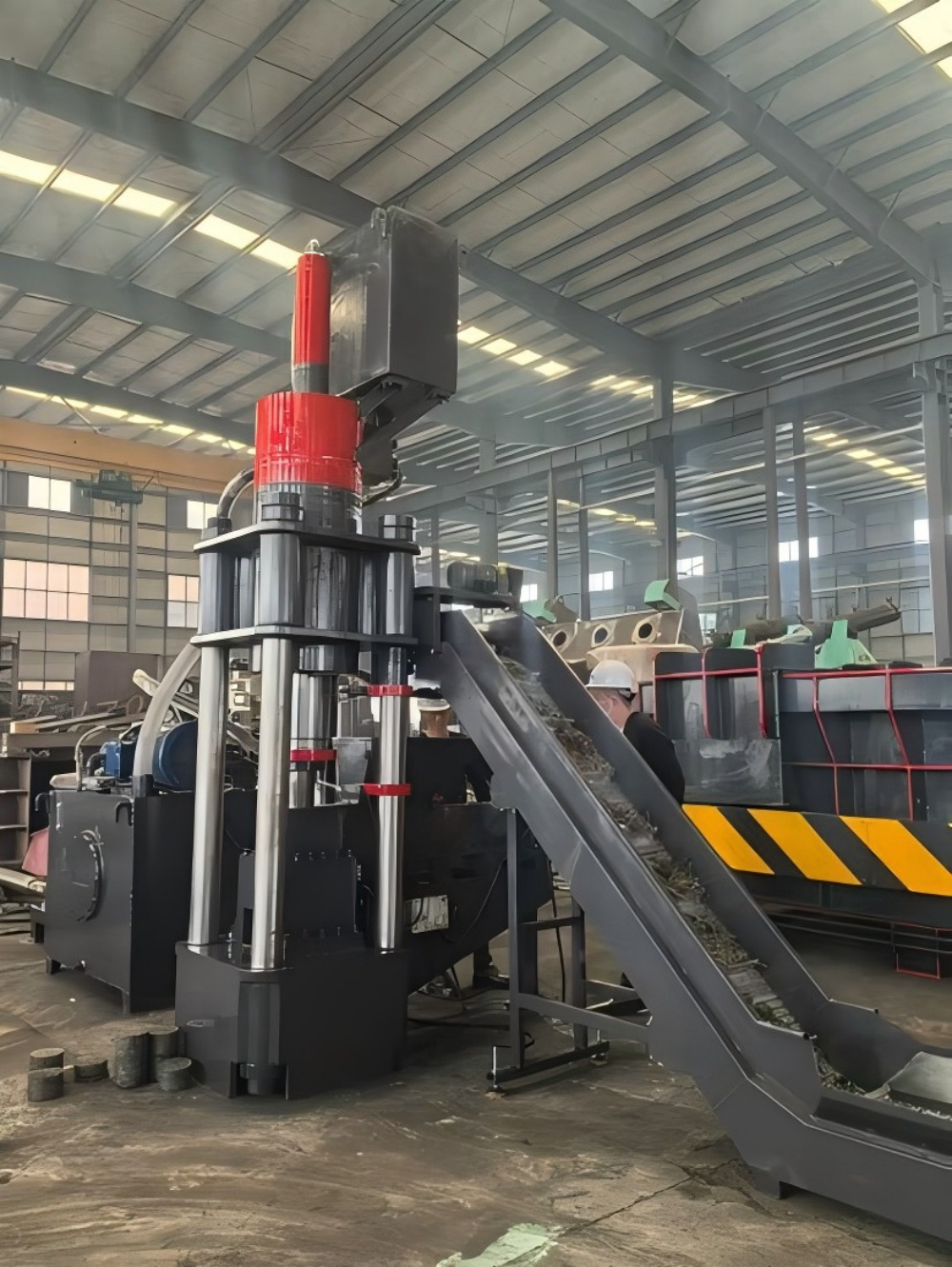
4. Excessive Heat and Overheating
Hydraulic systems generate heat as a byproduct of energy conversion. If the machine is operated beyond its duty cycle, or if the cooling system (such as a heat exchanger) is malfunctioning, the oil temperature can skyrocket. High temperatures lower the viscosity of the hydraulic oil, reducing its lubricating properties. This leads to increased metal-to-metal contact within the cylinder. Furthermore, excessive heat accelerates the oxidation of the oil, creating sludge that can clog valves and further damage the cylinder’s internal surfaces.
5. Pressure Spikes and Hydraulic Shock
Briquetting involves compressing materials that may have varying densities. If a large, incompressible object (like a solid piece of steel) accidentally enters the compression chamber, it can cause an instantaneous pressure spike. This “hydraulic shock” can exceed the design limits of the cylinder, leading to cracked cylinder heads, blown seals, or even a ruptured cylinder tube. While relief valves are designed to mitigate this, they may not always react fast enough to prevent damage from extreme surges.
Technical Details: The Mechanics of Prevention
To prevent failure, one must understand the technical requirements of a healthy hydraulic system. Prevention is not just about fixing things when they break; it is about creating an environment where the cylinder can operate within its optimal parameters.
Material Selection and Surface Treatment
High-quality hydraulic briquetting machines, like those manufactured by HARSLE, utilize cylinders made from high-tensile strength steel. The piston rods are typically induction-hardened and chrome-plated. This chrome layer provides a hard, smooth surface that resists corrosion and minimizes friction against the seals. When maintaining these machines, it is crucial to inspect the rod for any nicks or scratches. Even a small burr on the rod can tear a new seal within hours of installation. Using a fine emery cloth to smooth out minor imperfections can extend seal life significantly.
The Role of Filtration Systems
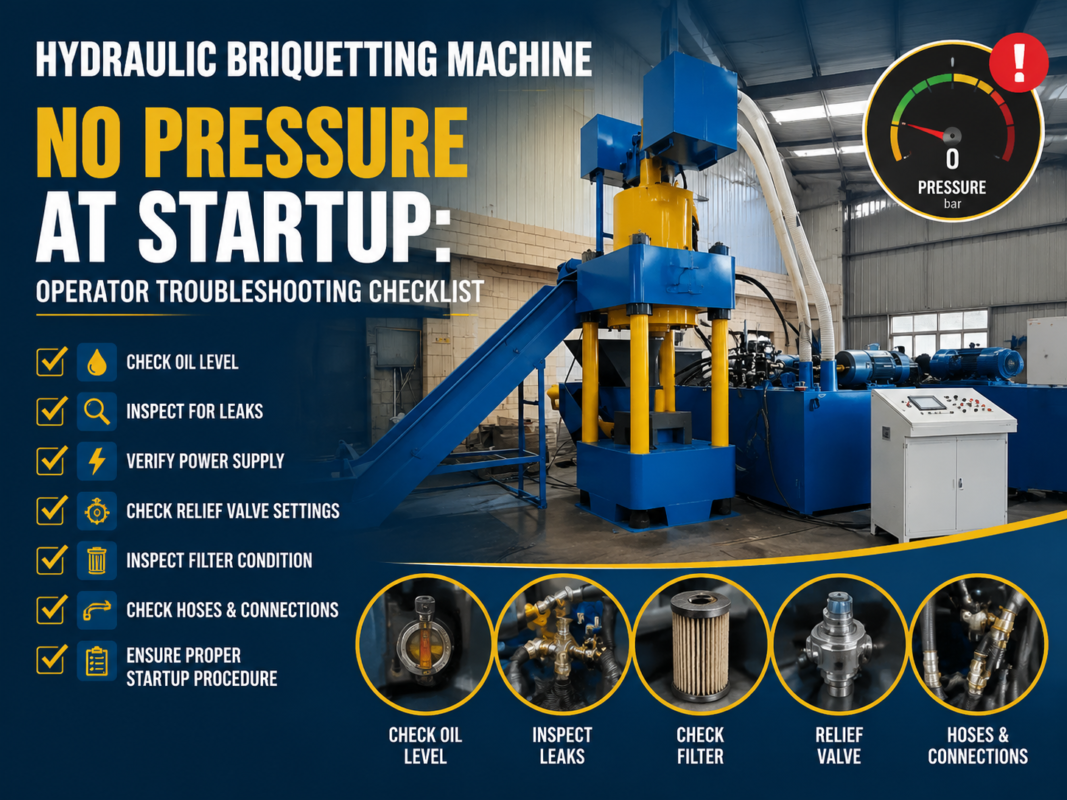
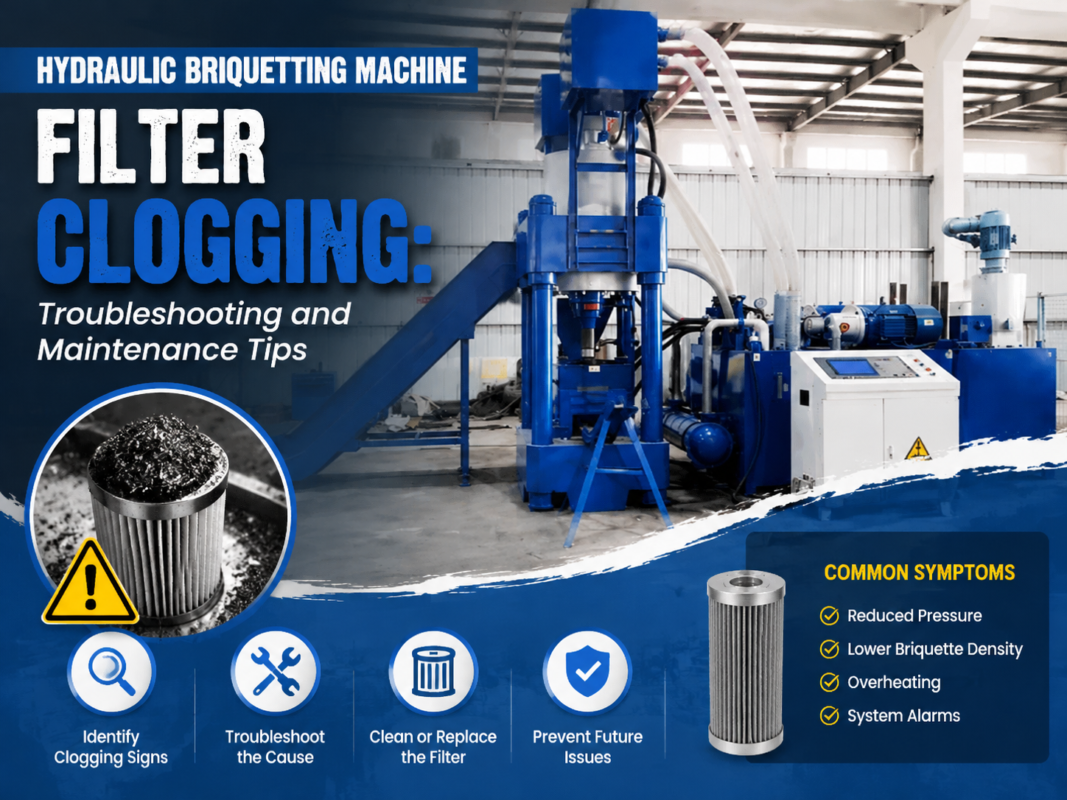
A robust filtration strategy is the best defense against contamination. This includes suction strainers, return-line filters, and often high-efficiency pressure filters. For a hydraulic briquetting machine, filters should be capable of removing particles down to 10 microns or smaller. Additionally, using desiccant breathers on the oil reservoir can prevent moisture from the air from entering the system. Moisture in hydraulic oil leads to rust inside the cylinder and promotes the growth of microbes that can degrade the oil’s chemical stability.
Viscosity Management and Oil Quality
The choice of hydraulic oil is critical. The oil must have a high viscosity index, meaning it maintains its thickness across a wide range of temperatures. In cold starts, the oil should be thin enough to flow easily, while at operating temperatures, it must remain thick enough to provide a protective film. Regularly scheduled oil analysis is a technical best practice. By analyzing a small sample of oil, technicians can detect the presence of wear metals (like iron or copper), which provides an early warning of internal cylinder or pump wear before a failure occurs.
| Component | Common Failure Mode | Prevention Strategy |
|---|---|---|
| Piston Seals | Hardening/Cracking due to heat | Install oil coolers; use Viton seals for high-temp apps |
| Cylinder Rod | Scoring/Pitting from debris | Install rod boots/bellows; ensure wiper seal integrity |
| Cylinder Tube | Ballooning/Deformation | Regularly calibrate relief valves; avoid overloading |
| Hydraulic Fluid | Oxidation and Sludge | Scheduled oil changes and 10-micron filtration |
| Mounting Bolts | Fatigue and Shearing | Check torque settings monthly; ensure alignment |
Selection Advice: Choosing a Robust Briquetting Machine
When purchasing a hydraulic briquetting machine, the design of the cylinder and its supporting system should be a primary focus. Not all machines are created equal, and choosing a well-engineered model can save thousands in future maintenance costs. Here is what to look for during the selection process.
Integrated Safety and Monitoring Systems
Modern machines should feature PLC (Programmable Logic Controller) systems that monitor cylinder performance in real-time. Look for machines that include pressure transducers and temperature sensors. These systems can be programmed to automatically shut down the machine or trigger an alarm if the pressure exceeds safe limits or if the oil temperature gets too high. This automated protection is the most effective way to prevent failure caused by operator error or unexpected material obstructions.
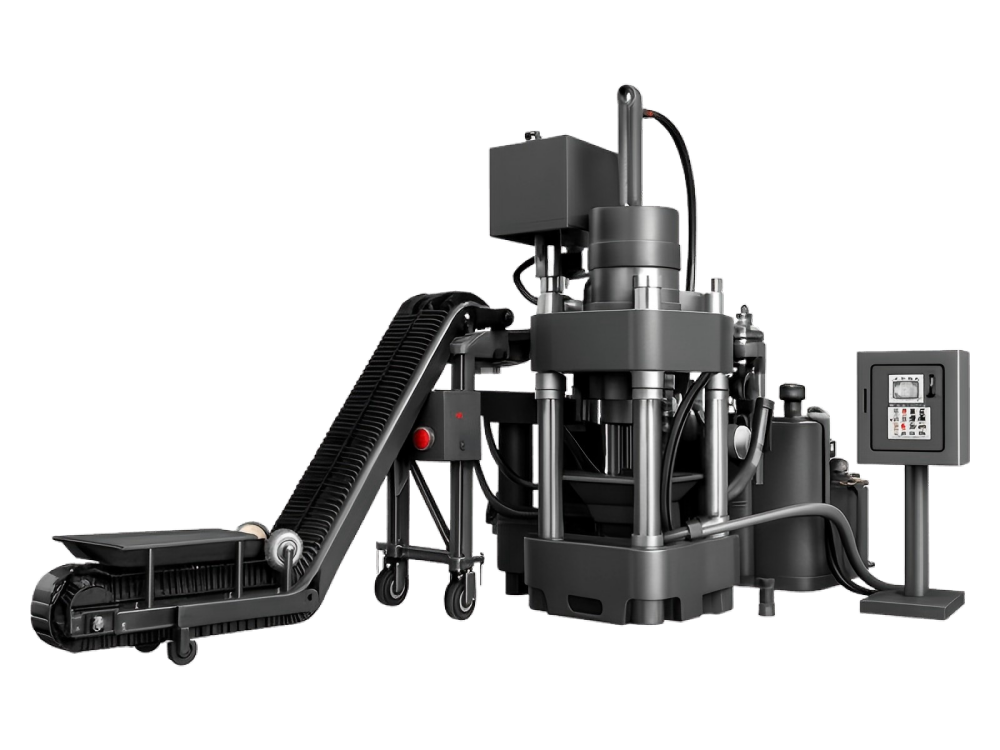
Heavy-Duty Frame Construction
The rigidity of the machine frame directly impacts cylinder life. A flimsy frame will flex under the high pressures of briquetting, leading to the misalignment issues mentioned earlier. Ensure the machine has a heavy, welded steel frame that has been stress-relieved. A stable platform ensures that the cylinder always travels in a perfectly linear path, minimizing side loads on the seals and bearings. HARSLE machines are known for their robust structural integrity, which provides the necessary support for high-tonnage cylinders.
Ease of Maintenance Access
A cylinder that is hard to reach is a cylinder that will be neglected. During the selection process, evaluate how easy it is to access the cylinder for inspection and seal replacement. Machines designed with maintenance in mind will have accessible grease points, clear sight glasses for oil levels, and enough clearance around the cylinder gland to allow for seal changes without dismantling the entire machine. Furthermore, check if the manufacturer uses standard seal sizes that are easily sourced globally, reducing downtime during repairs.
Frequently Asked Questions (FAQ)
How often should I change the hydraulic oil in my briquetting machine?
Generally, hydraulic oil should be changed every 2,000 to 4,000 hours of operation, or at least once a year. However, this depends heavily on the environment. If the machine operates in a dusty or hot area, more frequent changes or regular oil analysis are recommended to ensure the fluid hasn’t degraded or become contaminated.
What are the signs that my cylinder seals are failing?
The most obvious sign is external oil leaking from the rod end. However, internal failure is harder to spot. Signs include a loss of pressing power, the cylinder “drifting” (moving slowly when it should be stationary), or the cylinder body feeling excessively hot to the touch compared to the rest of the system, which indicates oil is bypassing the piston seal and generating friction heat.
Can I repair a scored cylinder rod?
Minor scratches can often be polished out with fine abrasives. However, deep scores or gouges usually require the rod to be re-chromed or replaced. Operating with a scored rod will quickly destroy new seals, so it is important to address rod damage immediately rather than just replacing the seals.
Why is my briquetting machine making a loud banging noise?
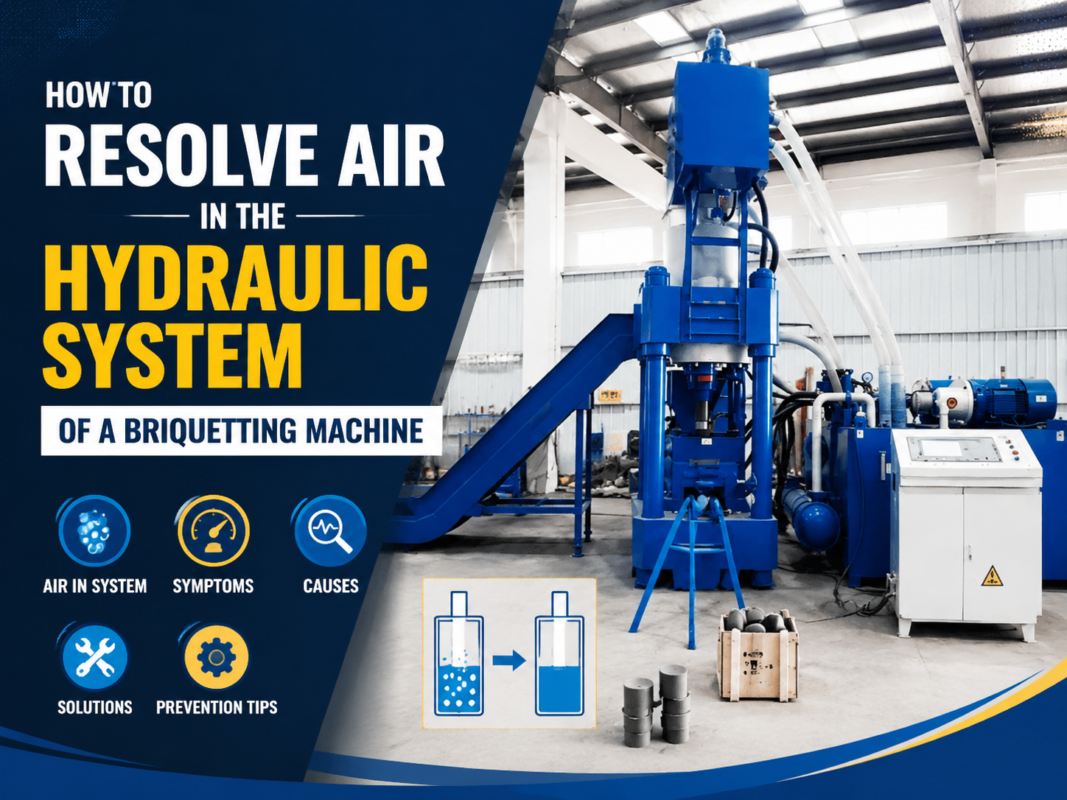
Loud banging or knocking often indicates hydraulic shock or air trapped in the system (cavitation). Check for loose mounting bolts, ensure the oil level is sufficient, and inspect the suction lines for air leaks. If the noise persists during the compression stroke, it may be due to the relief valve opening and closing rapidly under extreme pressure.
Does the type of metal scrap affect cylinder life?
Yes. Abrasive materials like cast iron dust or materials contaminated with grinding grit are much harder on cylinders than clean aluminum or steel shavings. If you are processing highly abrasive materials, you must be even more diligent with filtration and rod wiper seal maintenance.
Conclusion: Ensuring Long-Term Performance
The hydraulic cylinder is the workhorse of the briquetting process, but it is not invincible. By understanding what causes hydraulic briquetting machine cylinder failure and how to prevent it, companies can transition from reactive repairs to a proactive maintenance culture. The keys to success lie in maintaining fluid cleanliness, ensuring mechanical alignment, and monitoring thermal conditions. When these technical aspects are managed correctly, the lifespan of the cylinder is extended, and the overall efficiency of the metal recycling operation is maximized.
Investing in high-quality equipment from reputable manufacturers like HARSLE provides a significant advantage. With superior materials, precision engineering, and integrated safety features, these machines are built to withstand the rigors of industrial scrap processing. However, even the best machine requires a dedicated maintenance routine. Regular inspections, timely seal replacements, and consistent oil quality checks are the best investments you can make to protect your machinery and ensure a high return on investment for your metal fabrication and recycling efforts.