Why Your Recycling Baler Won’t Compress Properly and How to Fix It

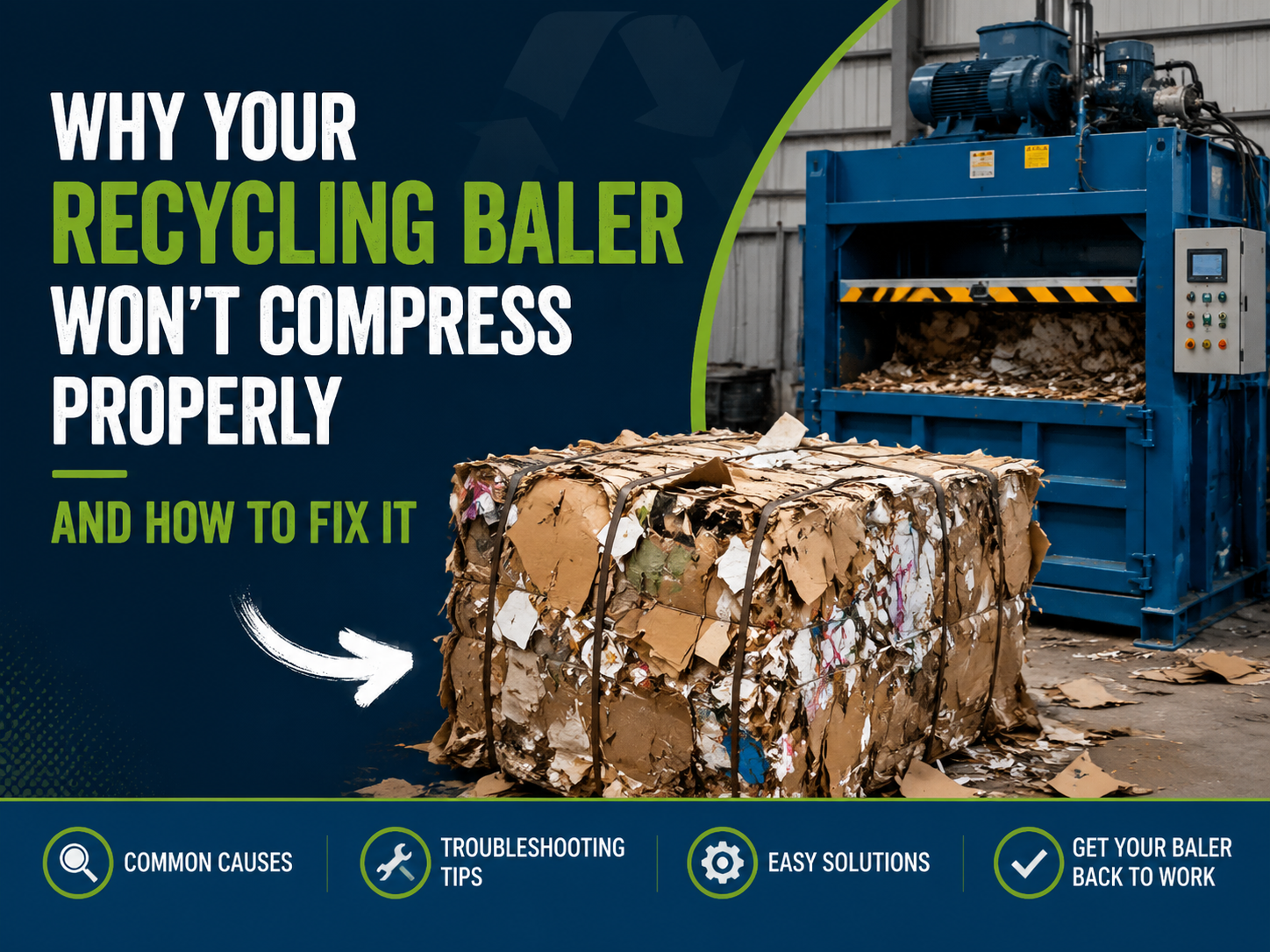
Introduction to Recycling Baler Compression Issues
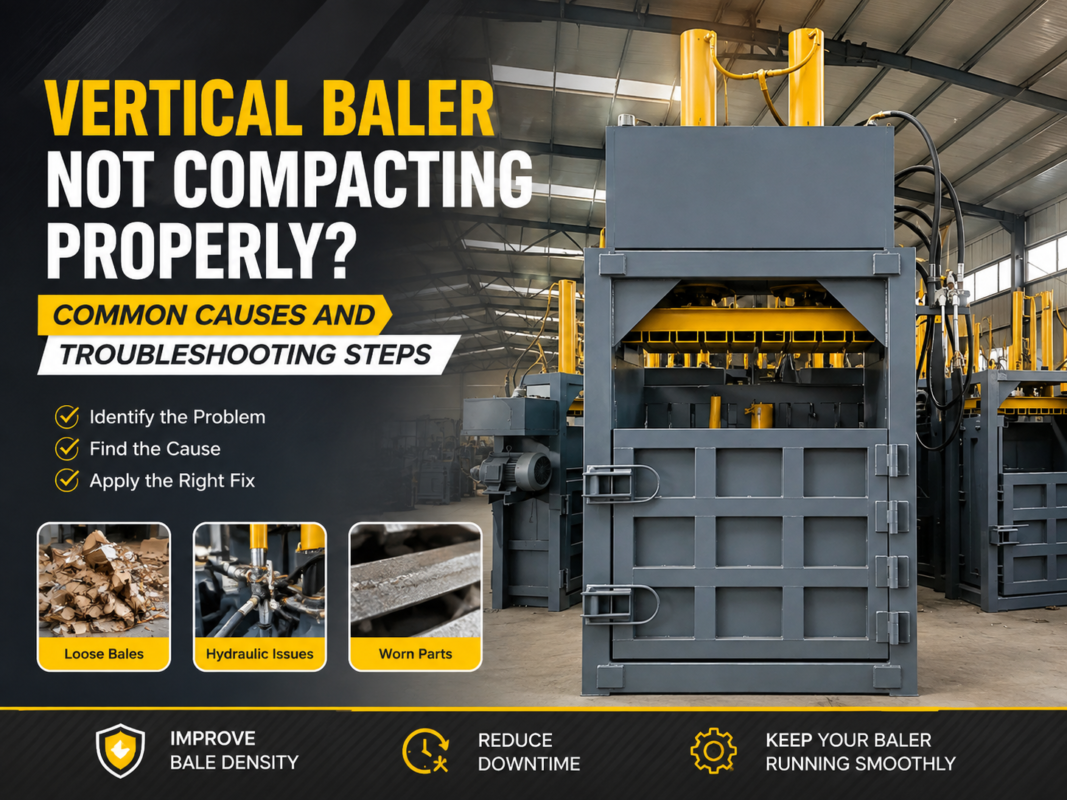
In the world of waste management and metal fabrication, the recycling baler is an indispensable workhorse. Whether you are processing cardboard, plastics, or scrap metal, the efficiency of your operation depends entirely on the machine’s ability to produce dense, stackable, and transportable bales. However, one of the most common and frustrating issues operators face is when a recycling baler won’t compress properly. When this happens, the bales are loose, overweight for their size, or simply fall apart upon ejection, leading to increased shipping costs and safety hazards.
Understanding the root causes of poor compression is essential for maintaining a high-throughput facility. A recycling baler won’t compress properly fix it strategies often involve a combination of mechanical inspection, hydraulic testing, and electrical troubleshooting. At HARSLE, we recognize that downtime is costly. This guide is designed to help you diagnose the specific reasons behind compression failure and provide actionable steps to restore your equipment to peak performance.
From hydraulic pressure drops to simple material obstructions, the reasons for a malfunctioning baler can range from minor adjustments to major component overhauls. By the end of this article, you will have a comprehensive understanding of how to identify these issues and implement the necessary fixes to ensure your recycling baler operates with the force and precision required for industrial-grade waste processing.
Key Considerations Before Troubleshooting
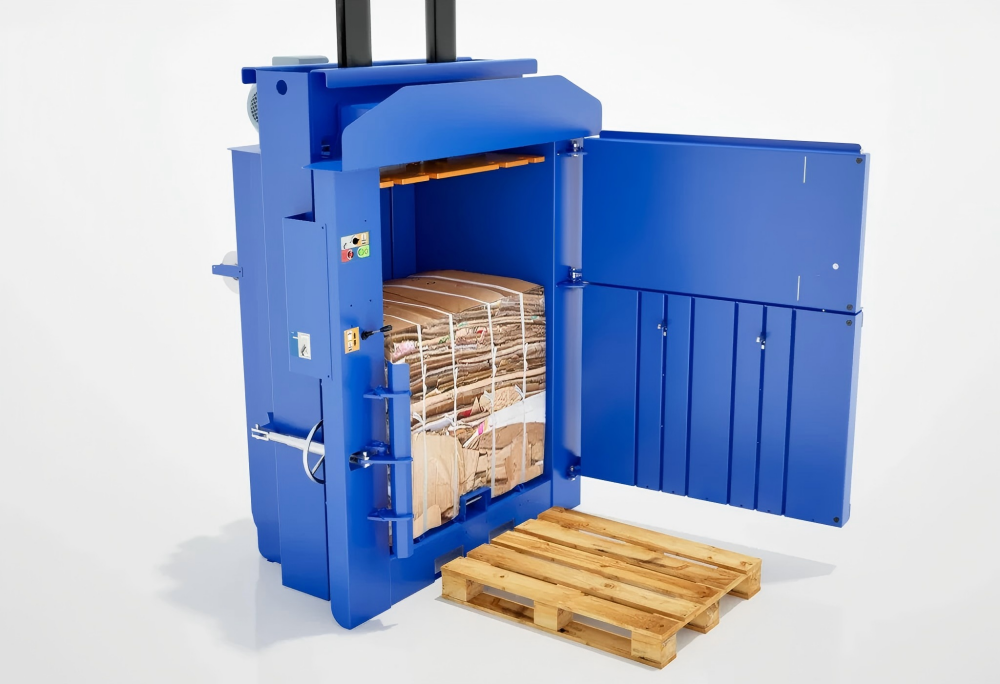
Before diving into the technical mechanics of the machine, it is vital to consider the external factors that influence compression. Often, the machine itself is functioning correctly, but the environment or the material being processed is causing the issue. The first step in a recycling baler won’t compress properly fix it routine is to evaluate the input material. Different materials have different “memory” or elasticity. For instance, certain plastics tend to spring back after the ram retracts, requiring a longer dwell time or higher pressure settings than standard corrugated cardboard.
Moisture content is another critical factor. If you are baling wet cardboard or paper, the fibers lose their structural integrity, making it difficult for the baler to create a tight, cohesive unit. Conversely, extremely dry materials might require more force to break the structural rigidity of the items. You must also ensure that the baler is not being overloaded. Feeding too much material into the chamber at once can prevent the ram from reaching its full stroke, leading to incomplete compression cycles.
Operator training also plays a significant role. If the operator is not following the correct loading sequence or is bypassing safety sensors, the machine may default to a lower pressure mode or stop the cycle prematurely. Ensuring that your team understands the specific requirements for each material type is the first line of defense against poor bale quality. Always check that the material is distributed evenly within the chamber to prevent uneven pressure on the platen, which can lead to structural damage over time.
Technical Details: Why Your Recycling Baler Won’t Compress Properly
1. Hydraulic System Failures
The hydraulic system is the heart of any recycling baler. If the recycling baler won’t compress properly, the hydraulic circuit is usually the first place to look. Low hydraulic oil levels are a frequent culprit; without enough fluid, the pump cannot generate the necessary pressure to drive the ram forward with full force. Furthermore, if the oil is contaminated with dirt, metal shavings, or moisture, it can cause internal wear on the pump and valves, leading to a gradual loss of compression power.
The relief valve is another critical component. Its job is to protect the system from over-pressurization by diverting oil back to the reservoir when a certain pressure threshold is reached. If this valve is stuck open or is set too low, the ram will never reach the tonnage required for high-density baling. Similarly, internal leaks within the hydraulic cylinder—often caused by worn piston seals—allow oil to bypass the piston, resulting in a significant drop in pushing force even if the pump is working perfectly.
2. Mechanical Obstructions and Wear
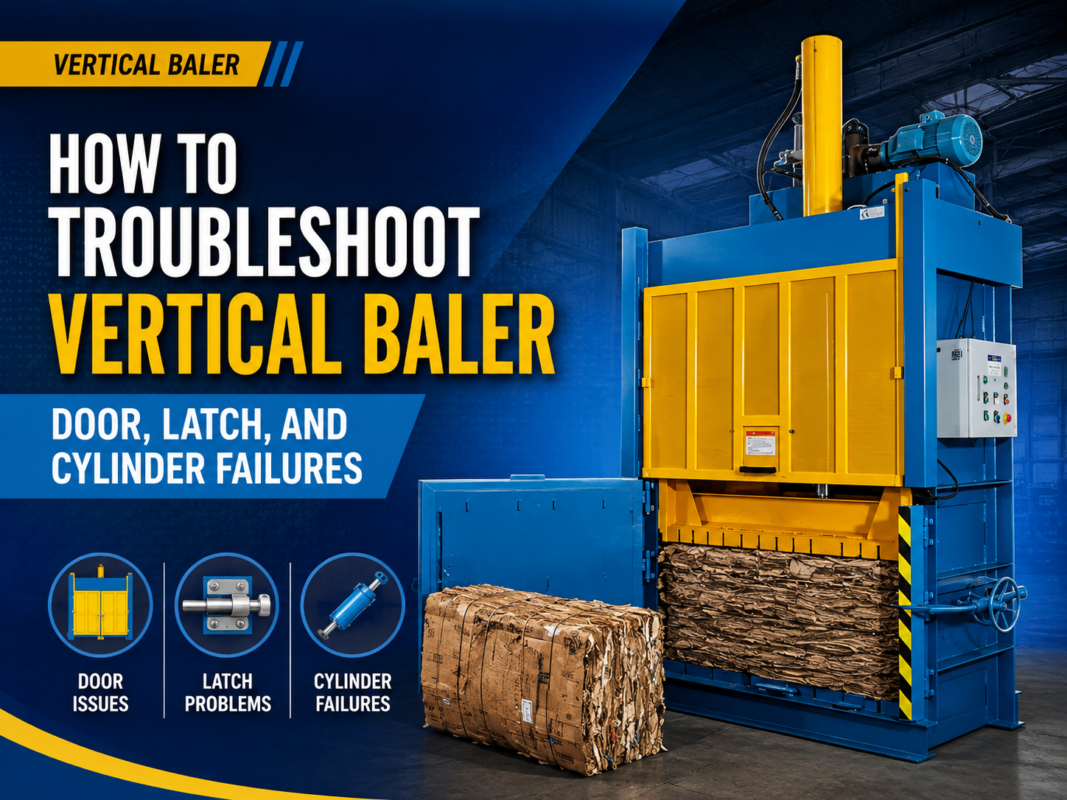
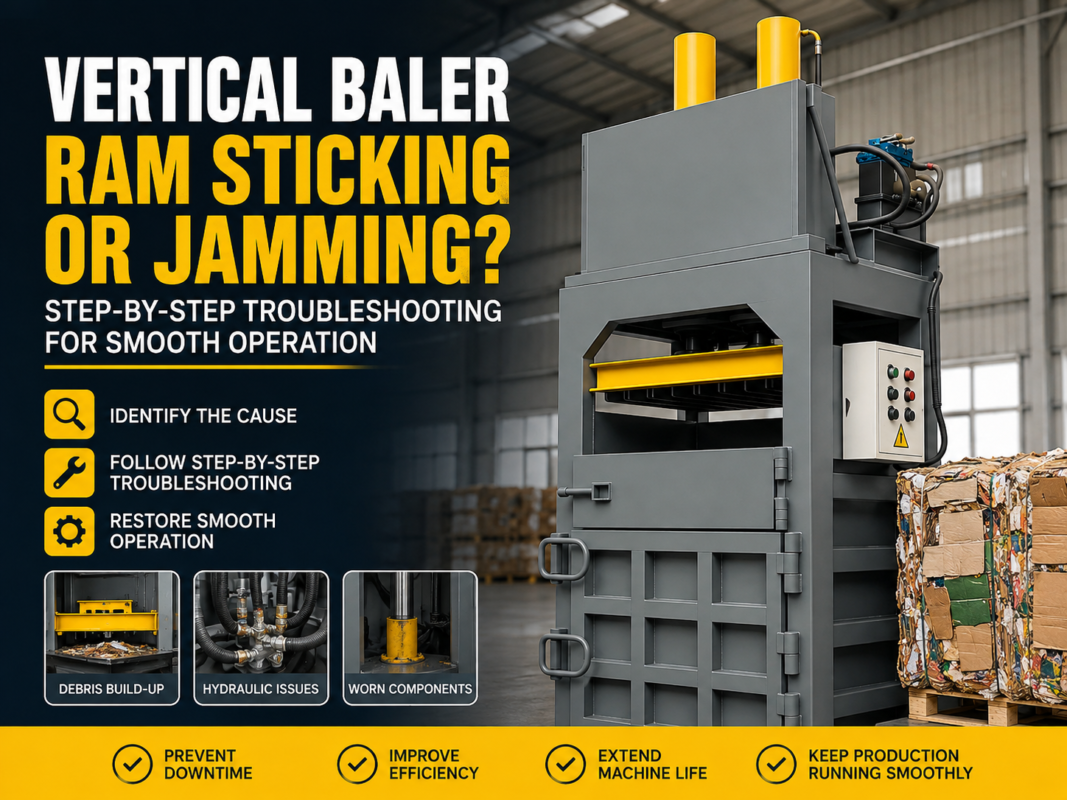
Mechanical issues can also hinder compression. Over time, debris can accumulate behind the platen or within the guide tracks. This buildup creates friction and physical resistance that the motor must overcome, effectively stealing power that should be used for compression. If the guide liners are worn or out of alignment, the platen may tilt during the stroke, causing it to bind against the chamber walls. This not only prevents proper compression but can also cause catastrophic damage to the ram and the chamber structure.
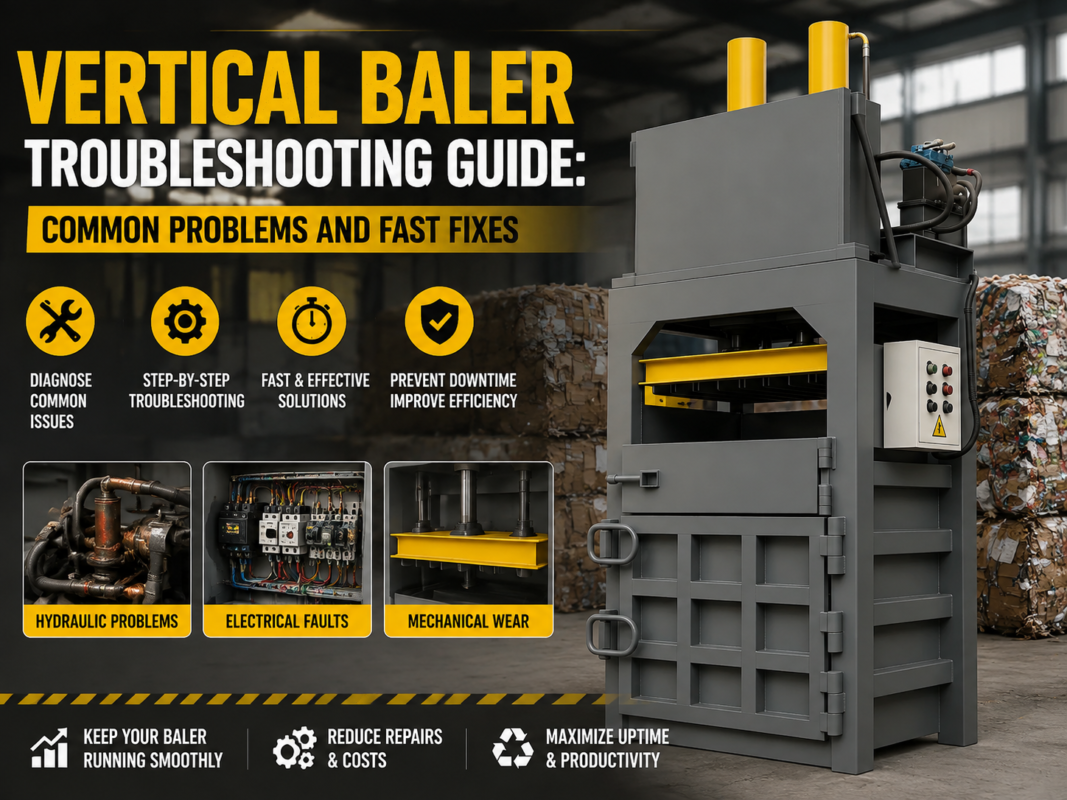
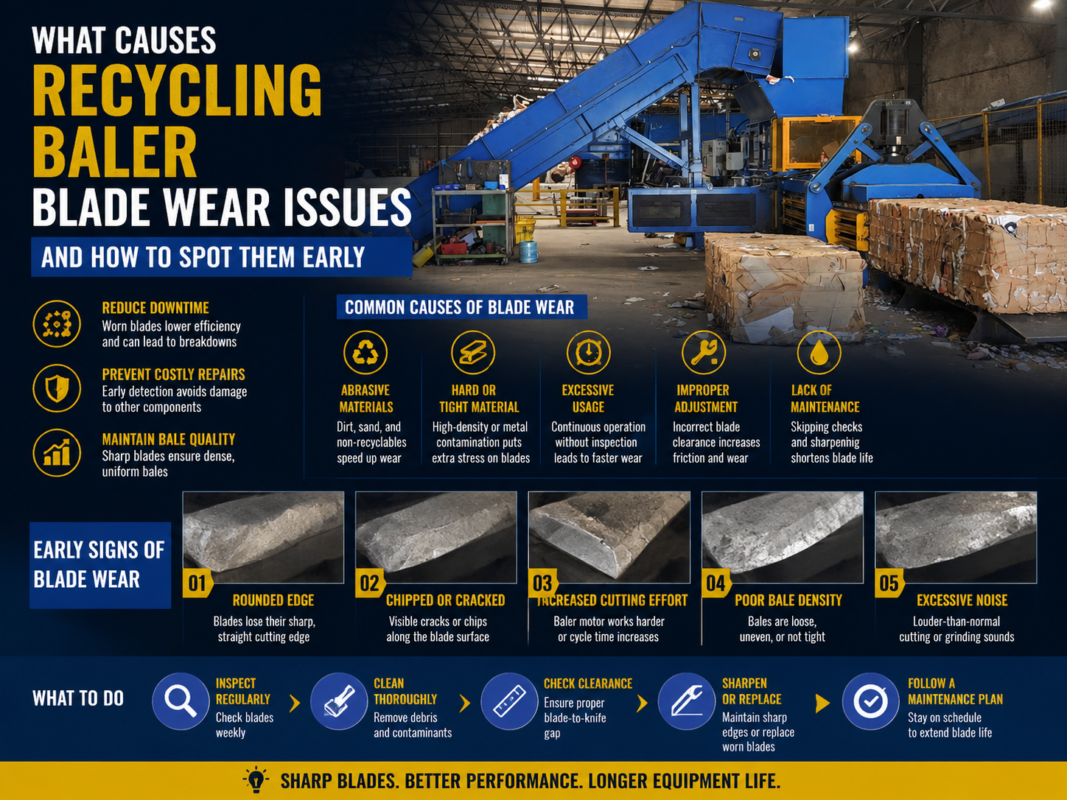
Check the condition of the shear blades (in horizontal balers) or the retention dogs (in vertical balers). If the shear blades are dull, they will struggle to cut through excess material, causing the machine to stall. If the retention dogs are jammed or broken, the material will simply spring back up when the ram retracts, negating the work done during the compression stroke. Regular cleaning and lubrication of these moving parts are essential for maintaining smooth operation.
3. Electrical and Control System Issues
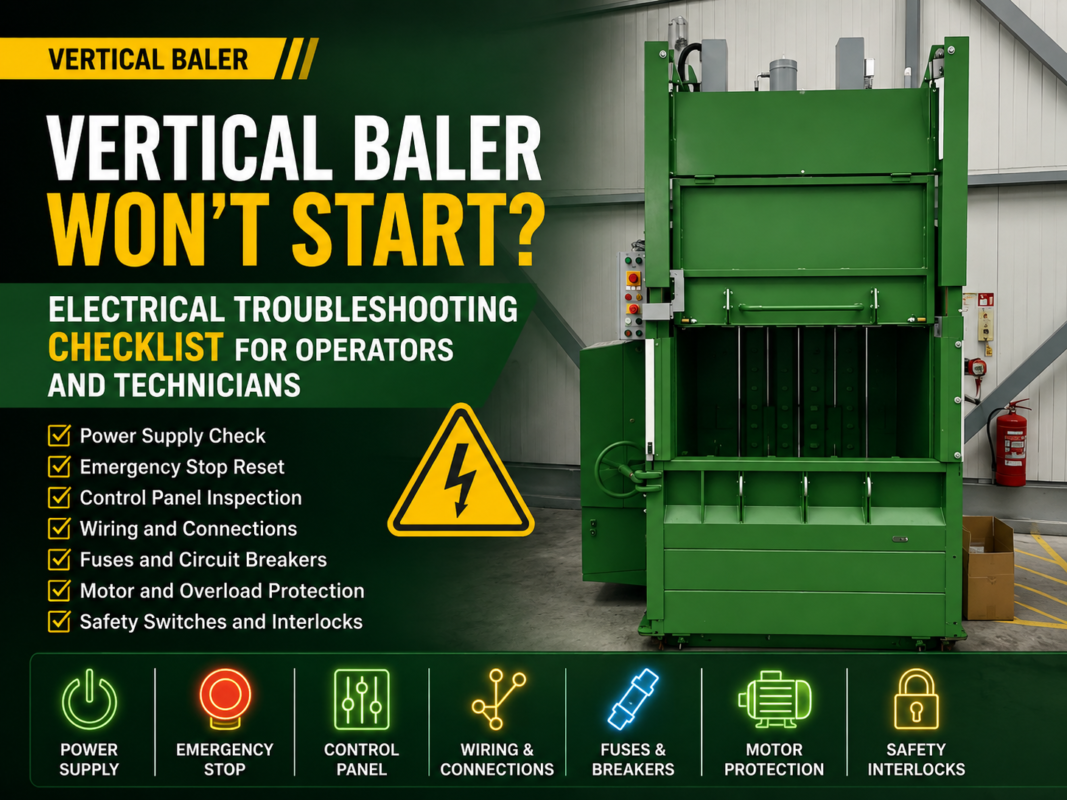
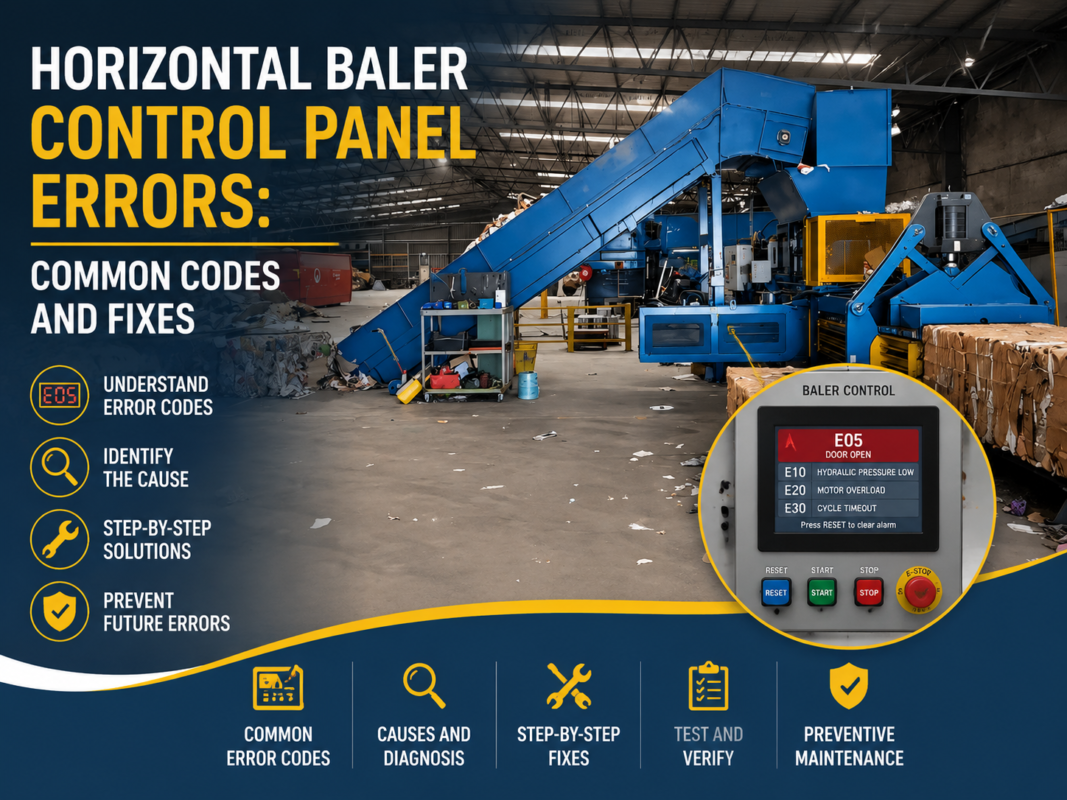
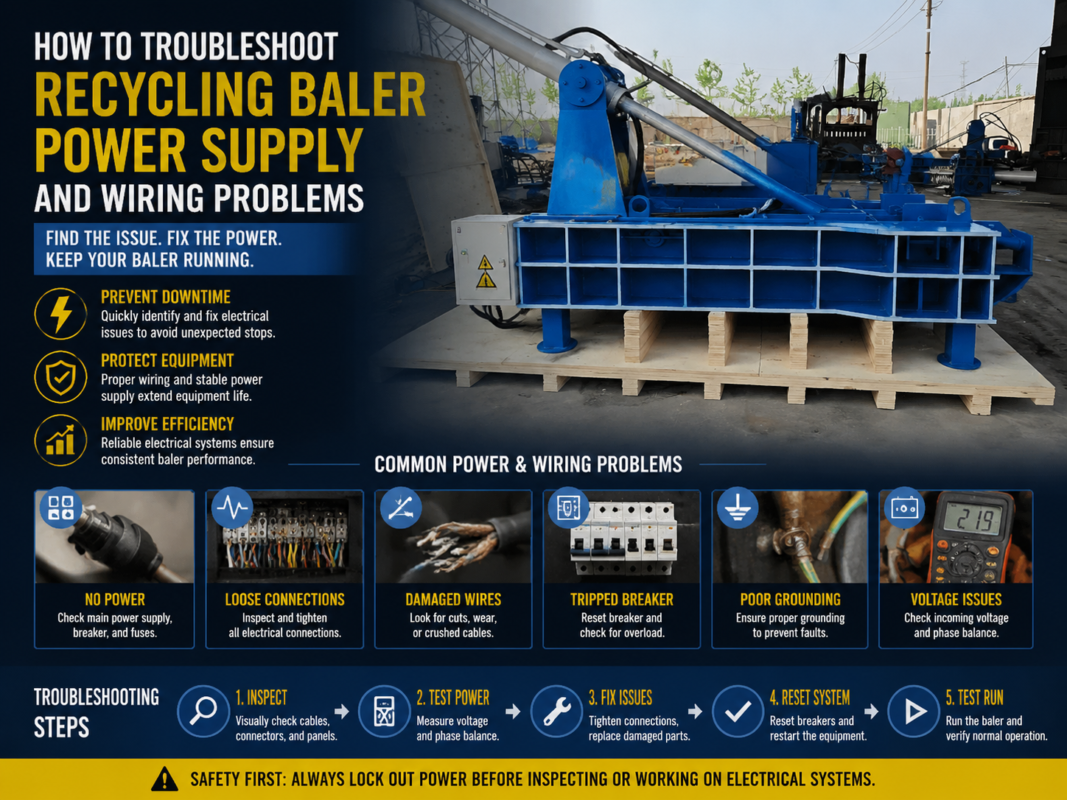
Modern balers rely on sophisticated PLC (Programmable Logic Controller) systems and sensors to manage the compression cycle. If a pressure switch is faulty or miscalibrated, it may signal the PLC that the bale is “full” or “compressed” long before the actual target pressure is reached. This results in the ram retracting prematurely. Similarly, limit switches that detect the position of the ram can become loose or dirty, providing false data to the control unit.
Voltage fluctuations can also affect the performance of the electric motor. If the motor is not receiving the correct voltage or amperage, it cannot drive the hydraulic pump at the required RPM, leading to sluggish performance and weak compression. It is important to inspect the electrical cabinet for loose connections, burnt contactors, or blown fuses that might be limiting the power output of the machine.
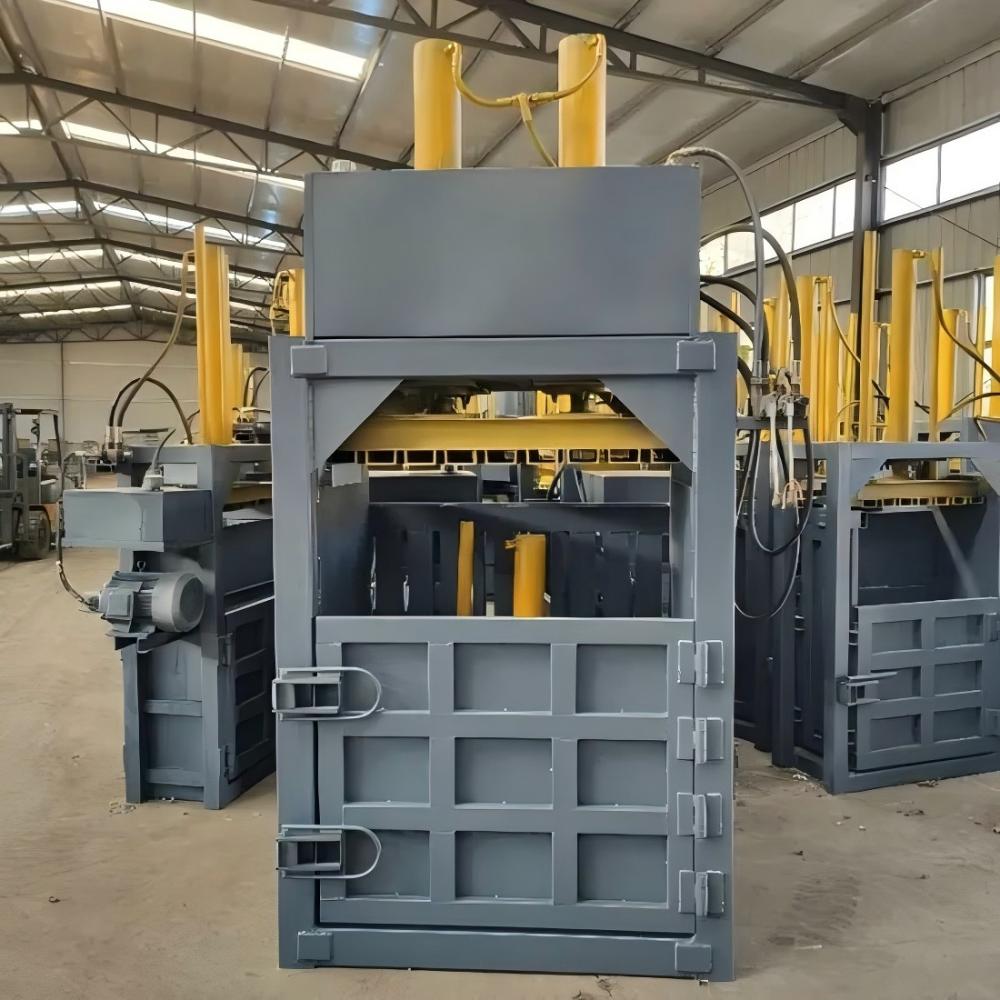
How to Fix Compression Issues: A Step-by-Step Guide
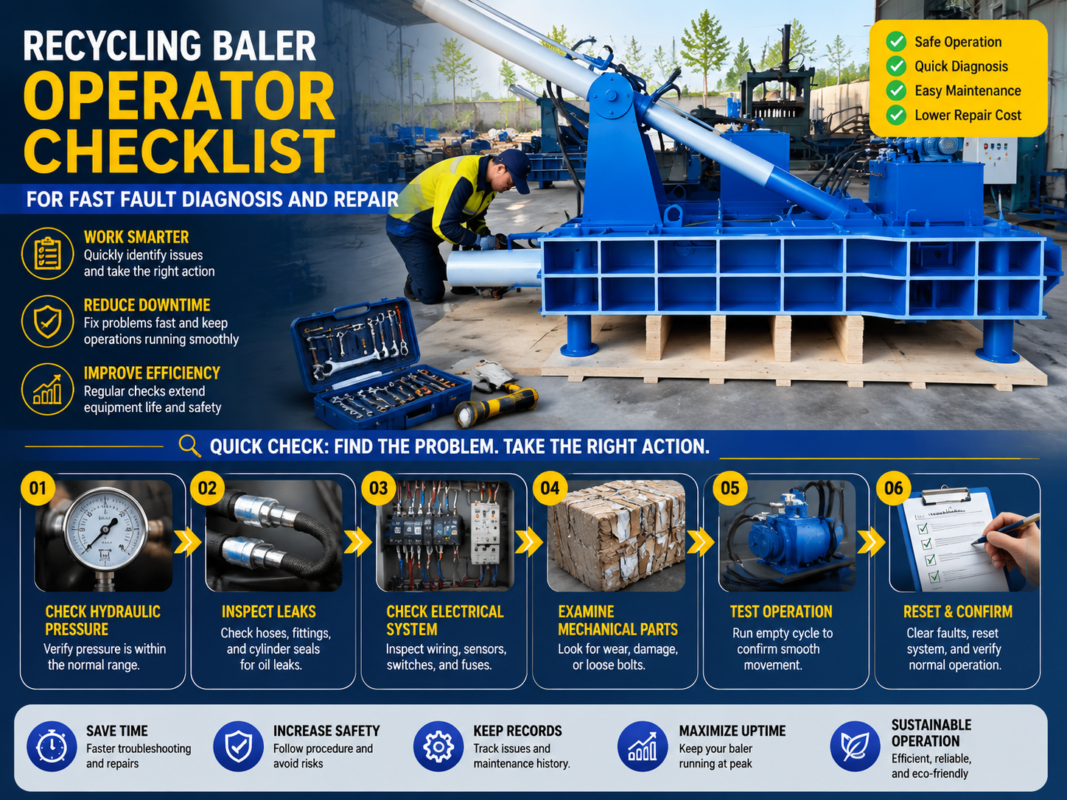
Once you have identified the likely cause, implementing a recycling baler won’t compress properly fix it strategy requires a systematic approach. Follow these steps to restore your machine’s functionality:
Step 1: Inspect and Replenish Hydraulic Fluid
Check the oil level gauge while the ram is fully retracted. If the level is low, top it off with the manufacturer-recommended hydraulic oil. While you are at it, check the color and clarity of the oil. If it appears milky (water contamination) or dark and burnt (overheating), a full oil change and filter replacement are necessary. Clean oil ensures that the valves operate smoothly and the pump maintains its efficiency.
Step 2: Adjust or Replace the Relief Valve
Using a calibrated pressure gauge, check the system pressure during a compression cycle. If the pressure is below the factory specifications, try adjusting the relief valve. If adjusting the screw does not result in a pressure change, the valve may be faulty or contaminated and should be cleaned or replaced. This is a high-precision task that should ideally be performed by a trained technician to avoid over-pressurizing the system.
Step 3: Replace Worn Seals and Gaskets
If you notice oil leaking from the cylinder rod or if the ram “drifts” back when the machine is turned off, the internal seals are likely compromised. Replacing cylinder seals is a standard maintenance task that can significantly restore the compression force. Ensure that you use high-quality OEM seals, such as those provided by HARSLE, to ensure longevity and a proper fit.
Step 4: Clean and Align the Platen and Tracks
Clear out all debris from the baling chamber and the area behind the platen. Inspect the guide tracks for signs of uneven wear. If the platen is not traveling straight, adjust the wear pads or replace them if they are worn beyond their limits. A smooth, frictionless stroke allows the maximum amount of energy to be transferred to the material being baled.
Step 5: Calibrate Sensors and PLC Settings
Verify that all limit switches and pressure transducers are clean and securely mounted. If your baler has a digital interface, check the settings for “dwell time” (the amount of time the ram stays at full pressure) and “bypass pressure.” Increasing the dwell time can often help with materials that have high elasticity, ensuring they stay compressed long enough for the ties to be applied effectively.
Selection Advice: Choosing the Right Baler for Your Needs
Sometimes, the reason a recycling baler won’t compress properly is simply that the machine is not suited for the task at hand. When selecting a new baler or upgrading your current fleet, consider the following criteria to ensure you get the compression performance you need:
| Feature | Vertical Balers | Horizontal Balers |
|---|---|---|
| Best For | Small to medium volumes, retail, and warehouses. | High volumes, industrial recycling centers. |
| Compression Force | Typically 10 to 60 tons. | Can exceed 100+ tons. |
| Material Types | Cardboard, plastic film, light aluminum. | Scrap metal, bulky plastics, large-scale paper. |
| Footprint | Compact, saves floor space. | Large, requires significant space. |
| Automation | Manual loading and tying. | Often fully automated with conveyors. |
When purchasing from HARSLE, we recommend evaluating your daily throughput. If you are processing more than 20 tons of material per week, a horizontal baler with a high-pressure hydraulic system is often more cost-effective in the long run. For smaller operations, a heavy-duty vertical baler with a reinforced frame can provide excellent density without the high capital investment of a horizontal unit. Always look for machines with high-quality components, such as Schneider electrics and Rexroth hydraulic valves, which are known for their reliability under heavy loads.
Preventive Maintenance Checklist
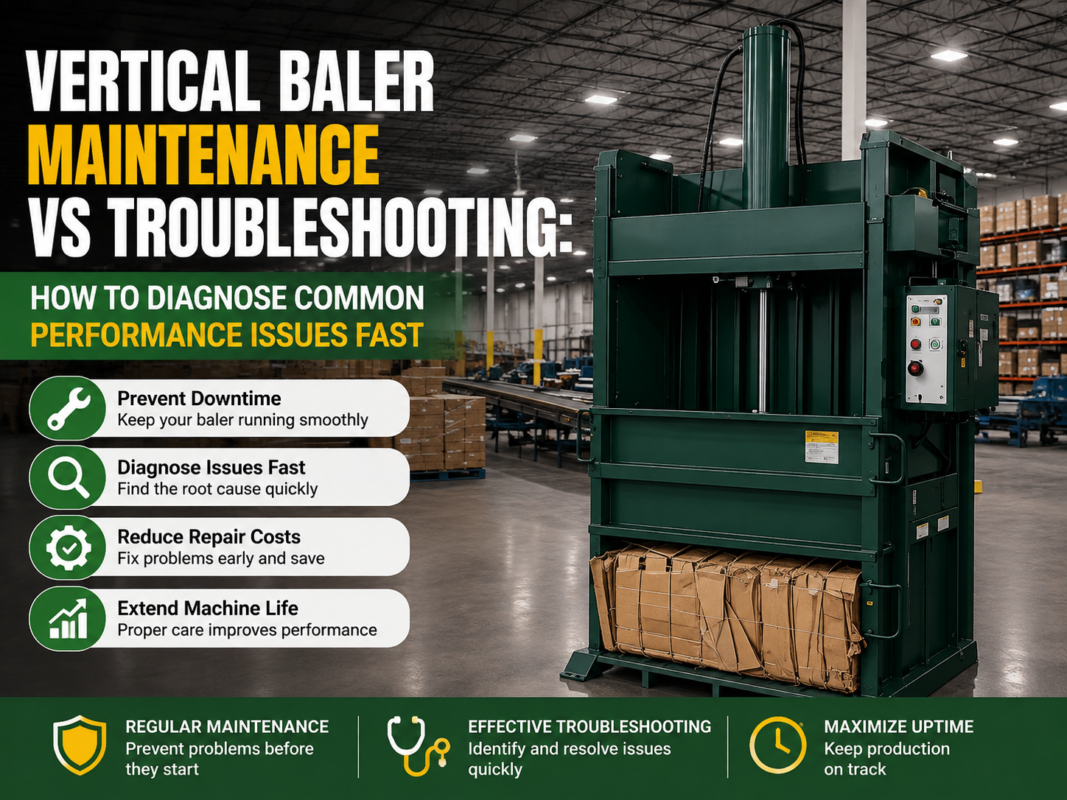
To avoid future instances where your recycling baler won’t compress properly, implement a strict preventive maintenance schedule. Consistency is key to industrial longevity.
- Daily: Check for hydraulic leaks, clear debris from the chamber, and verify that safety gates are functioning.
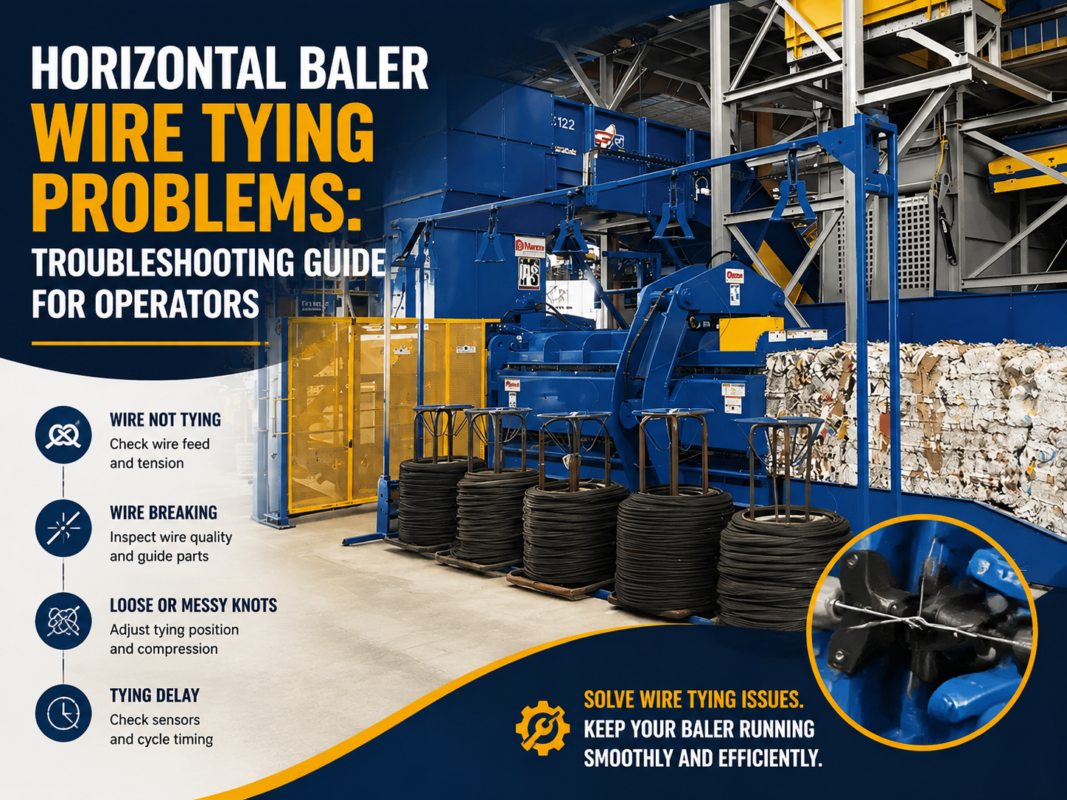
- Weekly: Inspect the condition of the bale ties or wire-tier mechanism. Lubricate all grease points on the hinges and ram guides.
- Monthly: Check the hydraulic oil level and temperature. Inspect the electrical cabinet for dust buildup and loose wires.
- Quarterly: Test the system pressure with a gauge. Inspect the shear blades for sharpness and the platen for any signs of structural cracking.
- Annually: Perform a full hydraulic oil change and filter replacement. Have a professional technician conduct a comprehensive structural and electrical audit.
Frequently Asked Questions (FAQ)
Q1: Why is my baler making a loud squealing noise during compression?
A: A squealing noise usually indicates hydraulic cavitation, which happens when the pump is struggling to get enough oil (due to low levels or a clogged suction filter) or when there is air trapped in the system. It could also indicate that the relief valve is bypassing oil at high pressure.
Q2: Can I use any hydraulic oil in my HARSLE baler?
A: No, you should always use the specific grade recommended in your manual (usually ISO 32, 46, or 68 depending on your climate). Using the wrong viscosity can lead to poor compression, overheating, and premature pump failure.
Q3: How do I know if my cylinder seals are bad?
A: The most common sign is “cylinder drift,” where the ram slowly moves on its own when the machine is off. Another sign is if the cylinder body becomes excessively hot compared to the rest of the hydraulic system, indicating internal friction and oil bypassing the piston.
Q4: Why are my bales falling apart even though the pressure seems high?
A: This is often a material issue rather than a machine issue. If the material is too dry or has high “memory,” it may need more ties or a longer dwell time at full pressure. Also, ensure that the bale ties are tight enough before ejecting the bale.
Q5: How often should I sharpen the shear blades?
A: For high-volume horizontal balers, shear blades should be inspected monthly and sharpened or rotated every 6 to 12 months, depending on the abrasiveness of the material being processed.
Conclusion
A recycling baler that fails to compress properly is more than just a nuisance; it is a bottleneck that affects your entire supply chain and bottom line. By understanding the technical nuances of hydraulic pressure, mechanical alignment, and material behavior, you can quickly implement a recycling baler won’t compress properly fix it strategy that minimizes downtime. Regular maintenance, proper operator training, and choosing the right equipment for your specific application are the cornerstones of a successful recycling operation.
At HARSLE, we are committed to providing high-quality metal fabrication and recycling machinery that stands the test of time. Our balers are engineered with precision and durability in mind, ensuring that you achieve maximum bale density with every cycle. If you are experiencing persistent issues with your current equipment or are looking to upgrade to a more reliable solution, our team of experts is here to help you find the perfect machine for your needs. Remember, a well-maintained baler is a profitable baler.