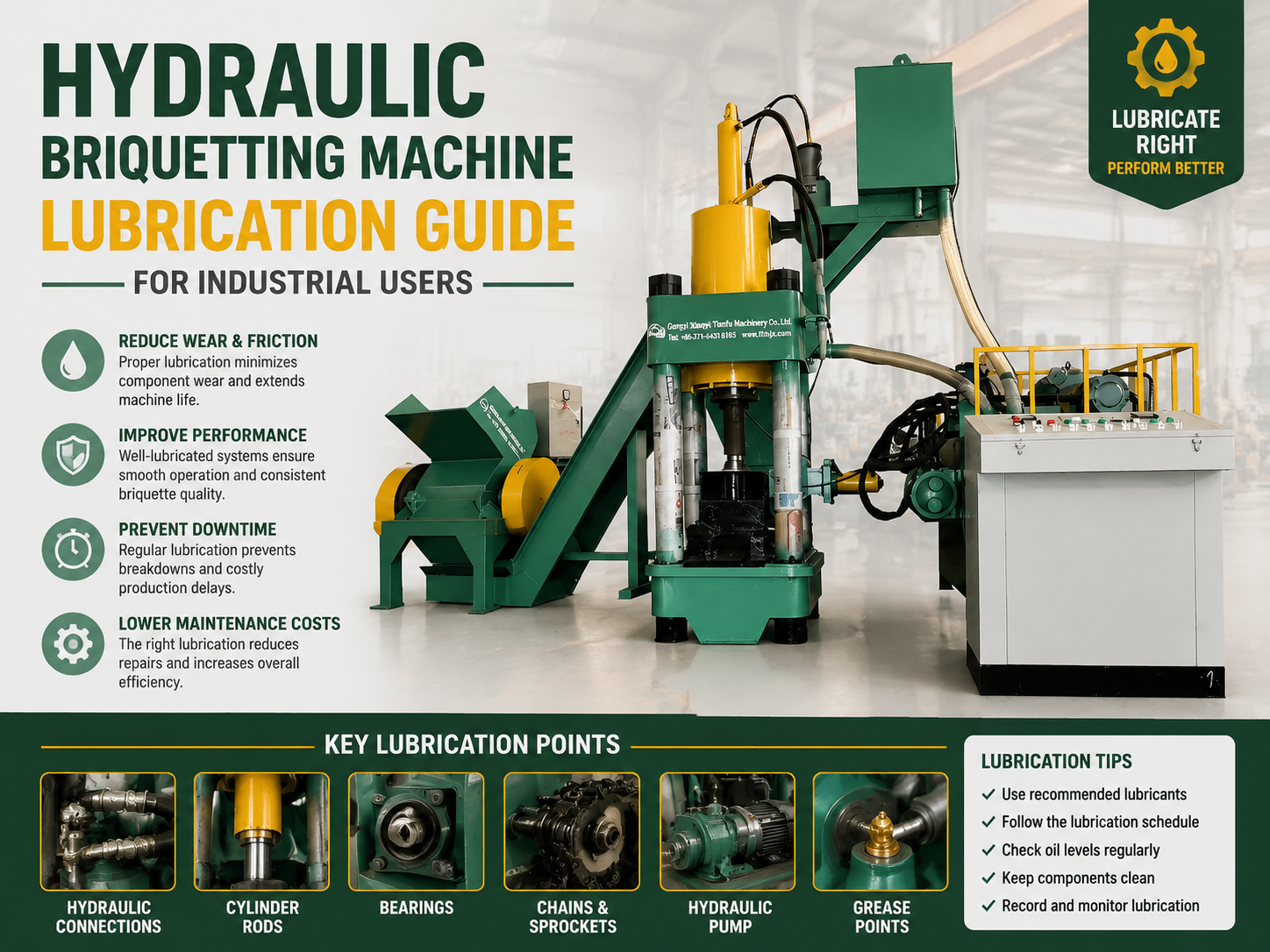
Comprehensive Hydraulic Briquetting Machine Lubrication Guide for Industrial Users

The Critical Role of Lubrication in Hydraulic Briquetting Machine Performance
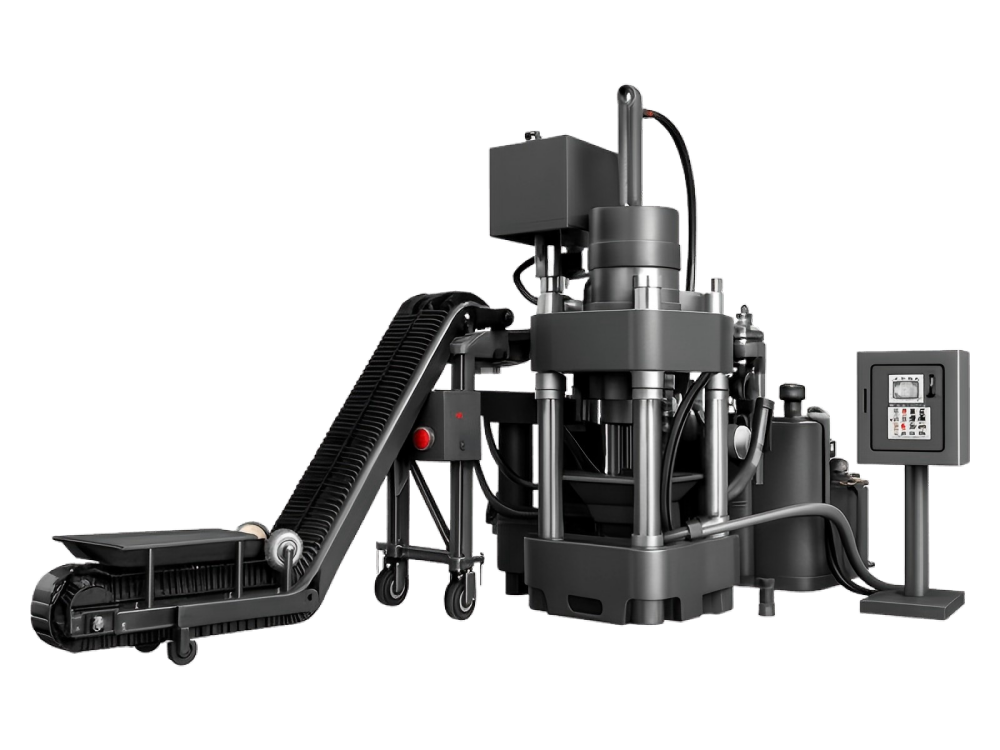
In the demanding world of metal recycling and scrap processing, the hydraulic briquetting machine stands as a cornerstone of efficiency. For industrial users, understanding that lubrication is not merely a routine chore but a vital life-support system for the machinery is paramount. A well-lubricated machine operates with minimal friction, reduced heat generation, and significantly lower wear on critical components. When we discuss the Hydraulic Briquetting Machine Lubrication Industrial Users must prioritize, we are talking about protecting a high-capital investment from the abrasive nature of metal dust and the extreme pressures of hydraulic force.
The primary function of lubrication in a briquetting press is to create a thin, protective film between moving surfaces. In the context of metal fabrication, where machines often run 24/7, this film prevents metal-on-metal contact which leads to galling, seizing, and catastrophic component failure. Beyond friction reduction, lubricants act as a cooling medium, carrying heat away from high-stress zones like the main ram and the compression chamber. Without proper thermal management through lubrication, hydraulic seals can harden and crack, leading to internal and external leaks that compromise the entire system’s pressure capabilities.
Furthermore, industrial environments are often laden with contaminants. High-quality lubricants contain additives that suspend particles, preventing them from settling on precision surfaces and causing abrasive wear. For HARSLE machines, which are engineered for high-density output, maintaining the integrity of this lubrication film ensures that the machine hits its rated tonnage consistently. Neglecting this aspect leads to a slow degradation of performance, often unnoticed until the machine requires expensive downtime for repairs. This guide aims to provide a comprehensive roadmap for maintaining peak operational health through disciplined lubrication and inspection.
Daily Inspection Protocols for Industrial Operators
The first line of defense against mechanical failure is a rigorous daily inspection routine. For industrial users, this should be a formalized checklist performed at the start of every shift. The goal is to identify potential issues before they escalate into system-wide failures. Operators should begin by visually inspecting the area around the machine for any signs of hydraulic fluid puddles. Even a small drip can indicate a loose fitting or a failing seal that could lead to a sudden loss of pressure during a high-force cycle.
Checking the oil level in the main reservoir is the next critical step. The oil should be within the designated operating range on the sight glass. However, it is not just the quantity that matters; the quality is equally important. Operators should look for signs of aeration (bubbles) or emulsification (a milky appearance), which indicates water contamination. Water in the hydraulic system is devastating, as it reduces the oil’s lubricity and can lead to cavitation in the pump, a condition that can destroy a high-pressure pump in a matter of hours.
Temperature monitoring is another essential daily task. Most modern hydraulic briquetting machines are equipped with temperature sensors. During operation, the oil temperature should stabilize within a specific range, typically between 30°C and 55°C. If the temperature exceeds 60°C, the viscosity of the oil thins out too much, failing to provide an adequate protective film. This overheating is often a symptom of a clogged cooler, a failing pump, or excessive internal leakage. Recording these temperatures daily allows maintenance teams to spot trends and intervene before a thermal shutdown occurs.
Deep Dive: Hydraulic, Electrical, and Mechanical System Integrity
Hydraulic System Maintenance
The hydraulic system is the heart of the briquetting machine. For industrial users, the choice of hydraulic oil is critical. We recommend high-quality anti-wear (AW) hydraulic oil, typically ISO VG 46 or 68, depending on the ambient operating temperature. These oils contain zinc-based additives that form a sacrificial layer on metal surfaces, protecting them under extreme pressure. The filtration system must be monitored closely; the return line filter is responsible for capturing the microscopic metal fines generated during the briquetting process. If the filter bypass indicator is triggered, it must be replaced immediately to prevent contaminated oil from recirculating through the sensitive valves.
Electrical and Control System Checks
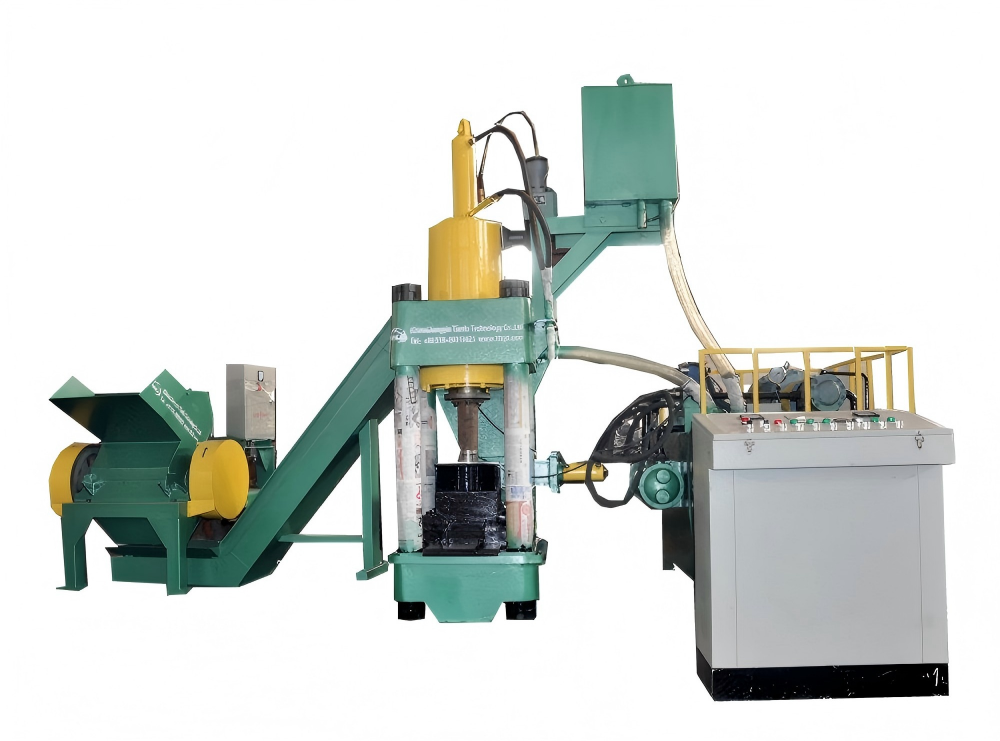
While not directly related to liquid lubrication, the electrical system controls the timing and delivery of the lubrication cycles in automated systems. Industrial users should inspect the control cabinet for dust accumulation, which can cause overheating of electrical components. Ensure that all solenoid valves are firing correctly; a sluggish valve can cause timing issues in the hydraulic cycle, leading to mechanical shocks that stress the lubricated joints. Check the wiring for any signs of fraying or oil saturation, as oil can degrade certain types of wire insulation over time, leading to short circuits.
Mechanical Component Lubrication
The mechanical structure, including the main ram, the mold gate, and the feeding mechanism, requires heavy-duty grease. Unlike the circulating hydraulic oil, grease stays in place, providing a thick barrier against the abrasive metal chips being processed. Industrial users should pay special attention to the guide rails of the ram. These surfaces are exposed to the environment and can easily collect grit. They should be wiped clean and re-greased regularly to prevent the grit from being ground into the metal surfaces. Automated lubrication systems should be checked to ensure that grease is actually reaching the furthest distribution blocks.
Developing a Robust Lubrication Plan for High-Volume Production
A successful Hydraulic Briquetting Machine Lubrication Industrial Users strategy relies on a scheduled, proactive plan rather than a reactive one. This plan should categorize lubrication points by frequency: daily, weekly, monthly, and annually. For high-volume industrial settings, we recommend the implementation of a centralized lubrication system if the machine is not already equipped with one. This ensures that critical bearings and pivot points receive a precise dose of lubricant at set intervals, eliminating human error and reducing the risk of over or under-lubrication.
When selecting lubricants, always refer to the manufacturer’s specifications. Using an incorrect grade of grease—for example, a general-purpose grease instead of an extreme-pressure (EP) grease—can lead to the lubricant being squeezed out of the joint under the massive forces of the briquetting cycle. For the main compression chamber and the mold, which experience high heat and friction, specialized high-temperature greases with molybdenum disulfide (Moly) are often preferred for their superior load-carrying capacity.
Documentation is the final pillar of a robust lubrication plan. Every time a machine is greased or its oil is changed, it should be logged. This log serves as a diagnostic tool. If a bearing fails prematurely, the maintenance log can reveal if it was missed during a lubrication cycle or if the interval needs to be shortened due to particularly harsh operating conditions. In industrial environments, where multiple operators may use the same machine across different shifts, a clear, visible lubrication chart posted near the machine is an invaluable asset.
Identifying Troubleshooting Signals and Warning Signs
Even with a perfect lubrication plan, industrial machinery can encounter issues. Being able to read the “body language” of the hydraulic briquetting machine is a skill every operator should develop. One of the most common signals of poor lubrication is unusual noise. A high-pitched whining or screaming sound often indicates pump cavitation or a starving suction line. Conversely, a deep grinding or clunking sound usually points to a mechanical bearing that has run dry and is now experiencing metal-on-metal friction.
Another warning sign is erratic movement or “stiction.” If the main ram moves in a jerky fashion rather than a smooth stroke, it is often because the lubrication film on the guides has broken down, or the hydraulic oil has become too thin due to heat. This jerkiness increases the impact loads on the machine’s frame and can lead to structural cracking over time. Operators should also be wary of increased cycle times. If the machine takes longer to produce a briquette than it did a month ago, internal leakage caused by worn, unlubricated seals is a likely culprit.
Finally, keep an eye on the color and smell of the hydraulic oil. If the oil turns dark and develops a burnt odor, it has undergone thermal oxidation. This happens when the oil is pushed beyond its temperature limits, causing the additives to break down and form sludge. This sludge can clog the small orifices in the hydraulic valves, leading to unpredictable machine behavior. Regular oil analysis—sending a sample to a lab—is a highly recommended practice for industrial users to detect these chemical changes before they cause a breakdown.
Comprehensive Maintenance Schedule Table
The following table provides a standardized maintenance and lubrication schedule for industrial hydraulic briquetting machines. Intervals may need to be adjusted based on shift patterns (e.g., 24/7 operation requires more frequent checks).
| Component | Action Required | Frequency | Lubricant/Tool |
|---|---|---|---|
| Hydraulic Oil Level | Check sight glass; top up if necessary | Daily | ISO VG 46/68 |
| Main Ram Guides | Clean and apply fresh grease | Daily | EP2 Lithium Grease |
| Oil Temperature | Monitor during peak operation | Daily | Integrated Sensor |
| Hydraulic Fittings | Inspect for leaks and tighten | Weekly | Wrench Set |
| Return Line Filter | Check indicator; replace if red | Weekly | Replacement Element |
| Pivot Pins/Bearings | Apply grease via zerk fittings | Weekly | Grease Gun (EP2) |
| Oil Cooler/Radiator | Clean dust and debris from fins | Monthly | Compressed Air |
| Hydraulic Oil Quality | Perform visual check/Lab analysis | Quarterly | Sampling Kit |
| Suction Strainer | Clean or replace | Bi-Annually | Solvent/New Strainer |
| Full Oil Change | Drain, flush, and refill reservoir | Annually/2000 hrs | ISO VG 46/68 |
Frequently Asked Questions (FAQ)
1. What is the best type of hydraulic oil for a briquetting machine?
For most industrial applications, an ISO VG 46 or ISO VG 68 anti-wear (AW) hydraulic oil is recommended. The choice depends on your facility’s ambient temperature. VG 46 is better for cooler environments, while VG 68 provides better viscosity stability in hot climates or high-intensity 24/7 operations.
2. How often should I change the hydraulic oil?
Generally, a full oil change should be performed every 2,000 to 3,000 operating hours, or at least once a year. However, this can vary. Regular oil analysis is the best way to determine the actual remaining life of the oil based on its additive levels and contamination profile.
3. Why is my briquetting machine running hot?
Overheating is usually caused by one of three things: a clogged oil cooler, a worn-out hydraulic pump that is slipping internally, or using oil with the wrong viscosity. Ensure the cooling fans are working and the heat exchanger fins are clear of metal dust and debris.
4. Can I mix different brands of grease?
It is generally discouraged to mix different types of grease (e.g., lithium-based vs. polyurea-based) as the thickeners may be incompatible, causing the grease to soften and run out of the bearing. Always try to stick to the same grease specification for all mechanical points.
5. What are the signs of a failing hydraulic seal?
The most obvious sign is external leakage around the ram or valve spool. Internally, a failing seal will manifest as a loss of pressure, slow cycle times, or the machine’s inability to hold the briquette under pressure at the end of the stroke.
6. How does metal dust affect the lubrication?
Metal dust is highly abrasive. If it enters the hydraulic system or settles on greased guides, it acts like sandpaper, rapidly wearing down precision-machined surfaces. This is why maintaining clean filters and wiping down guides daily is essential for industrial users.
7. Is an automated lubrication system worth the investment?
Yes, for industrial users running multiple shifts, an automated system is highly recommended. It ensures consistent lubrication, reduces labor costs, and significantly extends the life of the machine by preventing the “feast or famine” lubrication cycle common with manual greasing.