How to Reduce Downtime with Proper Hydraulic Briquetting Machine Maintenance

Introduction to Maximizing Uptime in Metal Briquetting
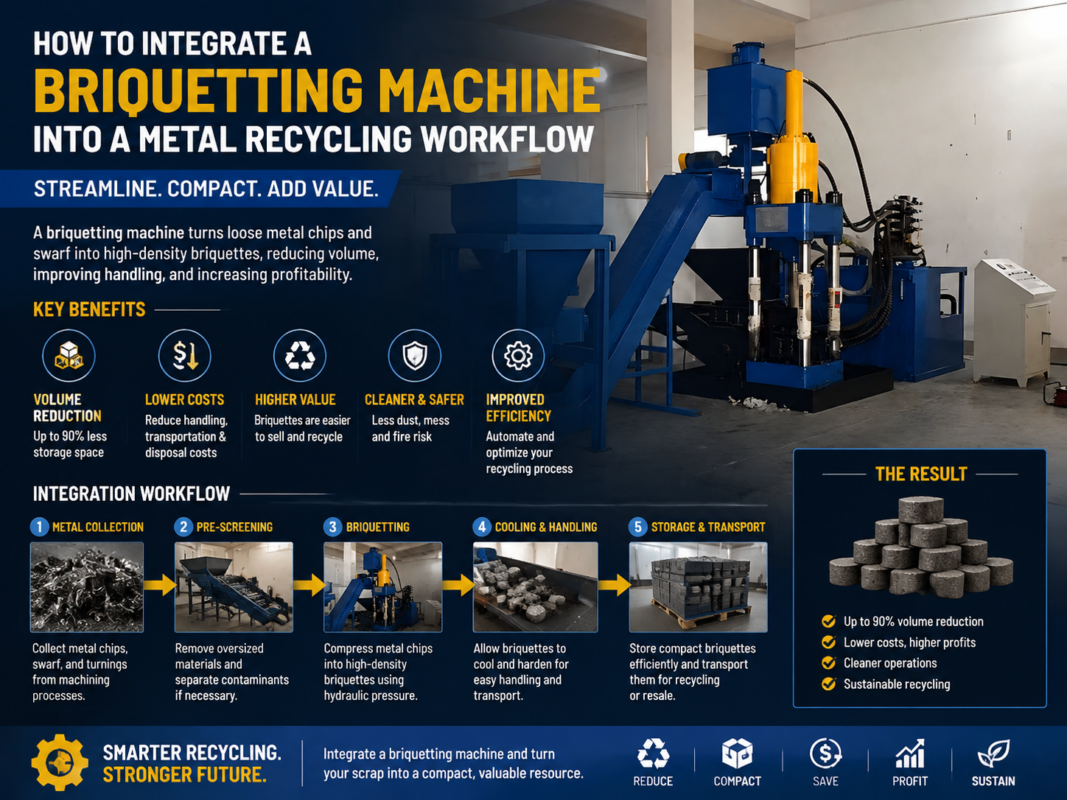
In the high-stakes world of metal recycling and fabrication, efficiency is the cornerstone of profitability. The hydraulic briquetting machine stands as a critical asset, transforming loose metal chips, turnings, and swarf into dense, high-value briquettes. However, like any heavy-duty industrial equipment, these machines are subject to intense pressure, heat, and abrasive environments. When a machine fails, the ripple effect is felt throughout the facility: production halts, labor costs accrue without output, and recycling targets are missed. Learning how to reduce downtime with proper hydraulic briquetting machine maintenance is not merely a technical necessity; it is a strategic business imperative.
HARSLE, a leader in metal fabrication machinery, understands that a machine’s value is measured by its reliability. A well-maintained Y83 series briquetting press can operate for decades, providing a consistent return on investment. Conversely, a neglected machine becomes a liability, prone to catastrophic failures that are far more expensive to repair than the cost of routine upkeep. This guide provides a comprehensive roadmap for maintenance managers and operators to ensure their hydraulic systems remain peak-performing, safe, and efficient.
The Critical Importance of Preventative Maintenance
Preventative maintenance (PM) is the practice of performing regularly scheduled inspections and servicing to prevent unexpected equipment failure. In the context of hydraulic briquetting, PM is the primary defense against the abrasive nature of metal scrap. Metal dust and fine particles can easily infiltrate hydraulic seals and mechanical joints, acting like sandpaper that grinds down precision components. By implementing a rigorous maintenance strategy, facilities can extend the lifespan of their equipment by up to 50%.
Beyond longevity, maintenance directly impacts the quality of the final product. A hydraulic system that cannot maintain consistent pressure will produce briquettes that crumble during transport, leading to material loss and unhappy buyers at the foundry. Furthermore, safety is a paramount concern. High-pressure hydraulic systems carry inherent risks; a burst hose or a failing valve can lead to serious workplace injuries. A disciplined maintenance culture ensures that safety features, such as emergency stops and pressure relief valves, are always functional.
Daily Inspection: The First Line of Defense
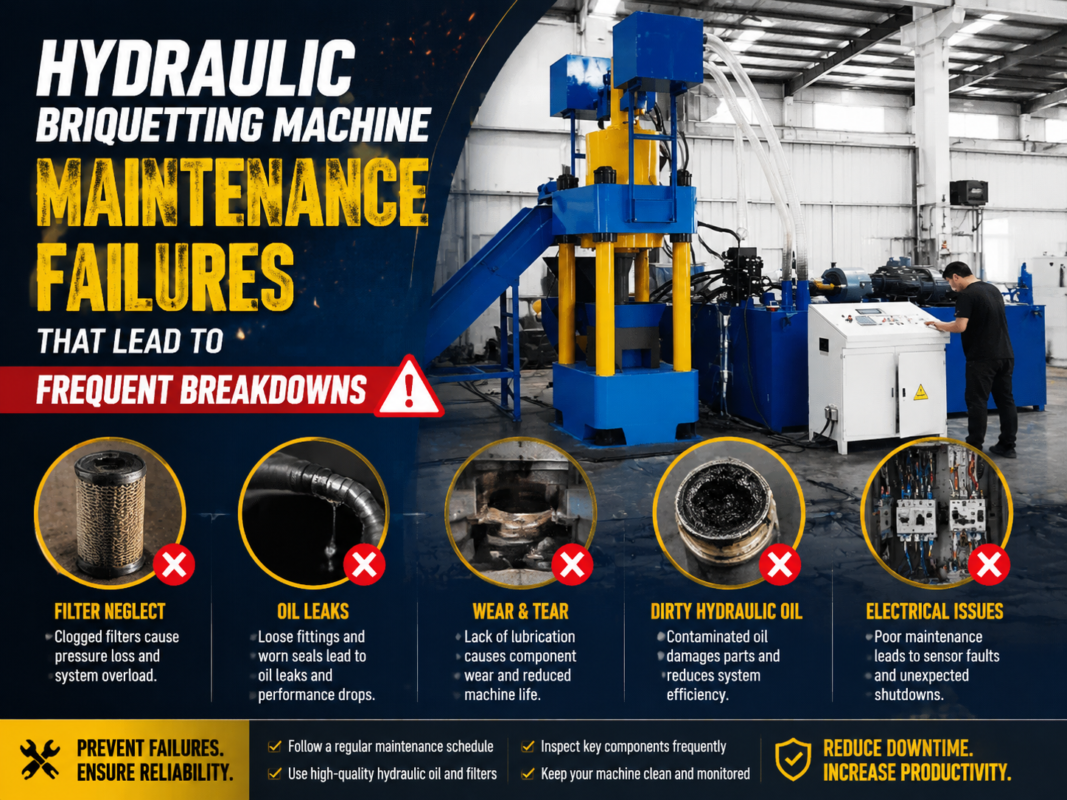
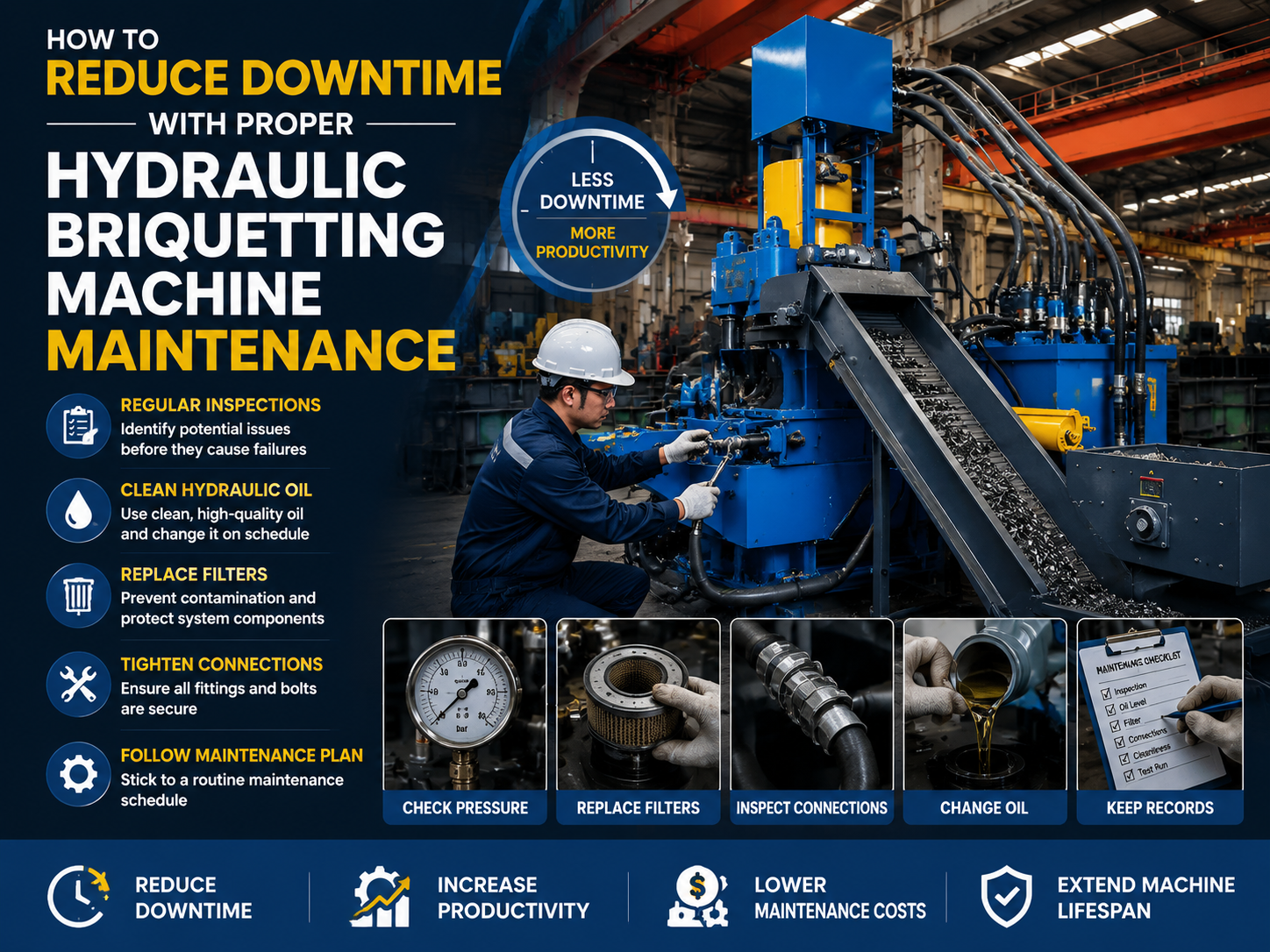
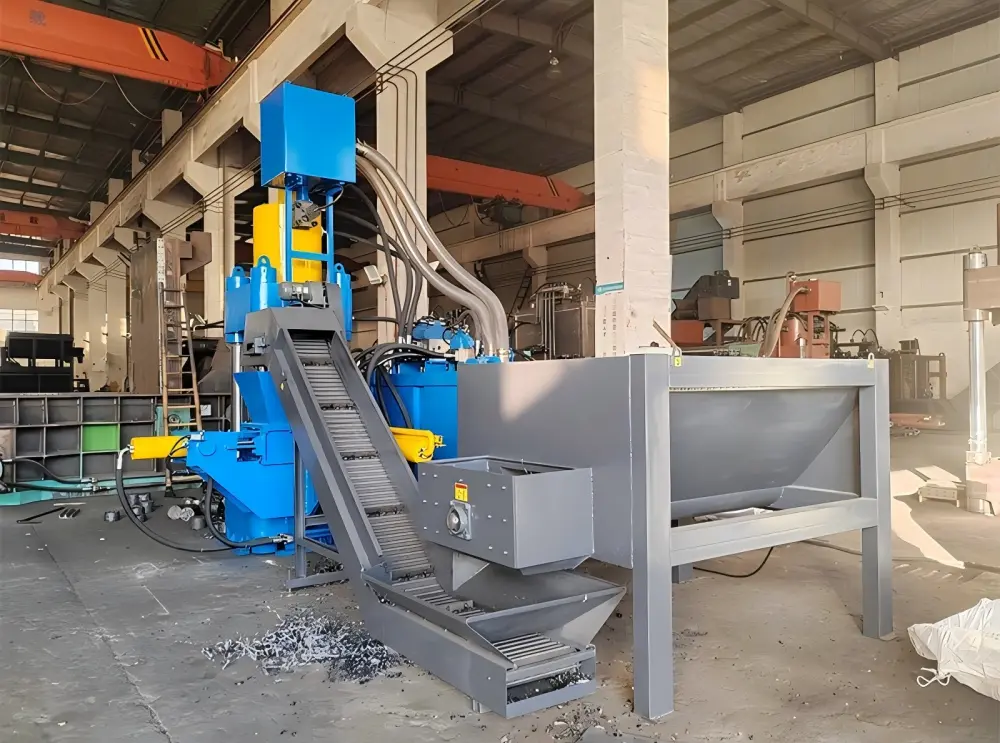
The most effective way to reduce downtime with proper hydraulic briquetting machine maintenance is through a daily walk-around inspection. This should be performed at the start of every shift. Operators should look for visual cues that indicate emerging problems. The most obvious sign is the presence of hydraulic fluid on the floor or the machine frame. Even a small drip can indicate a loose fitting or a compromised seal that could lead to a major leak under full operating pressure.
During the daily check, operators must monitor the hydraulic oil level and temperature. Most HARSLE machines are equipped with clear sight glasses and temperature gauges. If the oil level is low, it must be topped off with the correct grade of hydraulic fluid immediately to prevent pump cavitation. If the temperature is exceeding 60°C (140°F), the cooling system may be failing, or the oil may be losing its viscosity, both of which lead to accelerated wear. Listening to the machine is equally important; unusual whining, clicking, or banging sounds often precede mechanical or hydraulic failure.
Hydraulic System Checks: The Heart of the Machine
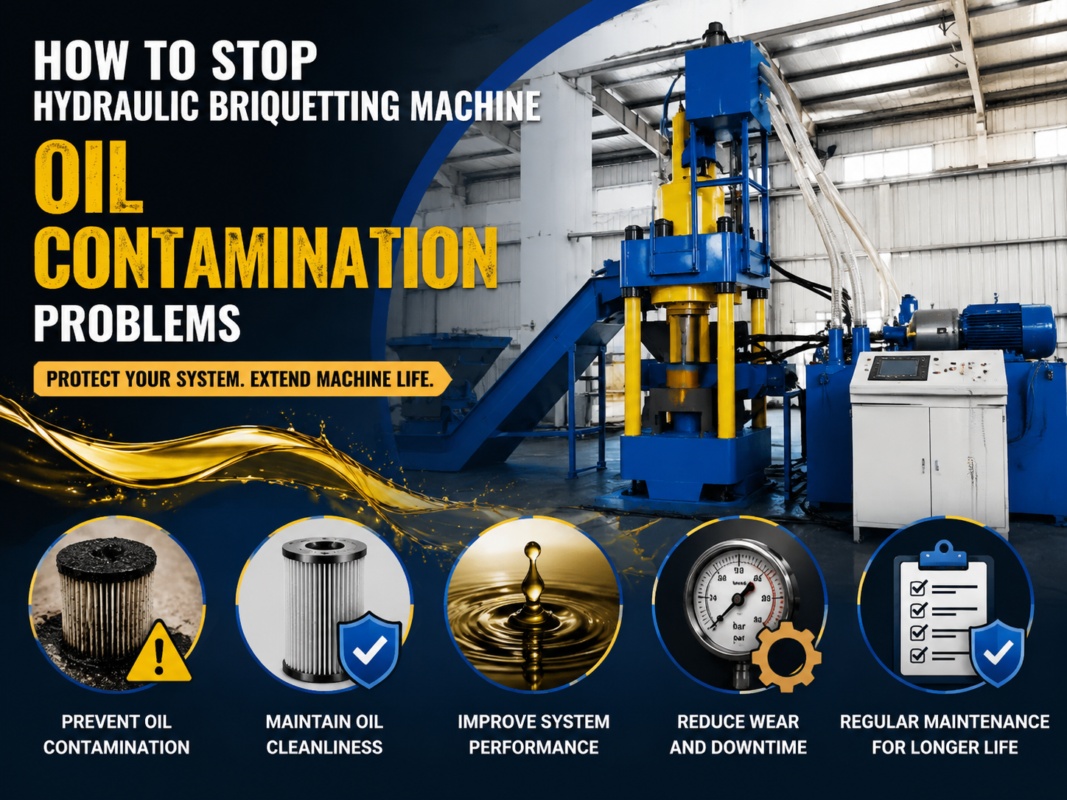
The hydraulic system is the lifeblood of the briquetting press. Maintaining the purity and properties of the hydraulic oil is the single most important task for any technician. Over time, hydraulic oil degrades due to heat and oxidation, and it becomes contaminated with microscopic metal particles and moisture. This contamination is the leading cause of valve sticking and pump failure. Regularly scheduled oil analysis can help determine the exact condition of the fluid, but as a rule of thumb, oil should be filtered or replaced according to the manufacturer’s hour-based schedule.
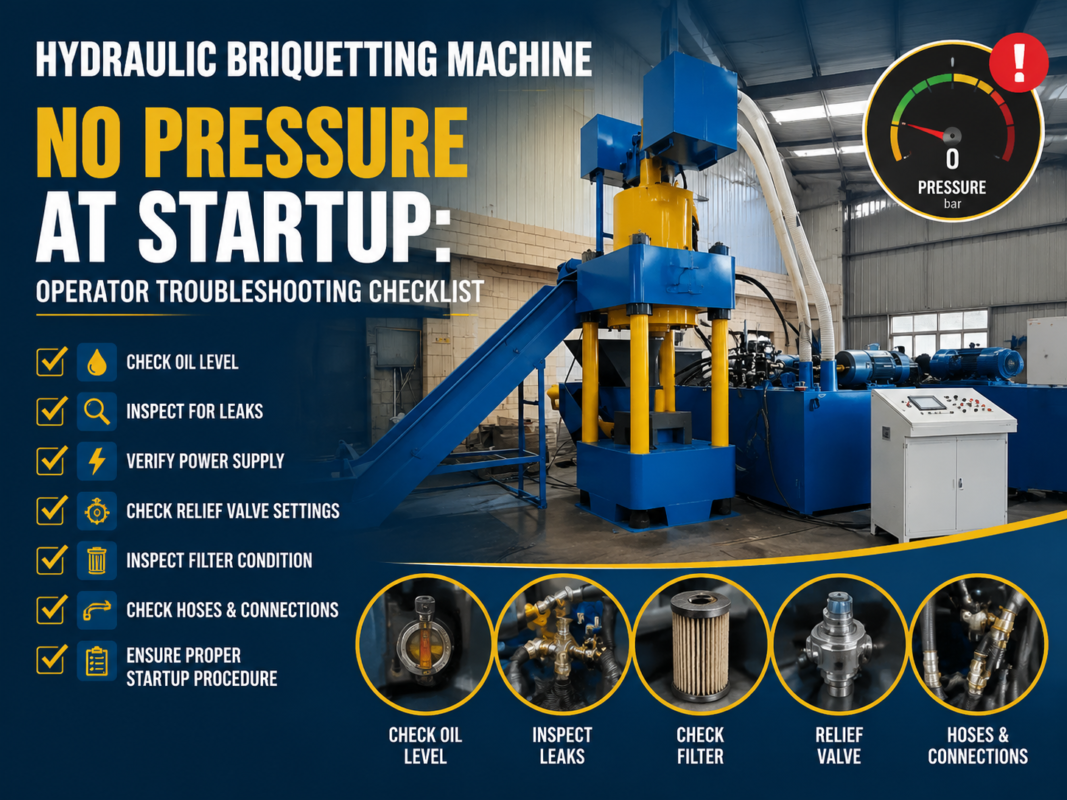
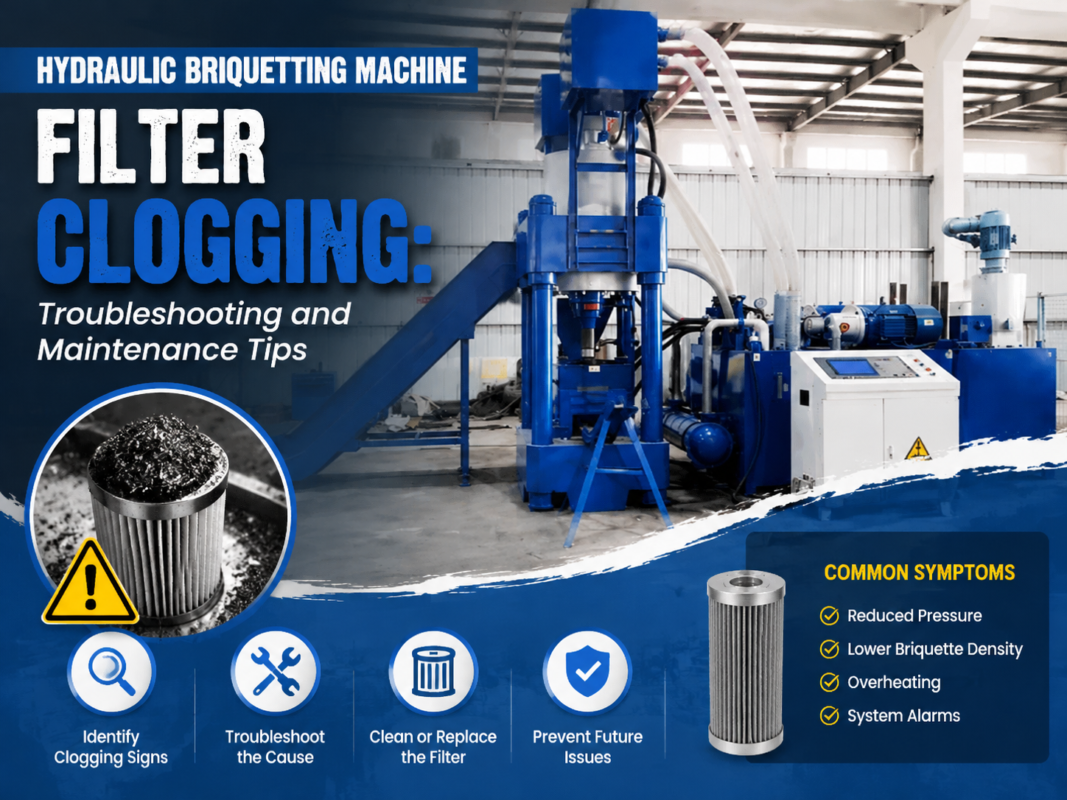
Filtration systems must be checked weekly. Clogged filters force the system to work harder, increasing heat and reducing cycle times. Ensure that the suction filters and return line filters are clean. Additionally, inspect all hydraulic hoses for signs of abrasion, bulging, or cracking. Hoses are wear items; they have a finite lifespan and should be replaced proactively before they fail. Pay close attention to the cylinder rods; they should be smooth and free of deep scratches or pitting, which can tear through seals and cause internal bypassing.
Electrical and Control System Maintenance
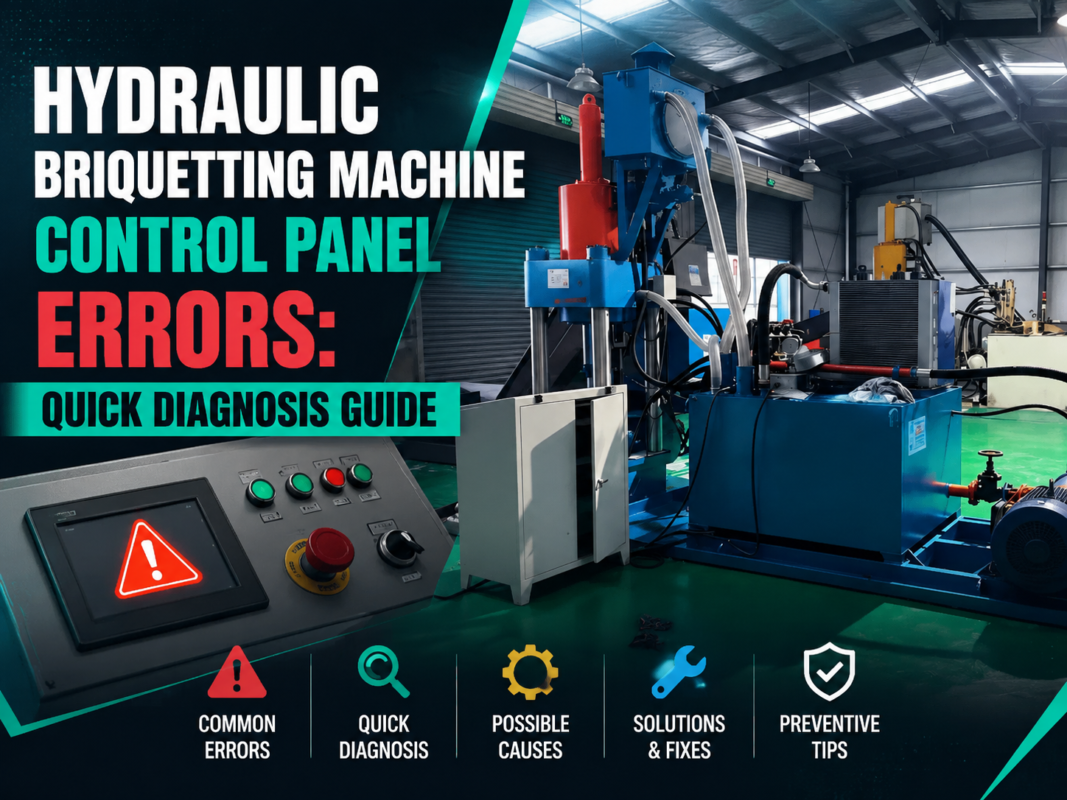
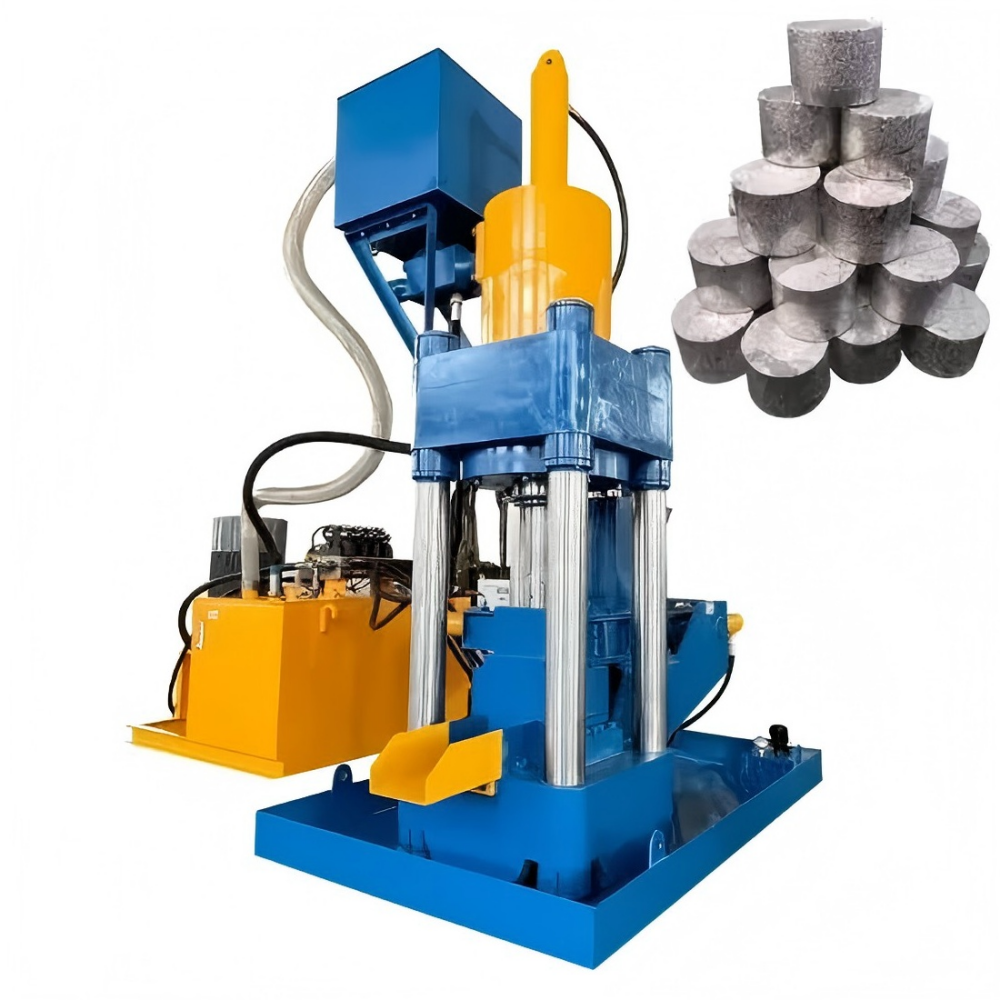
Modern hydraulic briquetting machines rely heavily on sophisticated electrical components and PLC (Programmable Logic Controller) systems to manage the complex compression cycles. Electrical failure can be just as disruptive as a mechanical one. The electrical cabinet should be kept clean and free of dust. In a metal recycling environment, conductive metal dust can settle on circuit boards and terminals, causing short circuits or erratic behavior. Use compressed air or a vacuum to clean the cabinet regularly, ensuring the power is disconnected first.
Check all wiring connections for tightness. Vibration from the machine can cause terminals to loosen over time, leading to intermittent signals or arcing. Inspect the sensors—such as proximity switches and pressure transducers—that tell the machine when to advance or retract the rams. If these sensors are covered in grease or misaligned, the machine may stop mid-cycle or fail to start. Finally, ensure that the cooling fans for the main motor and the electrical cabinet are functioning to prevent overheating of sensitive electronics.
Mechanical Integrity and Structural Checks
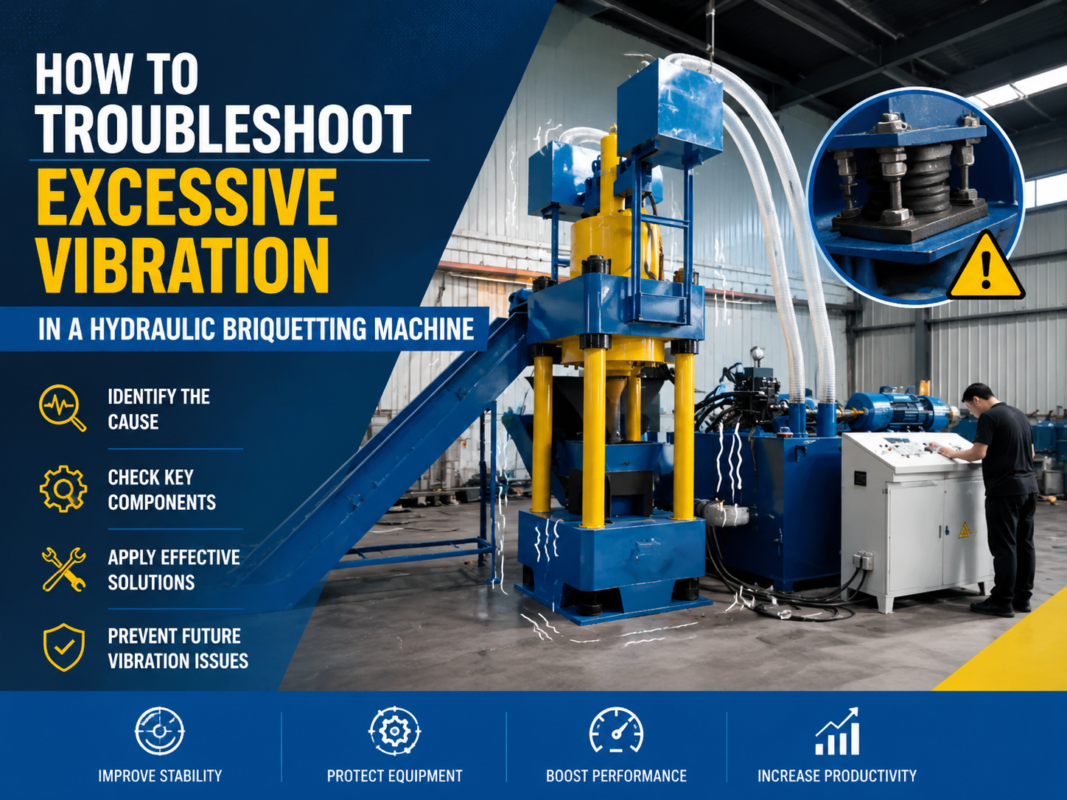
The mechanical frame of a briquetting machine endures massive structural loads. Every cycle exerts hundreds of tons of force on the tie rods, platens, and the compression chamber. Periodically inspect the main frame for any signs of stress cracking, particularly around weld points. Ensure that the foundation bolts are tight; a machine that shifts or vibrates excessively will experience premature wear on all its components.
The molds and punches (dies) are the primary wear parts in a briquetting machine. As they compress abrasive metal chips, the internal surfaces of the mold will eventually wear down, leading to oversized briquettes or material jamming. Inspect the clearance between the punch and the die regularly. If the gap becomes too wide, metal fines can get trapped, causing the machine to seize. Rotating or replacing these wear parts before they reach their limit is essential for maintaining throughput and preventing damage to the main hydraulic cylinders.
Developing a Robust Lubrication Plan
Lubrication is the simplest yet most frequently overlooked aspect of maintenance. While the hydraulic oil lubricates the internal components, the external moving parts—such as pivot pins, guide rails, and hinge points—require manual or automated greasing. Without proper lubrication, these joints experience metal-on-metal contact, leading to rapid wear and eventual seizure. A dedicated lubrication plan should specify the type of grease to be used (typically a high-pressure lithium-based grease) and the frequency of application.
For machines equipped with automatic lubrication systems, the reservoir must be kept full, and the delivery lines must be checked for blockages. If a line is pinched or clogged, one specific bearing may be starved of grease while the rest of the machine appears fine. For manual systems, a “point-by-point” checklist ensures that no grease fitting is missed. Over-lubrication can also be a problem, as excess grease attracts metal dust, creating a grinding paste; therefore, wiping away old grease before applying new lubricant is a best practice.
Identifying Troubleshooting Signals
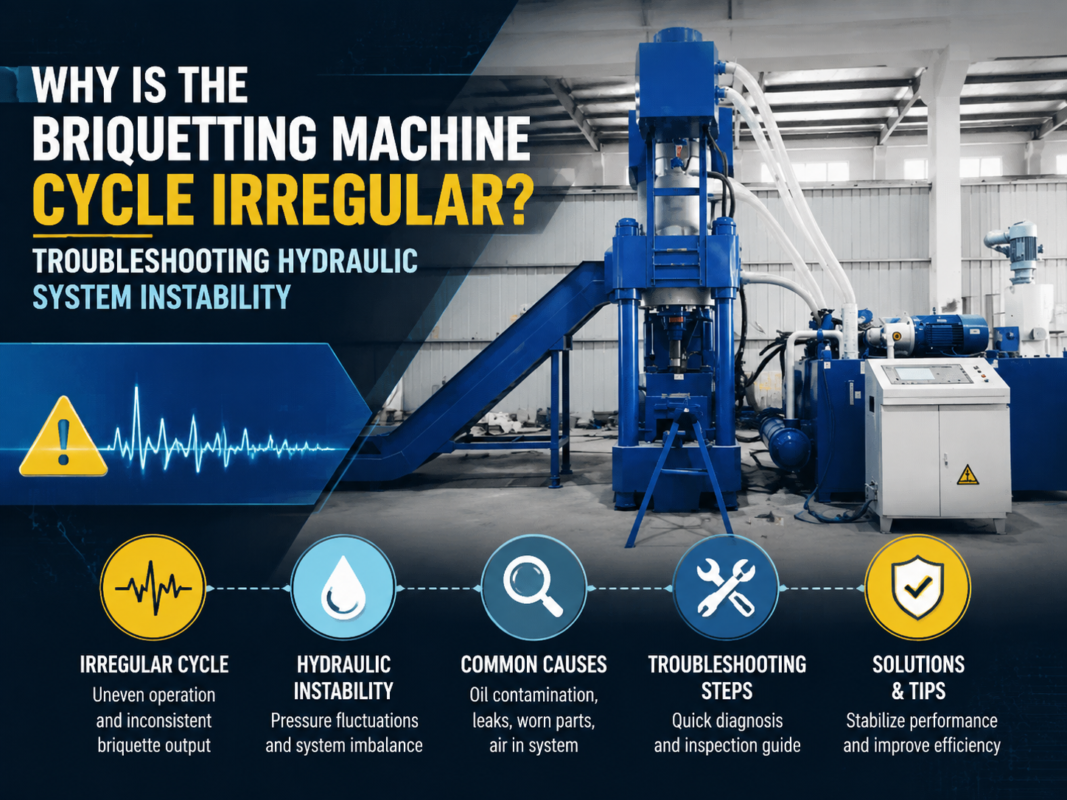
To reduce downtime with proper hydraulic briquetting machine maintenance, operators must be trained to recognize the early warning signs of trouble. Troubleshooting should begin the moment the machine deviates from its normal operating parameters. Common signals include:
- Slow Cycle Times: Often caused by internal leakage in the cylinders, a worn-out pump, or a clogged suction filter.
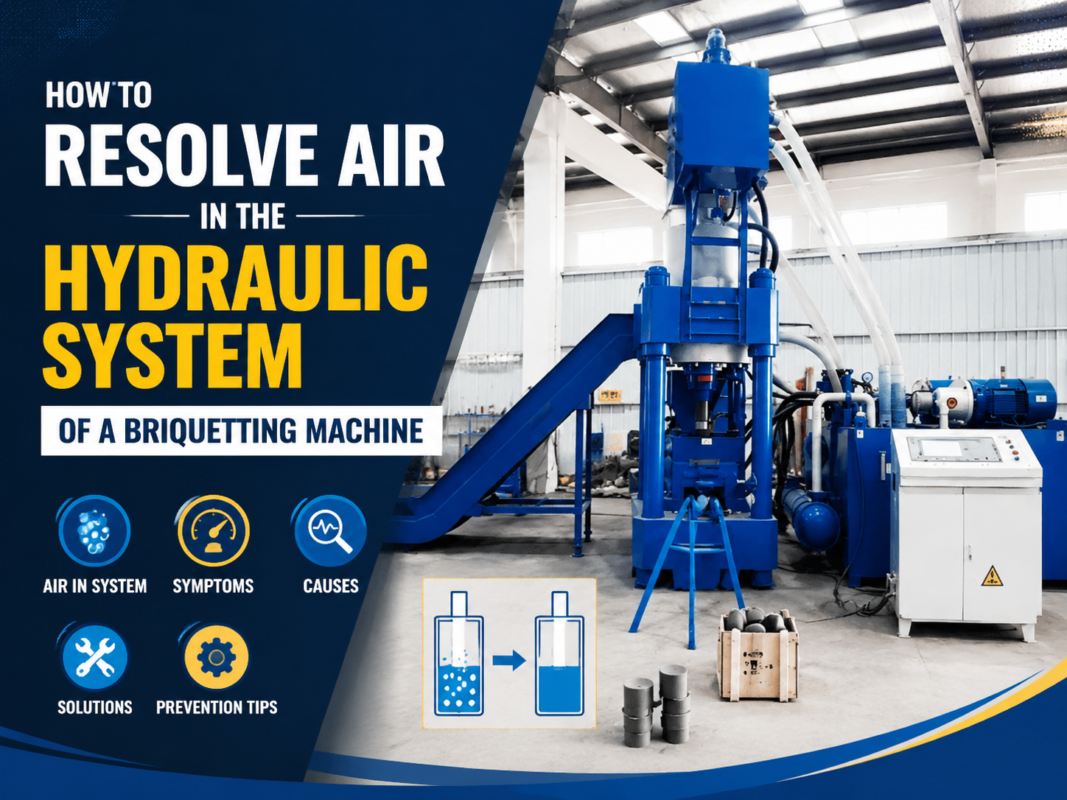
- Excessive Noise: A high-pitched whine usually indicates pump cavitation (air in the oil), while a banging sound suggests mechanical looseness or hydraulic shock.
- Overheating: If the oil temperature spikes, check the heat exchanger for blockages or ensure the cooling water flow is sufficient.
- Erratic Pressure: Fluctuating gauges often point to a failing pressure relief valve or air trapped in the hydraulic lines.
- Briquette Quality Issues: If briquettes are soft or uneven, the pressure settings may have drifted, or the mold may be excessively worn.
Comprehensive Maintenance Schedule Table
Use the following table as a baseline for your facility’s maintenance program. Adjust frequencies based on your specific shift patterns and material types.
| Frequency | Task Category | Action Required |
|---|---|---|
| Daily | Visual/Safety | Check for oil leaks, check oil level, verify E-stop function. |
| Daily | Operational | Monitor oil temperature and system pressure during operation. |
| Weekly | Filtration | Inspect and clean/replace hydraulic filters; check air breathers. |
| Weekly | Mechanical | Clean the compression chamber and remove accumulated metal dust. |
| Monthly | Electrical | Clean electrical cabinet; inspect sensors and limit switches. |
| Monthly | Lubrication | Grease all pivot points, guide rails, and cylinder pins. |
| Quarterly | Hydraulic | Test oil quality (lab analysis); check hose integrity and fittings. |
| Quarterly | Structural | Tighten foundation bolts and check frame for stress cracks. |
| Annually | Major Service | Replace hydraulic oil; calibrate pressure gauges; inspect pump internals. |
| Annually | Wear Parts | Measure mold/die wear and replace if tolerances are exceeded. |
Frequently Asked Questions (FAQ)
1. How often should I change the hydraulic oil in my briquetting machine?
Generally, hydraulic oil should be changed every 2,000 to 4,000 hours of operation. However, this depends heavily on the environment and the quality of filtration. It is highly recommended to perform oil analysis every six months to determine if the oil’s additive package is still effective and if contamination levels are within acceptable limits.
2. Why is my hydraulic briquetting machine overheating?
Overheating is usually caused by one of three things: a malfunctioning cooling system (clogged heat exchanger), a worn-out hydraulic pump that is slipping and generating heat, or the use of oil with the wrong viscosity. Ensure the cooling water or air flow is unobstructed and that the oil is the grade recommended by HARSLE.
3. What type of hydraulic fluid is best for metal briquetting presses?
Most industrial briquetting machines use an ISO VG 46 or ISO VG 68 anti-wear hydraulic oil. The specific grade depends on your ambient operating temperature. In colder environments, a thinner oil (VG 46) helps with startup, while in hot environments, a thicker oil (VG 68) maintains better film strength.
4. Can I use the machine if I notice a small hydraulic leak?
It is not recommended. A small leak is often a precursor to a major hose burst or seal failure. Furthermore, hydraulic fluid is flammable and poses a slip hazard. Addressing a small leak immediately is a key part of how to reduce downtime with proper hydraulic briquetting machine maintenance.
5. How do I know when the compression molds need replacing?
You should replace the molds when you notice a significant decrease in briquette density or when the briquettes begin to show “flashing” (excess material squeezed into the gaps between the punch and die). Measuring the internal diameter of the mold with a micrometer and comparing it to the original specifications is the most accurate method.
6. Does the type of metal scrap affect the maintenance schedule?
Yes. Abrasive materials like cast iron borings or stainless steel turnings will wear out the molds and seals much faster than softer materials like aluminum. If you are processing highly abrasive or dirty scrap, you should increase the frequency of your mechanical inspections and filter changes.
Conclusion
Reducing downtime is a continuous process that requires the cooperation of operators, maintenance technicians, and management. By following a structured approach—focusing on daily inspections, hydraulic purity, electrical cleanliness, and mechanical integrity—you can ensure that your HARSLE hydraulic briquetting machine remains a productive asset for years to come. Remember, the cost of a few liters of oil and an hour of inspection is negligible compared to the thousands of dollars lost during an unplanned shutdown. Invest in maintenance today to secure your production for tomorrow.