
How to Prevent Hydraulic Leaks in Aluminium Extrusion Press Machines: A Comprehensive Maintenance Guide

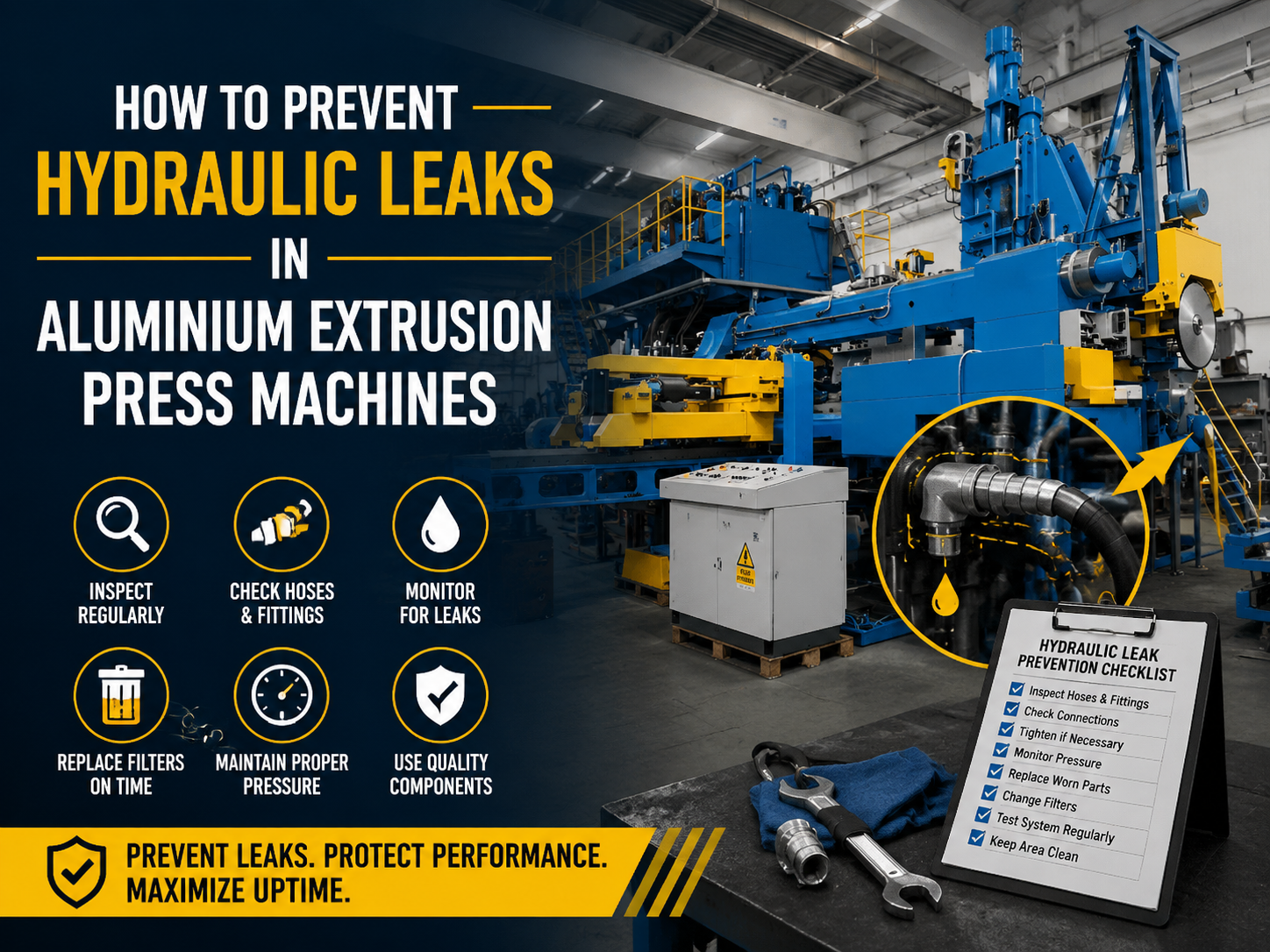
The Critical Importance of Hydraulic Integrity in Aluminium Extrusion
In the world of metal fabrication, the aluminium extrusion press stands as a titan of productivity. These machines operate under immense pressure, often exceeding 210 bar (3000 PSI), to force heated aluminium billets through precision dies. At the heart of this process is the hydraulic system. When you aim to prevent hydraulic leaks in aluminium extrusion press machines, you are not merely performing a chore; you are safeguarding the operational heartbeat of your facility. A single leak can lead to catastrophic pressure loss, contaminated products, and significant safety hazards.
Hydraulic leaks are more than just a nuisance; they are a symptom of underlying mechanical distress. In an industrial setting, fluid loss translates directly to energy loss. As the pump works harder to maintain pressure despite a leak, electricity consumption spikes, and the internal components of the pump experience accelerated wear. Furthermore, hydraulic fluid is expensive. The cumulative cost of topping off a leaking reservoir over a year can often exceed the cost of a comprehensive seal overhaul. By prioritizing leak prevention, manufacturers can ensure a higher Return on Investment (ROI) for their HARSLE equipment.
Safety is perhaps the most compelling reason to maintain a leak-free environment. Hydraulic fluid under high pressure can cause serious injuries, including fluid injection into the skin, which is a medical emergency. Additionally, many hydraulic oils are flammable. In the high-heat environment of an aluminium extrusion plant—where billets are heated to nearly 500°C—a fine mist of hydraulic oil from a pinhole leak can easily ignite, leading to devastating fires. Therefore, preventing leaks is a fundamental pillar of industrial workplace safety.
Finally, environmental stewardship plays a role. Modern industrial standards, such as ISO 14001, require strict management of hazardous fluids. Leaks that seep into the ground or drainage systems can result in heavy fines and environmental damage. A clean, dry machine is a hallmark of a professional operation that respects both its equipment and the environment. Through rigorous maintenance and the implementation of advanced sealing technologies, HARSLE users can achieve a zero-leak standard.
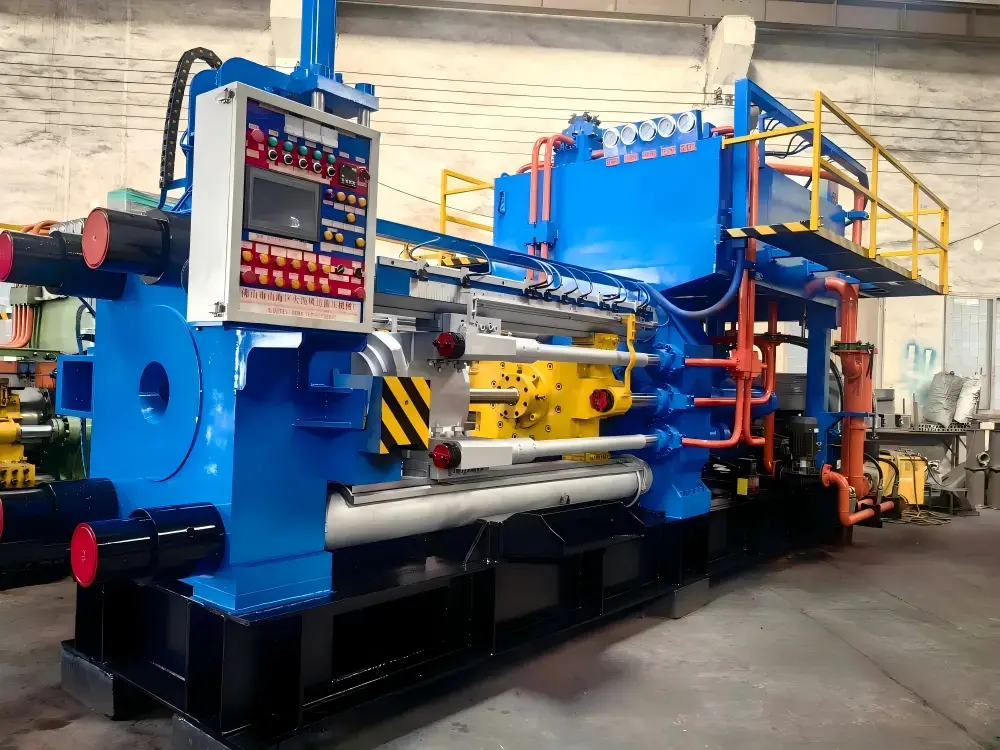
Daily Inspection Protocols: The First Line of Defense
To effectively prevent hydraulic leaks in aluminium extrusion press machines, a daily inspection routine is non-negotiable. This process should begin before the shift starts and continue during operation. Operators should be trained to look for “weeping”—the slow accumulation of oil around fittings and seals. While a weep might seem minor, it is often the precursor to a full-scale rupture. Early detection allows for scheduled repairs rather than emergency shutdowns.
During the daily walk-around, pay close attention to the main ram cylinder and the container shift cylinders. These areas experience the highest frequency of movement and pressure fluctuations. Check the floor beneath the machine for puddles or drips. Even a small drop of oil every few seconds can result in gallons of lost fluid over a week. Operators should also use their senses: the smell of burnt oil can indicate overheating, while a high-pitched whining sound often points to pump cavitation caused by air entering the system through a leak in the suction line.
Monitoring gauges is another critical daily task. If the system requires frequent pressure adjustments to maintain the extrusion speed, there may be internal leakage within the valves or cylinders. Internal leaks are particularly insidious because they do not leave a visible puddle but cause the hydraulic oil to heat up rapidly. Tracking the oil temperature throughout the day is essential; if the temperature exceeds 60°C (140°F), the viscosity of the oil drops, making it easier for leaks to develop through seals that would otherwise be tight.
Lastly, document every finding. A daily logbook helps maintenance teams identify patterns. If a specific fitting consistently requires tightening, it may indicate that the machine is experiencing excessive vibration or that the fitting itself is defective. Consistent documentation transforms reactive maintenance into a proactive strategy, allowing for the replacement of components before they fail during a critical production run.
Hydraulic, Electrical, and Mechanical System Checks
Deep Dive into Hydraulic Components
The hydraulic circuit of an extrusion press is a complex network of pumps, valves, hoses, and cylinders. To prevent hydraulic leaks in aluminium extrusion press machines, one must understand the role of seals. Most leaks occur at connection points. Ensure that all O-rings are made of materials compatible with the hydraulic fluid being used, such as Viton or Nitrile. Over time, these seals can harden due to heat or soften due to chemical incompatibility. Replacing seals during scheduled downtime is far more cost-effective than dealing with a blowout.
Hoses are another common failure point. In an extrusion environment, hoses are often exposed to radiant heat and physical abrasion. Inspect hoses for cracking, bulging, or “sweating.” It is a best practice to implement a hose replacement schedule based on service hours rather than waiting for failure. Furthermore, ensure that hoses are properly routed with adequate slack to prevent tension during the stroke of the press. Using protective sleeves can also extend the life of hoses in high-traffic or high-heat areas.
Mechanical Integrity and Vibration Control
Mechanical issues are often the root cause of hydraulic leaks. Excessive vibration can loosen fittings and cause fatigue cracks in rigid piping. Check the mounting bolts of the pumps and the main cylinder. If the machine is not properly leveled or if the foundation has shifted, the resulting misalignment can put lateral stress on the piston rods, leading to premature seal failure. Regularly check the alignment of the ram to ensure it travels perfectly centered within the container.
The condition of the piston rod itself is vital. Any scratches, pits, or scores on the rod surface will act like a file, shredding the seals as the rod moves. If damage is found, the rod must be re-chromed or replaced. Keeping the rods clean with high-quality wipers is a simple yet effective way to prevent contaminants from being pulled into the hydraulic system, where they can cause internal abrasion and leaks.
Electrical and Control System Monitoring
While it may seem unrelated, the electrical system plays a role in leak prevention. Solenoid valves controlled by the PLC (Programmable Logic Controller) must fire precisely. If a valve sticks or operates sluggishly due to electrical issues, it can cause pressure spikes (hydraulic shock) that rupture seals and hoses. Ensure that all sensors, especially pressure transducers and temperature probes, are calibrated. Accurate data from these sensors allows the control system to bypass or shut down the machine before a high-pressure event causes a leak.
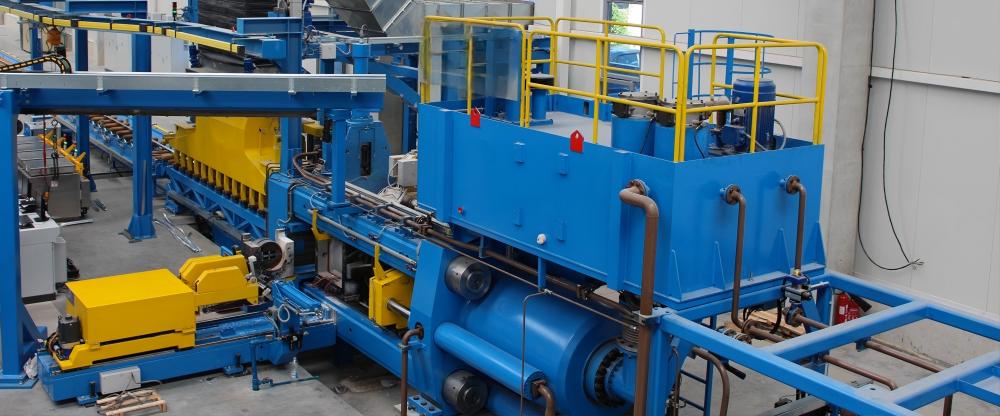
Implementing a Robust Lubrication Plan
Lubrication and hydraulic health are inextricably linked. In an aluminium extrusion press, the moving parts—such as the way-guides, container slides, and die slide—require consistent lubrication to reduce friction. If these mechanical components seize or experience high friction, the hydraulic system must work harder, increasing the internal pressure and the likelihood of leaks. A well-designed lubrication plan ensures that the mechanical load remains within the design parameters of the hydraulic system.
Choose the right lubricant for the environment. High-temperature greases are necessary for components near the heated container and die. If a manual lubrication system is used, ensure that technicians follow a strict schedule. However, for modern HARSLE presses, an automated lubrication system is preferred. These systems deliver precise amounts of grease at set intervals, ensuring that no component is under-lubricated or over-lubricated (which can attract abrasive dust).
Beyond mechanical lubrication, the hydraulic oil itself must be treated as a vital component. The oil serves as a lubricant for the internal parts of the pumps and valves. Maintaining the correct viscosity is paramount. If the oil is too thin, it won’t provide an adequate film to prevent metal-to-metal contact; if it’s too thick, it can cause sluggishness and increased pressure. Regular oil analysis should be performed to check for oxidation, water content, and particulate contamination. Clean oil is the best way to prevent hydraulic leaks in aluminium extrusion press machines from the inside out.
Troubleshooting Signals: Identifying Leaks Before They Occur
Experienced maintenance technicians develop a “sixth sense” for machine health, but anyone can learn the warning signs of impending hydraulic failure. One of the most common signals is aeration. If you see foam in the sight glass of the hydraulic reservoir, air is entering the system. This usually happens on the suction side of the pump. Air bubbles, when compressed, generate intense localized heat and can cause “micro-dieseling,” which destroys seals and leads to leaks.
Cavitation is another red flag. This occurs when the pump cannot get enough oil, creating vacuum bubbles that implode with enough force to pit metal surfaces. A cavitating pump will produce a distinct metallic rattling sound, often described as “marbles in a blender.” If left unaddressed, the internal damage to the pump will eventually lead to external leaks and total pump failure. Check for clogged suction filters or restricted intake lines immediately if this sound is heard.
Watch for sluggish performance. If the extrusion cycle time is increasing, it indicates that the system is losing efficiency. While this could be a pump issue, it is often caused by internal leakage across a piston seal or through a relief valve that is not seating properly. This internal bypass generates heat. Using an infrared thermometer to scan the hydraulic circuit can reveal “hot spots”—valves or cylinders that are significantly hotter than the surrounding lines, indicating an internal leak.
Comprehensive Maintenance Schedule Table
To effectively prevent hydraulic leaks in aluminium extrusion press machines, follow this structured maintenance schedule. Consistency is the key to longevity.
| Frequency | Task Description | Target Component |
|---|---|---|
| Daily | Visual inspection for oil puddles and weeping fittings. | All Hoses & Fittings |
| Daily | Check oil level and temperature gauges. | Hydraulic Reservoir |
| Weekly | Inspect piston rods for scoring or debris buildup. | Main & Auxiliary Cylinders |
| Monthly | Check and tighten mounting bolts and pipe clamps. | Pump Mounts & Rigid Piping |
| Quarterly | Perform hydraulic oil analysis (contamination & viscosity). | Hydraulic Fluid |
| Bi-Annually | Inspect and clean heat exchangers/coolers. | Cooling System |
| Annually | Replace high-pressure hoses and critical seals. | Full System Overhaul |
Frequently Asked Questions (FAQ)
1. What is the most common cause of hydraulic leaks in extrusion presses?
The most common cause is a combination of high-frequency vibration and thermal expansion. Over time, these forces loosen threaded connections and degrade elastomeric seals. Regular tightening of clamps and using high-quality, heat-resistant seals are the best preventative measures.
2. How often should I change the hydraulic oil?
Oil should not be changed based on time alone, but rather on its condition. Regular oil analysis will tell you when the additives have depleted or when contamination levels are too high. However, in a typical high-production environment, a full oil change every 2,000 to 4,000 operating hours is common if filtration is not optimal.
3. Can I use any hydraulic oil in my HARSLE extrusion press?
No. You must use oil that meets the manufacturer’s specifications for viscosity and anti-wear (AW) properties. Most aluminium extrusion presses require an ISO VG 46 or 68 hydraulic oil. Using the wrong oil can lead to poor lubrication, overheating, and increased leak frequency.
4. Why does my machine leak more in the summer?
Higher ambient temperatures can cause the hydraulic oil to run hotter. As the oil temperature rises, its viscosity decreases (it becomes thinner), making it easier for it to escape through small gaps in seals or fittings. Ensuring your cooling system is clean and functional is critical during warmer months.
5. Is a small “weep” really a problem?
Yes. A weep indicates that a seal has begun to fail. In a high-pressure system, a small weep can turn into a high-velocity spray in an instant. Furthermore, oil attracts dust and aluminium fines, which can then be pulled back into the system, causing internal damage. It is always best to fix a weep during the next scheduled break.
6. How can I reduce vibration in my hydraulic lines?
Ensure that all rigid piping is properly supported with vibration-dampening clamps. If you notice a specific line vibrating excessively, you may need to add an accumulator to the system to absorb pressure pulses or replace a section of rigid pipe with a high-pressure flexible hose to break the vibration path.


