
Comprehensive Guide to Cleaning Procedures for Aluminium Extrusion Press Machines

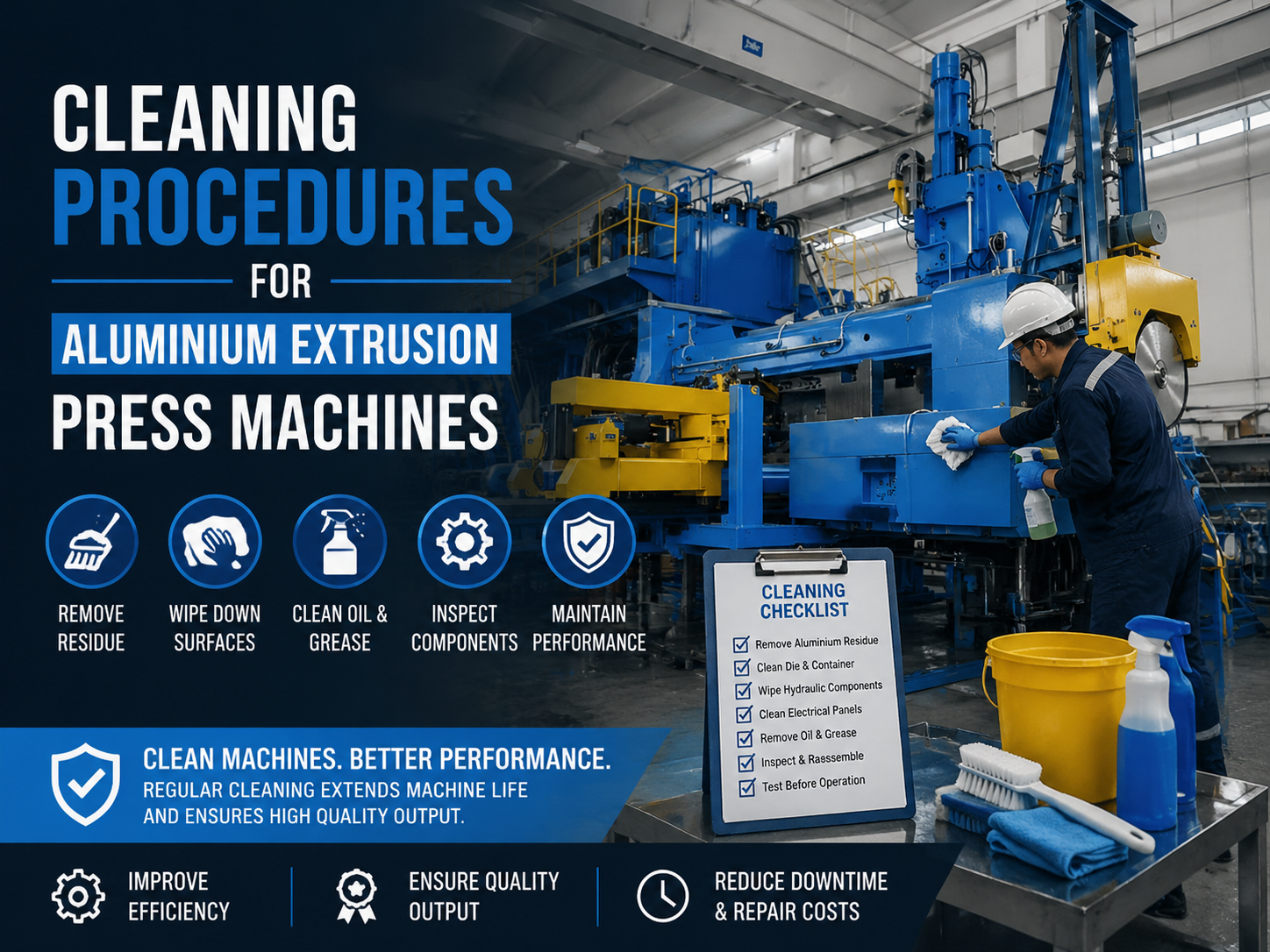
The Critical Importance of Maintenance in Aluminium Extrusion
In the high-stakes world of metal fabrication, the aluminium extrusion press stands as a cornerstone of production. However, the efficiency and longevity of these massive machines are directly proportional to the rigor of their maintenance and cleaning schedules. Implementing standardized Cleaning Procedures Aluminium Extrusion Press Machines is not merely a matter of aesthetics; it is a fundamental requirement for operational safety, product quality, and mechanical durability. When an extrusion press operates, it is subjected to extreme pressures, high temperatures, and a constant influx of aluminium dust and lubricant residues. Without proper cleaning, these elements combine to form abrasive pastes that can degrade seals, clog hydraulic valves, and cause premature wear on expensive mechanical components.
Regular cleaning serves as the first line of defense against unplanned downtime. In an industry where every minute of stoppage translates to significant financial loss, a clean machine is a reliable machine. By removing debris and monitoring the buildup of contaminants, operators can identify potential issues—such as minor hydraulic leaks or hairline fractures in the die slide—before they escalate into catastrophic failures. Furthermore, a clean environment reduces the risk of workplace accidents, such as slips caused by oil spills or respiratory issues stemming from excessive airborne metallic dust.
From a product quality perspective, cleanliness is paramount. Aluminium profiles must meet strict surface finish requirements. If the press area is contaminated with old lubricant, oxidized aluminium flakes, or general factory grime, these particles can become embedded in the hot aluminium during the extrusion process. This leads to surface defects, scratches, and structural impurities that result in high scrap rates and dissatisfied customers. Therefore, a comprehensive cleaning protocol is an investment in the brand’s reputation for quality.
Finally, the lifespan of the machine itself is at stake. Aluminium extrusion presses represent a significant capital investment. Proper cleaning prevents the corrosion of structural frames and the overheating of electrical components. By maintaining a pristine operating environment, manufacturers can extend the service life of their HARSLE equipment by years, if not decades, ensuring a much higher return on investment. This guide will detail the specific steps required to maintain these industrial giants at peak performance.
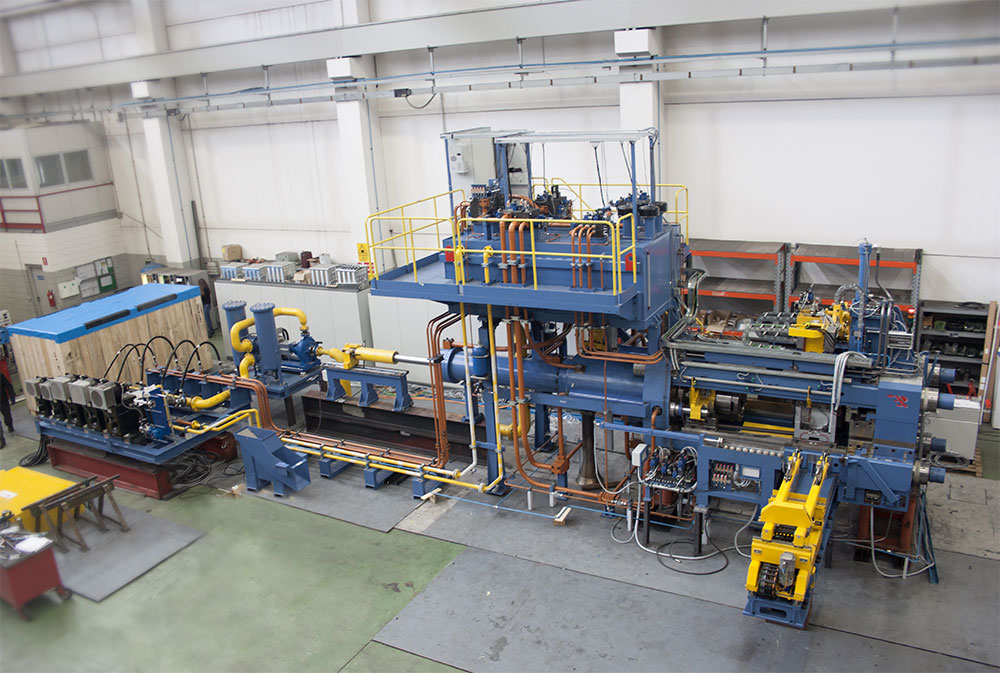
Daily Inspection and Surface Cleaning Protocols
The daily inspection is the heartbeat of a successful maintenance program. Before the start of every shift, operators should perform a comprehensive visual walkthrough. This process begins with the removal of all accumulated aluminium scrap, known as “butt ends” or “discard,” from the press area. These remnants can interfere with the movement of the loader and the container, leading to misalignment. Using specialized long-handled tools, operators must ensure the die slide and the area around the bolster are free from obstructions.
Surface cleaning should focus on the removal of “overspray” from lubricants and release agents. During the extrusion cycle, lubricants are often sprayed onto the die face or the dummy block. Over time, this mist settles on the machine frame, walkways, and sensors. Using industrial-grade degreasers and lint-free cloths, these surfaces should be wiped down daily. It is crucial to avoid using high-pressure water hoses near the press, as moisture can lead to electrical shorts or cause explosive reactions if it comes into contact with molten or highly heated aluminium.
Another critical daily task is the inspection of the main ram and the container guide rails. These surfaces must be kept free of grit. Even small particles of aluminium oxide—which is extremely abrasive—can score the polished surfaces of the ram, leading to seal failure and hydraulic fluid leakage. A simple wipe-down with a clean, oily rag can remove these particles while leaving a thin protective film. Operators should also check the condition of the “wiper” seals on the ram to ensure they are effectively pushing debris away rather than trapping it against the metal surface.
Lastly, the daily routine must include a check of the work area floor. Oil spills, hydraulic fluid leaks, and loose aluminium shavings pose significant slip-and-trip hazards. A clean floor not only improves safety but also makes it much easier to spot new leaks. If the floor is clean, a single drop of red hydraulic fluid becomes immediately visible, allowing for rapid intervention. This proactive approach to Cleaning Procedures Aluminium Extrusion Press Machines transforms the shop floor from a chaotic environment into a precision-controlled manufacturing zone.
Hydraulic System: The Lifeblood of the Press
The hydraulic system of an aluminium extrusion press is its most complex and sensitive component. Cleaning procedures here are focused on fluid purity and component integrity. The hydraulic oil must be kept free of both solid contaminants and water. Even microscopic particles can cause “stiction” in the high-precision servo valves, leading to erratic ram movement and inconsistent extrusion speeds. Regular sampling of the hydraulic oil for laboratory analysis is essential, but the physical cleaning of the system starts with the filters.
Filter elements should be replaced according to the manufacturer’s schedule or whenever the differential pressure indicators signal a clog. When changing filters, the surrounding area must be meticulously cleaned to prevent dirt from falling into the open ports. Furthermore, the hydraulic reservoir itself requires periodic cleaning. Over years of operation, a layer of sludge can form at the bottom of the tank. This sludge consists of oxidized oil, metal wear particles, and moisture. During major maintenance shutdowns, the tank should be drained and the interior scrubbed with lint-free materials.
Heat exchangers and cooling towers are often overlooked in cleaning protocols. In an aluminium extrusion environment, these units can quickly become clogged with dust and airborne fibers. A clogged heat exchanger leads to increased oil temperatures, which in turn accelerates the breakdown of the hydraulic fluid and damages seals. Cleaning the fins of air-cooled heat exchangers with compressed air or soft brushes should be a monthly task. For water-cooled systems, checking for scale buildup and ensuring the chemical balance of the cooling water is vital to prevent internal corrosion.
Leak management is the final pillar of hydraulic cleaning. A leaking press is a dirty press. Every leak, no matter how small, should be traced to its source—whether it be a loose fitting, a worn O-ring, or a cracked hose. Once the repair is made, the area must be degreased. This ensures that the repair is successful and prevents the accumulation of dust on the oily residue, which can create a fire hazard near the high-temperature zones of the container and die heater.
Electrical and Control System Maintenance
Modern aluminium extrusion presses rely on sophisticated PLC (Programmable Logic Controller) systems, sensors, and human-machine interfaces (HMIs). The primary enemy of these electrical components is heat and conductive dust. Aluminium dust is particularly dangerous because it is electrically conductive. If it penetrates electrical cabinets, it can cause short circuits, arc flashes, and permanent damage to sensitive circuit boards. Therefore, the cleaning of electrical cabinets must be performed with extreme care.
Electrical cabinets should remain sealed at all times, but dust inevitably finds a way in through cooling fans and cable entries. Monthly cleaning should involve vacuuming the interior of the cabinets using a vacuum cleaner equipped with a HEPA filter and non-conductive nozzles. Compressed air should never be used inside electrical cabinets, as it can drive dust deeper into components or cause static discharge. The cooling fan filters themselves should be cleaned or replaced weekly to ensure adequate airflow and prevent the components from overheating.
Sensors, such as limit switches, laser distance meters, and infrared pyrometers, are the “eyes” of the press. In the dusty environment of a metal fabrication shop, these sensors can quickly become coated in a layer of grime, leading to false readings or system interlocks. Cleaning these sensors requires a gentle touch. Optical sensors should be cleaned with specialized lens cleaning solutions and soft cloths to avoid scratching the glass. Proximity switches should be wiped to remove metallic shavings that might trigger false signals.
The HMI screens and operator consoles also require daily cleaning. These interfaces are touched hundreds of times per shift by operators who may have grease or aluminium dust on their gloves. Using a mild, non-abrasive cleaner ensures the screens remain readable and the buttons remain functional. By maintaining the cleanliness of the control systems, you ensure that the communication between the operator and the machine remains seamless, reducing the likelihood of operational errors that could lead to mechanical damage.
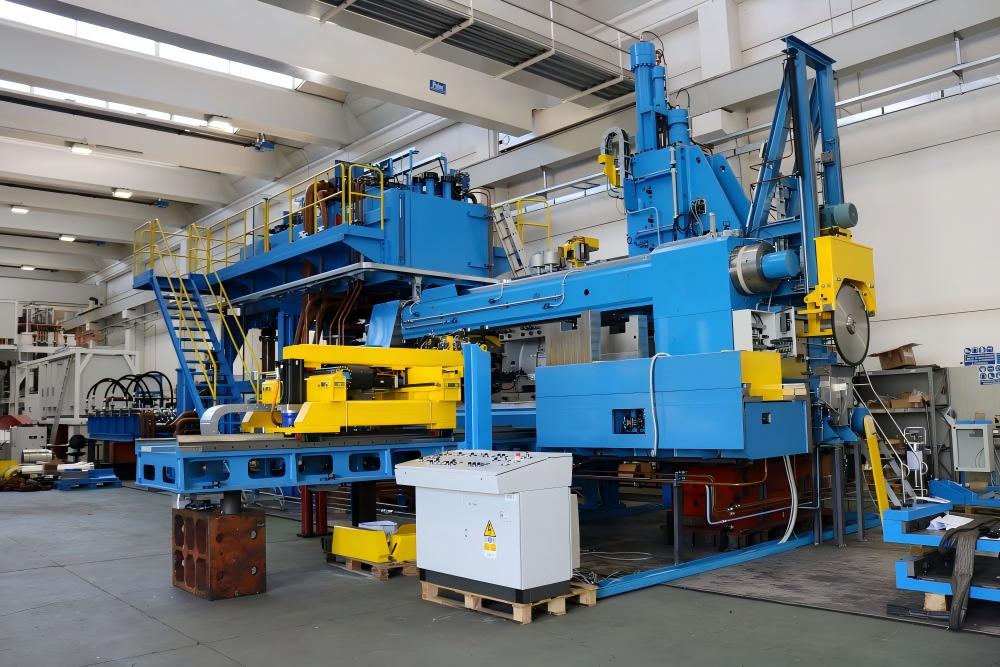
Mechanical Components and Guide Rail Cleaning
The mechanical integrity of an aluminium extrusion press depends on the smooth movement of its massive components. The container, the moving crosshead, and the die slide all travel along precision-machined guide rails or “ways.” These ways are subjected to immense loads and must be kept perfectly clean and lubricated. The cleaning procedure involves removing old, contaminated grease that has become thick with aluminium dust. This “spent” grease acts more like a grinding compound than a lubricant, causing rapid wear of the bronze liners or steel wear plates.
To clean the guide rails, the machine should be positioned to expose as much of the rail surface as possible. Using scrapers made of soft materials (like brass or plastic) to avoid scratching the steel, the bulk of the old grease is removed. The surface is then wiped down with a solvent. Once clean, the rails should be inspected for scoring, pitting, or uneven wear patterns. After inspection, a fresh layer of the manufacturer-recommended lubricant is applied. This process should be performed weekly or more frequently in high-volume production environments.
The container and the dummy block also require specific cleaning attention. During the extrusion process, a thin film of aluminium can adhere to the internal walls of the container. If this buildup becomes excessive, it can cause friction, leading to increased extrusion pressure and potential damage to the stem. Specialized “cleaning blocks” or “scouring billets” are occasionally run through the press to strip away this aluminium accumulation. Additionally, the face of the dummy block must be cleaned of any stuck aluminium to ensure a proper seal against the billet and prevent “back-extrusion.”
Finally, the shear blade and the butt-end removal system must be kept sharp and clean. A dull or dirty shear will not cut the aluminium cleanly, leading to jagged edges that can damage the die face or cause loading issues in the next cycle. The shear area should be cleared of small aluminium fragments (slivers) that can accumulate in the tracks and jam the mechanism. Regular cleaning of these mechanical interfaces ensures that the press cycles smoothly and maintains the tight tolerances required for high-quality extrusion.
Lubrication Plan: The Partner to Cleaning
Cleaning and lubrication are two sides of the same coin. You cannot have effective lubrication without first cleaning the surface. A robust lubrication plan for an aluminium extrusion press involves multiple types of lubricants, each suited for specific temperatures and loads. For the high-temperature areas near the die and container, specialized boron nitride or graphite-based lubricants are used. These must be applied sparingly and only after the surfaces have been cleaned of old, oxidized residues.
The main hydraulic pumps and motors require high-quality anti-wear hydraulic oil. The lubrication plan should specify the intervals for oil top-offs and full oil changes. It is vital to use a closed-loop filling system to ensure that the new oil being added is as clean as the oil already in the system. Even new oil from a drum often contains more particulates than a high-performance hydraulic system can tolerate, so it should be pumped through a portable filtration cart before entering the press reservoir.
Automatic lubrication systems, which deliver grease to various points on the press, must be checked daily. Operators should verify that the grease reservoirs are full and that the distribution lines are not broken or clogged. A common failure point is a crushed lubrication line that prevents grease from reaching a critical bearing. During the cleaning process, these lines should be inspected for integrity. If a bearing appears dry despite the automatic system being active, it indicates a blockage that must be cleared immediately to prevent bearing seizure.
Consistency is key to a lubrication plan. Using the wrong type of grease can be as damaging as using no grease at all. For example, mixing a lithium-based grease with a polyurea-based grease can cause the lubricant to harden and clog the lines. The maintenance team should maintain a clear chart of all lubrication points, the type of lubricant required, the quantity, and the frequency of application. This structured approach, combined with rigorous Cleaning Procedures Aluminium Extrusion Press Machines, ensures that every moving part operates with minimal friction and maximum efficiency.
Troubleshooting Signals: When Dirt Causes Problems
Often, the machine will “tell” the operator when it is dirty. Recognizing these troubleshooting signals can prevent a minor cleaning issue from becoming a major repair. One of the most common signs of contamination is increased operating temperature. If the hydraulic oil is running hotter than usual, it may be due to a clogged heat exchanger or a pump that is working harder to overcome the resistance caused by dirty filters. Similarly, if the motor housing feels excessively hot, the cooling fans or filters are likely clogged with dust.
Unusual noises are another clear indicator. A high-pitched whining sound from the hydraulic pumps often suggests cavitation, which can be caused by a clogged suction strainer in the reservoir. A grinding or squeaking sound during the movement of the die slide or the container usually points to contaminated or insufficient lubrication on the guide rails. Jerky or “stuttering” movement of the main ram (known as stick-slip) is a classic symptom of dirty ways or contaminated hydraulic fluid affecting the servo valves.
Product defects are the most direct signal of a cleanliness problem. If the extruded profiles show consistent surface scratches, the die or the run-out table is likely contaminated with abrasive particles. If there are “blisters” on the surface of the aluminium, it may indicate that moisture or excess lubricant is being trapped during the extrusion process. By tracing these quality issues back to their source, operators can often solve the problem through a thorough cleaning of the affected area.
Finally, keep an eye on the cycle times. If the press is taking longer to complete a cycle, it may be due to sluggish valve response caused by hydraulic silt or mechanical resistance from dirty slides. Monitoring these performance metrics allows the maintenance team to schedule an “interim cleaning” before the next planned shutdown. In the world of industrial machinery, cleanliness is not just about appearance; it is a diagnostic tool that provides deep insight into the health of the machine.
Maintenance Schedule Table
| Frequency | Task Category | Specific Action |
|---|---|---|
| Daily | Surface Cleaning | Remove aluminium scrap, wipe down die slide, and clean oil spills from the floor. |
| Daily | Inspection | Check for hydraulic leaks, monitor oil temperature, and verify auto-lube operation. |
| Weekly | Mechanical | Clean and re-grease container guide rails and moving crosshead ways. |
| Weekly | Electrical | Clean or replace electrical cabinet air filters and wipe HMI screens. |
| Monthly | Hydraulic | Inspect and clean heat exchanger fins; check hydraulic filter differential pressure. |
| Monthly | Sensors | Clean optical sensors and proximity switches; calibrate infrared pyrometers. |
| Quarterly | Fluid Analysis | Take hydraulic oil samples for particulate and moisture analysis. |
| Annually | Deep Clean | Drain and clean the hydraulic reservoir; inspect and clean internal cooling jackets. |
Frequently Asked Questions (FAQ)
1. Why is aluminium dust so dangerous for the press?
Aluminium dust is both abrasive and conductive. As an abrasive, it wears down seals and polished metal surfaces. As a conductor, it can cause catastrophic electrical failures if it enters control cabinets. Additionally, in high concentrations, it can pose a dust explosion risk.
2. Can I use compressed air to clean the entire machine?
Compressed air should be used sparingly. While it is effective for cleaning heat exchanger fins, it can blow dust into sensitive bearings, seals, and electrical components. Vacuuming is generally preferred for removing loose debris from the machine body and control panels.
3. How often should I change the hydraulic oil?
Oil should not be changed based on time alone, but rather on its condition. Regular oil analysis will tell you when the additives are depleted or when contamination levels are too high. However, most heavy-duty presses require a full system check and potential oil conditioning every 12 to 24 months.
4. What is the best way to clean the die slide?
The die slide should be cleaned using a combination of mechanical scraping (with non-marring tools) to remove built-up aluminium and lubricants, followed by a wipe-down with an industrial degreaser. Ensure it is re-lubricated immediately after cleaning to prevent oxidation.
5. Does the type of aluminium being extruded affect the cleaning frequency?
Yes. Softer alloys may produce more “fines” or dust, while harder alloys can cause more wear on the container and dummy block. If you are running high-speed production with 6000-series alloys, you may need more frequent cleaning of the run-out system and shear.
6. How do I clean the internal cooling system?
Internal cooling systems for the container or the hydraulic oil usually require chemical flushing to remove scale and mineral deposits. This should be done by specialists during a major maintenance shutdown to ensure all chemicals are neutralized and flushed out properly.


