Comprehensive Guide: How to Maintain the Main Hydraulic System of an Aluminium Extrusion Press


The Critical Role of Maintenance in Aluminium Extrusion
In the world of metal fabrication, the aluminium extrusion press stands as a titan of productivity. At the heart of this massive machine lies the main hydraulic system—a complex network of pumps, valves, cylinders, and fluid that generates the immense pressure required to transform solid aluminium billets into intricate profiles. To maintain the main hydraulic system of an aluminium extrusion press is not merely a suggestion; it is a fundamental requirement for any facility aiming for operational excellence and long-term profitability.
HARSLE understands that downtime in an extrusion line is incredibly costly. When the hydraulic system fails, the entire production chain grinds to a halt. Beyond the immediate loss of production, a poorly maintained system can lead to catastrophic component failures, safety hazards for operators, and a significant decrease in the quality of the finished aluminium profiles. Consistent maintenance ensures that the press operates within its designed parameters, providing the smooth, controlled force necessary for high-precision extrusion.
Effective maintenance is a proactive endeavor. It involves transitioning from a “run-to-fail” mentality to a predictive and preventative strategy. By monitoring the health of the hydraulic fluid, the integrity of the seals, and the performance of the pumps, technicians can identify potential issues before they escalate into expensive repairs. This guide provides a deep dive into the technical requirements and best practices for keeping your extrusion press in peak condition.
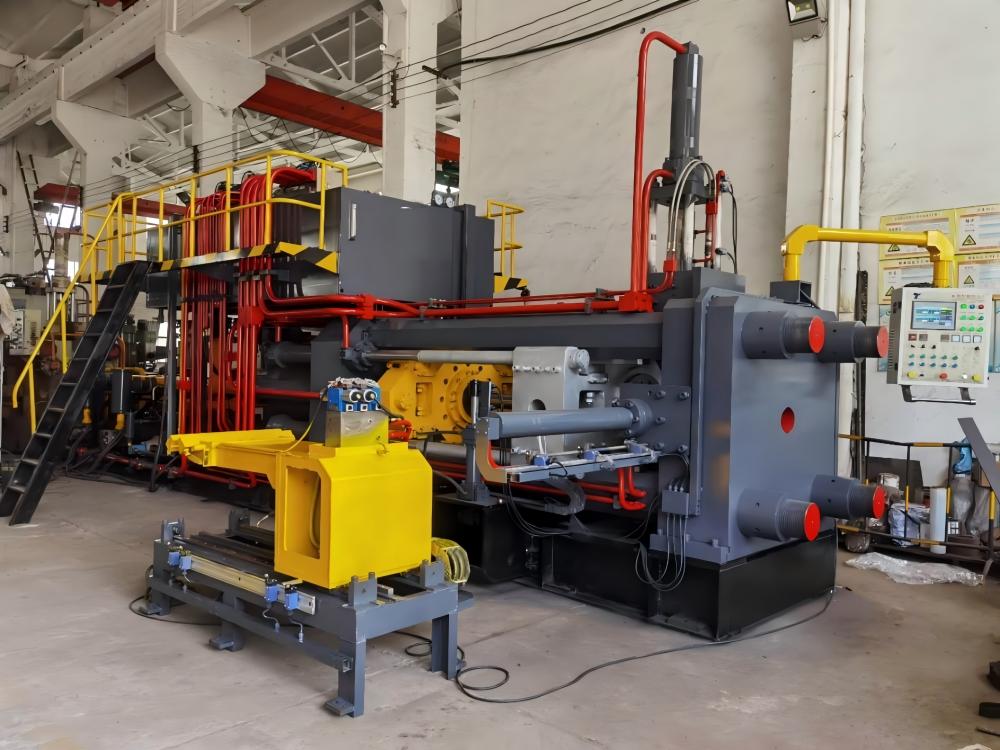
Furthermore, the environmental impact of hydraulic maintenance cannot be overlooked. Leaks not only waste expensive hydraulic oil but also pose environmental risks and slip hazards in the workshop. A tight, well-maintained system is a cleaner, safer, and more sustainable system. In the following sections, we will break down the specific steps required to manage this vital industrial asset.
Why You Must Maintain the Main Hydraulic System of an Aluminium Extrusion Press
The primary reason to maintain the main hydraulic system of an aluminium extrusion press is the preservation of the machine’s structural and functional integrity. The hydraulic system operates under extreme pressures, often exceeding 210 bar (3000 PSI). At these levels, even minor imbalances or contaminants can cause rapid wear. Regular maintenance prevents the internal erosion of valve seats and the scoring of cylinder walls, which are common results of fluid contamination.
Energy efficiency is another major factor. A hydraulic system with worn pumps or internal leaks must work harder to achieve the same extrusion force. This leads to increased electricity consumption and unnecessary heat generation. By maintaining the system, you ensure that the energy input is converted into mechanical work as efficiently as possible, directly impacting your plant’s bottom line. Modern HARSLE presses are designed for efficiency, but that efficiency is only realized through proper care.
Safety is the most critical aspect of any industrial operation. High-pressure hydraulic fluid can be dangerous if a hose bursts or a fitting fails. Regular inspections of hoses, couplings, and structural supports are essential to protect the workforce. Additionally, a well-maintained system provides more predictable control over the ram movement, reducing the risk of unexpected mechanical shifts during the extrusion cycle.
Finally, the quality of the extruded product is directly tied to the stability of the hydraulic pressure. Fluctuations in pressure can cause variations in the wall thickness of the profiles or surface defects. To produce aerospace or automotive grade aluminium, the hydraulic system must deliver a constant, ripple-free flow of power. Maintenance is the bridge between “good enough” and “industry-leading” quality.
Daily Inspection Protocols
The first line of defense in any maintenance program is the daily inspection. This should be performed at the start of every shift by a trained operator or maintenance technician. The goal is to identify visible and audible changes in the machine’s state. Start with a visual “walk-around.” Look for any signs of oil on the floor or dripping from the main cylinder, pumps, or manifold blocks. Even a small damp spot can indicate a seal that is beginning to fail.
Check the oil level in the main reservoir. The oil should be at the specified level on the sight glass when the ram is in its home position. If the oil level is low, it must be topped up with the exact grade of filtered oil recommended by the manufacturer. Never mix different types of hydraulic fluids, as chemical incompatibilities can lead to sludge formation or seal degradation. While checking the oil, observe its color and clarity. If the oil appears milky, it indicates water contamination; if it looks dark or smells burnt, it has likely oxidized due to overheating.
Listen to the system as it starts up. Experienced operators can often “hear” a problem before it shows up on a gauge. A high-pitched whining or screaming noise from the main pumps often indicates cavitation—a condition where air bubbles form and collapse in the oil, causing severe damage to pump internals. A rattling sound might suggest loose mounting bolts or mechanical vibration in the pipework. Addressing these sounds immediately can save tens of thousands of dollars in pump replacement costs.
Monitor the operating temperature. Most aluminium extrusion presses are designed to operate with hydraulic oil temperatures between 40°C and 55°C (104°F to 131°F). If the temperature exceeds 60°C, the viscosity of the oil drops, leading to poor lubrication and accelerated seal wear. Check that the cooling system (water-cooled heat exchangers or air-blast coolers) is functioning correctly and that the cooling fins are not clogged with dust or debris.
In-Depth Hydraulic System Checks
To truly maintain the main hydraulic system of an aluminium extrusion press, one must look beyond the surface. The hydraulic fluid is the lifeblood of the machine. It is recommended to perform a professional oil analysis every three to six months. This analysis checks for the presence of metallic particles (indicating component wear), water content, and the remaining additive package. Maintaining an ISO 4406 cleanliness level of 18/16/13 or better is typical for high-performance extrusion presses.
Filtration is your best friend. The main hydraulic system usually features suction filters, pressure filters, and return-line filters. These must be checked and replaced according to the pressure drop indicators. If a filter bypasses, contaminants circulate freely through the sensitive proportional valves, leading to sticking or erratic behavior. Always use high-quality, high-efficiency filter elements that meet the original equipment manufacturer (OEM) specifications.
The main pumps, often axial piston pumps, require specific attention. Check the case drain flow; an increase in case drain leakage is a primary indicator that the pump is wearing out and losing volumetric efficiency. Similarly, inspect the accumulators. These nitrogen-charged vessels help maintain pressure and absorb shocks. Periodically check the nitrogen pre-charge pressure using a dedicated charging kit. If the pre-charge is too low, the pump will cycle more frequently, leading to premature wear.
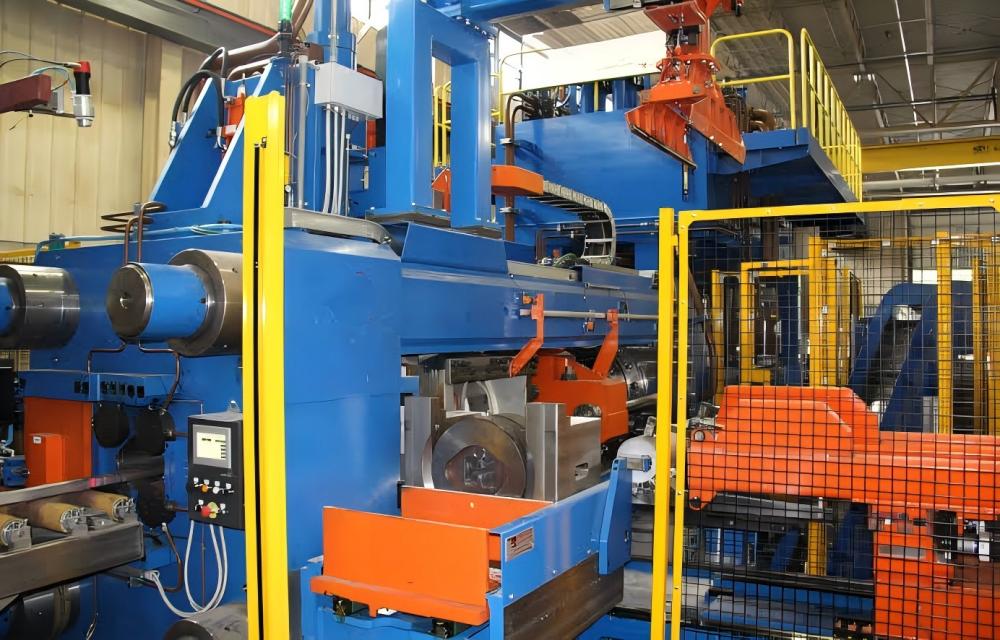
Valves and manifolds should be inspected for external leaks and heat spots. A valve that feels significantly hotter than the surrounding manifold may be experiencing internal leakage (bypassing). Proportional and servo valves are the “brains” of the hydraulic circuit; they should be kept clean and their electrical connections checked for tightness and corrosion. Ensure that the mounting bolts for the manifold blocks are torqued to the correct specification to prevent gasket failures under high-pressure spikes.
Electrical and Mechanical Integration
The hydraulic system does not operate in a vacuum; it is controlled by an electrical system and moves mechanical components. Maintenance must cover these interfaces. Check the solenoid coils on the hydraulic valves. Over time, heat can cause the insulation to degrade, leading to short circuits or intermittent failures. Ensure that all wiring is routed away from hot hydraulic lines and that the junction boxes are sealed against oil mist and dust.
The PLC (Programmable Logic Controller) manages the timing and sequencing of the hydraulic movements. Ensure that the sensors—such as pressure transducers, linear scales for ram position, and temperature probes—are calibrated. An inaccurate pressure transducer might lead the system to over-pressurize, straining the hydraulic components, or under-pressurize, resulting in incomplete extrusions.
Mechanically, the alignment of the main ram and the container is paramount. If the ram is not perfectly centered, it exerts side loads on the hydraulic seals of the main cylinder. This leads to “one-sided” wear and premature seal failure. Check the guide ways and wear plates. If the mechanical guides are worn, the hydraulic system has to compensate for the misalignment, which it is not designed to do. Keeping the mechanical structure rigid and aligned is a prerequisite for hydraulic longevity.
Lubrication Plan for Moving Parts
While the hydraulic oil lubricates the internal components of the pumps and valves, the external moving parts of the press require a dedicated lubrication plan. This includes the container shifting cylinders, the die slide, and the shear mechanism. Use a high-temperature, extreme-pressure (EP) grease that can withstand the radiant heat from the heated aluminium billets and the container.
Automated lubrication systems are common on HARSLE presses. These systems must be monitored to ensure they are actually delivering grease to the points. Check for blocked lines or empty reservoirs. If a manual lubrication schedule is followed, it must be documented. Critical points like the tie-rod nuts and the main cylinder bushings should be lubricated according to the manufacturer’s frequency chart—usually weekly or monthly depending on the shift patterns.
Proper lubrication reduces friction, which in turn reduces the load on the hydraulic system. For example, if the container slide is poorly lubricated, the hydraulic cylinders moving it will require more pressure to overcome the friction, leading to unnecessary heat and wear. A holistic approach to lubrication covers both the fluid power and the mechanical movement.
Troubleshooting Common Hydraulic Signals
Learning to maintain the main hydraulic system of an aluminium extrusion press involves recognizing the early warning signs of failure. One of the most common signals is “spongy” or erratic movement of the ram. This is almost always caused by air trapped in the hydraulic circuit. Air can enter through a leaky suction line or a low oil level in the reservoir. Bleeding the system and tightening suction fittings is the standard fix.
Another signal is a sudden increase in cycle time. If the press is taking longer to complete an extrusion, it suggests a loss of flow or pressure. This could be due to a failing pump, a leaking relief valve, or internal cylinder bypass. By using a flow meter and pressure gauges at various test points, technicians can isolate which component is failing to deliver the required performance.
Overheating is a “red flag” signal. If the oil temperature rises rapidly, check the cooling water flow and the heat exchanger efficiency. Scale buildup inside water-cooled heat exchangers is a common issue in areas with hard water. Periodic descaling of the cooling system is necessary to maintain the thermal balance of the hydraulic system. Never ignore an over-temperature alarm; it is the quickest way to destroy every seal in the machine.
Maintenance Schedule Table
A structured schedule is the backbone of a successful maintenance program. Below is a recommended frequency for key tasks to maintain the main hydraulic system of an aluminium extrusion press.
| Frequency | Task Description | Target Component |
|---|---|---|
| Daily | Check oil level and temperature; inspect for leaks; listen for pump noise. | Reservoir, Pumps, Main Cylinder |
| Weekly | Inspect filter indicators; check nitrogen pre-charge in accumulators. | Filters, Accumulators |
| Monthly | Clean heat exchanger fins; inspect hose condition; check mounting bolt torque. | Cooling System, Hoses, Manifolds |
| Quarterly | Perform hydraulic oil analysis (lab test); calibrate pressure transducers. | Hydraulic Fluid, Sensors |
| Annually | Drain and clean the reservoir; replace all major filters; inspect pump couplings. | Reservoir, Pumps, Drive System |
| Bi-Annually | Replace critical high-pressure hoses; overhaul or replace main seals if needed. | Hose Assemblies, Cylinder Seals |
Frequently Asked Questions (FAQ)
1. What type of hydraulic oil is best for an aluminium extrusion press?
Most presses use a high-quality anti-wear (AW) hydraulic oil with a viscosity grade of ISO VG 46 or 68, depending on the ambient temperature of the facility. Always refer to the HARSLE manual for the specific grade. In some fire-prone environments, fire-resistant hydraulic fluids (like water-glycol) may be used, but these require specific seal materials.
2. How often should I change the hydraulic oil?
Oil should not be changed based on time alone, but rather on its condition. Regular oil analysis will tell you when the oil has oxidized or lost its additive properties. However, in a typical high-production environment, a full oil change every 2 to 4 years is common, provided the filtration system is excellent.
3. Why is my hydraulic system vibrating excessively?
Vibration is usually caused by pump cavitation, air in the lines, or loose pipe clamps. It can also be caused by “hydraulic shock” when valves close too quickly. Check the accumulator pre-charge and ensure all mechanical supports for the piping are tight.
4. Can I replace a single seal in the main cylinder?
While possible, it is rarely recommended. If one seal has failed due to wear or age, the others are likely in a similar condition. It is much more cost-effective to replace the entire seal kit while the cylinder is disassembled to avoid having to pull the machine apart again a month later.
5. What is the danger of water in the hydraulic oil?
Water reduces the lubricating film strength, leading to metal-to-metal contact and rapid wear. It also promotes rust and can react with oil additives to form sludge. If the oil looks milky, find the source of the water (usually a leaky heat exchanger) and change the oil or use a water-removal filtration unit.
Conclusion: The HARSLE Commitment to Excellence
To maintain the main hydraulic system of an aluminium extrusion press is to invest in the future of your manufacturing capability. By following the rigorous inspection and maintenance protocols outlined in this guide, you can ensure that your HARSLE equipment delivers the performance, precision, and reliability that your customers demand. Remember that the hydraulic system is a precision instrument; treat it with the care it deserves, and it will provide decades of productive service. For specific technical support or to order genuine replacement parts, always consult with HARSLE’s expert engineering team.