
Comprehensive Guide to Weekly Maintenance Tasks for Aluminium Extrusion Press Machines

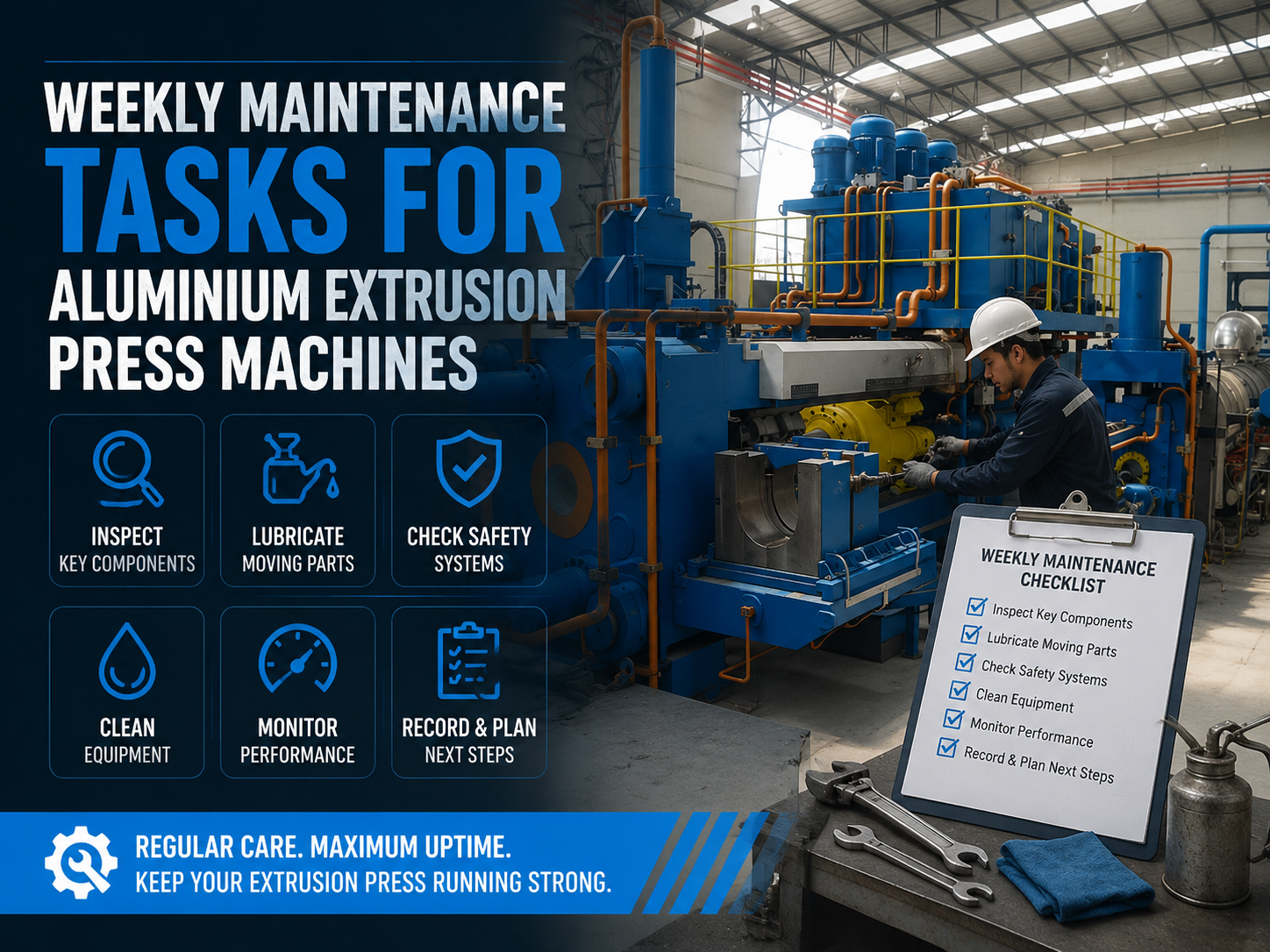
The Critical Importance of Maintenance for Aluminium Extrusion Presses
In the high-stakes world of metal fabrication, the aluminium extrusion press stands as a cornerstone of production. These massive machines, capable of exerting thousands of tons of pressure to transform raw aluminium billets into intricate profiles, are marvels of engineering. However, the sheer force and heat involved in the extrusion process mean that wear and tear are inevitable. Implementing a rigorous schedule of Weekly Maintenance Tasks Aluminium Extrusion Press Machines is not merely a recommendation; it is a fundamental necessity for any facility aiming for operational excellence.
The primary goal of weekly maintenance is to bridge the gap between daily visual inspections and major quarterly overhauls. While daily checks catch immediate hazards, weekly tasks allow technicians to identify emerging patterns of wear, such as slight misalignments or gradual hydraulic fluid degradation. By addressing these issues early, manufacturers can avoid the catastrophic costs associated with unplanned downtime. In an industry where a single hour of lost production can equate to thousands of dollars in lost revenue, the ROI of a structured maintenance plan is undeniable.
Beyond financial considerations, maintenance is a pillar of workplace safety. Aluminium extrusion involves high-pressure hydraulics, high-voltage electrical systems, and extreme thermal energy. A failure in any of these systems can pose significant risks to operators. Furthermore, consistent maintenance ensures product quality. An improperly maintained press may produce profiles with surface defects, dimensional inaccuracies, or structural weaknesses, leading to high scrap rates and dissatisfied clients. Therefore, mastering Weekly Maintenance Tasks Aluminium Extrusion Press Machines is essential for maintaining a competitive edge in the global market.
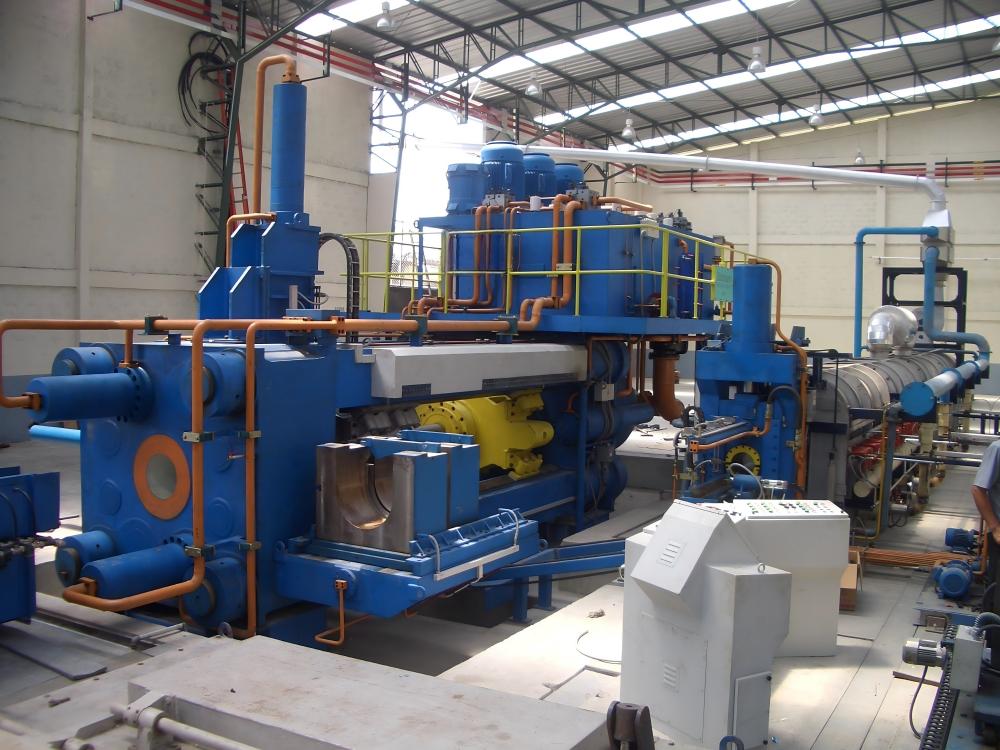
Transitioning from Daily Inspections to Weekly Depth
Before diving into the specifics of weekly protocols, it is important to understand how they build upon daily inspections. Daily tasks typically involve checking oil levels, monitoring operating temperatures, and ensuring the workspace is clear of debris. These are the “pulse checks” of the machine. However, the weekly routine requires a more invasive and analytical approach. It involves opening access panels, testing safety interlocks, and performing precision measurements that are too time-consuming for a daily shift change.
During the transition to weekly maintenance, the maintenance team should review the daily logs from the previous seven days. Are there recurring alarms? Has the hydraulic temperature been creeping upward? This data-driven approach allows technicians to prioritize specific areas of the press that may be showing signs of stress. It transforms maintenance from a reactive chore into a proactive strategy, ensuring that the Weekly Maintenance Tasks Aluminium Extrusion Press Machines are tailored to the actual condition of the equipment.
Hydraulic System: The Lifeblood of the Press
The hydraulic system is the heart of the aluminium extrusion press. It provides the massive force required to push the billet through the die. Consequently, hydraulic maintenance is the most critical component of the weekly schedule. The first task is a comprehensive leak inspection. Even a minor weep at a fitting can indicate a failing seal or a loose connection that could lead to a high-pressure burst. Technicians should wipe down all major valves and cylinders to ensure that new leaks are easily visible.
Fluid health is the next priority. While oil changes are infrequent, weekly checks of the filtration system are mandatory. Technicians should inspect the filter indicators; if a filter is bypassing, contaminants are circulating through sensitive pumps and valves, causing internal erosion. Additionally, the hydraulic oil should be visually inspected for aeration (foaming) or emulsification (milky appearance), which indicates air or water ingress. Proper fluid management ensures that the press maintains consistent pressure and smooth movement throughout the extrusion cycle.
Finally, the cooling system must be verified. Aluminium extrusion generates significant heat, which is transferred to the hydraulic oil. The weekly check should include an inspection of the heat exchanger. If it is a water-cooled system, check for scale buildup or leaks in the piping. If it is air-cooled, ensure the fins are not clogged with factory dust. Overheating oil loses its lubricating properties and accelerates the aging of seals, making this a vital part of Weekly Maintenance Tasks Aluminium Extrusion Press Machines.
Electrical and Control System Integrity
Modern extrusion presses rely on sophisticated PLC (Programmable Logic Controller) systems and a network of sensors to manage the complex extrusion cycle. The weekly electrical check begins with the control cabinet. Industrial environments are often dusty, and dust accumulation on electrical components can lead to overheating or short circuits. Technicians should use low-pressure compressed air or a specialized vacuum to clean the cabinet, ensuring that cooling fans are operational and filters are clean.
Sensor calibration and physical integrity are also paramount. The press uses limit switches, pressure transducers, and linear transducers to track the position of the ram and the container. On a weekly basis, these sensors should be checked for physical damage or loose mounting brackets. A sensor that has shifted even a few millimeters can cause the press to operate out of sequence, potentially leading to a mechanical collision. Testing the emergency stop buttons and safety light curtains is also a non-negotiable weekly task to ensure operator protection.
Wiring and connections should also be sampled. Vibration from the press can, over time, loosen screw terminals in the junction boxes. A quick check of high-vibration areas can prevent intermittent electrical faults that are notoriously difficult to diagnose. By maintaining the “nervous system” of the machine, you ensure that the Weekly Maintenance Tasks Aluminium Extrusion Press Machines contribute to a stable and predictable production environment.
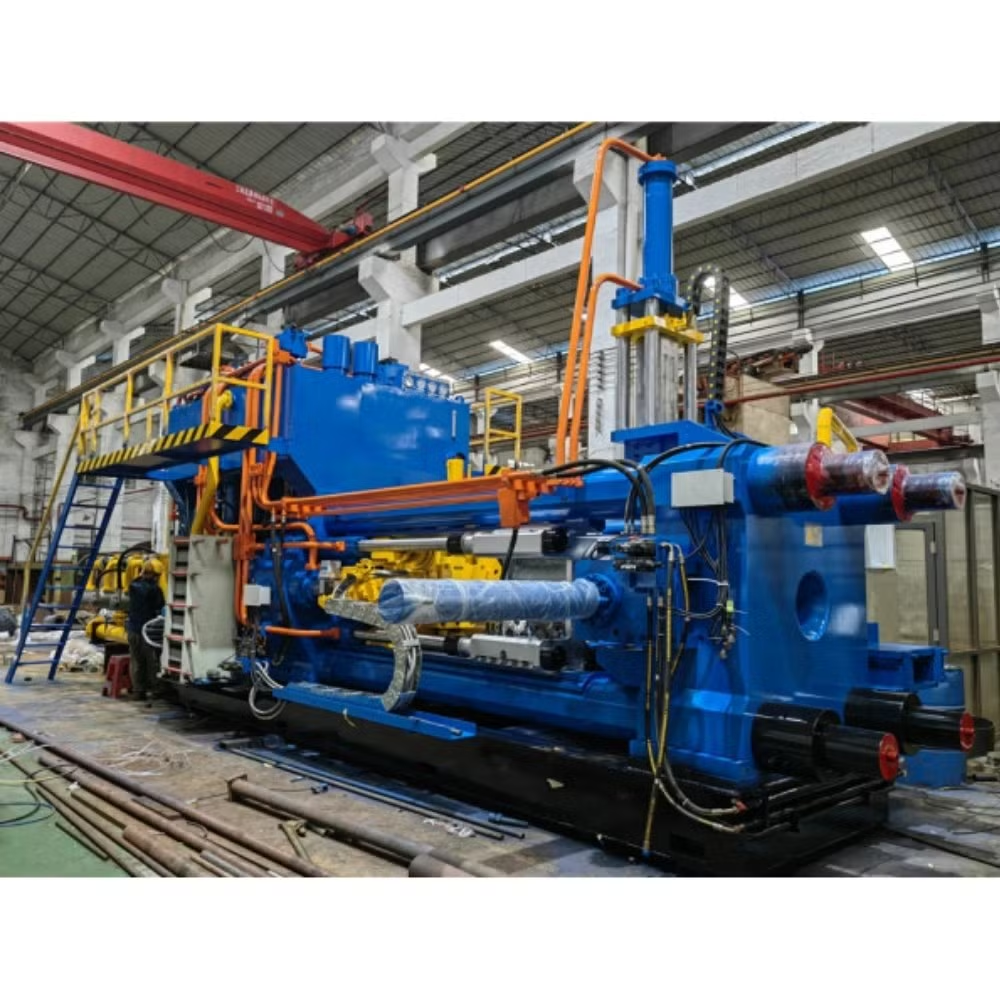
Mechanical Components and Structural Alignment
The mechanical structure of an aluminium extrusion press must withstand immense stresses. The weekly maintenance routine must include an inspection of the tie rods and nuts. These components hold the entire press together under load. Technicians should look for any signs of cracking or uneven tension. While a full ultrasonic test of the tie rods might be an annual task, a weekly visual inspection for surface anomalies is a critical safety precaution.
The container and the stem (ram) require specific attention. The container must be perfectly aligned with the die slide and the ram. Weekly, the alignment should be checked using precision levels or laser alignment tools if available. Misalignment leads to uneven wear on the container liner and can cause the ram to “score” the internal surface, leading to expensive repairs. Furthermore, the die slide mechanism should be checked for smooth operation, ensuring that the locking cylinders are engaging fully and without hesitation.
Wear plates and guide rails are another focus area. These components allow the moving crosshead and container to travel smoothly. Over the course of a week, these surfaces can accumulate a mixture of lubricant and aluminium dust, which acts as an abrasive paste. Cleaning these surfaces and inspecting them for deep scratches or “galling” is essential. If wear plates are excessively worn, they must be adjusted or replaced to maintain the geometric precision of the extrusion process, a key goal of Weekly Maintenance Tasks Aluminium Extrusion Press Machines.
Comprehensive Lubrication Plan
Lubrication is the primary defense against friction and wear. A weekly lubrication plan should be formalized, specifying the type of lubricant for each point. For the main columns and guide rails, a high-pressure, molybdenum-disulfide-fortified grease is often required to withstand the heavy loads and high temperatures. Technicians must ensure that the automatic lubrication system (if equipped) is functioning correctly and that all distribution blocks are delivering grease to the intended points.
Manual lubrication points should not be overlooked. Pivot points on the billet loader, the shear mechanism, and the die changer often require manual intervention. It is not enough to simply add grease; the old, contaminated grease should be purged where possible. This prevents the buildup of hardened “crusts” that can block lubricant flow. A well-executed lubrication plan reduces the energy consumption of the machine by minimizing internal friction and significantly extends the life of expensive bronze bushings and hardened steel wear surfaces.
Identifying Troubleshooting Signals
Part of the weekly maintenance routine is “listening” to the machine. Experienced technicians use their senses to identify troubleshooting signals before they appear on a control screen. Unusual noises, such as high-pitched whining from a hydraulic pump, often indicate cavitation or bearing failure. A deep rhythmic thumping might suggest a mechanical looseness in the main cylinder mounting. During the weekly run-test, the maintenance team should stand near the machine and observe its acoustic profile.
Vibration analysis is another powerful tool. While professional vibration monitoring systems are excellent, a simple hand-check (with proper safety gear) on motor housings and pump mounts can reveal excessive heat or vibration. If a motor is running significantly hotter than it was the previous week, it may be struggling with an internal electrical fault or a mechanical bind. Monitoring these signals during Weekly Maintenance Tasks Aluminium Extrusion Press Machines allows for scheduled repairs rather than emergency shutdowns.
Weekly Maintenance Schedule Table
To ensure consistency, every facility should utilize a standardized checklist. Below is a sample table outlining the core tasks for a standard aluminium extrusion press.
| Category | Task Description | Frequency | Required Tools |
|---|---|---|---|
| Hydraulic | Inspect all hoses and fittings for leaks or weeping. | Weekly | Flashlight, Wiping Cloths |
| Hydraulic | Check filter indicators and oil clarity/color. | Weekly | Visual Inspection |
| Electrical | Clean control cabinet and check cooling fan operation. | Weekly | Vacuum/Low-pressure Air |
| Electrical | Test emergency stops and safety light curtains. | Weekly | Manual Triggering |
| Mechanical | Inspect tie rod nuts for signs of movement or cracking. | Weekly | Visual/Torque Check |
| Mechanical | Clean and lubricate guide rails and wear plates. | Weekly | Degreaser, Specified Grease |
| Mechanical | Check alignment of the ram, container, and die. | Weekly | Precision Level/Laser Tool |
| Lubrication | Verify automatic lubrication system reservoir levels. | Weekly | Refill Pump |
| General | Remove aluminium scrap and scale from the press pit. | Weekly | Shovels, Industrial Vacuum |
Frequently Asked Questions (FAQ)
How long should weekly maintenance take?
For a standard 1800-ton to 2500-ton press, a thorough weekly maintenance routine typically takes between 4 to 6 hours. This is best performed during a scheduled down-shift to ensure the machine is cool enough for safe inspection of the container and die areas.
Can we skip weekly tasks if the machine is running well?
No. Many hydraulic and mechanical failures are “silent” in their early stages. Skipping Weekly Maintenance Tasks Aluminium Extrusion Press Machines allows small issues to compound. Prevention is always more cost-effective than repair.
What is the most common part to fail if maintenance is neglected?
Hydraulic seals and pump components are the most frequent victims of neglected maintenance. Contaminated oil acts like liquid sandpaper, rapidly wearing down the precision-machined surfaces inside pumps and valves.
Do I need specialized training to perform these tasks?
While basic cleaning and visual checks can be done by operators, the technical aspects of hydraulic and electrical maintenance should be performed by qualified industrial mechanics or electricians who understand the specific pressures and voltages involved in extrusion equipment.
How does temperature affect maintenance?
High operating temperatures accelerate the oxidation of hydraulic oil and the breakdown of grease. If your press is running high-volume, high-temp alloys, you may need to increase the frequency of certain lubrication and cooling system checks.
What should I do if I find a crack in a tie rod?
Immediately stop production and consult the machine manufacturer or a structural engineer. A cracked tie rod is a major safety hazard and can lead to a catastrophic failure of the press frame under load.
Conclusion
The disciplined execution of Weekly Maintenance Tasks Aluminium Extrusion Press Machines is the hallmark of a world-class manufacturing operation. By focusing on the hydraulic, electrical, and mechanical systems with a proactive mindset, facilities can ensure their HARSLE equipment operates at peak efficiency for decades. Maintenance is not a cost center; it is an investment in reliability, safety, and quality that pays dividends with every successful extrusion cycle. Ensure your team is equipped with the knowledge, tools, and time necessary to keep the heart of your production line beating strong.


