Comprehensive Guide: How to Inspect the Ram and Cylinder of an Aluminium Extrusion Press

The Critical Role of Ram and Cylinder Maintenance in Aluminium Extrusion
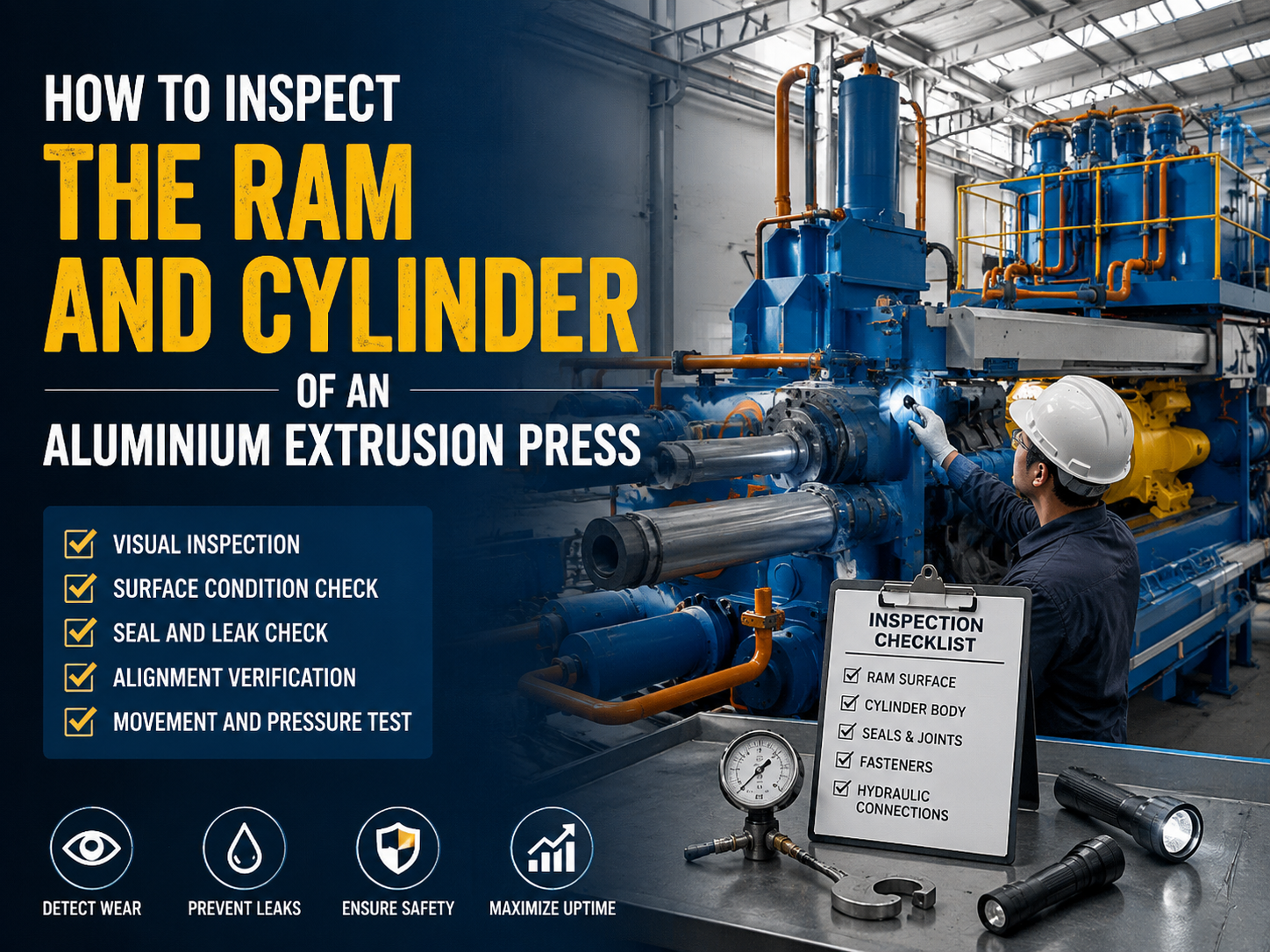
In the world of metal fabrication, the aluminium extrusion press stands as a titan of productivity. At the very heart of this machine lies the ram and the main hydraulic cylinder. These components are responsible for generating the immense force required to push solid aluminium billets through a die, creating the complex profiles used in everything from aerospace components to window frames. Because these parts operate under extreme pressure and repetitive cycles, their condition directly dictates the quality of the output and the safety of the operation. To inspect ram cylinder of an aluminium extrusion press is not merely a suggestion; it is a fundamental requirement for any facility aiming for operational excellence.
HARSLE understands that downtime in an extrusion line is incredibly costly. A failure in the main cylinder can lead to weeks of repair time and lost revenue. The ram, which acts as the primary interface between the hydraulic power and the billet, must maintain perfect alignment and surface integrity. Even minor deviations or wear patterns can lead to uneven extrusion, increased friction, and eventual catastrophic failure. By implementing a rigorous inspection protocol, operators can identify early warning signs of fatigue, seal wear, or hydraulic contamination before they escalate into major issues.
Furthermore, the efficiency of the extrusion process is tied to the volumetric efficiency of the cylinder. If internal seals are leaking or if the cylinder bore is scored, the press will require more energy to achieve the same extrusion force. This not only increases utility costs but also puts unnecessary strain on the hydraulic pumps and motors. Regular inspection ensures that the machine operates within its designed parameters, preserving the lifespan of the entire hydraulic circuit. In this guide, we will delve deep into the technical nuances of inspecting these critical components, providing a roadmap for maintenance professionals to follow.
Finally, safety cannot be overstated. A main cylinder failure under high pressure (often exceeding 210 bar or 3000 PSI) poses a significant risk to personnel. Structural cracks in the cylinder head or mounting bolts can lead to explosive decompression. Therefore, the inspection process is as much about risk mitigation as it is about production efficiency. Through the following sections, we will explore the daily, weekly, and long-term checks necessary to keep your HARSLE aluminium extrusion press running at peak performance.
Daily Inspection: The First Line of Defense
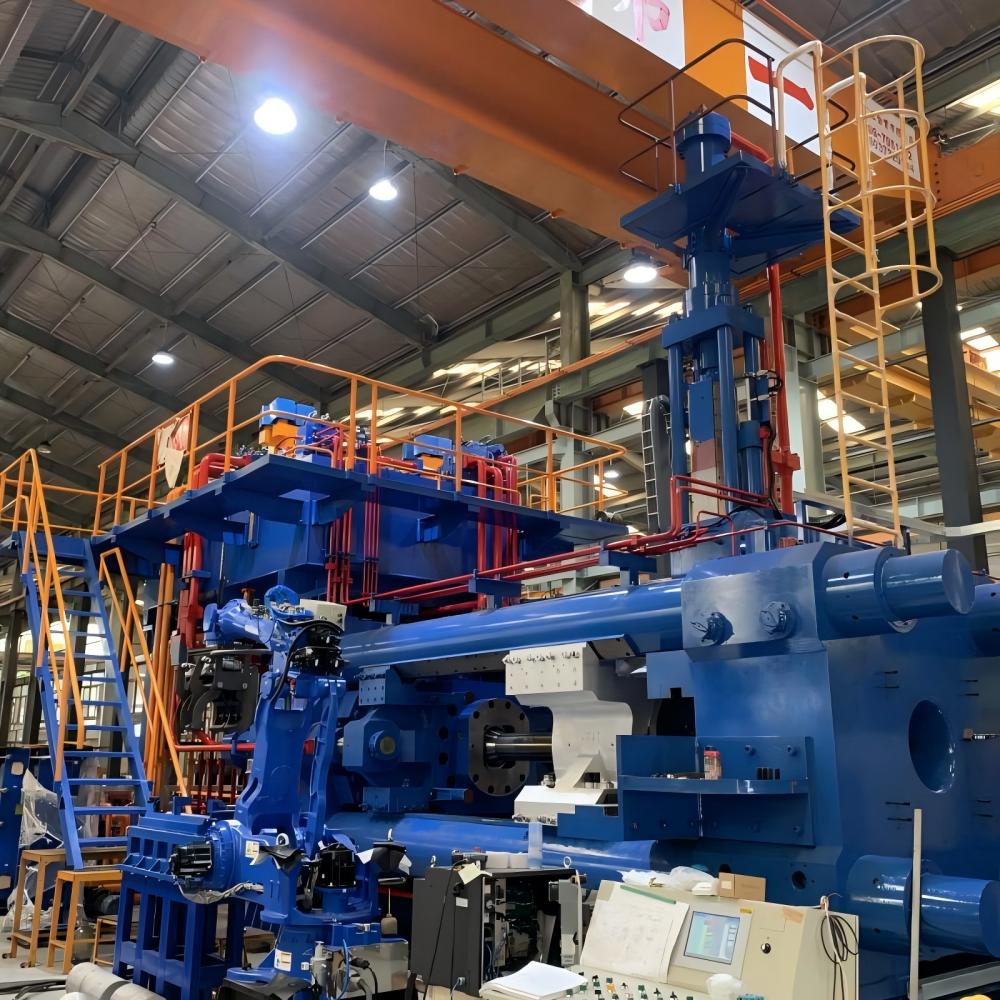
The daily inspection routine is the most effective way to catch small problems before they become shift-ending disasters. This process should begin with a visual sweep of the entire ram assembly. Operators should look for any signs of hydraulic fluid weeping from the main gland seal. While a very thin film of oil is often necessary for lubrication, any dripping or pooling of fluid indicates that the primary seals are reaching the end of their service life. If you inspect ram cylinder of an aluminium extrusion press daily, you can track the rate of leakage and schedule seal replacement during planned downtime.
Noise is another critical indicator during daily operation. An experienced operator should listen for unusual sounds during the forward and return strokes of the ram. Hissing sounds may indicate internal bypass leakage across the piston seals, while grinding or metallic clicking could suggest that the ram is not properly aligned within its guides. Any vibration felt through the floor or the machine frame during the extrusion stroke should be investigated immediately, as this often points to cavitation in the hydraulic system or mechanical interference.
Temperature monitoring is equally vital. During a standard shift, the main cylinder and the surrounding hydraulic lines will naturally warm up, but they should never become too hot to touch comfortably (typically staying below 60°C or 140°F). Use an infrared thermometer to check the temperature at various points along the cylinder body. Hot spots can indicate localized friction or internal fluid turbulence caused by a damaged component. Consistent temperature tracking helps in identifying cooling system failures or oil viscosity issues early on.
Lastly, the cleanliness of the ram surface must be checked every day. The ram is exposed to the harsh environment of the extrusion shop, where graphite lubricants, aluminium dust, and scale are prevalent. If these contaminants adhere to the ram, they can be pulled into the cylinder seals during the return stroke, causing premature wear and scoring. Wiping down the ram and ensuring that the scraper seals are functioning correctly is a simple task that adds years to the life of the cylinder.
Hydraulic System Integrity and Fluid Analysis
The hydraulic system is the lifeblood of the extrusion press, and the cylinder is its most demanding consumer. To properly inspect ram cylinder of an aluminium extrusion press, one must look beyond the metal and analyze the fluid within. Hydraulic oil should be clear and free of visible particulates. Cloudiness in the oil usually indicates water contamination, which can lead to corrosion inside the cylinder bore and the pitting of the ram surface. If the oil appears dark or has a burnt smell, it has likely undergone thermal degradation, losing its lubricating properties and potentially forming varnish that can stick to valve spools and cylinder walls.
Pressure testing is a more technical aspect of the hydraulic inspection. By monitoring the pressure gauges during a full-load extrusion, technicians can determine if the cylinder is reaching its rated force. A slow build-up of pressure or an inability to maintain pressure at the end of the stroke often points to worn piston rings or a failing main relief valve. It is also important to check the decompression cycle; the pressure should drop smoothly and quickly. Any “shuddering” during decompression suggests that the pre-fill valve or the decompression logic in the PLC is not synchronized correctly with the cylinder’s movement.
Seal integrity is not just about external leaks. Internal leakage (bypassing) is a silent killer of efficiency. To test for this, the ram can be extended to a mid-point and the hydraulic supply blocked. If the ram begins to drift or “creep” under its own weight or under a static load, the internal piston seals are likely compromised. This internal bypass generates heat and reduces the effective tonnage of the press, making it difficult to extrude harder alloys that require maximum pressure.
Finally, the condition of the flexible hydraulic hoses connecting to the cylinder must be scrutinized. These hoses are subjected to constant pressure pulses and physical movement. Look for bulging, cracking of the outer jacket, or any signs of abrasion where hoses might be rubbing against the machine frame. A burst hose near the main cylinder can release a high-velocity stream of hot oil, posing a severe fire and injury risk. Replacing hoses based on a service life schedule, rather than waiting for failure, is a hallmark of a professional maintenance program.
Mechanical Alignment and Structural Checks
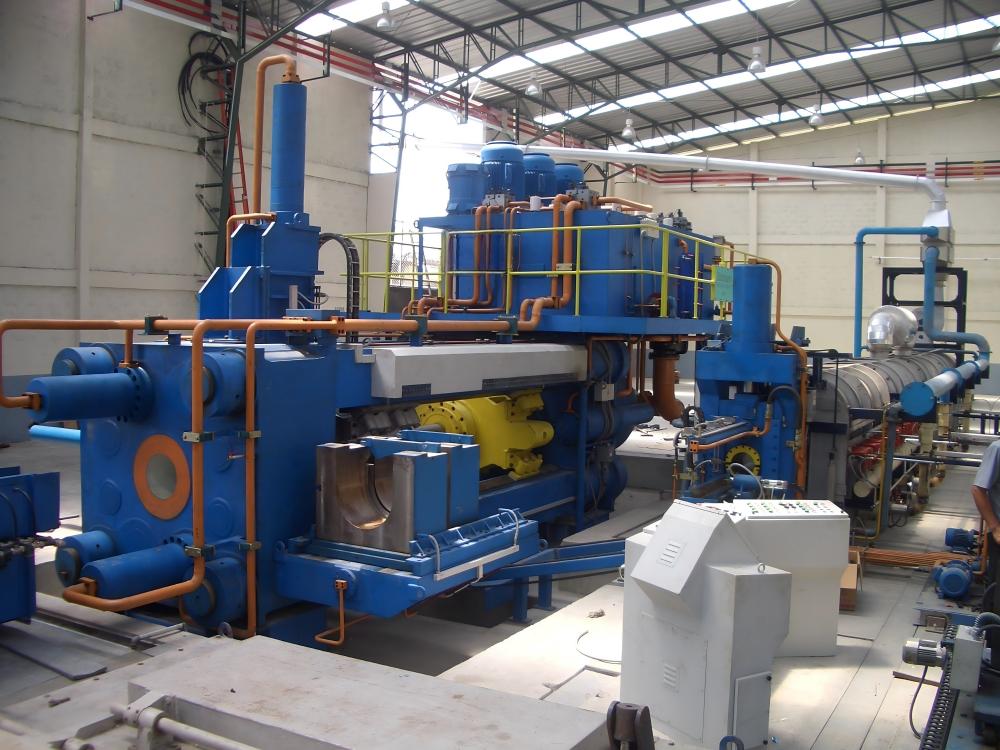
The mechanical alignment of the ram is perhaps the most overlooked aspect of cylinder health. The ram must travel in a perfectly straight line, concentric to the container and the die. If the ram is misaligned, it will exert side-loads on the cylinder seals and the wear rings. Over time, this results in “ovalization” of the cylinder bore and uneven wear on the ram itself. To inspect ram cylinder of an aluminium extrusion press for alignment, technicians use precision levels and laser alignment tools to ensure the ram stays centered throughout its full range of motion.
The ram guides (or ways) must be inspected for wear and proper lubrication. These guides support the weight of the ram and the stem, preventing them from sagging. If the guide shoes are worn, the ram will drop slightly, causing it to enter the container at an angle. This not only damages the container liners but also puts immense stress on the cylinder’s throat bushing. Check the clearance between the guides and the ram using feeler gauges, and compare these readings to the manufacturer’s specifications provided by HARSLE.
Structural integrity of the cylinder mounting is another key area. The main cylinder is typically bolted to the back platen of the press. These massive bolts are subjected to millions of cycles of tension and relaxation. During a deep inspection, these bolts should be checked for proper torque. In some cases, ultrasonic testing (UT) is recommended to look for fatigue cracks in the bolts or the cylinder flange itself. Any movement between the cylinder and the platen during a stroke is a sign of structural failure and requires immediate shutdown.
Lastly, the surface of the ram should be inspected for scoring or “galling.” Scoring occurs when hard particles get trapped between the ram and the bushing, scratching the precision-ground surface. These scratches act as pathways for oil to escape past the seals. If scoring is detected early, it can often be polished out. However, deep grooves may require the ram to be removed, re-chromed, and ground back to size. Keeping the ram surface pristine is the best way to ensure long seal life.
Electrical and Control System Integration
Modern aluminium extrusion presses rely heavily on electronics to manage the movement of the ram. The PLC (Programmable Logic Controller) uses inputs from linear transducers or encoders to know the exact position of the ram at all times. If these sensors are dirty, loose, or failing, the ram may overtravel or move at incorrect speeds, potentially crashing into the container or the die. Part of the process to inspect ram cylinder of an aluminium extrusion press involves verifying the accuracy of these position sensors against physical measurements.
Limit switches serve as the final safety barrier. There are typically switches for the “full back” and “full forward” positions. These must be tested to ensure they trigger the appropriate stop commands in the control system. Over time, the brackets holding these switches can vibrate loose, or the switches themselves can become fouled with oil and debris. A quick functional test during the weekly inspection can prevent a major mechanical collision.
The proportional valves that control the flow of oil to the cylinder are also part of the electrical/hydraulic interface. These valves receive a voltage or current signal from the PLC to modulate speed and pressure. If the ram movement is jerky or inconsistent, it may be due to an electrical issue in the valve’s solenoid or a calibration error in the amplifier card. Technicians should check the wiring for any signs of fraying or oil ingress into the electrical junction boxes, which can cause intermittent signals and erratic machine behavior.
Lubrication Plan for the Ram and Cylinder Assembly
Effective lubrication is the secret to longevity for any heavy machinery. For the aluminium extrusion press, the lubrication plan must cover the ram guides, the stem, and the external seals. Most HARSLE machines feature an automated lubrication system that delivers precise amounts of grease or oil to these points at set intervals. However, the “set and forget” mentality is dangerous. The first step in the lubrication plan is to verify that the lubricant is actually reaching its destination. Blocked lines or failed injectors are common issues that can leave a critical bearing surface bone-dry.
The type of lubricant used is also vital. The environment near the container is extremely hot, often exceeding 400°C. Therefore, the lubricants used on the ram stem and the front end of the press must be high-temperature resistant, often containing graphite or molybdenum disulfide. Using the wrong grease can lead to carbonization, where the lubricant turns into a hard, abrasive crust that destroys seals and surfaces. Always refer to the HARSLE maintenance manual for the specific grades of lubricant required for each component.
Manual lubrication points should not be ignored. While the main components may be automated, there are often secondary linkages, pivot pins, and adjustment bolts that require a manual grease gun. These should be addressed weekly. A good practice is to color-code grease nipples based on the frequency of lubrication required (e.g., red for daily, blue for weekly). This visual system helps ensure that no point is missed by the maintenance staff.
Troubleshooting Common Signals of Failure
Being able to read the “body language” of your extrusion press is a skill that saves time and money. One of the most common troubleshooting signals is the “stick-slip” phenomenon, where the ram moves in a series of tiny jumps rather than a smooth glide. This is often caused by a lack of lubrication on the guides or by the use of the wrong hydraulic oil, which doesn’t provide enough lubricity for the seals to slide smoothly. If left unaddressed, stick-slip will cause premature wear on the piston and gland seals.
Another red flag is an increase in the cycle time. If the press is taking longer to complete a standard extrusion cycle, and the pump settings haven’t changed, the energy is being lost somewhere. This is usually due to internal leakage in the cylinder or a restriction in the hydraulic return line. By performing a flow test on the return line, you can quantify the amount of oil bypassing the piston seals. If the bypass flow exceeds 5-10% of the pump’s output, it is time for a cylinder overhaul.
Excessive heat in the hydraulic reservoir is a symptom of a larger problem. When oil is forced through a small leak (like a worn seal) under high pressure, it generates significant heat. If you notice the oil coolers are working overtime or the reservoir temperature is climbing, it is a strong indicator that the cylinder is leaking internally. Monitoring the temperature differential between the inlet and outlet of the cylinder can help pinpoint where the heat is being generated.
Comprehensive Maintenance Schedule Table
To ensure nothing is missed, follow this structured maintenance schedule for your aluminium extrusion press ram and cylinder.
| Frequency | Component | Action Required | Objective |
|---|---|---|---|
| Daily | Main Ram Surface | Visual check and wipe down | Remove contaminants and check for leaks |
| Daily | Hydraulic Hoses | Visual inspection for leaks/bulges | Prevent high-pressure hose failure |
| Weekly | Ram Guides/Ways | Check lubrication and clearance | Maintain alignment and reduce friction |
| Weekly | Limit Switches | Functional test of stop positions | Ensure safety and prevent overtravel |
| Monthly | Hydraulic Oil | Sampling and lab analysis | Check for contamination and oxidation |
| Monthly | Cylinder Mounting Bolts | Torque verification | Ensure structural integrity |
| Quarterly | Main Piston Seals | Internal bypass/drift test | Verify volumetric efficiency |
| Annually | Cylinder Bore/Ram | Precision alignment and UT testing | Detect fatigue cracks and ovalization |
Frequently Asked Questions (FAQ)
1. How often should I replace the main cylinder seals?
There is no fixed timeframe, as seal life depends on operating pressure, cycle count, and oil cleanliness. However, most industrial facilities plan for a seal change every 2 to 5 years as part of a major overhaul. If you inspect ram cylinder of an aluminium extrusion press regularly and notice increasing leakage or internal bypass, you should replace them immediately regardless of the schedule.
2. What causes the ram to score or scratch?
Scoring is usually caused by contamination. Hard particles like aluminium chips, scale, or degraded lubricant get trapped between the ram and the bronze bushing. It can also be caused by a breakdown in the lubrication film due to excessive heat or misalignment, leading to metal-on-metal contact.
3. Can I repair a cracked cylinder, or must it be replaced?
Cracks in the main cylinder of an extrusion press are extremely serious. While some minor surface cracks can be ground out and weld-repaired by specialists, any structural crack in the cylinder wall or head usually requires replacement. A failed repair under 3000 PSI can be fatal, so always consult with HARSLE or a certified pressure vessel engineer.
4. Why is my press losing tonnage during the extrusion stroke?
Loss of tonnage is typically due to one of three things: internal bypass in the cylinder (worn piston seals), a faulty relief valve that is opening too early, or a failing hydraulic pump that cannot maintain flow under pressure. A drift test and a pump flow test will help identify the culprit.
5. How does oil temperature affect the ram’s performance?
As hydraulic oil heats up, its viscosity decreases (it becomes thinner). Thin oil is more likely to leak past seals and provides a weaker lubricating film. This can lead to increased friction, jerky ram movement, and accelerated wear on all hydraulic components. Keeping oil within the 40-55°C range is ideal.
6. What is the best way to clean the ram?
The ram should be cleaned with a lint-free cloth and a mild degreaser that is compatible with your hydraulic seals. Avoid using abrasive pads or scrapers that could scratch the chrome plating. After cleaning, apply a light coat of the manufacturer-recommended lubricant to prevent flash rusting and to lubricate the seals during the next stroke.