Comprehensive Preventive Maintenance Guide for Aluminium Extrusion Press Systems

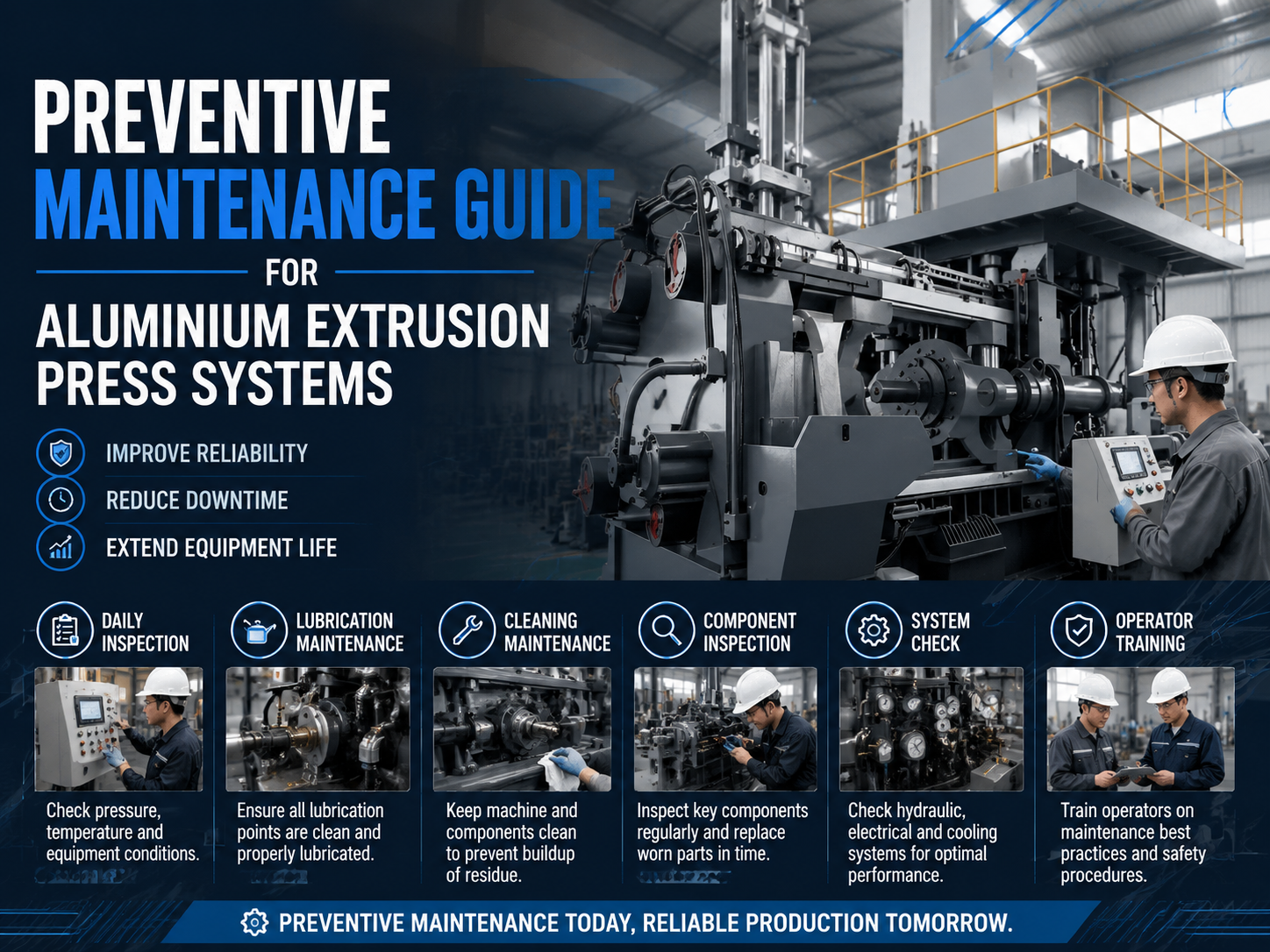
The Critical Role of Preventive Maintenance in Aluminium Extrusion
In the high-stakes world of metal fabrication, the aluminium extrusion press stands as a cornerstone of production. These massive machines operate under extreme pressures and temperatures to transform raw billets into complex profiles used in everything from aerospace to construction. However, the sheer force required for these operations means that components are subject to significant wear and tear. Implementing a robust strategy for Preventive Maintenance Aluminium Extrusion Press Systems is not merely a recommendation; it is a financial and operational necessity. Without a structured maintenance plan, manufacturers face the looming threats of unplanned downtime, expensive emergency repairs, and compromised product quality.
Preventive maintenance (PM) is a proactive approach that involves scheduled inspections, cleaning, lubrication, and part replacements. By identifying potential issues before they escalate into catastrophic failures, operators can ensure the longevity of their HARSLE equipment. The primary goal is to maintain the machine in its peak operating condition, thereby maximizing the Return on Investment (ROI). When a press is well-maintained, it operates with higher precision, consumes less energy, and produces fewer scrap materials, directly impacting the bottom line of the fabrication facility.
Beyond the financial aspects, safety is a paramount concern. Aluminium extrusion presses utilize high-pressure hydraulics and high-voltage electrical systems. A failure in a hydraulic hose or a malfunction in a safety interlock can lead to severe workplace accidents. A comprehensive PM program ensures that all safety mechanisms are functional and that the structural integrity of the press remains uncompromised. This guide provides a deep dive into the essential maintenance protocols required to keep your extrusion line running smoothly for decades.
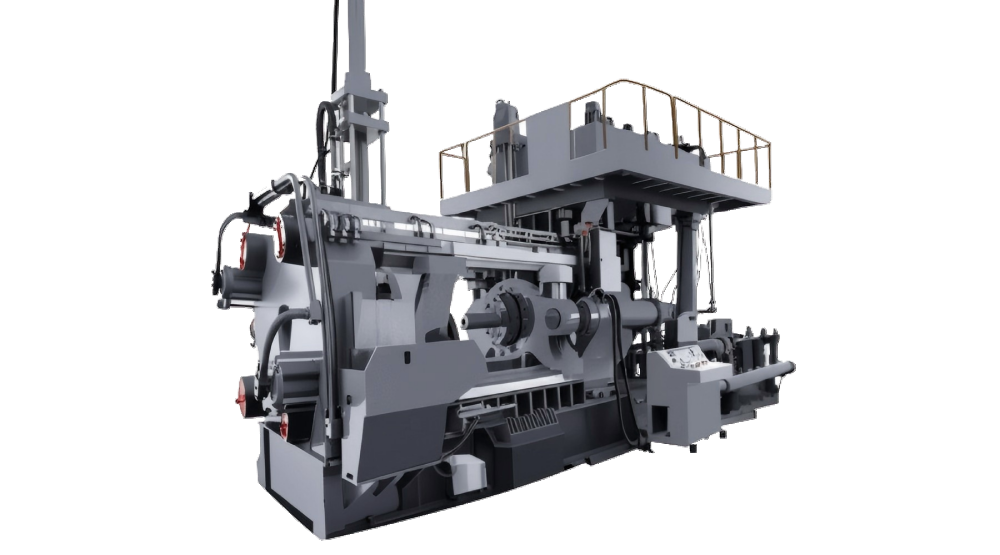
Daily Inspection Protocols: The First Line of Defense
The daily inspection is the most fundamental aspect of Preventive Maintenance Aluminium Extrusion Press Systems. It should be performed at the start of every shift by a trained operator or maintenance technician. This routine check is designed to catch obvious signs of distress, such as leaks, unusual noises, or abnormal temperature readings. By documenting these daily findings, maintenance managers can track trends and predict when a specific component might require more intensive servicing.
Operators should begin with a visual sweep of the entire machine. Look for hydraulic fluid puddles on the floor, which indicate a breach in the seal or a loose fitting. Check the condition of the extrusion stem and the container; any visible cracks or excessive wear on these components can lead to poor profile quality or even a dangerous structural failure during the extrusion stroke. Additionally, ensure that the work area is clean and free of debris, as aluminium dust and scrap can interfere with moving parts and sensors.
Monitoring the gauges is equally critical. During the extrusion cycle, the operator must observe the main cylinder pressure and the pump delivery pressure. If the pressures are inconsistent or fail to reach the required levels, it could signal a problem with the hydraulic pumps or a bypass in the valves. Temperature monitoring of the hydraulic oil and the container heaters is also vital. Overheating oil loses its viscosity and lubricating properties, leading to accelerated wear of the internal pump components and seals.
Finally, listen to the machine. An experienced operator can often “hear” a problem before they see it. High-pitched whining from the pumps may indicate cavitation, while clunking sounds during the shear operation might suggest mechanical misalignment. Addressing these auditory signals immediately can prevent a minor adjustment from turning into a major overhaul. Daily checks should also include verifying the functionality of E-stop buttons and light curtains to ensure operator safety.
Hydraulic System Maintenance: The Heart of the Press
The hydraulic system is the lifeblood of an aluminium extrusion press. It provides the immense force necessary to push the billet through the die. Consequently, maintaining hydraulic health is the most critical component of Preventive Maintenance Aluminium Extrusion Press Systems. The most significant threat to a hydraulic system is contamination. Microscopic particles of metal, dust, or moisture can wreak havoc on precision-machined valves and high-speed pumps. Regular oil analysis is mandatory; it provides a “blood test” for the machine, revealing the presence of contaminants and the remaining life of the oil additives.
Filter management is the next priority. Most modern HARSLE presses are equipped with high-efficiency filtration systems. These filters must be changed according to the manufacturer’s schedule or whenever the differential pressure indicators signal a clog. Neglecting filter changes allows contaminants to bypass the filter and enter the sensitive servo-valves, which can lead to erratic press movement or total system lockup. It is also essential to check the breathers on the hydraulic reservoir to ensure they are clean and capable of preventing airborne dust from entering the tank.
The hydraulic pumps and motors require specific attention. Check for excessive vibration and heat, which are early indicators of bearing failure or internal wear. Inspect all hydraulic hoses for signs of abrasion, bulging, or cracking. Given the high pressures involved, a hose failure can be explosive and extremely dangerous. It is often wise to implement a “life-limit” policy for hoses, replacing them every few years regardless of their visual appearance to prevent unexpected bursts.
Lastly, the cooling system must be kept in top condition. Aluminium extrusion generates significant heat, much of which is absorbed by the hydraulic fluid. If the heat exchanger is fouled with scale or debris, the oil temperature will rise, leading to seal degradation and oil oxidation. Regularly clean the heat exchanger cores and check the cooling water flow rates. Maintaining the oil temperature within the recommended range (typically 40°C to 55°C) is essential for consistent extrusion speeds and component longevity.
Electrical and Control System Care
Modern aluminium extrusion presses are highly automated, relying on complex PLC (Programmable Logic Controller) systems, HMI (Human Machine Interface) panels, and a vast array of sensors. The electrical system is the “brain” of the operation, and its maintenance is vital for precision. One of the biggest enemies of electrical components in an industrial environment is heat and dust. Control cabinets should be kept sealed, and their cooling fans or air conditioning units must be checked daily to prevent the overheating of sensitive electronics.
Regularly inspect the wiring and connections within the cabinets. Vibrations from the press can cause terminal screws to loosen over time, leading to intermittent faults or electrical arcing. A thermal imaging camera is an excellent tool for this task; it can quickly identify “hot spots” in the electrical panel that indicate loose connections or overloaded circuits. Additionally, ensure that all grounding straps are secure to prevent electrical noise from interfering with sensor signals.
Sensors, such as limit switches, encoders, and pressure transducers, must be calibrated and cleaned. In the dusty environment of an extrusion plant, sensors can become coated in a layer of grime that prevents accurate readings. For example, if the position encoder for the extrusion stem is inaccurate, the press may not stop at the correct point, potentially damaging the die or the container. Regular calibration ensures that the machine operates within its programmed parameters, maintaining tight tolerances on the extruded profiles.
Software maintenance is also part of the electrical regimen. Ensure that PLC programs are backed up and that any software updates provided by HARSLE are implemented. Keeping a log of any changes made to the machine’s parameters is crucial for troubleshooting. If the press starts behaving unexpectedly, having a record of recent electrical or software adjustments can significantly reduce the time required to diagnose and fix the issue.
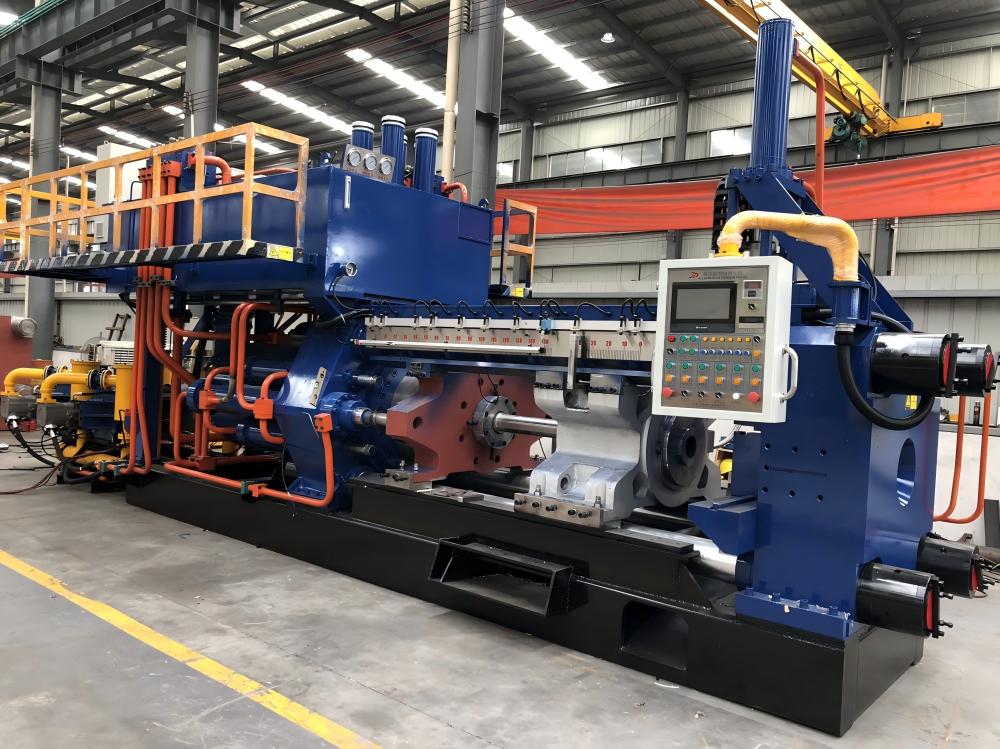
Mechanical Components and Structural Integrity
The mechanical structure of an aluminium extrusion press must withstand millions of pounds of force. The tie rods, platens, and main cylinder form the backbone of the machine. Over time, the stress of repeated cycles can lead to fatigue or misalignment. Preventive Maintenance Aluminium Extrusion Press Systems must include a thorough inspection of the tie rod nuts and the tensioning of the rods themselves. Uneven tension in the tie rods can cause the platens to tilt, leading to catastrophic structural failure or severe damage to the main ram and container.
Alignment is perhaps the most critical mechanical factor. The extrusion stem, the container, and the die must be perfectly aligned along the center axis of the press. Even a slight misalignment can cause the stem to rub against the container wall, leading to excessive wear and the potential for the stem to snap under pressure. Alignment should be checked periodically using laser alignment tools or precision mandrels. If the press has been moved or has undergone a major repair, a full alignment check is mandatory before returning to production.
The container and its heating system also require specialized care. The container must be kept at a consistent temperature to ensure the aluminium billet flows correctly. Inspect the heating elements for continuity and check the container liner for wear or “scuffing.” A worn liner can cause the billet to stick or result in surface defects on the extruded profile. Similarly, the shear blade, which cuts the profile at the end of the cycle, must be kept sharp and properly adjusted. A dull shear blade creates excessive burrs and can put unnecessary strain on the shear cylinder.
Finally, inspect the foundation and mounting bolts of the press. The immense forces generated can actually cause the machine to shift or the foundation to crack over many years. Ensure that the press remains level and that all anchor bolts are torqued to the correct specifications. A stable foundation is essential for maintaining the long-term alignment and structural health of the entire extrusion line.
Lubrication Plan: Reducing Friction and Wear
Effective lubrication is the simplest yet most overlooked aspect of Preventive Maintenance Aluminium Extrusion Press Systems. Without proper lubrication, metal-on-metal contact leads to rapid wear, heat generation, and eventual component seizure. A comprehensive lubrication plan specifies the type of lubricant to be used, the location of the lubrication points, and the frequency of application. For an extrusion press, this involves a variety of lubricants, from high-pressure greases for the main ways to specialized anti-seize compounds for the die slide.
The main guideways (or ways) upon which the moving platen and container slide are under constant load. These must be lubricated with a high-quality, extreme-pressure (EP) grease. Many HARSLE presses feature automatic lubrication systems that deliver a precise amount of grease at set intervals. These systems must be monitored to ensure the reservoirs are full and that the delivery lines are not blocked. If a manual lubrication point is missed, the resulting friction can score the ways, requiring expensive machining to repair.
The extrusion stem and the dummy block also require lubrication, but of a different kind. To prevent the hot aluminium from sticking to the tools, a release agent (often boron nitride or a graphite-based lubricant) is applied. This must be done consistently and in the correct amount. Too little lubricant leads to “sticking,” while too much can contaminate the aluminium and cause internal defects in the profile. Training operators on the correct application of these release agents is a vital part of the maintenance and production process.
It is also important to use the correct lubricants for the auxiliary equipment, such as the billet heater, the run-out table, and the cooling fans. Each of these components has its own set of bearings and drive chains that require regular attention. Using the wrong type of grease—for example, a standard grease in a high-temperature application—can lead to the lubricant melting and running out, leaving the component unprotected. Always refer to the HARSLE manual for the specific lubricant grades recommended for each part of the system.
Troubleshooting Signals: Identifying Problems Early
Even with a perfect maintenance plan, components will eventually wear out. The key to successful Preventive Maintenance Aluminium Extrusion Press Systems is the ability to recognize the early warning signs of failure. One of the most common signals is a change in cycle time. If the press is taking longer to complete an extrusion stroke or if the dead-cycle time (the time between extrusions) is increasing, it suggests an efficiency loss in the hydraulic system or a slowing of the control response.
Vibration is another major red flag. While an extrusion press is naturally a noisy and powerful machine, new or rhythmic vibrations often point to a failing bearing in a pump or motor, or a misalignment in the drive shaft. Using vibration analysis tools can help pinpoint the exact source of the problem before it leads to a total breakdown. Similarly, keep an eye on the “scrap rate.” If the number of rejected profiles suddenly increases due to surface defects or dimensional inaccuracies, the cause is often found in the mechanical alignment or the condition of the container and stem.
Oil leaks should never be ignored. While a small drip might seem insignificant, it is a sign of a failing seal or a loose connection. More importantly, a leak allows air and moisture to enter the hydraulic system, which accelerates oil degradation. Furthermore, hydraulic fluid is flammable; a leak near the hot container or billet heater poses a significant fire risk. Addressing leaks immediately is a matter of both maintenance efficiency and plant safety.
Finally, pay attention to the HMI error logs. Modern control systems are designed to provide specific fault codes. Instead of simply resetting the alarm and continuing production, maintenance personnel should investigate the root cause of every fault. If a “low pressure” alarm occurs frequently, it may indicate a pump that is starting to fail or a valve that is sticking. Proactive troubleshooting based on these digital signals can save hundreds of hours of downtime in the long run.
Preventive Maintenance Schedule Table
| Frequency | Component | Action Required |
|---|---|---|
| Daily | Hydraulic System | Check oil level, temperature, and look for leaks. |
| Daily | Safety Systems | Test E-stops, light curtains, and interlocks. |
| Daily | Visual Inspection | Check stem, container, and shear for visible damage. |
| Weekly | Filters | Inspect hydraulic and air filters; replace if necessary. |
| Weekly | Lubrication | Check auto-lube reservoirs and manually grease auxiliary points. |
| Monthly | Electrical | Clean control cabinets and check for loose wiring. |
| Monthly | Alignment | Perform a visual check of stem-to-container alignment. |
| Quarterly | Oil Analysis | Send hydraulic oil sample to a lab for contamination testing. |
| Quarterly | Heat Exchanger | Clean cooling coils and check water flow efficiency. |
| Annually | Structural | Check tie rod tension and inspect foundation bolts. |
| Annually | Calibration | Full calibration of all pressure transducers and encoders. |
Frequently Asked Questions (FAQ)
1. How often should I change the hydraulic oil in my extrusion press?
There is no fixed timeframe for oil changes. Instead, it should be based on regular oil analysis. Typically, with high-quality filtration and temperature control, oil can last several years. However, if the analysis shows high levels of oxidation, water content, or metallic particles, it must be changed immediately to protect the system.
2. Why is my extrusion press losing pressure during the stroke?
Pressure loss can be caused by several factors, including a failing hydraulic pump, a leaking internal seal in the main cylinder, or a malfunctioning relief valve. Check for external leaks first, then use a flow meter to test pump performance and inspect the valves for bypass issues.
3. What is the most common cause of stem breakage?
The most common cause of stem breakage is misalignment between the stem and the container. If the stem enters the container at an angle, it experiences side-loading forces it wasn’t designed to handle. Regular alignment checks and ensuring the container is properly heated are the best ways to prevent this.
4. Can I use any type of grease for the guideways?
No. You must use an Extreme Pressure (EP) grease specifically rated for high-load industrial machinery. Using an incorrect grease can lead to the lubricant being squeezed out of the contact area, resulting in metal-on-metal friction and rapid wear of the ways.
5. How do I prevent contamination in the hydraulic system?
Contamination prevention involves three steps: using high-quality filters, ensuring the reservoir breathers are clean, and practicing “clean habits” during maintenance. For example, always clean the area around a fill cap before opening it and use a filter cart when adding new oil to the system.