
The Ultimate Guide to Routine Maintenance Tips for Aluminium Extrusion Press Operators

The Critical Importance of Maintenance for Aluminium Extrusion Presses
In the high-stakes world of metal fabrication, the aluminium extrusion press stands as a cornerstone of production. These massive machines exert thousands of tons of pressure to transform raw aluminium billets into intricate profiles used in everything from aerospace components to window frames. However, the sheer force and heat involved in the extrusion process mean that these machines are subject to significant wear and tear. For any facility, the implementation of Routine Maintenance Tips Aluminium Extrusion Press Operators can follow is not just a suggestion—it is a necessity for survival and profitability.
Effective maintenance directly impacts the bottom line by reducing unplanned downtime. When an extrusion press fails, the entire production line grinds to a halt, leading to missed deadlines and wasted labor costs. Furthermore, a well-maintained machine produces higher-quality profiles with tighter tolerances and better surface finishes. Neglecting maintenance often leads to a cascade of failures: a small hydraulic leak can lead to pump cavitation, which in turn can cause catastrophic failure of the main cylinder. By prioritizing routine checks, operators can identify these minor issues before they evolve into expensive repairs.
Safety is another paramount concern. Aluminium extrusion presses operate under extreme hydraulic pressure and high temperatures. A failure in a high-pressure hose or a structural component can pose a severe risk to the operator and other personnel on the shop floor. Following a strict maintenance protocol ensures that safety valves, emergency stops, and structural integrity are always within operational standards. At HARSLE, we emphasize that an educated operator is the first line of defense against machine degradation and workplace accidents.
Finally, the longevity of the investment must be considered. An aluminium extrusion press is a multi-million dollar asset. With proper care, these machines can operate efficiently for decades. Without it, their lifespan is drastically shortened, and their resale value plummets. This guide provides a comprehensive deep dive into the essential maintenance practices that every operator should master to keep their HARSLE equipment—or any industrial extrusion press—running at peak performance.
Daily Inspection Checklist for Operators
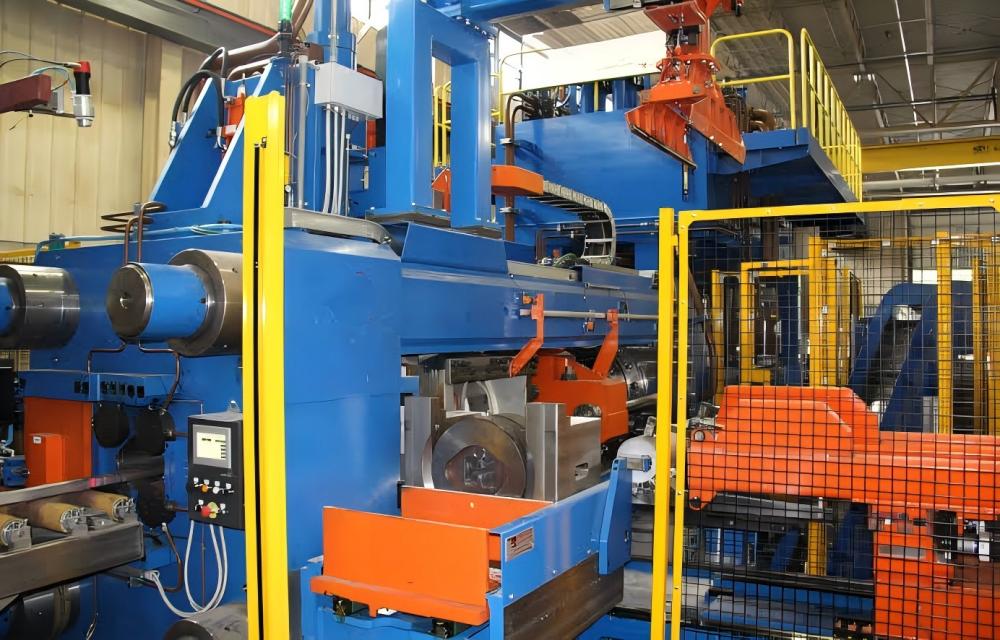
The daily inspection is the most frequent and arguably the most important part of a maintenance strategy. It allows operators to develop a ‘feel’ for the machine, noticing subtle changes in sound, vibration, or temperature that might indicate an emerging problem. Before the start of every shift, a visual walk-around is mandatory. Operators should look for any signs of hydraulic fluid on the floor, which indicates a leak in the piping, valves, or cylinders. Even a small drip can lead to significant fluid loss over time and create a slip hazard.
Checking the condition of the extrusion stem and the container is a critical daily task. The stem must be perfectly aligned with the container to prevent uneven wear or ‘scoring’ of the internal surfaces. Operators should inspect the dummy block for any signs of deformation or excessive wear, as a compromised dummy block can lead to metal backflow, which can damage the container liners. Additionally, the container heating system should be verified to ensure it reaches the required temperature uniformly; uneven heating can cause thermal stress and warping of the container.
Monitoring the hydraulic oil level and temperature is another daily requirement. Most modern presses, including those from HARSLE, feature digital sensors, but a manual check of the sight glass provides a secondary verification. If the oil is cloudy or has a burnt smell, it may be contaminated or oxidized, requiring immediate attention. The cooling system—whether air-cooled or water-cooled—must also be checked to ensure it is functioning correctly, as overheating is the primary enemy of hydraulic components.
Lastly, the operator should test all safety devices, including light curtains, emergency stop buttons, and interlocks. A quick functional test ensures that if an emergency occurs, the machine will respond instantly. Documenting these daily checks in a logbook is essential for accountability and for tracking the history of the machine’s performance. This data becomes invaluable when diagnosing recurring issues or planning major overhauls.
Hydraulic System Maintenance: The Lifeblood of the Press
The hydraulic system is the heart of the aluminium extrusion press, providing the massive force required to push metal through a die. Maintaining this system requires a focus on three main areas: fluid cleanliness, pressure regulation, and component integrity. Contamination is the leading cause of hydraulic system failure. Microscopic particles of metal, dust, or moisture can erode valve seats, score cylinder walls, and destroy expensive pumps. Operators must ensure that all filters are replaced according to the manufacturer’s schedule and that any oil added to the system is pre-filtered to the required NAS or ISO cleanliness class.
Pressure settings must be monitored and calibrated regularly. If the press is operating at pressures higher than specified, it puts undue stress on the seals and structural components. Conversely, if the pressure is too low, the extrusion speed will drop, and the quality of the profile may suffer. Operators should be trained to read pressure gauges and understand the implications of fluctuations. A vibrating gauge needle often indicates air in the system or pump cavitation, both of which require immediate intervention to prevent pump destruction.
Seals and hoses are wear items that demand constant vigilance. High-pressure hoses have a finite lifespan and can degrade from the inside out due to fluid friction and heat. Any hose showing signs of cracking, bulging, or ‘sweating’ must be replaced immediately. Similarly, the main ram seals should be inspected for leakage. While a slight film of oil on the ram is normal for lubrication, excessive dripping indicates that the seals are failing. Replacing seals is a labor-intensive process, but it is far cheaper than the loss of hydraulic fluid and the potential for environmental contamination.
Accumulators, which store hydraulic energy for rapid movements, also require routine maintenance. The nitrogen pre-charge in the accumulator must be checked periodically. If the pre-charge is too low, the press may experience jerky movements or a loss of speed during the extrusion cycle. Only trained personnel should handle nitrogen charging, as it involves high-pressure gas. By maintaining the hydraulic system with precision, operators ensure the press delivers consistent power and smooth operation.
Electrical and Control System Integrity
Modern aluminium extrusion presses are highly automated, relying on sophisticated PLC (Programmable Logic Controller) systems, sensors, and human-machine interfaces (HMI). The electrical system’s maintenance is often overlooked until a failure occurs, but it is vital for the precision of the extrusion process. The electrical cabinet should be kept clean and free of dust. Dust accumulation can lead to overheating of components or even short circuits. Operators should ensure that the cabinet’s cooling fans or air conditioning units are functioning and that the filters are clean.
Sensors, such as linear transducers for ram position and thermocouples for temperature monitoring, must be calibrated regularly. If a position sensor is off by even a few millimeters, it can result in improper billet loading or damage to the die. Similarly, inaccurate temperature readings from the container or billet heater can lead to poor extrusion quality or ‘hot shortness’ in the aluminium. Operators should verify sensor readings against manual measurements periodically to ensure accuracy.
Wiring and connections should be inspected for signs of wear or thermal damage. In the high-vibration environment of a press shop, electrical connections can loosen over time, leading to intermittent faults that are notoriously difficult to diagnose. Checking for tight connections and ensuring that cables are properly routed and protected from mechanical damage or oil exposure is a key preventative measure. Furthermore, software backups of the PLC and HMI programs should be performed regularly to ensure that the machine can be quickly restored in the event of a controller failure.
The HMI itself should be treated with care. Operators should use only their fingers or approved styluses on touchscreens—never tools or sharp objects. Keeping the screen clean allows for clear visibility of alarms and system status. If the system logs frequent ‘minor’ electrical faults, these should not be ignored. They are often the precursors to a major control system failure that could result in significant downtime.
Mechanical Component Care and Alignment
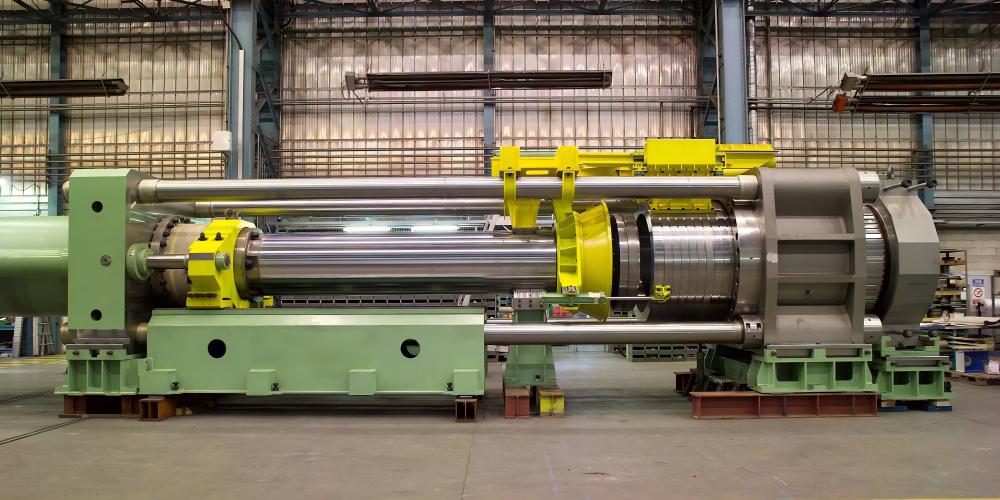
The mechanical structure of an aluminium extrusion press is designed for rigidity, but the extreme forces involved can cause shifts and wear over time. Alignment is perhaps the most critical mechanical factor. The alignment between the main ram, the container, and the die must be checked and adjusted periodically. Misalignment leads to uneven pressure distribution, which causes premature wear on the container liner and can even result in the breakage of the extrusion stem. Using laser alignment tools is the industry standard for ensuring these components are perfectly concentric.
Tie rods and nuts, which hold the press frame together, are under immense tension. These should be inspected for any signs of fatigue cracking or loosening. In some designs, tie rods are pre-stressed using heat or hydraulic tensioners; maintaining this tension is vital for the structural integrity of the press. If a tie rod fails, the results are catastrophic. Operators should also check the ‘platen’—the heavy steel plate that holds the die—for any signs of deformation or cracking, especially around the die seat area.
The die slide and tool changer mechanisms require regular cleaning and lubrication. These components move frequently and are exposed to aluminium scale and lubricant overspray. If the die slide becomes fouled, it can jam or move sluggishly, slowing down the cycle time. The shear blade, used to cut the ‘butt’ end of the billet after extrusion, must be kept sharp and properly adjusted. A dull shear blade will tear the metal rather than cutting it cleanly, leading to contamination of the next billet and potential die damage.
Finally, the foundation and mounting bolts of the press should be checked. The vibration and cyclic loading of the press can cause foundation bolts to loosen or the grout to crack. A press that is not securely anchored to its foundation will vibrate excessively, leading to accelerated wear of all components and potential issues with the accuracy of the extruded profiles. Regular mechanical audits ensure that the physical ‘bones’ of the machine remain strong and true.
Comprehensive Lubrication Plan
Lubrication is the simplest yet most effective way to prevent mechanical wear. An aluminium extrusion press has numerous moving parts that require different types of lubrication. The main ram and guide ways typically require a heavy-duty industrial grease that can withstand high pressures and temperatures. Many HARSLE presses are equipped with automatic lubrication systems that deliver precise amounts of grease at set intervals. Operators must ensure that the grease reservoirs are always full and that the delivery lines are not blocked or broken.
The extrusion process itself requires specialized lubricants. For example, the face of the dummy block or the billet end may need a boron nitride or graphite-based lubricant to prevent the aluminium from sticking. However, excessive use of these lubricants can lead to ‘inclusions’ in the finished profile, which are structural defects. Operators must be trained in the correct application techniques to balance the need for release with the requirement for metal purity.
Bearings in the hydraulic pumps, cooling fans, and motor drives also require periodic lubrication. Using the wrong type of grease can be as damaging as using no grease at all. Operators should follow a lubrication chart that specifies the type of lubricant, the quantity, and the frequency for every lubrication point on the machine. Over-lubrication can be an issue as well, as it can lead to the buildup of ‘grime’ that traps abrasive particles, or it can damage seals by creating excessive internal pressure.
A good lubrication plan also includes the monitoring of the lubricants’ condition. For large oil reservoirs, periodic oil analysis by a laboratory can detect the presence of wear metals, moisture, and chemical breakdown. This ‘proactive’ approach allows maintenance teams to change the oil based on its actual condition rather than just a calendar date, saving money while ensuring maximum protection for the machine’s internal components.
Identifying Troubleshooting Signals
Operators are the ‘eyes and ears’ of the maintenance department. Being able to identify troubleshooting signals early can prevent a minor glitch from becoming a major breakdown. One of the most common signals is a change in the sound of the hydraulic pumps. A high-pitched whining or ‘marbles in a blender’ sound usually indicates cavitation, which occurs when the pump is starved of oil. This can be caused by a clogged suction filter or a leak in the intake line and will destroy a pump in a matter of hours if not corrected.
Vibration is another key indicator. While some vibration is normal during the extrusion stroke, excessive or unusual vibration in the piping or the press frame suggests a problem. It could be a sign of loose mounting bolts, a failing bearing, or a hydraulic shock caused by a malfunctioning valve. Operators should also watch for ‘chatter’ marks on the extruded profile, which often indicate that the ram movement is not smooth, possibly due to stick-slip issues in the guide ways or air in the hydraulic cylinders.
Heat is a tell-tale sign of inefficiency and wear. If a specific hydraulic valve or motor is running significantly hotter than usual, it is likely failing. Using an infrared thermometer to take regular temperature readings of key components can help establish a baseline and identify ‘hot spots’ before they fail. Similarly, if the hydraulic oil temperature begins to creep up over several days, it indicates that the cooling system is losing efficiency or that internal leakage in the pumps or valves is generating excess heat.
Finally, the quality of the aluminium profile itself is a diagnostic tool. If the profiles are consistently out of tolerance, or if they show surface defects like ‘pick-up’ or ‘streaking,’ the problem may lie with the press’s alignment, the container’s temperature control, or the condition of the die. By correlating machine behavior with product quality, operators can provide maintenance teams with the specific information needed to perform targeted repairs.
Maintenance Schedule Table
| Frequency | Component | Action Required | Responsibility |
|---|---|---|---|
| Daily | Hydraulic System | Check oil levels, temperature, and look for leaks. | Operator |
| Daily | Safety Systems | Test E-stops, light curtains, and interlocks. | Operator |
| Daily | Extrusion Tooling | Inspect stem, dummy block, and container for wear. | Operator |
| Weekly | Filters | Inspect and clean/replace hydraulic and air filters. | Maintenance |
| Weekly | Lubrication | Check grease reservoirs and manual lube points. | Operator/Maint. |
| Monthly | Alignment | Perform visual check of ram and container alignment. | Maintenance |
| Monthly | Electrical Cabinet | Clean dust, check cooling fans and connections. | Electrician |
| Quarterly | Hydraulic Oil | Perform oil analysis (lab test) for contamination. | Maintenance |
| Quarterly | Tie Rods | Inspect for cracks and check nut tightness. | Maintenance |
| Yearly | Full Calibration | Calibrate all sensors, transducers, and pressure gauges. | Specialist |
| Yearly | Structural Audit | Detailed NDT (Non-Destructive Testing) of critical parts. | Specialist |
Frequently Asked Questions (FAQ)
1. How often should I change the hydraulic oil in my extrusion press?
There is no one-size-fits-all answer. While many manufacturers suggest a change every 2,000 to 4,000 operating hours, the best practice is to base the change on oil analysis. If the oil is clean, chemically stable, and free of moisture, it can often last much longer. Conversely, if the press operates in a very hot or dusty environment, the oil may need to be changed more frequently.
2. What causes the extrusion stem to break?
The most common cause of stem breakage is misalignment between the stem and the container. If the stem enters the container at an angle, it is subjected to bending stresses it wasn’t designed to handle. Other causes include using a stem that has reached its fatigue limit or excessive ‘backflow’ of aluminium that puts uneven pressure on the stem face.
3. Why is my hydraulic system overheating?
Overheating is usually caused by one of three things: a malfunctioning cooling system (dirty heat exchanger or failed fan), internal leakage in a pump or valve (which converts pressure into heat), or the press being operated beyond its design capacity for extended periods. Continuous overheating will rapidly degrade the hydraulic oil and seals.
4. Can I use any type of grease for the guide ways?
No. You must use the specific type of grease recommended by the manufacturer, usually an Extreme Pressure (EP) grease with high thermal stability. Using the wrong grease can lead to ‘gumming,’ which can actually increase friction and wear, or it may simply melt and run off the surfaces it’s supposed to protect.
5. How do I know if my die slide is misaligned?
Signs of die slide misalignment include difficulty in locking the die into position, unusual noises during the tool change cycle, and uneven wear on the die slide tracks. If the die is not held perfectly square against the container, it can also cause ‘flash’ (leaking metal) during the extrusion process.
6. What is the most important safety tip for maintenance?
Always follow Lock-Out/Tag-Out (LOTO) procedures. Never perform maintenance on a press that is powered on or has residual hydraulic pressure in the accumulators. An accidental movement of the ram or a burst pipe during maintenance can be fatal. Always verify that the system is ‘zero energy’ before starting work.


