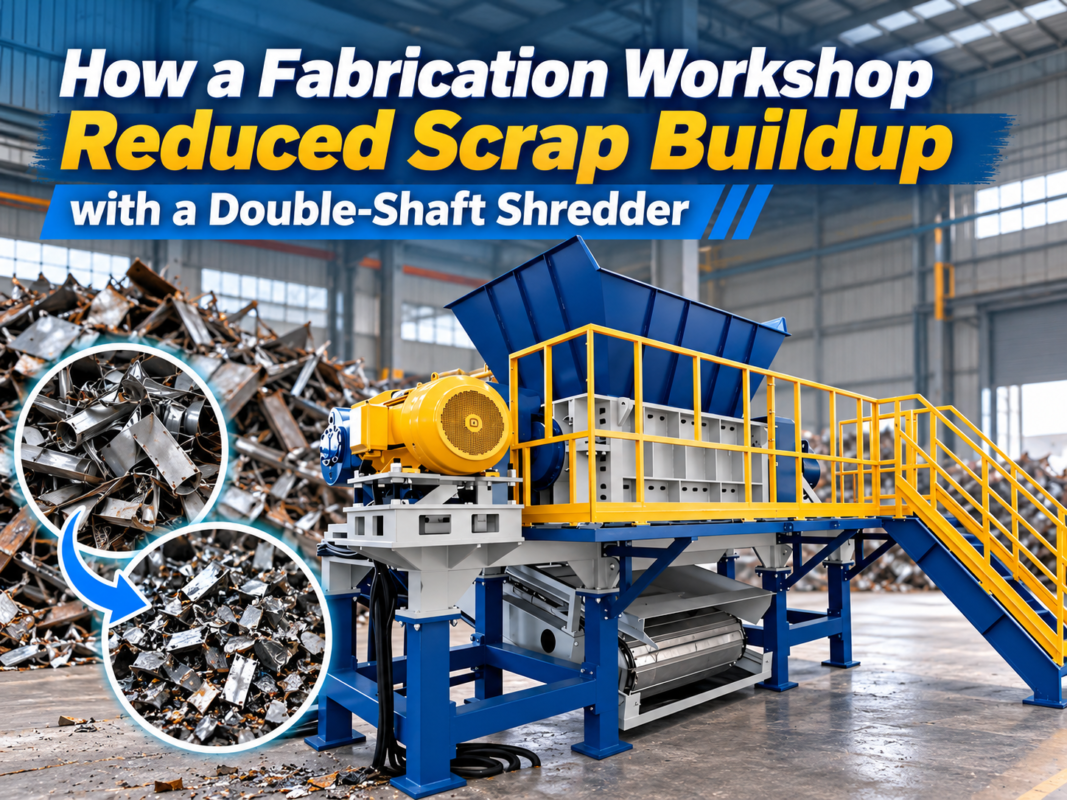
Comprehensive Guide: What to Check Before Starting an Industrial Shredder Each Day


The Critical Importance of Daily Maintenance for Industrial Shredders
In the world of heavy-duty recycling and material reduction, the industrial shredder stands as a cornerstone of productivity. Whether you are processing scrap metal, plastics, wood, or electronic waste, these machines are subjected to immense mechanical stress, high torque, and abrasive environments. To ensure that your investment continues to operate at peak efficiency and to prevent costly unplanned downtime, establishing a rigorous daily inspection routine is non-negotiable. Understanding exactly what to check before starting an industrial shredder each day is the first step toward operational excellence and workplace safety.
Neglecting daily checks can lead to a domino effect of mechanical failures. A loose bolt today can become a shattered rotor tomorrow; a minor hydraulic leak can escalate into a complete system failure or even a fire hazard. For operators using HARSLE industrial shredders, maintaining the integrity of the machine is not just about longevity—it is about ensuring the safety of the personnel working around the equipment. Industrial shredders are powerful machines capable of exerting tons of force; any malfunction during operation can have catastrophic consequences.
Furthermore, consistent daily maintenance directly impacts the quality of the output material. When blades are dull or the clearance between the cutters and the counter-knives is incorrect, the shredder consumes more energy while producing a less uniform product. By following a structured checklist, you can optimize energy consumption, reduce wear on the motor, and ensure that your facility meets its production targets without interruption. This guide provides a deep dive into the essential components that require your attention every single morning before the power switch is flipped.
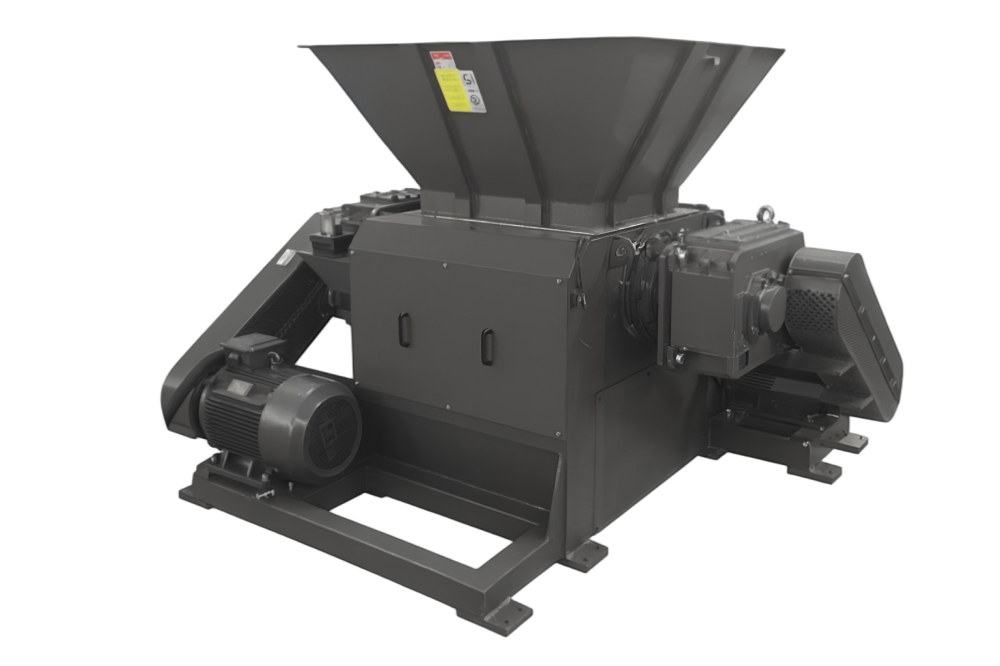
General Visual Inspection and Workspace Preparation
The first phase of your daily routine should be a comprehensive walk-around of the machine. Before any power is applied, the operator must visually confirm that the shredder and its surrounding environment are safe for operation. Start by checking the area around the shredder for any obstructions, debris, or fluid spills. A clean workspace is a safe workspace; tripping hazards or slippery floors near a high-powered shredder are unacceptable risks.
Inspect the hopper and the feeding mechanism. It is common for material from the previous shift to remain lodged in the hopper or around the rotor. Ensure that no “tramp metal” or non-shreddable items (such as heavy steel plates in a plastic shredder) have been accidentally dropped into the machine. These foreign objects can cause immediate damage to the cutting teeth upon startup. Additionally, check the discharge conveyor or collection bin to ensure there is ample space for the processed material to flow freely. A blockage at the discharge end can cause material to back up into the cutting chamber, leading to a jam.
Check the structural integrity of the machine’s frame and housing. Look for signs of stress cracks, loose guards, or damaged safety railings. All safety covers and access doors must be securely closed and latched. Modern industrial shredders, like those manufactured by HARSLE, are equipped with safety interlocks that prevent the machine from starting if a door is open, but a manual check ensures these physical barriers are in good condition and haven’t been tampered with.
Mechanical Component Checks: Blades, Rotors, and Fasteners
The heart of the industrial shredder is the cutting assembly. This is where the most significant wear and tear occurs. When considering what to check before starting an industrial shredder each day, the condition of the blades (knives) should be your top priority. Inspect the cutting edges for excessive dullness, chipping, or cracking. Dull blades increase the load on the motor and reduce throughput. If you notice significant wear, plan for a blade rotation or replacement during the next scheduled maintenance window.
Check the clearance between the rotor knives and the bed knives (counter-knives). This gap is critical for efficient shearing. If the gap is too wide, the material will simply be dragged through the chamber rather than cut, leading to heat buildup and potential jams. Conversely, if the blades are touching due to thermal expansion or loose fasteners, they will destroy each other instantly upon startup. Use a feeler gauge if necessary to verify that the clearances meet the manufacturer’s specifications.
Examine the rotor itself for any signs of wrapping. In applications involving film, wire, or textiles, material can wrap around the shaft, creating friction and putting immense strain on the bearings. This material must be removed before starting the machine. Finally, use a wrench to spot-check critical fasteners and bolts, especially those holding the knives in place. The vibration inherent in shredding operations can loosen even the most secure bolts over time. A loose knife can fly off inside the chamber, causing irreparable damage to the rotor and housing.
Hydraulic System Inspection
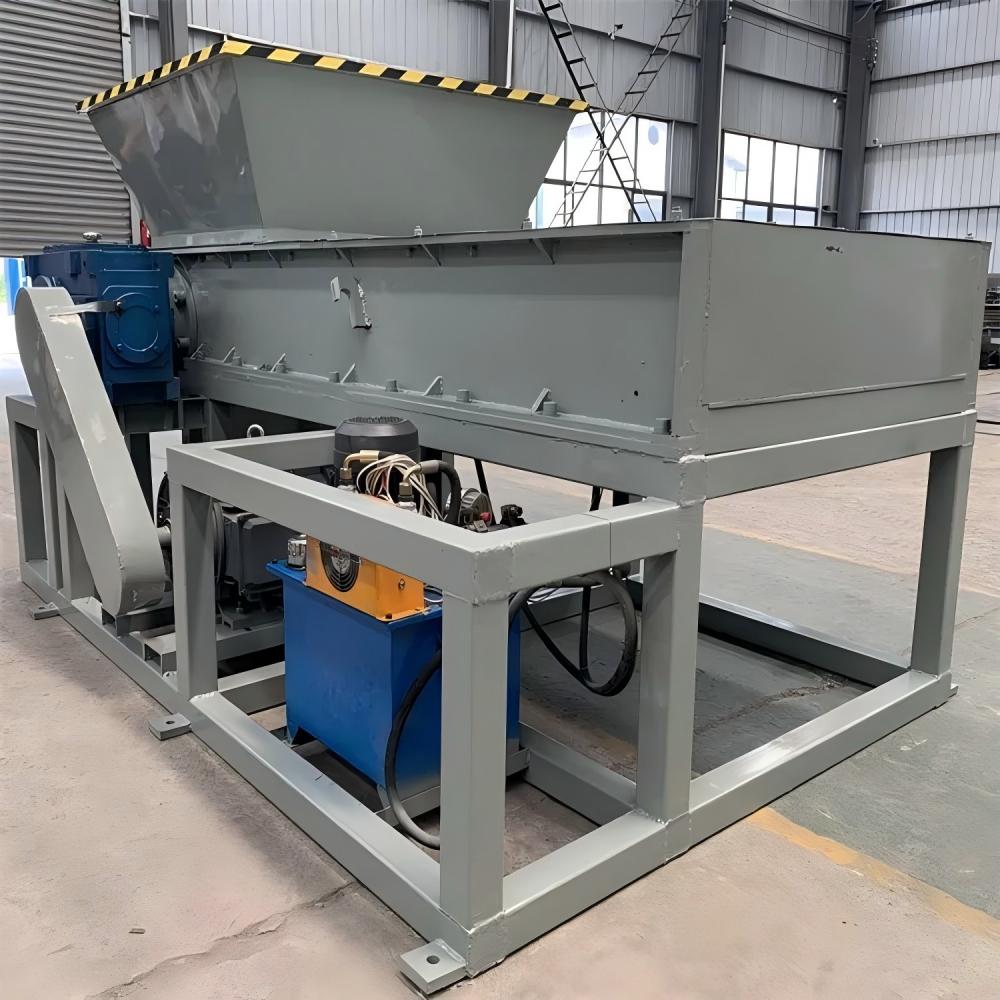
Many industrial shredders utilize hydraulic systems for driving the rotor or operating the ram (pusher). The hydraulic system is the lifeblood of the machine’s power delivery, and its failure can bring production to a grinding halt. Begin by checking the hydraulic fluid level in the reservoir. The oil should be at the level indicated on the sight glass. If the level is low, top it off with the recommended grade of hydraulic oil, but also investigate why the level dropped—look for leaks around fittings, hoses, and cylinders.
Inspect all hydraulic hoses for signs of wear, such as fraying, kinking, or “sweating” (where oil begins to permeate the outer layer). High-pressure hydraulic leaks are extremely dangerous; a pinhole leak can inject fluid under the skin, causing severe injury. Ensure that all connections are tight and that hoses are not rubbing against sharp metal edges or moving parts. If a hose looks compromised, replace it immediately before starting the machine.
Check the hydraulic oil temperature gauge. While the oil will be cool at the start of the day, ensure the cooling system (fans or heat exchangers) is clear of dust and debris. If the oil was overheating during the previous shift, the filters might be clogged. Check the filter indicators; if they are in the red zone, the filters must be changed. Clean oil is essential for protecting the sensitive valves and pumps within the hydraulic circuit.
Electrical System and Control Safety
Before engaging the main power, a quick audit of the electrical system is necessary. Open the control cabinet (following proper LOTO procedures if necessary) and look for any signs of burnt wires, loose terminals, or dust accumulation. Dust, especially metallic dust, can cause short circuits in the sensitive PLC (Programmable Logic Controller) or frequency inverters. Ensure the cooling fans for the electrical cabinet are functioning correctly to prevent overheating of the electronics.
Test the Emergency Stop (E-Stop) buttons. This is perhaps the most critical safety check. Walk around the machine and press each E-Stop to ensure they mechanically latch and that the control system recognizes the stop command. Also, check the functionality of any safety light curtains or pull-cords. If any safety device is bypassed or malfunctioning, the machine must not be started under any circumstances.
Listen to the motor and drive system during the initial startup sequence (jog mode). Are there any unusual humming sounds, clicking, or electrical arcing noises? Check the amperage draw on the control panel display if available. An unusually high idle current could indicate a mechanical bind or an electrical fault in the motor windings. Ensure that the rotation direction of the rotor is correct, especially if any electrical work was performed on the facility’s power supply overnight.
Lubrication Plan: Ensuring Smooth Operation
Friction is the enemy of industrial machinery. A proper lubrication plan is essential for the longevity of bearings, gears, and sliding surfaces. Most industrial shredders have specific lubrication points that require daily or weekly attention. The main rotor bearings are the most critical; they support the entire weight and impact force of the shredding process. Use the manufacturer-recommended grease and apply the specified number of pumps from a grease gun.
Be careful not to over-lubricate. Excessive grease can blow out the bearing seals, allowing contaminants like dust and grit to enter the bearing race, which leads to premature failure. If your HARSLE shredder is equipped with an automatic lubrication system, check the grease reservoir level and ensure the pump is cycling correctly. Look for grease at the exit points of the lubrication lines to confirm that the lubricant is actually reaching the bearings.
In addition to bearings, lubricate the pivot points of the hydraulic ram and any drive chains. If the shredder uses a gearbox, check the gear oil level and clarity. If the oil appears milky, it may be contaminated with water; if it looks black and smells burnt, it has lost its lubricating properties and needs to be changed. Proper lubrication reduces heat generation and ensures that the machine operates quietly and efficiently.
Identifying Troubleshooting Signals
Even with a perfect checklist, machines can develop issues. Operators should be trained to recognize the early warning signs of trouble. Vibration is often the first indicator of a problem. While all shredders vibrate to some extent, a change in the frequency or intensity of vibration usually points to an unbalanced rotor, a broken knife, or a failing bearing. If the machine starts to “walk” or if the vibration can be felt through the floor more than usual, shut it down immediately.
Listen for unusual noises. A high-pitched squeal might indicate a slipping belt or a dry bearing. A heavy thumping sound could mean that a large piece of material is stuck or that the rotor is hitting a bed knife. Smells are also important; the scent of burning rubber suggests belt friction, while a pungent, acrid smell often indicates electrical overheating or scorched hydraulic oil.
Monitor the output quality. If the shredded material size suddenly becomes inconsistent or if the machine is “long-stringing” material that should be cleanly cut, it is a sign that the blade clearances have shifted or the knives have dulled significantly. Keeping a log of these observations helps maintenance teams diagnose problems before they lead to a total breakdown.
Daily Maintenance Schedule Table
To simplify the process, use the following table as a template for your daily and periodic inspections. Consistency is the key to effective maintenance.
| Component | Action Required | Frequency | Checklist Status |
|---|---|---|---|
| Hopper & Chamber | Clear debris and foreign objects | Daily (Pre-start) | [ ] |
| Cutting Blades | Inspect for sharpness and chips | Daily (Pre-start) | [ ] |
| Fasteners/Bolts | Check for tightness on rotor/knives | Daily (Pre-start) | [ ] |
| Hydraulic Oil | Check level and temperature | Daily (Pre-start) | [ ] |
| Emergency Stops | Test functionality | Daily (Pre-start) | [ ] |
| Main Bearings | Apply grease (if manual) | Daily/Weekly | [ ] |
| Drive Belts/Chains | Check tension and wear | Weekly | [ ] |
| Hydraulic Filters | Check indicator and replace if needed | Monthly | [ ] |
| Gearbox Oil | Check level and condition | Monthly | [ ] |
| Electrical Cabinet | Vacuum dust and check connections | Quarterly | [ ] |
Frequently Asked Questions (FAQ)
1. What happens if I skip the daily check?
Skipping daily checks significantly increases the risk of catastrophic failure. Small issues like a loose bolt or a minor leak can quickly escalate into expensive repairs, long periods of downtime, and potential safety hazards for operators. Consistent checks are the cheapest form of insurance for your machinery.
2. How often should I sharpen the shredder blades?
The frequency of sharpening depends entirely on the material being processed. Abrasive materials like glass-filled plastics or contaminated scrap metal will dull blades much faster than clean wood or soft plastics. Monitor the throughput and motor load; when you see a 15-20% drop in efficiency, it is time to sharpen or rotate the blades.
3. Why is my shredder vibrating more than usual?
Increased vibration is usually caused by an unbalanced rotor (often due to a missing or broken knife), worn-out bearings, or loose mounting bolts. It can also be caused by material buildup inside the rotor. Stop the machine and perform a thorough mechanical inspection to identify the source.
4. Can I use any type of grease for the bearings?
No. You must use the specific type of grease recommended by the manufacturer (e.g., Lithium-based, high-temperature, or EP2 grease). Using the wrong lubricant can lead to chemical incompatibility, causing the grease to harden or run out of the bearing, leading to rapid failure.
5. What is the most common cause of hydraulic failure in shredders?
Contamination is the leading cause of hydraulic failure. Dust, moisture, and metal particles can damage pumps and valves. This is why checking oil clarity and ensuring that filters are changed regularly is a vital part of the daily and monthly maintenance routine.
Conclusion
Operating an industrial shredder is a high-stakes task that requires diligence and respect for the machine’s power. By following this guide on what to check before starting an industrial shredder each day, you are not just maintaining a piece of equipment; you are protecting your company’s bottom line and the safety of your workforce. HARSLE machines are built to last, but their longevity is a partnership between quality engineering and disciplined operator care. Start every shift with a thorough inspection, and your shredder will provide years of reliable, high-capacity service.