Industrial Shredder Motor and Drive System Maintenance Explained: A Comprehensive Guide

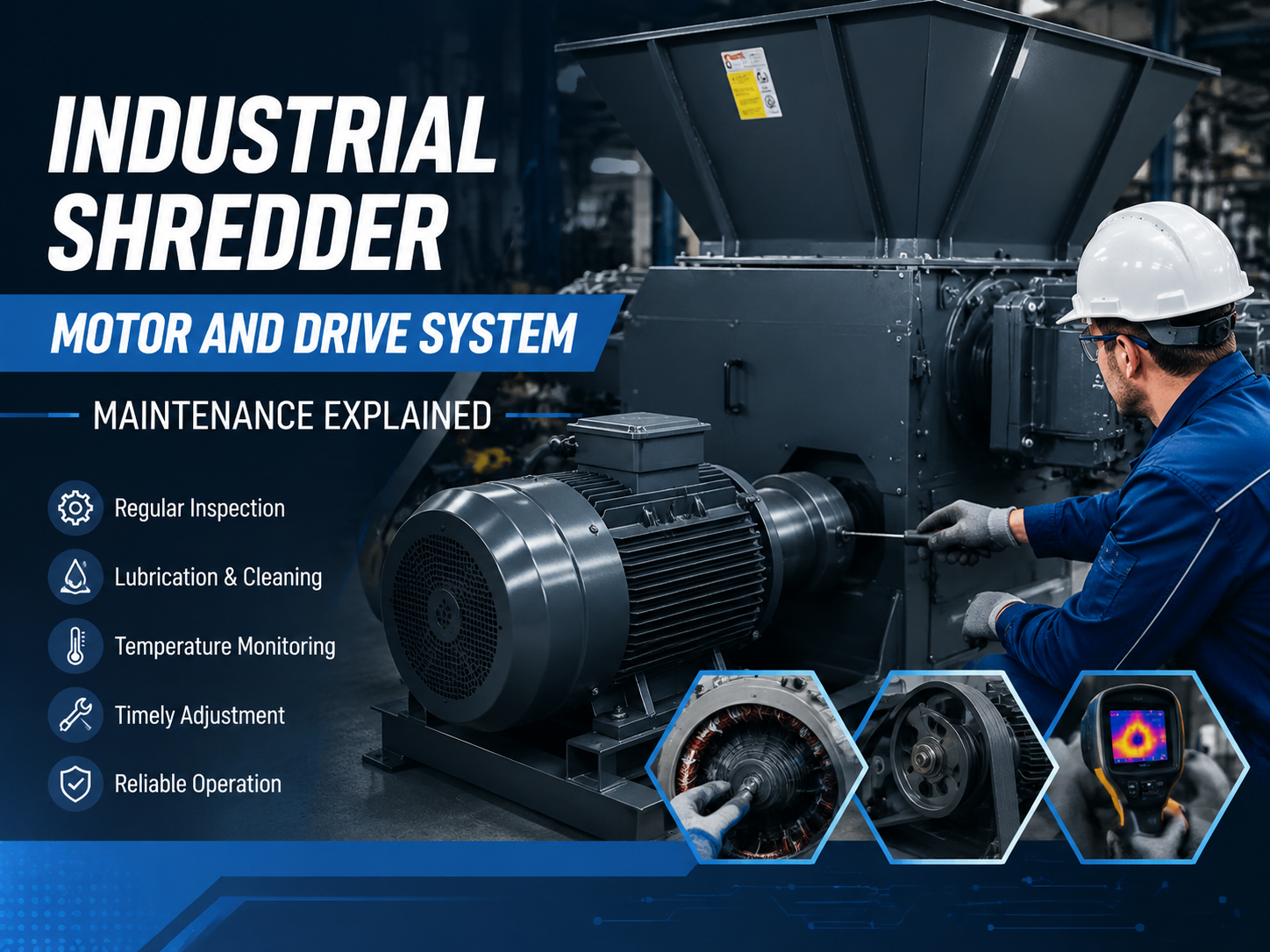
The Critical Role of Maintenance in Industrial Shredder Performance
In the world of heavy-duty recycling and waste management, the industrial shredder stands as a cornerstone of efficiency. However, the sheer force required to pulverize metals, plastics, and wood places immense stress on the machine’s internal components. Understanding Industrial Shredder Motor Drive System Maintenance Explained is not merely about keeping the machine running; it is about protecting a significant capital investment and ensuring the safety of the operators. The motor and drive system represent the ‘heart and muscles’ of the shredder, converting electrical or hydraulic energy into the mechanical torque necessary to shear through stubborn materials.
Neglecting the drive system leads to a cascade of failures. A minor misalignment in a coupling can lead to bearing failure, which in turn can cause the motor to overheat and burn out. This guide provides a deep dive into the technical nuances of maintaining these complex systems. By following a structured maintenance regimen, facilities can increase their uptime by up to 30% and extend the lifespan of their equipment by several years. We will explore the intersection of electrical integrity, mechanical precision, and hydraulic stability to provide a holistic view of shredder care.
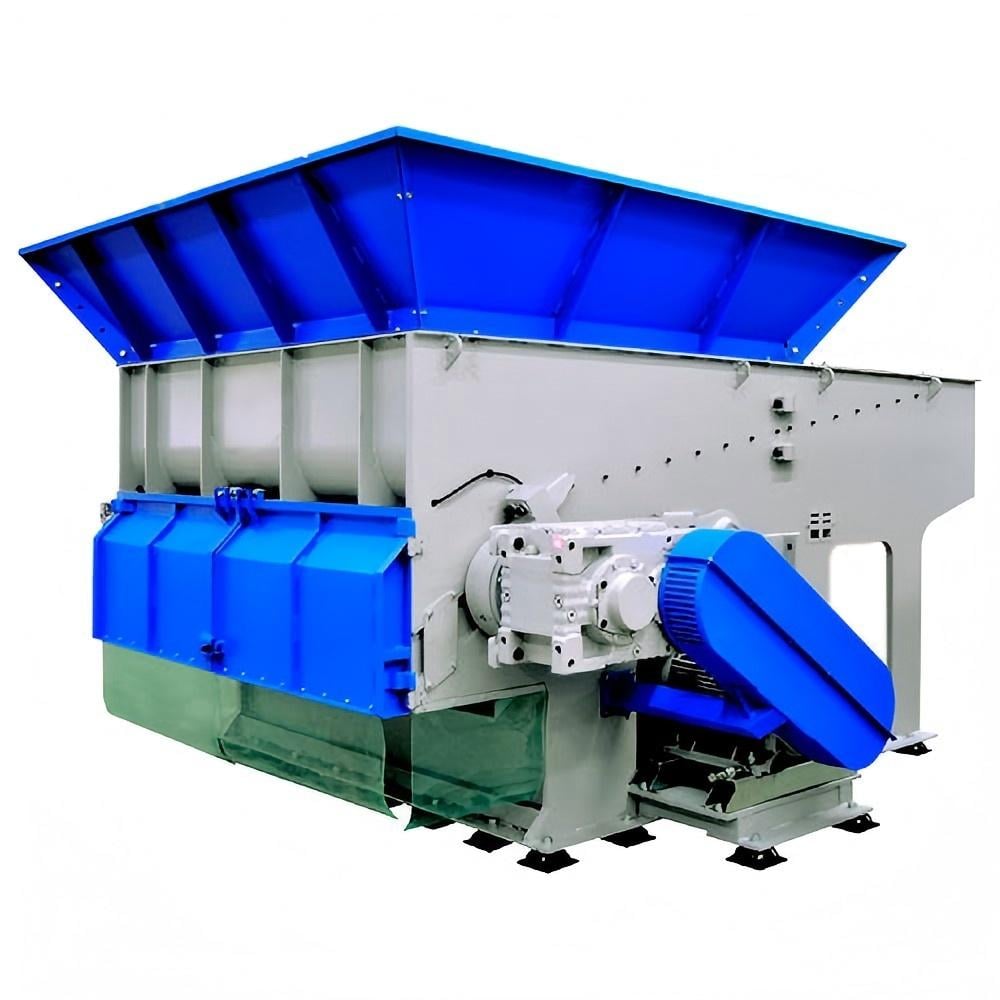
Industrial shredders often operate in harsh environments characterized by dust, moisture, and fluctuating temperatures. These factors accelerate the wear and tear on motors and drive components. Therefore, maintenance cannot be a reactive ‘fix-it-when-it-breaks’ activity. It must be a proactive, data-driven strategy. This article serves as a technical manual for maintenance managers and operators to understand the ‘why’ and ‘how’ behind every bolt tightened and every drop of oil added.
Daily Inspection Protocols for Shredder Drive Systems
The first line of defense against catastrophic failure is the daily inspection. This routine should be performed at the start of every shift to identify potential issues before they escalate. Operators should begin with a visual ‘walk-around,’ looking for obvious signs of distress such as loose mounting bolts, oil leaks around the gearbox, or frayed electrical conduits. In an industrial environment, vibration and thermal cycling can cause even the most secure fasteners to loosen over time, leading to misalignment and increased wear.
Noise monitoring is another critical aspect of daily checks. An experienced operator can often ‘hear’ a problem before they see it. A high-pitched whine might indicate a bearing reaching the end of its life, while a rhythmic thumping could suggest a chipped gear tooth or a loose drive belt. If the shredder is equipped with a Variable Frequency Drive (VFD), the operator should check the display for any fault codes or unusual amperage draws. High amperage during idle operation is a clear indicator of mechanical drag within the drive system.
Temperature sensing is the third pillar of daily inspections. Using an infrared thermometer, maintenance personnel should record the temperature of the motor housing, gearbox, and main bearings. While these components will naturally run warm, a sudden spike in temperature compared to the previous day’s baseline is a red flag. For instance, if a motor typically runs at 65°C but suddenly jumps to 85°C, it may be struggling with an internal electrical fault or excessive mechanical resistance from the shredding chamber.
In-Depth Hydraulic System Maintenance for Shredders
Many high-torque industrial shredders utilize hydraulic drive systems due to their ability to handle extreme shock loads and provide variable speed control. Maintaining these systems requires a focus on fluid cleanliness and pressure regulation. The hydraulic oil is the lifeblood of the drive; if it becomes contaminated with metal fines or moisture, it acts as an abrasive, rapidly wearing down pump vanes and motor seals. Regular oil analysis is recommended to monitor the ‘health’ of the fluid and detect internal component wear early.
Filters are the primary defense against contamination. In a shredder’s hydraulic circuit, there are typically suction filters, pressure filters, and return-line filters. Each must be inspected and replaced according to the manufacturer’s schedule or when the differential pressure indicator signals a clog. A bypassed filter allows raw contaminants to circulate through the high-precision valves and motors, leading to expensive repairs and prolonged downtime.
Pressure settings must also be verified. Industrial shredders rely on specific relief valve settings to protect the drive system from ‘stalling’ events when an un-shreddable object enters the chamber. If the pressure is set too high, the drive system may sustain structural damage; if too low, the shredder will lack the power to process standard materials. Furthermore, the cooling system—whether air-cooled or water-cooled—must be kept clean. A clogged heat exchanger will cause the hydraulic oil to overheat, leading to a loss of viscosity and subsequent lubrication failure.
Electrical System Integrity and Motor Protection
The electrical motor is the powerhouse of the shredder, and its maintenance is paramount. Dust accumulation is a major enemy of electric motors. In a shredding facility, fine particles can settle on the motor’s cooling fins, acting as insulation and causing the motor to overheat. Regular cleaning with compressed air (at low pressure to avoid forcing dust into the bearings) is essential. Additionally, the motor’s cooling fan must be checked for damage or debris that could impede airflow.
Insulation resistance testing, often called ‘meggering,’ should be performed quarterly. This test measures the integrity of the motor windings’ insulation. Over time, heat, moisture, and vibration can degrade this insulation, leading to short circuits. By tracking these readings over time, maintenance teams can predict when a motor is likely to fail and schedule a rewind or replacement during a planned shutdown rather than suffering an unexpected failure mid-production.
The control cabinet and VFD also require attention. Electrical connections can loosen due to the vibration inherent in shredding operations. A loose connection creates high resistance, which generates heat and can eventually lead to a fire or component failure. Periodically tightening terminal blocks and using thermal imaging to find ‘hot spots’ in the cabinet are best practices. Furthermore, ensure that the VFD’s cooling fans and filters are clean, as these electronic components are highly sensitive to heat.
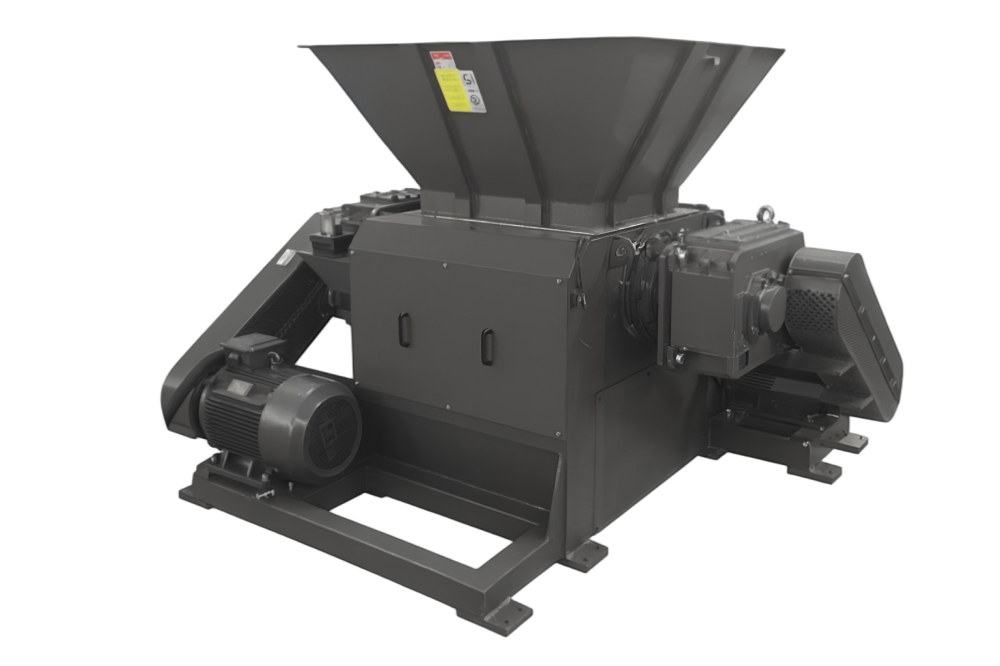
Mechanical Drive Components: Gearboxes and Couplings
The gearbox is responsible for reducing the high speed of the motor to the high-torque, low-speed rotation required by the shredder shafts. This mechanical advantage comes at the cost of significant internal friction. Gearbox oil must be changed according to the manufacturer’s intervals, typically every 2,500 to 5,000 operating hours. When changing the oil, always inspect the old fluid for ‘glitter’—small metallic flakes that indicate gear wear. Magnetic drain plugs are particularly useful for capturing and identifying these particles.
Couplings serve as the bridge between the motor and the gearbox. They are designed to compensate for minor misalignments and, in some cases, provide a ‘shear point’ to protect the motor from sudden stops. However, even flexible couplings have limits. Misalignment is a leading cause of premature bearing and seal failure. Using laser alignment tools during installation or after any major maintenance ensures that the motor and gearbox shafts are perfectly collinear, reducing parasitic power loss and vibration.
Drive belts and chains, if used, require regular tensioning. A loose belt will slip, generating heat and reducing efficiency, while an overly tight belt will put excessive radial load on the motor and gearbox bearings. Look for signs of ‘glazing’ on belts or ‘stretching’ in chains. In dual-drive systems, where two motors power a single shaft or two separate shafts, it is vital that both drive trains are synchronized and maintained equally to prevent one motor from ‘fighting’ the other.
Developing a Robust Lubrication Plan
Lubrication is the single most important factor in preventing mechanical wear. However, ‘more’ is not always ‘better.’ Over-greasing can be just as damaging as under-greasing, as it can cause seal failure and lead to ‘churning’ heat in high-speed bearings. A robust lubrication plan specifies the type of lubricant, the quantity, and the frequency for every lubrication point on the shredder.
For main shaft bearings, which endure the brunt of the shredding forces, high-pressure (EP) grease is typically required. These bearings should be greased while the machine is running (if safe and accessible) to ensure even distribution of the lubricant. Automated lubrication systems are highly recommended for industrial shredders, as they deliver small, precise amounts of grease at frequent intervals, ensuring the bearings are always optimally lubricated without human error.
Keep a detailed log of all lubrication activities. This log should include the date, the amount of lubricant used, and any observations made during the process. If a bearing suddenly starts ‘taking’ more grease than usual, it may indicate a failed seal. Conversely, if a bearing refuses to accept grease, the grease passage may be blocked, or the bearing may have already failed internally. Consistent record-keeping turns simple maintenance into a diagnostic tool.
Troubleshooting Signals: Identifying Early Warning Signs
Effective Industrial Shredder Motor Drive System Maintenance Explained involves being a ‘detective.’ You must look for clues that the system is under stress. Vibration analysis is one of the most powerful tools in this regard. By using a handheld vibration meter, you can identify specific frequencies associated with bearing defects, imbalance, or gear mesh issues. A steady increase in vibration levels over several weeks is a clear indicator that a component is deteriorating.
Power surges and ‘nuisance tripping’ of circuit breakers are also significant signals. If the shredder’s motor protection relay is frequently tripping, do not simply reset it and continue. Investigate the cause. Is the material being fed too quickly? Are the cutting blades dull, requiring more torque to shear? Or is there an internal electrical fault in the motor? Ignoring these signs will inevitably lead to a catastrophic failure that could have been prevented.
Lastly, pay attention to the ‘smell’ of the machine. The scent of burning ozone indicates electrical arcing or overheating insulation. The smell of burnt oil suggests a gearbox or hydraulic system is running far too hot. These sensory cues are often the final warning before a major breakdown. Training operators to recognize and report these signals immediately is a vital component of a successful maintenance culture.
Comprehensive Maintenance Schedule Table
The following table outlines a standard maintenance schedule for a heavy-duty industrial shredder drive system. Note that specific intervals may vary based on the manufacturer’s recommendations and the intensity of the application.
| Frequency | Component | Action Required |
|---|---|---|
| Daily | Motor & Gearbox | Visual inspection for leaks, loose bolts, and unusual noise. |
| Daily | Cooling Fans | Check for obstructions and ensure proper airflow. |
| Weekly | Drive Belts/Chains | Inspect tension and check for signs of wear or cracking. |
| Weekly | Electrical Cabinet | Check for dust accumulation and ensure filters are clean. |
| Monthly | Main Bearings | Apply grease (if not using an automated system) and check temperature. |
| Monthly | Couplings | Inspect for alignment and check the condition of flexible elements. |
| Quarterly | Motor Windings | Perform insulation resistance (Megger) test and record results. |
| Quarterly | Hydraulic System | Take oil sample for analysis and check all pressure settings. |
| Annually | Gearbox | Drain and replace gear oil; inspect internal gears if possible. |
| Annually | Full System | Perform laser alignment and recalibrate all sensors/transducers. |
Frequently Asked Questions (FAQ)
1. Why is my shredder motor overheating even when the load is light?
Overheating under light loads usually points to one of three issues: poor ventilation (clogged cooling fins or a broken fan), electrical problems (voltage imbalance or high resistance in connections), or mechanical drag (failing bearings or a gearbox with incorrect oil levels). Check the airflow first, then move to electrical diagnostics.
2. How often should I change the oil in my shredder’s gearbox?
Most manufacturers recommend an initial oil change after the first 500 hours of ‘break-in’ operation, followed by changes every 2,500 to 5,000 hours. However, if the shredder operates in extremely dusty or hot environments, these intervals should be shortened. Always use the specific oil grade recommended by the manufacturer.
3. Can I use any high-quality grease for the main bearings?
No. Industrial shredder bearings require specific ‘Extreme Pressure’ (EP) greases designed to maintain a lubricating film under high shock loads. Using a standard multipurpose grease can lead to film breakdown, resulting in metal-to-metal contact and rapid bearing failure.
4. What are the signs of a failing hydraulic motor in a shredder?
Common signs include a noticeable drop in torque (the shredder stalls more easily), increased noise (cavitation or whining), and excessive heat generation. If the motor case drain flow increases significantly, it indicates internal wear and leakage, suggesting the motor needs a rebuild.
5. How does blade sharpness affect the drive system?
Dull blades are a major cause of drive system stress. When blades are dull, they ‘crush’ rather than ‘cut,’ which requires significantly more torque. This increases the load on the motor, gearbox, and bearings, leading to higher temperatures and accelerated wear. Keeping blades sharp is a form of drive system maintenance.
6. Is a VFD better than a soft starter for shredder motors?
A VFD (Variable Frequency Drive) offers more control, allowing for variable speeds and better torque management, which is ideal for diverse waste streams. A soft starter only reduces the inrush current during startup. For most modern industrial shredders, a VFD is preferred for its ability to protect the drive system from shock loads and optimize energy consumption.