Essential Daily, Weekly, and Monthly Industrial Shredder Maintenance Tasks

The Critical Importance of Industrial Shredder Maintenance
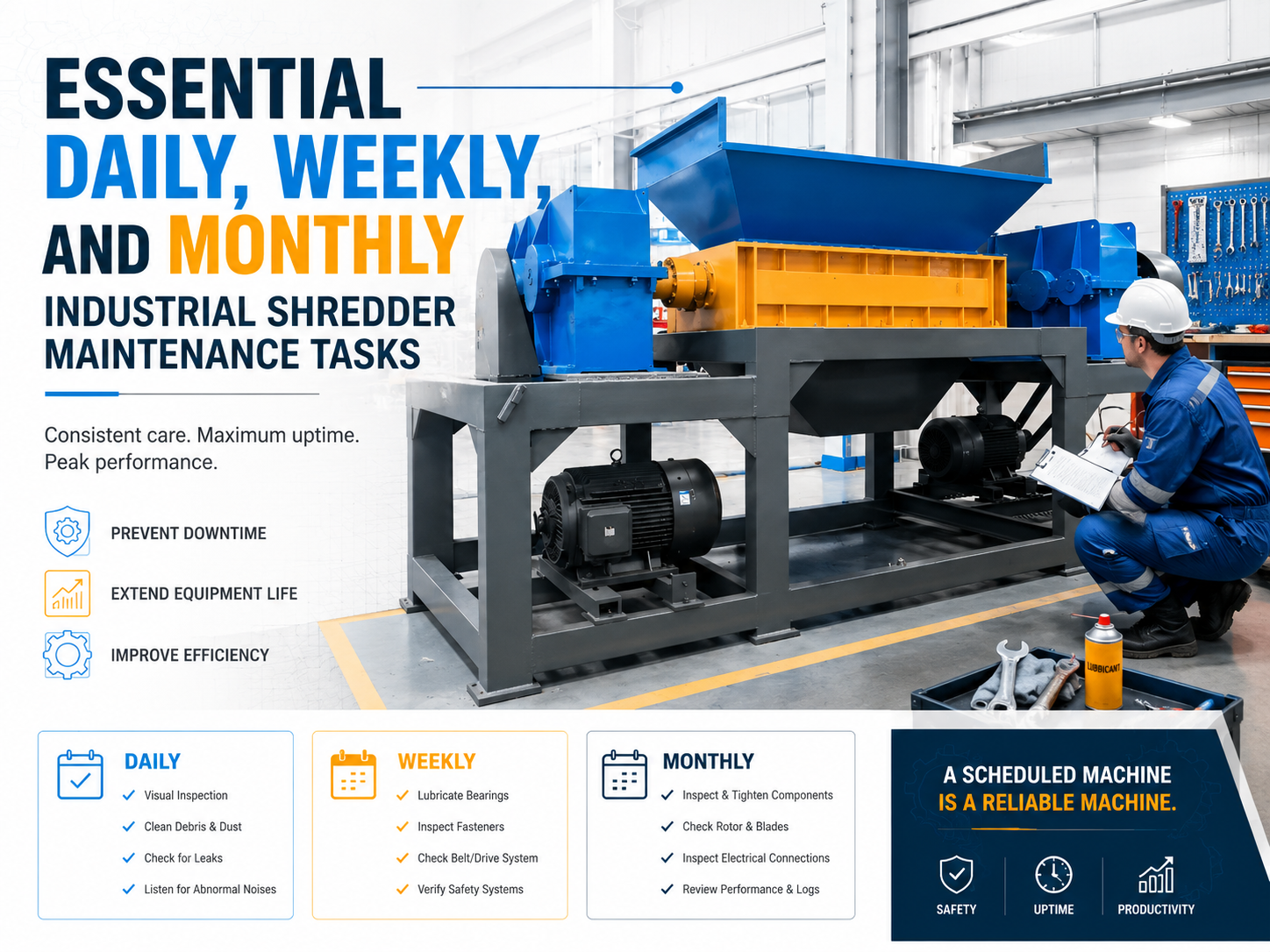
In the world of heavy-duty recycling and metal fabrication, the industrial shredder stands as a cornerstone of efficiency. Whether you are processing scrap metal, plastics, or electronic waste, the sheer force exerted by these machines is immense. However, with great power comes the necessity for rigorous upkeep. Implementing the Essential Daily, Weekly, Monthly Industrial Shredder Maintenance Tasks is not merely a recommendation; it is a fundamental requirement for any facility aiming to protect its capital investment and ensure operational continuity.
Neglecting maintenance leads to a cascade of failures. A small vibration today can become a shattered bearing tomorrow, resulting in thousands of dollars in lost production and repair costs. Beyond the financial implications, a poorly maintained shredder poses significant safety risks to operators. Loose bolts, dull blades, or leaking hydraulic lines can lead to catastrophic mechanical failures. By following a structured maintenance protocol, HARSLE users can ensure their equipment operates at peak performance while maintaining a safe working environment.
Furthermore, consistent maintenance directly impacts the quality of the output. A shredder with dull blades or improper shaft alignment will produce inconsistent particle sizes, which can lower the value of recycled materials or cause issues in downstream processing. This guide provides a comprehensive breakdown of the Essential Daily, Weekly, Monthly Industrial Shredder Maintenance Tasks required to keep your machinery running like new for years to come.
Daily Inspection: The First Line of Defense
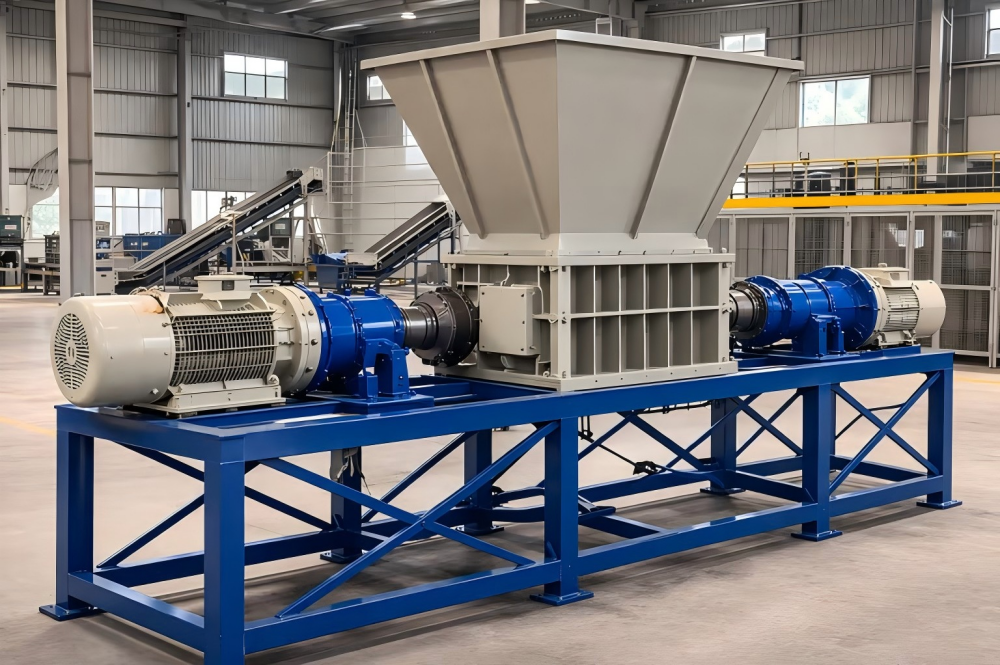
The daily inspection is the most frequent and perhaps the most vital part of the maintenance cycle. These tasks should be performed at the start of every shift to identify potential issues before they escalate into major breakdowns. The primary focus of daily checks is on cleanliness, safety, and immediate mechanical integrity.
Visual and Physical Checks
Operators should begin by clearing any residual material from the hopper and the cutting chamber. Accumulated debris can hide cracks in the blades or block the movement of the shafts. Check the condition of the cutting teeth or blades. Look for signs of excessive wear, chipping, or rounding of the edges. If the blades are significantly damaged, they will require more power to shred, putting unnecessary strain on the motor and gearbox.
Next, inspect the area around the machine for any signs of fluid leaks. Hydraulic oil or gearbox lubricant on the floor is a clear indicator of a seal failure or a loose fitting. Addressing these leaks immediately prevents environmental hazards and protects the internal components from running dry. Additionally, check all safety guards and emergency stop buttons. A shredder should never be operated if a safety feature is bypassed or malfunctioning.
Operational Monitoring
Once the visual checks are complete, start the machine and listen for unusual noises. Grinding, squealing, or heavy thumping sounds often indicate bearing wear or foreign objects trapped in the cutting chamber. Monitor the control panel for any warning lights or abnormal temperature readings. High operating temperatures in the motor or hydraulic system are early warning signs of friction or cooling system failure. Documenting these daily observations helps maintenance teams track the machine’s health over time.
Weekly Maintenance: Deepening the Inspection
While daily checks focus on the immediate, weekly maintenance tasks dive deeper into the mechanical and hydraulic systems. These tasks are designed to catch wear and tear that isn’t visible during a quick daily walkthrough. Consistency in weekly maintenance is the key to preventing mid-week downtime.
Mechanical Fasteners and Drive Systems
Industrial shredders are subject to intense vibrations. Over time, these vibrations can loosen bolts and fasteners throughout the machine. Every week, maintenance personnel should check the tightness of the motor mounts, gearbox bolts, and blade retaining screws. Using a torque wrench to ensure they meet the manufacturer’s specifications is critical. Loose components can lead to misalignment, which accelerates wear on the drive train.
The drive system, whether it uses belts or chains, requires weekly attention. For belt-driven shredders, check the tension and look for signs of fraying or glazing. Slipping belts reduce efficiency and generate heat. For chain-driven models, inspect the lubrication and check for excessive slack. Properly tensioned drive components ensure smooth power delivery from the motor to the shredding shafts.
Hydraulic and Cooling Systems
If your shredder utilizes a hydraulic ram or drive, check the fluid levels in the reservoir. Low fluid levels can lead to cavitation in the pump, causing permanent damage. Inspect the hydraulic hoses for signs of bulging or abrasion. A burst hydraulic line under high pressure is extremely dangerous. Additionally, clean the cooling fans and heat exchangers. Dust and debris buildup on cooling fins can cause the system to overheat, leading to oil degradation and component failure.
Monthly Maintenance: Comprehensive System Analysis
Monthly maintenance involves a thorough review of the shredder’s internal health. These tasks often require more time and may involve partial disassembly or specialized tools. The goal is to perform preventative actions that extend the life of the most expensive components.
Electrical Cabinet and PLC Inspection
The electrical system is the brain of the shredder. Once a month, the electrical cabinet should be opened and inspected (after following proper lockout/tagout procedures). Use compressed air to blow out any dust that has accumulated on the circuit boards and contactors. Dust can act as an insulator, causing components to overheat, or it can be conductive, leading to short circuits. Check for loose wiring connections and signs of heat damage on the insulation. Ensure that all cooling fans in the cabinet are functioning correctly.
Blade and Rotor Maintenance
The cutting assembly is the heart of the shredder. Monthly, perform a detailed measurement of the gap between the rotating blades and the counter-blades (bed knives). If the gap exceeds the manufacturer’s tolerance, the shredding efficiency will drop, and the risk of material jamming increases. Depending on the material being processed, blades may need to be rotated, sharpened, or replaced. For shredders with hard-faced blades, inspect the weld overlays for signs of delamination or excessive erosion.
Hydraulic, Electrical, and Mechanical Checks
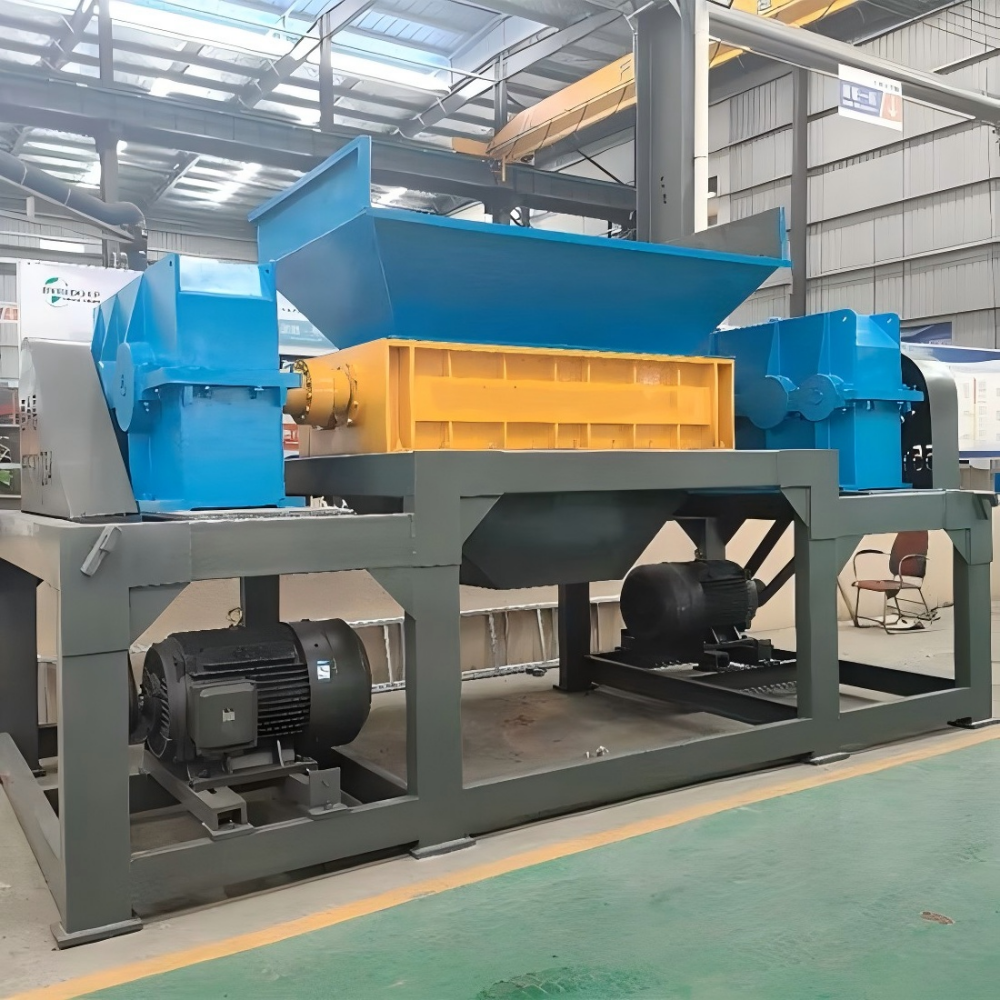
To truly master the Essential Daily, Weekly, Monthly Industrial Shredder Maintenance Tasks, one must understand the interplay between the three primary systems: hydraulic, electrical, and mechanical. Each system has specific vulnerabilities that require targeted attention.
Hydraulic System Precision
The hydraulic system provides the force needed for heavy-duty shredding. Beyond checking levels, monthly maintenance should include an oil analysis. This involves taking a small sample of the hydraulic oil and checking for metal particles or moisture. High metal content suggests internal pump or cylinder wear. Furthermore, replace hydraulic filters according to the hour-meter readings, even if they don’t look dirty. Clean oil is the lifeblood of the hydraulic system.
Electrical Integrity
In addition to cleaning the cabinet, check the motor’s amperage draw during operation. If the motor is consistently drawing more current than its rated capacity, it may be struggling against dull blades or a failing gearbox. Check the integrity of the grounding system to prevent electrical surges from damaging the PLC. Modern HARSLE shredders often feature advanced diagnostics; use this data to identify any recurring fault codes that might point to an underlying electrical issue.
Mechanical Alignment
Mechanical checks should focus on the alignment of the shafts and the condition of the bearings. Use a laser alignment tool if possible to ensure the motor and gearbox are perfectly synchronized. Misalignment is a leading cause of premature bearing failure. For the bearings themselves, check for excessive play or heat. A bearing that is hot to the touch (above 70°C) is likely failing and should be replaced before it seizes and damages the shaft.
The Lubrication Plan: Reducing Friction
Lubrication is the simplest yet most frequently overlooked aspect of shredder maintenance. Without proper lubrication, metal-on-metal contact will quickly destroy even the most robust components. A dedicated lubrication plan is essential for any industrial operation.
- Bearing Lubrication: Main shaft bearings require high-pressure grease. Depending on the workload, these should be greased weekly or even daily in high-heat environments. Use only the grease type recommended by HARSLE to ensure compatibility with the seals.
- Gearbox Oil: The gearbox oil should be changed after the initial break-in period (usually 500 hours) and then every 2,000 to 4,000 hours thereafter. Always check the oil level monthly and look for signs of foaming or discoloration.
- Automatic Lubricators: If your machine is equipped with an automatic lubrication system, check the reservoir levels daily and ensure the delivery lines are not blocked. These systems are excellent for consistency but can lead to a false sense of security if they fail.
Troubleshooting Signals: What to Watch For
Even with a perfect maintenance schedule, issues can arise. Recognizing the early warning signs of trouble can save your facility from a catastrophic failure. Operators should be trained to look for the following “red flags”:
- Increased Vibration: This is often the first sign of a loose blade, a bent shaft, or an unbalanced rotor. Never ignore a new vibration.
- Reduced Throughput: If the machine is processing material slower than usual, the blades are likely dull, or the hydraulic pressure is dropping.
- Metallic Clanging: This suggests that a piece of “unshreddable” material (like a large chunk of hardened steel) has entered the chamber or that a blade has come loose.
- Excessive Dust: An unusual increase in dust production often indicates that the material is being crushed rather than cut, a classic sign of dull blades.
- Oil Discoloration: Milky oil indicates water contamination, while dark, burnt-smelling oil indicates overheating.
Maintenance Schedule Table
The following table summarizes the Essential Daily, Weekly, Monthly Industrial Shredder Maintenance Tasks for quick reference by your maintenance team.
| Frequency | Task Category | Specific Action |
|---|---|---|
| Daily | Safety | Check E-stops, safety guards, and interlocks. |
| Daily | Cleaning | Clear hopper and cutting chamber of debris. |
| Daily | Visual | Inspect for oil leaks and visible blade damage. |
| Weekly | Mechanical | Check and torque all critical bolts and fasteners. |
| Weekly | Drive System | Inspect belt/chain tension and condition. |
| Weekly | Hydraulic | Check fluid levels and inspect hoses for wear. |
| Monthly | Electrical | Clean electrical cabinet and check wire connections. |
| Monthly | Cutting System | Measure blade gaps and rotate/sharpen if necessary. |
| Monthly | Lubrication | Check gearbox oil quality and grease all pivot points. |
| Quarterly | Deep Audit | Perform hydraulic oil analysis and motor alignment check. |
Frequently Asked Questions (FAQ)
How often should I sharpen my shredder blades?
The frequency of blade sharpening depends entirely on the material being processed. For soft plastics, blades may last several months. For abrasive materials like glass-filled plastics or contaminated scrap metal, sharpening may be required every few weeks. Monitor the output quality and motor load; when throughput drops or the motor works harder, it’s time to sharpen.
What type of hydraulic oil should I use?
Always refer to your HARSLE manual for specific oil grades. Generally, high-quality anti-wear hydraulic oil (ISO VG 46 or 68) is used. Using the wrong viscosity can lead to poor performance in cold weather or inadequate protection in high-heat environments.
Can I perform maintenance while the machine is running?
Absolutely not. All maintenance, except for specific operational observations, must be performed with the machine powered down and locked out according to OSHA or local safety standards. Never reach into the cutting chamber unless the power is physically disconnected.
Why is my shredder overheating?
Overheating is usually caused by one of three things: a clogged cooling system (radiator/fans), low hydraulic fluid, or dull blades causing the motor to overwork. Check the cooling fins for debris first, as this is the most common and easiest fix.
What happens if I skip the daily inspection?
Skipping even one day can lead to a small issue, like a loose bolt, becoming a major failure, like a detached blade destroying the entire rotor. Daily inspections are the most cost-effective way to prevent expensive repairs.
How do I know if a bearing is failing?
Signs of bearing failure include increased noise (grinding or humming), excessive heat at the bearing housing, and visible metal shavings in the lubricant. If you suspect a bearing is failing, replace it immediately to avoid damaging the shaft.
Is an automatic lubrication system worth the investment?
Yes, for high-production environments, an automatic lubrication system ensures that critical components receive the exact amount of grease they need at the right intervals, eliminating human error and reducing the labor required for maintenance.