Comprehensive Guide: How to Troubleshoot Noise, Vibration, and Overheating in Industrial Shredders

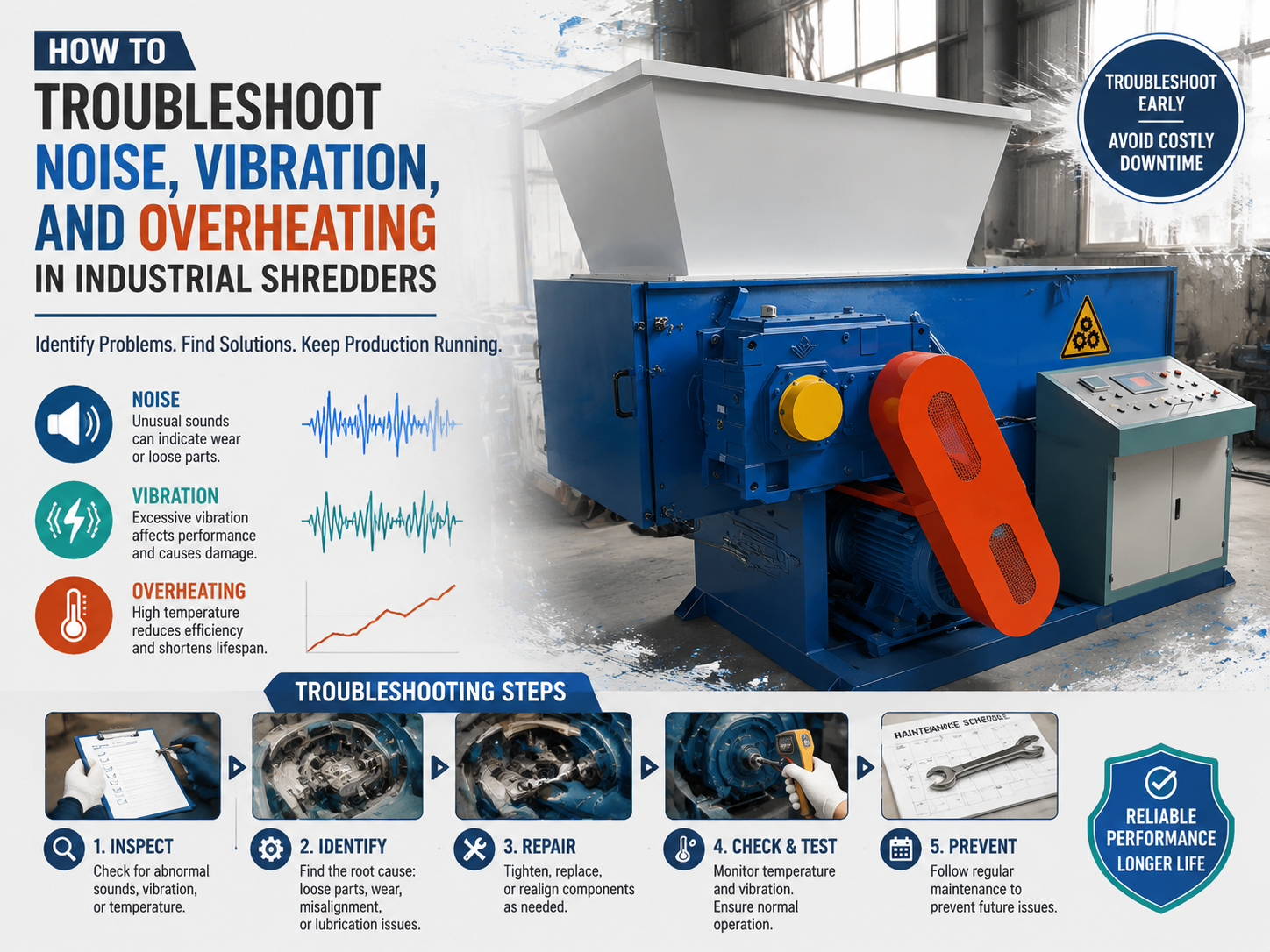
The Critical Role of Maintenance in Industrial Shredding Operations
Industrial shredders are the workhorses of the recycling and waste management industries. Whether processing scrap metal, plastics, wood, or electronic waste, these machines are subjected to extreme mechanical stresses. To maintain peak performance and ensure a long service life, understanding how to troubleshoot noise, vibration, and overheating in industrial shredders is paramount. Neglecting these early warning signs often leads to catastrophic component failure, expensive downtime, and safety hazards for operators.
At HARSLE, we recognize that a shredder is a significant investment. Effective maintenance is not merely about fixing things when they break; it is about proactive management of the machine’s health. Noise, vibration, and heat are the primary languages through which a machine communicates its internal state. When a shredder begins to vibrate excessively or run hotter than usual, it is signaling that the equilibrium of its mechanical, hydraulic, or electrical systems has been disturbed.
The importance of a structured maintenance regime cannot be overstated. In high-torque applications, even a minor misalignment or a slightly dull blade can escalate into a major issue within hours of operation. By implementing a rigorous troubleshooting protocol, facilities can improve their Return on Investment (ROI), reduce energy consumption, and ensure that the output quality remains consistent. This guide provides a deep dive into identifying and resolving the most common issues faced by industrial shredder operators.
The Foundation of Reliability: Daily Inspection Protocols
Before diving into complex mechanical diagnostics, every operator should adhere to a strict daily inspection routine. This routine serves as the first line of defense against unexpected failures. A daily check allows the operator to become familiar with the ‘normal’ operating sounds and temperatures of the machine, making it much easier to spot anomalies when they arise.
Daily inspections should begin with a visual sweep of the entire unit. Look for loose bolts, signs of fluid leaks around hydraulic hoses, and any accumulation of debris around the motor or gearbox cooling fins. Debris buildup is a leading cause of overheating, as it acts as an insulator, preventing heat from dissipating into the atmosphere. Furthermore, check the hopper and the cutting chamber for any ‘unshreddable’ items that might have been introduced accidentally, such as heavy steel plates in a machine designed for plastics.
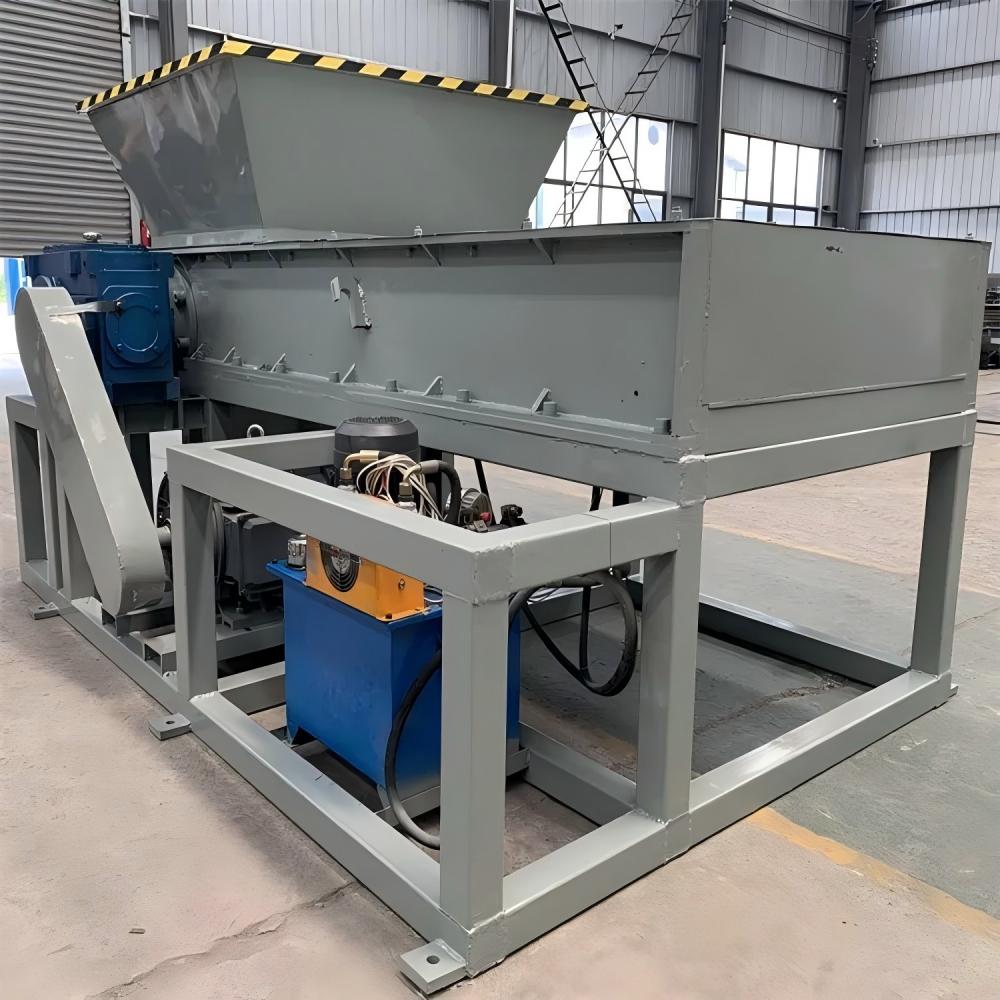
Auditory checks are equally vital. Before feeding material into the machine, run it empty for a few minutes. Listen for rhythmic knocking, high-pitched squealing, or grinding noises. These sounds often indicate issues with bearings or belt tension. If the machine sounds different than it did the previous day, it warrants an immediate investigation before processing begins. Documenting these daily checks in a logbook helps track the progression of wear and tear over time.
In-Depth Technical Checks: Hydraulic, Electrical, and Mechanical Systems
Hydraulic System Diagnostics
Many industrial shredders utilize hydraulic drives or auxiliary hydraulic systems for rams and screen changers. Troubleshooting overheating in these systems often points to the hydraulic fluid itself. If the oil viscosity is too low or the fluid is contaminated, friction increases, leading to rapid temperature spikes. Check the oil coolers and heat exchangers; if the fins are clogged with dust, the cooling efficiency drops significantly.
Pressure fluctuations are another common issue. If the hydraulic pump is struggling to maintain pressure, it may produce excessive noise (cavitation). Cavitation occurs when air bubbles form and collapse within the fluid, which can erode internal pump components. Ensure that all seals are intact and that the suction line is not restricted. Regularly testing the hydraulic oil for particulate matter can prevent premature wear of valves and cylinders.
Electrical System Integrity
Electrical issues often manifest as overheating in the motor or control cabinet. Use an infrared thermometer to check the temperature of the main drive motor. If it exceeds the manufacturer’s specifications, check the amperage draw. An over-drawing motor is often a sign of mechanical resistance—perhaps the blades are dull, or the material being processed is too dense for the machine’s current settings.
Inspect the electrical cabinet for loose connections. Loose wiring can cause arcing and localized heating, which may eventually lead to a fire or a complete system shutdown. Ensure that the cooling fans within the electrical cabinet are functioning correctly. In dusty environments, these fans can fail, leading to the overheating of sensitive PLC components and frequency inverters, resulting in erratic machine behavior or ‘ghost’ error codes.
Mechanical Component Evaluation
The mechanical heart of the shredder—the shafts, blades, and bearings—is where most vibration issues originate. Check the clearance between the rotor blades and the counter-blades (stators). If the gap is too wide, the material will tear rather than cut, increasing the load on the motor and causing vibration. Conversely, if the blades are touching, they will generate extreme heat and noise.
Bearings are critical components that require constant monitoring. A failing bearing will typically produce a distinct grinding noise and localized heat. Use a vibration pen or a more advanced vibration analysis tool to check the bearing housings. Excessive axial or radial play in the shaft is a clear indicator that the bearings have reached the end of their service life and must be replaced to avoid damaging the shaft itself.
Developing a Robust Lubrication Plan
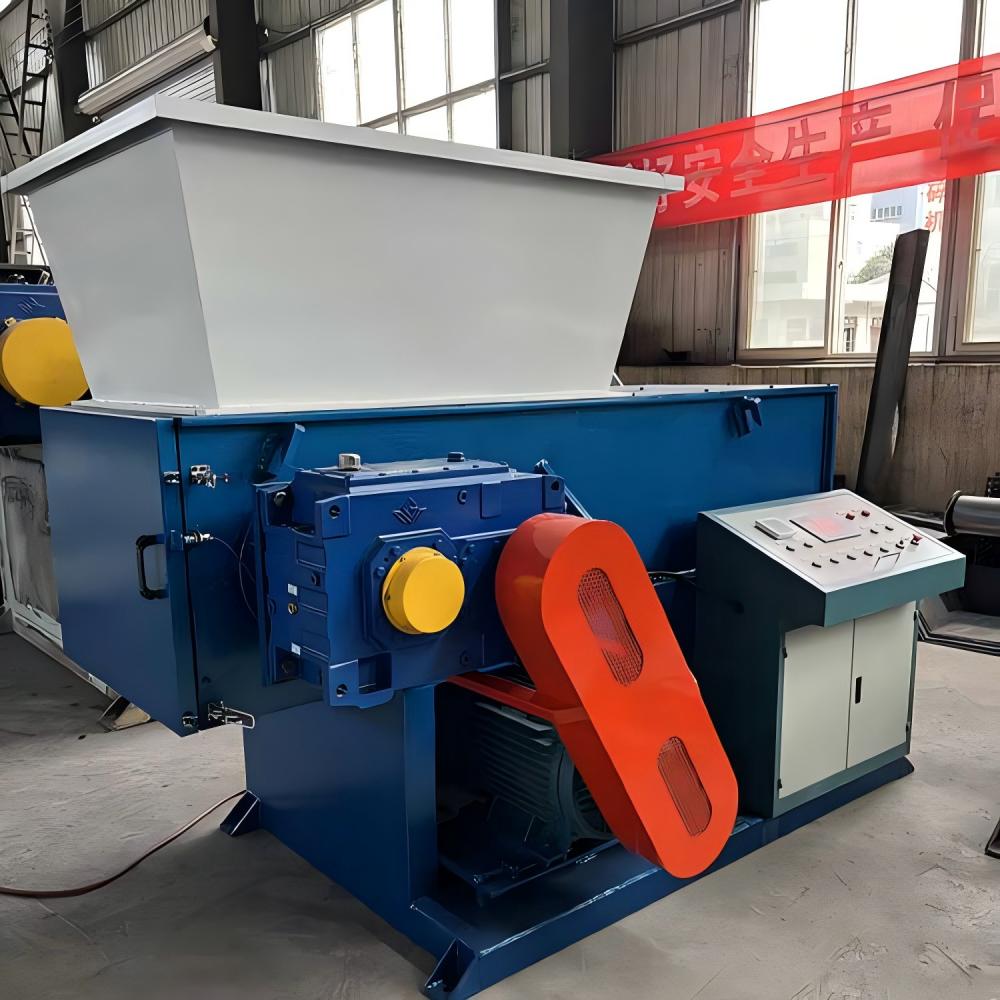
Lubrication is the lifeblood of industrial machinery. Without proper lubrication, the friction between moving parts generates heat that can melt seals and warp metal components. A successful lubrication plan specifies the type of lubricant, the quantity, and the frequency of application for every grease point and gearbox on the shredder.
For the main rotor bearings, high-temperature, extreme-pressure (EP) grease is usually required. Over-greasing can be just as detrimental as under-greasing; too much grease can cause the bearing to churn the lubricant, leading to internal heat buildup. Many modern HARSLE shredders feature automatic lubrication systems. While these systems reduce manual labor, they still require regular inspection to ensure that the lines are not blocked and that the reservoir is full.
Gearboxes require periodic oil changes. The first oil change on a new machine should happen relatively early (e.g., after 500 hours) to remove any ‘break-in’ metallic particles. Subsequent changes should follow the manufacturer’s guidelines, typically every 2,000 to 4,000 hours. Always use the specific gear oil weight recommended, as the wrong viscosity can lead to poor film strength and increased mechanical noise.
Troubleshooting Signals: Noise, Vibration, and Overheating
Identifying and Resolving Excessive Noise
Noise is often the first indicator of trouble. A ‘squealing’ sound usually points to a slipping drive belt. This can be fixed by adjusting the tension or replacing the belt if it has become glazed. A ‘clunking’ or ‘thumping’ sound often suggests that a large piece of tramp metal is stuck in the chamber or that a rotor blade has come loose. If you hear ‘grinding,’ it is almost certainly a bearing failure or metal-on-metal contact between the rotor and the housing.
Analyzing Vibration Patterns
Vibration can be destructive, loosening bolts and cracking welds over time. If the vibration is constant and increases with speed, the rotor may be out of balance. This can happen if blades are worn unevenly or if a piece of the rotor has broken off. If the vibration is intermittent, it may be related to the material feed rate. Overfeeding the shredder causes ‘slugging,’ where the machine struggles to process a large mass at once, leading to rhythmic shaking. Ensure the machine is properly anchored to a level, reinforced concrete foundation to minimize harmonic vibrations.
Managing Overheating Issues
Overheating can occur in the motor, the gearbox, or the hydraulic system. If the motor is hot, check the cooling fan and the load. If the gearbox is hot, check the oil level and the alignment with the motor. Misalignment between the motor and gearbox puts an angular load on the couplings, generating significant heat and vibration. Use laser alignment tools for the best results. If the processed material itself is coming out hot or smoking, the blades are likely dull, creating friction instead of a clean cut.
Industrial Shredder Maintenance Schedule Table
| Frequency | Component | Action Required |
|---|---|---|
| Daily | Hopper & Chamber | Clear debris and check for unshreddable materials. |
| Daily | Hydraulic System | Check oil levels and look for visible leaks. |
| Daily | Safety Systems | Test emergency stops and interlocks. |
| Weekly | Drive Belts | Inspect for wear, cracks, and proper tension. |
| Weekly | Blades/Knives | Check for dullness, chipping, and proper clearance. |
| Monthly | Bearings | Lubricate according to specs and check for heat/noise. |
| Monthly | Electrical Cabinet | Clean filters and tighten terminal connections. |
| Quarterly | Gearbox | Check oil quality and inspect breathers. |
| Annually | Structural Frame | Inspect welds and foundation bolts for integrity. |
| Annually | Full Calibration | Perform vibration analysis and motor load testing. |
Frequently Asked Questions (FAQ)
1. Why is my industrial shredder vibrating more than usual?
Excessive vibration is typically caused by an unbalanced rotor, worn bearings, or loose mounting bolts. It can also occur if the cutting blades are unevenly worn or if the machine is processing material that is too heavy for its design. Start by checking the blade condition and ensuring the machine is securely anchored to the floor.
2. How often should I sharpen or rotate the shredder blades?
The frequency depends entirely on the material being processed. Abrasive materials like glass-filled plastics or contaminated scrap will dull blades faster. Generally, blades should be inspected weekly. Many HARSLE shredders feature four-sided rotatable inserts, allowing you to flip the blade to a fresh edge before needing a full replacement or regrind.
3. What is the most common cause of motor overheating?
The most common cause is an overload condition, often due to dull blades or overfeeding the machine. Other causes include a clogged motor cooling fan, high ambient temperatures in the facility, or electrical issues like voltage drops and phase imbalance. Regular cleaning of the motor housing is essential.
4. My shredder is making a high-pitched squealing noise. What should I do?
A high-pitched squeal is usually a sign of a slipping V-belt or a dry bearing. Check the tension of the drive belts immediately. If the belts are tight and in good condition, use a stethoscope or vibration pen to identify if the noise is coming from a specific bearing housing. Replace the bearing if it shows signs of failure.
5. Can I use any type of grease for the rotor bearings?
No. Industrial shredders require specific high-pressure, high-temperature lubricants. Using the wrong grease can lead to premature bearing failure because it may not maintain the necessary film strength under the heavy loads and heat generated during shredding. Always refer to the HARSLE manual for approved lubricant grades.
6. How do I know if my hydraulic oil needs changing?
You should change the hydraulic oil based on the hour meter (typically every 2,000-4,000 hours) or if the oil appears cloudy, smells burnt, or fails a laboratory fluid analysis. Cloudy oil usually indicates water contamination, while a burnt smell indicates that the system has been overheating.
Conclusion
Troubleshooting noise, vibration, and overheating in industrial shredders is a continuous process that combines sensory observation with technical precision. By understanding the root causes of these symptoms—whether they be mechanical wear, electrical instability, or hydraulic inefficiency—operators can maintain their HARSLE equipment in peak condition. A well-maintained shredder not only performs better but also provides a safer and more predictable working environment. Remember, the cost of a few hours of preventative maintenance is always lower than the cost of a major mechanical overhaul.