Comprehensive Industrial Shredder Maintenance Schedule for Better Performance

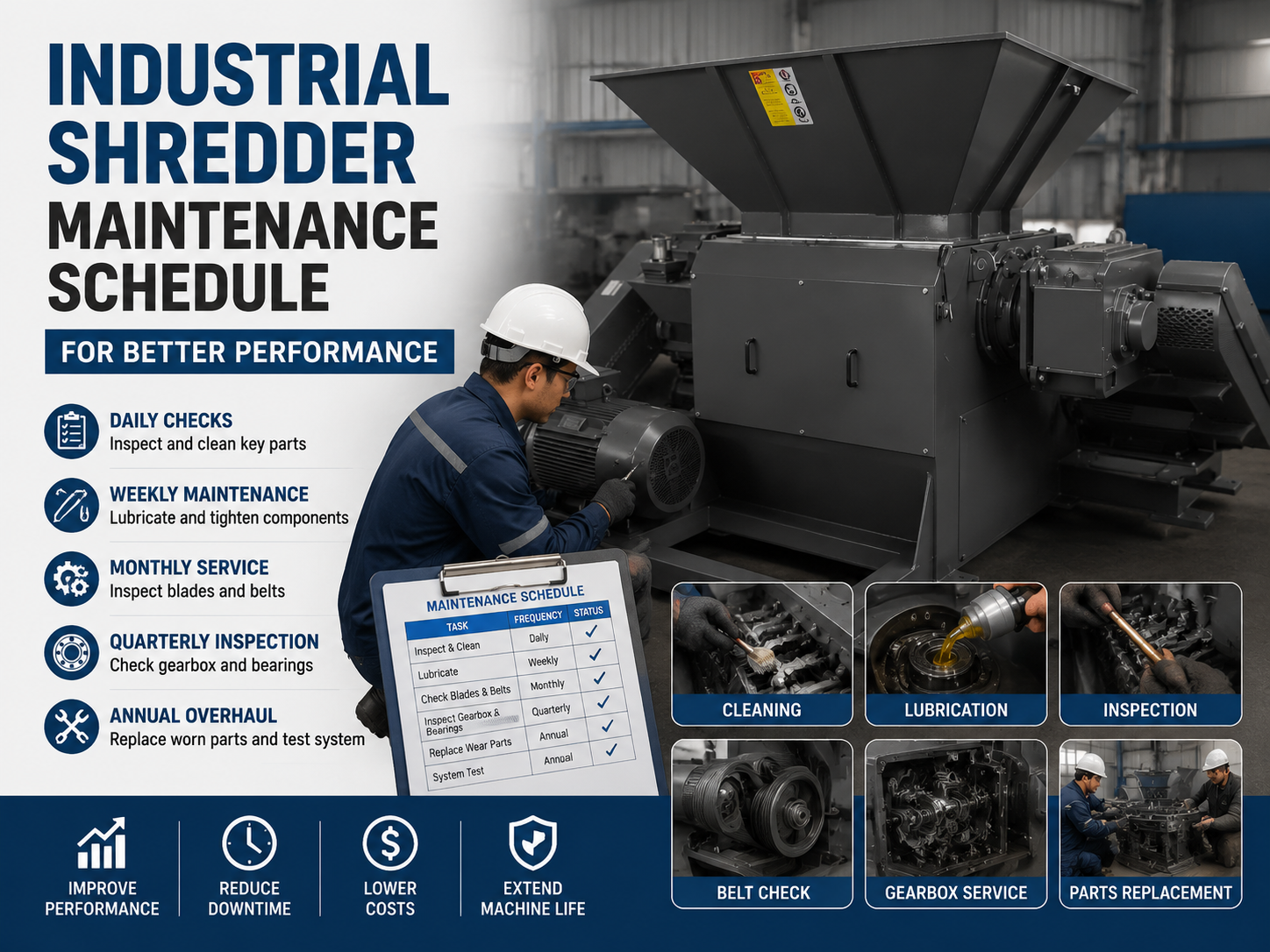
The Critical Role of an Industrial Shredder Maintenance Schedule for Better Performance
In the demanding world of waste management, recycling, and metal fabrication, the industrial shredder stands as a cornerstone of operational efficiency. These robust machines are designed to handle everything from scrap metal and plastics to electronic waste and tires. However, the sheer force and torque required to process these materials place immense stress on every component of the machine. Implementing a rigorous Industrial Shredder Maintenance Schedule Better Performance is not merely a recommendation; it is a necessity for any facility looking to protect its capital investment and ensure consistent throughput.
When maintenance is neglected, the consequences are often cumulative and costly. A dull blade doesn’t just cut less efficiently; it forces the motor to draw more current, puts extra strain on the gearbox, and increases the heat generated within the cutting chamber. Over time, these minor inefficiencies lead to catastrophic failures that can shut down an entire production line for days or even weeks. By following a structured maintenance plan, operators can transition from a reactive ‘fix-it-when-it-breaks’ mindset to a proactive strategy that identifies potential issues before they escalate.
HARSLE understands that performance is measured by uptime and the quality of the shredded output. An optimized maintenance schedule ensures that the shredder operates within its designed parameters, maintaining the correct particle size and preventing the contamination of processed materials. Furthermore, a well-maintained machine is a safer machine. Loose bolts, frayed wires, or leaking hydraulic fluid are not just performance killers; they are significant safety hazards for the personnel operating the equipment.
Ultimately, the goal of an Industrial Shredder Maintenance Schedule Better Performance is to achieve the lowest possible cost per ton of processed material. This is achieved by extending the lifespan of wear parts, reducing energy consumption, and avoiding the exorbitant costs associated with emergency repairs and unplanned downtime. In the following sections, we will break down the essential steps required to keep your industrial shredder running at peak performance.
Daily Inspection: The First Line of Defense
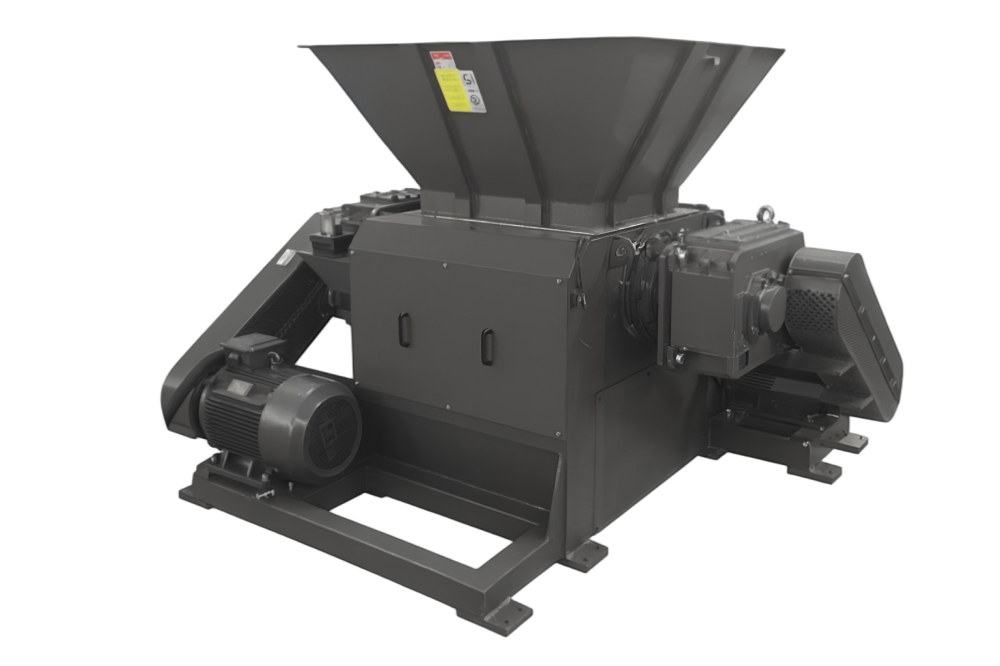
The daily inspection is perhaps the most vital part of any Industrial Shredder Maintenance Schedule Better Performance. It takes only 15 to 20 minutes but can save hundreds of hours in lost productivity. Before the shift begins, operators should perform a comprehensive visual walk-around. This includes checking for any signs of structural damage to the hopper, the frame, and the discharge area. Any debris that has accumulated around the motor or gearbox should be cleared immediately to prevent overheating.
One of the primary focuses of the daily check is the cutting chamber. Operators must ensure that no ‘unshreddable’ items—such as heavy steel plates or large engine blocks that exceed the machine’s rating—have been left in the hopper. Checking the tightness of the blade bolts is also critical. In high-impact environments, vibrations can cause even the most secure fasteners to loosen. A loose blade can shift during operation, leading to a ‘clash’ between the rotor and stator blades, which can cause severe damage to the shaft.
Fluid levels must also be verified daily. This includes hydraulic oil, gear oil, and coolant levels if applicable. Low fluid levels are often the first sign of a leak that might not be immediately visible on the floor. Additionally, operators should listen for unusual noises during the startup sequence. Grinding, squealing, or excessive vibration are clear indicators that something is amiss. Documenting these daily checks in a logbook allows maintenance managers to track patterns and predict when specific components might need more intensive service.
Finally, the daily routine must include a check of all safety systems. Emergency stop buttons, safety interlocks on access doors, and light curtains must be tested to ensure they are fully functional. A shredder that cannot be stopped instantly in an emergency is a liability that no facility can afford. By making these checks a non-negotiable part of the daily workflow, you set the foundation for long-term machine health and operator safety.
Mechanical Checks: Blades, Rotors, and Bearings
The mechanical heart of the shredder—the rotor and its associated cutting tools—requires the most frequent technical attention. To maintain an Industrial Shredder Maintenance Schedule Better Performance, the condition of the blades (or ‘knives’) must be monitored constantly. As blades wear down, the gap between the rotor and the counter-blade increases. This leads to ‘smearing’ or tearing of the material rather than clean cutting, which significantly increases the load on the drive system.
Blade rotation or replacement should be scheduled based on the material being processed. For abrasive materials like glass-filled plastics or sandy tires, blades may need attention more frequently than when processing clean aluminum scrap. Many modern HARSLE shredders feature indexable inserts that can be rotated to provide a fresh cutting edge, effectively doubling or quadrupling the life of the tool before a full replacement is necessary. During these checks, the rotor itself should be inspected for cracks or signs of erosion, particularly around the blade seats.
Bearings are another critical mechanical component. They support the massive weight of the rotor and handle the radial and axial loads generated during shredding. Overheating is the primary enemy of bearings. Using an infrared thermometer to check bearing housing temperatures during operation can provide early warning of lubrication failure or internal wear. If a bearing begins to run hot, it is often a sign that the grease has broken down or that the bearing is reaching the end of its service life.
Drive belts and couplings also fall under mechanical maintenance. For belt-driven shredders, proper tension is essential. Belts that are too loose will slip and glaze, while belts that are too tight will put excessive load on the motor and gearbox bearings. Couplings should be inspected for alignment and wear in the flexible elements (spiders). Misalignment, even by a fraction of a millimeter, can cause vibrations that eventually lead to shaft fatigue and failure.
Hydraulic and Electrical System Maintenance
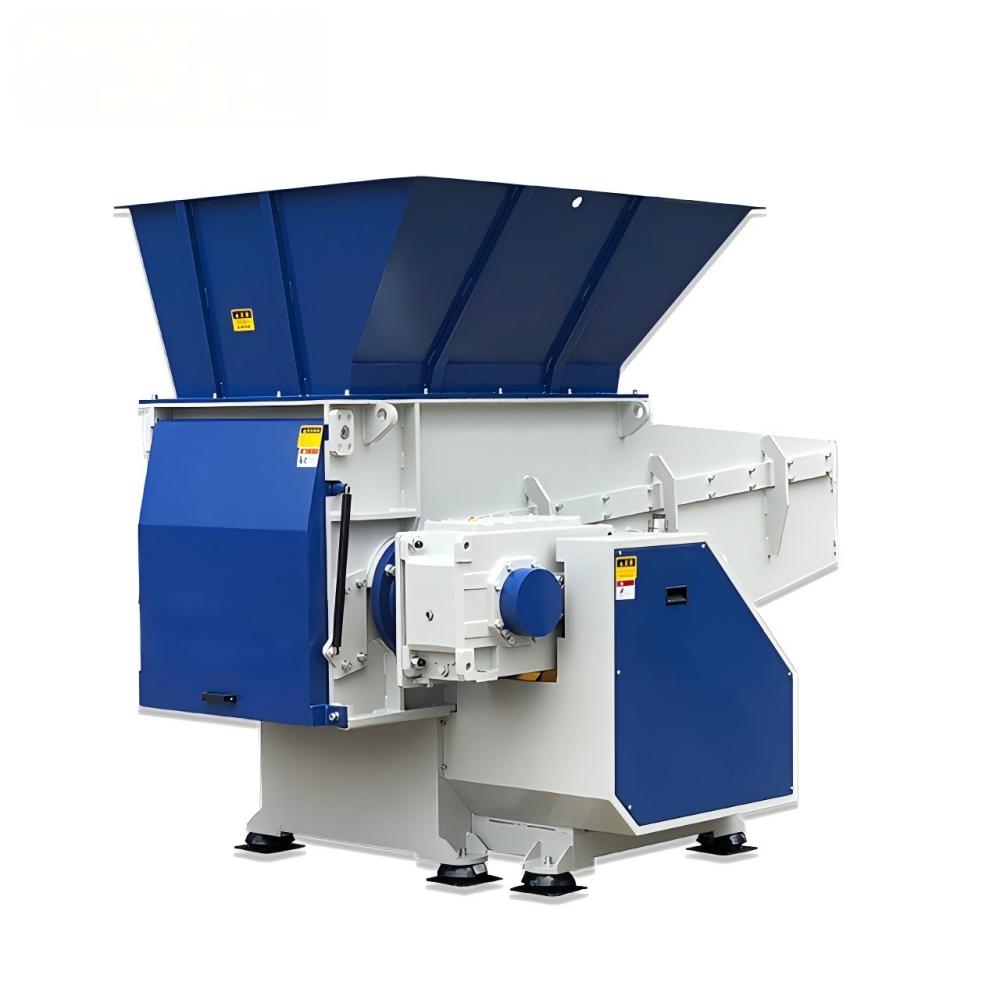
Many industrial shredders utilize hydraulic systems for the ram (the component that pushes material against the rotor) or for the drive system itself. Maintaining the hydraulic circuit is essential for the Industrial Shredder Maintenance Schedule Better Performance. The most important factor in hydraulic health is oil cleanliness. Contaminants like dust, metal fines, and moisture can act as an abrasive paste, wearing down pumps and valves. Regular oil analysis is recommended to monitor the ‘health’ of the fluid and detect internal component wear early.
Filters should be changed according to the manufacturer’s intervals, or sooner if the ‘filter clogged’ indicator activates. It is also important to inspect hydraulic hoses for signs of bulging, cracking, or weeping. A high-pressure hose failure can result in a dangerous oil spray and immediate machine stoppage. Furthermore, the hydraulic cooling system—whether air-cooled or water-cooled—must be kept clean. Dust buildup on heat exchangers is a common cause of hydraulic overheating, which thins the oil and reduces its lubricating properties.
On the electrical side, the control cabinet is the brain of the operation. Dust is the primary enemy here, as it can cause short circuits or prevent components from cooling properly. Cabinets should be cleaned with low-pressure compressed air or a vacuum. All electrical connections should be checked for tightness; thermal cycling (heating and cooling during operation) can cause wires to work loose over time. Loose connections create resistance, which leads to heat and potential fire hazards.
The PLC (Programmable Logic Controller) and sensors also require attention. Ensure that limit switches and proximity sensors are clean and properly aligned. These sensors control the ‘intelligence’ of the shredder, such as the auto-reverse function that prevents jams. If a sensor is faulty, the machine might not reverse when overloaded, leading to a stalled motor or a broken shaft. Regularly updating the software (if applicable) and backing up the PLC programs are also wise steps in a modern industrial maintenance strategy.
The Lubrication Plan: Ensuring Smooth Operation
Lubrication is the lifeblood of heavy machinery. Without a proper lubrication plan, even the most robust Industrial Shredder Maintenance Schedule Better Performance will fail. The goal of lubrication is to maintain a thin film of oil or grease between moving parts, reducing friction and dissipating heat. In an industrial shredder, the primary points of lubrication are the rotor bearings, the gearbox, and the pivot points of the hydraulic ram.
Choosing the right lubricant is critical. You must use the specific grade of grease or oil recommended by HARSLE. Using a grease with the wrong viscosity or base soap can lead to chemical incompatibility, causing the lubricant to harden or run out of the bearing. For high-temperature environments, synthetic lubricants may be necessary to provide the required protection. It is also important to avoid over-lubrication. Excessive grease can damage bearing seals and actually cause the bearing to run hotter due to ‘churning’ of the lubricant.
Automatic lubrication systems are highly recommended for industrial shredders. These systems deliver small, precise amounts of grease at regular intervals while the machine is running. This ensures that the bearings are always perfectly lubricated and helps to flush out contaminants. If your machine uses an auto-lube system, your maintenance task shifts to ensuring the reservoir is full and checking the delivery lines for blockages or breaks.
Gearbox maintenance involves regular oil changes and monitoring for metal shavings in the oil. Most gearboxes are equipped with a magnetic drain plug; inspecting this plug during an oil change can tell you a lot about the internal health of the gears. If you find large chunks of metal, it indicates a serious problem that requires immediate investigation. Always ensure the gearbox breather is clean; a clogged breather can cause pressure buildup that blows out oil seals.
Troubleshooting Signals: What Your Shredder is Telling You
An experienced operator can often ‘feel’ when a shredder is not performing correctly. Recognizing these troubleshooting signals is a key part of an Industrial Shredder Maintenance Schedule Better Performance. One of the most common signals is a change in the sound of the machine. A rhythmic thumping usually indicates a loose blade or a foreign object stuck in the rotor. A high-pitched whine might suggest a bearing is failing or that the hydraulic pump is cavitating.
Vibration is another critical indicator. While all shredders vibrate to some extent, an increase in vibration levels often points to an unbalanced rotor. This can happen if blades are worn unevenly or if a piece of material has become wedged in a way that throws off the center of gravity. Excessive vibration is destructive; it can crack welds in the machine frame and accelerate the wear of all connected components. Using vibration analysis tools can help quantify these changes and provide a baseline for ‘normal’ operation.
Performance metrics also serve as troubleshooting signals. If you notice that the motor is consistently drawing more amps than usual for the same type of material, it is a sign that the blades are dull or the screen is clogged. Similarly, if the ‘auto-reverse’ function is triggering more frequently, it suggests that the machine is struggling to process the material, possibly due to mechanical inefficiency or a change in the material feed. Monitoring the temperature of the discharge material can also be revealing; if the shredded output is unusually hot, it indicates excessive friction in the cutting chamber.
Finally, keep an eye on the ‘fines’ or the dust produced during shredding. An increase in dust levels often means the blades are tearing the material rather than cutting it. By paying attention to these subtle signals, maintenance teams can intervene early, performing minor adjustments that prevent major breakdowns. This ‘predictive’ approach is the pinnacle of a successful maintenance strategy.
Industrial Shredder Maintenance Schedule Table
To help you implement these practices, the following table summarizes the essential tasks for a standard Industrial Shredder Maintenance Schedule Better Performance. Note that intervals may vary based on your specific model and material load.
| Frequency | Component | Action Required |
|---|---|---|
| Daily | Cutting Chamber | Check for unshreddables and clear debris. |
| Daily | Safety Systems | Test E-stops and interlocks. |
| Daily | Fluid Levels | Check hydraulic oil and gear oil levels. |
| Daily | Bolts/Fasteners | Visual check for loose blade bolts. |
| Weekly | Blades/Knives | Inspect for wear; rotate or sharpen if needed. |
| Weekly | Drive Belts | Check tension and look for wear/cracks. |
| Weekly | Hydraulic Hoses | Inspect for leaks, bulges, or abrasions. |
| Monthly | Bearings | Check temperature and grease (if manual). |
| Monthly | Electrical Cabinet | Clean dust and check connection tightness. |
| Quarterly | Gearbox | Inspect oil quality and magnetic plug. |
| Quarterly | Hydraulic System | Change filters and check pressure settings. |
| Annually | Structural Frame | Inspect welds for stress cracks. |
| Annually | Oil Analysis | Perform full lab analysis of hydraulic/gear oil. |
Frequently Asked Questions (FAQ)
How often should I sharpen my industrial shredder blades?
The frequency of sharpening depends entirely on the material you are processing. For soft plastics, blades may last hundreds of hours. For abrasive materials like tires or contaminated scrap, you might need to rotate or sharpen blades every 40-80 hours. The best indicator is a drop in throughput or an increase in motor amperage. Following an Industrial Shredder Maintenance Schedule Better Performance will help you track these trends.
What type of hydraulic oil is best for heavy-duty shredders?
You should always refer to the HARSLE manual for specific oil grades. Generally, high-quality anti-wear (AW) hydraulic oils with the correct ISO viscosity grade (usually ISO 46 or 68) are used. In extreme climates, you may need a multi-viscosity oil to ensure proper flow during cold starts and adequate protection at high operating temperatures.
Why is my shredder vibrating excessively?
Excessive vibration is usually caused by an unbalanced rotor, dull blades, or a loose mounting bolt. It can also be caused by a failing bearing or a misaligned drive coupling. If vibration increases suddenly, stop the machine immediately and inspect the cutting chamber for obstructions or damaged components.
Can I use any grease for the rotor bearings?
No. Rotor bearings in shredders operate under high pressure and often high heat. You need a heavy-duty, extreme-pressure (EP) grease, typically with a lithium complex base. Using the wrong grease can lead to rapid bearing failure. Always check the manufacturer’s specifications before refilling your manual or automatic lubrication system.
How do I know if my gearbox is failing?
Common signs of gearbox failure include increased noise (whining or grinding), excessive heat on the gearbox casing, and oil leaks. The most definitive way to check is to inspect the oil for metal particles. If you see ‘glitter’ or small metal flakes in the oil, the gears or internal bearings are wearing prematurely.
Is it necessary to clean the electrical cabinet?
Yes, absolutely. Dust buildup in the electrical cabinet can cause components to overheat and fail. In some cases, conductive dust (like metal fines) can cause short circuits and fires. Cleaning the cabinet with a vacuum or low-pressure air should be a monthly task in your Industrial Shredder Maintenance Schedule Better Performance.
What is the benefit of an automatic lubrication system?
An automatic lubrication system ensures that critical components receive the right amount of grease at the right time. It eliminates the human error of forgetting to grease a bearing and ensures that the machine is lubricated while in motion, which allows the grease to distribute evenly. This significantly extends the life of bearings and seals.