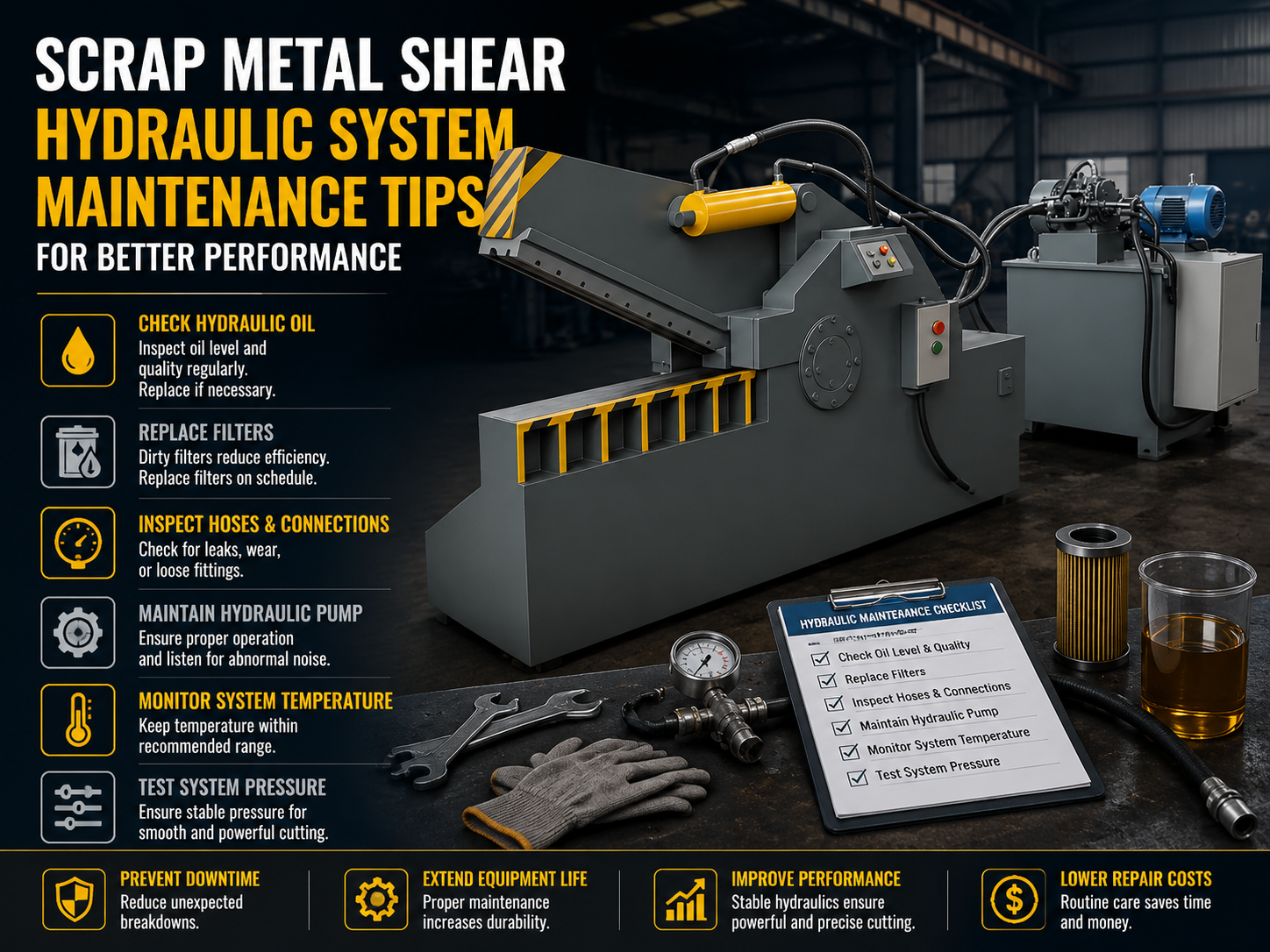
Scrap Metal Shear Hydraulic System Maintenance Tips for Better Performance

The Critical Role of Maintenance in Scrap Metal Processing
In the high-intensity world of metal recycling, the scrap metal shear stands as a cornerstone of productivity. These machines are designed to exert massive forces to cut through steel, aluminum, and various alloys, transforming bulky waste into manageable, high-value raw materials. However, the sheer power of these machines relies almost entirely on the integrity of their hydraulic systems. Implementing effective scrap metal shear hydraulic system maintenance tips for better performance is not just a recommendation; it is a necessity for any facility looking to protect its investment and ensure consistent output.
The environment of a scrap yard is inherently hostile to machinery. Dust, metal shards, extreme temperature fluctuations, and heavy-duty cycles all conspire to wear down components. Without a rigorous maintenance protocol, even the most robust HARSLE shear can suffer from decreased cycle times, increased energy consumption, and eventually, catastrophic failure. By focusing on preventative care, operators can identify minor issues before they escalate into expensive repairs that halt production for days or weeks.
Furthermore, maintenance is directly linked to safety. A hydraulic system operating under high pressure (often exceeding 3000 PSI) poses significant risks if a hose bursts or a valve malfunctions. Regular inspections ensure that safety protocols are met and that the machine operates within its designed parameters. This guide provides a deep dive into the essential practices required to keep your hydraulic shear running at peak efficiency, ensuring that every cut is as precise and powerful as the first.
Ultimately, the goal of maintenance is to achieve the lowest possible cost per ton of processed material. When the hydraulic system is optimized, the machine consumes less electricity, experiences less friction-related wear, and maintains a faster cycle speed. This efficiency translates directly to the bottom line, making maintenance a profit-driving activity rather than a mere overhead expense.
Daily Inspection: The First Line of Defense
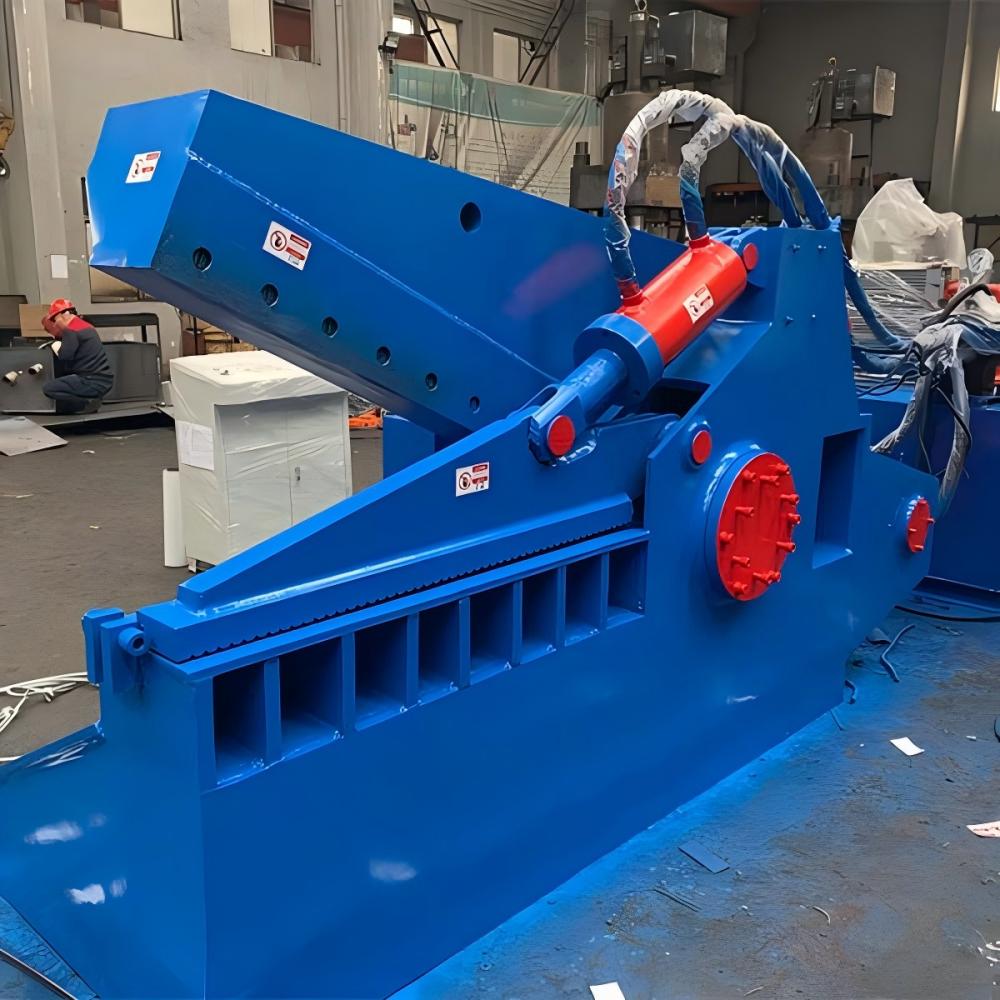
The most effective way to prevent major breakdowns is through a disciplined daily inspection routine. Before the shift begins, the operator should perform a comprehensive walk-around of the machine. This process takes less than fifteen minutes but can save thousands of dollars in potential damage. The primary focus during this inspection should be identifying any visible signs of distress, such as oil leaks, loose bolts, or structural cracks.
Hydraulic leaks are the most common issue found during daily checks. Even a small “weep” at a fitting can indicate a seal that is about to fail or a hose that has been compromised by vibration. It is important to remember that hydraulic fluid is not just a lubricant; it is the medium through which power is transmitted. Any loss of fluid results in a loss of pressure and an increase in system temperature. Operators should check the ground beneath the machine and all connection points for signs of fresh oil.
Beyond leaks, the daily inspection must include a check of the hydraulic oil level and temperature. Most modern shears are equipped with sight glasses or digital sensors. Operating a shear with low oil levels can lead to pump cavitation—a condition where air bubbles form and collapse within the pump, causing internal erosion and rapid failure. Similarly, checking the oil temperature after the machine has warmed up is crucial. If the oil is consistently running too hot, it may indicate a failing cooling system or an internal bypass in a valve.
Finally, the daily routine should involve a quick check of the shear blades and the surrounding area. Ensure that no debris is wedged in the cutting mechanism that could cause an obstruction. Check the tightness of the blade bolts, as the intense vibration of cutting can cause them to back out over time. A quick visual confirmation that all safety guards are in place and that the emergency stop buttons are functional completes the daily checklist, ensuring the machine is ready for a productive shift.
Hydraulic System Deep Dive: Oil, Filters, and Components
The hydraulic system is the heart of the scrap metal shear, and the hydraulic fluid is its lifeblood. To follow the best scrap metal shear hydraulic system maintenance tips for better performance, one must prioritize oil quality. Over time, hydraulic oil breaks down due to heat and shear stress, losing its viscosity and lubricating properties. More importantly, it becomes contaminated with microscopic metal particles, dust, and moisture. Contamination is responsible for up to 80% of hydraulic system failures.
Regular oil analysis is a highly recommended practice for large-scale operations. By sending a small sample of oil to a lab, you can determine the exact level of contamination and the remaining additive life. This allows for “condition-based” oil changes rather than simply following a calendar, which can save money while providing better protection. If the oil appears cloudy, it likely contains water; if it smells burnt or looks dark, it has likely oxidized due to overheating.
Filters are the primary defense against contamination. Most shears utilize a combination of suction strainers, return-line filters, and sometimes high-pressure inline filters. These must be replaced according to the manufacturer’s schedule or whenever the filter bypass indicator triggers. Never wait for a filter to completely clog; by the time the bypass valve opens, unfiltered oil is circulating through your expensive pumps and valves, causing irreversible wear.
The hydraulic pump and cylinders also require specific attention. Listen for unusual noises such as whining or growling, which often signal pump issues. For the cylinders, inspect the chrome rods for scratches or pitting. A damaged rod will quickly destroy the cylinder seals, leading to external leaks and internal pressure loss. Ensure the rod wipers are clean and intact to prevent dirt from being pulled into the cylinder during the retraction stroke.
Electrical and Mechanical System Integrity
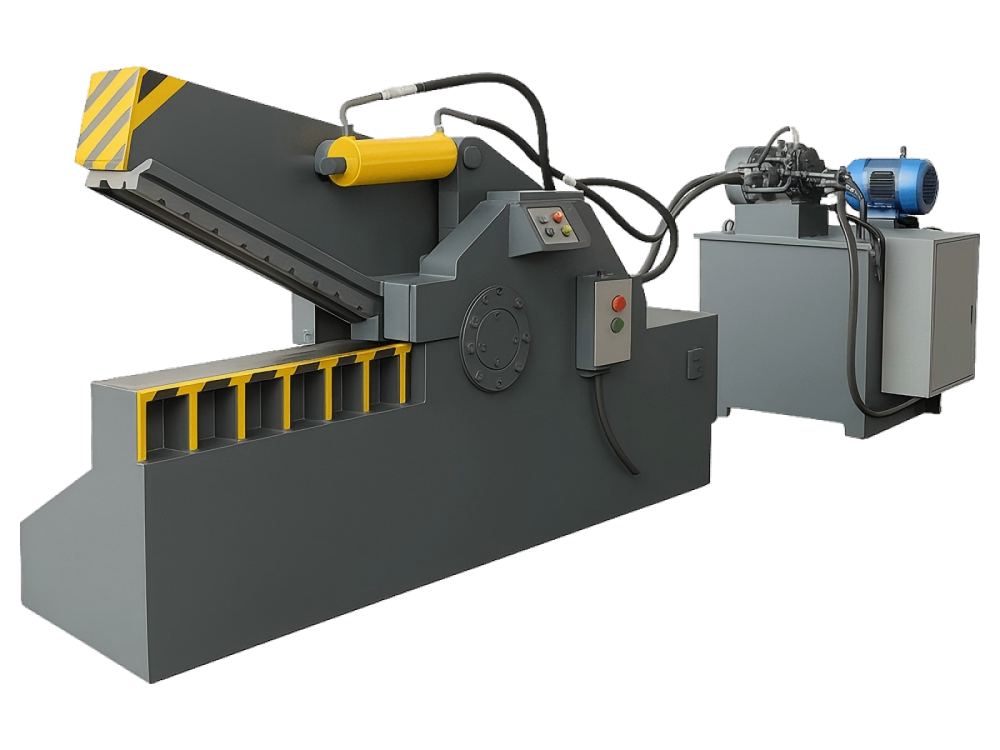
While the hydraulic system provides the muscle, the electrical system provides the brain. Modern scrap metal shears rely on PLCs (Programmable Logic Controllers), sensors, and solenoid valves to coordinate complex movements. Maintenance of the electrical system often involves ensuring that all connections are tight and free from corrosion. Vibration is the enemy of electrical reliability; it can loosen terminal screws and cause wires to chafe against the machine frame.
Sensors, such as limit switches or pressure transducers, must be kept clean and properly aligned. In a scrap yard, it is common for falling debris to strike a sensor or for dust to coat an optical eye. If a sensor fails or provides an incorrect reading, the machine may fail to complete its cycle or, worse, operate in an unsafe manner. Regularly blowing out the electrical cabinet with clean, dry compressed air can prevent the buildup of conductive dust that might cause short circuits.
On the mechanical side, the focus is on the shear’s structural integrity and the cutting interface. The pivot pin—the point around which the upper jaw moves—is a high-stress area. It must be checked for any signs of play or excessive wear. If the pivot bushings wear out, the blades will not align correctly, leading to poor cutting quality and increased stress on the hydraulic cylinders. Checking the frame for stress cracks, especially near the cylinder mounts and the anvil, is also vital for long-term safety.
Blade maintenance is perhaps the most critical mechanical task. Dull blades require significantly more hydraulic pressure to cut the same material, which puts unnecessary strain on the entire system. Blades should be rotated or sharpened regularly. Most HARSLE shears feature four-sided blades that can be flipped to provide a fresh cutting edge. Maintaining the correct blade gap (clearance) is equally important; too wide a gap causes the metal to fold rather than cut, while too narrow a gap can cause the blades to clash and chip.
Comprehensive Lubrication Plan
Lubrication is the simplest yet most frequently overlooked aspect of scrap metal shear maintenance. A proper lubrication plan reduces friction, dissipates heat, and prevents the ingress of contaminants into moving joints. For a scrap metal shear, there are two primary types of lubrication: the hydraulic oil itself and the grease used for mechanical pivots and slides.
The pivot pins and bushings require high-pressure grease, typically an NLGI Grade 2 lithium-based grease with molybdenum disulfide (moly) additives. These additives provide an extra layer of protection under the extreme loads encountered during shearing. Lubrication should be performed daily or every few hours of operation, depending on the intensity of the work. Many modern machines feature centralized lubrication systems that automatically deliver grease to all critical points. If your machine has such a system, your maintenance task is to ensure the reservoir is full and that all delivery lines are intact and flowing.
For machines without automatic systems, manual greasing must be diligent. It is best to grease the machine while it is warm, as this helps the grease flow into all the clearances. When applying grease, continue until you see a small amount of fresh grease purging from the seals; this ensures that old, contaminated grease has been pushed out. Pay special attention to the guide slides if your shear is a guillotine style, as these surfaces bear immense lateral loads.
Don’t forget the lubrication of the motor bearings and any cooling fan motors. While these don’t require daily attention, they should be part of a monthly or quarterly maintenance schedule. Using the wrong type of grease or over-greasing can be just as damaging as under-greasing, as it can cause seals to blow out or lead to overheating in high-speed bearings. Always refer to the HARSLE manual for specific lubricant specifications.
Troubleshooting Signals: Listening to Your Machine
Experienced operators often “feel” when a machine is not performing correctly. Recognizing these troubleshooting signals early is a key part of scrap metal shear hydraulic system maintenance tips for better performance. One of the most common signals is a change in the sound of the machine. A high-pitched squeal often indicates a relief valve that is stuck open or a pump that is struggling to pull oil. A “knocking” sound in the cylinders might suggest air trapped in the system or a loose internal piston.
Slow cycle times are another major red flag. If the shear is taking longer to open or close than it used to, it indicates a loss of flow or pressure. This could be caused by a worn pump, a leaking internal seal in the cylinder, or a restricted suction line. Monitoring the pressure gauges during a cut can help pinpoint the issue. If the pressure reaches the maximum setting but the cut is slow, the problem is likely flow-related. If the pressure fails to reach the required level, the problem is likely a leak or a faulty relief valve.
Overheating is a symptom of inefficiency. In a hydraulic system, wasted energy is converted into heat. If the oil temperature exceeds 140°F (60°C), the oil begins to degrade rapidly, and seals start to harden. Overheating can be caused by a dirty oil cooler, low oil levels, or internal components that are allowing oil to bypass under pressure. Regularly cleaning the cooling fins of the heat exchanger with compressed air is a simple way to prevent this common issue.
Finally, watch for erratic movement. If the shear jaw stutters or moves unevenly, it may indicate air in the lines or a sticking solenoid valve. Air can enter the system through a tiny hole in the suction line that is too small to leak oil out but large enough to suck air in. Bleeding the system and checking all suction-side clamps can often resolve these issues before they lead to pump damage.
Maintenance Schedule Table
To ensure nothing is missed, follow this structured maintenance schedule. This table serves as a baseline for most industrial scrap metal shears.
| Frequency | Task Description | Target Component |
|---|---|---|
| Daily | Check oil levels, inspect for leaks, grease pivot pins, check blade bolts. | Hydraulic Tank, Hoses, Pivot Points |
| Weekly | Clean oil cooler fins, inspect blade gap, check electrical connections. | Heat Exchanger, Cutting Blades, Control Box |
| Monthly | Inspect hydraulic filters, check cylinder rod condition, test E-stops. | Filtration System, Main Cylinders, Safety Circuit |
| Quarterly | Perform oil analysis, check motor mounting bolts, inspect frame for cracks. | Hydraulic Fluid, Electric Motor, Machine Structure |
| Yearly | Drain and clean hydraulic tank, replace all filters, calibrate pressure settings. | Entire Hydraulic System, Reservoir |
Frequently Asked Questions (FAQ)
1. How often should I change the hydraulic oil in my scrap shear?
While many manufacturers suggest changing oil every 2,000 to 4,000 hours, the best practice is to use oil analysis. If the analysis shows the oil is clean and the additive package is intact, you can extend the interval. However, in dusty scrap yard environments, changing the oil annually is a safe rule of thumb to prevent long-term component wear.
2. Why is my hydraulic shear losing cutting power?
Loss of power is usually due to either a drop in hydraulic pressure or dull blades. Check the system pressure against the manufacturer’s specifications. If pressure is normal, the blades likely need to be rotated or sharpened. If pressure is low, check for a faulty relief valve or a worn hydraulic pump.
3. What is the ideal operating temperature for hydraulic oil?
Most hydraulic systems are designed to operate between 100°F and 130°F (38°C to 54°C). If the temperature exceeds 150°F (65°C), the oil’s viscosity drops significantly, leading to increased wear and potential seal damage. Ensure your cooling system is functioning and the oil level is correct.
4. Can I use any type of hydraulic oil?
No. You must use the oil weight and type specified by the manufacturer (e.g., ISO VG 46 or 68). Using the wrong viscosity can lead to sluggish performance in cold weather or inadequate lubrication in hot weather. Always use high-quality anti-wear (AW) hydraulic oil.
5. How do I know if my hydraulic pump is failing?
Common signs of pump failure include increased noise (whining or growling), excessive heat generation at the pump body, and a noticeable decrease in cycle speed. If you suspect failure, a flow test can confirm if the pump is still meeting its rated output.
Conclusion: Investing in Longevity
Maintaining a scrap metal shear is an ongoing commitment that pays dividends in reliability and performance. By following these scrap metal shear hydraulic system maintenance tips for better performance, you ensure that your HARSLE equipment remains a productive asset for years to come. From the simplicity of daily grease applications to the technical precision of oil analysis, every step taken toward preventative maintenance reduces the risk of unplanned downtime and maximizes your return on investment. Remember, a well-maintained machine is not only more profitable but also significantly safer for the operators who rely on it every day.