How to Keep Scrap Metal Shear Cutting Accuracy Over Time: The Ultimate Maintenance Guide

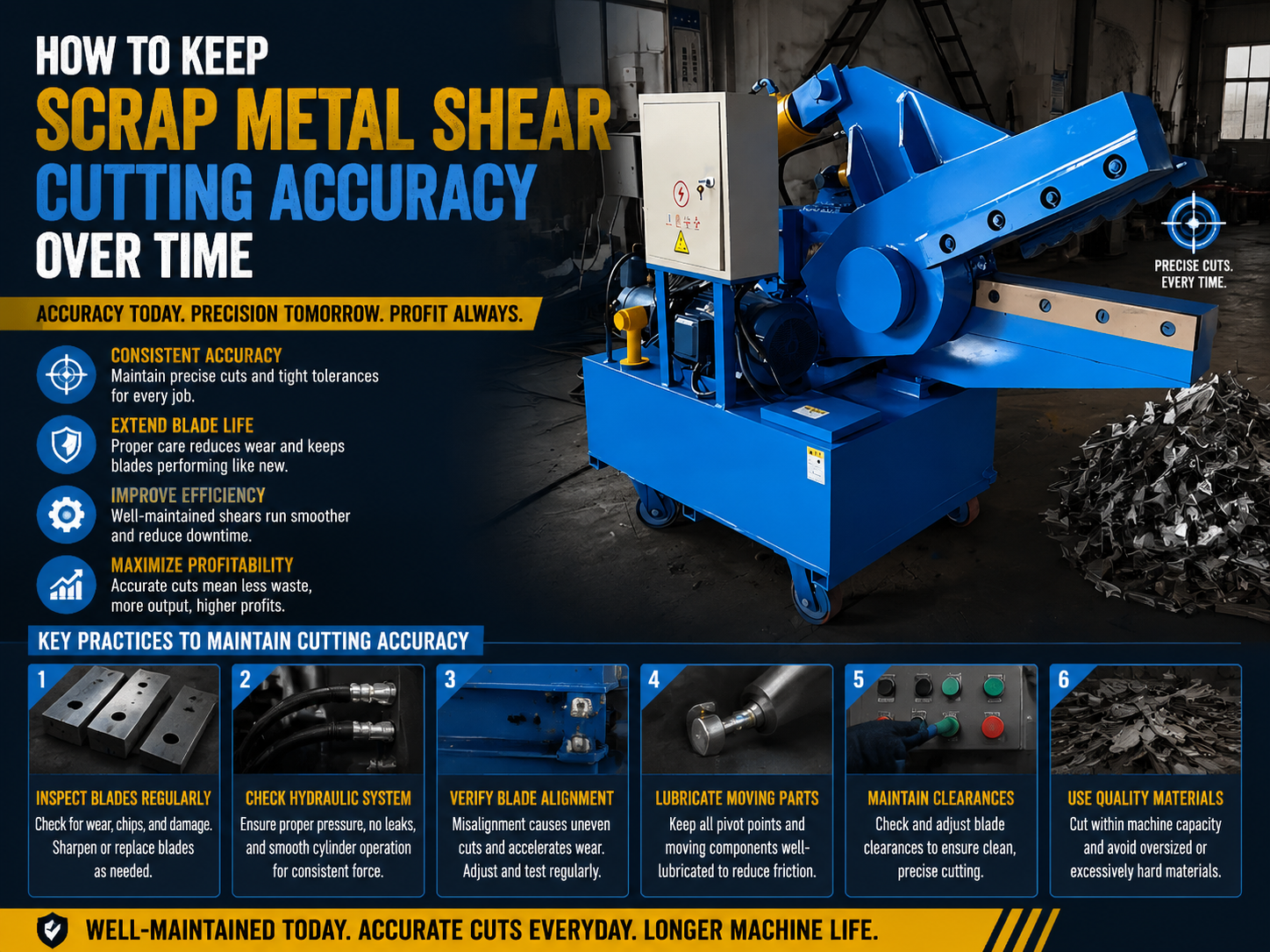
The Critical Role of Precision in Scrap Metal Processing
In the high-intensity world of metal recycling and industrial fabrication, the scrap metal shear stands as a cornerstone of productivity. Whether you are processing rebar, structural steel, or non-ferrous alloys, the ability to maintain a clean, precise cut is not just a matter of aesthetics; it is a fundamental requirement for operational efficiency and safety. To Keep Scrap Metal Shear Cutting Accuracy Over Time, operators and maintenance managers must look beyond the surface of the machine and understand the complex interplay between hydraulic pressure, mechanical alignment, and metallurgical wear.
HARSLE has long been at the forefront of manufacturing robust metal fabrication machinery, and we understand that a shear is only as good as its last cut. Over months and years of heavy-duty use, the extreme forces involved in shearing metal can lead to microscopic shifts in alignment and gradual degradation of hydraulic components. If left unaddressed, these minor issues snowball into significant problems, such as jagged edges, increased energy consumption, and even catastrophic structural failure of the shear frame. This guide provides a comprehensive roadmap to ensuring your equipment remains as accurate as the day it left the factory.
Why You Must Keep Scrap Metal Shear Cutting Accuracy Over Time
The economic impact of a dull or misaligned shear is often underestimated. When a shear loses its accuracy, the ‘gap’ between the upper and lower blades typically widens. This causes the metal to bend or ‘fold’ rather than snap cleanly. This folding action requires significantly more hydraulic force, which puts unnecessary strain on the pump and motor, leading to higher electricity costs and accelerated wear on hydraulic seals. Furthermore, inaccurate cuts result in scrap that may not meet the size specifications required by foundries or secondary processors, leading to lower resale values for your processed material.
Safety is another paramount concern. A shear that is not cutting accurately is more prone to ‘kickbacks’ or material jamming. When the blades fail to bite into the metal correctly, the material can shift violently during the stroke, potentially damaging the machine’s hold-down system or posing a risk to nearby personnel. By committing to Keep Scrap Metal Shear Cutting Accuracy Over Time, you are investing in a safer workplace and a more profitable bottom line. Consistency in cutting ensures that every cycle is predictable, manageable, and efficient.
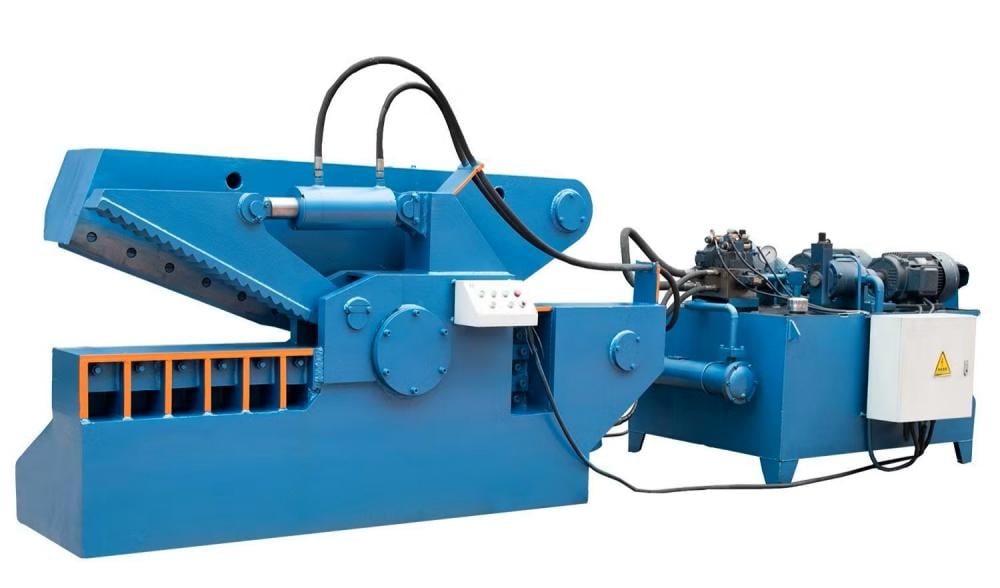
Daily Inspection Protocols for Peak Performance
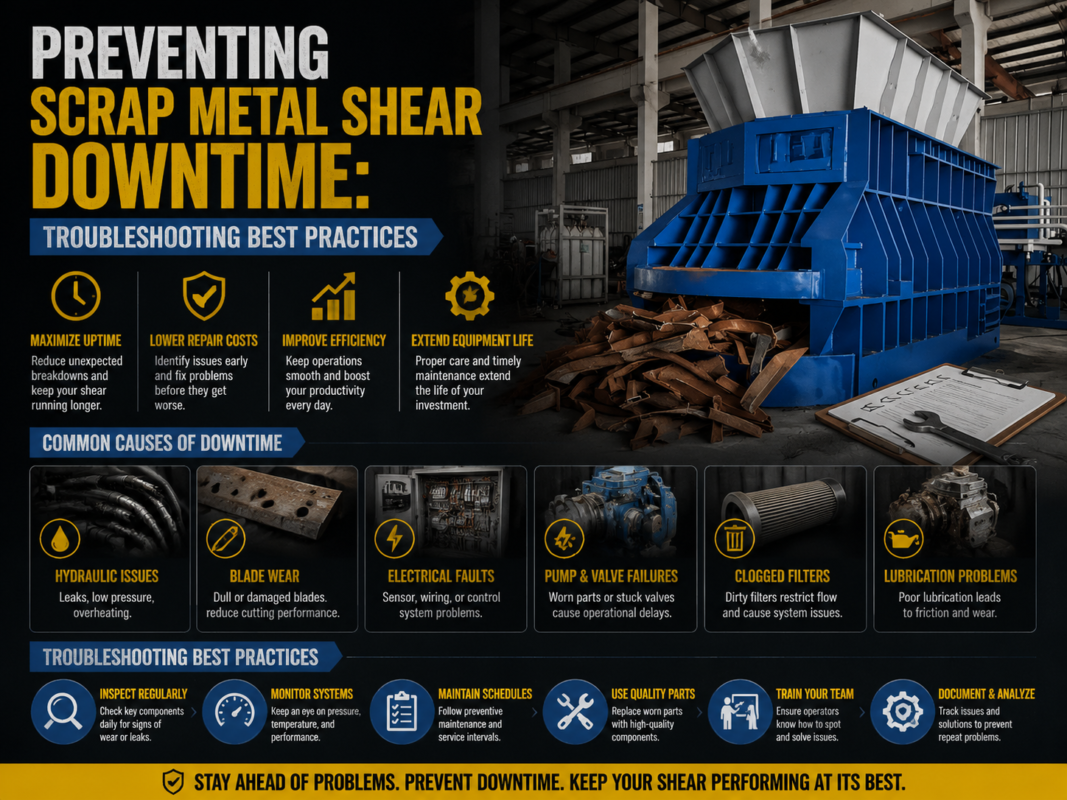
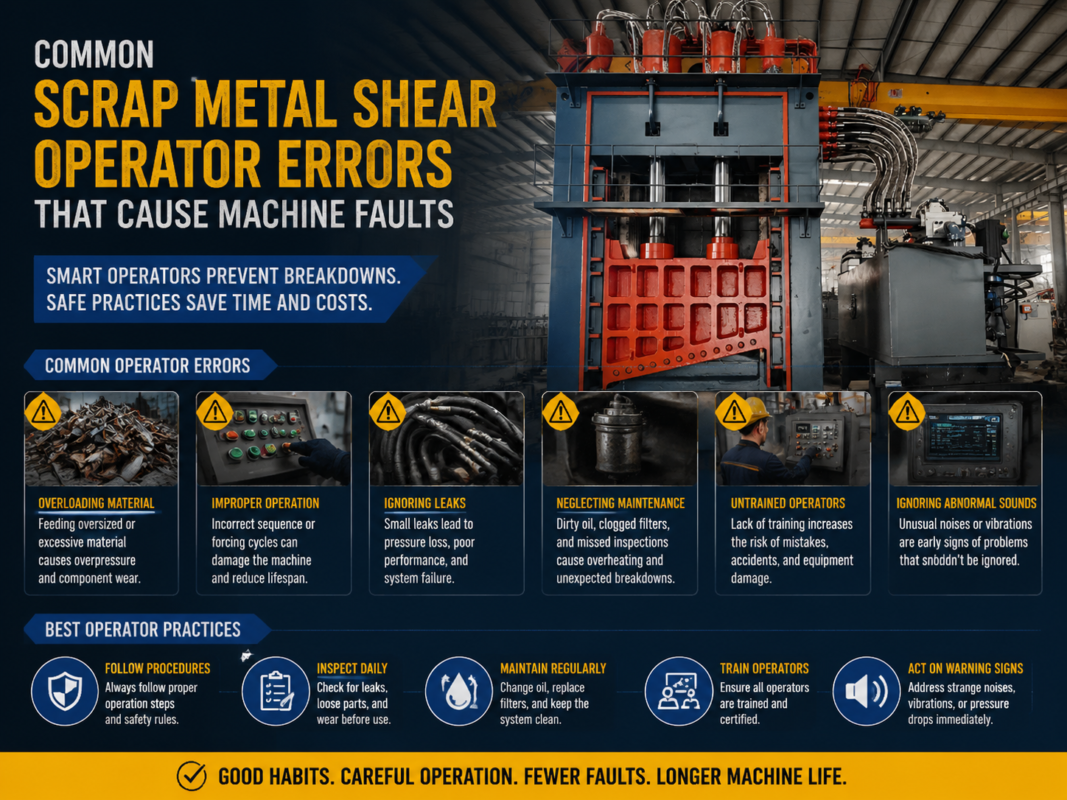
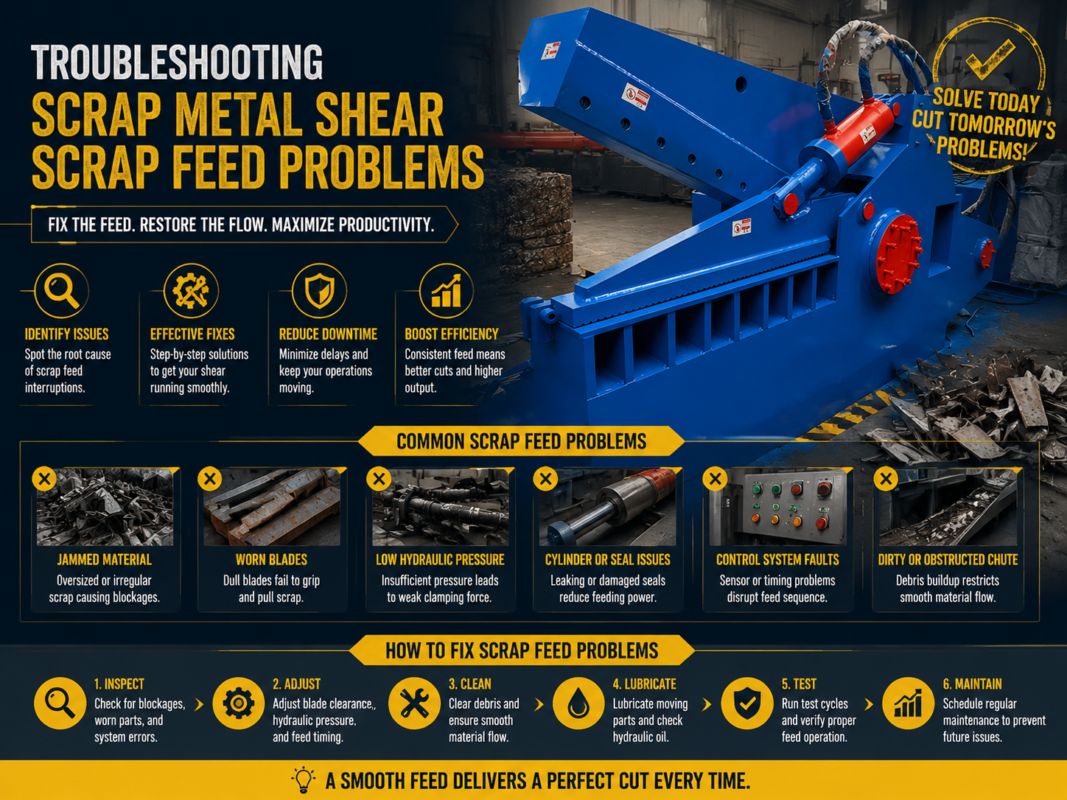
The first line of defense in maintaining accuracy is the daily inspection. This should be a non-negotiable part of the operator’s morning routine. Before the machine is even powered on, a visual sweep of the cutting area is essential. Look for any signs of metal shards or debris that may have become lodged in the blade seatings. Even a small piece of hardened steel trapped behind a blade can cause a slight tilt, which translates to a significant loss of accuracy across the length of the cut.
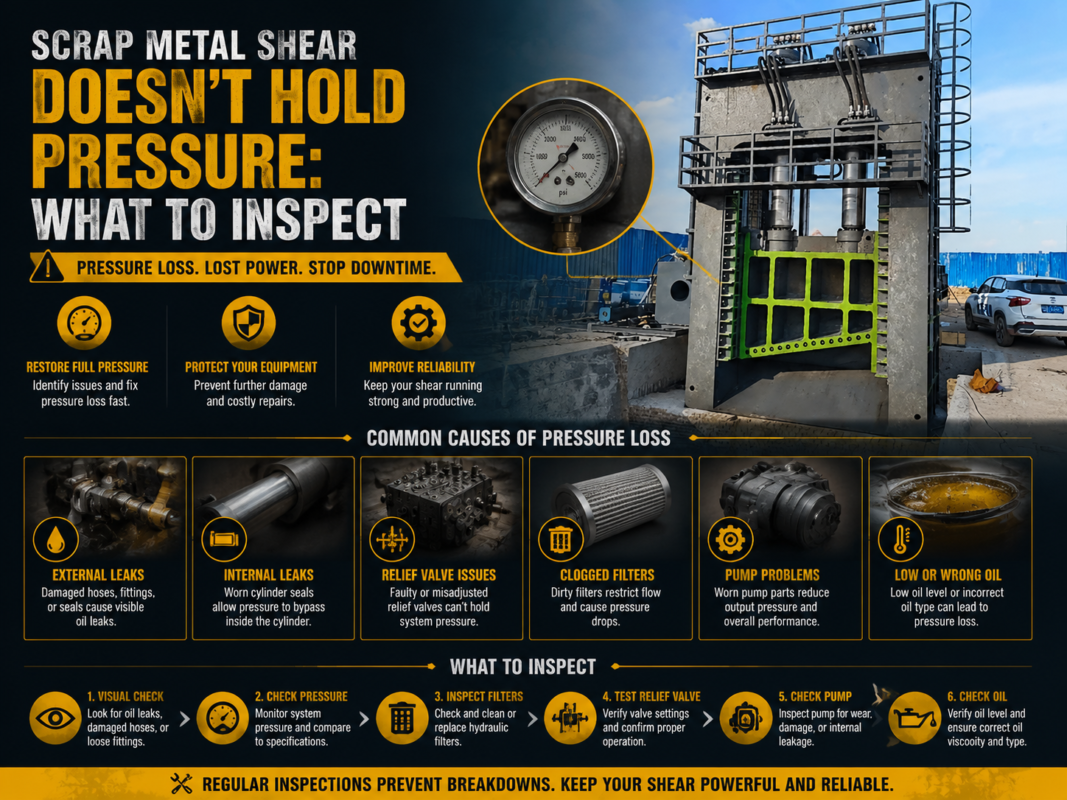
During the daily check, pay close attention to the blade bolts. The vibration inherent in shearing operations can gradually loosen even the highest-grade fasteners. A loose blade will not only produce a poor cut but can also crack under the immense pressure of a shearing cycle. Operators should also check the hydraulic fluid levels and look for any visible leaks around the cylinders. A drop in pressure due to a leak is a primary culprit when a machine fails to Keep Scrap Metal Shear Cutting Accuracy Over Time. Finally, ensure that the work area is clean; a cluttered environment leads to improper material feeding, which is a common cause of off-center loading and subsequent alignment issues.
In-Depth Hydraulic System Maintenance
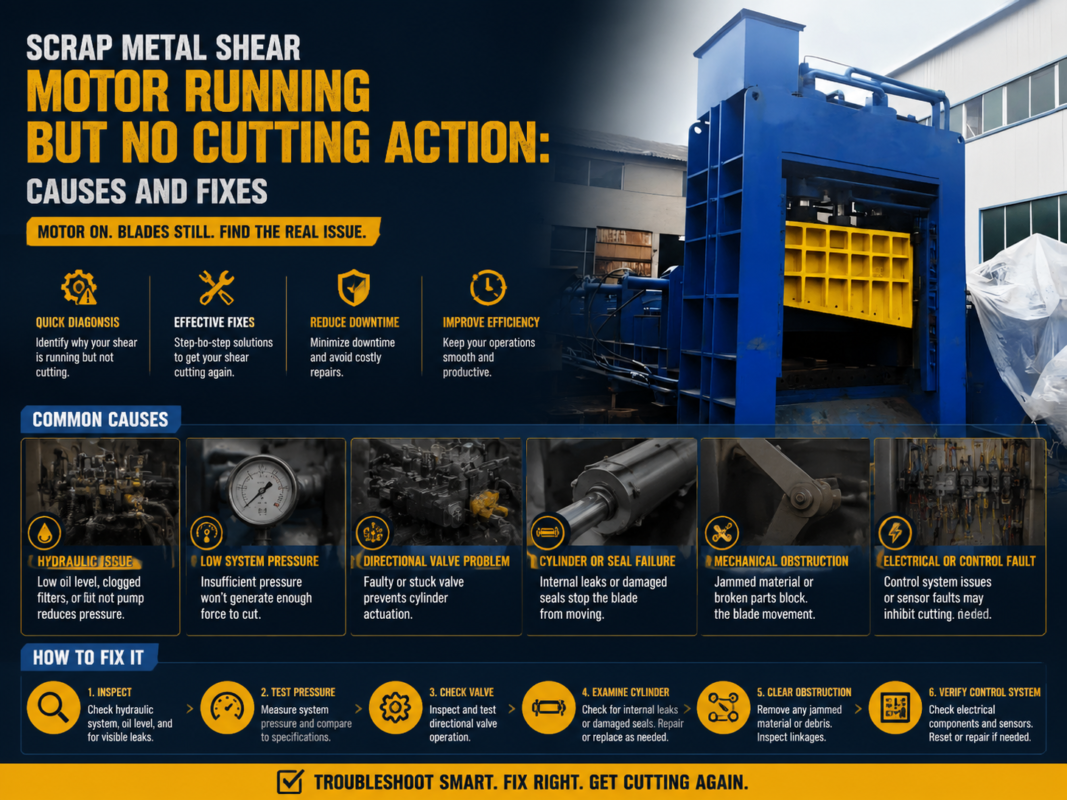
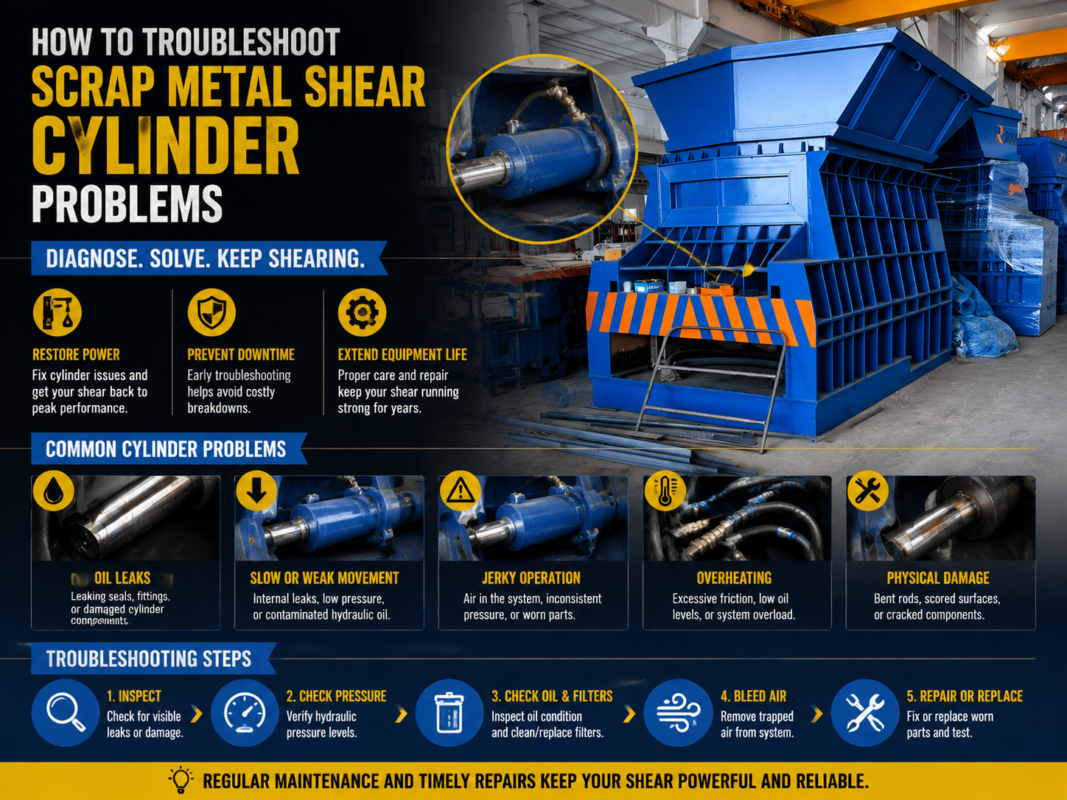
The hydraulic system is the heart of the scrap metal shear. To maintain cutting accuracy, the hydraulic fluid must be kept at the correct viscosity and cleanliness level. Contaminated oil is the enemy of precision. Microscopic particles can score the internal surfaces of valves and cylinders, leading to internal leakage. When internal leakage occurs, the cylinder may not extend at a perfectly consistent rate, or it may fail to hold the required pressure at the peak of the shear stroke, resulting in an incomplete or uneven cut.
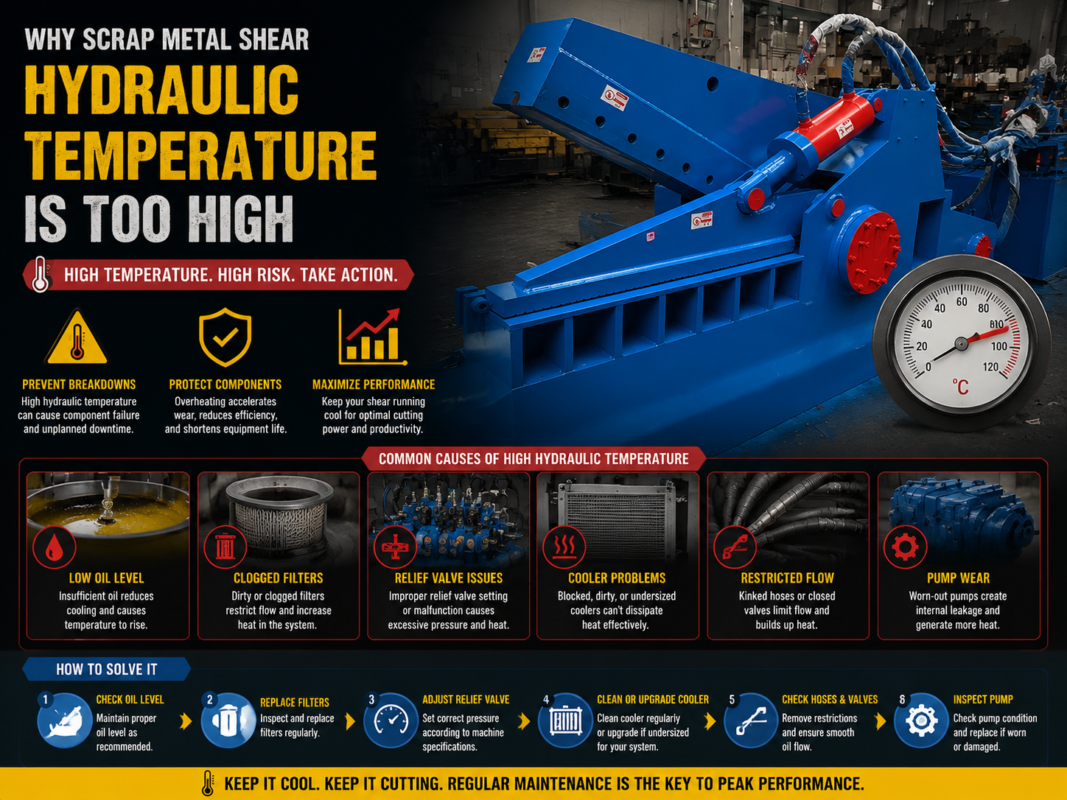
Temperature management is equally critical. As hydraulic oil heats up, its viscosity drops. If the oil becomes too thin, the system’s responsiveness changes, and the timing of the shear stroke can be affected. Most modern HARSLE shears are equipped with cooling systems, but these must be checked regularly to ensure they are free of dust and debris. Regularly replacing hydraulic filters and performing oil analysis can help you identify potential pump failures before they impact your cutting accuracy. Remember, a stable hydraulic environment is essential to Keep Scrap Metal Shear Cutting Accuracy Over Time.
Electrical and Control System Integrity
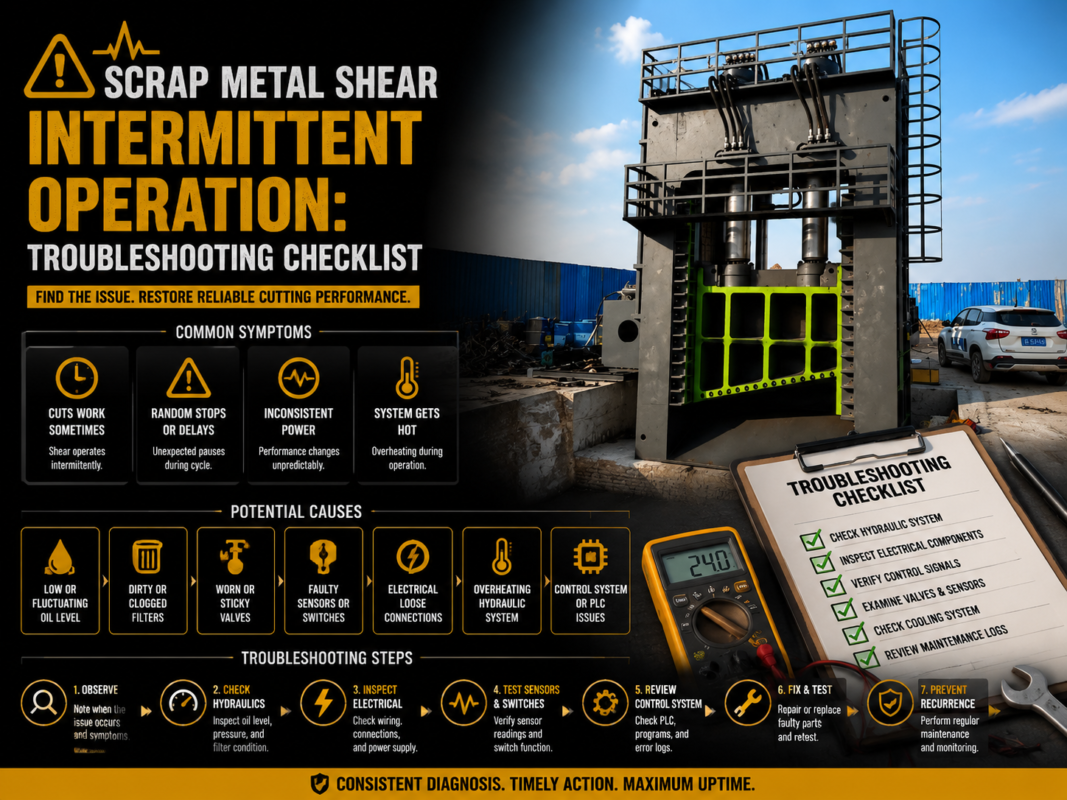
While the mechanical and hydraulic systems do the heavy lifting, the electrical control system provides the ‘brain’ that ensures accuracy. Modern shears often utilize PLCs (Programmable Logic Controllers) and sensors to manage the stroke length and the timing of the hold-down clamps. If a sensor becomes misaligned or coated in grease and metal dust, it may send incorrect signals to the controller. This can result in the shear blade not returning to its full height or the hold-down clamp not applying sufficient pressure before the cut begins.
Check all wiring for signs of fraying or heat damage, especially near moving parts. Ensure that the control cabinet is sealed against the ingress of metallic dust, which can cause short circuits or erratic behavior in electronic components. Calibration of the digital readouts (if equipped) should be performed monthly to ensure that the operator’s settings accurately reflect the physical position of the blades. Maintaining the electrical integrity of the machine is a subtle but vital part of the strategy to Keep Scrap Metal Shear Cutting Accuracy Over Time.
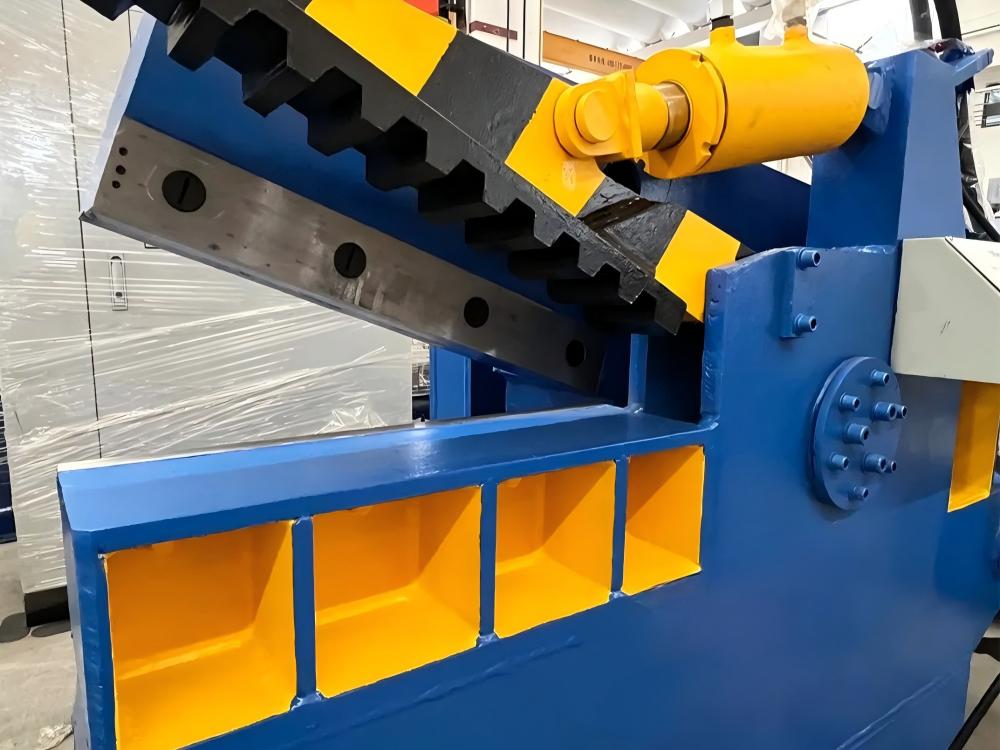
Mechanical Components and Blade Alignment
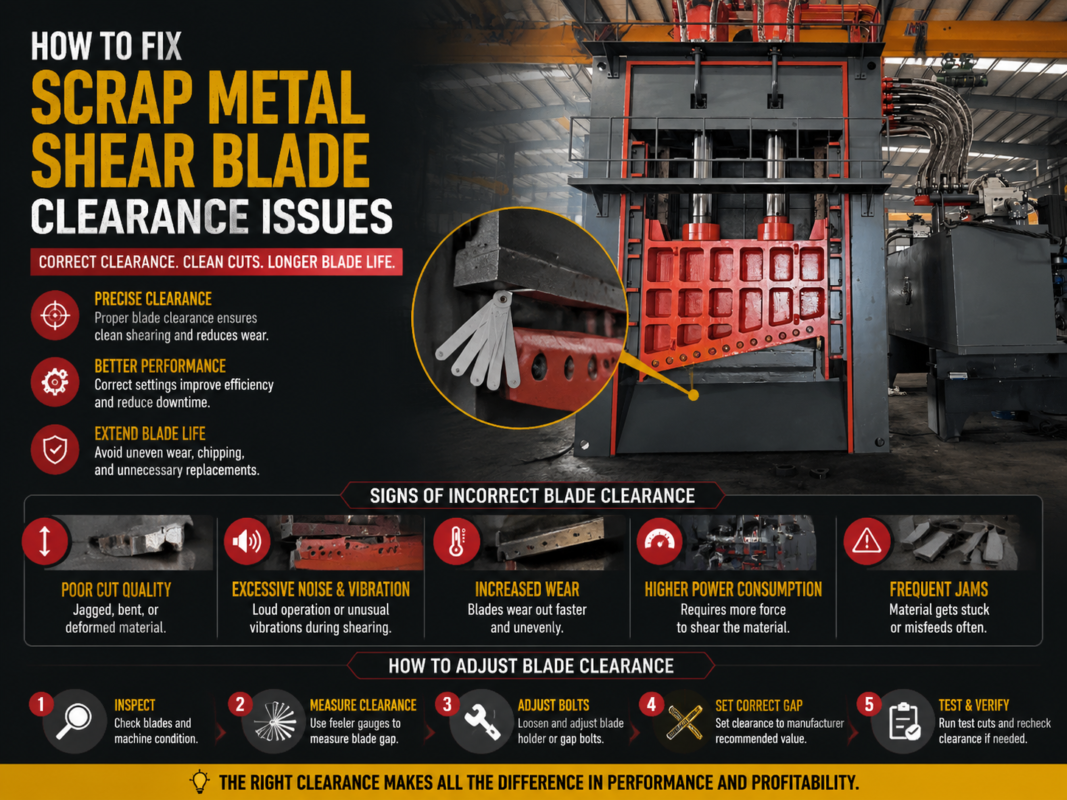
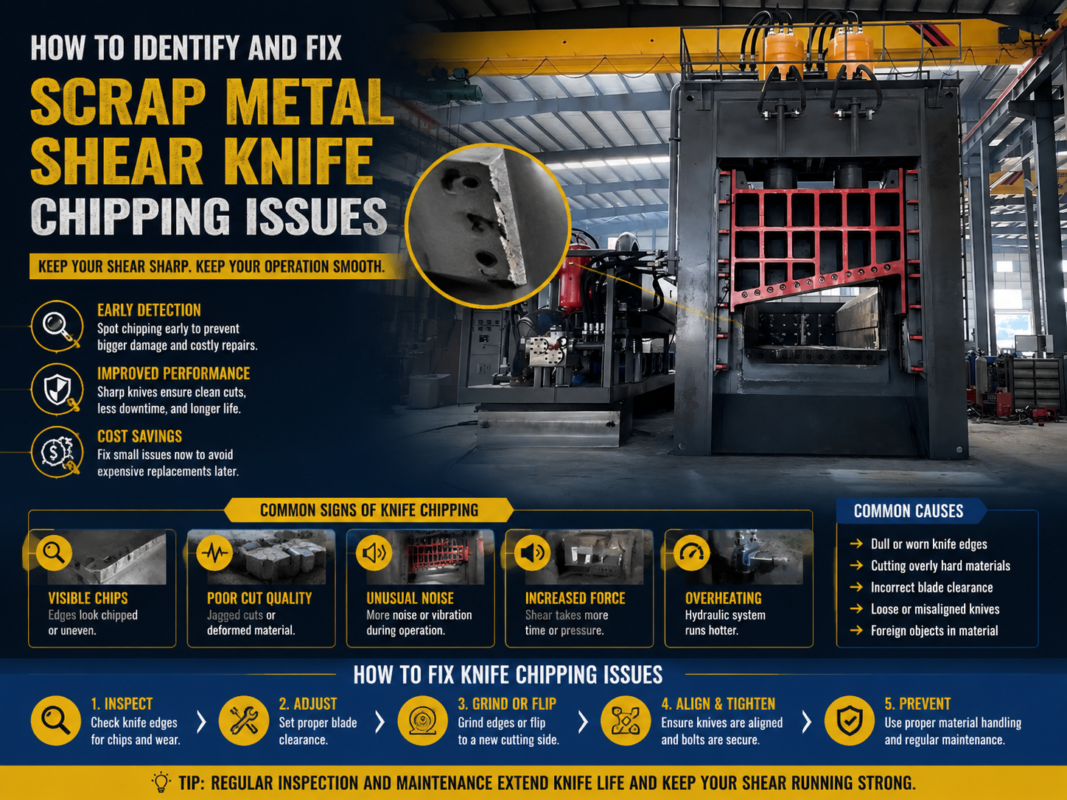
The physical relationship between the upper and lower blades—known as the blade gap or clearance—is the most critical mechanical factor in cutting accuracy. This gap must be adjusted based on the thickness and type of material being processed. If the gap is too narrow, the blades may rub against each other, causing rapid wear and potential chipping. If the gap is too wide, the metal will tear or fold rather than cut. To Keep Scrap Metal Shear Cutting Accuracy Over Time, the blade gap must be measured with feeler gauges at multiple points along the length of the blades at least once a week.
Furthermore, the blades themselves are wear items. Even the highest-quality tool steel will eventually dull. Most HARSLE shear blades are designed with multiple cutting edges, allowing them to be rotated before they need professional regrinding. When rotating or replacing blades, it is imperative to clean the blade seats thoroughly. Any burr or piece of grit on the seat will prevent the blade from sitting flat, throwing off the entire alignment. Proper torqueing of the blade bolts in a specific sequence is also necessary to ensure even pressure distribution across the blade surface.
Developing a Robust Lubrication Plan
Friction is the enemy of precision. In a scrap metal shear, there are numerous pivot points, slides, and bushings that are subjected to extreme loads. Without proper lubrication, these components will wear prematurely, leading to ‘play’ or slop in the mechanical movement. Once a pivot point develops play, the shear arm can shift laterally during a cut, making it impossible to Keep Scrap Metal Shear Cutting Accuracy Over Time. A dedicated lubrication plan is the simplest and most effective way to prevent this.
Use only the lubricants recommended by the manufacturer. High-pressure grease is typically required for the main pivot pins, while lighter oils may be used for secondary linkages. Automatic lubrication systems are a fantastic feature on many HARSLE machines, but they are not ‘set and forget.’ You must regularly check that the grease lines are not blocked or broken. If you are lubricating manually, create a logbook to ensure that no grease point is missed. Consistent lubrication creates a thin film of protection that absorbs shock and reduces the heat generated during the shearing process, preserving the tight tolerances required for accurate cutting.
Troubleshooting Common Accuracy Issues
Even with the best maintenance, issues can arise. Knowing how to read the ‘symptoms’ of your machine can help you quickly restore accuracy. For example, if you notice that the metal is consistently burred on one side, it usually indicates that the blade gap is uneven from one end to the other. If the machine seems to struggle or ‘groan’ during a cut that it previously handled with ease, check for hydraulic pressure drops or extremely dull blades.
Another common issue is ‘bowing’ of the cut material. This often happens when the hold-down system is not functioning correctly, allowing the metal to lift during the shear stroke. Inspect the hold-down cylinders for leaks or worn pads. If the shear makes a loud ‘clunking’ sound at the end of the stroke, it may indicate that the nitrogen return cylinders are low on pressure or that the mechanical stops are worn. By addressing these signals early, you can Keep Scrap Metal Shear Cutting Accuracy Over Time and avoid the high costs of major repairs.
Comprehensive Maintenance Schedule Table
To help your team stay organized, use the following maintenance schedule as a baseline for your scrap metal shear operations. Adjust the frequency based on your specific shift patterns and material types.
| Frequency | Component | Action Required |
|---|---|---|
| Daily | Blades & Area | Clear debris, visual check for chips or cracks. |
| Daily | Hydraulic System | Check oil level and look for external leaks. |
| Daily | Safety Guards | Ensure all sensors and emergency stops are functional. |
| Weekly | Blade Bolts | Check torque and tighten if necessary. |
| Weekly | Blade Gap | Measure with feeler gauges; adjust for material thickness. |
| Weekly | Lubrication | Grease all manual points; check auto-lube reservoir. |
| Monthly | Hydraulic Filters | Inspect and replace if the indicator shows contamination. |
| Monthly | Electrical System | Clean control cabinet and check for loose wiring. |
| Quarterly | Hydraulic Oil | Perform oil analysis to check for microscopic wear particles. |
| Annually | Main Pivot Pins | Inspect for wear or play; replace bushings if needed. |
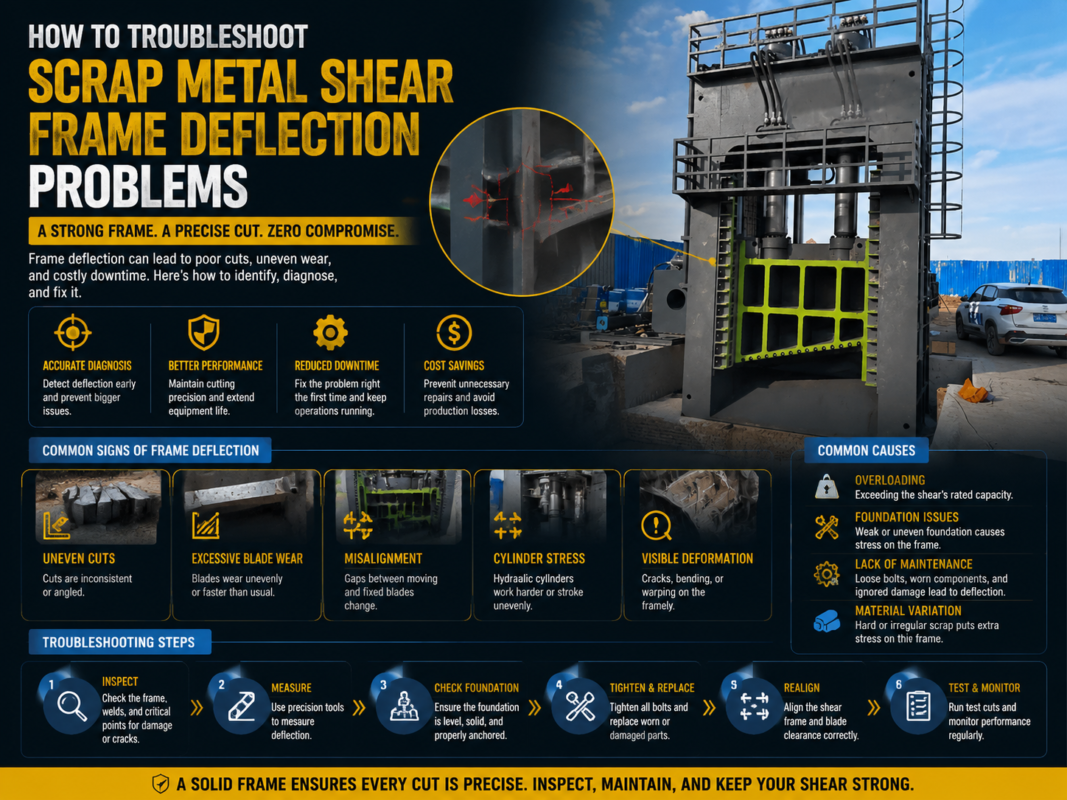
| Annually | Structure | Professional ultrasonic testing for frame stress cracks. |
Frequently Asked Questions
How often should I sharpen my scrap metal shear blades?
The frequency of sharpening depends entirely on the volume and type of material you cut. For standard structural steel, you may need to rotate the blades every 2-4 months. Once all four edges are dull, they should be sent to a professional grinding service. To Keep Scrap Metal Shear Cutting Accuracy Over Time, never wait until the blades are rounded; sharpen them as soon as you notice a significant increase in burr height on your cuts.
Can I use any hydraulic oil in my HARSLE shear?
No. You should always use the specific grade of hydraulic oil recommended in your user manual (usually ISO VG 46 or 68). Using the wrong oil can lead to poor pump performance, seal degradation, and loss of cutting precision due to improper viscosity at operating temperatures.
What is the most common cause of a loss in cutting accuracy?
In most cases, the culprit is an incorrect blade gap. Over time, the bolts holding the blades or the adjustment shims can shift slightly. Regularly checking and recalibrating the gap is the single most effective way to Keep Scrap Metal Shear Cutting Accuracy Over Time.
Why is my shear vibrating more than usual?
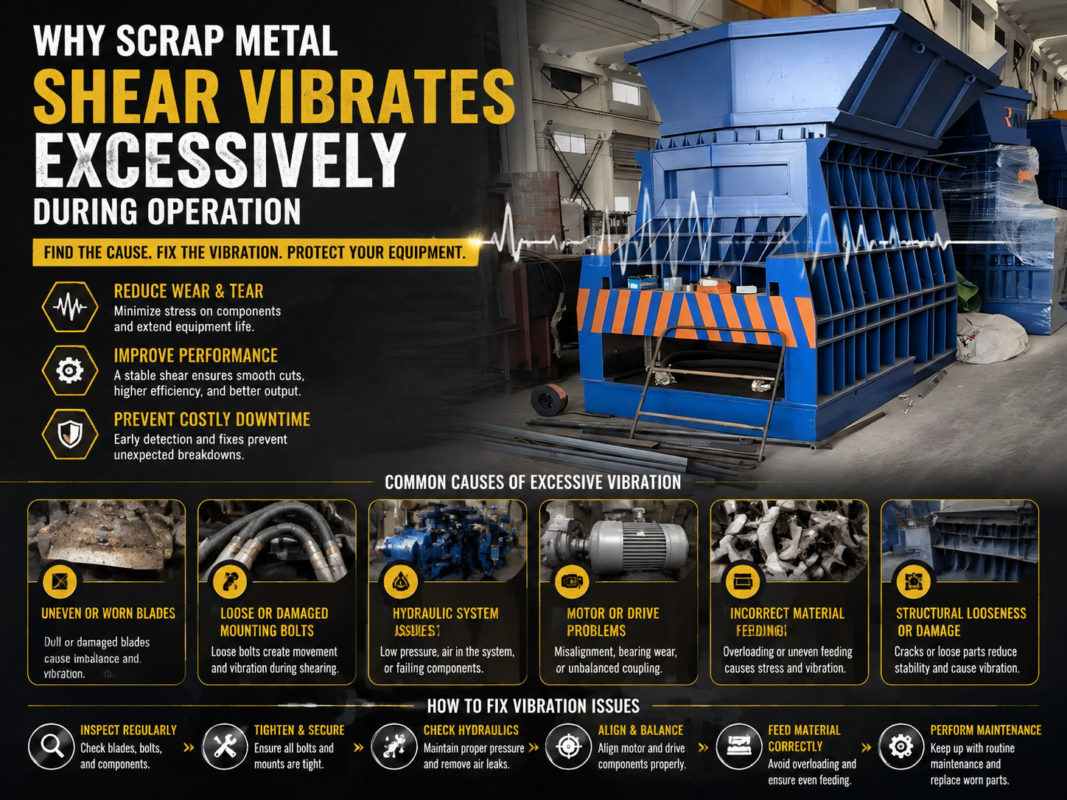
Excessive vibration is often caused by loose mounting bolts, dull blades, or an air pocket in the hydraulic system. It can also occur if the machine is not properly leveled on its foundation. Vibration is a major enemy of accuracy, as it causes fasteners to loosen and components to fatigue.
How do I know if my hold-down system is failing?
If the material you are cutting ‘kicks up’ or slides forward during the cut, your hold-down system is likely not applying enough pressure. This could be due to a leaking cylinder or a faulty pressure relief valve. A firm hold is essential for a square, accurate cut.
Conclusion
Maintaining an industrial scrap metal shear is a continuous process that requires diligence, technical knowledge, and a proactive mindset. By following the protocols outlined in this guide—from daily visual checks to rigorous hydraulic analysis—you can effectively Keep Scrap Metal Shear Cutting Accuracy Over Time. This not only protects your investment in HARSLE machinery but also ensures that your facility remains productive, safe, and competitive in the global scrap market. Remember, precision is not an accident; it is the result of a well-executed maintenance strategy.