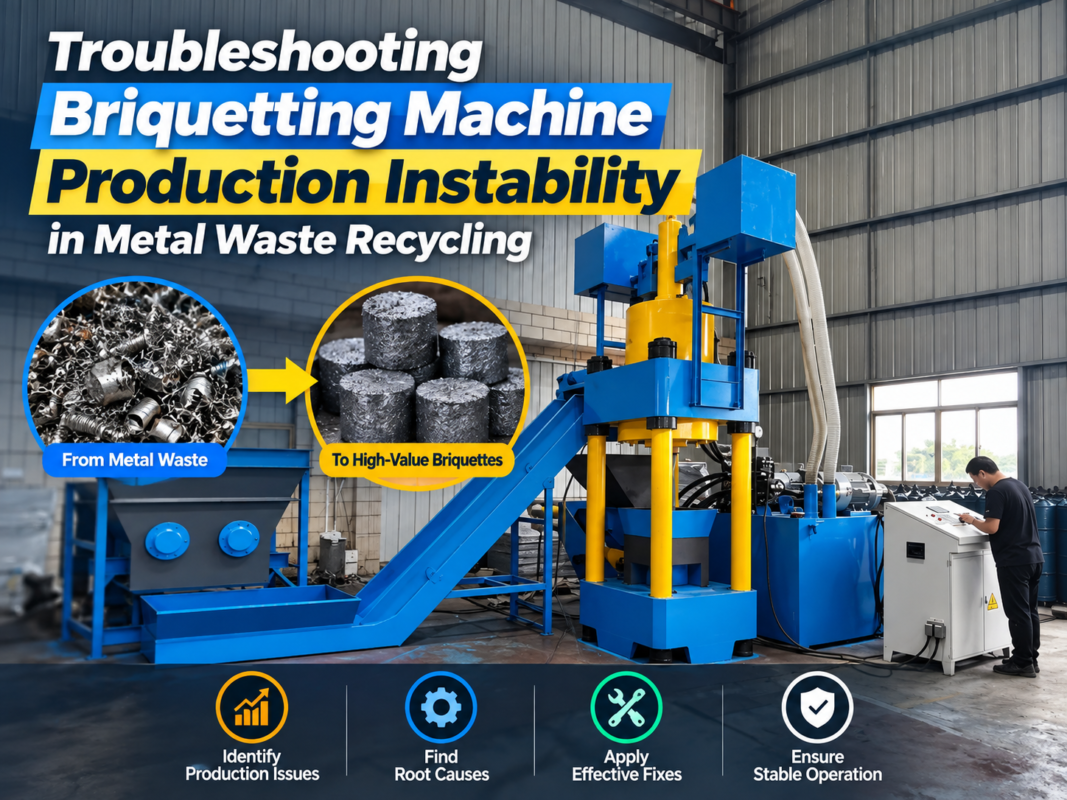
Comprehensive Scrap Metal Shear Maintenance Schedule for Fabrication Shops: A Guide to Longevity and Performance


The Critical Importance of a Scrap Metal Shear Maintenance Schedule for Fabrication Shops
In the high-intensity environment of modern metal fabrication, the scrap metal shear stands as a workhorse, processing tons of material to keep operations lean and profitable. However, the sheer force required to cut through heavy-duty steel and alloys places immense stress on every component of the machine. Implementing a rigorous Scrap Metal Shear Maintenance Schedule for Fabrication Shops is not merely a recommendation; it is a fundamental necessity for operational continuity. Without a structured approach to upkeep, these machines are prone to sudden hydraulic failures, blade dulling, and structural fatigue, all of which can lead to expensive downtime and safety hazards.
Fabrication shops that prioritize maintenance often see a significant return on investment through extended machine life and higher resale values. A well-maintained shear operates with greater precision, reducing the energy consumption required for each cut. Furthermore, consistent maintenance ensures that safety features remain functional, protecting operators from the catastrophic risks associated with high-pressure hydraulic systems and heavy moving parts. By following a detailed schedule, shop managers can transition from reactive repairs—which are always more costly—to a proactive, predictive maintenance model.
The environment in which these shears operate is inherently hostile. Metal dust, scale, and debris can infiltrate hydraulic seals and electrical cabinets, leading to premature wear. A dedicated maintenance plan accounts for these environmental factors, ensuring that cleaning and filtration are prioritized alongside mechanical adjustments. In the following sections, we will break down the essential tasks required to keep your scrap metal shear in peak condition, ranging from daily visual checks to annual deep-system overhauls.
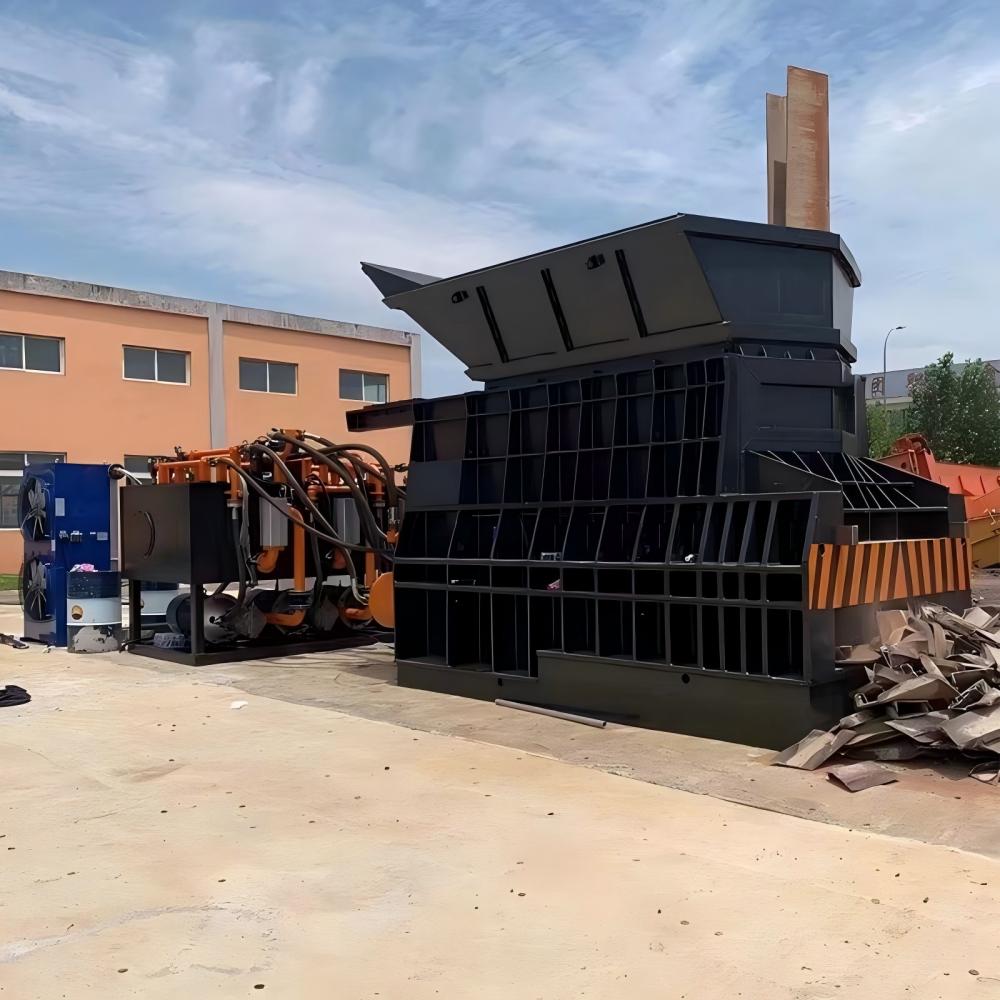
Daily Inspection: The First Line of Defense
The daily inspection is the most effective way to catch minor issues before they escalate into major failures. Every shift should begin with a comprehensive walk-around of the machine. Operators should be trained to look for signs of hydraulic fluid leaks around cylinders, hoses, and fittings. Even a small puddle can indicate a compromised seal or a loose connection that could lead to a sudden loss of pressure during a heavy cut. Checking the fluid levels in the main reservoir is equally critical; low levels can lead to pump cavitation, which causes permanent internal damage.
Beyond hydraulics, the daily check must include a visual assessment of the cutting blades. Look for chips, cracks, or excessive rounding of the edges. If the blades are dull, the shear must work harder, increasing the heat generated in the hydraulic system and putting unnecessary strain on the frame. Additionally, ensure that the throat area is clear of small metal fragments that could jam the mechanism or score the wear plates. A clean machine is a safer and more efficient machine.
Safety devices must be tested every single day. This includes emergency stop buttons, light curtains, and interlocking gates. In a fabrication shop, the speed of production can sometimes lead to shortcuts, but safety systems are non-negotiable. If an E-stop fails to cut power immediately, the machine must be locked out until the electrical fault is rectified. Documenting these daily checks in a logbook provides a paper trail that is invaluable for both safety audits and long-term maintenance tracking.
Deep Dive: Hydraulic, Electrical, and Mechanical Checks
Hydraulic System Integrity
The hydraulic system is the heart of the scrap metal shear. Maintenance here focuses on fluid cleanliness and temperature management. Over time, hydraulic oil breaks down due to heat and shear forces, losing its lubricating properties. Fabrication shops should implement a regular oil analysis program to monitor for particulate contamination and chemical degradation. Filters should be replaced according to the manufacturer’s hourly recommendations, or sooner if the indicator shows high back-pressure. It is also vital to inspect the heat exchanger or cooling system; if the oil exceeds 60°C (140°F), its viscosity drops, leading to increased wear on the pump and valves.
Electrical System and Control Logic
Modern shears rely on sophisticated PLC (Programmable Logic Controller) systems and sensors to manage the cutting cycle. Electrical maintenance involves checking the integrity of wiring harnesses, especially in areas prone to vibration. Loose terminals are a common cause of intermittent faults that can be difficult to diagnose. Ensure that the electrical cabinet is sealed against dust and that cooling fans are operational. Periodically, a qualified technician should check the calibration of pressure transducers and limit switches to ensure the shear is operating within its designed parameters.
Mechanical Structure and Blade Clearance
The mechanical frame of a scrap metal shear is subjected to massive torsional forces. Regularly inspect the main pivot pins and bushings for signs of excessive play. One of the most critical mechanical adjustments is the blade clearance (the gap between the upper and lower blades). If the gap is too wide, the metal will fold rather than cut, causing a “jam” that can damage the blade seats. If it is too tight, the blades may clash, leading to catastrophic breakage. Use a feeler gauge to verify that the clearance matches the specifications for the thickness of the material being processed.
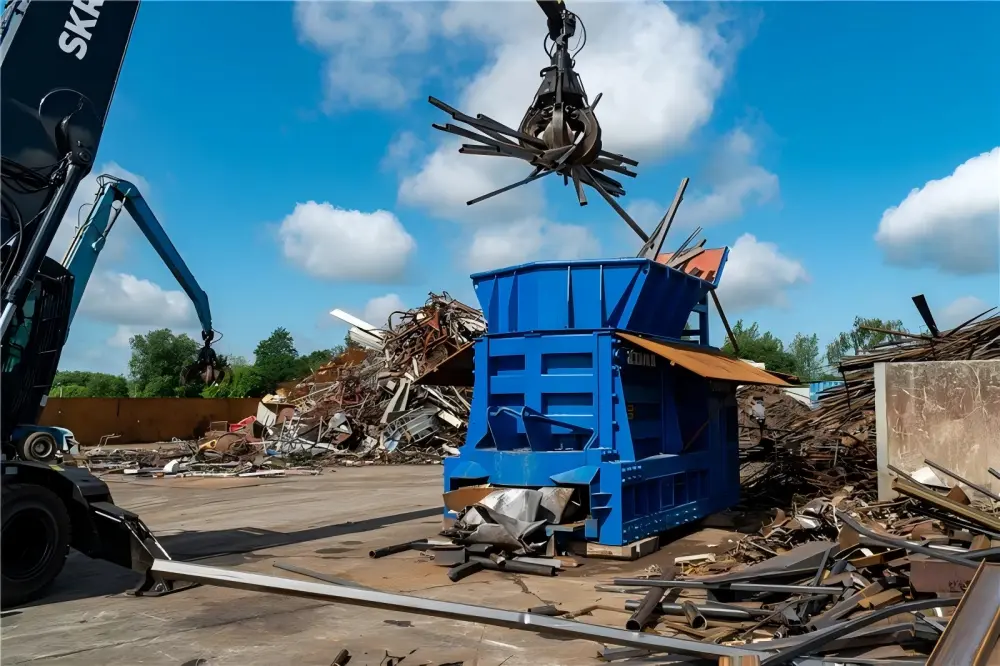
The Lubrication Plan: Reducing Friction and Wear
Lubrication is the lifeblood of the shear’s moving parts. Without a proper lubrication plan, the friction between heavy steel components will lead to rapid galling and failure. Most industrial shears feature an automatic lubrication system that delivers grease to the main slides and pivot points. However, these systems are not “set and forget.” Maintenance staff must regularly check the grease reservoir and ensure that all distribution lines are intact and not blocked by crushed metal or debris.
For machines requiring manual lubrication, a strict schedule must be followed. Use high-pressure, extreme-pressure (EP) grease that can withstand the shock loads typical of scrap processing. Pay particular attention to the gibs (the guides that hold the ram in place). These should be cleaned of old, contaminated grease before new lubricant is applied. Over-lubrication can be just as detrimental as under-lubrication, as excess grease can attract abrasive metal dust, creating a grinding paste that accelerates wear.
In colder climates, fabrication shops must ensure that the lubricant used is appropriate for the ambient temperature. Standard grease can thicken in winter, preventing it from reaching critical internal surfaces. Conversely, in high-heat environments, a more viscous lubricant may be required to maintain a protective film. Always consult the Scrap Metal Shear Maintenance Schedule Fabrication Shops documentation provided by the manufacturer for specific grade recommendations.
Troubleshooting Signals: When to Stop the Machine
Operators should be trained to recognize the “early warning signs” of mechanical distress. Unusual noises are often the first indicator of trouble. A high-pitched squeal may indicate pump cavitation or a restricted suction line, while a heavy knocking sound could suggest a loose blade or a failing bearing. If the shear cycle time begins to slow down, it often points to internal leakage in the hydraulic cylinders or a declining pump efficiency. Ignoring these signals usually leads to a much more expensive repair down the line.
Another critical signal is excessive heat. If the hydraulic tank feels unusually hot to the touch or if there is a smell of burnt oil, the machine should be shut down immediately. Heat is the primary enemy of hydraulic seals; once they are baked, they will harden and leak. Similarly, if the cut quality begins to deteriorate—characterized by excessive burrs or “tearing” of the metal—it is a clear sign that the blades need to be rotated, sharpened, or adjusted. Monitoring these signals allows for “just-in-time” maintenance that prevents total system failure.
Comprehensive Maintenance Schedule Table
To assist fabrication shops in organizing their efforts, the following table outlines a standard Scrap Metal Shear Maintenance Schedule. Note that these intervals may need to be shortened for high-volume, multi-shift operations.
| Frequency | Component | Action Required |
|---|---|---|
| Daily | Hydraulic System | Check oil level, inspect for leaks, check oil temperature. |
| Daily | Safety Systems | Test E-stops, light curtains, and interlocking guards. |
| Daily | Cutting Area | Clear debris, inspect blades for visible damage. |
| Weekly | Lubrication | Check auto-lube reservoir, manually grease secondary points. |
| Weekly | Mechanical | Inspect blade bolts for tightness, check gib clearance. |
| Monthly | Filters | Inspect and/or replace hydraulic return and suction filters. |
| Monthly | Electrical | Clean control cabinet, check for loose wiring/terminals. |
| Quarterly | Hydraulic Oil | Perform oil analysis for contamination and additives. |
| Quarterly | Structure | Inspect frame welds for stress cracks or fatigue. |
| Annually | Full System | Drain and replace hydraulic oil, calibrate all sensors, flip/sharpen blades. |
Frequently Asked Questions (FAQ)
How often should scrap metal shear blades be sharpened?
The frequency of blade sharpening depends entirely on the volume and type of material being processed. For a typical fabrication shop running one shift, blades may need to be rotated every 3-6 months and professionally sharpened once a year. However, processing high-tensile alloys or contaminated scrap will accelerate wear significantly. Always monitor cut quality as the primary indicator.
What type of hydraulic oil is best for heavy-duty shears?
Most manufacturers recommend an ISO VG 46 or 68 anti-wear hydraulic oil. In very cold environments, a multi-grade oil with a high viscosity index (VI) may be necessary to ensure smooth start-ups. Always refer to your specific machine manual, as using the wrong oil can void warranties and damage sensitive pump components.
Can I perform maintenance while the machine is running?
Absolutely not. All maintenance, except for certain diagnostic pressure tests performed by qualified technicians, must be done with the machine powered down and locked out according to OSHA or local safety standards. Ensure all hydraulic pressure is bled from the system before loosening any fittings, as high-pressure fluid injection is a life-threatening injury.
Why is my shear losing cutting power?
Loss of power is usually attributed to one of three things: internal bypass in the hydraulic cylinders (worn seals), a failing hydraulic pump, or an incorrectly set relief valve. First, check the system pressure during a cut using a calibrated gauge. If the pressure is reaching its maximum but the shear isn’t cutting, the issue is likely mechanical or related to blade dullness.
How do I know if my automatic lubrication system is working?
Check the cycle counter on the lubrication pump and verify that grease is actually reaching the exit points at the gibs and bearings. You should see a small amount of “fresh” grease being pushed out of the joints. If the joints look dry or the reservoir level hasn’t dropped in a week, the system is likely blocked or the pump has failed.
Conclusion: Investing in Reliability
A Scrap Metal Shear Maintenance Schedule for Fabrication Shops is the backbone of a productive yard. By committing to daily, weekly, and monthly checks, you protect your most valuable assets—your equipment and your people. While maintenance requires an investment of time and resources, the cost is a fraction of what a major breakdown would entail. Partnering with a reliable manufacturer like HARSLE ensures you have access to the parts, documentation, and technical support needed to keep your machinery running at peak efficiency for decades to come. Remember, in the world of metal fabrication, the best-maintained machine is the one that generates the most profit.