Comprehensive Guide to Hydraulic Oil Maintenance Scrap Metal Shear Machines

The Critical Role of Hydraulic Oil Maintenance Scrap Metal Shear Machines
In the high-intensity world of metal recycling and industrial fabrication, the scrap metal shear stands as a cornerstone of productivity. These machines exert immense force to slice through structural steel, decommissioned vehicles, and bulky metal waste. At the heart of this power is the hydraulic system. For operators and facility managers, understanding Hydraulic Oil Maintenance Scrap Metal Shear Machines is not merely a recommendation—it is a fundamental requirement for operational longevity and safety.
Hydraulic oil serves multiple purposes beyond simply transmitting power. It acts as a lubricant for internal components, a heat transfer medium to cool the system, and a sealant to prevent internal leakage. When the quality of this oil degrades, the entire machine’s performance suffers. Neglecting maintenance leads to sluggish cycle times, increased energy consumption, and eventually, catastrophic component failure. In an industry where downtime translates directly to lost revenue, proactive oil management is the most cost-effective strategy available.
Furthermore, the environment in which scrap metal shears operate is often harsh. Dust, metal particles, and fluctuating outdoor temperatures create a perfect storm for oil contamination. Without a rigorous maintenance protocol, these contaminants act as abrasive polishing agents, wearing down precision-engineered valves and pumps from the inside out. This guide provides a deep dive into the technicalities of maintaining hydraulic health to ensure your HARSLE equipment remains at peak performance for decades.
Finally, modern hydraulic systems are designed with tighter tolerances than ever before. This means that even microscopic particles, invisible to the naked eye, can cause a valve to stick or a seal to fail. By prioritizing Hydraulic Oil Maintenance Scrap Metal Shear Machines, you are protecting a significant capital investment and ensuring that your facility meets the highest standards of industrial efficiency.
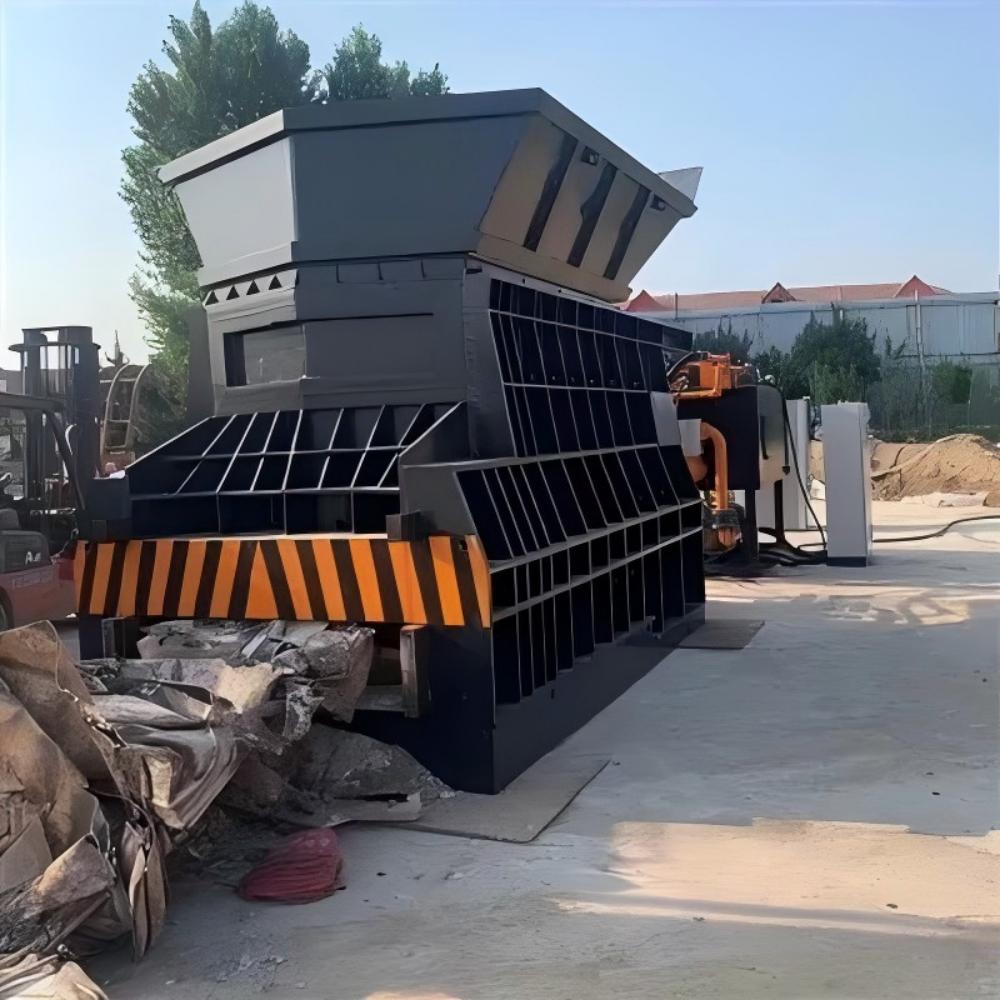
The Importance of Proactive Maintenance
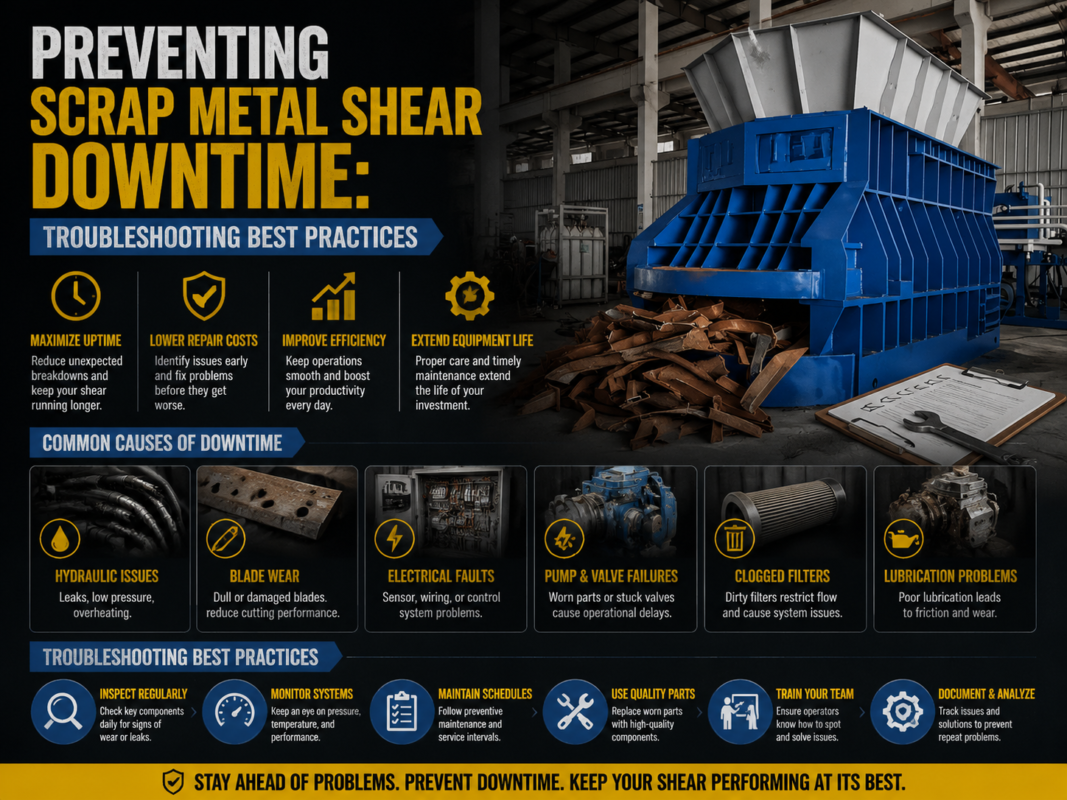
Proactive maintenance is the practice of identifying and addressing potential issues before they manifest as equipment failure. In the context of Hydraulic Oil Maintenance Scrap Metal Shear Machines, this involves regular fluid analysis, temperature monitoring, and filtration management. The primary goal is to maintain the oil’s chemical properties and cleanliness levels within the manufacturer’s specified range.
One of the most significant benefits of proactive maintenance is the extension of component life. Hydraulic pumps and motors are expensive to replace and often have long lead times. By ensuring the oil remains free of water and particulate matter, you reduce the rate of mechanical wear. This is particularly important for the high-pressure piston pumps typically found in HARSLE scrap shears, which rely on a thin film of oil to prevent metal-on-metal contact.
Energy efficiency is another critical factor. As hydraulic oil degrades, its viscosity changes. If the oil becomes too thick, the pump must work harder to move it, leading to higher electricity costs. Conversely, if the oil becomes too thin due to overheating or shear thinning, internal leakage increases, reducing the volumetric efficiency of the system. Proper maintenance ensures the oil stays within its optimal viscosity grade, maximizing the work output per kilowatt of energy consumed.
Safety cannot be overlooked. A sudden hydraulic hose burst or a valve malfunction caused by contaminated oil can lead to dangerous situations on the shop floor. High-pressure oil injections are serious medical emergencies, and mechanical failures during a cutting cycle can result in flying debris. A well-maintained hydraulic system is a predictable system, and predictability is the foundation of a safe working environment.
Daily Inspection Protocols
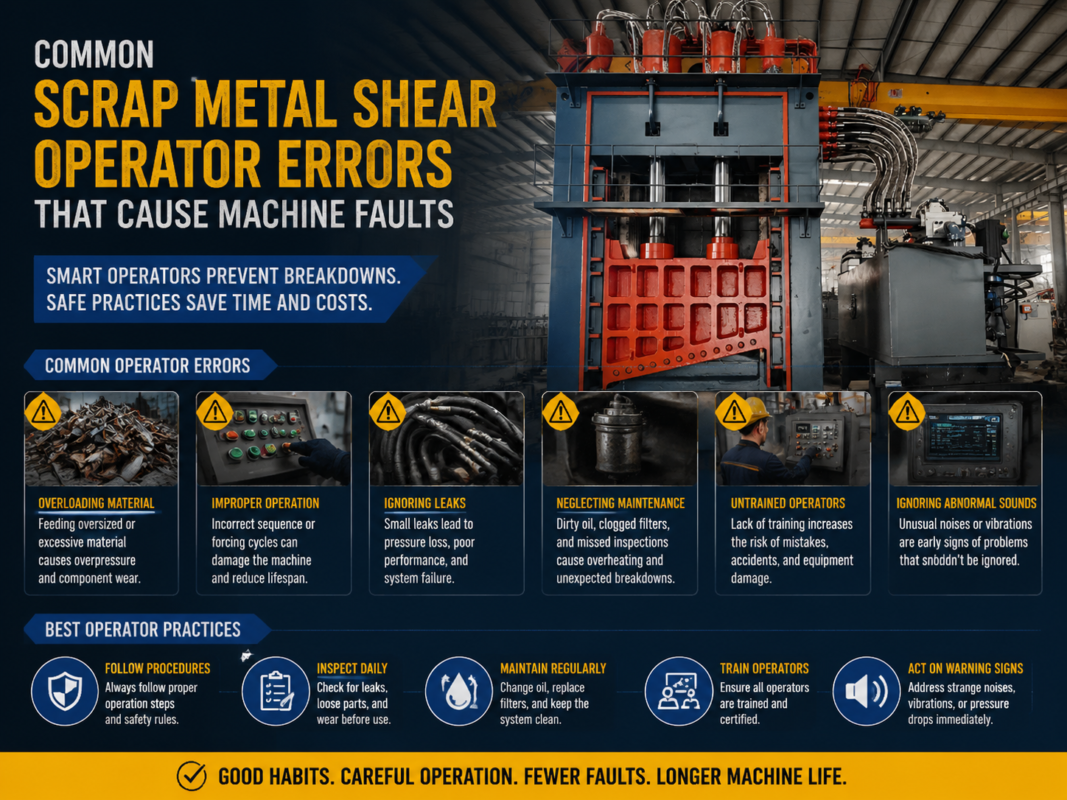
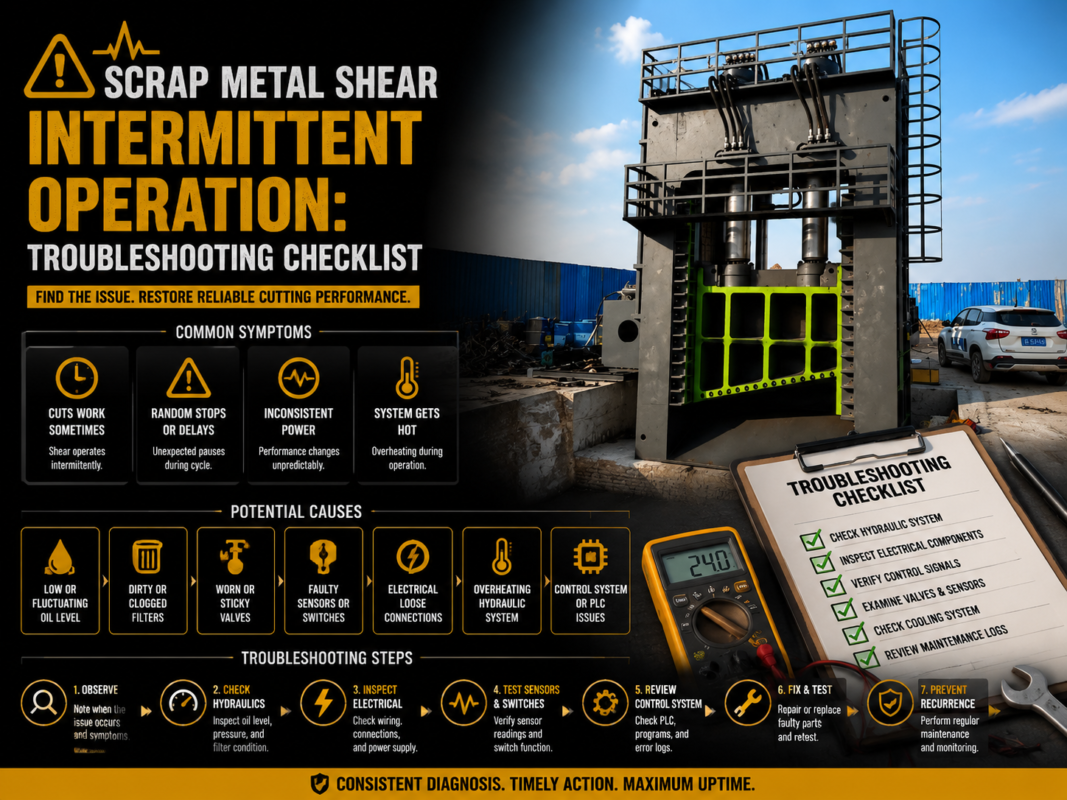
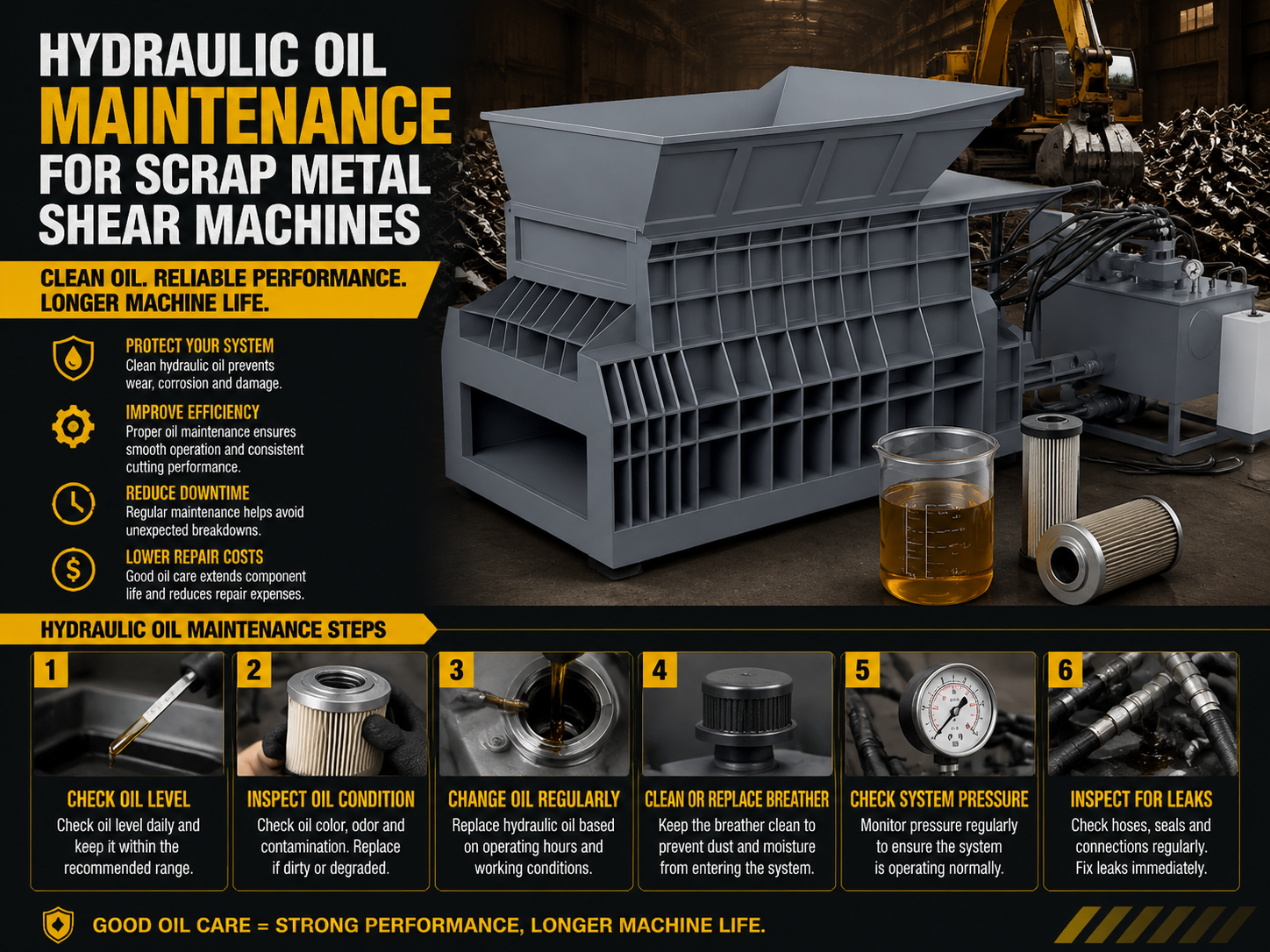
The first line of defense in Hydraulic Oil Maintenance Scrap Metal Shear Machines is the daily inspection. This should be a standardized walk-around performed by the operator at the start of every shift. The goal is to catch obvious signs of distress before they escalate into major repairs. Operators should be trained to look, listen, and smell for irregularities.
Start with the oil level. Most scrap shears are equipped with a sight glass or a digital level sensor on the main reservoir. The oil level should be checked when the cylinders are in a specific position (usually fully retracted) to ensure consistency. A sudden drop in oil level is a clear indicator of a leak, while a sudden rise could indicate water ingress or a failing heat exchanger leaking coolant into the oil.
Next, inspect the clarity of the oil. While a sight glass doesn’t provide a full laboratory analysis, it can reveal major issues. If the oil appears milky, it is contaminated with water. If it appears dark or smells burnt, it has likely been subjected to excessive heat and has oxidized. Foaming in the sight glass suggests air is being drawn into the system, often through a loose suction line or a failing pump seal.
Check for external leaks around fittings, hoses, and cylinder rods. Even a small “weep” can attract dust and grime, creating an abrasive paste that damages seals. Furthermore, a small leak under high pressure can quickly become a major spill, leading to environmental hazards and slip-and-fall risks. Ensure that all breather caps are clean and unobstructed, as a clogged breather can cause a vacuum in the reservoir, leading to pump cavitation.
Hydraulic, Electrical, and Mechanical Checks
Hydraulic System Integrity
Beyond the daily visual check, a deeper dive into the hydraulic system is required weekly. This includes checking the pressure settings of the relief valves. Over time, vibration can cause adjustment screws to drift. If the pressure is too low, the shear won’t have the power to cut through heavy scrap; if it’s too high, it puts unnecessary stress on the structure and hydraulic components. Use calibrated gauges to verify that the system is operating within HARSLE’s recommended parameters.
Filtration is the heart of Hydraulic Oil Maintenance Scrap Metal Shear Machines. Most modern shears use a combination of suction strainers, return-line filters, and sometimes kidney-loop filtration systems. Check the differential pressure indicators on these filters. If the indicator is in the red zone, the filter is bypassing, meaning unfiltered oil is circulating through your precision valves. Never wait for a scheduled service interval to change a clogged filter.
Electrical Control Systems
The hydraulic system is only as good as the electronics that control it. Inspect the solenoid valves that direct the flow of oil. Ensure that the wiring is secure and that there are no signs of overheating at the coils. Dust and metal shavings can accumulate in electrical cabinets, leading to short circuits or erratic behavior. Use compressed air to clean out control panels and ensure that cooling fans are operational to prevent the PLC (Programmable Logic Controller) from overheating.
Mechanical Alignment and Wear
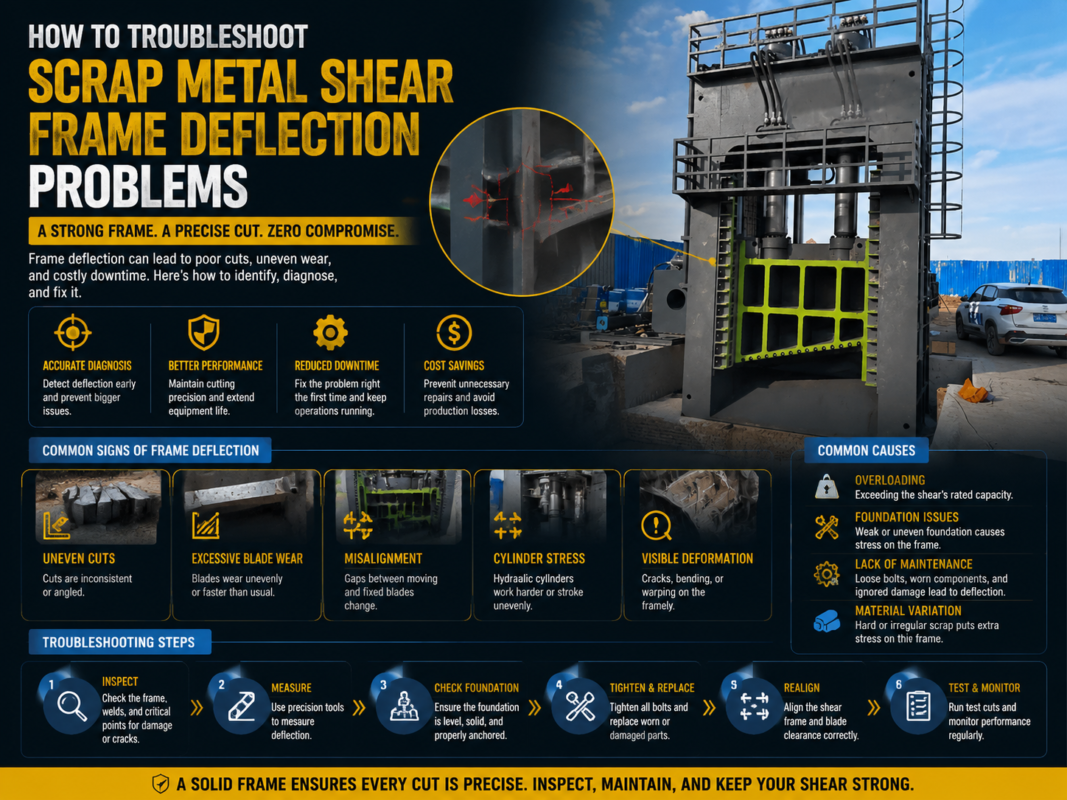
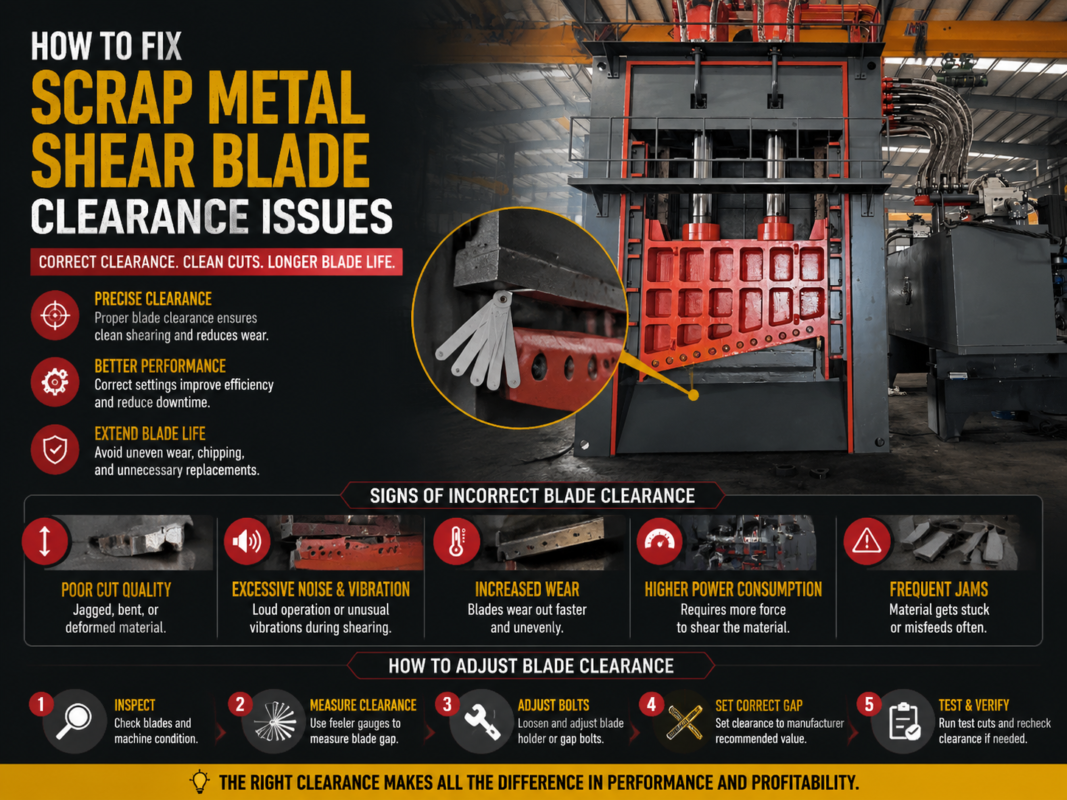
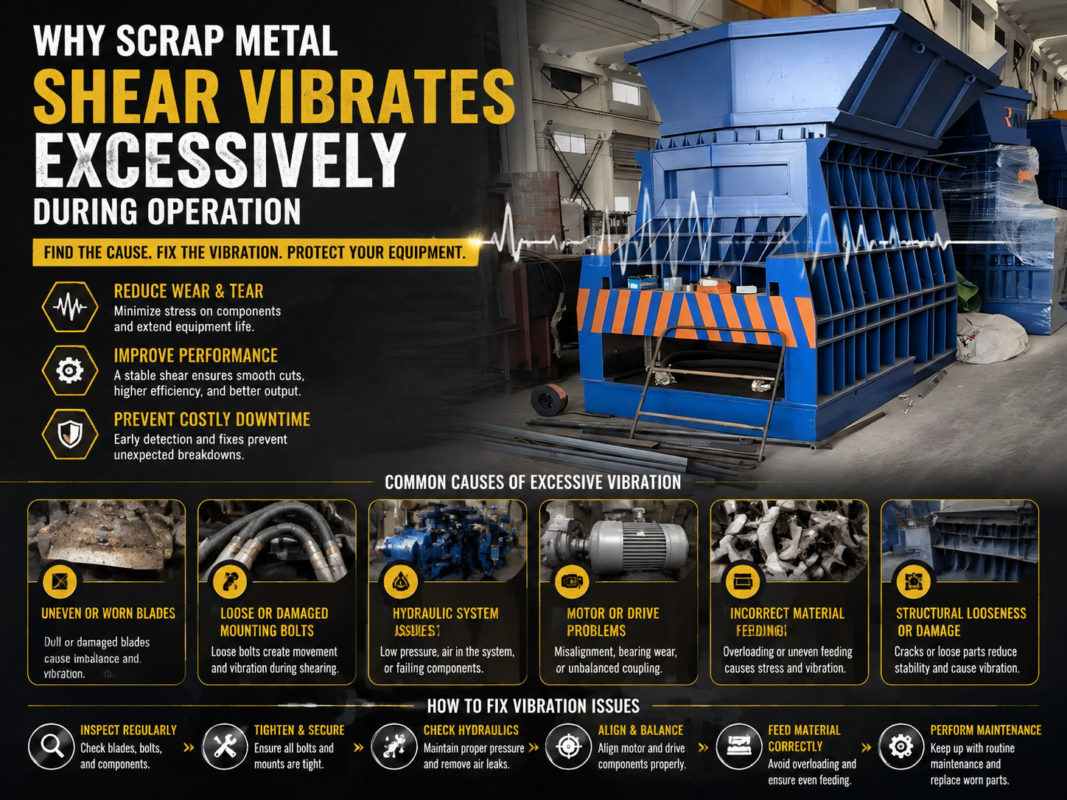
Mechanical health directly impacts hydraulic load. Check the blade gap on the shear. If the blades are dull or the gap is too wide, the hydraulic system must generate significantly more pressure to complete a cut. This increased pressure generates more heat, which in turn degrades the hydraulic oil faster. Regularly sharpening or rotating the blades and maintaining the correct shim thickness is a vital part of hydraulic maintenance. Additionally, inspect the cylinder mounting pins and bushings for excessive play, which can cause side-loading on the cylinder rods and lead to seal failure.
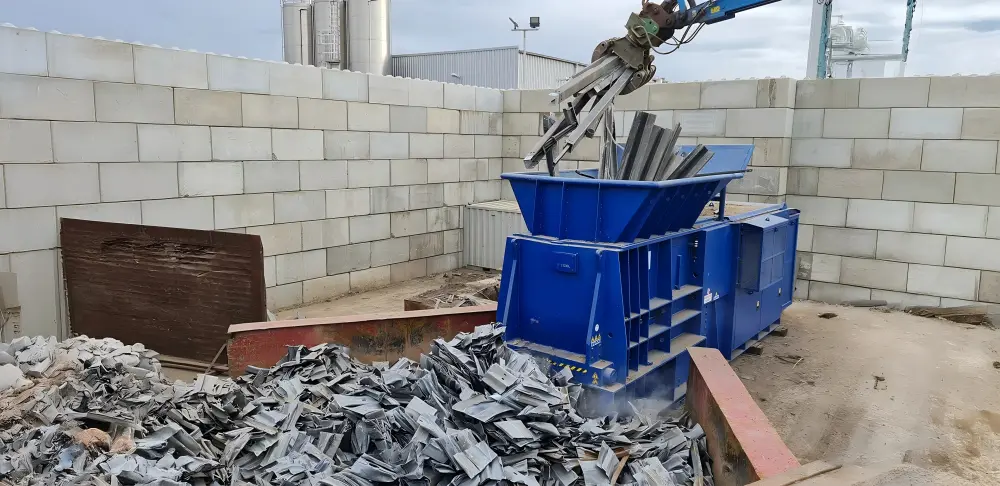
Comprehensive Lubrication Plan
While the focus is often on the hydraulic oil itself, a complete maintenance plan must include the lubrication of all moving mechanical parts. Scrap metal shears have numerous pivot points, slides, and guides that require regular greasing. Without proper lubrication, these points create friction, which adds to the mechanical load on the hydraulic system.
Develop a lubrication schedule based on operating hours. For high-volume operations, this might mean greasing certain points every 8 hours. Use a high-quality, extreme-pressure (EP) grease that can withstand the heavy shock loads typical of scrap shearing. Automatic lubrication systems are a great investment, as they deliver small, frequent doses of grease, ensuring that the bearings are always protected and purging out contaminants.
The choice of hydraulic oil is also paramount. Not all oils are created equal. For HARSLE scrap shears, we generally recommend an anti-wear (AW) hydraulic oil with a high viscosity index (VI). The high VI ensures that the oil maintains its thickness across a wide range of temperatures, which is essential for machines that start up in cold mornings and run hot in the afternoon sun. Always refer to the machine’s manual for the specific ISO viscosity grade (e.g., ISO 46 or ISO 68) required for your climate.
Troubleshooting Common Signals
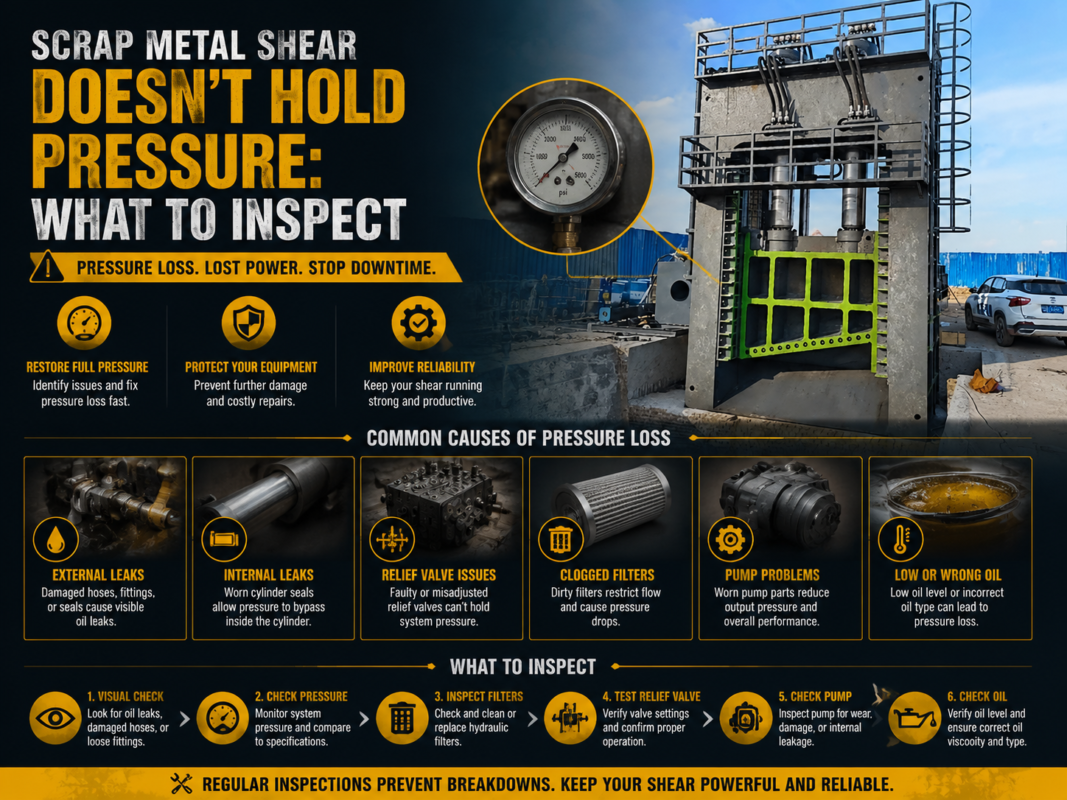
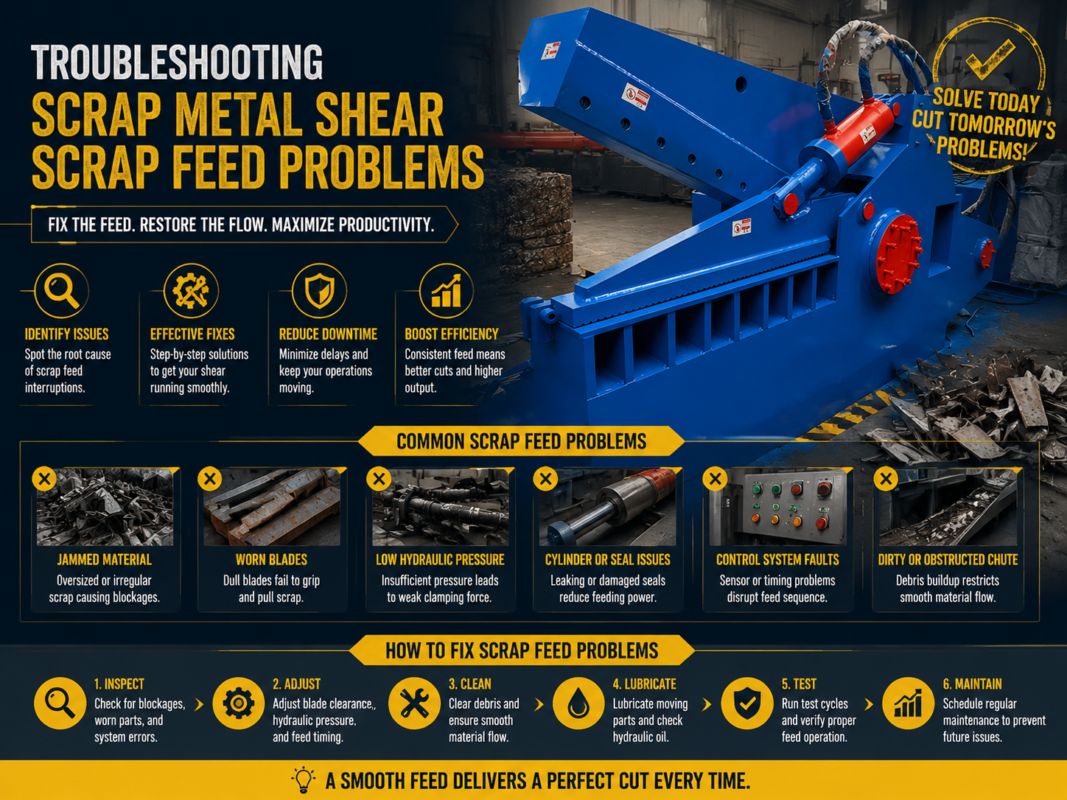
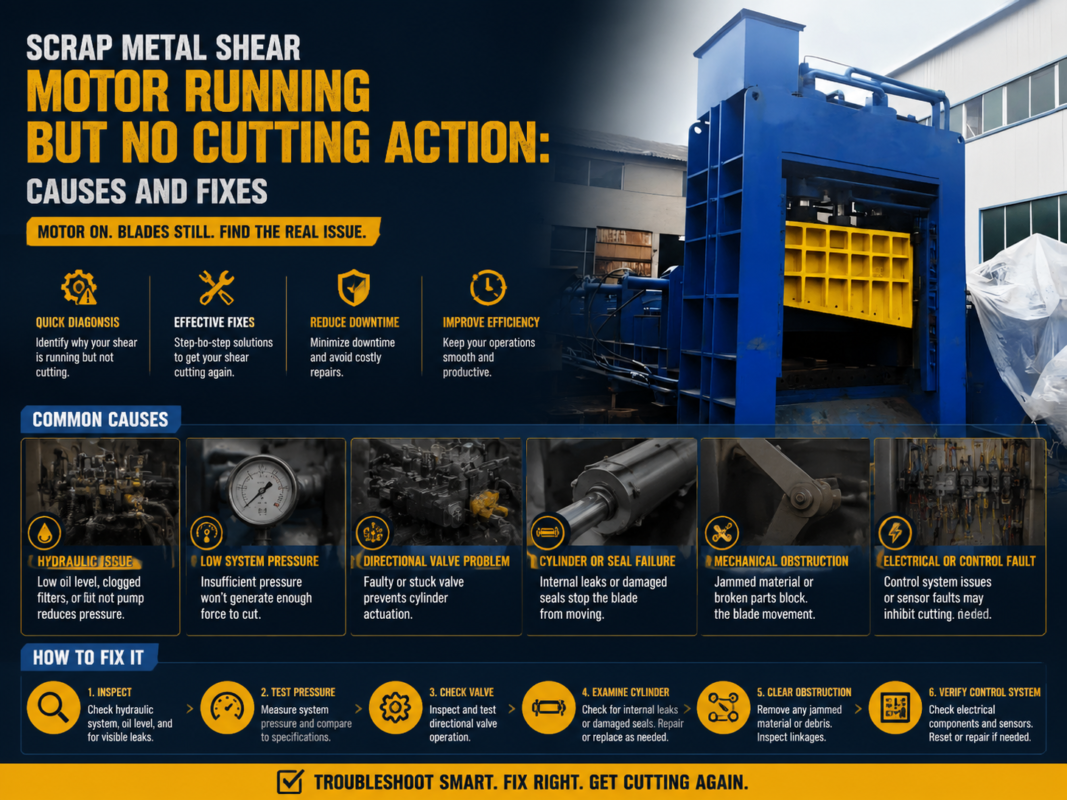
Recognizing the early warning signs of hydraulic failure can save thousands of dollars in repairs. One of the most common signals is excessive noise. A high-pitched whining or shrieking sound usually indicates pump cavitation, which occurs when the pump is starved of oil. This can be caused by a clogged suction strainer, a restricted intake line, or oil that is too thick for the ambient temperature.
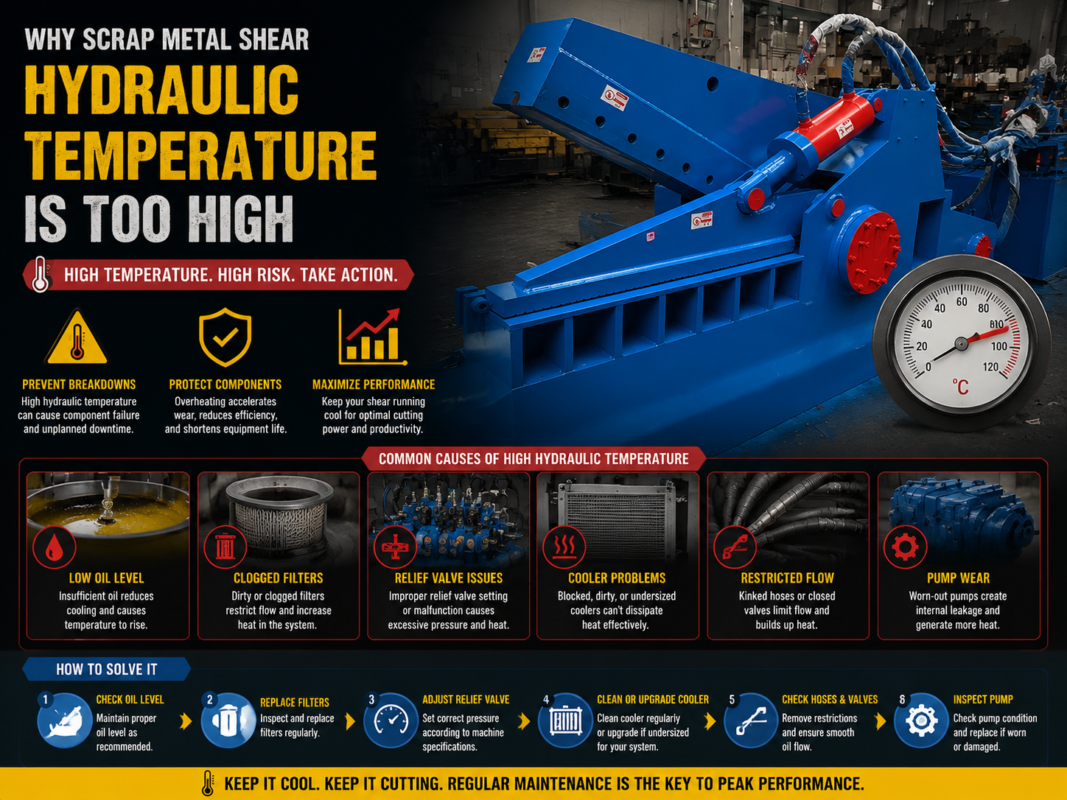
Overheating is another major red flag. Most hydraulic systems are designed to operate below 60°C (140°F). If the oil temperature exceeds this, the oxidation process accelerates exponentially. For every 10°C increase above the recommended limit, the life of the oil is effectively halved. Overheating can be caused by a failing heat exchanger, a relief valve stuck open, or a pump that is internally worn and bypassing oil.
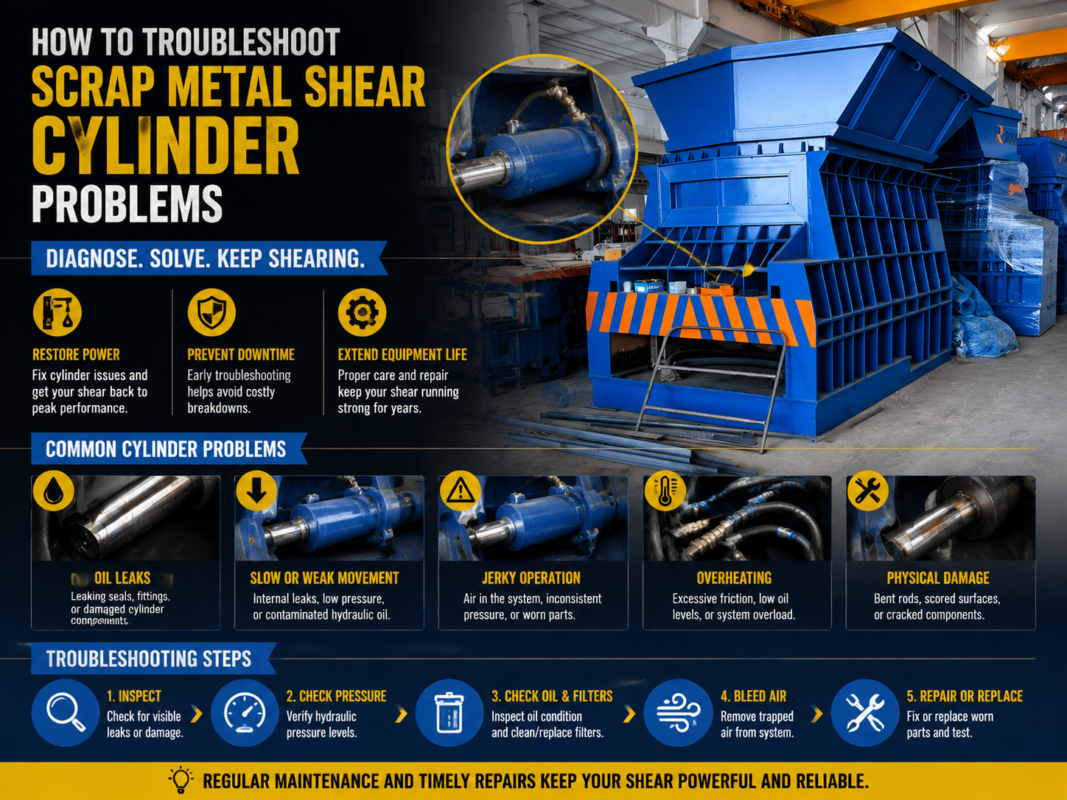
Erratic or slow movement often points to internal leakage or air in the system. If the shear cylinder moves in a jerky fashion, there may be air trapped in the lines, or the cylinder seals may be bypassing. If the machine simply feels “tired” and takes longer to complete a cycle than it used to, it is a sign that the pump’s volumetric efficiency has dropped, likely due to wear from contaminated oil. Regular oil analysis can detect the presence of brass, iron, or chrome particles, which tells you exactly which component is wearing out.
Maintenance Schedule Table
To simplify your Hydraulic Oil Maintenance Scrap Metal Shear Machines routine, follow this structured schedule. Adjust the frequency based on your specific duty cycle and environmental conditions.
| Frequency | Task | Description |
|---|---|---|
| Daily | Check Oil Level | Ensure reservoir is at the correct level; top up with clean oil if necessary. |
| Daily | Visual Leak Inspection | Check hoses, fittings, and cylinders for any signs of fluid loss. |
| Daily | Monitor Temperature | Check the oil temperature gauge during peak operation (should be <60°C). |
| Weekly | Filter Inspection | Check differential pressure indicators on all hydraulic filters. |
| Weekly | Grease Pivot Points | Apply EP grease to all manual lubrication points and check auto-lube levels. |
| Monthly | Oil Analysis | Take a sample for laboratory analysis to check for contamination and additive depletion. |
| Monthly | Clean Heat Exchanger | Remove dust and debris from air-cooled heat exchangers or check water flow in water-cooled units. |
| 6 Months | Check Accumulator Charge | Verify the nitrogen pre-charge in the hydraulic accumulators (if equipped). |
| Yearly | Full System Flush | Drain the reservoir, clean the interior, and replace the hydraulic oil and all filters. |
Frequently Asked Questions (FAQ)
1. How often should I change the hydraulic oil in my scrap shear?
While many manufacturers suggest a change every 2,000 to 4,000 hours, the best practice is to base the change on oil analysis. If the analysis shows the oil is still within specification for viscosity, cleanliness, and additive levels, you can extend its life. However, if the oil is oxidized or heavily contaminated, it must be changed immediately regardless of hours.
2. Can I mix different brands of hydraulic oil?
It is generally discouraged to mix different brands or types of oil. Even if they have the same ISO viscosity grade, different manufacturers use different additive packages. Mixing them can lead to chemical incompatibilities, resulting in the formation of sludge or the loss of anti-foaming properties. Always try to stick to one consistent product.
3. What is the most common cause of hydraulic system failure?
Contamination is responsible for up to 80% of all hydraulic system failures. This includes particulate contamination (dirt, metal shavings) and chemical contamination (water, air, heat). Maintaining a clean system through proper filtration and Hydraulic Oil Maintenance Scrap Metal Shear Machines is the most effective way to prevent failure.
4. Why is my hydraulic oil turning milky?
Milky oil is a classic sign of water contamination. Water can enter the system through worn seals, condensation in the reservoir, or a leak in a water-cooled heat exchanger. Water reduces the oil’s lubricity, causes rust, and can lead to ice formation in cold climates. The oil must be dehydrated or replaced, and the source of the water ingress must be fixed.
5. How do I know if my hydraulic pump is failing?
Common signs of pump failure include increased noise (cavitation or aeration), excessive heat generation at the pump housing, and a noticeable decrease in the machine’s speed or cutting power. If you suspect a pump issue, a flow test can confirm if the pump is meeting its rated output.
6. Does HARSLE provide maintenance support?
Yes, HARSLE offers comprehensive technical support and guidance for all our metal fabrication machinery. We provide detailed manuals, recommended spare parts lists, and expert advice to help you maintain your Hydraulic Oil Maintenance Scrap Metal Shear Machines and ensure your equipment operates reliably for years to come.