Comprehensive Guide: How to Lubricate a Scrap Metal Shear Properly for Maximum Longevity

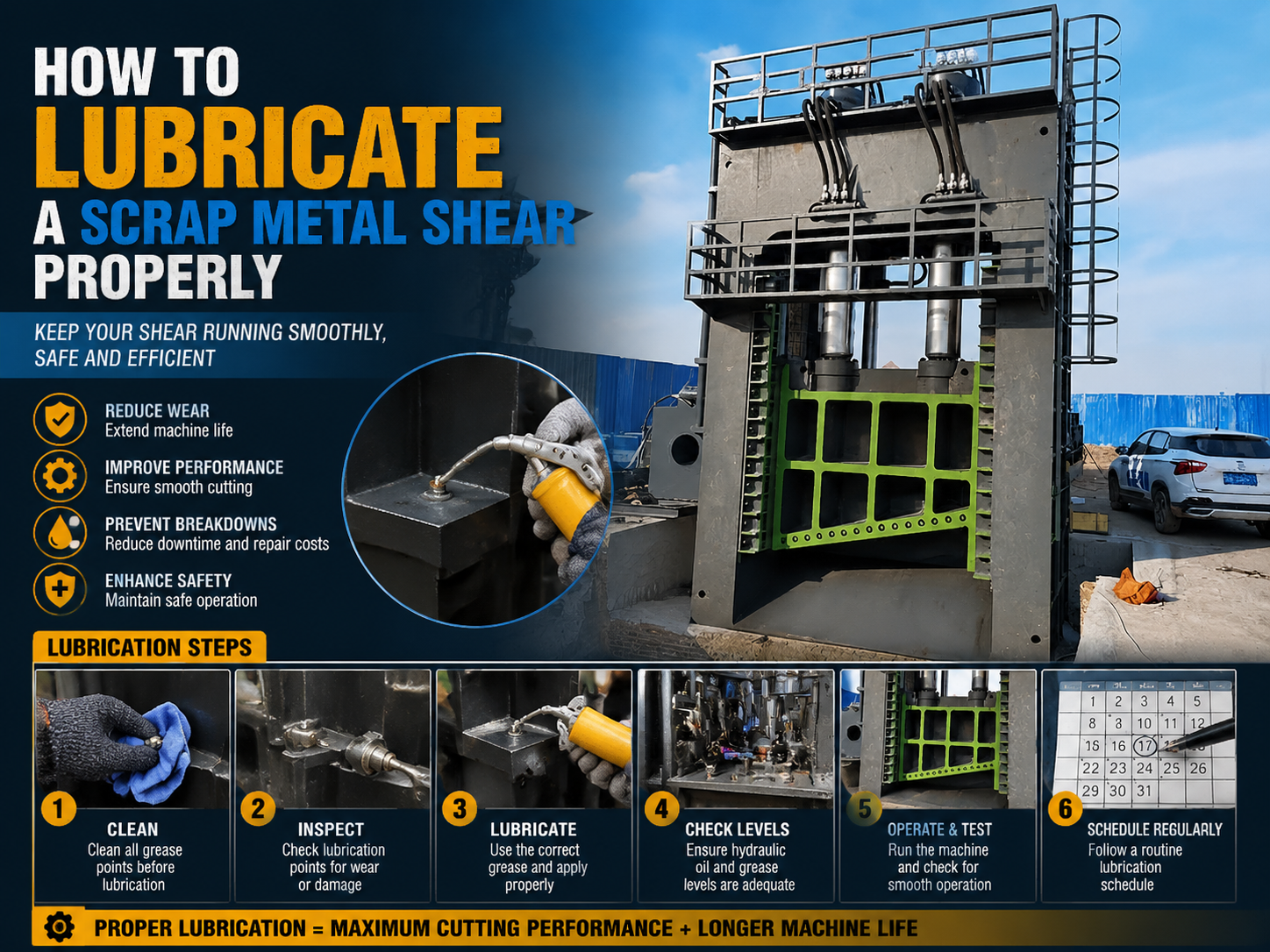
The Critical Role of Lubrication in Scrap Metal Processing
In the high-intensity world of metal recycling, the scrap metal shear stands as a cornerstone of productivity. These machines are subjected to immense pressures, abrasive dust, and fluctuating environmental temperatures. To ensure these workhorses continue to operate at peak efficiency, one must understand how to lubricate a scrap metal shear properly. Proper lubrication is not merely a suggestion; it is a fundamental requirement for the mechanical integrity and longevity of the equipment. Without a disciplined approach to lubrication, the friction generated between heavy moving parts can lead to catastrophic failure, expensive repairs, and significant operational downtime.
HARSLE, a leader in metal fabrication machinery, designs shears that are robust and durable. However, even the most advanced engineering cannot overcome the laws of physics. When metal slides against metal under hundreds of tons of pressure, the microscopic peaks and valleys of the surfaces interlock, creating heat and wear. A high-quality lubricant acts as a sacrificial barrier, preventing direct contact and dissipating heat. By learning how to lubricate a scrap metal shear properly, operators can extend the life of bushings, pins, and slides by years, ensuring a much higher return on investment for the facility.
Furthermore, lubrication serves as a cleaning agent. In a scrap yard, fine metallic dust and grit are omnipresent. These particles can act like sandpaper if they enter the moving joints of a shear. A consistent lubrication schedule flushes out these contaminants, preventing them from embedding into soft bearing materials. This guide provides a deep dive into the technical requirements, schedules, and best practices for maintaining your scrap metal shear through superior lubrication and inspection protocols.
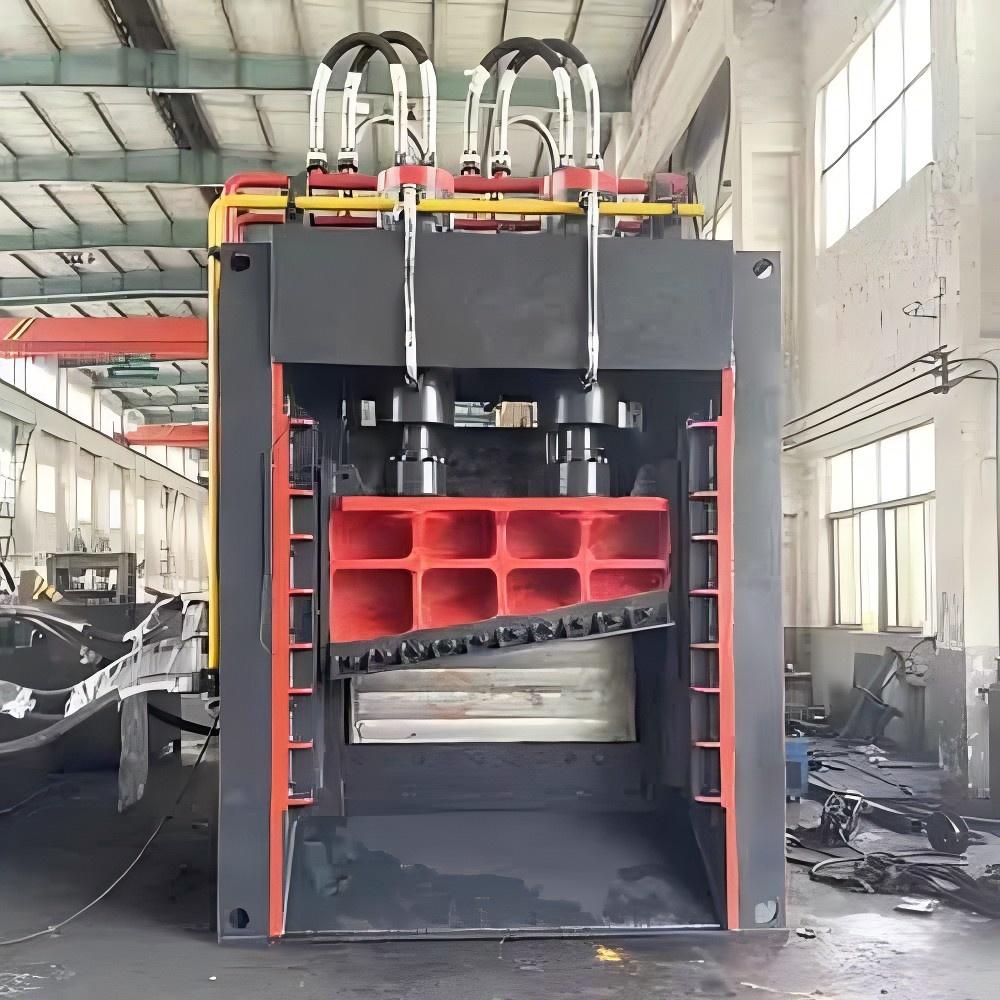
The Importance of a Proactive Maintenance Strategy
Maintenance is often viewed as a reactive task—something done when a noise occurs or a leak is spotted. However, the most successful scrap operations utilize a proactive maintenance strategy. This involves a shift in mindset from “fixing” to “preserving.” When you focus on how to lubricate a scrap metal shear properly, you are engaging in the most cost-effective form of insurance available for industrial machinery. The cost of a few gallons of high-grade grease and oil is negligible compared to the cost of replacing a main pivot pin or a hydraulic cylinder rod.
A proactive strategy also improves safety. A well-lubricated machine operates smoothly and predictably. Jerky movements caused by high friction can lead to structural stress and unexpected component failure, which poses a significant risk to operators and nearby personnel. By maintaining a consistent film of lubricant, the mechanical stresses are distributed evenly across the bearing surfaces, reducing the likelihood of fatigue cracks in the shear’s frame or blade holder.
Moreover, energy efficiency is directly tied to lubrication. A machine struggling against internal friction requires more hydraulic pressure and, consequently, more electrical power to perform the same cut. In large-scale operations, the energy savings gained from a well-lubricated system can be substantial over the course of a fiscal year. Thus, knowing how to lubricate a scrap metal shear properly is as much a financial strategy as it is a mechanical one.
Daily Inspection: The First Line of Defense
Before the first cycle of the day, a comprehensive visual inspection is mandatory. This process allows the operator to identify potential issues before they escalate into failures. Start by examining the main slide ways and the blade carrier. Look for signs of “scoring” or bright, polished metal, which indicates that the existing lubricant has been depleted or contaminated. If the surfaces look dry, it is an immediate signal that you need to lubricate a scrap metal shear properly before proceeding with the day’s work.
Check for hydraulic leaks around the cylinder seals and hose connections. A leak not only wastes expensive hydraulic fluid but also indicates a potential entry point for air and moisture into the system. Moisture is the enemy of hydraulic components, leading to internal corrosion and the breakdown of the oil’s chemical properties. Additionally, inspect the grease nipples (Zerk fittings) to ensure they are not clogged or damaged. A blocked fitting prevents grease from reaching the internal bearing surfaces, rendering the lubrication attempt useless.
Listen to the machine during its initial warm-up cycles. Unusual squeaking, grinding, or groaning sounds are often the first audible indicators of a lubrication deficiency. Pay close attention to the pivot points of the alligator shear or the vertical guides of a gantry shear. If the movement appears staggered or “chattered,” the friction levels are too high. This daily ritual of seeing, feeling, and listening creates a baseline of machine health that allows for early intervention.
Hydraulic, Electrical, and Mechanical System Checks
Hydraulic System Integrity
The hydraulic system is the heart of the scrap metal shear. To lubricate a scrap metal shear properly, one must also manage the hydraulic oil. This oil serves two purposes: transmitting power and lubricating the internal components of pumps, valves, and cylinders. Monitor the oil level in the reservoir daily. If the level is low, air can be sucked into the pump, causing cavitation—a destructive process that can ruin a pump in minutes. Ensure you are using the correct ISO viscosity grade (typically ISO 46 or 68) as specified by HARSLE for your specific climate.
Electrical and Control Systems
While not directly related to grease, the electrical system controls the lubrication cycles in machines equipped with automatic lubrication systems. Check the control panel for any warning lights related to low lubricant levels or pump failures. Inspect the wiring leading to the lubrication pump to ensure it hasn’t been damaged by falling scrap. In modern HARSLE shears, the PLC (Programmable Logic Controller) often manages the timing of grease injection; ensuring these sensors are clean and functional is vital for the system to work autonomously.
Mechanical Fasteners and Structural Components
Vibration is a constant in scrap shearing. Over time, bolts can loosen, and structural components can shift. During your mechanical check, verify the tightness of the blade bolts and the mounting bolts for the main cylinders. A loose component can cause misalignment, which in turn creates uneven wear on the slides. Even the best lubrication cannot compensate for a machine that is mechanically out of alignment. Ensuring the structural integrity of the shear allows the lubricant to perform its job by maintaining the designed clearances between moving parts.
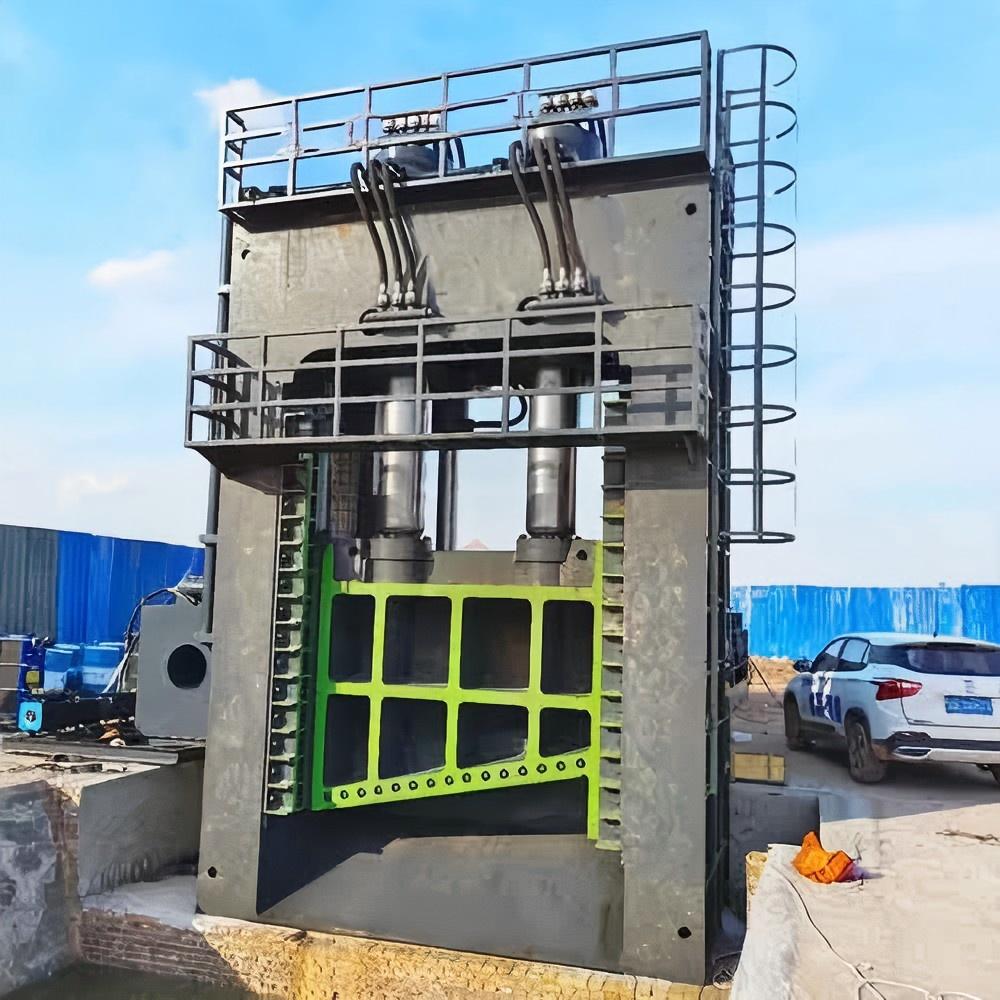
The Master Lubrication Plan: How to Lubricate a Scrap Metal Shear Properly
To lubricate a scrap metal shear properly, you must follow a structured plan that identifies what to lubricate, what lubricant to use, and how often to apply it. Most industrial shears utilize two primary types of lubrication: grease for heavy-duty pivot points and slides, and hydraulic oil for the internal power system. For the grease points, an Extreme Pressure (EP2) lithium-based grease is generally recommended due to its ability to stay in place under high loads and resist water washout.
Step 1: Cleaning the Lubrication Points
Never apply new grease over a layer of old, dirty grease. Use a clean rag to wipe down every grease fitting and the surrounding area. If you pump grease into a dirty fitting, you are essentially injecting abrasive grit directly into the bearing. This is a common mistake that can accelerate wear rather than prevent it. Cleaning the area first ensures that only pure, effective lubricant reaches the critical surfaces.
Step 2: Applying Grease to Pivot Pins and Bushings
The main pivot pin of a shear experiences the highest concentration of force. Use a manual or pneumatic grease gun to inject grease until you see a small amount of fresh grease purging from the edges of the seal or bushing. This “purging” action ensures that the entire cavity is filled and that any contaminants have been pushed out. Repeat this process for the cylinder rod ends and any secondary linkage points. For gantry shears, focus heavily on the vertical guide rails, ensuring a consistent film is visible along the entire path of travel.
Step 3: Managing the Centralized Lubrication System
Many HARSLE machines come equipped with an automatic centralized lubrication system. To lubricate a scrap metal shear properly with this system, you must regularly refill the central reservoir and check the distribution blocks. Each line leading from the distributor to a bearing must be inspected for cracks or kinks. If one line is blocked, that specific bearing will receive no oil, leading to localized failure while the rest of the machine appears well-maintained. Periodically trigger a manual lubrication cycle to verify that grease is reaching all intended points.
Step 4: Blade and Slide Adjustment
Lubrication and clearance adjustment go hand-in-hand. As you lubricate the slides, check the clearance between the moving and stationary blades. If the gap is too wide, the metal will fold rather than cut, putting immense lateral stress on the slides and wiping away the lubricant. Maintaining the correct blade gap ensures that the forces remain vertical, allowing the lubricant to maintain a stable film between the guide surfaces.
Troubleshooting Signals: When Lubrication Fails
Even with a plan, issues can arise. Knowing how to interpret the signals of poor lubrication is key to preventing a total breakdown. One of the most common signs is **overheating**. If the hydraulic tank or the bearing housings feel excessively hot to the touch (above 60°C or 140°F), the friction levels are likely too high or the oil is degrading. Heat breaks down the molecular structure of lubricants, reducing their viscosity and their ability to carry loads.
Another signal is **discolored lubricant**. If the grease coming out of a pivot point is black and gritty, it has been contaminated or oxidized. If the hydraulic oil appears milky, it has been contaminated with water. If it appears foamy, air is entering the system. Each of these visual cues requires immediate action—either a full flush of the system or an increase in the frequency of the lubrication cycle.
Finally, watch for **vibration and erratic movement**. If the shear head hesitates or jumps during the cutting stroke, it is often a sign of “stick-slip” phenomenon. This occurs when the lubricant film is too thin to overcome the static friction of the seals or slides. Increasing the frequency of lubrication or switching to a lubricant with better tackiness (the ability to stick to surfaces) can often resolve this issue.
Comprehensive Maintenance Schedule Table
To assist operators in their daily routines, the following table outlines the standard maintenance intervals for a HARSLE scrap metal shear. Note that these intervals should be shortened if the machine is operating in extreme heat, extreme cold, or exceptionally dusty environments.
| Frequency | Component | Action Required | Lubricant Type |
|---|---|---|---|
| Daily | Main Pivot Pins | Inject grease until purged | EP2 Lithium Grease |
| Daily | Guide Slides | Visual check and manual wipe | EP2 Grease or Way Oil |
| Daily | Hydraulic Reservoir | Check oil level and temp | ISO 46/68 Hydraulic Oil |
| Weekly | Cylinder Rod Ends | Grease fittings | EP2 Lithium Grease |
| Weekly | Blade Bolts | Check torque/tightness | N/A |
| Monthly | Hydraulic Filters | Inspect and replace if dirty | N/A |
| Monthly | Auto-Lube Lines | Check for leaks or blocks | N/A |
| 6 Months | Hydraulic Oil | Laboratory analysis of oil | N/A |
| Yearly | Full System Flush | Replace all hydraulic fluid | ISO 46/68 Hydraulic Oil |
Frequently Asked Questions (FAQ)
1. What happens if I use the wrong type of grease?
Using the wrong grease can be as damaging as using no grease at all. For example, if you use a high-speed bearing grease in a high-pressure, low-speed application like a shear pivot, the grease will be squeezed out of the joint instantly. Always ensure the grease is rated for “Extreme Pressure” (EP) to handle the hundreds of tons of force generated during the shearing process.
2. How does cold weather affect how I lubricate a scrap metal shear properly?
In cold climates, lubricants thicken. Hydraulic oil may become too viscous to flow properly, causing pump cavitation. Grease may harden in the lines of an automatic system, leading to blockages. In winter, it is advisable to use a lower viscosity hydraulic oil (ISO 32) and a grease with better low-temperature pumpability. Always allow the machine to idle and warm up the oil before beginning full-pressure operations.
3. Can I over-lubricate my scrap metal shear?
While it is difficult to over-lubricate the open slides and pivot pins (as the excess simply purges out), you can over-fill sealed bearings or gearboxes. Over-filling a gearbox can cause churning, which generates excessive heat and can blow out seals. For the main shearing components, the goal is to maintain a consistent, clean film rather than a massive accumulation of old grease.
4. Why is my hydraulic oil turning dark?
Dark hydraulic oil is usually a sign of oxidation or thermal degradation. This happens when the oil is run at high temperatures for extended periods. Once oil turns dark and develops a burnt smell, its lubricating properties are compromised, and it must be replaced to protect the expensive hydraulic pumps and valves.
5. How often should I check the automatic lubrication pump?
The pump should be checked daily for lubricant level and weekly for mechanical operation. Just because the pump is making noise doesn’t mean it is successfully delivering grease to the bearings. Verify that the pressure gauge on the distribution block is within the normal operating range.
Conclusion: The Path to Machine Longevity
Learning how to lubricate a scrap metal shear properly is a journey of continuous attention to detail. It requires a combination of the right products, the right schedule, and the right observation skills. By following the guidelines provided by HARSLE and maintaining a rigorous inspection protocol, you can ensure that your scrap metal shear remains a reliable asset in your production line for decades. Remember, the time spent with a grease gun today is time saved from a major repair tomorrow. Treat your machinery with the care it deserves, and it will reward you with consistent, powerful performance in the most demanding scrap processing environments.