Essential Daily Maintenance Steps for Scrap Metal Shear Operators: A Comprehensive Guide

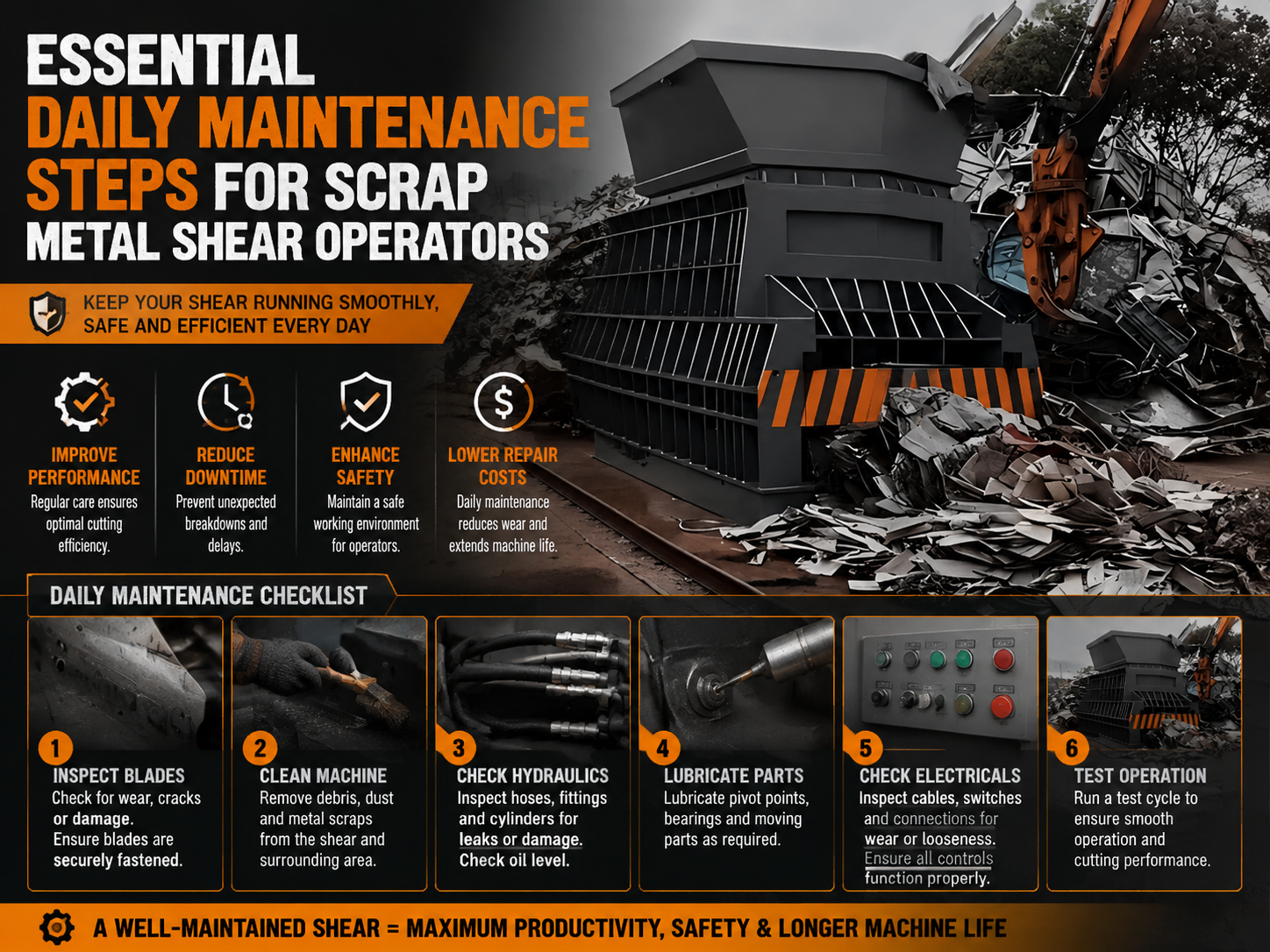
The Critical Importance of Consistent Maintenance for Scrap Metal Shears
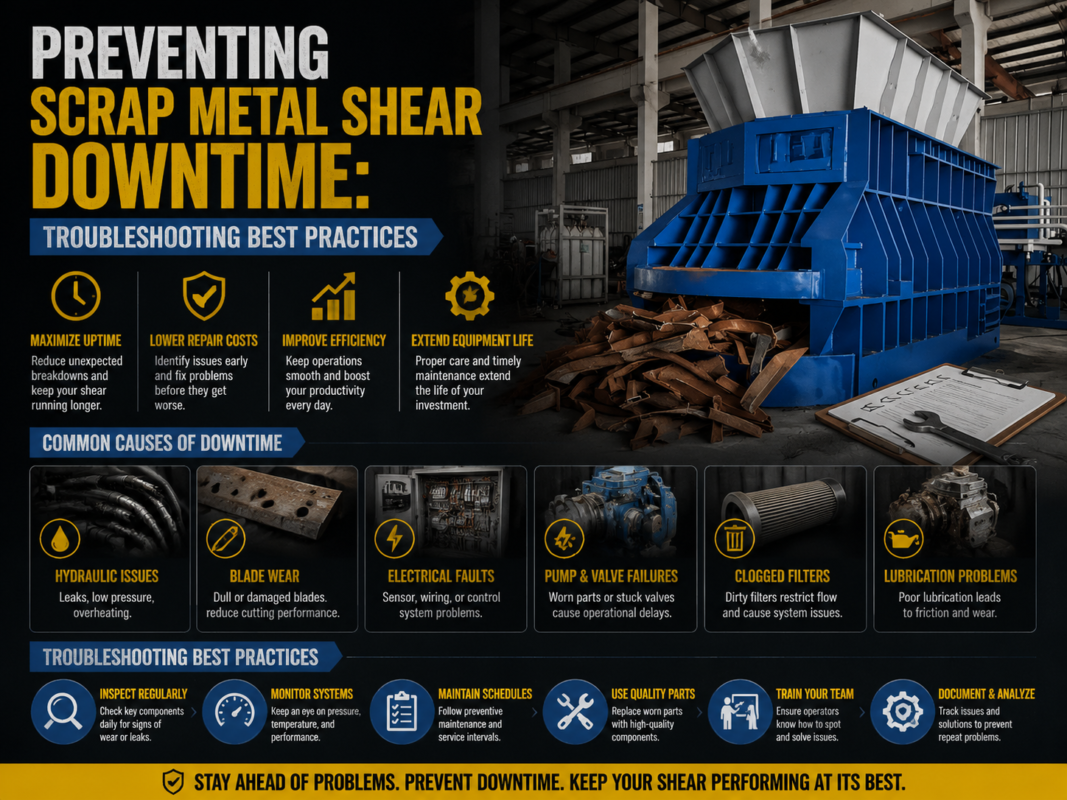
In the high-intensity world of metal recycling and industrial fabrication, the scrap metal shear stands as a cornerstone of productivity. These machines are designed to exert massive forces to rend steel, aluminum, and various alloys into manageable sizes. However, the very nature of their work—processing abrasive, heavy, and often unpredictable materials—puts immense stress on every component. For operators, understanding the Essential Daily Maintenance Steps Scrap Metal Shear Operators must follow is not just about keeping the machine running; it is about protecting a significant capital investment, ensuring workplace safety, and maximizing the return on investment (ROI).
Neglecting daily maintenance often leads to a domino effect of mechanical failures. A small hydraulic leak, if ignored, can lead to pump cavitation and eventual system failure. A loose blade bolt can result in catastrophic damage to the shear head and the main cylinder. Beyond the physical damage, the downtime associated with major repairs can halt production lines, leading to missed deadlines and lost revenue. By implementing a rigorous daily maintenance protocol, operators can identify potential issues before they escalate into expensive repairs.
Furthermore, a well-maintained machine operates with higher precision and efficiency. When blades are sharp and properly gapped, the shear requires less hydraulic pressure to cut through material, which in turn reduces heat generation and energy consumption. This efficiency translates directly to lower operational costs. For HARSLE machinery users, following these steps ensures that the equipment performs according to its high-engineered specifications for years, if not decades.
Safety is perhaps the most compelling reason for daily checks. Scrap shears involve high-pressure hydraulics and massive moving parts. A failure in a safety sensor or a structural crack can pose a life-threatening risk to the operator and surrounding personnel. Therefore, daily maintenance is a fundamental pillar of industrial safety management. This guide provides a detailed roadmap for operators to ensure their scrap metal shears remain in peak condition.
Daily Inspection: The Operator’s First Line of Defense
The daily maintenance routine should always begin with a comprehensive visual inspection before the machine is even powered on. This “walk-around” allows the operator to assess the general state of the machine and its environment. Start by clearing the area around the shear of any debris, scrap metal, or tripping hazards. A clean workspace is essential for identifying leaks or fallen components that might otherwise be hidden under piles of scrap.
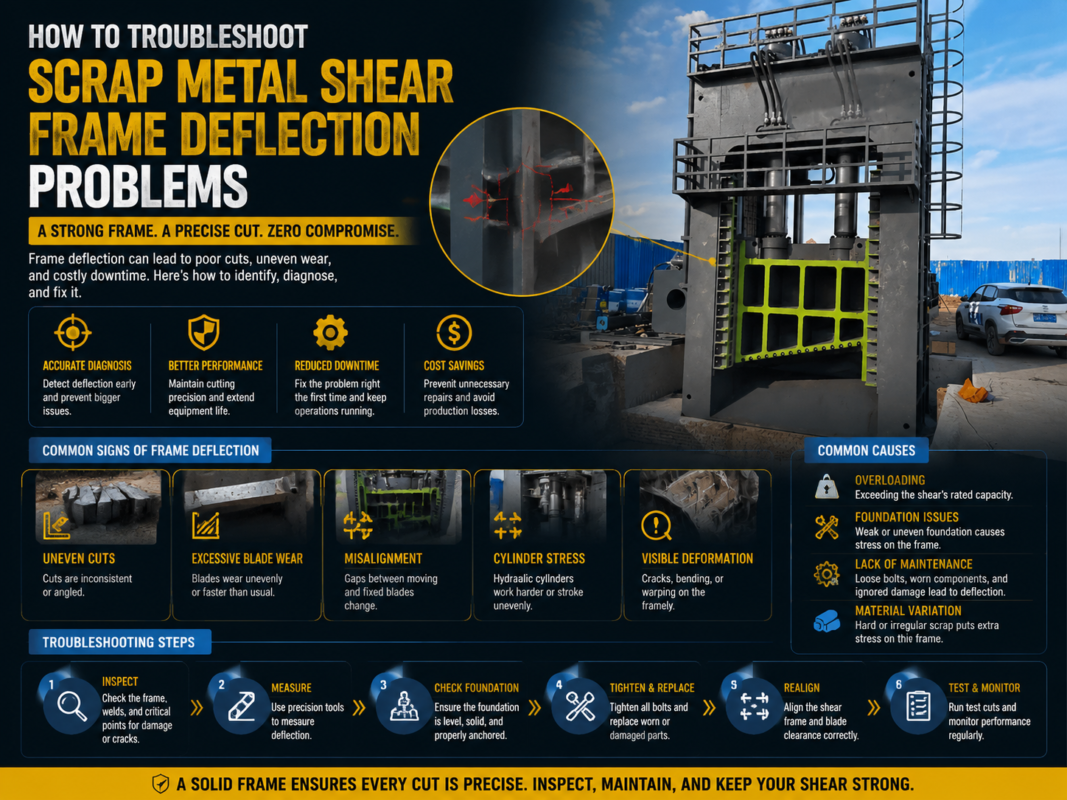
Operators should closely examine the feeding hopper and the compression box. Look for signs of structural fatigue, such as hairline cracks in the welds or deformation of the steel plates. Because scrap shears process heavy loads, the impact forces can eventually cause stress fractures. Early detection of these cracks allows for simple welding repairs, whereas ignoring them could lead to a complete structural failure during a high-pressure cut.
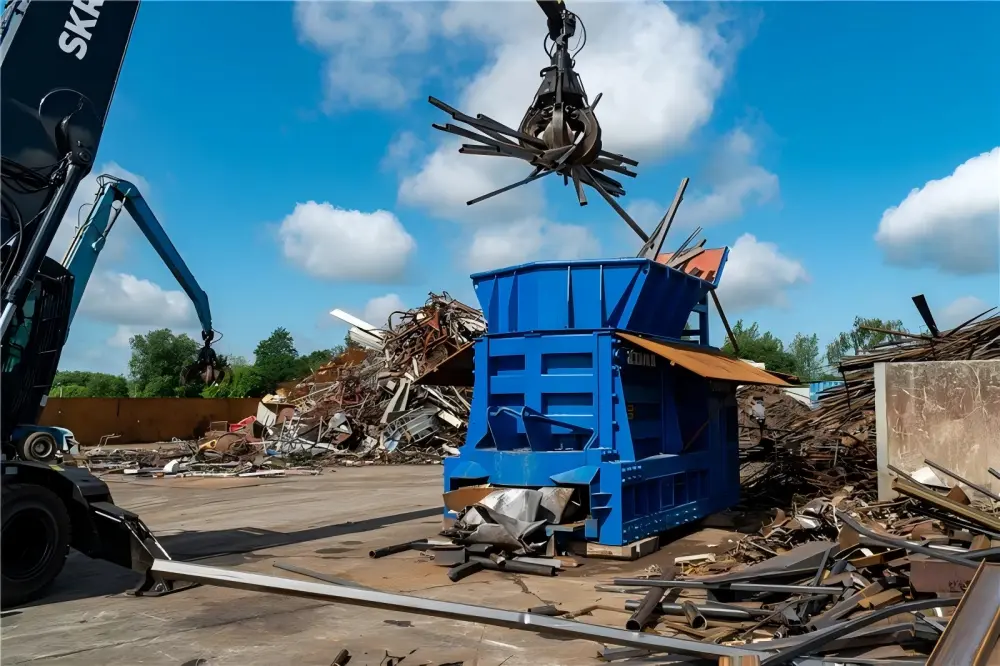
Next, check the condition of the shear blades. Look for chipping, excessive wear, or rounding of the cutting edges. If the blades are dull, the machine will struggle to cut, putting unnecessary strain on the hydraulic system. Additionally, check the blade gap. While a full measurement might be done weekly, a quick visual check can often reveal if the blades have shifted. Ensure that all visible bolts and fasteners are tight. The vibration inherent in shearing operations can loosen even the most secure bolts over time.
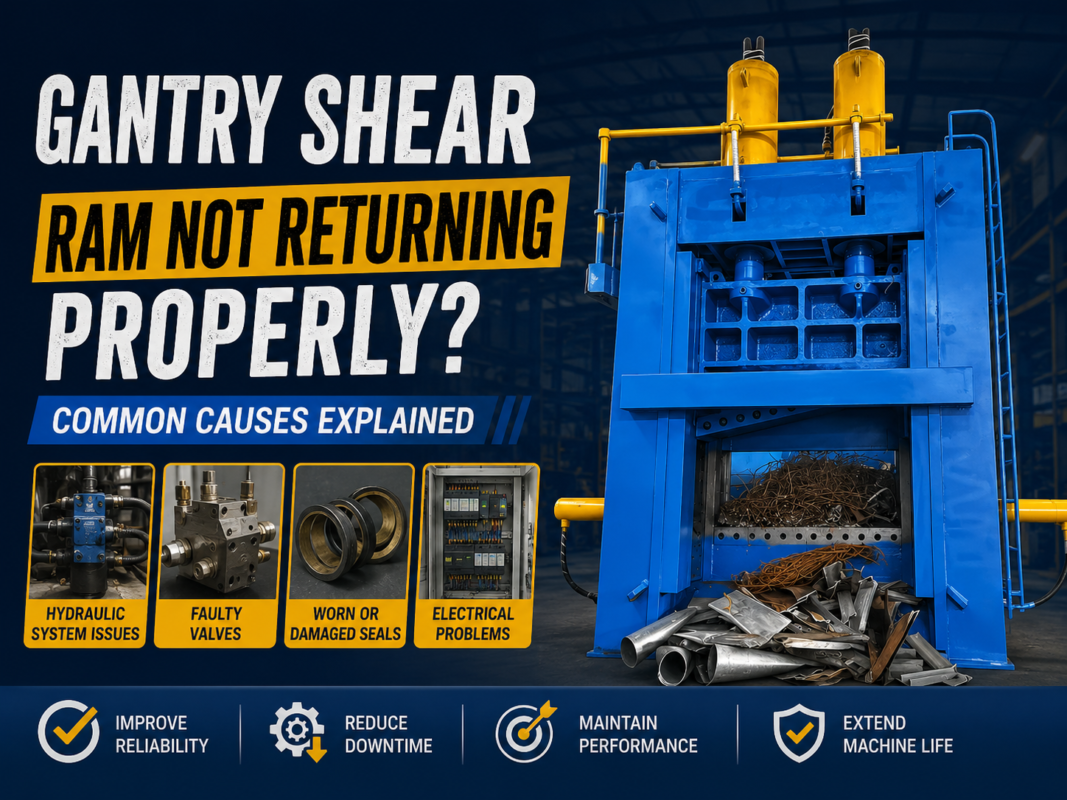
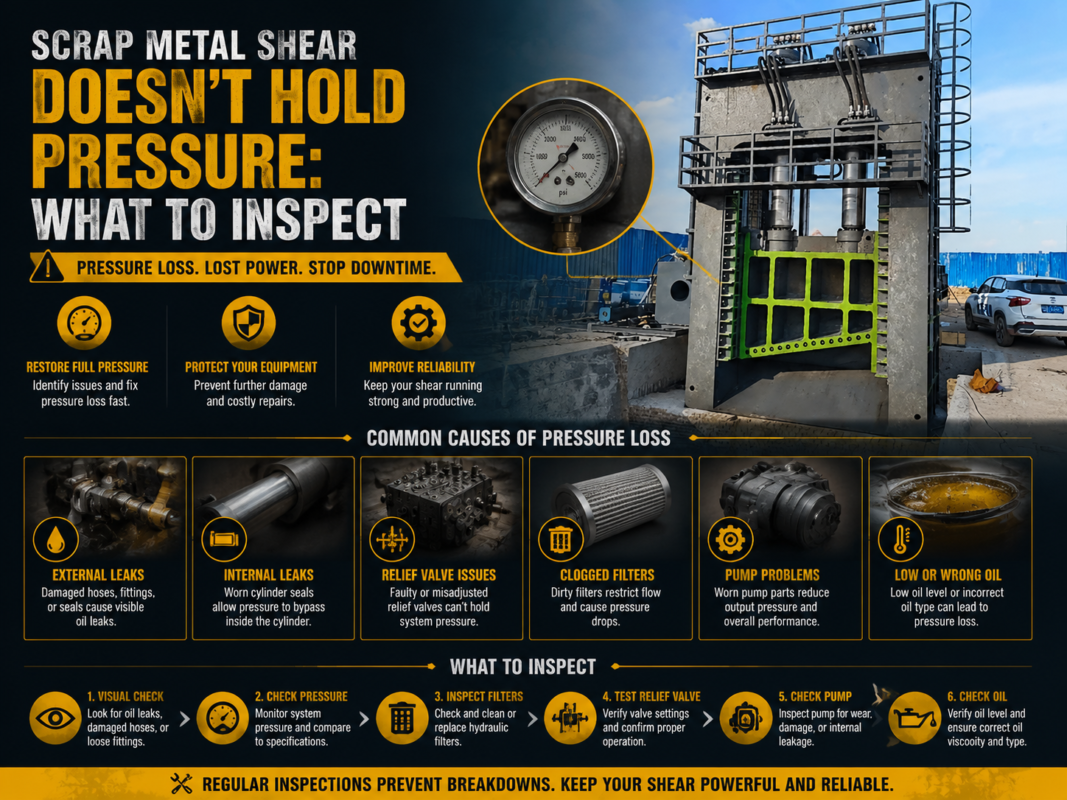
Finally, inspect the hydraulic hoses and cylinders for any signs of moisture or “weeping.” Even a small drop of oil on the floor can indicate a loose fitting or a failing seal. Check the piston rods for scores or scratches; a damaged rod can quickly destroy the cylinder seals, leading to internal leakage and loss of cutting power. This initial 10-minute inspection sets the tone for the day’s operations and prevents many common mechanical failures.
Hydraulic System Checks: The Lifeblood of the Shear
The hydraulic system is the heart of the scrap metal shear. It converts electrical energy into the massive mechanical force required to cut steel. Consequently, maintaining the health of the hydraulic fluid and its delivery system is paramount. The first step in the daily hydraulic check is verifying the oil level in the reservoir. The oil should be at the recommended level indicated on the sight glass. Operating with low oil can lead to aeration and overheating, both of which degrade the oil’s lubricating properties.
Beyond the level, observe the quality of the oil. It should be clear and amber-colored. If the oil appears milky, it indicates water contamination, which can cause corrosion and pump damage. If it appears dark or smells burnt, it has likely overheated and lost its viscosity, requiring an immediate change. Operators should also check the temperature gauge during operation. Most systems are designed to operate between 40°C and 60°C. If the temperature exceeds 70°C, the cooling system may be failing, or there may be internal bypass issues within the valves.
Filters play a critical role in protecting sensitive hydraulic components from metal particles and dust. While filters aren’t changed daily, the pressure gauges or clog indicators on the filter housing must be checked every morning. A high-pressure reading across a filter indicates it is saturated and must be replaced. Allowing contaminated oil to bypass a clogged filter will lead to rapid wear of the hydraulic pumps and valves, which are among the most expensive components to replace.
Lastly, inspect the hydraulic cooling unit. In scrap yards, radiators often become clogged with dust and airborne debris. Ensure the cooling fans are operational and the heat exchanger fins are clean. A blocked cooler is the primary cause of hydraulic overheating in the summer months. Use compressed air to blow out any debris from the radiator fins daily to maintain optimal thermal exchange.
Electrical and Control System Verification
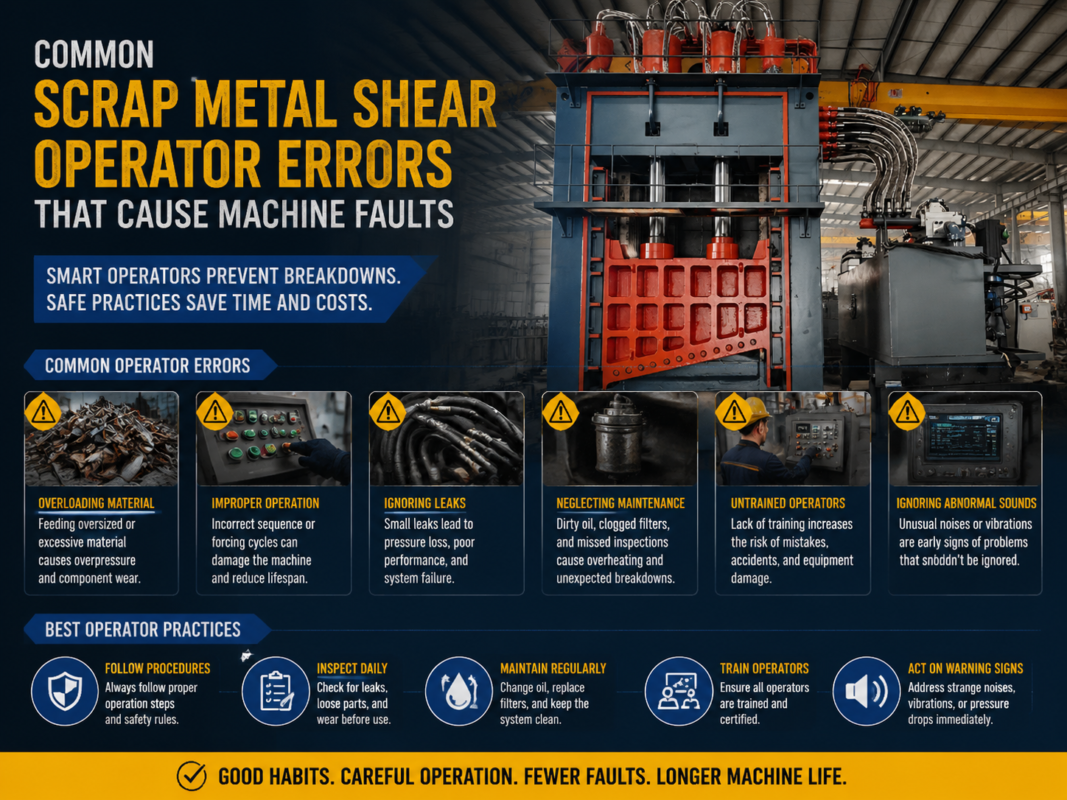
Modern scrap metal shears, like those manufactured by HARSLE, rely on sophisticated PLC (Programmable Logic Controller) systems and various sensors to manage the shearing cycle. Daily electrical checks ensure that these systems communicate correctly and that safety protocols are active. Start by testing the Emergency Stop (E-Stop) buttons. Every E-stop on the machine and the remote control console must be functional. An E-stop that fails to cut power instantly is a critical safety violation and must be repaired before the machine is used.
Check the control panel for any warning lights or error codes. Modern shears often have diagnostic displays that can alert the operator to low oil levels, high temperatures, or sensor misalignments. Operators should be trained to understand these codes and not simply clear them without investigation. Inspect the wiring conduits for any signs of damage. In a scrap yard environment, it is common for falling metal or pests to damage electrical cables. Exposed wires can cause short circuits or erratic machine behavior.
Limit switches and proximity sensors are vital for controlling the stroke of the shear and the movement of the feeding ram. Ensure these sensors are clean and securely mounted. Dust or grease buildup on a proximity sensor can cause it to fail, leading to the cylinder over-traveling and causing mechanical damage. A quick wipe with a clean cloth is usually all that is needed to ensure reliable sensor performance.
Mechanical Integrity and Blade Maintenance
The mechanical components of a shear, specifically the slide guides and the blades, bear the brunt of the physical work. The slide guides (or wear plates) ensure that the shear head moves in a perfectly linear path. Daily, the operator should check for excessive play in the shear head. If the guides are too loose, the blades will not meet correctly, leading to “folding” of the metal rather than cutting. This increases the load on the machine and can cause the blades to clash, resulting in catastrophic breakage.
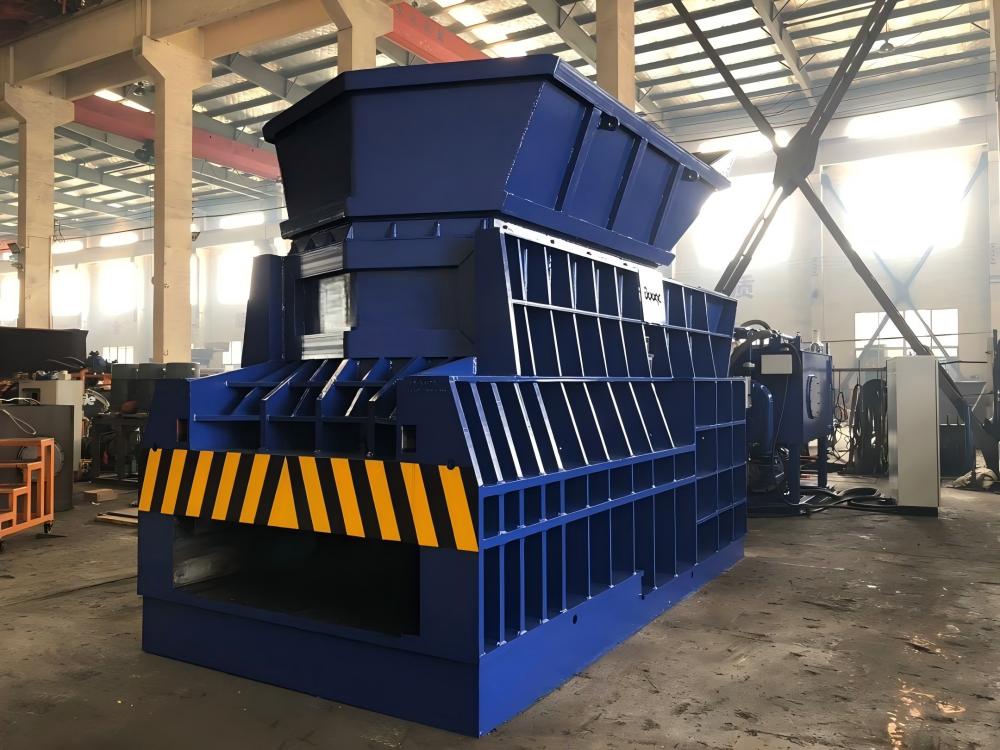
Blade clearance is a technical but essential daily consideration. Depending on the thickness and type of material being processed, the gap between the upper and lower blades must be precise. While a full adjustment may not be needed every day, the operator should inspect the cut quality. If the shear is leaving large burrs or failing to cut thin sheets cleanly, the blade gap likely needs adjustment. Furthermore, check the blade seats for any debris. Small pieces of metal can sometimes get wedged behind the blade, causing it to sit unevenly and creating stress points that lead to cracking.
The lubrication of the mechanical slides is equally important. Most heavy-duty shears utilize a centralized lubrication system, but the operator must verify that grease is actually reaching the wear plates. Look for a fresh bead of grease along the edges of the guides. If the guides appear dry or shiny, the lubrication line may be blocked. Running the shear head without adequate lubrication will cause rapid wear of the bronze or composite wear plates, leading to expensive and time-consuming replacements.
The Lubrication Plan: Reducing Friction and Wear
Friction is the enemy of heavy machinery. In a scrap metal shear, dozens of pivot points, bushings, and sliding surfaces require constant lubrication to function smoothly. An effective lubrication plan involves using the right type of lubricant at the right intervals. Most manufacturers recommend an Extreme Pressure (EP2) lithium-based grease for the main pivot pins and slide guides. This type of grease is designed to stay in place under high loads and resist being squeezed out of the bearing surfaces.
If the machine is equipped with an automatic lubrication system, the daily task is simple: check the grease reservoir level and ensure the pump is cycling. However, do not rely solely on the automation. Periodically check individual grease points to ensure the lines haven’t been severed by scrap metal. For machines requiring manual lubrication, a strict schedule must be followed. Pivot pins for the main cylinder and the lid (if applicable) should typically be greased every 4 to 8 hours of operation.
Over-lubrication can also be an issue, as excess grease attracts dust and grit, creating an abrasive paste. The goal is to provide enough grease to flush out contaminants and maintain a thin film between moving parts. Always wipe the grease fittings (zerks) clean before attaching the grease gun to prevent pumping dirt into the bearing. This simple step can significantly extend the life of the bushings and pins.
Identifying Troubleshooting Signals
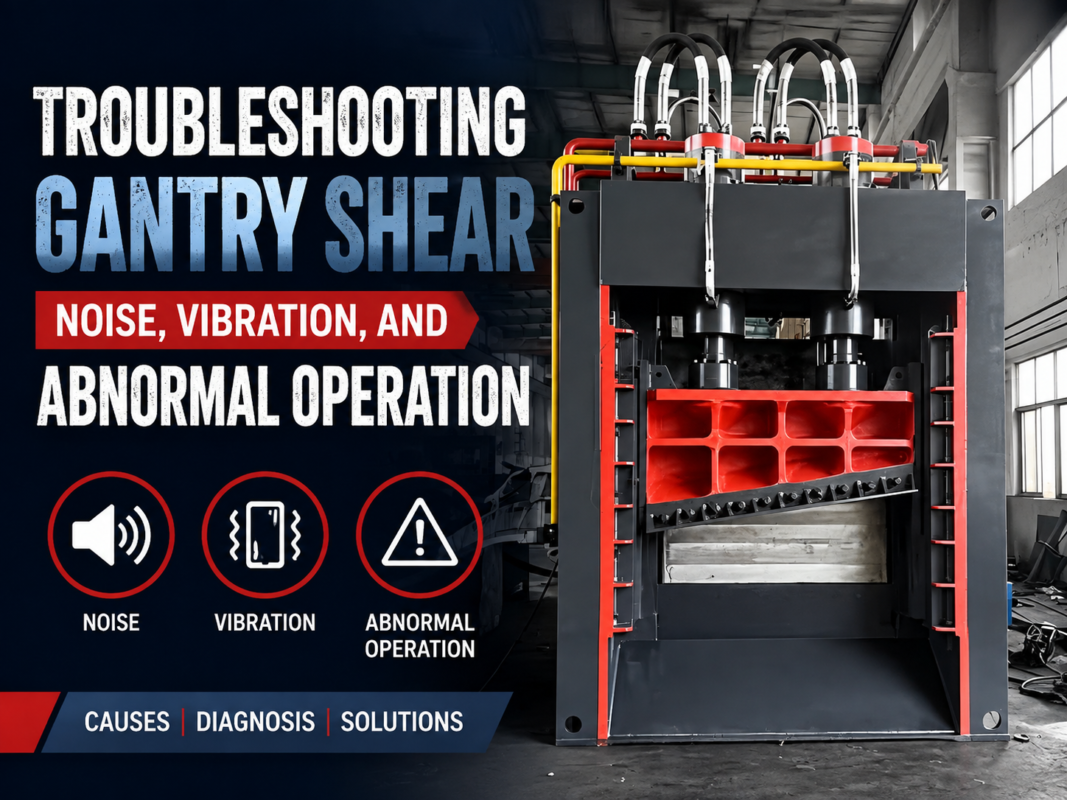
Experienced operators develop an intuition for their machines, often “hearing” a problem before they see it. Unusual noises are the most common troubleshooting signals. A high-pitched whining sound often indicates pump cavitation, usually caused by a clogged suction filter or a leak in the intake line. A banging or clunking sound during the shear stroke may suggest a loose blade or a worn-out bushing in the main pivot. These sounds should never be ignored.
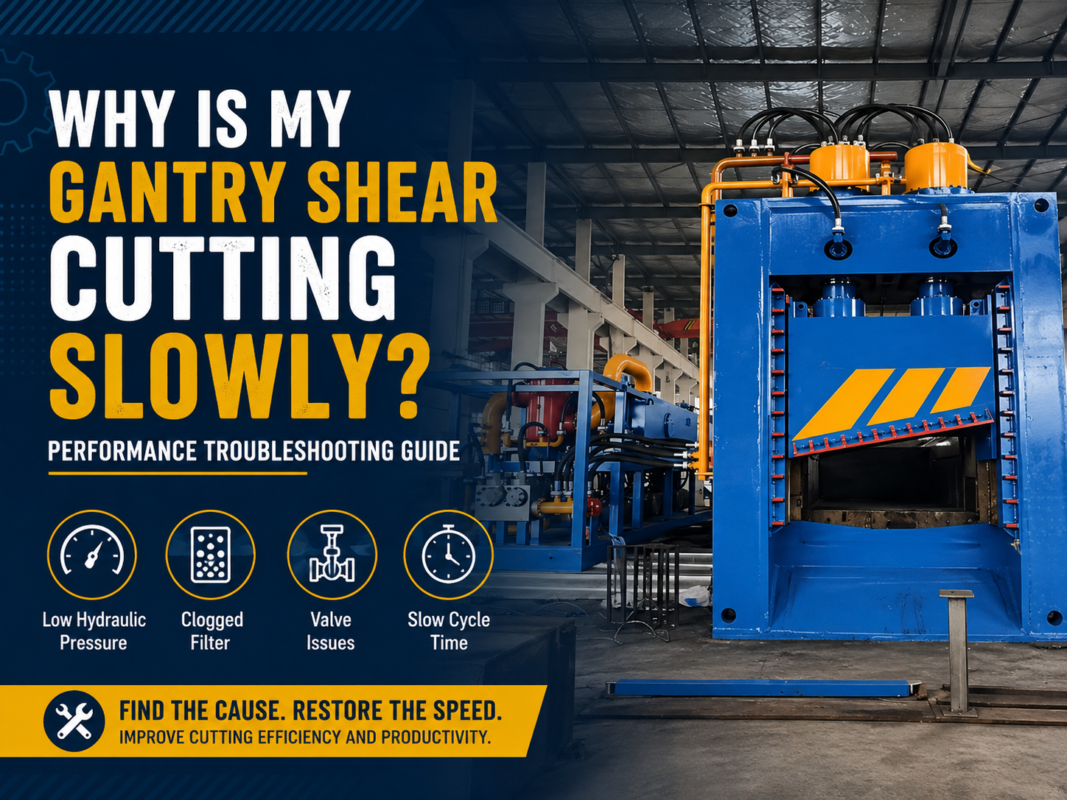
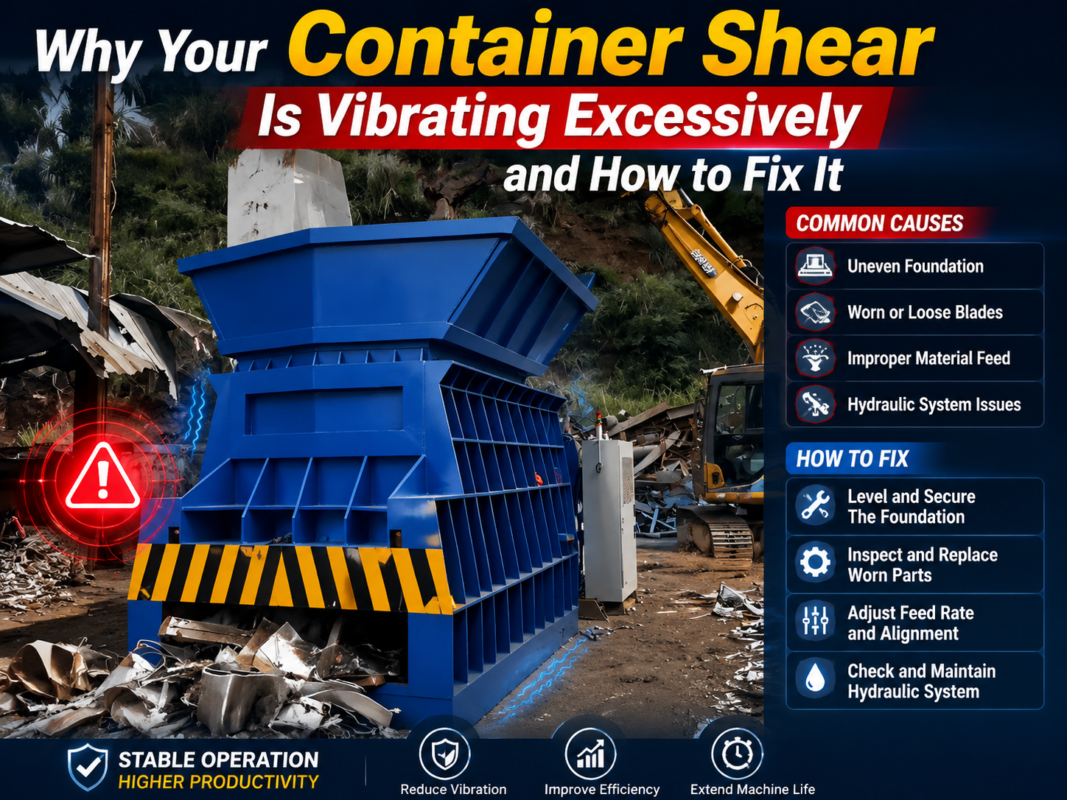
Vibration is another key indicator. While some vibration is normal during a cut, excessive shaking of the hydraulic lines or the control console can indicate air in the system or a failing pump mount. Operators should also monitor the cycle time. If the shear begins to move slower than usual, it could indicate a loss of hydraulic pressure, a failing seal, or an internal valve leak. Tracking these subtle changes in performance allows for proactive maintenance during scheduled downtime rather than reactive repairs during peak production.
Heat is a final, critical signal. If any part of the hydraulic system—especially the pump or the valves—becomes too hot to touch, the machine should be stopped. Excessive heat is a symptom of inefficiency, usually caused by oil bypassing a seal or a valve. By identifying these signals early, operators can perform the Essential Daily Maintenance Steps Scrap Metal Shear Operators need to keep the machine healthy and avoid the “catastrophic failure” scenario.
Comprehensive Maintenance Schedule Table
To assist operators and maintenance managers, the following table summarizes the frequency of essential tasks for a scrap metal shear.
| Frequency | Component | Action Required |
|---|---|---|
| Daily | Hydraulic Oil | Check level and visual quality; check temperature. |
| Daily | Safety Systems | Test E-Stops and check all safety guards. |
| Daily | Blades | Visual inspection for chips, cracks, and tightness. |
| Daily | Lubrication | Check grease reservoir; grease manual points. |
| Weekly | Blade Gap | Measure and adjust clearance according to material. |
| Weekly | Hydraulic Filters | Check pressure gauges; clean/replace if necessary. |
| Monthly | Structural Welds | Detailed inspection for stress cracks and fatigue. |
| Monthly | Electrical Cabinet | Clean dust; check for loose wire terminations. |
| 6 Months | Hydraulic Oil | Perform oil analysis; replace if additives are depleted. |
| Yearly | Full System Audit | Comprehensive pressure testing and component calibration. |
Frequently Asked Questions (FAQ)
1. How often should I rotate or flip the shear blades?
Most scrap shear blades are designed with four cutting edges. You should rotate or flip the blades when the current cutting edge becomes rounded or chipped, typically every 200 to 500 hours of operation depending on the material being processed. Regular rotation ensures even wear and maintains cutting efficiency.
2. What is the ideal hydraulic oil temperature for a scrap shear?
The ideal operating temperature is generally between 40°C and 60°C (104°F to 140°F). If the temperature consistently exceeds 70°C, you should stop the machine and check the cooling system or look for internal hydraulic leaks.
3. Why is my shear losing cutting power?
Loss of cutting power is usually caused by one of three things: dull blades, an incorrect blade gap, or a drop in hydraulic pressure. Check the blades first, then verify the system pressure using the built-in gauges to ensure the pump and relief valves are functioning correctly.
4. Can I use any type of grease for the lubrication points?
No. You should use a high-quality Extreme Pressure (EP2) grease, preferably with molybdenum or lithium additives. Using the wrong grease can lead to premature wear of the bushings and pins under the high-load conditions of a scrap shear.
5. How do I know if my hydraulic oil needs to be changed?
While a visual check can spot major issues (like water or burning), the best way is through oil analysis. A lab can check for metal content, additive depletion, and particle counts. Generally, oil should be changed every 2,000 to 4,000 hours, but analysis can extend this or warn you of early failure.
6. What should I do if I find a crack in the machine frame?
Stop operation immediately. Cracks in the structural frame or the shear head can lead to catastrophic failure. Consult with a professional welder or the manufacturer (HARSLE) to determine if the crack can be repaired via gouging and re-welding or if a component replacement is necessary.
Conclusion: Long-Term Success Through Daily Diligence
The Essential Daily Maintenance Steps Scrap Metal Shear Operators perform are the foundation of a successful recycling operation. By dedicating just 20 to 30 minutes each day to inspection, lubrication, and system checks, operators can prevent the vast majority of mechanical breakdowns. This proactive approach not only saves money on repairs but also ensures that the machine remains a safe and reliable tool for the workforce.
At HARSLE, we engineer our scrap metal shears to withstand the toughest environments, but even the most robust machine requires care. We encourage all operators to treat their equipment with the respect it deserves. A well-maintained shear is a productive shear, and a productive shear is the key to a profitable business. Stay diligent, follow the schedule, and your equipment will serve you faithfully for years to come.