Scrap Metal Shear Maintenance Tips to Reduce Downtime: The Ultimate Guide for HARSLE Machinery

The Critical Importance of Scrap Metal Shear Maintenance
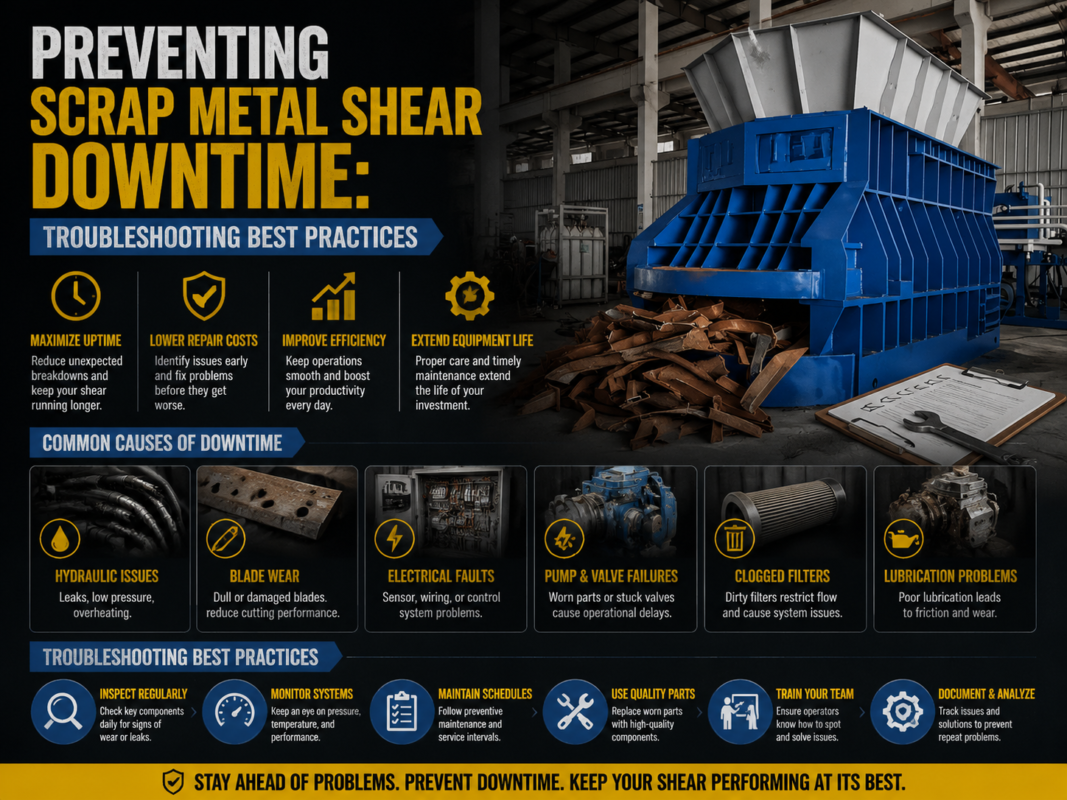
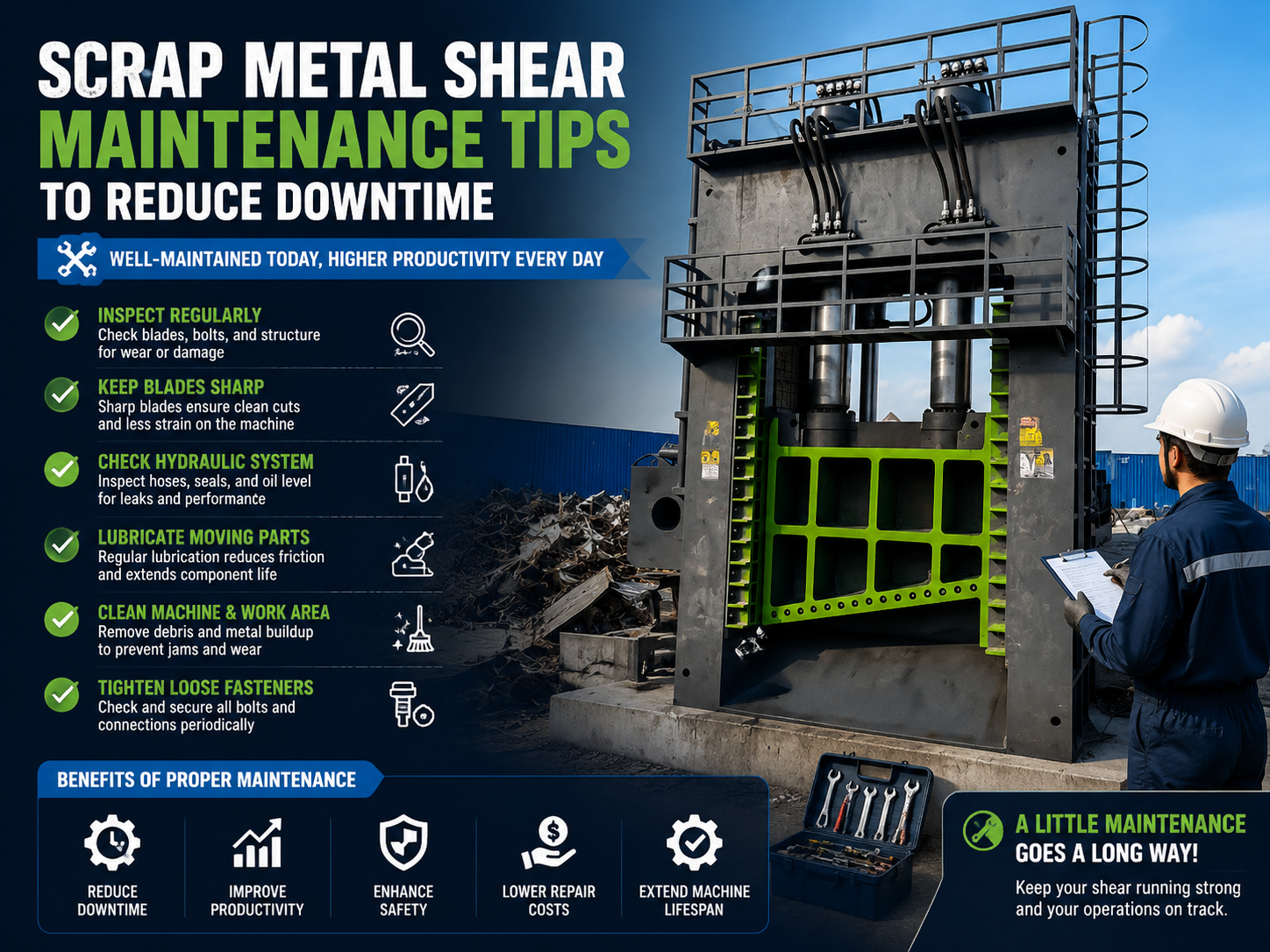
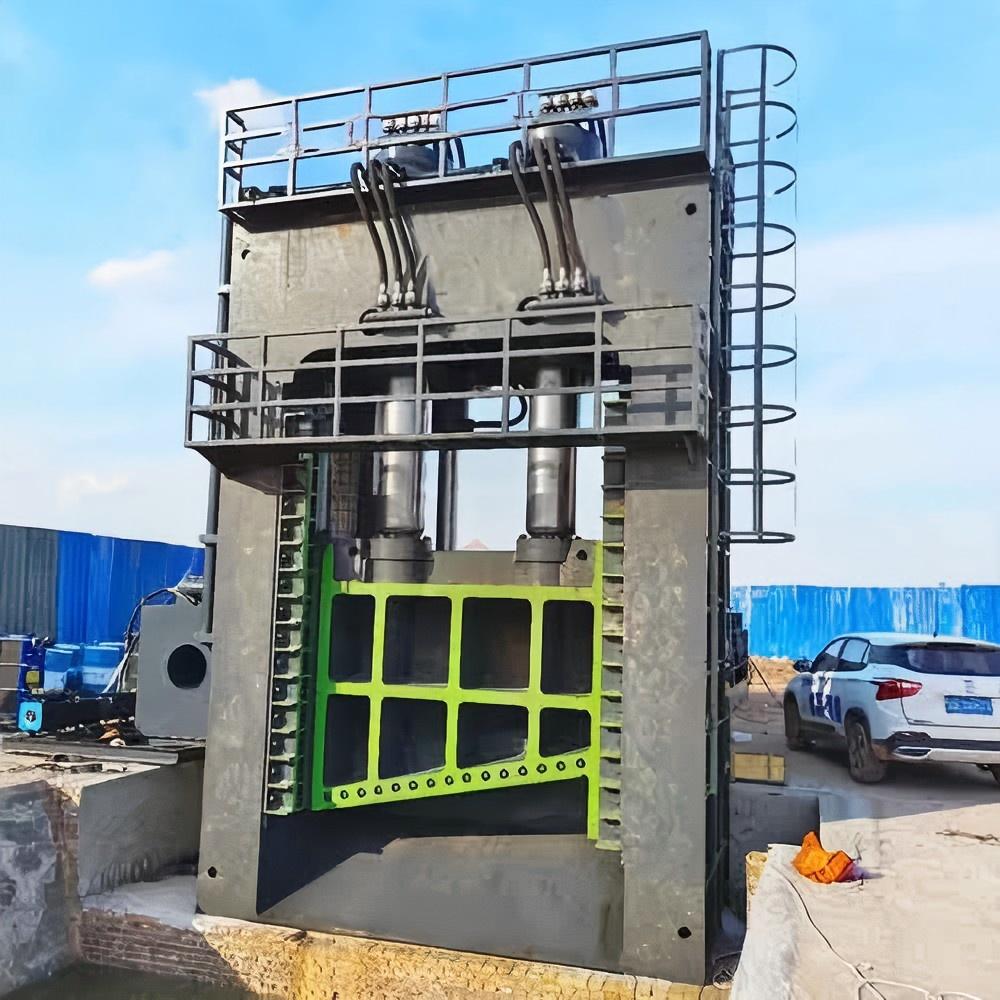
In the high-stakes world of metal recycling and industrial fabrication, the scrap metal shear is the workhorse of the yard. These massive machines, such as the HARSLE gantry shears, are designed to process tons of material daily, converting bulky scrap into manageable, high-value sizes. However, the sheer force and harsh environments these machines operate in mean that wear and tear are inevitable. Implementing effective Scrap Metal Shear Maintenance Tips to Reduce Downtime is not just a recommendation; it is a financial necessity. When a shear goes offline, the entire production chain grinds to a halt, leading to missed deadlines, wasted labor costs, and potential loss of revenue.
Maintenance is the primary defense against catastrophic failure. A well-maintained machine operates with higher efficiency, consuming less energy and producing cleaner cuts. Furthermore, consistent upkeep extends the lifespan of the equipment, ensuring that your initial capital investment continues to pay dividends for decades. Beyond the financial aspect, safety is a paramount concern. A neglected shear can become a hazard to operators, with risks ranging from hydraulic bursts to structural failures. By prioritizing a proactive maintenance culture, facilities can ensure a safer working environment while maximizing their operational throughput.
Modern scrap shears are complex systems integrating heavy-duty hydraulics, precision electronics, and massive mechanical components. Understanding how these systems interact is key to effective maintenance. For instance, a small leak in the hydraulic system doesn’t just waste oil; it can lead to pressure drops that force the mechanical components to work harder, leading to premature wear on the blades and guide rails. This guide aims to provide a comprehensive roadmap for maintaining your HARSLE scrap metal shear, focusing on practical steps that can be integrated into your daily operations to ensure peak performance and minimal interruptions.
Daily Inspection Protocols: The First Line of Defense
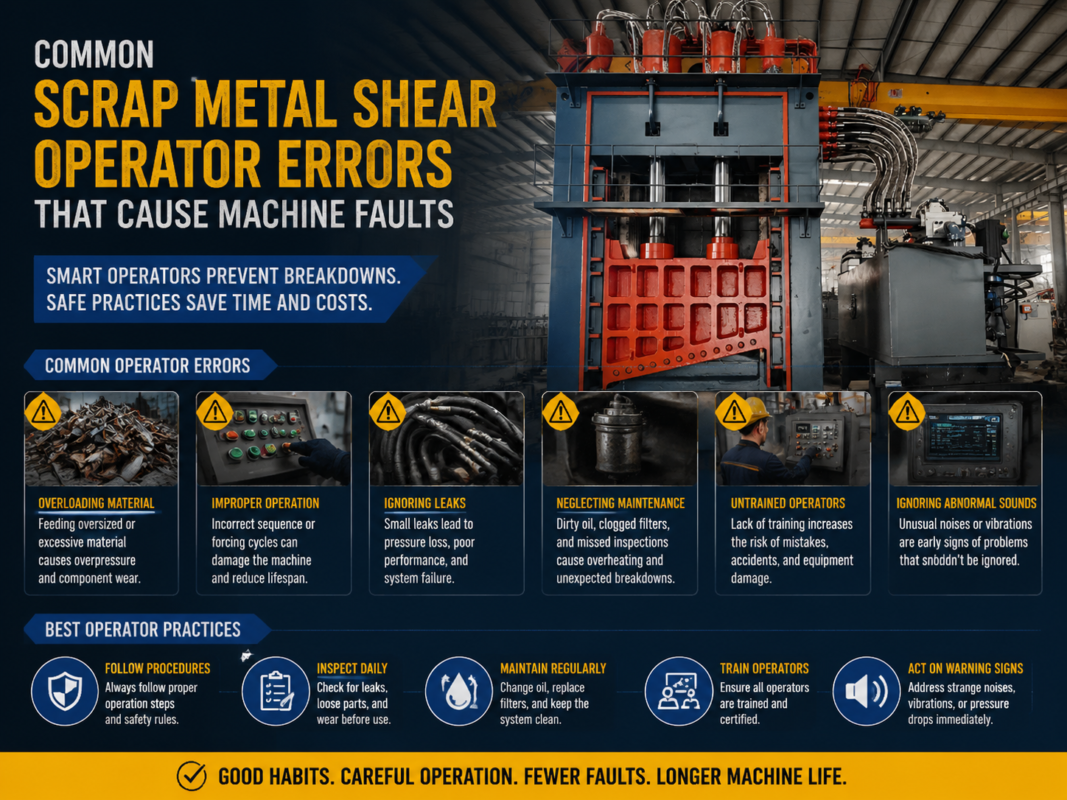
The most effective way to prevent major breakdowns is through a rigorous daily inspection routine. Before the first cycle of the day, operators should conduct a thorough visual and auditory sweep of the machine. This “pre-flight” check allows for the identification of minor issues before they escalate into expensive repairs. Start by checking the area around the machine for any signs of fluid leaks. Puddles of hydraulic oil are a clear indicator of seal failure or loose fittings that need immediate attention. Even a slow drip can lead to significant fluid loss over a shift, potentially causing the pump to cavitate and fail.
Next, inspect the cutting zone. Ensure that no debris is lodged in the blade area or the charging box. Accumulated dirt and metal shards can interfere with the movement of the shear head or damage the protective liners. Check the condition of the blades for visible chips or cracks. While scrap shears are built to handle tough materials, hitting an unshreddable object can cause sudden damage. Early detection of blade damage allows for scheduled rotation or replacement, preventing the jagged cuts that put unnecessary strain on the machine’s frame.
Auditory checks are equally important. Experienced operators should be trained to listen for unusual noises during the startup and initial cycles. High-pitched squealing often indicates a problem with the hydraulic pump or a lack of lubrication in the bearings. Grinding sounds may suggest that the guide rails are misaligned or that the blade gap has widened beyond tolerance. By documenting these daily findings in a maintenance log, managers can track the machine’s health over time and identify patterns that might suggest an underlying systemic issue.
Hydraulic System Maintenance: The Lifeblood of the Shear
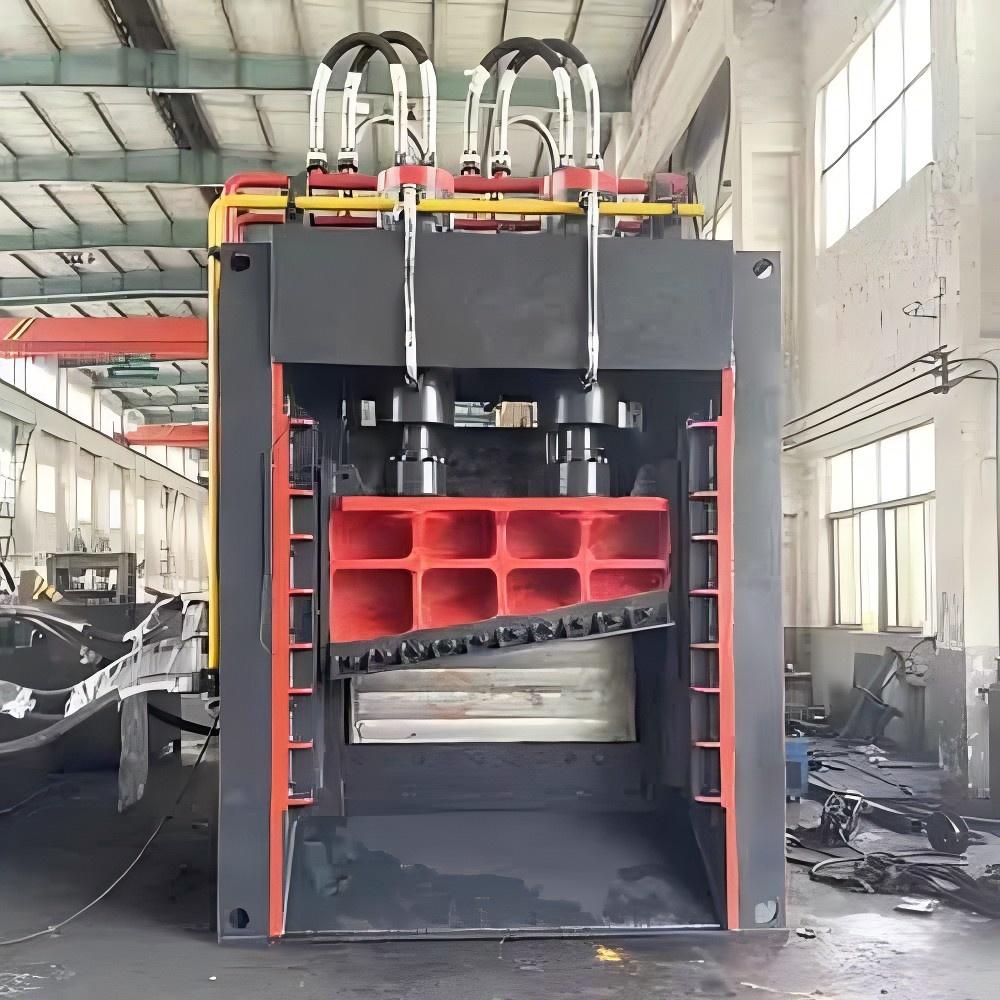
The hydraulic system is the heart of any scrap metal shear, providing the immense pressure required to cut through thick steel beams and plates. Consequently, hydraulic health is central to any Scrap Metal Shear Maintenance Tips to Reduce Downtime strategy. The most critical factor in hydraulic maintenance is oil cleanliness. Contaminated oil is responsible for over 70% of hydraulic system failures. Microscopic metal particles, dust, and moisture can abrade pump components, clog valves, and degrade seals. Regularly sampling the oil for laboratory analysis is a best practice for large-scale operations, but at a minimum, filters must be changed according to the manufacturer’s schedule.
Temperature management is another vital aspect of hydraulic care. Scrap shears generate significant heat during continuous operation. If the oil temperature exceeds the recommended range (typically 40°C to 60°C), its viscosity drops, leading to poor lubrication and increased wear. Ensure that the cooling system, whether air-cooled or water-cooled, is functioning correctly. Clean the heat exchanger fins regularly to prevent dust buildup from insulating the unit. If the machine is operating in extreme climates, consider using oil heaters for cold starts or high-capacity coolers for summer months to maintain optimal viscosity.
Finally, monitor the hydraulic cylinders and hoses. The cylinders are subject to immense lateral forces during the shearing process. Check the piston rods for scoring or pitting, which can damage the rod seals. Hoses should be inspected for bulging, cracking, or abrasion. In a scrap yard environment, falling debris can easily nick a hydraulic line. Replacing a worn hose during a scheduled break is a minor task; dealing with a high-pressure hose burst during production is a dangerous and messy ordeal that can shut down the yard for hours.
Electrical System and Control Logic Checks
While the mechanical and hydraulic systems do the heavy lifting, the electrical system is the brain that coordinates every movement. In the dusty and vibration-prone environment of a scrap yard, electrical components are under constant stress. Start by inspecting the main control cabinet. Ensure that the seals are intact to prevent the ingress of metallic dust, which can cause short circuits on circuit boards and relays. Use compressed air (moisture-free) to gently clean the interior of the cabinet periodically, focusing on cooling fans and heat sinks for the PLC and motor drives.
Sensors and limit switches are critical for the safe and precise operation of the shear. These components tell the PLC the position of the ram, the lid, and the feeder. If a sensor is misaligned or coated in grease and grime, it may send false signals, causing the machine to stop unexpectedly or, worse, operate out of sequence. Regularly clean the faces of proximity sensors and check the mounting brackets for tightness. Vibration from the shearing action can gradually loosen these components, leading to intermittent faults that are notoriously difficult to diagnose.
Wiring and connections should also be part of the periodic review. Check for loose terminals in the junction boxes, as vibration can back out screws over time. Inspect the conduits for damage, especially in areas where they are exposed to moving parts or falling scrap. A frayed wire can lead to erratic behavior or a complete system lockout. For HARSLE machines equipped with remote diagnostics, ensure that the communication modules are active, as this allows factory technicians to assist with troubleshooting without the need for an on-site visit, significantly reducing potential downtime.
Mechanical Components and Blade Management
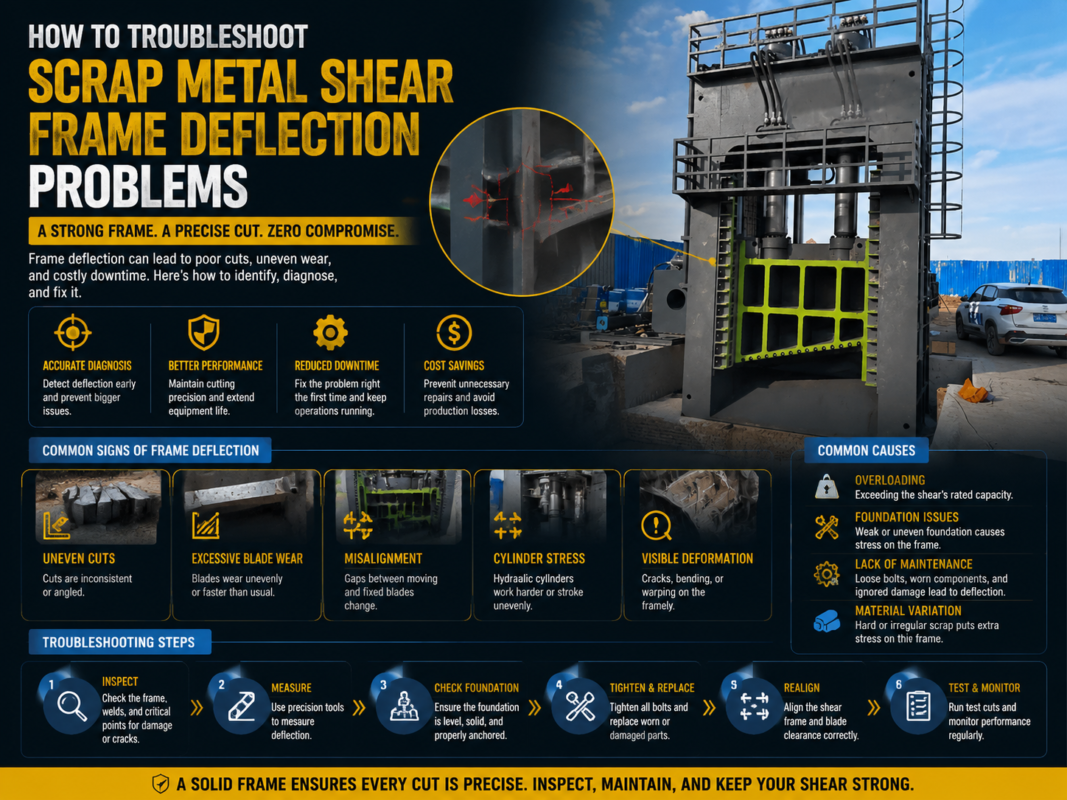
The mechanical integrity of the shear frame and the cutting blades determines the quality of the output and the longevity of the machine. The blade gap—the distance between the moving blade and the stationary blade—is the most critical mechanical adjustment. If the gap is too wide, the metal will fold rather than cut, causing immense side-loading on the ram and potentially jamming the machine. If it is too tight, the blades may clash, leading to catastrophic damage. Regularly measure the blade gap with feeler gauges and adjust according to the thickness of the material being processed.
Blade rotation and sharpening are essential Scrap Metal Shear Maintenance Tips to Reduce Downtime. Most HARSLE blades are rectangular and feature four cutting edges. By rotating the blades before they become excessively dull, you can maintain high cutting efficiency and reduce the load on the hydraulic system. Once all four edges are worn, the blades should be professionally reground. Attempting to operate with dull blades increases energy consumption and puts unnecessary stress on the shear’s structural welds and pivot pins.
Beyond the blades, inspect the guide slides and wear plates. These components ensure that the ram moves in a perfectly linear path. Over time, the friction of thousands of cycles will wear down these plates. Most modern shears use adjustable or replaceable wear liners made of high-bronze alloys or specialized plastics. Monitor the clearance between the ram and the guides; if excessive play is detected, adjust the liners to restore precision. Neglecting this can lead to “ram tilt,” which unevenly distributes the cutting force and can crack the main cylinder housing.
Comprehensive Lubrication Plan
Lubrication is the simplest yet most frequently overlooked aspect of industrial maintenance. In a scrap shear, dozens of moving parts—pins, bushings, slides, and bearings—are under extreme pressure. Without a consistent film of lubricant, these parts will experience metal-on-metal contact, leading to rapid heat buildup and eventual seizure. A comprehensive lubrication plan should specify the type of lubricant (grease vs. oil), the location of every grease point, and the frequency of application. Using the wrong type of grease can be as damaging as using none at all, as some additives are incompatible with specific bearing materials.
Many HARSLE shears come equipped with automated lubrication systems. These systems are designed to deliver small, precise amounts of grease to critical points at regular intervals while the machine is running. However, an automated system is not a “set and forget” solution. Operators must regularly check the reservoir levels and verify that grease is actually reaching the destination. A blocked line in an automated system can leave a critical bearing dry while the rest of the machine appears well-lubricated. Manually purging the lines and checking for fresh grease at the exit points is a necessary monthly task.
For machines requiring manual lubrication, consistency is key. Create a visual map of all lubrication points and color-code them based on frequency (e.g., daily, weekly, monthly). This makes it easy for maintenance staff to ensure nothing is missed. Pay special attention to the main pivot pins of the charging box and the shear head, as these areas bear the brunt of the mechanical force. High-quality, extreme-pressure (EP) grease is typically required to withstand the shock loads inherent in scrap shearing operations.
Troubleshooting Signals: Listening to Your Machine
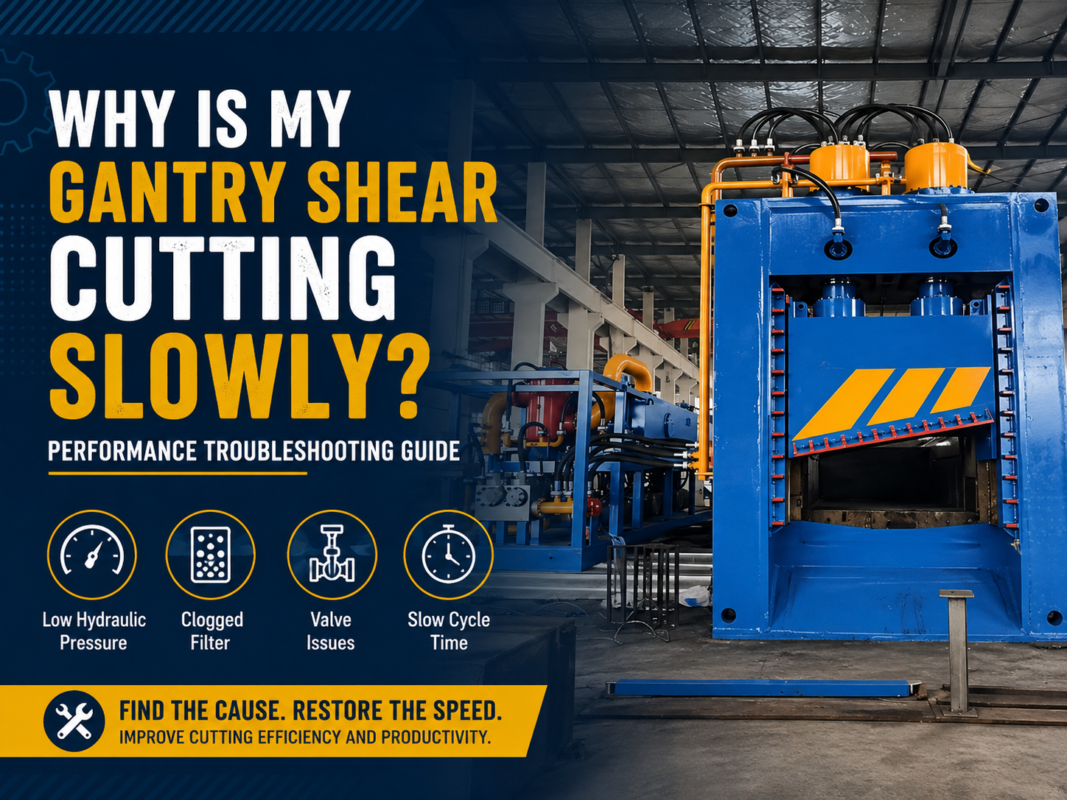
Effective maintenance also involves being a “machine whisperer.” Recognizing the early warning signs of failure can save thousands of dollars in repairs. One of the most common signals is a change in cycle time. If the shear is taking longer to complete a stroke than it used to, it usually indicates a loss of hydraulic efficiency. This could be due to a worn pump, internal leakage in a cylinder, or a malfunctioning relief valve. Tracking cycle times during a standard operation can help you spot these trends before they result in a total breakdown.
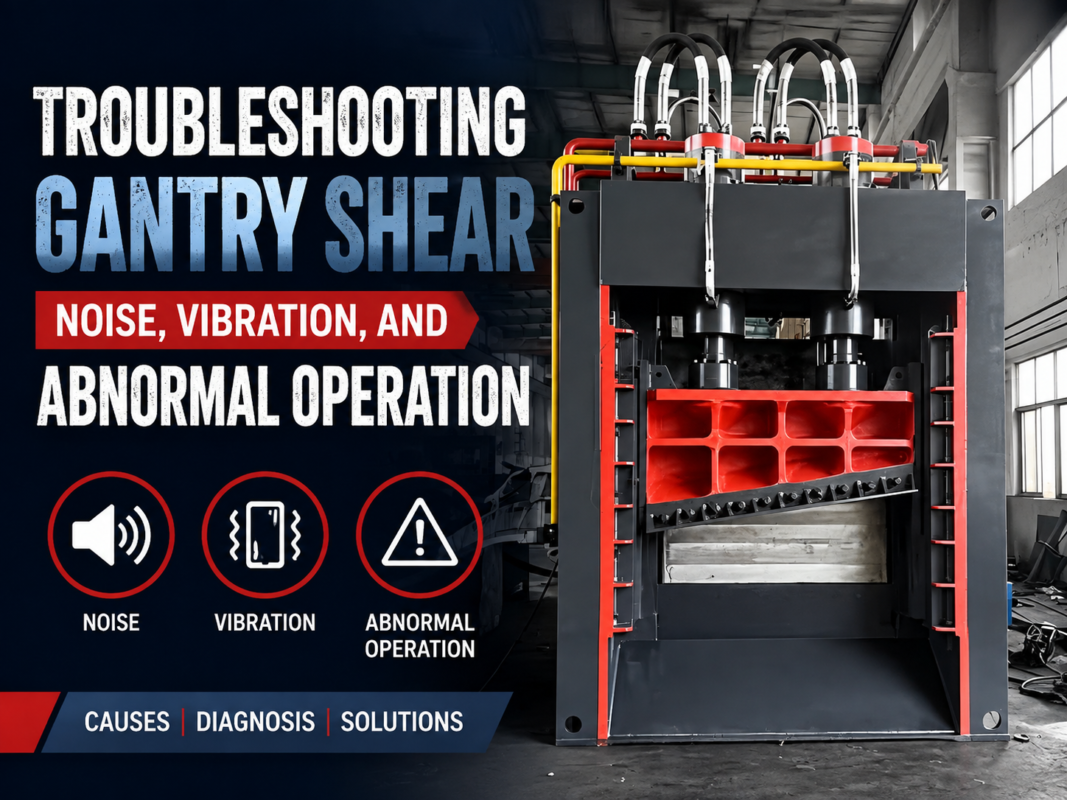
Vibration is another key indicator. While some vibration is normal during a cut, excessive or new vibrations often point to mechanical looseness. Check the foundation bolts that anchor the shear to the floor; if these loosen, the entire machine can shift, leading to misalignment and structural stress. Similarly, check the bolts holding the blades and wear plates. A loose blade can shatter under pressure, causing extensive damage to the shear head and posing a significant safety risk to personnel.
Finally, monitor the appearance of the processed scrap. If the cuts are becoming jagged, or if the machine is struggling to cut material it previously handled with ease, it is a clear sign that the blades are dull or the gap needs adjustment. Don’t wait for the machine to stop working to investigate these issues. Addressing them early ensures that the machine continues to operate within its design parameters, reducing the likelihood of a major component failure that could lead to extended downtime.
Maintenance Schedule Table
To help organize your efforts, use the following table as a baseline for your HARSLE scrap metal shear maintenance program. Adjust the frequencies based on your specific shift patterns and material types.
| Frequency | Component | Action Required |
|---|---|---|
| Daily | Hydraulic System | Check oil levels and look for leaks in hoses/fittings. |
| Daily | Cutting Zone | Clear debris and inspect blades for chips or cracks. |
| Daily | Safety Systems | Test emergency stops and verify all guards are in place. |
| Weekly | Lubrication | Check auto-lube reservoir or manually grease all EP points. |
| Weekly | Blade Gap | Measure gap with feeler gauges; adjust if necessary. |
| Weekly | Electrical | Inspect external cables and sensors for damage or grime. |
| Monthly | Hydraulic Filters | Replace return line and suction filters. |
| Monthly | Wear Plates | Check clearance on ram guides; tighten or replace liners. |
| Monthly | Structure | Inspect main frame welds and foundation bolts for cracks/looseness. |
| Quarterly | Oil Analysis | Send hydraulic oil sample to lab for contamination testing. |
| Yearly | Full System Audit | Comprehensive pressure testing and electrical cabinet cleaning. |
Frequently Asked Questions (FAQ)
How often should I change the hydraulic oil in my scrap shear?
While many manufacturers suggest changing oil every 2,000 to 4,000 hours, the best approach is based on oil analysis. If the oil is clean, dry, and retains its chemical properties, it can last longer. However, filters should be changed much more frequently—typically every 500 to 1,000 hours—to prevent contaminants from building up.
What is the most common cause of downtime in scrap metal shears?
Hydraulic failure due to oil contamination is the leading cause. This is followed closely by mechanical issues resulting from improper blade gap maintenance. Keeping the oil clean and the blades properly adjusted will eliminate the majority of unscheduled downtime.
Can I sharpen my own shear blades?
While minor burrs can be touched up with a hand grinder, the main cutting surfaces must be precision-ground on a large surface grinder to ensure they are perfectly flat and square. Improper DIY sharpening can lead to uneven blade gaps and poor cutting performance.
Why is my shear losing cutting power?
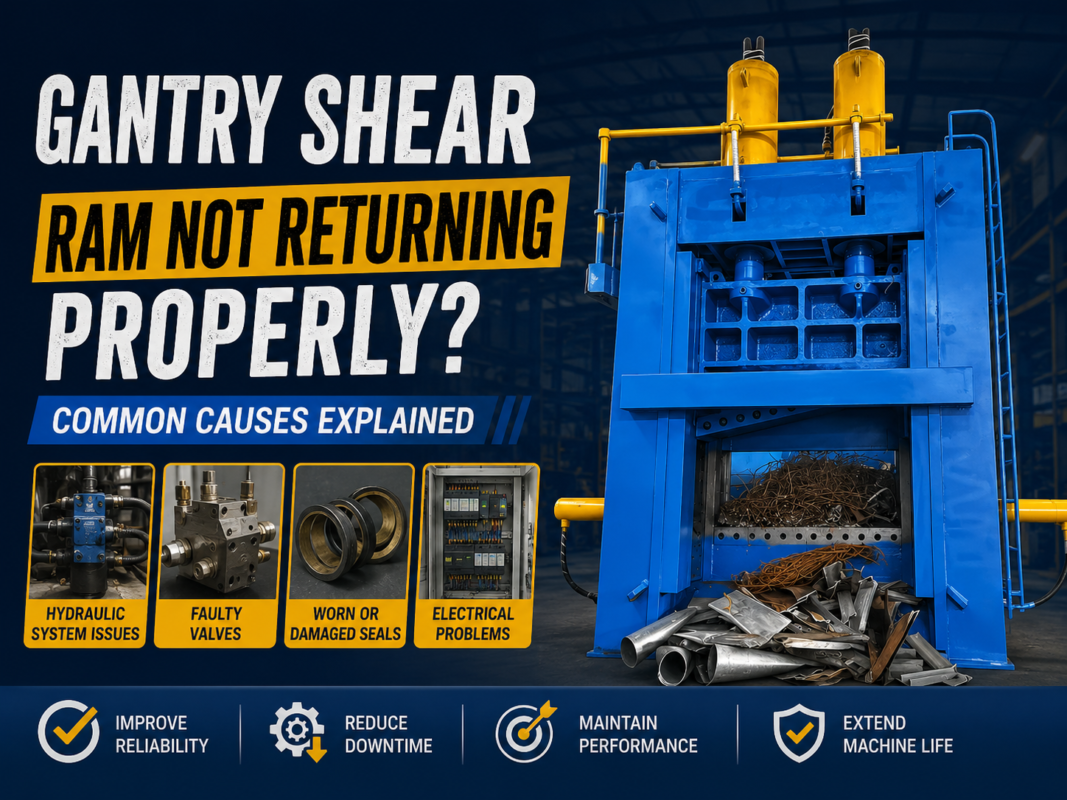
Loss of power is usually related to the hydraulic system. Check for a worn-out pump, a leaking bypass valve, or internal seals leaking within the main cylinder. It can also be caused by extremely dull blades which require more force than the machine is rated to provide.
How do I know if my automated lubrication system is working?
Check the grease points for “fresh” grease squeeze-out. If a point looks dry or has old, crusty grease, the line may be blocked. You should also monitor the pump’s cycle indicator or pressure gauge to ensure it is reaching the required pressure to distribute the lubricant.
Is it safe to operate the shear if one blade bolt is missing?
No. Operating a shear with missing or loose blade bolts is extremely dangerous. The immense pressure of the cut can cause the blade to shift, shatter, or be ejected from the machine. Always replace missing hardware with the correct grade of bolt before continuing operation.