How to Maintain a Scrap Metal Shear for Longer Blade Life: The Ultimate Industrial Guide

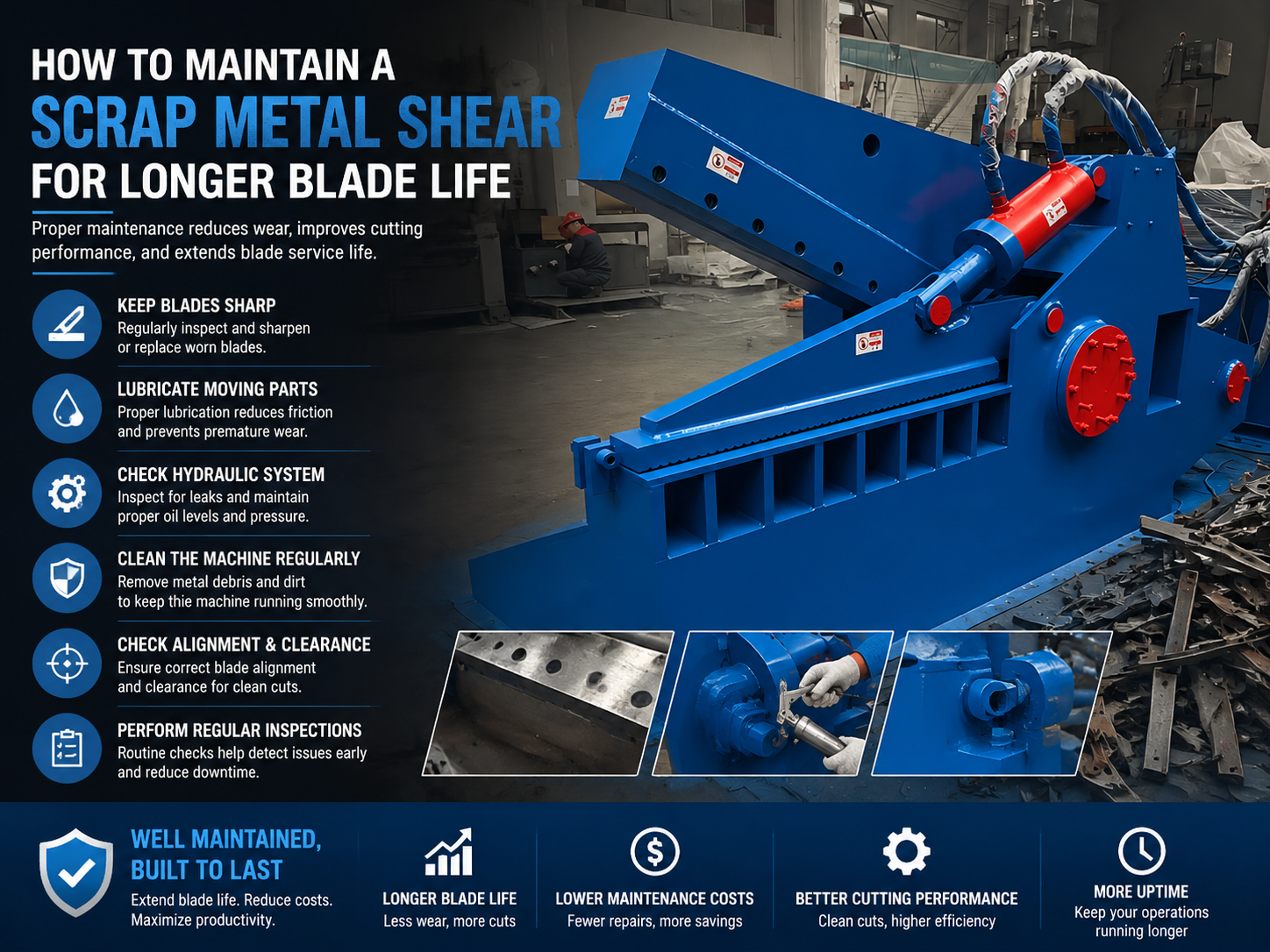
The Critical Importance of Maintaining a Scrap Metal Shear
In the high-intensity world of metal recycling and industrial fabrication, the scrap metal shear stands as a cornerstone of productivity. Whether you are processing rebar, structural steel, or non-ferrous alloys, the efficiency of your operation is directly tied to the condition of your machinery. Learning how to maintain a scrap metal shear for longer blade life is not merely a suggestion; it is a financial necessity. A well-maintained shear ensures clean cuts, reduces energy consumption, and prevents the catastrophic failure of expensive components. When blades are allowed to dull or misalign, the entire system suffers from increased stress, leading to premature wear on hydraulic pumps and structural frames.
The primary goal of a rigorous maintenance program is to maximize the Return on Investment (ROI) of the equipment. Industrial shears, such as those manufactured by HARSLE, are engineered for durability, but the abrasive nature of scrap metal processing means that wear is inevitable. By implementing a proactive strategy to maintain a scrap metal shear longer blade life, operators can extend the intervals between blade rotations and replacements. This translates to less downtime and higher throughput. Furthermore, a sharp blade requires less hydraulic pressure to execute a cut, which protects the seals and valves within the hydraulic circuit from excessive heat and pressure spikes.
Safety is another paramount reason for consistent maintenance. A shear with dull blades or loose fasteners is a hazard to the operator and the surrounding facility. Material is more likely to kick back or jam when the cutting edge is compromised. By following a structured maintenance guide, you ensure that every component—from the smallest bolt to the massive hydraulic cylinder—is functioning within its design parameters. This comprehensive guide will walk you through the essential steps to keep your scrap metal shear in peak condition, focusing specifically on techniques to preserve the integrity of your cutting blades.
Daily Inspection: The First Line of Defense
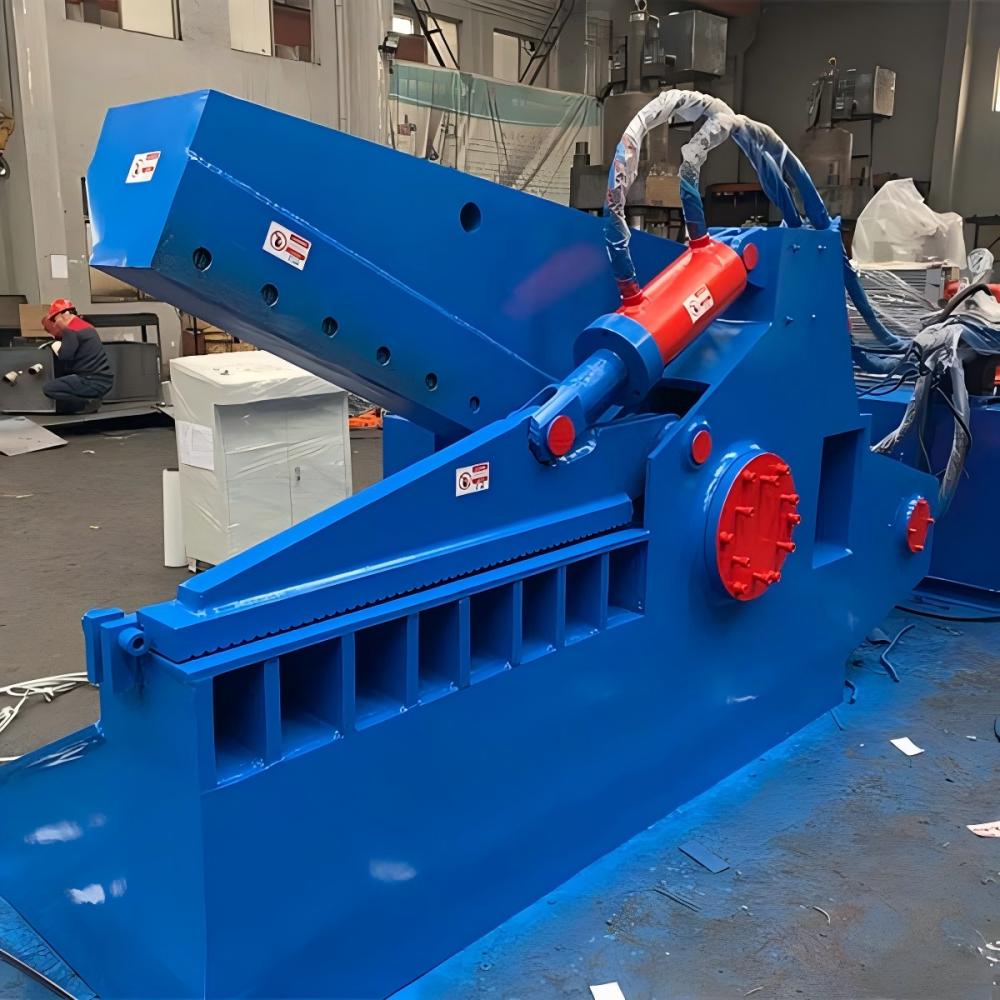
The most effective way to maintain a scrap metal shear for longer blade life is through a disciplined daily inspection routine. Before the first cycle of the day, the operator should perform a visual and physical sweep of the machine. The first priority is the removal of debris. Scrap metal processing is inherently messy; small shards of metal, dust, and scale can accumulate around the blade seats and the moving arm. If this debris is not cleared, it can act as an abrasive, grinding against the blades and the frame, leading to accelerated wear and potential misalignment.
Checking the blade gap is perhaps the most critical daily task. The clearance between the upper and lower blades must be precisely set according to the manufacturer’s specifications. If the gap is too wide, the metal will tend to fold or tear rather than cut, which puts immense lateral pressure on the blades and can cause them to chip or crack. Conversely, if the gap is too narrow, the blades may rub against each other, generating excessive heat and causing the hardened steel to lose its temper. A simple feeler gauge check every morning can save thousands of dollars in blade replacement costs over the course of a year.
Furthermore, operators must inspect the tightness of the blade bolts. The vibrations generated during heavy-duty shearing can cause even the most robust fasteners to loosen over time. A loose blade is a recipe for disaster; it can shift during a cut, leading to a catastrophic collision between the upper and lower cutting edges. Ensure that all bolts are torqued to the specific foot-pounds required by the HARSLE manual. While checking the bolts, look for signs of stress cracks on the blade surface or the surrounding seat. Early detection of these issues allows for planned maintenance rather than emergency repairs.
Hydraulic, Electrical, and Mechanical System Checks
To truly maintain a scrap metal shear longer blade life, one must look beyond the blades themselves and examine the systems that power them. The hydraulic system is the heart of the shear. Maintaining the correct oil level and ensuring the oil is clean is vital. Contaminated hydraulic fluid can cause the valves to stick or the pump to lose efficiency, resulting in erratic blade movement. When the blade does not move smoothly, it can strike the material at an awkward angle, causing uneven wear. Regularly check the hydraulic filters and replace them as scheduled to prevent particulate matter from circulating through the system.
Temperature management is another key aspect of hydraulic maintenance. If the oil becomes too hot, its viscosity drops, leading to poor lubrication of internal components and potential leaks at the seals. High temperatures can also be a sign that the machine is working too hard due to dull blades. By monitoring the oil temperature, you can gain insights into the overall health of the shear. If you notice a consistent rise in operating temperature, it may be time to inspect the blades for sharpness or check the cooling system for blockages.
Electrical systems, though often overlooked in mechanical maintenance, play a crucial role in modern shears. Ensure that all limit switches and sensors are clean and properly aligned. These components control the stroke of the shear; if a limit switch fails, the cylinder might overextend, putting unnecessary strain on the mechanical stops and the blade assembly. Check the control panel for any error codes and ensure that all emergency stop buttons are functional. Mechanically, inspect the pivot pins and bushings. These components support the weight and force of the shearing arm. If the bushings are worn, the arm may develop “play,” which directly affects blade alignment and cutting precision.
Developing a Comprehensive Lubrication Plan
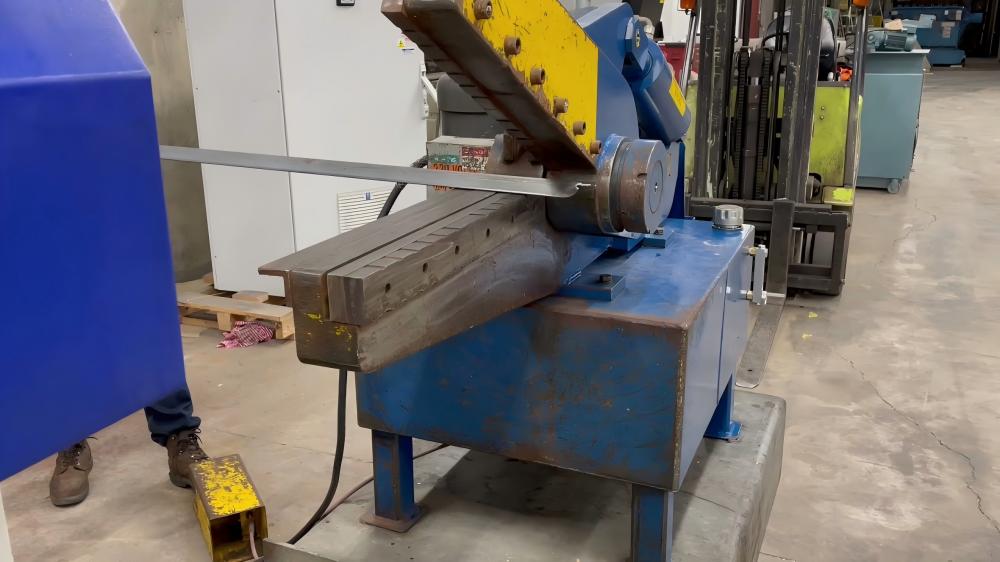
Lubrication is the lifeblood of any heavy industrial machine. To maintain a scrap metal shear for longer blade life, you must reduce friction at every possible interface. The pivot points of the shear arm endure massive loads during every cycle. Without adequate lubrication, these points will experience metal-on-metal contact, leading to galling and eventual seizure. A dedicated lubrication plan should specify the type of grease to be used—typically a high-pressure, lithium-based grease—and the frequency of application. For high-volume operations, greasing should occur at least once every shift.
It is not just the pivot pins that require attention. Many shears feature sliding guides or wear plates that stabilize the moving arm. These surfaces must be kept coated with a thin layer of lubricant to ensure smooth travel. When these surfaces are dry, the arm may hesitate or “chatter” during the cut, which creates an uneven distribution of force across the blade edge. This uneven force is a primary cause of localized blade dulling and chipping. Automated lubrication systems are an excellent investment for scrap yards, as they ensure a consistent supply of grease to all critical points without relying on manual intervention.
When applying grease, always look for the “purge.” You should see a small amount of old grease being pushed out of the joint, which indicates that the new grease has fully penetrated the bearing surface. This process also helps to flush out any contaminants, such as metal dust or moisture, that may have entered the joint. Remember that over-lubrication can also be an issue, as excess grease can attract dirt and grit, creating a grinding paste. The goal is a clean, consistent application that keeps the mechanical components moving with minimal resistance.
Troubleshooting Signals: Recognizing Early Warning Signs
Effective maintenance involves being in tune with the machine’s “language.” To maintain a scrap metal shear longer blade life, operators must be trained to recognize the early warning signs of trouble. One of the most common signals is a change in the sound of the machine. A sharp, clean cut produces a distinct “snap” or “thud,” whereas a dull blade or a machine with excessive blade gap will produce a straining, grinding, or tearing sound. If the motor sounds like it is bogging down more than usual, it is a clear indicator that the resistance at the cutting edge has increased.
Visual cues on the processed material are also telling. Inspect the cut ends of the scrap metal. If the edges are heavily burred, rolled, or show signs of extreme heat (discoloration), the blades are likely dull or the clearance is incorrect. Another sign is the “bowing” of the material. If the shear is pushing the metal down rather than cutting through it, the blades have lost their ability to bite into the work piece. This puts immense stress on the blade seats and can lead to the bolts shearing off or the blade itself fracturing.
Finally, monitor the cycle time. If the shear is taking longer to complete a full stroke, it indicates a loss of efficiency. This could be due to hydraulic issues, such as a failing pump or internal bypass in the cylinder, or it could be the result of the machine struggling to cut with blunt tools. By catching these signals early, you can perform a “blade flip” (rotating the blade to a fresh edge) or a sharpening before the damage becomes irreversible. Proactive troubleshooting is the difference between a minor adjustment and a multi-day breakdown.
Comprehensive Maintenance Schedule Table
To help you maintain a scrap metal shear for longer blade life, use the following table as a baseline for your facility’s maintenance program. Adjust the frequency based on your specific workload and environmental conditions.
| Frequency | Component | Action Required |
|---|---|---|
| Daily | Blades & Seats | Clear debris, check for chips, and verify blade gap. |
| Daily | Fasteners | Check and torque blade bolts and structural fasteners. |
| Daily | Hydraulics | Check oil level and look for visible leaks at hoses/fittings. |
| Every Shift | Pivot Points | Apply high-pressure grease to all main pins and bushings. |
| Weekly | Wear Plates | Inspect for scoring and ensure proper lubrication. |
| Weekly | Electrical | Test E-stops and clean sensors/limit switches. |
| Monthly | Hydraulic Oil | Sample oil for contamination and check filter indicators. |
| Monthly | Blade Rotation | Evaluate edge wear; rotate or flip blades if necessary. |
| Quarterly | Structure | Inspect frame welds for stress cracks or fatigue. |
| Annually | Full Service | Change hydraulic fluid, replace all filters, and calibrate pressure settings. |
Frequently Asked Questions (FAQ)
1. How often should I sharpen my scrap metal shear blades?
The frequency of sharpening depends entirely on the volume and type of material you are processing. For heavy-duty steel recycling, you may need to rotate or flip the blades every 200-400 hours of operation. Once all four edges of a blade are dull, they should be professionally ground. Always maintain a spare set of blades to minimize downtime during the sharpening process.
2. What is the ideal blade gap for a hydraulic alligator shear?
Generally, the blade gap should be approximately 5% to 10% of the thickness of the material being cut. However, for scrap shears, a standard setting is often between 0.2mm and 0.5mm. Always consult your HARSLE manual for the specific tolerances of your model, as an incorrect gap is the leading cause of blade damage.
3. Can I weld a chipped blade to repair it?
It is generally not recommended to weld industrial shear blades. These blades are made from specialized high-carbon or alloy tool steels that have undergone specific heat treatment. Welding introduces intense heat that can destroy the temper of the steel, making it brittle and prone to shattering under load. It is safer and more cost-effective to grind the blade down past the chip or replace it.
4. Why is my shear losing cutting power?
Loss of cutting power is usually attributed to either dull blades or hydraulic issues. Check the blades first; if they are rounded off, they cannot penetrate the metal efficiently. If the blades are sharp, check the hydraulic system pressure. A worn pump, a leaking cylinder seal, or a malfunctioning relief valve can all lead to a drop in the force exerted by the shear arm.
5. How does cold weather affect shear maintenance?
In cold environments, hydraulic oil becomes more viscous (thicker), which can slow down the machine and increase pressure on the pump during startup. It is essential to use a winter-grade hydraulic fluid or allow the machine to idle and warm up the oil before beginning heavy cutting. Cold steel is also more brittle, which can increase the risk of blade chipping if the material is not positioned correctly.
6. What are the signs that my pivot bushings need replacement?
If you notice the upper arm shifting laterally (side-to-side) during a cut, or if there is an audible “clunk” when the arm changes direction, the bushings are likely worn. Excessive play in the pivot point makes it impossible to maintain a consistent blade gap, which will rapidly destroy your blades and potentially damage the shear frame.