Industrial Shredder Applications In Hazardous Waste Pre-Treatment: A Comprehensive Guide

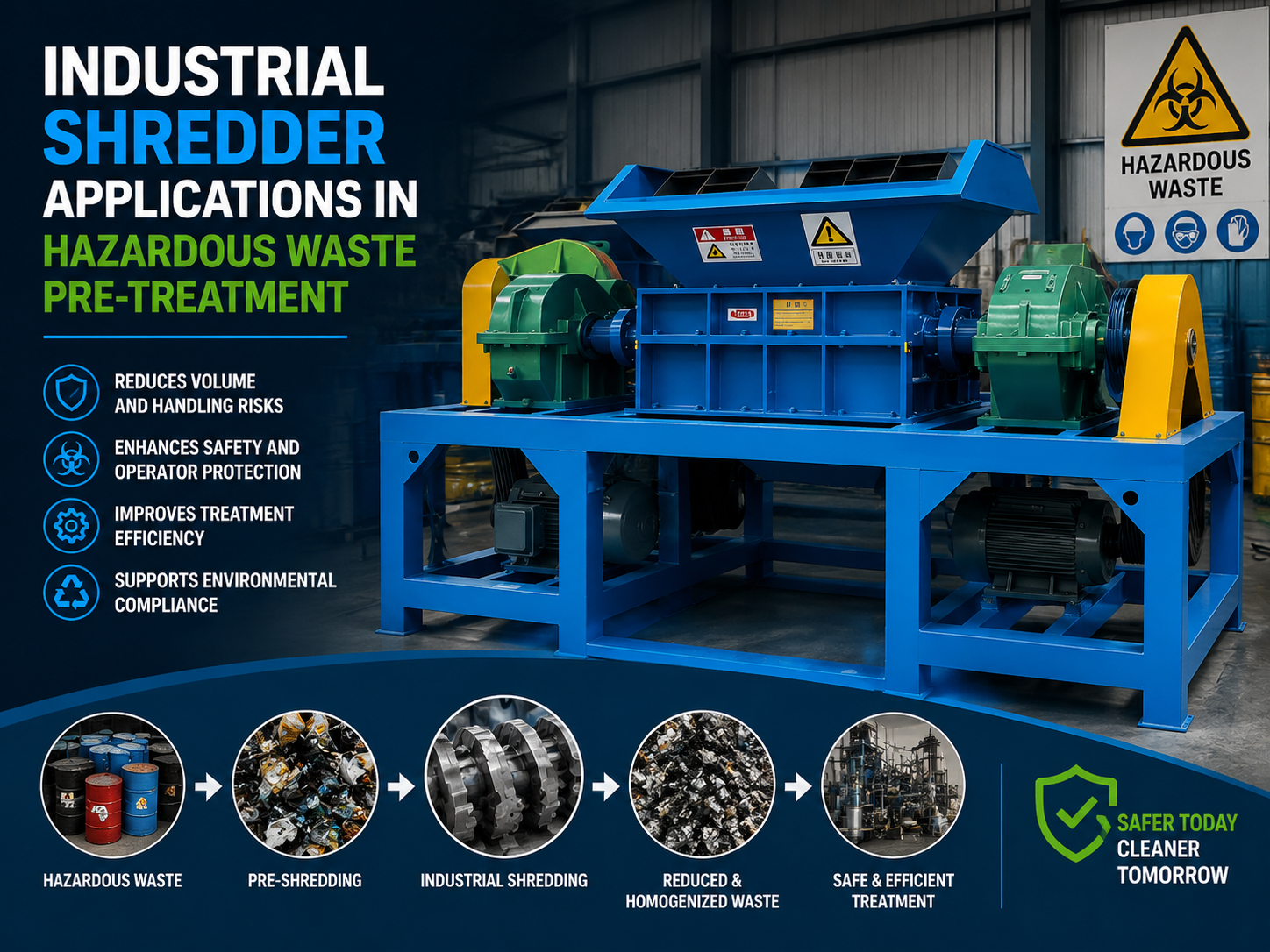
Introduction to Industrial Shredder Applications In Hazardous Waste Pre-Treatment
In the modern industrial landscape, the management of hazardous waste has evolved from a regulatory necessity into a sophisticated technological challenge. Hazardous waste, characterized by its toxicity, flammability, corrosivity, or reactivity, requires specialized handling to prevent environmental catastrophe and ensure human safety. Central to this process is the concept of pre-treatment, where Industrial Shredder Applications In Hazardous Waste Pre-Treatment play a pivotal role. Shredding is not merely about reducing size; it is about transforming heterogeneous, dangerous materials into a homogenous state suitable for downstream processes such as incineration, chemical stabilization, or specialized landfilling.
HARSLE, a leader in metal fabrication and industrial machinery, recognizes that the efficiency of a waste management facility often hinges on the reliability of its shredding equipment. Industrial shredders designed for hazardous waste must withstand extreme conditions, from corrosive chemical residues to high-torque demands of metal containers. This guide explores the intricate details of how these machines operate within the hazardous waste sector, the technical requirements for successful implementation, and the productivity benefits that modern engineering brings to the table.
The pre-treatment phase is critical because it dictates the efficiency of the entire disposal chain. By reducing the volume of waste and increasing its surface area, shredders allow for more complete chemical reactions during neutralization and more efficient combustion during thermal destruction. As global regulations tighten, the demand for robust, explosion-proof, and high-capacity shredding solutions continues to grow, making the understanding of these applications essential for facility managers and environmental engineers alike.
Application Scenarios for Hazardous Waste Shredding
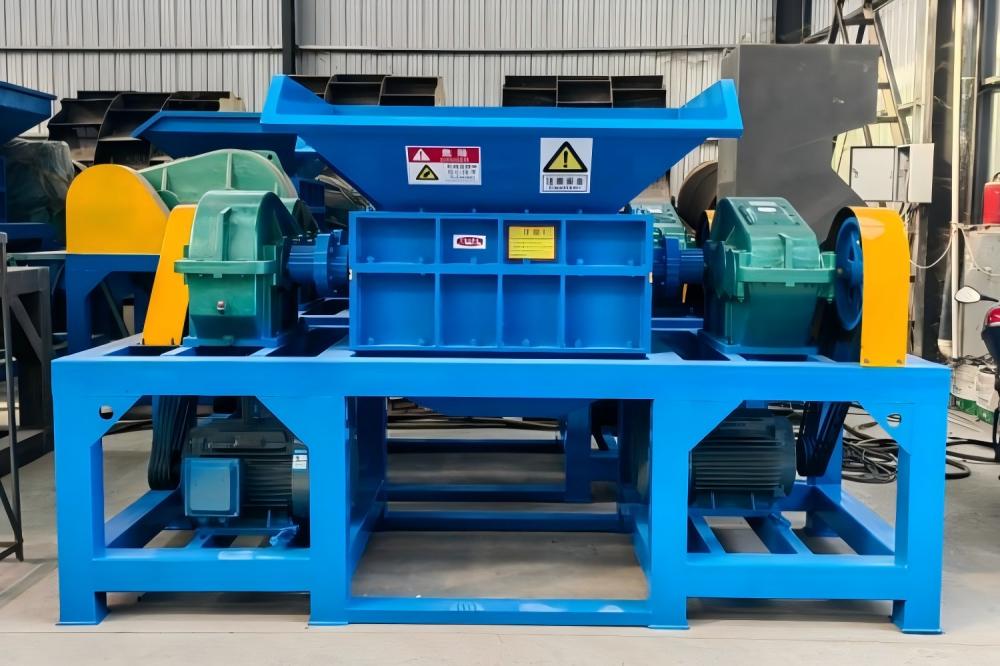
The versatility of industrial shredders allows them to be deployed across a wide array of hazardous waste scenarios. One of the most common applications is in the petrochemical and chemical manufacturing industries. These facilities generate vast quantities of contaminated packaging, including plastic and metal drums (200L/55-gallon barrels) that once held toxic solvents or reagents. Shredding these containers is the first step in decontamination and recycling, as it allows for the removal of residual liquids and prepares the metal or plastic for smelting or granulation.
Another critical scenario involves medical and pharmaceutical waste. While not always classified as ‘industrial’ in the traditional sense, the scale of pharmaceutical manufacturing requires the destruction of expired medications, contaminated laboratory equipment, and sharp objects. Industrial shredders ensure that these materials are rendered unrecognizable and non-reusable, preventing the illegal resale of expired drugs and ensuring that biohazardous materials are prepared for high-temperature sterilization or incineration.
In the realm of Electronic Waste (E-waste), many components contain hazardous substances like lead, mercury, and cadmium. Shredding is used to break down complex assemblies, such as circuit boards and batteries, into smaller fragments. This allows for the mechanical separation of precious metals from hazardous plastics and glass. The precision of the shredding process is vital here to ensure that hazardous dust is contained and that the resulting fractions are clean enough for secondary processing.
Furthermore, industrial sludge and contaminated soil often require shredding when they contain large debris or solidified clumps. In remediation projects, shredders are used to homogenize the waste before it is mixed with stabilizing agents like cement or lime. This ensures that the stabilizing chemicals can reach every part of the waste, effectively ‘locking in’ the toxins and preventing them from leaching into the environment after disposal.
Material and Process Requirements
Processing hazardous waste is significantly more demanding than handling municipal solid waste. The first major requirement is chemical compatibility and corrosion resistance. Many hazardous wastes are highly acidic or alkaline. Therefore, the internal components of the shredder, particularly the cutting chamber and shafts, must often be treated with specialized coatings or constructed from high-grade alloys to prevent premature failure. HARSLE emphasizes the use of wear-resistant steels that can maintain structural integrity even when exposed to harsh chemical environments.
Explosion protection and safety are paramount. Hazardous waste often includes volatile organic compounds (VOCs) that can form explosive atmospheres. Industrial shredders used in these environments must be ATEX or IECEx certified. This involves the use of explosion-proof motors, non-sparking blade materials, and the integration of nitrogen purging systems. Nitrogen purging replaces the oxygen in the cutting chamber with an inert gas, effectively eliminating the risk of combustion during the shredding of flammable materials.
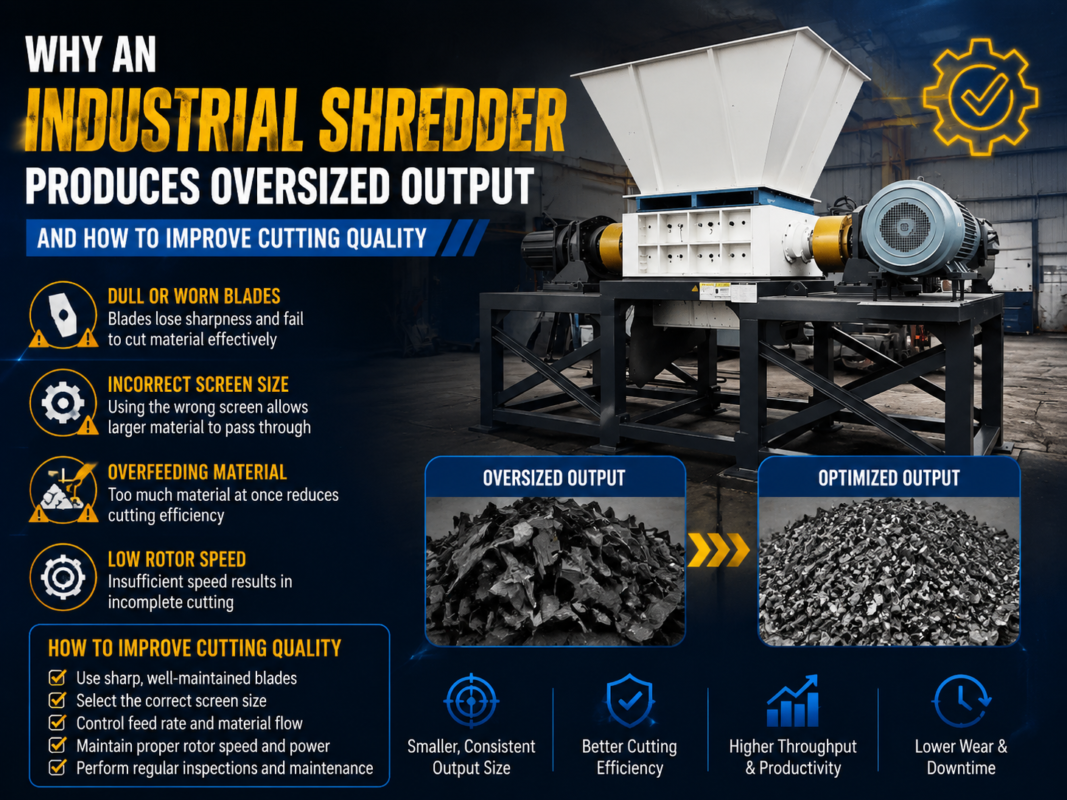
The particle size and consistency requirement is another technical hurdle. Downstream processes like rotary kiln incineration require a specific feed size to ensure consistent burn rates and prevent clogs. The shredder must be capable of producing a uniform output, often achieved through the use of screens or multi-shaft designs (such as four-shaft shredders) that recirculate oversized material until it meets the required dimensions. This precision prevents ‘slugs’ of high-caloric waste from entering an incinerator, which could cause dangerous temperature spikes.
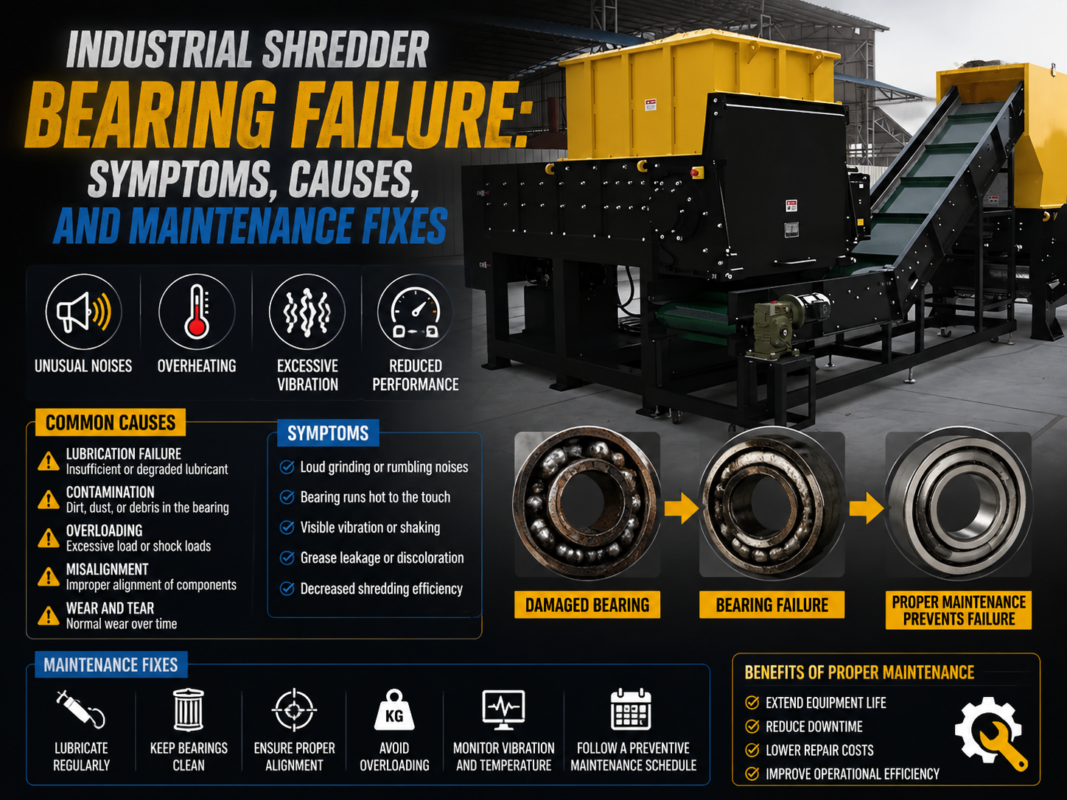
Finally, sealing and containment are non-negotiable. Hazardous waste shredding can release toxic dust, vapors, or liquids. The machine must feature advanced sealing systems for the bearings and drive shafts to prevent contamination of the mechanical components and the external environment. Integrated dust suppression systems, often using fine water mists or vacuum extraction, are frequently required to maintain air quality standards within the processing facility.
Recommended Machine Configuration
For hazardous waste pre-treatment, the Double-Shaft Shredder is the industry standard. This configuration utilizes two counter-rotating shafts equipped with hooked blades that pull material into the center of the cutting chamber. The high-torque, low-speed operation is ideal for shearing through tough materials like steel drums and thick plastics without generating excessive heat, which is crucial when dealing with heat-sensitive hazardous chemicals.
The blade geometry and material are the most critical components of the configuration. HARSLE recommends blades made from high-strength alloy steels like D2 or DC53, heat-treated to a hardness of 55-60 HRC. For hazardous waste, the ‘hook’ design of the blade is optimized based on the primary waste stream—wider hooks for bulky items like drums and narrower, more aggressive hooks for fibrous or rubberized materials. The thickness of the blades determines the width of the shredded output, allowing for customization based on the facility’s specific needs.
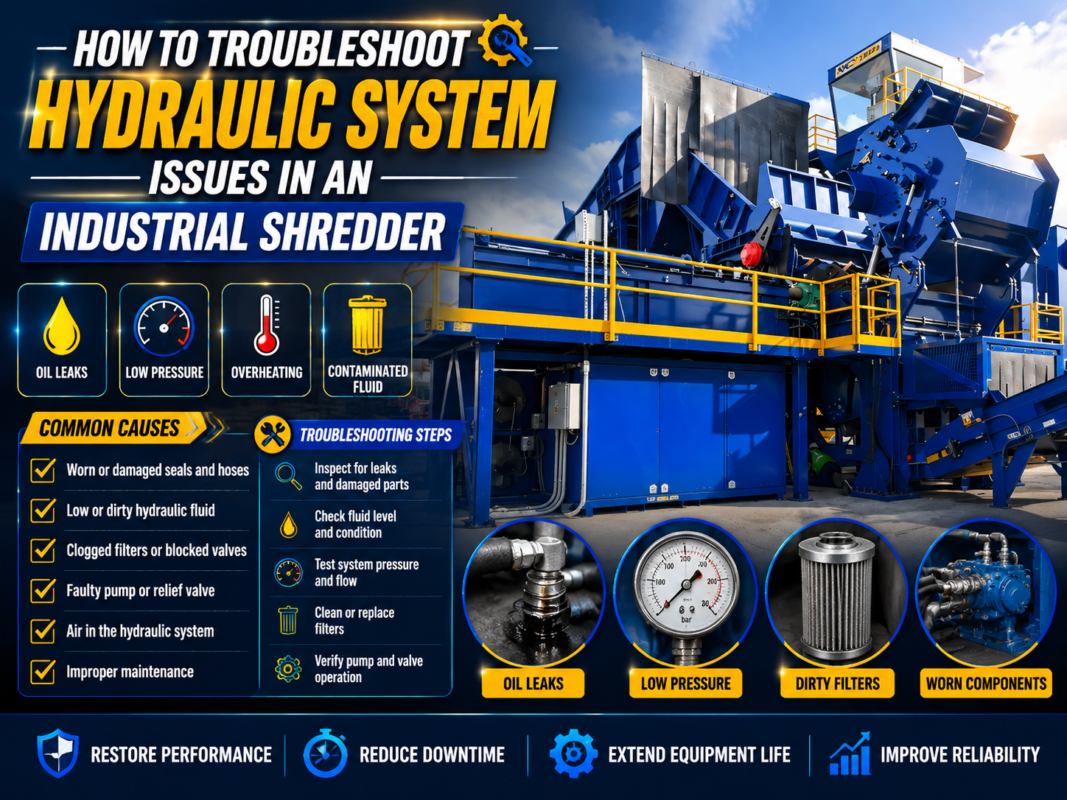
In terms of drive systems, facilities must choose between electric and hydraulic drives. Hydraulic drives are often preferred for hazardous waste because they offer superior shock absorption and the ability to reverse instantly when an unshreddable object is encountered. This protects the drivetrain from the sudden torque spikes common when processing unpredictable industrial waste. However, modern electric drives with Variable Frequency Drives (VFDs) are becoming more popular due to their energy efficiency and precise control over shaft speed.
Advanced PLC (Programmable Logic Controller) systems are essential for hazardous waste applications. These systems monitor motor load, shaft speed, and bearing temperature in real-time. If the shredder encounters a hard object, the PLC automatically triggers a reversal sequence to clear the jam. Furthermore, the PLC can be integrated into the facility’s central control room, allowing for remote operation and monitoring, which enhances safety by keeping personnel away from the active shredding zone.
Workflow of Hazardous Waste Pre-Treatment
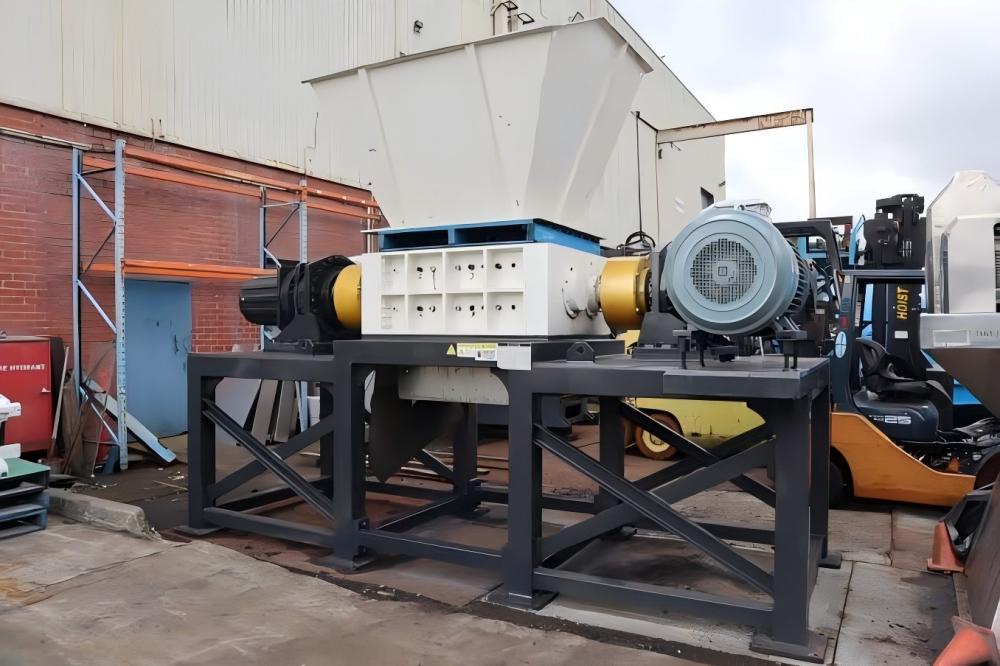
The workflow begins with waste characterization and sorting. Before reaching the shredder, waste is inspected to remove ‘unshreddables’—massive steel blocks or heavy machinery parts that could damage the blades. In a hazardous waste context, this often involves remote handling equipment or explosion-proof forklifts to maintain a safe distance between operators and the waste.
The second stage is controlled feeding. Hazardous waste is typically fed into the shredder via a conveyor belt or a hydraulic ram feeder. The goal is to maintain a consistent flow of material to prevent ‘slugging’ the motor. For liquid-filled containers, the feeding area is often equipped with spill containment sumps to capture any hazardous fluids released during the initial crushing phase. This stage is frequently performed under a vacuum or nitrogen blanket to manage vapors.
Next is the shredding process itself. As the material passes through the counter-rotating shafts, it is sheared, torn, and compressed. If a four-shaft shredder is used, the material passes through a secondary set of shafts and a screen. Material that is too large to pass through the screen is carried back up by the teeth and re-shredded. This ensures that 100% of the output meets the size specifications required for the next stage of treatment.
The final stage is discharge and downstream integration. The shredded material is transported via sealed screw conveyors or enclosed belt conveyors to the next process. In many hazardous waste plants, this leads directly to a mixing pit where the shredded waste is blended with other materials to create a ‘Specified Recovered Fuel’ (SRF) for cement kilns, or it is sent to a stabilization unit where chemical reagents are added to neutralize the hazardous components.
Productivity and Environmental Benefits
The primary benefit of Industrial Shredder Applications In Hazardous Waste Pre-Treatment is the massive reduction in waste volume. Shredding can reduce the volume of bulky hazardous waste by up to 80%. This significantly lowers transportation costs, as more waste can be packed into a single specialized transport vehicle. For facilities that pay for disposal by volume or by the number of containers, the ROI (Return on Investment) for a HARSLE shredder can be realized in a very short timeframe.
From an environmental and safety perspective, shredding enables more effective treatment. By increasing the surface area of the waste, chemical stabilizers can react more thoroughly, ensuring that heavy metals are properly sequestered. In incineration, smaller, uniform particles burn more completely and at more stable temperatures, which reduces the formation of harmful byproducts like dioxins and furans. This helps facilities stay well within their emission limits and reduces the environmental footprint of the disposal process.
Operational efficiency is also greatly enhanced. Automated shredding systems reduce the need for manual handling of hazardous materials, which is one of the highest-risk activities in a waste facility. By automating the size reduction process, facilities can process higher tonnages per hour with fewer staff, all while maintaining a higher safety standard. The ability of modern shredders to run 24/7 with minimal downtime for maintenance further boosts the overall throughput of the treatment plant.
Finally, shredding facilitates resource recovery. Even in hazardous waste streams, there are often valuable materials like scrap steel or aluminum. Once the waste is shredded, magnetic separators and eddy current separators can be used to pull out these metals. Selling the recovered scrap provides an additional revenue stream for the facility, turning a waste disposal cost into a partial recovery of value.
Case Example: Chemical Drum Processing Facility
A large-scale hazardous waste management company in Europe faced challenges with the disposal of 200-liter steel drums containing residual toxic resins. Manually cleaning and crushing these drums was slow, dangerous, and resulted in inconsistent sizes that caused frequent clogs in their rotary kiln incinerator. They implemented a HARSLE high-torque double-shaft shredder specifically configured for metal and chemical resistance.
The new system utilized a hydraulic drive to handle the high-torque demands of the steel drums and featured an integrated nitrogen purging system to mitigate the risk of fire from resin vapors. The drums were fed into the shredder via an automated tipper. The shredder reduced each drum into 50mm wide strips in less than 45 seconds. This uniform output allowed the facility to automate the feed into the incinerator, increasing their daily processing capacity by 40%.
Furthermore, the facility was able to install a magnetic separator after the shredder. Because the drums were shredded into small strips, the residual resin was easily separated during the process. The clean steel strips were then sold to a local smelter, while the resin-contaminated ‘fines’ were sent to the incinerator. This dual-stream approach not only improved safety but also generated enough revenue from scrap metal to cover the shredder’s operating costs within the first year of operation.
Frequently Asked Questions (FAQ)
| Question | Answer |
|---|---|
| How long do shredder blades last in hazardous waste applications? | Blade life varies based on the abrasiveness of the waste. Typically, high-quality alloy blades can process 1,000 to 3,000 tons before requiring sharpening or replacement. |
| Can industrial shredders handle explosive materials? | Yes, provided they are equipped with explosion-proof motors, non-sparking components, and nitrogen purging systems to eliminate oxygen from the cutting chamber. |
| What is the maintenance schedule for a hazardous waste shredder? | Daily inspections of blade tightness and lubrication are required. Major maintenance, including bearing checks and blade rotations, usually occurs every 500-1,000 operating hours. |
| What happens if an unshreddable object enters the machine? | The PLC detects a torque spike and automatically reverses the shafts to clear the object. If it cannot be cleared, the machine shuts down and alerts the operator. |
Conclusion and Call to Action
The role of Industrial Shredder Applications In Hazardous Waste Pre-Treatment cannot be overstated. As the first line of defense in waste processing, these machines ensure that dangerous materials are handled safely, efficiently, and in compliance with environmental regulations. From reducing volume and transportation costs to enabling sophisticated resource recovery and cleaner incineration, the industrial shredder is the workhorse of the modern waste management facility.
Choosing the right equipment is a decision that impacts the safety and profitability of your entire operation. HARSLE’s range of industrial shredders is engineered to meet the most demanding hazardous waste challenges, offering the durability, safety features, and technical support required for high-stakes industrial environments. Whether you are processing chemical drums, medical waste, or contaminated industrial debris, our team of experts is ready to help you configure the perfect solution.
Ready to optimize your hazardous waste pre-treatment process? Contact HARSLE today to speak with an application engineer about our custom shredding solutions. Let us help you improve your facility’s safety, efficiency, and environmental compliance with our industry-leading machinery.