What Materials Can An Industrial Shredder Process In Industry? A Comprehensive Guide

Introduction to Industrial Shredding Capabilities
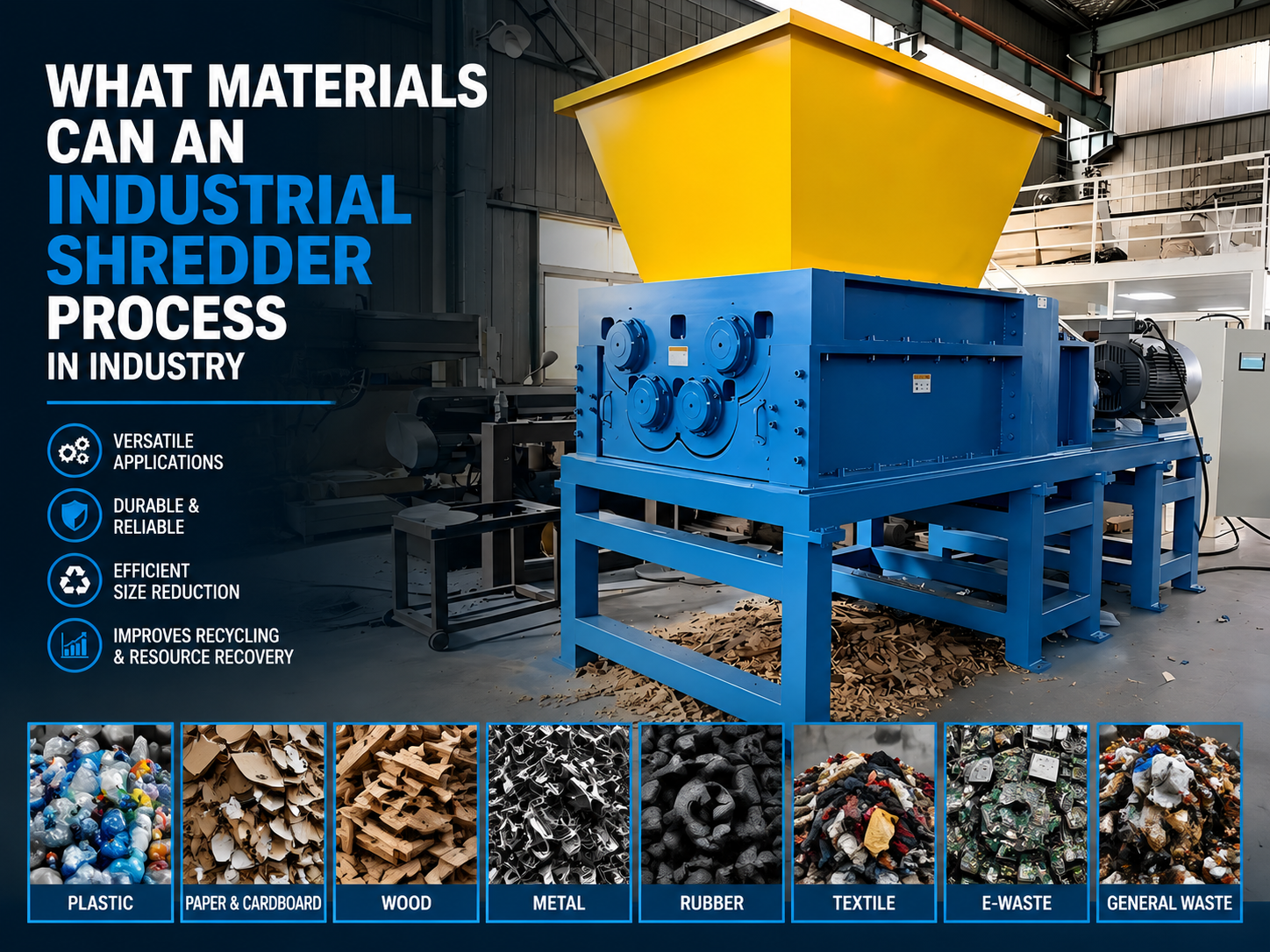
In the modern industrial landscape, the ability to manage waste and repurpose raw materials is not just an environmental obligation but a financial necessity. Industrial shredders stand at the forefront of this transformation. These heavy-duty machines are designed to reduce the volume of bulky materials, preparing them for recycling, energy recovery, or safe disposal. Understanding exactly what materials can an industrial shredder process in industry is the first step for any facility looking to optimize its waste stream and improve operational efficiency.
Industrial shredders are engineered to handle everything from soft plastics to high-strength metal alloys. Unlike domestic or office shredders, industrial-grade equipment utilizes high-torque, low-speed mechanisms or high-speed impact systems to break down structural integrity. HARSLE, a leader in metal fabrication and industrial machinery, provides advanced shredding solutions tailored to the rigorous demands of global manufacturing. This guide explores the diverse spectrum of materials these machines can handle and the technical nuances involved in processing them.
Application Scenarios for Industrial Shredders
The application of industrial shredders spans across multiple sectors, each with unique requirements. In the Recycling and Waste Management sector, shredders are the primary tool for Material Recovery Facilities (MRFs). They process municipal solid waste (MSW) to separate recyclables from organic matter. By reducing the size of waste, these facilities can use magnetic separators and eddy current systems more effectively to extract valuable metals.
In the Automotive Industry, shredders are indispensable for End-of-Life Vehicle (ELV) processing. A car is a complex assembly of steel, aluminum, plastics, rubber, and glass. Industrial shredders can tear through entire chassis, engine blocks, and interior components, allowing for the segregation of ferrous and non-ferrous metals. This process is vital for the circular economy, as it feeds high-quality scrap back into steel mills and foundries.
The Electronics Industry (E-waste) presents another critical scenario. With the rapid turnover of consumer electronics, the volume of discarded circuit boards, hard drives, and plastic casings is staggering. Shredders help in the secure destruction of data-bearing devices while simultaneously recovering precious metals like gold, silver, and copper. Specialized shredders ensure that even the smallest components are pulverized to a size suitable for chemical or thermal refining.
Furthermore, the Manufacturing and Production sector utilizes shredders to handle internal scrap. Whether it is off-cuts from a plastic extrusion line, metal turnings from a CNC shop, or defective packaging from a food processing plant, shredding these materials on-site reduces the footprint of waste storage and lowers transportation costs. This “closed-loop” approach allows manufacturers to maintain a cleaner workspace and potentially sell their processed scrap at a higher premium.
Material and Process Requirements
When determining materials can an industrial shredder process in industry, one must consider the physical and chemical properties of the feedstock. Not all shredders are created equal; a machine designed for paper will fail when faced with reinforced steel. The primary factors influencing processability include hardness, toughness, moisture content, and bulk density.
1. Plastics and Polymers
Plastics are among the most common materials processed. This includes high-density polyethylene (HDPE) bottles, polypropylene (PP) crates, and polyvinyl chloride (PVC) pipes. The challenge with plastics is their tendency to melt if the shredder generates too much heat. Therefore, blades must be sharp, and the machine may require a cooling system. For tough engineering plastics like ABS or Polycarbonate, high-torque shredders are necessary to overcome the material’s impact resistance.
2. Metals (Ferrous and Non-Ferrous)
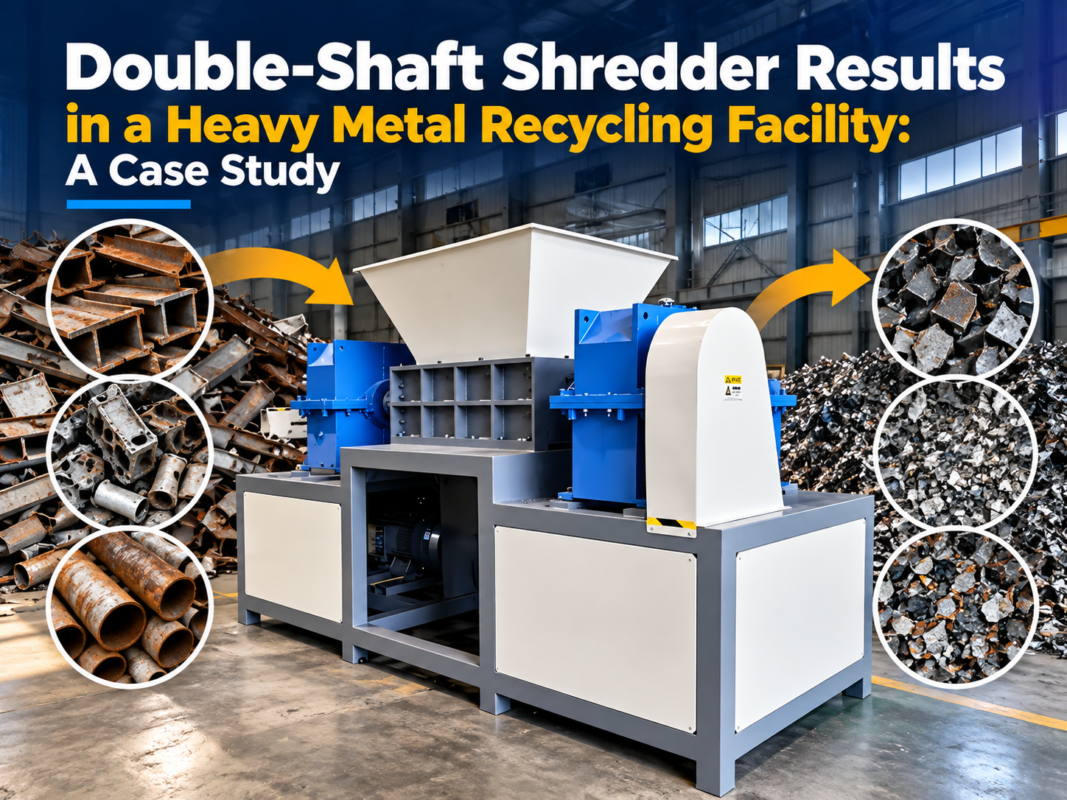
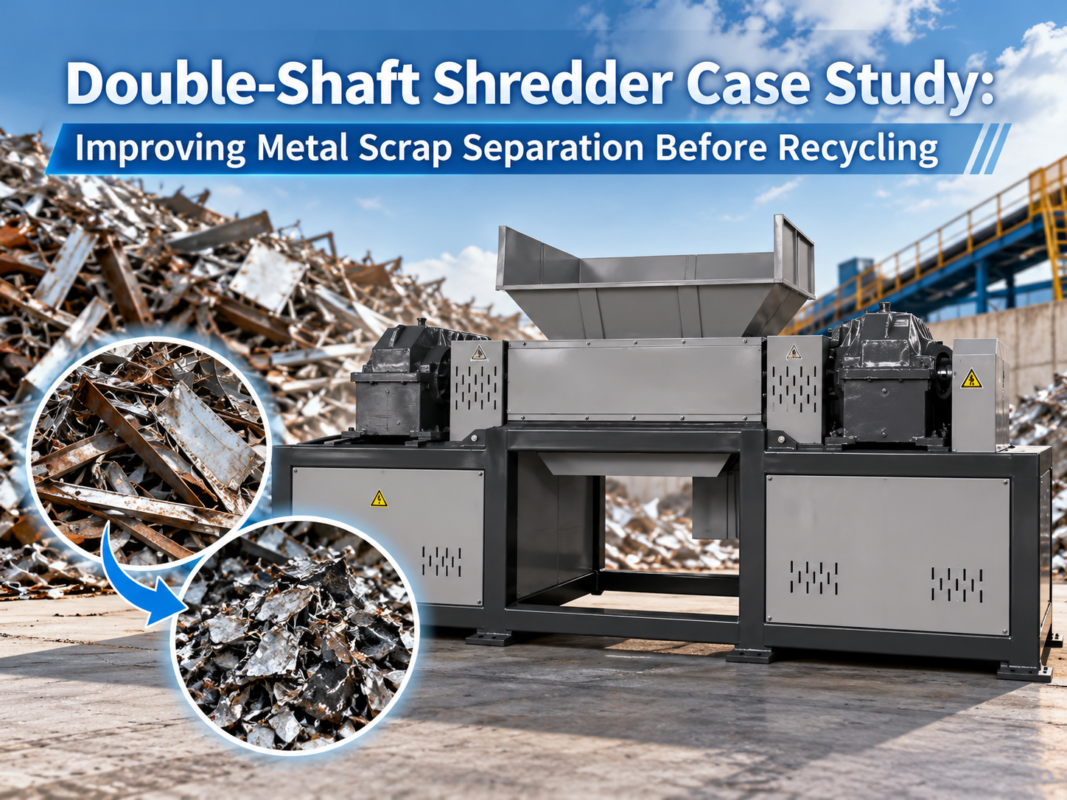
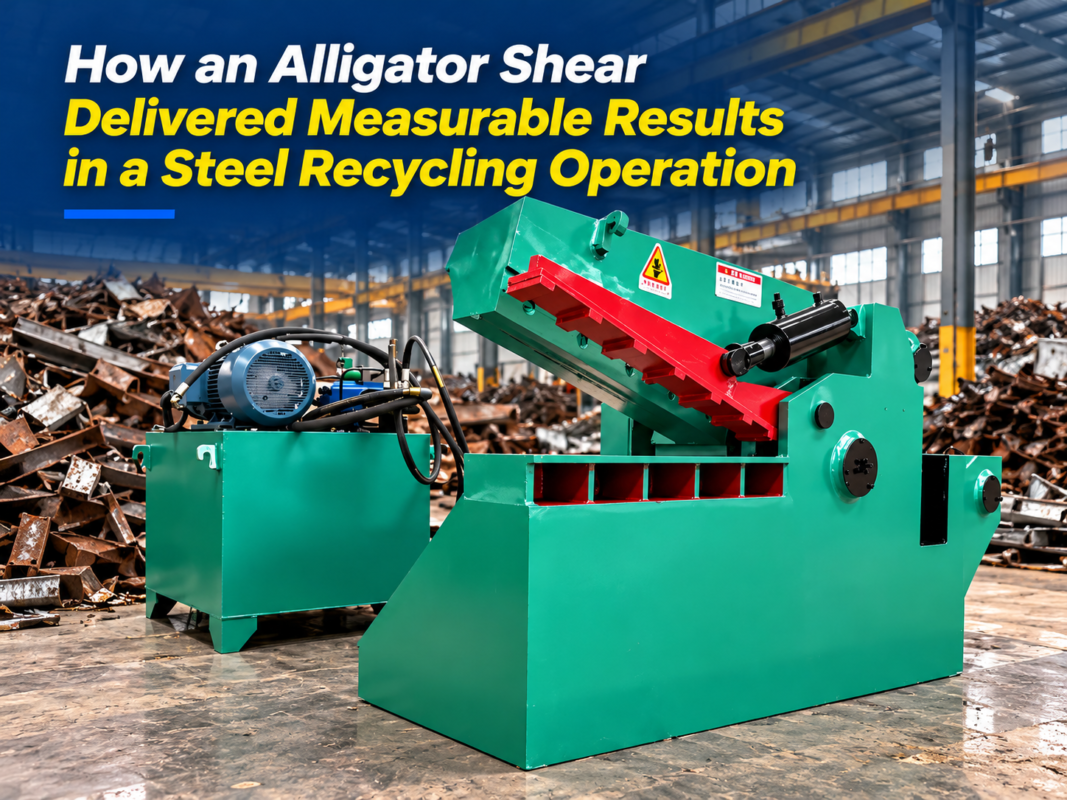
Industrial shredders can process aluminum cans, copper wiring, brass fittings, and steel sheets. However, the thickness of the metal is a limiting factor. While a standard double-shaft shredder can handle 3mm steel plates, thicker structural steel may require a heavy-duty pre-shredder or a specialized shear. The goal here is often to create “shredded scrap,” which has a high bulk density and is preferred by steel mills for its melting efficiency.
3. Wood and Biomass
From shipping pallets and construction timber to green waste, wood shredding is essential for the production of mulch, animal bedding, or feedstock for biomass power plants. The main requirement for wood is the ability to handle contaminants like nails and screws. Industrial shredders used for wood often feature hardened steel teeth that can withstand occasional metal contact without catastrophic failure.
4. Rubber and Tires
Tires are notoriously difficult to shred due to their elastic nature and the presence of steel wire reinforcement. Processing tires requires a high-shear environment to prevent the rubber from simply deforming and bouncing back. Multi-stage shredding is common here: a primary shredder breaks the tire into large chunks, and a secondary granulator reduces it to crumb rubber while stripping away the steel cord.
Recommended Machine Configuration
Choosing the right configuration is essential for maximizing the variety of materials can an industrial shredder process in industry. HARSLE offers several configurations depending on the material’s characteristics.
Single-Shaft Shredders
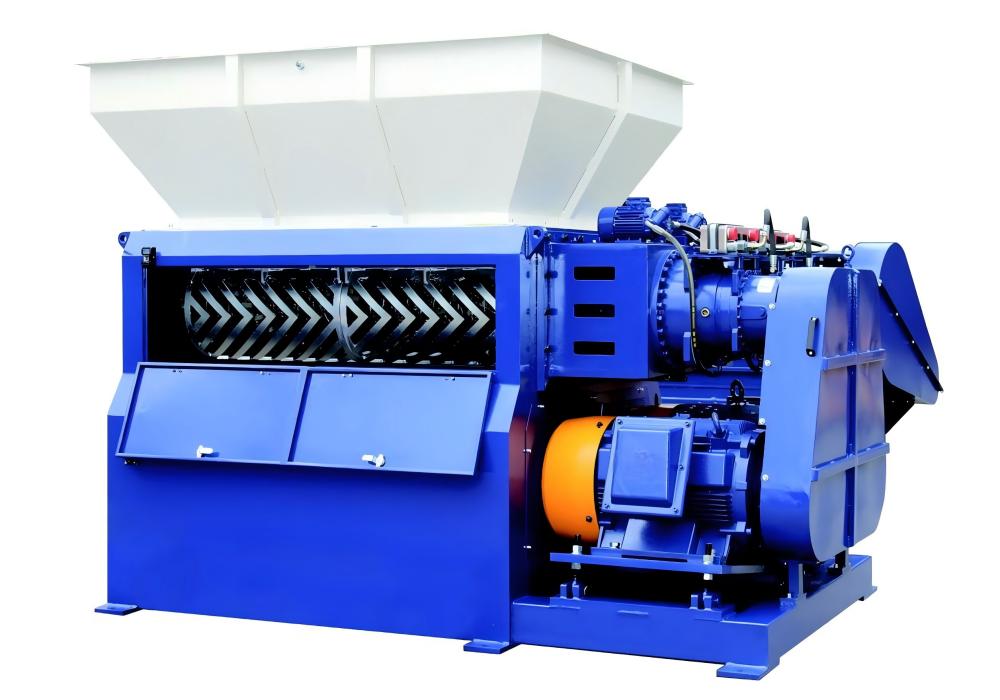
Single-shaft shredders are ideal for solid, thick materials that require a consistent output size. They feature a large hydraulic pusher that forces the material against a rotating shaft equipped with replaceable cutters. This design is excellent for plastics, wood, and light metals. The presence of a screen at the bottom ensures that only material smaller than the screen holes can exit the machine, providing precise control over the final product size.
Double-Shaft Shredders
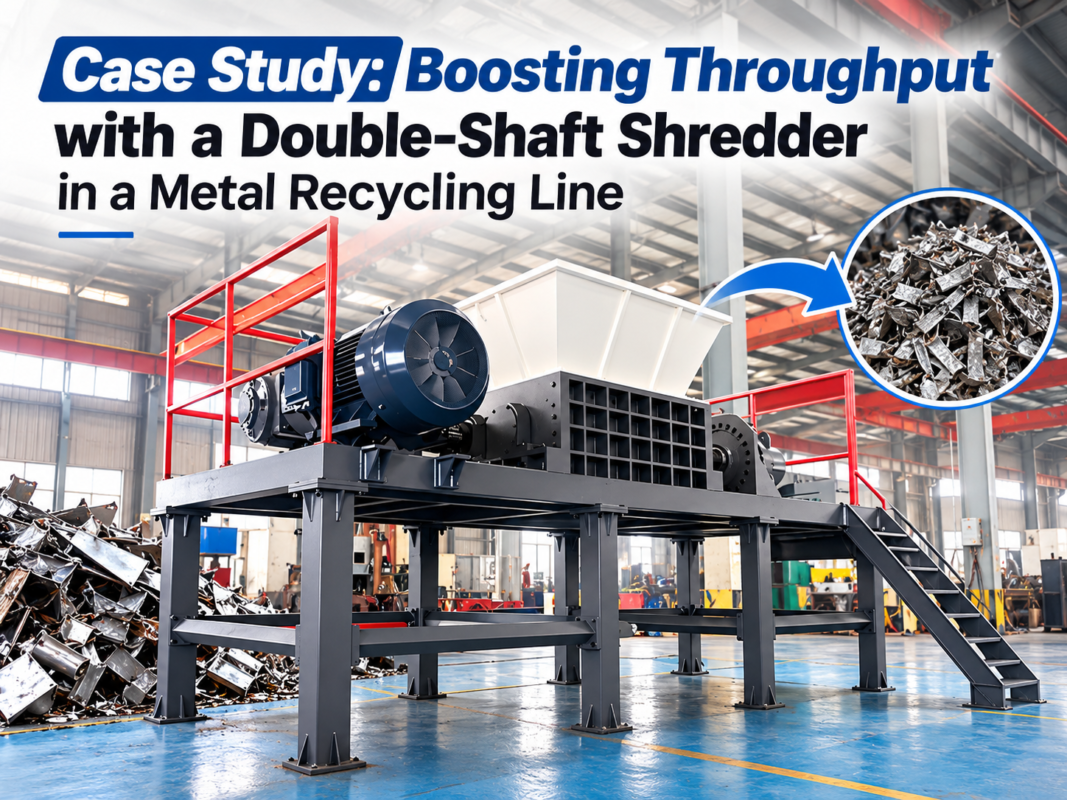
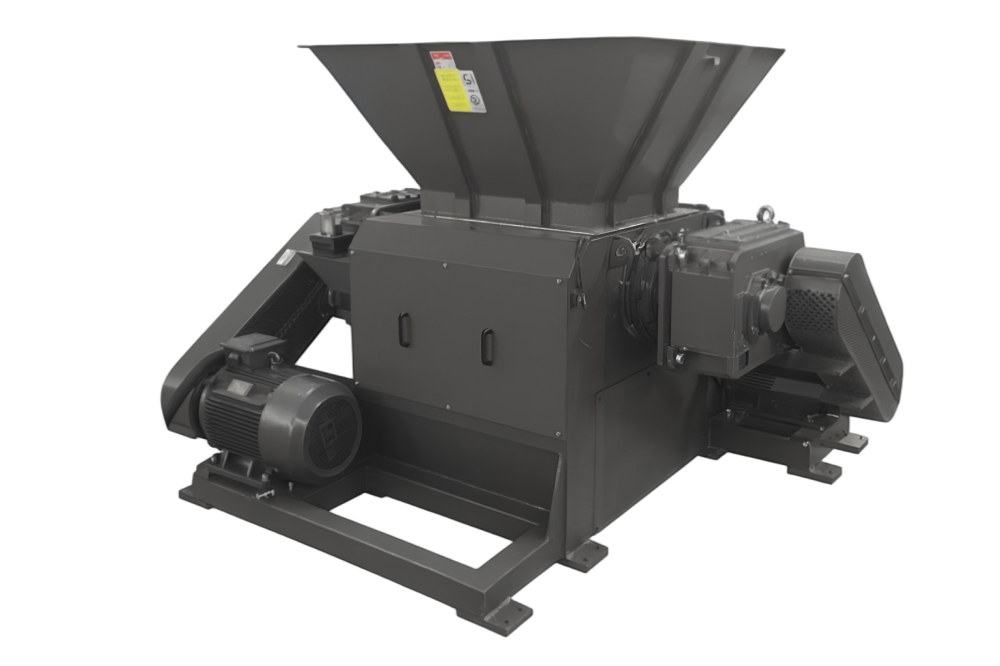
Double-shaft shredders, also known as shear shredders, utilize two counter-rotating shafts with interlocking blades. These machines are the workhorses of the recycling industry. They offer extremely high torque and are capable of grabbing and tearing bulky items like refrigerators, tires, and large metal drums. Unlike single-shaft models, they typically do not use a screen, focusing instead on high-volume reduction rather than precise sizing.
Blade Material and Geometry
The heart of the shredder is the blade. For abrasive materials like glass-filled plastics or contaminated wood, blades made from D2 or DC53 tool steel are recommended. These materials offer a balance of hardness and toughness. The geometry of the blade—whether it is hooked, square, or pointed—must be matched to the material. For example, hooked blades are better for grabbing film and textiles, while square blades are superior for crushing brittle materials.
Workflow of an Industrial Shredding System
The workflow of an industrial shredder is a synchronized process designed for safety and efficiency. It begins with Feeding. Material can be fed manually, via a conveyor belt, or using a grapple loader. For hazardous or dusty materials, enclosed feeding hoppers with dust suppression systems are utilized.
Once the material enters the Shredding Chamber, the mechanical action begins. In a single-shaft system, the hydraulic ram pushes the material toward the rotor. Sensors monitor the motor’s load; if the resistance is too high (indicating a potential jam), the PLC (Programmable Logic Controller) automatically reverses the rotor to clear the obstruction before resuming. This “auto-reverse” feature is critical for protecting the motor and gearbox from damage.
The Sizing and Screening phase follows. In machines equipped with screens, the material is recirculated within the chamber until it is small enough to pass through. This ensures that the output meets the specific requirements of downstream processes, such as pelletizing or chemical extraction.
Finally, the Discharge and Separation phase occurs. The shredded material is moved away via a discharge conveyor. At this stage, secondary equipment like magnetic cross-belt separators can be installed to pull out ferrous metals, or air classifiers can be used to separate light fractions (like paper and film) from heavy fractions (like rigid plastics and metals).
Productivity Benefits of Industrial Shredding
Investing in a high-quality industrial shredder offers significant productivity gains. The most immediate benefit is Volume Reduction. Bulky waste can be reduced by up to 80% of its original size. This drastically lowers the cost of logistics, as more material can be packed into a single transport container, reducing the number of trips required to move waste to a processing site.
Another benefit is Material Purity and Recovery. By shredding complex assemblies, manufacturers can liberate different materials from one another. For example, shredding a copper-wound electric motor allows for the clean separation of copper from the steel housing. This increases the value of the scrap, as pure material streams fetch much higher prices on the commodities market than mixed waste.
Operational Safety is also enhanced. Handling large, sharp, or unstable waste items is dangerous for workers. Shredding these items into a uniform, manageable size makes them easier and safer to handle with automated equipment. Furthermore, for industries dealing with sensitive designs or proprietary products, shredding provides Secure Destruction, ensuring that defective products or prototypes do not find their way into the secondary market.
Finally, there is the Environmental Compliance aspect. Many regions have strict regulations regarding the disposal of industrial waste. Shredding is often a required pre-treatment step for landfilling or incineration. By implementing an efficient shredding system, companies can ensure they meet local environmental standards while contributing to their corporate sustainability goals.
Case Example: Metal and Plastic Recovery in Automotive Recycling
Consider a mid-sized automotive recycling facility that previously sold whole scrap cars to a third-party processor. By installing a HARSLE double-shaft pre-shredder followed by a single-shaft refiner, the facility was able to transform its business model.
The double-shaft shredder first breaks down the car bodies into 150mm chunks. These chunks are then passed under a powerful magnet to remove all steel. The remaining non-ferrous fraction, containing aluminum, copper, and various plastics, is fed into the single-shaft shredder. This machine reduces the material to a 20mm grain size.
Through this two-stage process, the facility was able to recover 98% of the metallic content. The separated plastics were sold to a specialized polymer recycler, and the clean steel was sold directly to a local mill. Within 18 months, the increased revenue from high-purity scrap and the savings on transportation costs completely covered the capital investment of the shredding line. This case highlights how understanding materials can an industrial shredder process in industry allows businesses to unlock hidden value in their waste streams.
Frequently Asked Questions (FAQ)
1. Can an industrial shredder process wet materials?
Yes, many industrial shredders can process wet materials, but it requires specific configurations. Stainless steel components and specialized seals for the bearings are necessary to prevent corrosion and mechanical failure. Additionally, the discharge system must be designed to handle sticky or clumped wet material.
2. How often do the blades need to be sharpened or replaced?
Blade life depends entirely on the material being processed. Shredding clean plastic might allow blades to last for thousands of hours, while shredding abrasive materials like glass-reinforced polymers or sandy wood might require sharpening every few hundred hours. Most modern shredders feature four-way rotatable blades, allowing you to use all four edges before needing a replacement.
3. What is the maximum thickness of metal a shredder can handle?
This depends on the motor power and the blade design. Standard industrial shredders typically handle sheet metals up to 5-8mm. For thicker materials like engine blocks or structural beams, heavy-duty shears or specialized high-torque shredders with reinforced chambers are required.
4. Can one shredder handle multiple types of materials?
While many shredders are versatile, it is best to optimize the machine for a specific material group. A shredder set up for paper will not be efficient for tires. However, by changing the screen size and adjusting the PLC settings, a single machine can often handle a range of similar materials, such as various types of plastics and light woods.
5. Is it possible to shred hazardous waste?
Yes, but this requires specialized “ATEX” rated shredders designed for explosive environments, or machines with nitrogen purging systems to prevent combustion. Safety is the primary concern when shredding hazardous materials like pressurized cans or chemical containers.
Conclusion and CTA
Understanding what materials can an industrial shredder process in industry is essential for any modern manufacturing or recycling operation. From plastics and metals to complex e-waste, the right shredding technology can turn a waste liability into a profitable asset. By selecting the appropriate machine configuration—whether it be a high-torque double-shaft model or a precision single-shaft refiner—businesses can achieve unprecedented levels of volume reduction and material recovery.
HARSLE is committed to providing high-performance shredding solutions that meet the rigorous demands of today’s industrial sectors. Our machines are engineered for durability, efficiency, and ease of maintenance, ensuring that your facility stays productive and compliant. Are you ready to optimize your material processing workflow? Contact HARSLE today to consult with our experts and find the perfect shredding solution for your specific industrial needs.