Industrial Shredder Applications for Automotive Scrap Recycling: A Comprehensive Guide

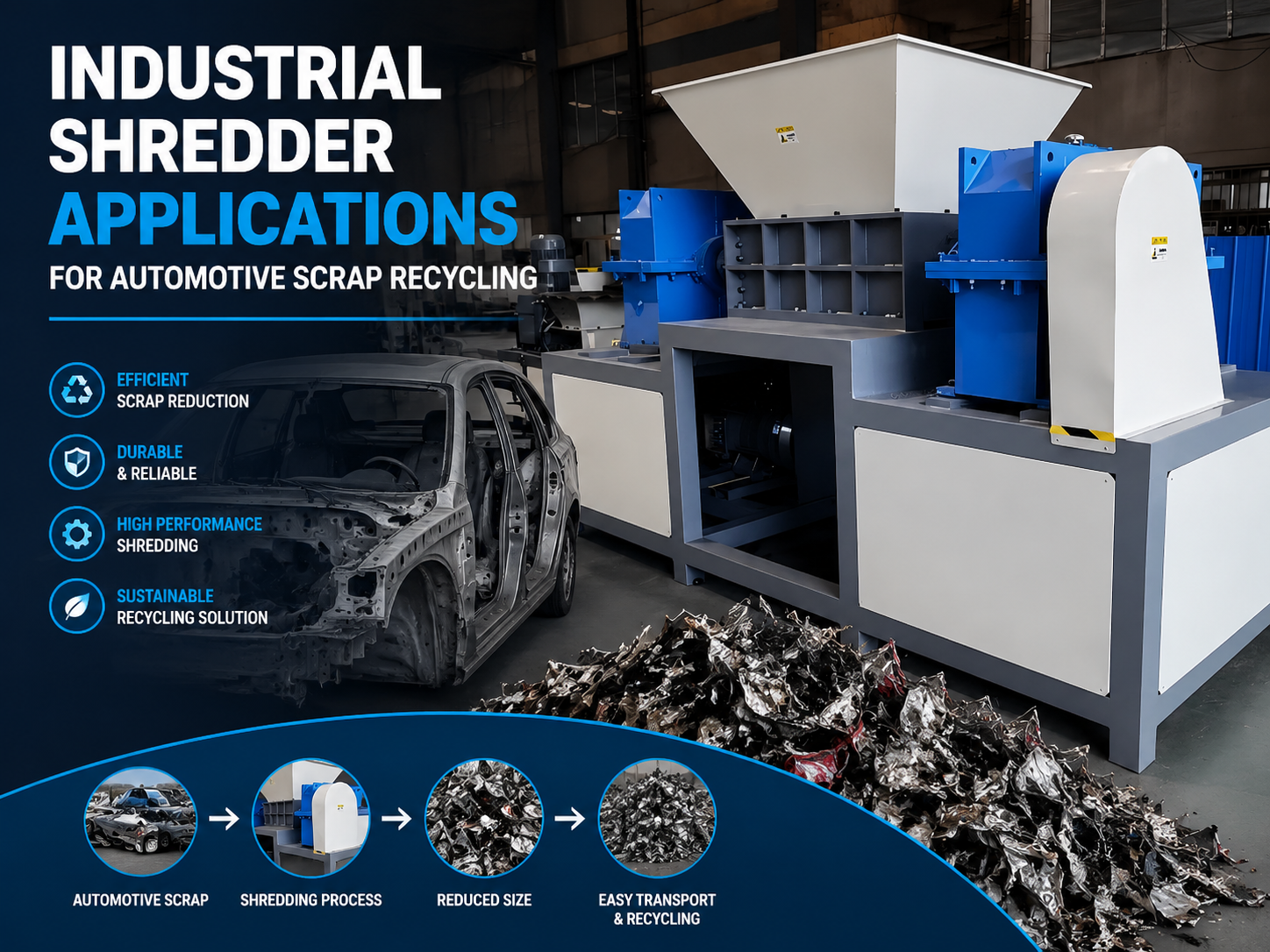
Introduction to Industrial Shredder Applications for Automotive Scrap Recycling
The global automotive industry is one of the largest consumers of raw materials, ranging from high-strength steel and aluminum to complex polymers and rubber. As vehicles reach the end of their operational life, the challenge of managing this waste becomes a critical economic and environmental priority. Industrial shredder applications for automotive scrap recycling have evolved from simple volume reduction tools into sophisticated systems capable of high-purity material separation and recovery. For metal fabrication facilities and recycling centers, understanding the nuances of these machines is essential for maximizing ROI and meeting stringent environmental regulations.
Automotive scrap is uniquely challenging due to its heterogeneous nature. A single vehicle contains a mix of ferrous metals, non-ferrous alloys, glass, plastics, and fluids. Effective recycling requires a robust mechanical process that can break down these complex assemblies into manageable sizes for downstream sorting. This is where high-torque, low-speed industrial shredders come into play, providing the necessary force to shear through engine blocks, chassis frames, and reinforced body panels with precision and efficiency.
Application Scenarios in the Automotive Sector
The primary application scenario for industrial shredders in this sector is the processing of End-of-Life Vehicles (ELVs). When a car is decommissioned, it is first stripped of hazardous fluids and high-value components like catalytic converters and batteries. The remaining shell, often referred to as the ‘hulk,’ is then fed into a large-scale industrial shredder. This process reduces the bulky frame into small, uniform pieces, making it significantly easier to transport and sort using magnetic and eddy current separators.
Beyond whole-vehicle processing, industrial shredders are used in manufacturing plants to handle production scrap. Stamping plants, for instance, generate significant amounts of ‘offcuts’ or ‘skeletons’ from sheet metal. Instead of transporting these bulky, sharp-edged remnants, on-site shredding allows the manufacturer to densify the scrap, reducing logistics costs and increasing the value of the material when sold back to foundries. This closed-loop recycling system is a cornerstone of modern sustainable manufacturing.
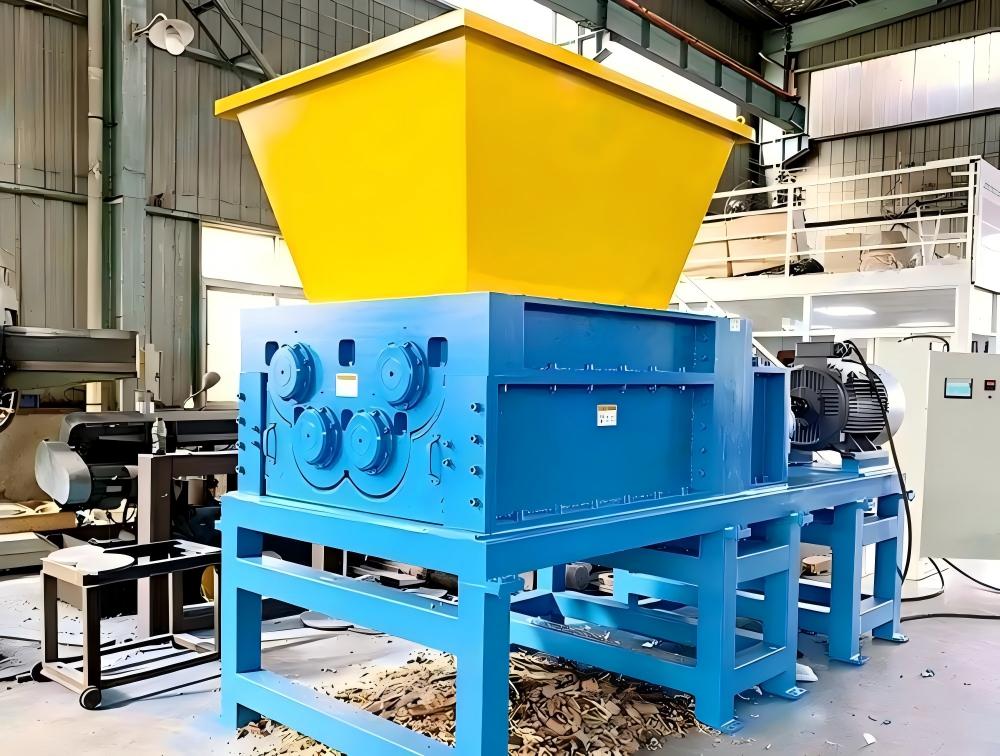
Another critical scenario involves the recycling of specific automotive components such as tires and engine blocks. Tires require specialized shredding to separate the rubber from the internal steel wire and textile fibers. Engine blocks, made of heavy cast iron or aluminum, require extreme torque to fracture. Industrial shredders configured with reinforced chambers and specialized blade geometries are designed to handle these high-impact loads without catastrophic failure, ensuring continuous operation in demanding environments.
Material and Process Requirements
To achieve success in industrial shredder applications for automotive scrap recycling, the equipment must meet rigorous material requirements. Automotive steel is often alloyed for strength, meaning the shredder blades must possess a higher hardness rating than the material they are cutting. Typically, blades are manufactured from high-strength alloy steels like D2 or SKD-11, heat-treated to reach a Rockwell hardness (HRC) of 55-60. This ensures longevity and maintains a sharp cutting edge against abrasive materials.
The process also demands high torque at low speeds. Unlike high-speed hammer mills that rely on kinetic energy to shatter material, dual-shaft shredders use a shearing action. This is particularly important for automotive scrap because it minimizes the generation of dust and fine particles, which can be hazardous and difficult to recover. Low-speed operation also reduces the risk of fires, which can occur when high-speed friction ignites residual oils or interior fabrics within the scrap pile.
Furthermore, the output size is a critical process requirement. Depending on the downstream smelting or refining process, the shredded material must often meet specific size dimensions. This is controlled through the thickness of the blades and the integration of screen classifiers. For automotive recycling, a ‘primary’ shred usually results in pieces 100mm to 200mm in size, while ‘secondary’ shredding can reduce this further to 20mm to 50mm for specialized plastic or non-ferrous recovery lines.
Recommended Machine Configuration
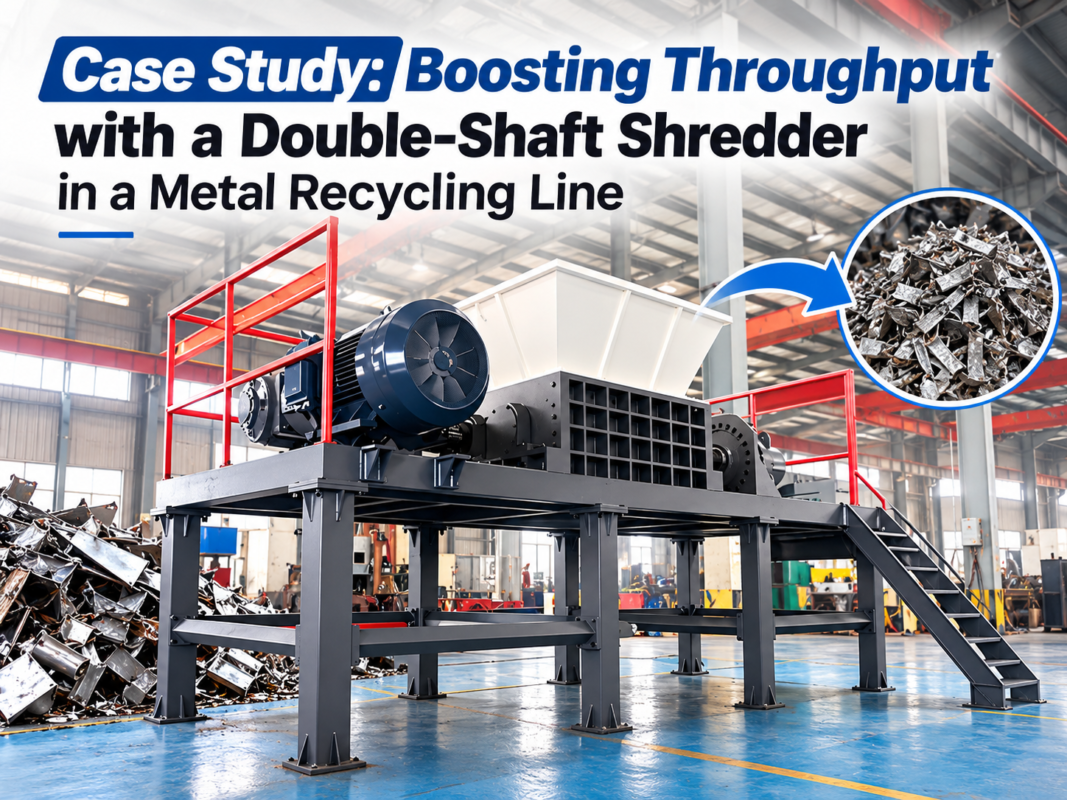
For most automotive scrap applications, a Dual-Shaft Industrial Shredder is the gold standard. These machines feature two counter-rotating shafts equipped with hooked blades that pull material into the cutting chamber. The configuration should include a high-power hydraulic or electric drive system. Hydraulic drives are often preferred for heavy automotive scrap because they offer superior shock absorption and the ability to reverse instantly if a non-shreddable object (like a solid steel shaft) is encountered.
The blade configuration is equally important. For automotive hulks, ‘multi-claw’ blades are recommended as they provide multiple points of contact to grab and tear the metal. The thickness of the blades should be selected based on the desired output density. Additionally, the machine should be equipped with a robust PLC (Programmable Logic Controller) system that monitors motor load and automatically triggers a reverse cycle to clear jams, preventing downtime and protecting the drivetrain.
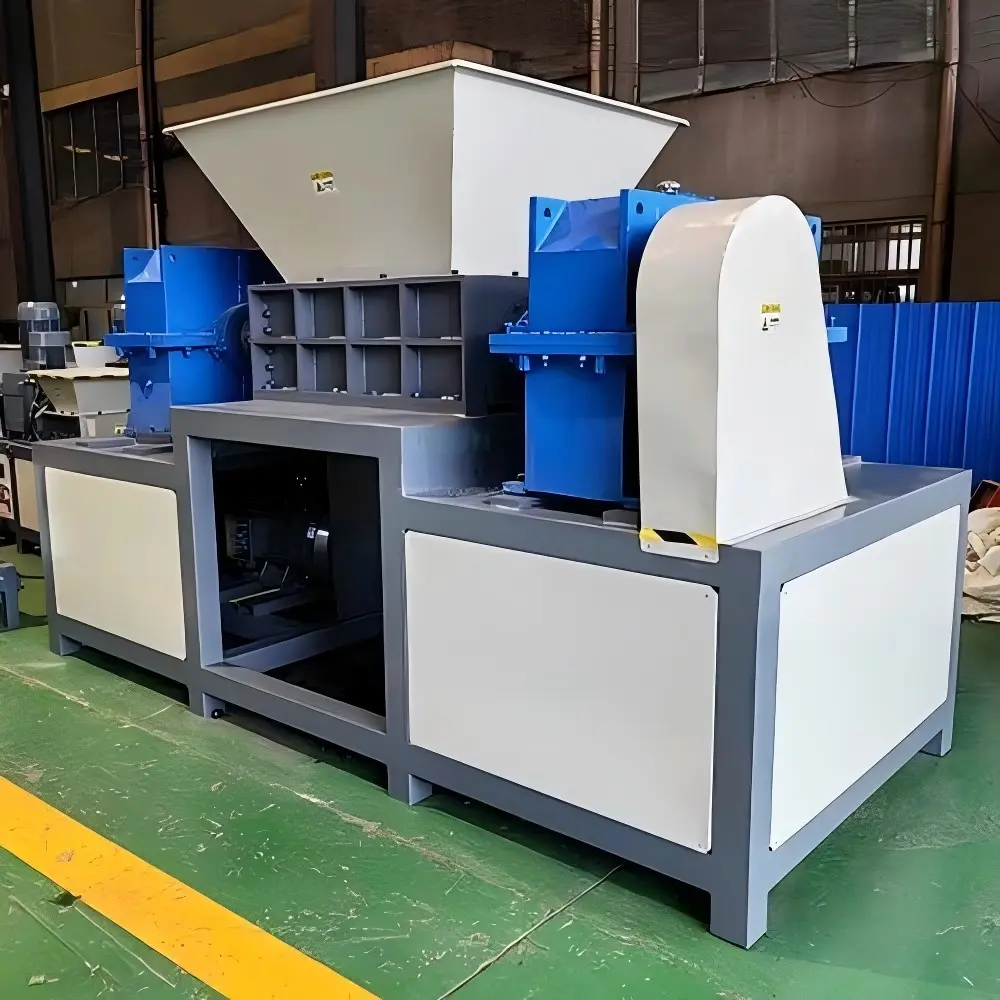
In scenarios involving smaller components like interior plastics or electronic control units (ECUs), a Four-Shaft Shredder might be recommended. The four-shaft design includes two primary cutting shafts and two secondary shafts that help force material through an integrated screen. This configuration ensures a very consistent output size in a single pass, which is vital for the high-purity recycling of precious metals found in automotive electronics.
Workflow of Automotive Scrap Shredding
The workflow begins with the **Pre-treatment Phase**. Before entering the shredder, vehicles are de-polluted. This involves removing the fuel, oil, coolant, and brake fluid. Airbags are deployed or removed, and the battery is extracted. This step is crucial for safety, as it prevents explosions and environmental contamination during the mechanical shredding process.
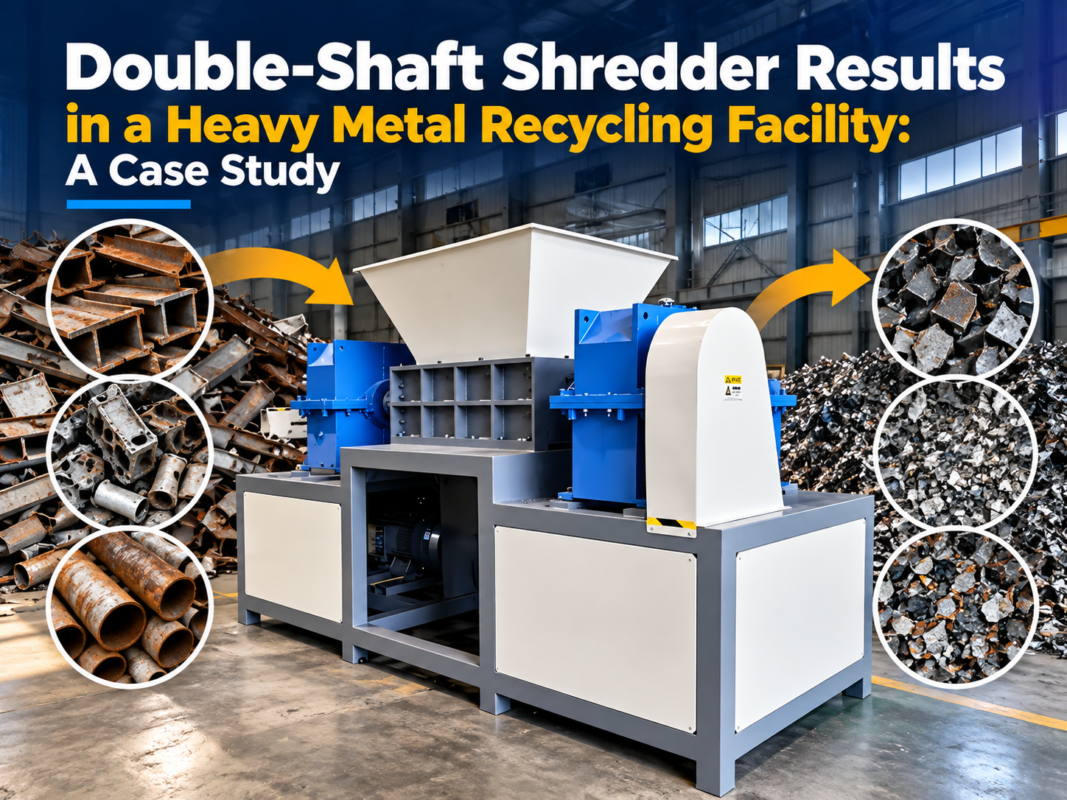
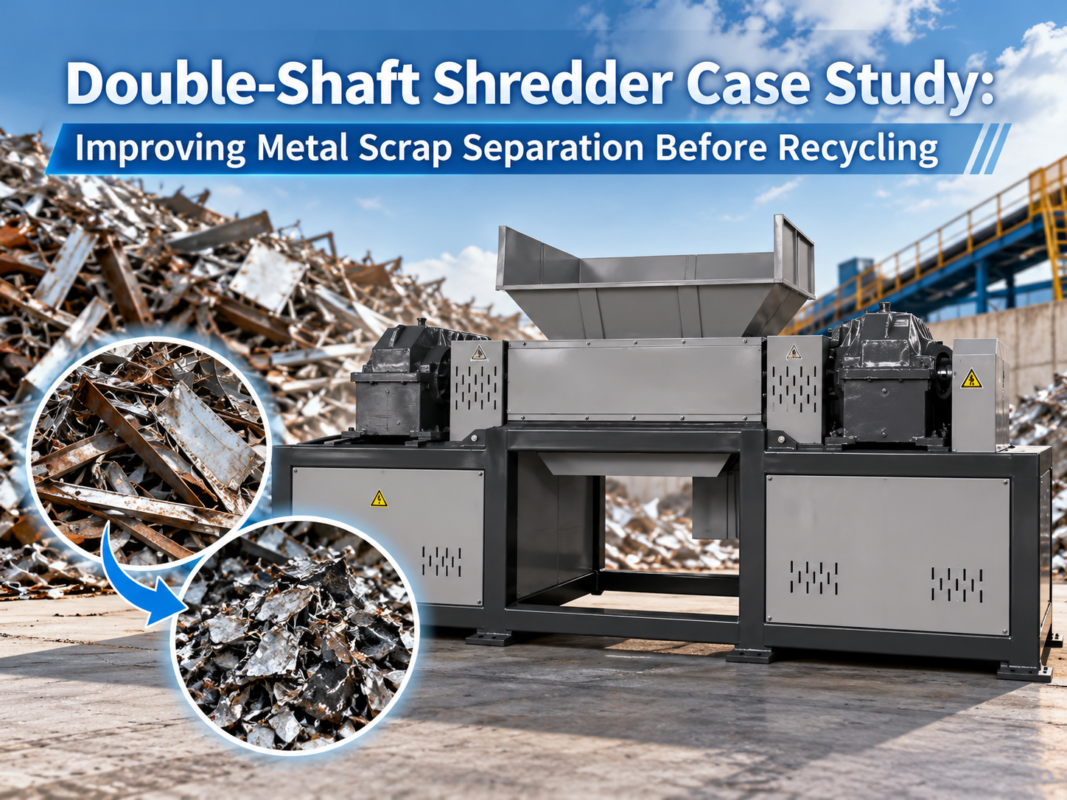
Next is the **Primary Shredding Phase**. The prepared vehicle hulk or large component is fed into the hopper via a crane or conveyor. The dual-shaft shredder breaks the material down into large fragments. During this stage, the goal is volume reduction and the liberation of different material types (e.g., separating the plastic dashboard from the steel frame).
The third stage is **Material Separation**. The shredded output passes under a powerful over-belt magnet to extract ferrous metals (iron and steel). The remaining ‘non-magnetic’ stream then passes through an Eddy Current Separator, which uses electromagnetic fields to repel non-ferrous metals like aluminum and copper. The final residue, known as Auto Shredder Residue (ASR) or ‘fluff,’ consists of plastics, rubber, and glass, which may undergo further specialized sorting or be sent for energy recovery.
Productivity and Economic Benefits
Implementing advanced industrial shredder applications for automotive scrap recycling offers significant productivity benefits. Firstly, the volume reduction achieved—often as high as 80%—drastically reduces transportation costs. Instead of hauling a few whole cars on a flatbed, a truck can carry several tons of densified, shredded scrap, maximizing logistics efficiency and reducing the carbon footprint of the recycling operation.
From an economic perspective, shredding increases the market value of the scrap. Smelters and foundries pay a premium for ‘clean’ scrap that is sized correctly and free of contaminants. By using a high-quality shredder and separation line, recyclers can produce high-purity aluminum and steel fractions that command top-tier prices. This transformation of ‘waste’ into ‘commodity’ is the primary driver of profitability in the scrap industry.
Furthermore, modern shredders are designed with energy efficiency in mind. HARSLE’s industrial shredders utilize high-efficiency motors and optimized cutting geometries that require less power per ton of processed material. When combined with reduced maintenance requirements due to durable blade materials, the total cost of ownership (TCO) is lowered, allowing recycling facilities to remain competitive even when global scrap prices fluctuate.
Case Example: Large-Scale ELV Processing Facility
Consider a regional recycling center that processes approximately 100 end-of-life vehicles per week. Previously, they used manual dismantling and torch cutting, which was labor-intensive, slow, and presented significant safety risks. By installing a HARSLE heavy-duty dual-shaft shredder integrated with a magnetic separation conveyor, the facility transformed its operations.
The new system allowed them to process a full vehicle hulk in under five minutes. The labor force was redirected from dangerous cutting tasks to higher-value sorting and quality control roles. Within the first six months, the facility reported a 40% increase in throughput and a 25% increase in the purity of their ferrous scrap exports. The investment in the industrial shredder was recouped in less than 18 months through labor savings and increased material revenue.
Frequently Asked Questions (FAQ)
1. How long do the blades last when shredding automotive scrap?
Blade life depends on the material being processed and the maintenance schedule. For typical automotive scrap, blades can last between 1,000 to 3,000 hours before requiring sharpening or replacement. Using hard-facing welding techniques can extend this life further.
2. Can an industrial shredder handle engine blocks?
Yes, but it requires a specific configuration. A high-torque shredder with reinforced shafts and thicker blades is necessary to handle the shock loads of cast iron or aluminum engine blocks. It is often recommended to process engine blocks separately from lighter sheet metal scrap.
3. What is the difference between a dual-shaft and a four-shaft shredder for cars?
A dual-shaft shredder is best for primary volume reduction and heavy shearing of large parts. A four-shaft shredder is better for achieving a specific, small output size in a single pass, making it ideal for processing smaller automotive components like plastics or electronics.
4. How does the machine handle non-shreddable items?
Modern industrial shredders are equipped with ‘auto-reverse’ logic. If the sensors detect a spike in torque caused by an unshreddable object (like a solid steel axle), the shafts will stop and reverse to eject or reposition the item, preventing damage to the blades and motor.
5. Is shredding automotive scrap environmentally friendly?
Absolutely. Shredding is the essential first step in recycling over 95% of a vehicle’s weight. By recovering metals and plastics, we reduce the need for virgin mining and energy-intensive manufacturing, contributing significantly to the circular economy.
Conclusion and Call to Action
Industrial shredder applications for automotive scrap recycling are at the heart of modern resource management. As vehicles become more complex, the need for powerful, intelligent, and durable shredding solutions only grows. Whether you are looking to densify production offcuts or establish a full-scale ELV recycling line, choosing the right equipment is the most important decision you will make.
At HARSLE, we specialize in high-performance metal fabrication and recycling machinery designed to withstand the rigors of the automotive industry. Our industrial shredders are engineered for maximum torque, durability, and ease of maintenance. Contact us today to discuss your specific recycling goals and let our experts help you configure a solution that turns your scrap into a high-value asset.