Top Questions to Ask Before Buying an Aluminium Extrusion Press

Introduction to Aluminium Extrusion Press Procurement
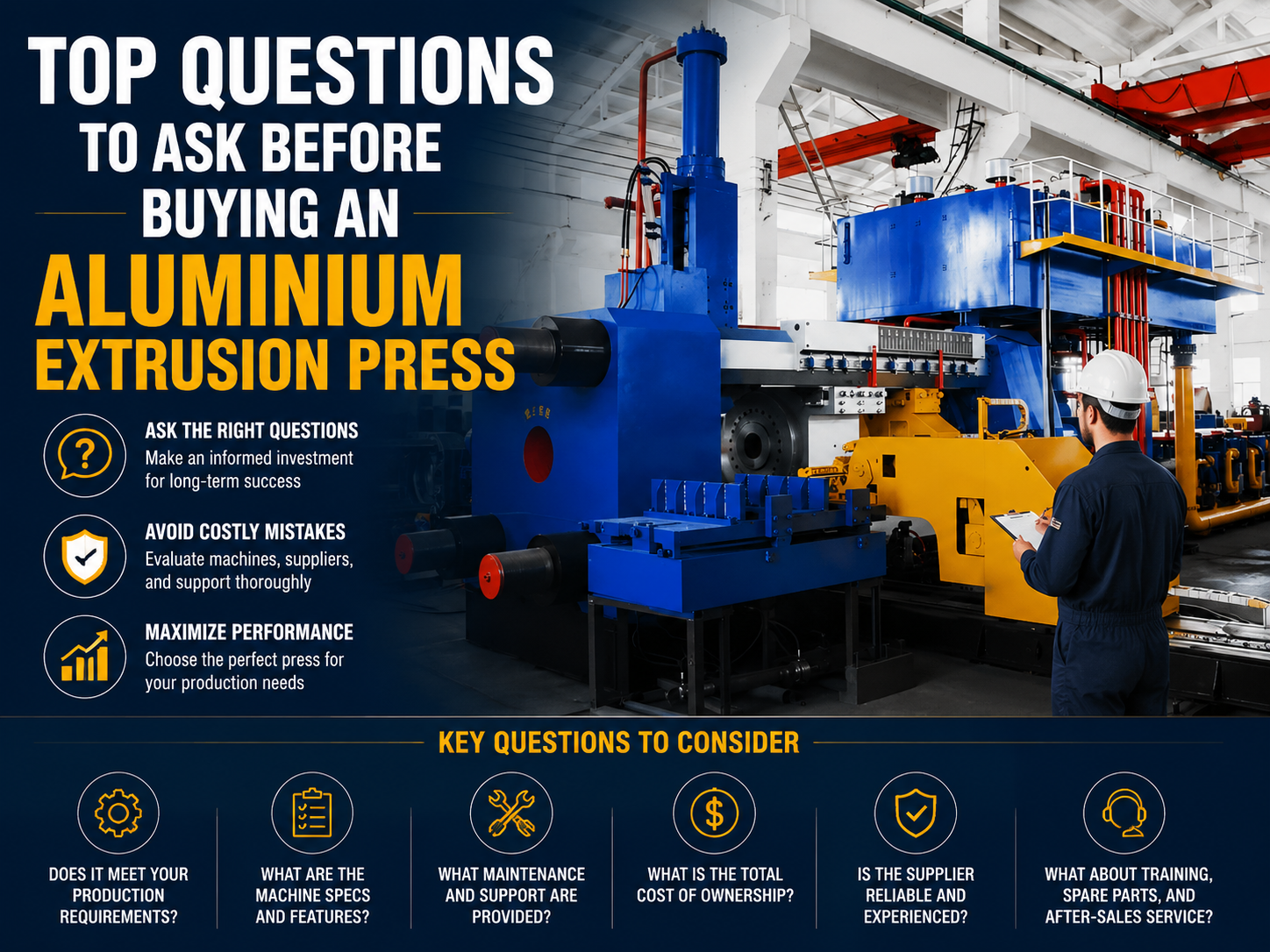
Investing in an aluminium extrusion press is a monumental decision for any metal fabrication business. Whether you are expanding an existing facility or starting a new production line, the complexity of these machines requires a deep understanding of both technical specifications and long-term operational costs. The process of selecting the right equipment involves more than just comparing price tags; it requires a strategic evaluation of your production goals, material requirements, and the technological capabilities of the manufacturer.
As the global demand for lightweight, high-strength aluminium components continues to rise in sectors like automotive, aerospace, and construction, the efficiency of your extrusion process becomes a critical competitive advantage. This guide is designed to walk you through the essential considerations and the Top Questions Ask Before Buying An Aluminium Extrusion Press to ensure your investment yields the highest possible returns. By addressing these questions early, you can avoid common pitfalls and secure a machine that aligns perfectly with your industrial needs.
Price Range Overview: What to Expect
The price of an aluminium extrusion press varies significantly based on its tonnage, technology level, and the degree of automation included in the package. For small-scale operations or specialized niche products, entry-level presses ranging from 600 to 1,000 tons are common. These machines typically start at approximately $150,000 and can go up to $400,000 depending on the manufacturer and the inclusion of auxiliary equipment like billet heaters and handling tables.
Mid-range presses, which fall between 1,100 and 2,500 tons, are the workhorses of the industry. These machines are capable of producing a wide variety of profiles for the construction and transport industries. Prices for these units generally range from $500,000 to $1.5 million. At this level, buyers often look for advanced features such as PLC control systems, energy-saving hydraulic units, and semi-automated die-changing systems.
For heavy-duty industrial applications requiring large-scale profiles, such as structural components for high-speed trains or large architectural frames, presses exceeding 3,000 tons are required. These high-capacity machines can cost anywhere from $2 million to over $5 million. The price reflects not only the massive scale of the machinery but also the sophisticated engineering required to maintain precision at such high pressures. When considering the Top Questions Ask Before Buying An Aluminium Extrusion Press, understanding where your production needs fit within these price brackets is the first step in budgeting.
Main Cost Drivers in Aluminium Extrusion Presses
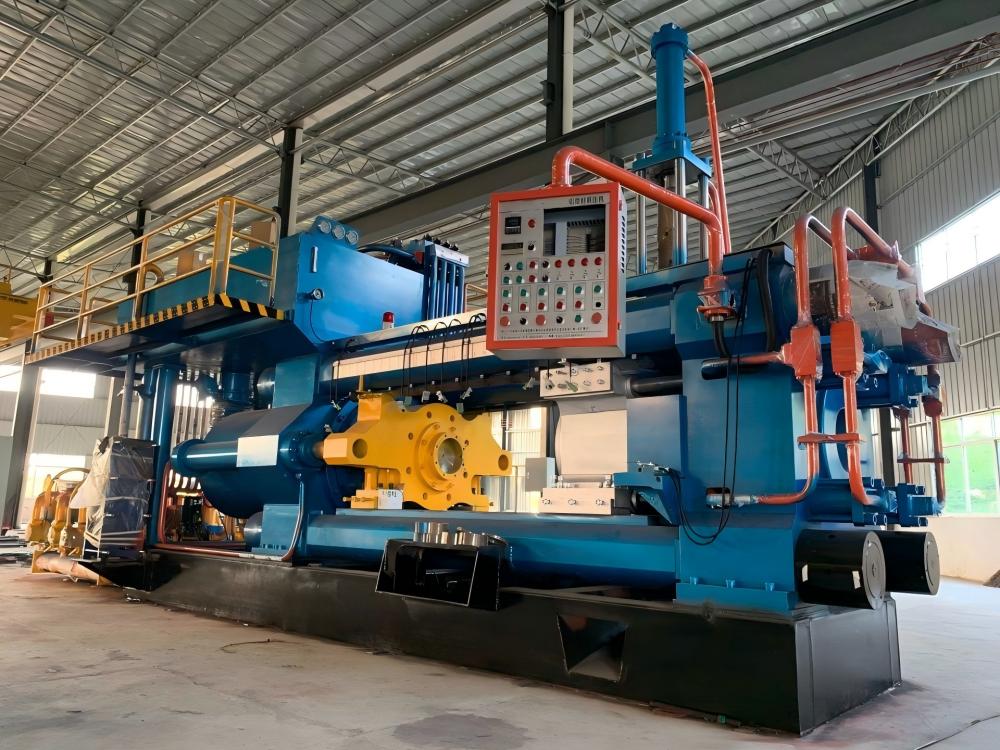
Several factors contribute to the final cost of an extrusion press. The most significant driver is the hydraulic system. High-quality pumps and valves from reputable brands like Rexroth or Parker ensure longevity and precision but come at a premium. A press equipped with a servo-driven hydraulic system will have a higher upfront cost but will significantly reduce energy consumption, leading to lower operational costs over time.
The construction of the press frame and the quality of the steel used in the main cylinder are also critical. A robust, pre-stressed frame design prevents deformation under high pressure, ensuring the accuracy of the extruded profiles. Cheaper models may use lower-grade castings that are prone to fatigue and cracking after several years of heavy use. Investing in a machine with a superior frame design is essential for long-term reliability.
Control systems and software represent another major cost driver. Modern presses utilize sophisticated PLC (Programmable Logic Controller) systems that monitor every aspect of the extrusion cycle. Features like remote diagnostics, real-time pressure monitoring, and automated speed control enhance productivity and reduce the likelihood of operator error. The integration of Industry 4.0 capabilities, while increasing the initial price, allows for better data tracking and predictive maintenance.
Configuration Impact: Tailoring the Machine to Your Needs
The configuration of the press is perhaps the most technical aspect of the buying process. One of the primary decisions is between direct and indirect extrusion. Direct extrusion is the most common method, where the billet is pushed through a stationary die. Indirect extrusion, where the die is pushed into the billet, offers lower friction and more uniform grain structure but involves a more complex and expensive machine design. Your choice will depend on the specific alloys you plan to use and the required mechanical properties of the finished profiles.
Billet heating is another critical configuration choice. You must decide between induction heating and gas-fired furnaces. Induction heating offers rapid, precise temperature control and is more energy-efficient for frequent alloy changes, but it has a higher initial cost. Gas furnaces are generally cheaper to operate in regions with low natural gas prices and are better suited for high-volume, continuous production of the same alloy.
Furthermore, the length of the run-out table and the type of cooling system (air, water, or mist) must be configured based on the profiles you intend to produce. High-strength alloys often require rapid water quenching to achieve the desired temper, while thin-walled architectural profiles may only need air cooling. Ensuring the configuration matches your product mix is a key part of the Top Questions Ask Before Buying An Aluminium Extrusion Press.
Identifying Hidden Costs Beyond the Purchase Price
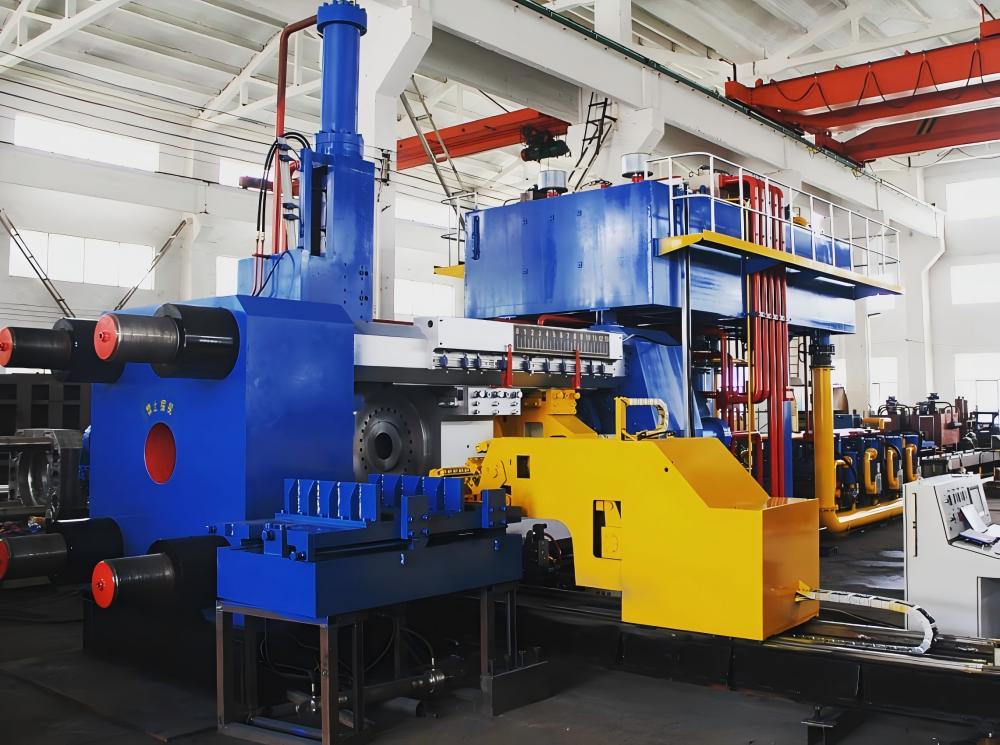
When budgeting for an aluminium extrusion press, the sticker price is only the beginning. One of the most overlooked hidden costs is the foundation and site preparation. These machines are incredibly heavy and generate significant vibration; therefore, they require a reinforced concrete foundation, often several meters deep, designed by structural engineers. This can add tens of thousands of dollars to the project cost.
Shipping and logistics for such large machinery are also substantial. An extrusion press is typically shipped in several large sections, requiring specialized heavy-lift transport and ocean freight. Once it arrives at your facility, you will need to hire professional riggers and millwrights to assemble and level the machine. This installation process can take several weeks and requires specialized tools and expertise.
Operational training and spare parts inventory are additional costs to consider. Your operators and maintenance staff will need comprehensive training to handle the sophisticated controls and hydraulic systems safely. Furthermore, keeping a stock of critical spare parts—such as seals, sensors, and specialized valves—is essential to minimize downtime. A single day of lost production can cost more than the price of the spare parts themselves.
ROI Calculation: Measuring the Value of Your Investment
Calculating the Return on Investment (ROI) for an aluminium extrusion press involves more than just looking at production volume. You must account for the reduction in scrap rates, energy savings, and the ability to command higher prices for high-precision profiles. A modern press with advanced speed control can significantly reduce the “dead cycle time” (the time between extruding one billet and the next), thereby increasing the total number of kilograms extruded per hour.
Energy efficiency is a major component of ROI. Older hydraulic systems are notoriously inefficient, often wasting energy when the press is idling. Modern servo-hydraulic systems only consume power when the press is actively moving, which can result in energy savings of up to 30-50%. Over the 15-20 year lifespan of a press, these savings can equal or exceed the original purchase price of the machine.
Another factor is the reduction in maintenance costs. A high-quality machine with a robust design and reliable components will require fewer repairs and have a higher resale value. When performing an ROI analysis, it is helpful to create a 5-year and 10-year projection that includes estimated maintenance, energy costs, labor, and projected revenue based on your target market’s demand.
Expert Buying Advice: Top Questions Ask Before Buying An Aluminium Extrusion Press
Before finalizing any purchase, you should engage in a detailed dialogue with the manufacturer. Here are the Top Questions Ask Before Buying An Aluminium Extrusion Press that every buyer should have on their checklist:
- What is the actual dead cycle time? This is the time when the machine is not extruding. Lower dead cycle times directly correlate to higher productivity.
- What brands are used for the critical components? Ensure that the hydraulics, electronics, and PLC are from globally recognized brands to ensure easy access to parts and service.
- What is the extrusion ratio and container pressure? These specs determine the range of profiles and alloys you can successfully extrude.
- What kind of after-sales support do you provide? Ask about remote troubleshooting capabilities, the availability of local technicians, and the lead time for spare parts.
- Can the machine be integrated with my existing ERP system? For modern factories, data integration is vital for tracking production efficiency and material usage.
- What are the specific foundation requirements? Get the engineering drawings early to avoid delays in site preparation.
- What is the expected lifespan of the main cylinder and container? Understanding the durability of these core components helps in long-term financial planning.
Additionally, it is highly recommended to visit the manufacturer’s factory and, if possible, a facility where one of their machines is currently in operation. Seeing the machine run in a real-world environment and speaking with current users can provide insights that no brochure can offer.
Frequently Asked Questions
1. What is the difference between a single-action and double-action extrusion press?
A single-action press is used for solid profiles and uses a single ram to push the billet. A double-action press (also known as a piercer press) has an additional internal ram that can move independently, allowing for the production of seamless tubes and complex hollow shapes from solid billets.
2. How often does an aluminium extrusion press require maintenance?
Routine maintenance, such as checking oil levels, filters, and seals, should be done daily or weekly. Major inspections and hydraulic fluid changes are typically scheduled every 2,000 to 4,000 operating hours. A well-maintained press can last 20-30 years.
3. Can I extrude different alloys on the same press?
Yes, but different alloys require different temperatures, pressures, and extrusion speeds. For example, 6000-series alloys are relatively easy to extrude, while 7000-series alloys require much higher pressures and slower speeds. Your press configuration must be versatile enough to handle your intended alloy range.
4. What is the role of the container in the extrusion process?
The container holds the heated billet during the extrusion process. it must be heated to a specific temperature to prevent the billet from cooling down. The container’s liner is a wear part that will eventually need to be replaced or refurbished depending on the volume of production.
5. How does automation affect the price of the press?
Automation can add 20% to 50% to the total project cost. This includes automated billet loading, die changing, and handling systems. However, automation significantly reduces labor costs and improves safety and consistency, often paying for itself within a few years in high-labor-cost regions.
6. Why is the extrusion ratio important?
The extrusion ratio is the ratio of the cross-sectional area of the container to the cross-sectional area of the extruded profile. A higher ratio requires more pressure. If the ratio is too high, the press may stall; if it is too low, the profile may not have the required mechanical properties due to insufficient working of the metal.