
Comprehensive Guide to Aluminium Extrusion Press Maintenance and Support Factors Buyers Should Know

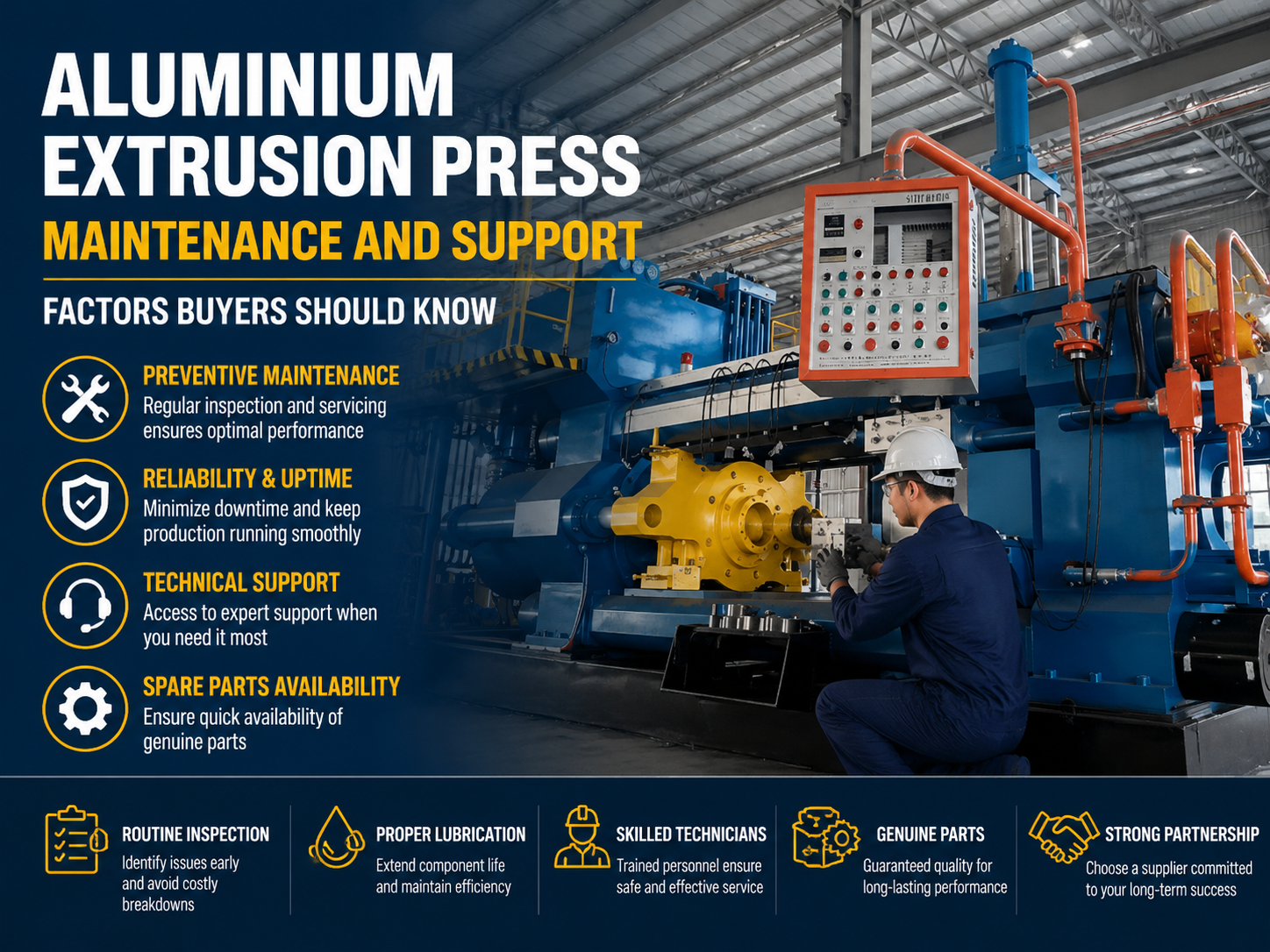
Introduction to Aluminium Extrusion Press Maintenance and Support
Investing in an aluminium extrusion press is a significant capital expenditure for any metal fabrication business. However, the initial purchase price is only the beginning of the financial commitment. To ensure long-term profitability and operational efficiency, understanding the Aluminium Extrusion Press Maintenance Support Factors Buyers Should Know is paramount. These machines operate under extreme pressure and high temperatures, making them susceptible to wear and tear that can lead to costly downtime if not managed correctly.
Maintenance is not merely a reactive process of fixing broken parts; it is a proactive strategy designed to maximize the lifespan of the equipment and ensure the quality of the extruded profiles. For buyers, evaluating a manufacturer’s support infrastructure is just as important as evaluating the machine’s technical specifications. This guide provides a deep dive into the maintenance requirements, cost drivers, and support factors that influence the total cost of ownership (TCO) for an aluminium extrusion press.
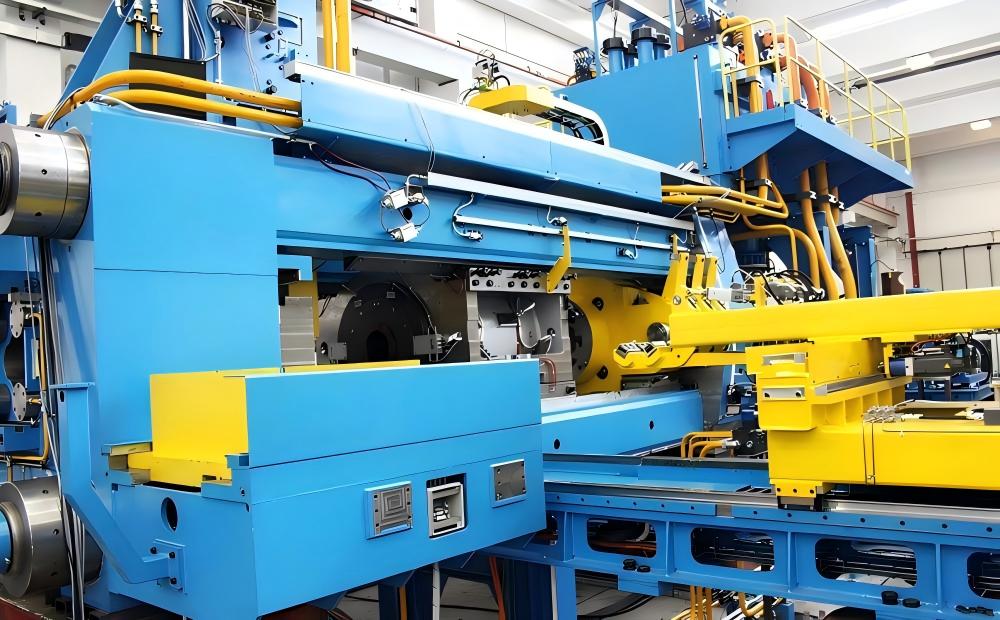
Price Range Overview: Initial Investment vs. Maintenance Costs
The price of an aluminium extrusion press varies widely based on its tonnage, automation level, and the reputation of the manufacturer. Small-scale presses (600 to 1,000 tons) typically range from $200,000 to $600,000. Mid-range presses (1,400 to 2,500 tons) can cost between $800,000 and $2.5 million, while heavy-duty industrial presses (over 3,500 tons) often exceed $5 million. When considering these prices, buyers must factor in that maintenance and support costs typically account for 5% to 10% of the initial investment annually.
A lower initial price point from a budget manufacturer might seem attractive, but it often comes with higher maintenance demands and less robust support. Conversely, premium brands like HARSLE focus on engineering durability into the machine, which may result in a higher upfront cost but significantly lower long-term maintenance expenses. Buyers should look for a balance where the machine’s build quality reduces the frequency of part replacements.
Furthermore, the geographical location of the supplier plays a role in the price of support. If a technician needs to fly halfway across the world for a repair, the travel costs and downtime losses will far outweigh any initial savings. Therefore, the availability of local or regional support centers is a critical factor in the overall pricing strategy for any extrusion facility.
Main Cost Drivers in Extrusion Press Maintenance
Several key components drive the bulk of maintenance costs in an aluminium extrusion press. Understanding these allows buyers to allocate budgets effectively and prioritize preventive care.
- Hydraulic System Components: The hydraulic system is the heart of the press. High-pressure pumps, valves, and seals are subject to intense stress. Using high-quality hydraulic oil and maintaining a strict filtration schedule is essential to prevent pump cavitation and valve failure.
- Container and Stem Wear: The container and the extrusion stem are exposed to extreme thermal cycling and friction. Over time, the inner liner of the container wears down, leading to “billet skin” issues or air entrapment in the profiles. Replacing or relining these components is a major maintenance expense.
- Heating Elements and Induction Coils: Billet heaters and container heaters are critical for maintaining the correct extrusion temperature. Burnouts in electrical elements or leaks in gas-fired systems require immediate attention to prevent production halts.
- PLC and Control Systems: Modern presses rely on sophisticated software and sensors. While electronics don’t “wear out” like mechanical parts, they can suffer from heat damage or obsolescence. Keeping software updated and ensuring the control cabinet is properly cooled is vital.
Beyond parts, labor is a significant cost driver. Specialized technicians who understand the nuances of hydraulic logic and thermal expansion in large-scale machinery are in high demand. Training internal staff to handle basic maintenance can mitigate some of these costs, but complex repairs will always require expert intervention.
Configuration Impact on Maintenance Requirements
The specific configuration of the press—whether it is direct or indirect, and its level of automation—directly impacts the Aluminium Extrusion Press Maintenance Support Factors Buyers Should Know. Direct extrusion presses are more common and generally easier to maintain due to their simpler mechanical layout. However, they generate more friction, which can lead to faster wear on the container liners.
Indirect extrusion presses offer benefits like reduced friction and more uniform grain structure in the aluminium, but they involve more complex moving parts, such as a moving die stem. This complexity increases the number of potential failure points and requires more precise alignment checks. Buyers must weigh the metallurgical benefits of indirect extrusion against the potentially higher maintenance overhead.
Automation also plays a dual role. While automated handling systems, pullers, and cooling tables reduce the need for manual labor and minimize human error, they introduce a vast array of sensors, limit switches, and servo motors that require calibration. A highly automated line requires a maintenance team with strong electrical and programming skills, whereas a manual line is more dependent on traditional mechanical millwrights.
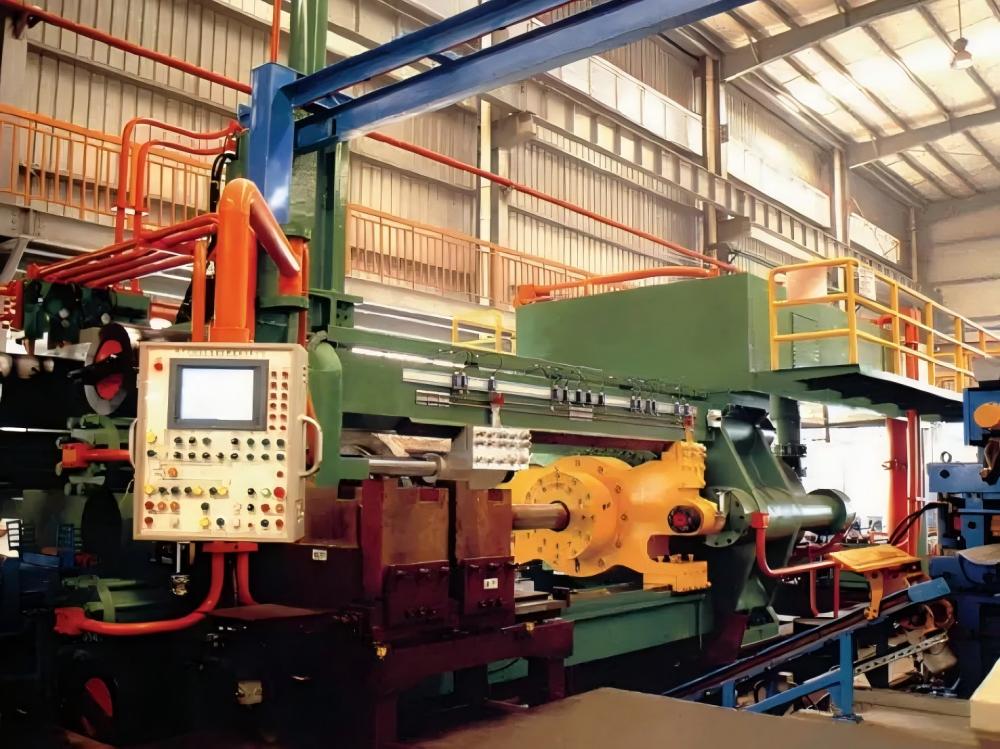
Hidden Costs of Poor Maintenance Support
When evaluating Aluminium Extrusion Press Maintenance Support Factors Buyers Should Know, one must look beyond the obvious invoices for spare parts. The hidden costs of inadequate maintenance can be devastating to a company’s bottom line. The most significant hidden cost is unplanned downtime. In a high-volume extrusion plant, an hour of downtime can equate to thousands of dollars in lost revenue, not to mention the disruption to downstream processes like anodizing or fabrication.
Another hidden cost is energy inefficiency. A poorly maintained hydraulic system with internal leaks or clogged filters forces the pumps to work harder, consuming significantly more electricity to achieve the same extrusion force. Similarly, degraded insulation on the container or billet heater leads to massive heat loss, further driving up utility bills. Over a year, these efficiency losses can exceed the cost of a comprehensive preventive maintenance program.
Quality rejects are also a byproduct of poor maintenance. If the press frame is out of alignment or the cooling system is inconsistent, the resulting profiles may fail to meet dimensional tolerances or surface finish requirements. Scrap rates increase, wasting raw material and energy. Finally, there is the risk of catastrophic failure. A minor seal leak, if ignored, can lead to a hydraulic fire or a major structural crack in the press platen, potentially totaling the machine and posing a safety risk to operators.
ROI Calculation: Maintenance as an Investment
To justify the cost of high-quality maintenance and support, buyers should perform a Return on Investment (ROI) calculation. This involves comparing the cost of a rigorous maintenance program against the projected losses from downtime and equipment degradation. A well-maintained press can easily last 20 to 30 years, whereas a neglected one may require a complete overhaul or replacement in less than 10.
The formula for ROI in this context is: (Value of Increased Uptime + Savings in Energy/Scrap – Cost of Maintenance) / Cost of Maintenance. For example, if a $50,000 annual maintenance program prevents just two days of unplanned downtime (valued at $30,000 per day) and saves $10,000 in energy costs, the ROI is 140%. This clearly demonstrates that maintenance is a profit center, not just an expense.
Furthermore, the resale value of a well-documented, well-maintained machine is significantly higher. In the secondary market, buyers look for maintenance logs and proof of original parts usage. By investing in support today, you are preserving the asset value of the machine for the future. HARSLE provides detailed maintenance schedules and logging tools to help buyers track these metrics effectively.
Buying Advice: Selecting the Right Supplier for Support
When purchasing an aluminium extrusion press, the “support” aspect should be a primary pillar of your decision-making process. Here is a checklist of factors to consider:
- Technical Documentation: Does the manufacturer provide comprehensive manuals, hydraulic schematics, and electrical diagrams? Without these, troubleshooting becomes a guessing game.
- Spare Parts Availability: Does the supplier maintain a local stock of critical wear parts? Ask about the lead times for major components like main cylinders or PLC modules.
- Remote Diagnostics: Modern presses should have remote access capabilities. This allows the manufacturer’s engineers to log into the system from anywhere in the world to diagnose software glitches or sensor failures, often resolving issues in minutes without a site visit.
- Training Programs: Will the supplier train your operators and maintenance staff? Effective training is the first line of defense against machine misuse and premature wear.
- Warranty Terms: Look beyond the duration of the warranty. What exactly is covered? Does it include labor and travel, or just parts? A comprehensive warranty is a sign of the manufacturer’s confidence in their build quality.
Choosing a partner like HARSLE ensures that you are not just buying a machine, but entering into a long-term relationship. Look for manufacturers who have a proven track record in your region and can provide testimonials from existing customers regarding their after-sales service responsiveness.
Frequently Asked Questions (FAQ)
How often should hydraulic oil be changed in an extrusion press?
Hydraulic oil doesn’t necessarily need a full change on a fixed calendar basis; instead, it should be monitored through regular oil analysis. Typically, every 2,000 to 4,000 operating hours, a sample should be sent to a lab to check for particle count, moisture content, and chemical breakdown. If the filtration system is high-quality and well-maintained, the oil can last several years. However, filters should be changed much more frequently, often every 500 to 1,000 hours.
What are the signs that an extrusion press is out of alignment?
Common signs of misalignment include uneven wear on the dummy block, the stem hitting the edge of the container, or profiles that consistently curve to one side as they exit the die. Excessive vibration during the extrusion stroke or unusual noises from the main cylinder can also indicate that the press frame or guide rails need adjustment. Regular laser alignment checks are recommended at least once a year.
Can I use third-party spare parts for my HARSLE press?
While some generic components like bolts or standard seals can be sourced locally, it is highly recommended to use original equipment manufacturer (OEM) parts for critical components like pumps, valves, and PLC modules. OEM parts are designed to meet the exact tolerances and pressure ratings of the machine. Using substandard third-party parts can void your warranty and lead to premature failure of connected components.
What is the most common cause of downtime in aluminium extrusion?
Statistically, hydraulic leaks and sensor failures are the most frequent causes of short-term downtime. However, the most significant long-term downtime usually stems from container or heater failures. Implementing a daily inspection checklist for leaks and a weekly check of electrical connections can prevent the majority of these common issues.
How does temperature control affect maintenance?
Inconsistent temperature control causes uneven thermal expansion of the press components. This puts undue stress on the tie rods and the main cylinder seals. If the billet is too cold, the press must use higher pressure, increasing wear on the hydraulic system. If the container is too hot, it can lead to metallurgical softening of the steel. Precise thermal management is essential for both product quality and machine longevity.
Is it worth upgrading an old press with new controls?
Yes, a “control retrofit” is often a very cost-effective way to extend the life of an older press. By replacing obsolete PLCs and manual valves with modern digital controls and proportional valves, you can improve precision, reduce cycle times, and gain access to modern diagnostic tools, all for a fraction of the cost of a new machine.


