What to Look for When Buying an Aluminium Extrusion Press for Metal Fabrication

Introduction to Aluminium Extrusion in Modern Metal Fabrication
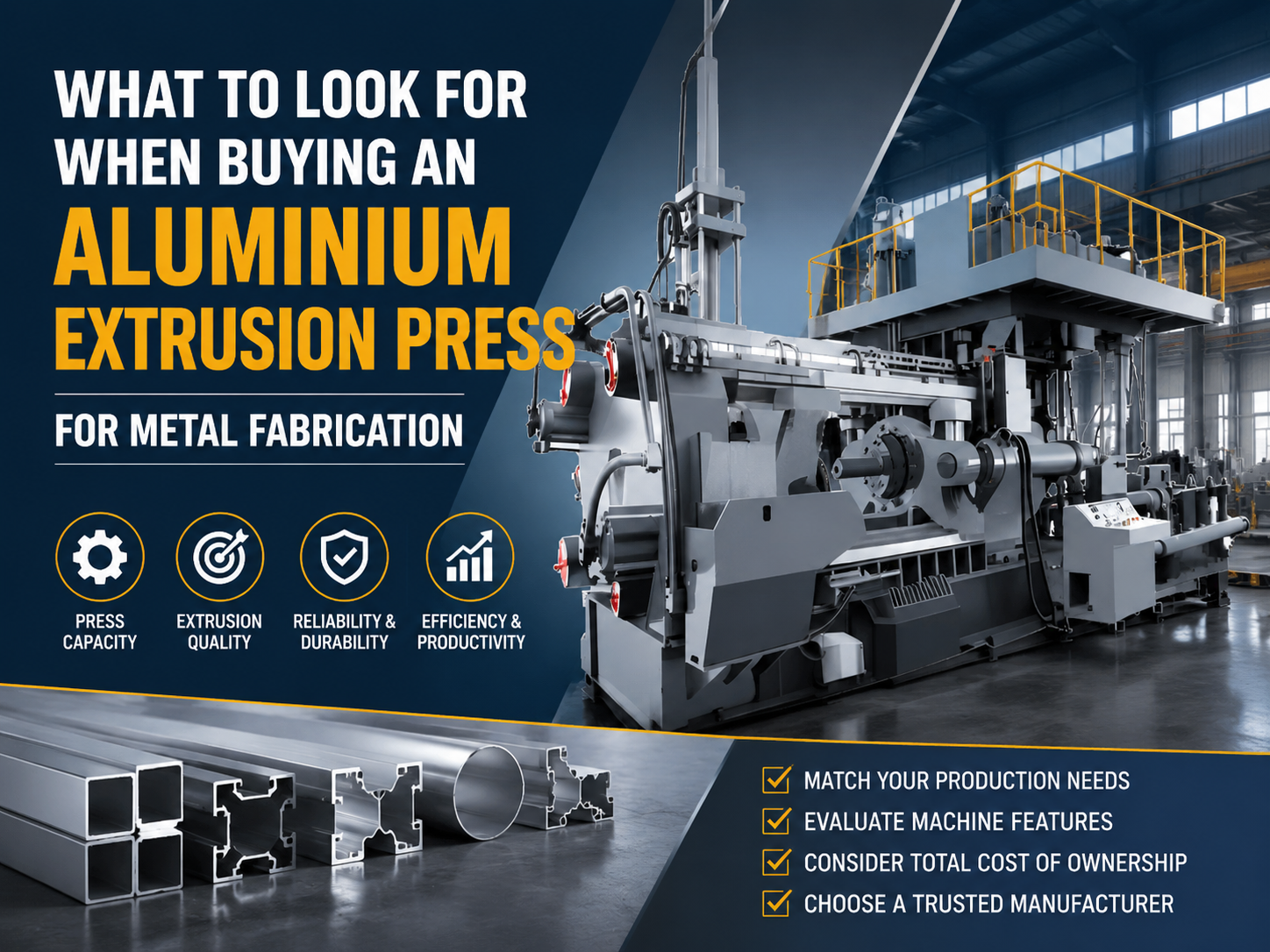
In the rapidly evolving landscape of metal fabrication, the ability to produce complex, high-strength, and lightweight profiles is a significant competitive advantage. Aluminium extrusion stands at the forefront of this capability. Whether you are manufacturing components for the automotive industry, structural elements for construction, or intricate heat sinks for electronics, the quality of your output is directly tied to the performance of your extrusion press. Understanding what to Look When Buying An Aluminium Extrusion Press Metal Fabrication is not just about comparing price tags; it involves a deep dive into technical specifications, operational efficiency, and long-term reliability.
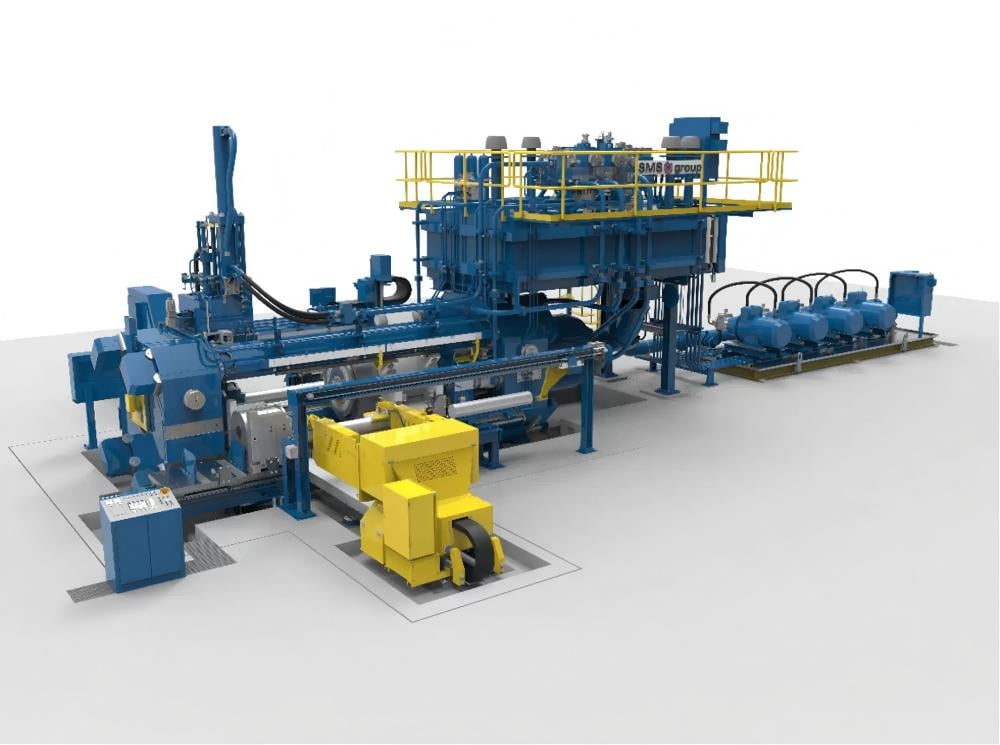
An aluminium extrusion press is a massive investment that defines the production capacity of a facility for decades. These machines use high-pressure hydraulic systems to force heated aluminium billets through a shaped die, creating consistent cross-sectional profiles. However, the market is flooded with various configurations, tonnages, and technological features. For a fabrication business, selecting the wrong machine can lead to high scrap rates, excessive energy consumption, and frequent downtime. This guide aims to provide a comprehensive roadmap for procurement officers and engineers to make an informed decision.
Price Range Overview: Understanding the Market Tiers
The cost of an aluminium extrusion press varies significantly based on its tonnage, origin, and level of automation. Generally, the market is divided into three main tiers. Entry-level machines, often sourced from regional manufacturers with basic manual controls, typically range from $150,000 to $400,000. These are suitable for small-scale operations or specialized, low-volume profile production. While they offer a lower barrier to entry, they often lack the sophisticated energy-saving features found in higher-end models.
Mid-range presses, which are the workhorses of the global metal fabrication industry, usually fall between $500,000 and $1.5 million. These machines, such as those offered by HARSLE, strike a balance between robust mechanical construction and advanced PLC (Programmable Logic Controller) integration. They often feature semi-automated billet loading and basic cooling table integration. High-end, fully automated extrusion lines for large-scale industrial applications can exceed $3 million to $5 million. These systems include integrated log furnaces, quench systems, automated stretchers, and sophisticated software for real-time monitoring and data logging.
When evaluating the price, it is crucial to look beyond the initial purchase cost. A cheaper machine with an inefficient hydraulic system may cost more in electricity over five years than the price difference of a premium, servo-driven model. Buyers must categorize their needs based on the maximum profile size (which dictates tonnage) and the required annual output (which dictates the level of automation and cycle speed).
Main Cost Drivers: What Influences the Final Quote?
Several technical factors drive the cost of an aluminium extrusion press. The most prominent is the Tonnage. The press force, measured in metric tons, determines the size and complexity of the profiles you can extrude. A 600-ton press is suitable for small, thin-walled profiles, while a 2500-ton press is required for larger structural beams. As tonnage increases, the physical size of the machine, the diameter of the main cylinder, and the strength of the tie-rods must all increase, leading to higher material and manufacturing costs.
The Hydraulic System is another major cost driver. Modern presses utilize high-pressure pumps from reputable brands like Rexroth or Vickers. The choice between a standard fixed-displacement pump system and a modern servo-motor driven pump system can impact the price by 15-20%. However, servo systems offer precise control over extrusion speed and significant energy savings during the ‘dead cycle’ (the time when the press is not actively extruding). Additionally, the complexity of the hydraulic manifold and the inclusion of high-quality filtration systems to protect sensitive valves add to the cost but ensure machine longevity.
Control Systems and Software also play a pivotal role. A press equipped with a basic touch screen and manual overrides is cheaper than one featuring a fully integrated Siemens or Schneider PLC system with remote diagnostics, recipe management, and ERP integration. Advanced software allows for ‘isothermal extrusion,’ where the press automatically adjusts speed to maintain a constant temperature at the die, ensuring uniform metallurgical properties in the finished profile. This level of sophistication is a significant driver of both cost and quality.
Configuration Impact: Tailoring the Press to Your Production
The configuration of the press must align with your specific fabrication goals. One of the first decisions is between Direct and Indirect Extrusion. Direct extrusion is the most common, where the billet is pushed through a stationary die. It is versatile and easier to maintain. Indirect extrusion, where the die moves against the billet, reduces friction and allows for faster extrusion speeds and better grain structure, but the machines are more complex and expensive. Most general metal fabrication shops opt for direct extrusion due to its flexibility with different alloys.
The Billet Heating Method is another critical configuration choice. You can choose between gas-fired furnaces and induction heaters. Gas furnaces are generally cheaper to operate in regions with low natural gas prices and are better for heating large volumes of billets. Induction heaters, however, provide much faster heating, better temperature precision, and the ability to create a ‘temperature gradient’ across the billet, which is essential for high-speed extrusion of complex shapes. The choice here affects the footprint of your factory and your utility requirements.
Furthermore, the Handling System (the ‘back-end’ of the press) is just as important as the press itself. This includes the initial run-out table, the cooling bed (air or water quench), the stretcher, and the finish saw. A poorly configured handling system will create a bottleneck, regardless of how fast the press can extrude. For high-precision fabrication, an automated stretcher with load-cell feedback is necessary to ensure the profiles are perfectly straight and meet dimensional tolerances without manual intervention.
Hidden Costs: Preparing for the Full Investment
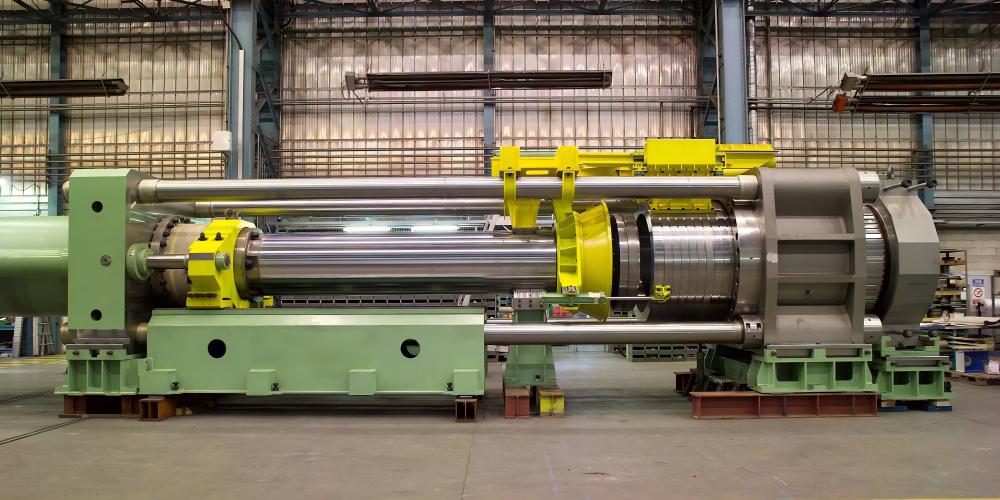
When you Look When Buying An Aluminium Extrusion Press Metal Fabrication, the invoice from the manufacturer is only part of the story. Foundation and Installation are significant hidden costs. An extrusion press requires a massive, reinforced concrete foundation, often with deep pits for hydraulic tanks and scrap conveyors. The engineering and construction of this foundation can cost tens of thousands of dollars and must be completed weeks before the machine arrives. Additionally, the cost of rigging and heavy lifting to move components weighing 50+ tons into place should not be underestimated.
Tooling and Consumables represent an ongoing expense. You will need a library of dies for different profiles, as well as dummy blocks, containers, and stems. These components are subjected to extreme heat and pressure and require regular maintenance or replacement. Furthermore, the initial fill of hydraulic oil can be a substantial expense; a medium-sized press might require several thousand liters of high-grade hydraulic fluid. Buyers should also budget for Operator Training. Even the best machine will underperform if the staff does not understand how to optimize extrusion parameters or perform daily maintenance tasks.
Finally, consider Shipping and Import Duties. These machines are often shipped in multiple containers or as break-bulk cargo. International freight costs, insurance, and local customs duties can add 10-15% to the total project cost. It is essential to clarify the Incoterms (e.g., FOB, CIF, DDP) with the supplier to avoid unexpected bills at the port. Working with an experienced manufacturer like HARSLE can help streamline this process, as they often have established logistics partners for global delivery.
ROI Calculation: When Will the Machine Pay for Itself?
Calculating the Return on Investment (ROI) for an aluminium extrusion press involves analyzing both cost savings and revenue growth. The primary revenue driver is the Throughput. By reducing the ‘dead cycle time’ (the time taken to load a new billet and reset the press), you can increase the number of billets extruded per hour. For example, reducing the dead cycle from 25 seconds to 15 seconds can result in an extra 5-10 billets per shift, which translates to tons of additional finished product over a year.
On the cost-saving side, Energy Efficiency is the biggest factor. Modern servo-driven presses can reduce electricity consumption by up to 30-50% compared to older hydraulic designs. In regions with high energy costs, this saving alone can pay for the premium price of a servo system within 2-3 years. Additionally, look at the Scrap Rate. A press with precise speed and temperature control will produce fewer ‘off-spec’ profiles during start-up and at the end of the billet (the butt end). Reducing scrap by even 2% can save thousands of dollars in raw material costs monthly.
Another factor is Market Versatility. A press with a wider tonnage range or the ability to handle different alloys (like the 6000 and 7000 series) allows a fabrication shop to take on higher-margin projects in the aerospace or medical sectors. When calculating ROI, consider the potential for ‘insourcing’—if you currently buy profiles from a third party, bringing production in-house eliminates the supplier’s margin and gives you total control over your supply chain and lead times.
Buying Advice: Expert Tips for a Successful Purchase
Before signing a contract, perform a thorough Supplier Audit. Visit the manufacturer’s facility if possible, or request a video tour. Look at the quality of their machining centers and the cleanliness of their assembly area. A manufacturer that invests in high-end CNC machines to build their presses is more likely to produce a high-precision product. Ask for a reference list of customers using similar models and contact them to ask about the machine’s reliability and the manufacturer’s responsiveness to service requests.
Pay close attention to the Technical Support and Spare Parts availability. An extrusion press is a complex machine, and downtime is incredibly expensive. Ensure the supplier has a robust support system, including remote login capabilities for troubleshooting the PLC. Verify that critical wear parts, such as hydraulic seals, sensors, and valves, are standard components that can be sourced locally or shipped quickly from the manufacturer. HARSLE, for instance, emphasizes the use of globally recognized brands for electrical and hydraulic components to ensure ease of maintenance for international clients.
Finally, insist on a Factory Acceptance Test (FAT). Before the machine is disassembled for shipping, it should be fully assembled and tested at the manufacturer’s site. This test should include cycling the press under pressure and verifying that all safety systems and automated sequences work as intended. Documenting these tests ensures that the machine meets the agreed-upon specifications before it leaves the factory floor, significantly reducing the risk of issues during final installation at your site.
Frequently Asked Questions (FAQ)
1. What is the most common tonnage for a general-purpose aluminium extrusion press?
For most general metal fabrication shops producing architectural profiles (windows, doors) and basic industrial shapes, a press in the 1000 to 1800-ton range is the most common. This range offers the best balance between versatility and investment cost.
2. How long does a typical aluminium extrusion press last?
With proper maintenance, a high-quality extrusion press can last 20 to 30 years. Many shops perform ‘mid-life’ retrofits, where they upgrade the hydraulic pumps and control systems to modern standards while keeping the original heavy steel frame.
3. Can I extrude other metals besides aluminium on these presses?
While specifically designed for aluminium, these presses can sometimes be used for other soft alloys like copper or brass, provided the hydraulic pressure and heating systems are compatible. However, extruding harder metals like steel requires a significantly different press design and much higher tonnages.
4. What is ‘Dead Cycle Time’ and why does it matter?
Dead cycle time is the period when the press is not extruding metal—specifically, the time it takes to retract the stem, eject the butt end, load a new billet, and move the die back into position. Minimizing this time is crucial for maximizing productivity and ROI.
5. Is a water quench system necessary?
A water quench system is necessary for certain high-strength alloys (like the 6000 series) to achieve the required mechanical properties through rapid cooling. For simpler architectural profiles, an air cooling system may be sufficient. Your choice depends on the specific alloys and temper requirements of your customers.
6. How much space is required for a complete extrusion line?
A complete line, including the billet heater, press, cooling table, and stretcher, requires significant floor space. A typical 1450-ton line might require a hall that is at least 50-70 meters long and 15-20 meters wide, including space for material handling and die storage.
7. What are the maintenance requirements for the hydraulic system?
The hydraulic system requires regular oil analysis to check for contamination, periodic replacement of filters, and monitoring of pump performance. Keeping the oil clean and at the correct temperature is the single most important factor in preventing expensive valve and pump failures.