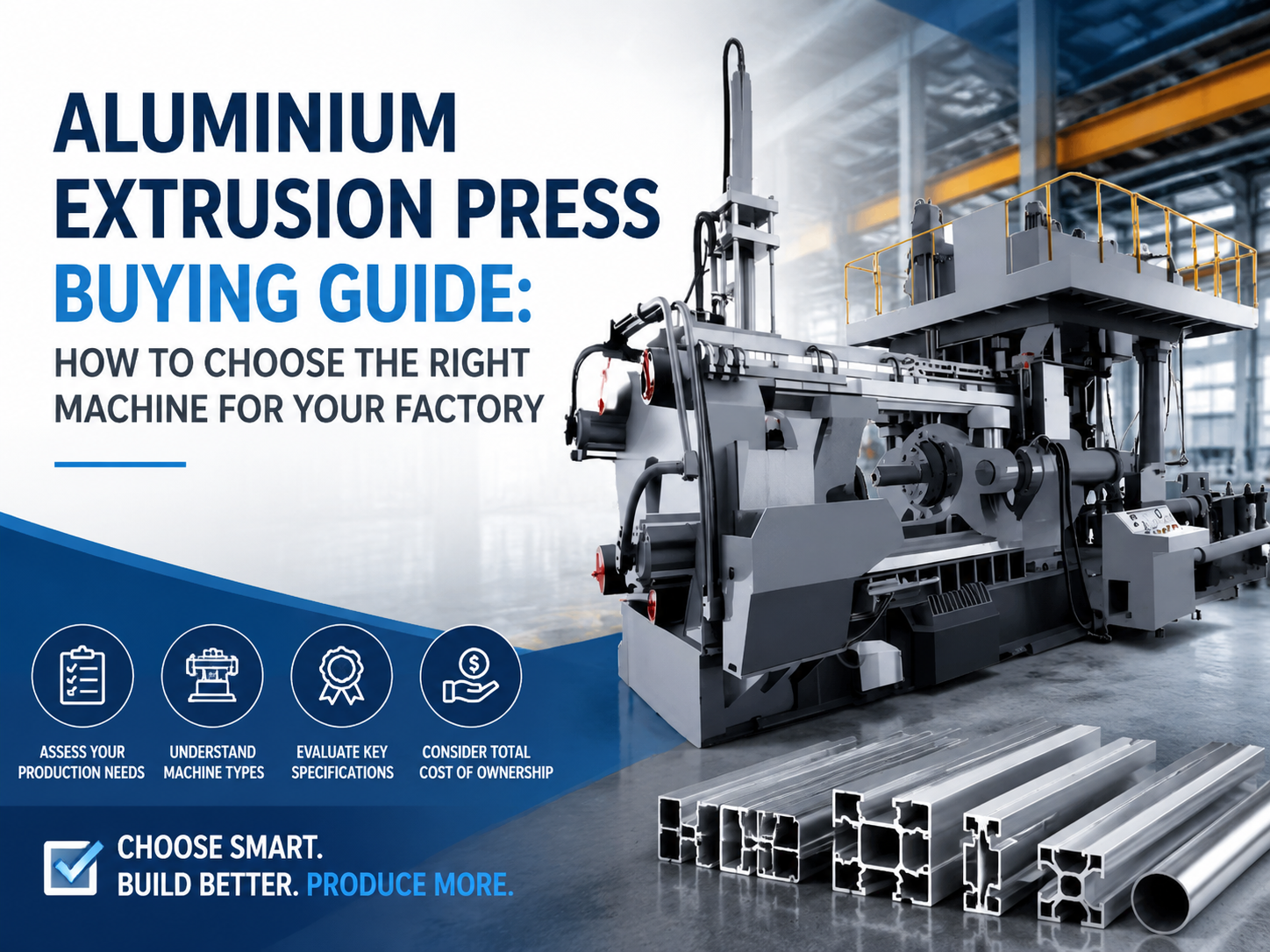
Aluminium Extrusion Press Buying Guide: How to Choose the Right Machine for Your Factory

Introduction to Aluminium Extrusion Press Procurement
The global demand for aluminium profiles is surging, driven by the automotive, aerospace, construction, and renewable energy sectors. For factory owners and production managers, investing in an aluminium extrusion press is a monumental decision that dictates the long-term efficiency and profitability of the facility. Choosing the right machine involves more than just looking at the price tag; it requires a deep understanding of tonnage, hydraulic systems, automation levels, and the specific needs of your target market. This guide aims to provide a comprehensive roadmap for the Aluminium Extrusion Press Buying : Choose Machine Factory process, ensuring you make an informed investment that scales with your business.
HARSLE has long been at the forefront of providing high-performance metal fabrication machinery. When we talk about aluminium extrusion, we are discussing a process where heated aluminium billets are forced through a die to create complex cross-sections. The press is the heart of this operation. A well-chosen press ensures dimensional accuracy, surface finish quality, and consistent production rates. In the following sections, we will break down the financial and technical aspects of acquiring this essential industrial asset.
Price Range Overview: What to Expect
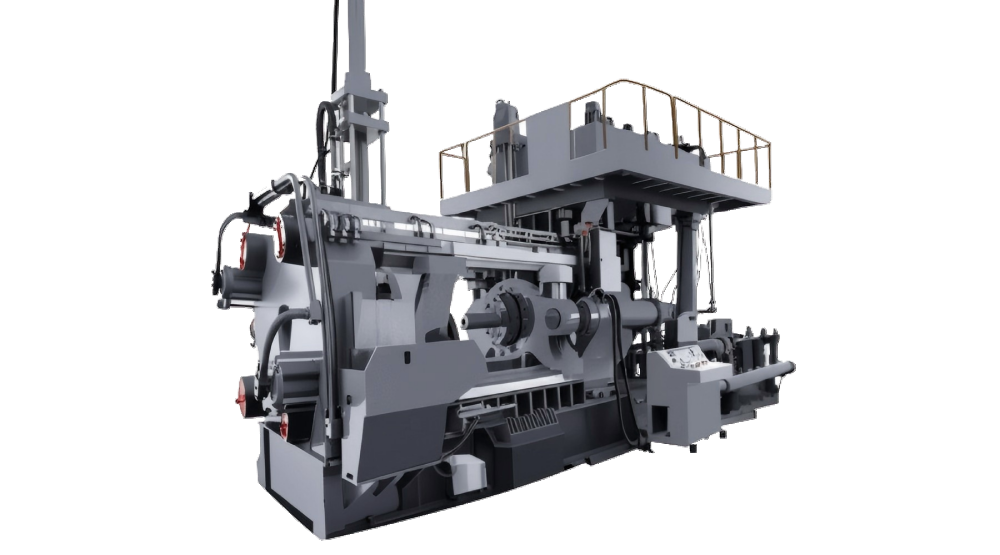
The price of an aluminium extrusion press varies significantly based on its capacity and origin. Generally, the market is divided into three tiers: entry-level, mid-range, and high-end industrial systems. Entry-level machines, often with a tonnage between 600T and 1000T, can range from $150,000 to $400,000. These are suitable for small-scale operations or factories focusing on simple architectural profiles. They offer basic manual or semi-automatic controls and are a great starting point for emerging markets.
Mid-range machines, typically in the 1450T to 2500T range, are the workhorses of the industry. These machines cost between $500,000 and $1.2 million. They feature better hydraulic components, more sophisticated PLC systems, and higher energy efficiency. For most medium-sized factories, this range offers the best balance between initial investment and production versatility. Finally, high-end industrial presses (3000T to 10,000T+) can exceed $3 million. These are specialized machines used for heavy-duty industrial components, such as large structural beams for the transport industry or massive heat sinks for power electronics.
Main Cost Drivers in Extrusion Machinery
Understanding what drives the cost of an aluminium extrusion press is crucial for budget planning. The primary factor is Tonnage. The higher the tonnage, the larger the billet it can handle and the more complex the profiles it can produce. Increased tonnage requires more massive steel frames, larger hydraulic cylinders, and more powerful motors, all of which drive up the price. However, buying a press with too much tonnage for your needs leads to unnecessary energy consumption and higher die costs.
Another significant cost driver is the Hydraulic System. Premium machines utilize high-end pumps and valves from brands like Rexroth or Vickers. These components offer better pressure control, faster response times, and longer service lives compared to generic alternatives. While they increase the upfront cost, they significantly reduce downtime and maintenance expenses over the machine’s life. Additionally, the Control System (PLC) plays a role. Modern presses use Siemens or Schneider systems with advanced HMI (Human Machine Interface) that allow for precise monitoring of extrusion speed, pressure, and temperature, which are critical for maintaining quality.
Configuration Impact: Tailoring the Machine to Your Needs
The configuration of your extrusion press determines its operational flexibility. One of the first choices is between Direct and Indirect Extrusion. Direct extrusion is the most common, where the ram moves toward the die. It is simpler and more versatile. Indirect extrusion, where the die moves toward the billet, reduces friction and allows for more uniform grain structures, but the machinery is more complex and expensive. Most factories find direct extrusion to be the most cost-effective solution for standard profiles.
The Heating System is another critical configuration. You must choose between gas-fired billet heaters and induction heaters. Gas heaters are generally cheaper to operate in regions with low gas prices but have slower response times. Induction heaters offer precise temperature control and rapid heating, which can improve the quality of the extrusion but come with higher electrical infrastructure requirements. Furthermore, the Cooling System (air vs. water) and the type of Puller (single vs. double) will impact your cycle times. A double puller system, for instance, allows for continuous extrusion without stopping the press to cut the profile, significantly increasing throughput.
Hidden Costs of Ownership
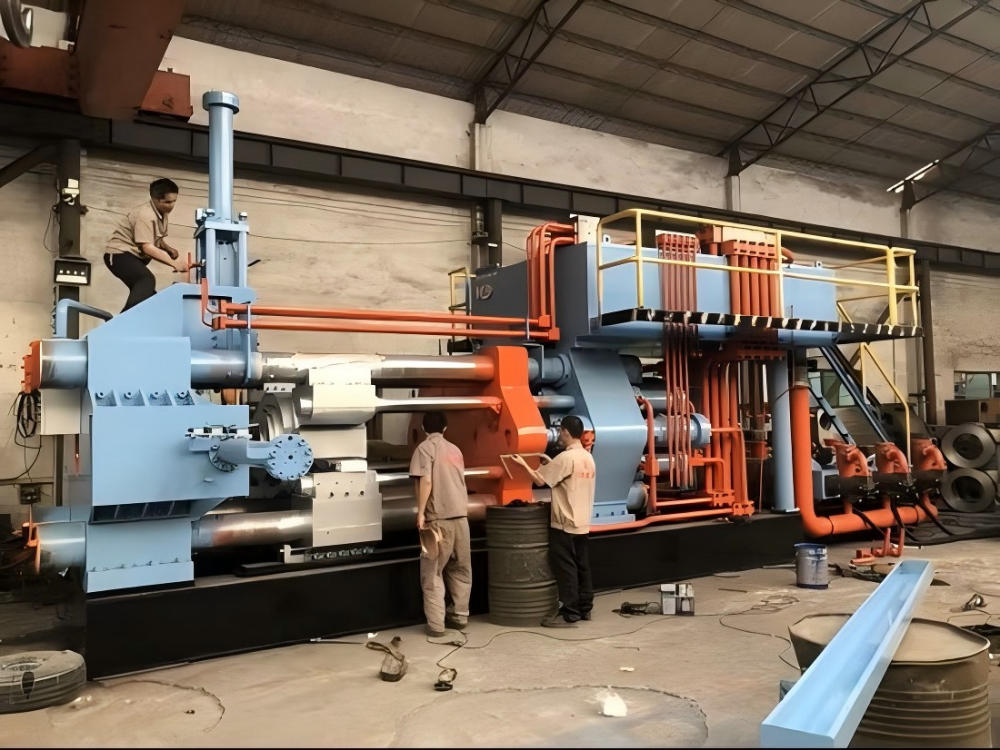
When planning your Aluminium Extrusion Press Buying : Choose Machine Factory strategy, you must account for costs beyond the invoice price. Logistics and Installation are major factors. These machines are incredibly heavy and often require specialized heavy-lift transport and cranes for installation. Furthermore, the factory floor must be reinforced with a specific foundation to handle the vibration and weight of the press. This civil engineering work can add tens of thousands of dollars to the project.
Energy Consumption is perhaps the most significant ongoing hidden cost. An extrusion press is an energy-intensive machine. Investing in a press with servo-driven hydraulic pumps can reduce energy consumption by up to 30-50% compared to traditional constant-delivery pumps. While the initial cost is higher, the savings on monthly utility bills are substantial. Additionally, don’t forget Operator Training. A high-tech press is only as good as the person running it. Budgeting for comprehensive training ensures that your staff can maximize the machine’s capabilities and avoid costly operational errors.
ROI Calculation: When Will the Machine Pay for Itself?
Calculating the Return on Investment (ROI) for an aluminium extrusion press involves analyzing several variables. First, consider the Productivity Gain. A modern press with faster dead-cycle times (the time when the press is not extruding, such as during billet loading) can produce more kilograms of aluminium per hour. If a new machine reduces dead-cycle time from 25 seconds to 15 seconds, the cumulative effect over a year is massive. Second, look at Scrap Reduction. Advanced control systems ensure that the “butt” (the leftover piece of the billet) is minimized and that the profile dimensions are consistent from the start of the run, reducing waste.
Labor savings also contribute to ROI. Highly automated lines require fewer operators to manage the pullers, cooling tables, and cutting saws. To calculate the ROI, subtract the annual operating costs (energy, labor, maintenance, raw materials) from the annual revenue generated by the profiles produced. Divide the initial investment by this annual profit to find the payback period in years. Typically, a well-utilized aluminium extrusion press in a growing market should see an ROI within 3 to 5 years.
Buying Advice: Choosing the Right Manufacturer
Selecting the right manufacturer is as important as selecting the right machine. When evaluating a supplier like HARSLE, look for a track record of reliability and after-sales support. Ask for references from existing customers and, if possible, visit a factory where their machines are in operation. Check the availability of Spare Parts. An extrusion press is a long-term investment (20+ years), and you need to be sure that seals, valves, and electronic components will be available a decade from now.
Furthermore, evaluate the manufacturer’s Technical Support capabilities. Do they offer remote diagnostics? Can they send technicians to your site quickly in the event of a breakdown? A day of downtime on an extrusion line can cost thousands of dollars in lost production. Finally, ensure the machine complies with local safety and environmental regulations (such as CE or UL certification). A cheaper machine that fails a safety inspection will end up being far more expensive in the long run.
Maintenance and Longevity Tips
To ensure your aluminium extrusion press reaches its maximum lifespan, a rigorous maintenance schedule is non-negotiable. The hydraulic oil is the lifeblood of the machine; it must be kept clean and at the correct temperature. Regular oil analysis can detect internal wear before it leads to a catastrophic failure. Additionally, the alignment of the container and the stem must be checked frequently. Misalignment leads to uneven wear on the liners and can cause structural damage to the press frame over time.
Lubrication of moving parts, such as the columns and the shear blades, should be automated where possible to ensure consistency. It is also wise to keep a stock of critical wear parts on-site, including seals, heaters, and sensors. By investing in preventative maintenance, you not only extend the life of the machine but also maintain the high precision required for top-tier aluminium profiles.
Frequently Asked Questions (FAQ)
1. What is the most common tonnage for a startup aluminium factory?
For most startups, a 1000T or 1450T press is the ideal starting point. These sizes allow for the production of common architectural profiles (windows, doors) and small industrial components, which represent the largest portion of the market demand.
2. How long does it take from ordering to full production?
Typically, the lead time for manufacturing a custom extrusion press is 4 to 8 months. Shipping, installation, and commissioning can take another 1 to 2 months. In total, you should plan for a 6 to 10-month timeline before the machine is running at full capacity.
3. Can I extrude different alloys on the same press?
Yes, most presses can handle various 6000-series alloys (like 6061 or 6063), which are the most common. However, harder alloys (like the 2000 or 7000 series) require higher pressures and more precise temperature control, so you must ensure your press configuration is rated for these materials if you plan to use them.
4. What is the expected lifespan of a HARSLE extrusion press?
With proper maintenance and occasional hydraulic/electronic upgrades, a high-quality extrusion press can last 20 to 30 years. Many factories run presses from the 1990s that have been retrofitted with modern control systems.
5. Is automation necessary for a new factory?
While not strictly necessary, automation in the handling system (pullers, cooling beds, and stretchers) is highly recommended. It reduces labor costs, improves safety by keeping workers away from hot metal, and ensures a much higher level of product consistency.
6. How does the billet diameter affect the press choice?
The billet diameter is directly tied to the press tonnage. A 4-inch billet typically requires a 600-800T press, a 5-inch billet requires 1000-1100T, and a 7-inch billet usually needs an 1800-2000T press. Choosing the billet size depends on the maximum width and complexity of the profiles you intend to manufacture.