Four-Shaft Shredder Buying Guide for Industrial Waste Reduction and Material Recovery

Introduction to Four-Shaft Shredder Technology
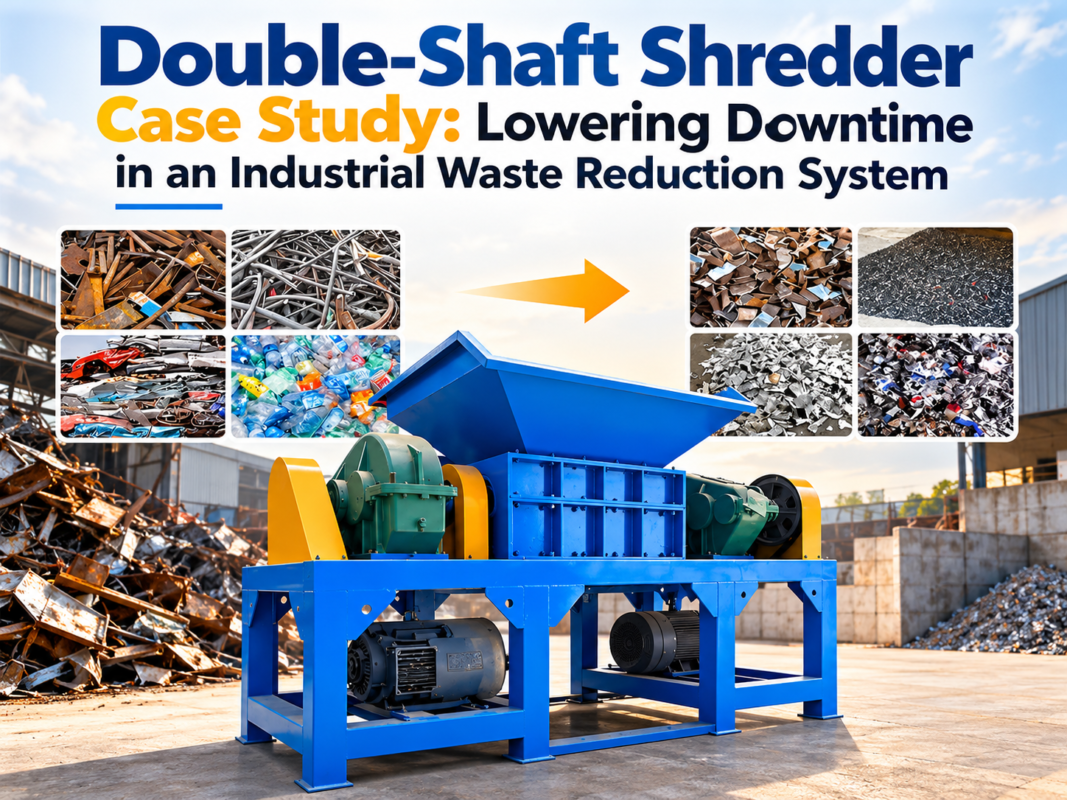
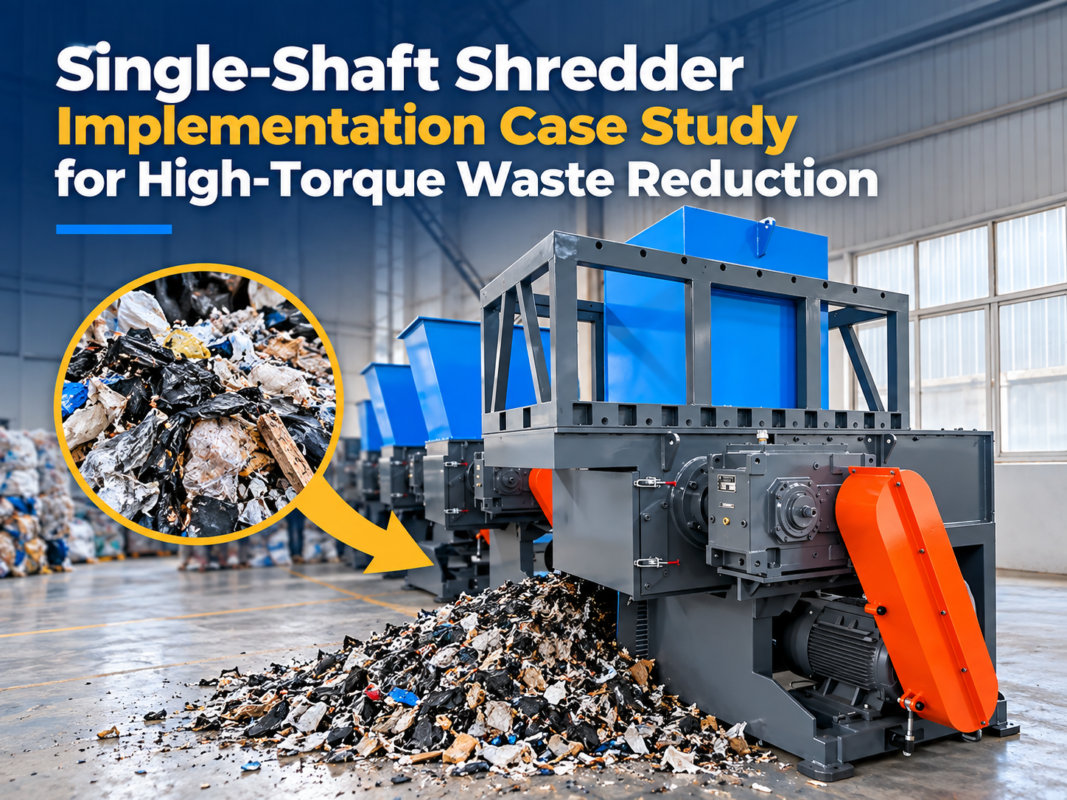
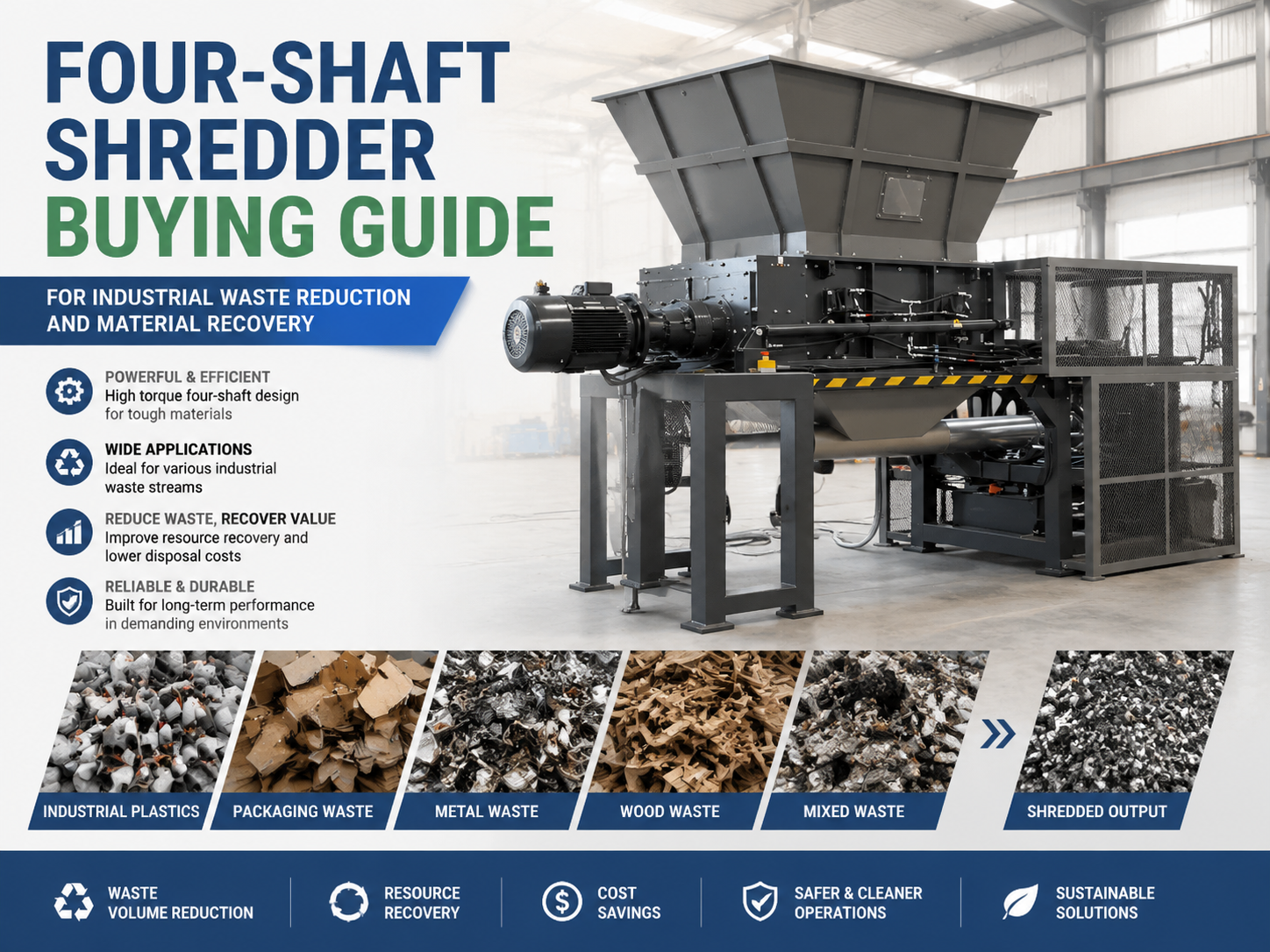
In the modern industrial landscape, the management of waste and the recovery of valuable materials have transitioned from secondary concerns to primary operational priorities. The four-shaft shredder stands at the pinnacle of size reduction technology, offering unparalleled versatility and precision compared to its single or double-shaft counterparts. Designed to handle the most demanding materials—ranging from electronic waste (e-waste) and plastics to bulky metal scrap and hazardous waste—the four-shaft shredder is a cornerstone for facilities aiming for high-efficiency industrial waste reduction and material recovery.
Unlike traditional shredders, the four-shaft design utilizes two main cutting shafts and two secondary cleaning/feeding shafts. This configuration ensures that material is continuously fed into the cutting zone, preventing bridging and ensuring a consistent output size without the need for complex external ram feeders. For businesses looking to invest in this technology, understanding the nuances of the market, the technical specifications, and the long-term financial implications is crucial. This guide provides a deep dive into everything a procurement manager or business owner needs to know before making a purchase.
Price Range Overview: What to Expect
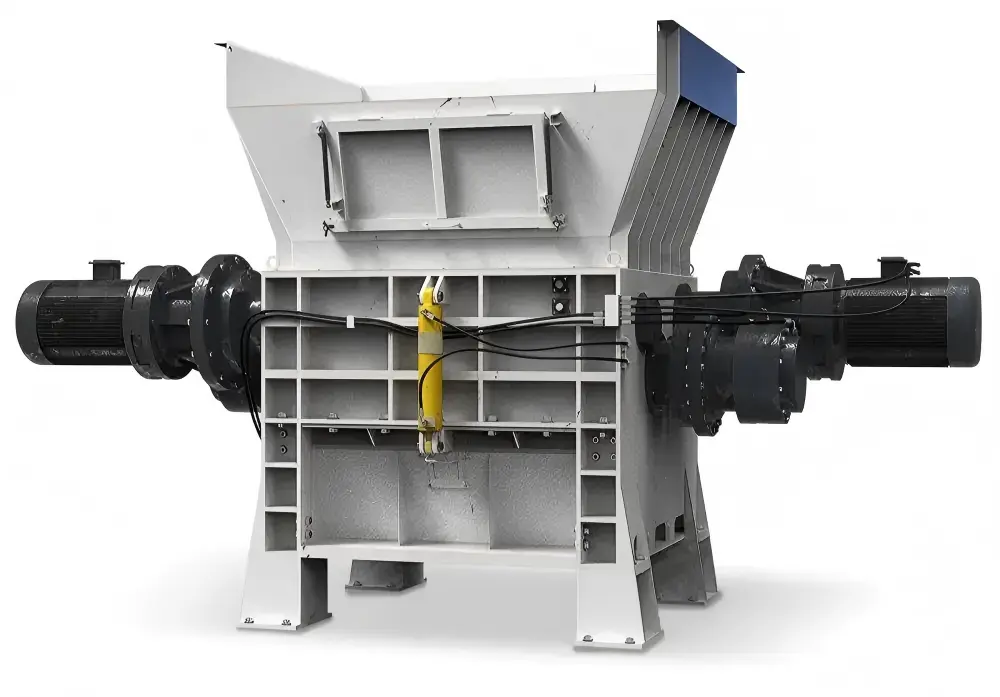
The investment required for a four-shaft shredder varies significantly based on capacity, build quality, and the specific application it is intended for. Because these machines are often customized to the material they process, off-the-shelf pricing is rare. However, we can categorize the market into three primary tiers to help you budget effectively.
Entry-Level and Small-Scale Units ($20,000 – $50,000)
At the lower end of the price spectrum, you will find compact four-shaft shredders designed for light industrial use or laboratory environments. These machines typically feature motor powers between 15kW and 30kW. They are ideal for processing uniform materials like plastic purgings, small electronic components, or paper and cardboard. While they offer the precision of a four-shaft system, they lack the torque required for heavy metal scrap or large-volume continuous operations.
Mid-Range Industrial Shredders ($50,000 – $150,000)
This is the most common category for medium-sized recycling facilities and manufacturing plants. These machines are built with robust frames and higher-grade alloy steel blades. With power ratings ranging from 45kW to 110kW, they can handle a diverse mix of waste, including tires, aluminum scrap, and mixed municipal solid waste (MSW). In this price bracket, you begin to see advanced features like PLC control systems, automatic reverse functions to prevent jams, and integrated screen classifiers for precise output sizing.
Heavy-Duty and Custom Systems ($150,000 – $500,000+)
For large-scale material recovery facilities (MRFs) or specialized hazardous waste processing, heavy-duty four-shaft shredders are required. These systems often exceed 200kW in power and are engineered for 24/7 operation. The price reflects the use of premium components, such as planetary gearboxes, high-torque hydraulic drives, and specialized blade coatings for abrasive materials. Customizations in this tier might include explosion-proof motors, specialized hopper designs for oversized items, and integrated conveyor systems for automated material flow.
Main Cost Drivers in Four-Shaft Shredder Procurement
Understanding why one machine costs twice as much as another, despite having similar dimensions, is key to making an informed decision. Several critical factors drive the manufacturing and retail cost of a four-shaft shredder.
1. Blade Material and Manufacturing Process
The blades (or cutters) are the heart of the shredder. High-quality blades are typically made from specialized alloy steels such as D2, SKD-11, or Cr12MoV. The cost is driven not just by the raw material but by the heat treatment process. Vacuum heat treatment ensures that the blades have the perfect balance of hardness (to maintain a sharp edge) and toughness (to resist cracking under impact). Cheap machines often use inferior steel that requires frequent sharpening and replacement, leading to higher long-term costs.
2. Drive System and Gearboxes
The transmission of power from the motor to the shafts is a high-stress process. Premium shredders utilize planetary gearboxes, which offer superior torque distribution and longevity compared to standard spur gearboxes. Furthermore, the choice between electric and hydraulic drives impacts the price. Hydraulic drives offer better shock absorption and variable speed control but come at a higher initial cost and require more complex maintenance.
3. Structural Integrity and Frame Design
A four-shaft shredder generates immense internal forces. The thickness of the steel plates used in the shredding chamber and the quality of the welding are paramount. A machine with a vibration-dampening frame and reinforced bearing housings will naturally cost more but will prevent the structural fatigue that plagues cheaper models after a few years of heavy use.
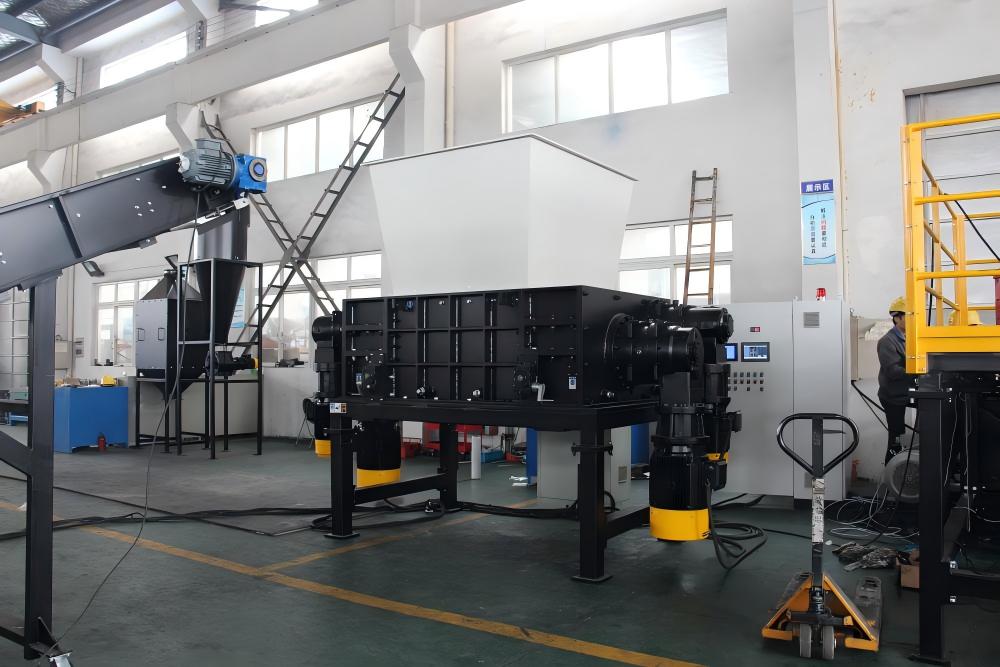
Configuration Impact: Tailoring the Machine to Your Needs
The configuration of a four-shaft shredder determines its efficiency in industrial waste reduction and material recovery. Buyers must match the machine’s specs to their specific waste stream.
Screen Size and Output Control
One of the primary advantages of a four-shaft shredder is the integrated screen located beneath the shafts. Material that is not yet small enough to pass through the screen is carried back up by the secondary shafts for another round of shredding. The size of the screen holes directly impacts throughput; smaller holes produce a finer, more valuable output but reduce the overall tons-per-hour capacity of the machine.
Shaft Speed and Torque Ratios
Different materials require different shredding philosophies. Brittle materials like glass or hard plastics benefit from higher shaft speeds. In contrast, tough, ductile materials like rubber or metal scrap require high torque at lower speeds to “tear” the material apart. Modern four-shaft shredders often feature independent drives for each shaft, allowing for optimized speed differentials that improve feeding efficiency.
Hopper and Feeding Mechanisms
The standard gravity-fed hopper is sufficient for many applications, but specialized waste may require more. For example, bulky items like IBC totes or large drums might need a hydraulic pusher or a specialized “grabber” hopper to ensure the material makes contact with the blades. Customizing the hopper height and width to match your existing loading equipment (forklifts, conveyors, or cranes) is a critical configuration step.
Hidden Costs: Beyond the Initial Purchase Price
The “sticker price” of a four-shaft shredder is only part of the Total Cost of Ownership (TCO). Savvy buyers must account for several often-overlooked expenses.
- Installation and Commissioning: Setting up a large shredder requires heavy lifting equipment, electrical infrastructure upgrades, and often the presence of a factory technician to calibrate the PLC and train staff.
- Consumables and Wear Parts: Blades, spacers, and screens are wear items. Depending on the abrasiveness of your material (e.g., glass-filled plastics or sandy tires), you may need to replace or sharpen blades every few months.
- Energy Consumption: A 110kW motor running 16 hours a day adds up to a significant utility bill. High-efficiency motors (IE3 or IE4) and VFD (Variable Frequency Drive) systems can mitigate this but increase the initial cost.
- Maintenance Labor: Four-shaft shredders have more moving parts than two-shaft models. Regular lubrication, bolt tightening, and seal inspections are mandatory to prevent catastrophic failure.
- Shipping and Logistics: These are heavy machines. International shipping, customs duties, and inland freight from the port to your facility can add thousands of dollars to the final cost.
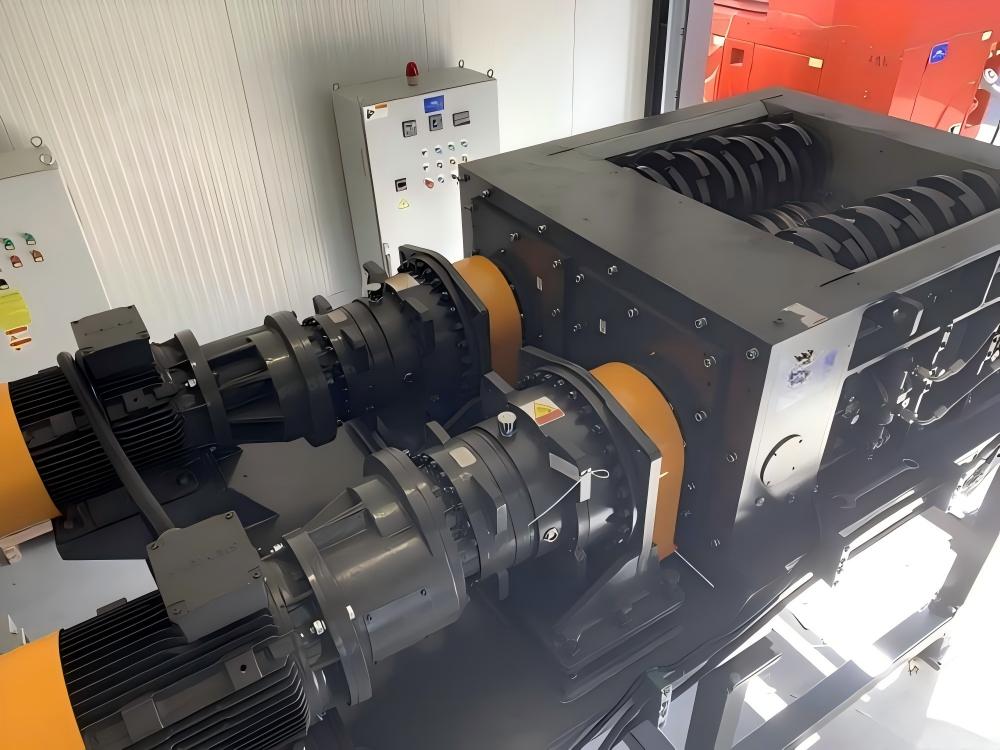
ROI Calculation: The Economics of Material Recovery
Investing in a four-shaft shredder is a strategic financial move. To justify the expenditure, businesses should calculate the Return on Investment (ROI) based on three primary pillars.
Volume Reduction and Logistics Savings
For many companies, the primary goal is industrial waste reduction. By shredding bulky waste, you can increase the density of your waste containers by 300% to 800%. This drastically reduces the number of truck trips required to haul waste to a landfill or recycler, leading to immediate savings in logistics and tipping fees. In many cases, the savings in transport alone can pay for the machine within 18 to 24 months.
Material Value Appreciation
In material recovery, the purity and size of the output dictate the price. For example, whole e-waste is worth very little, but shredded and sorted e-waste (separating plastics, copper, and circuit boards) commands a premium. A four-shaft shredder provides the uniform particle size necessary for downstream sorting equipment like eddy current separators or optical sorters to function effectively.
Labor Efficiency
Manual dismantling of products is slow and dangerous. A four-shaft shredder automates the destruction and separation process, allowing a single operator to process tons of material that would previously have required a large team. When calculating ROI, factor in the reduction in man-hours and the decrease in workplace injury risks associated with manual waste handling.
Buying Advice: How to Choose the Right Partner
Selecting the right manufacturer is as important as selecting the right machine. When evaluating suppliers like HARSLE or other industrial leaders, consider the following checklist:
- Material Testing: Never buy a shredder without seeing it process your specific material. Reputable manufacturers offer material testing services where you send a sample of your waste, and they provide a video report and analysis of the output and throughput.
- After-Sales Support: Does the manufacturer have a local service partner? How quickly can they ship replacement blades? A shredder that is down for three weeks waiting for a part from overseas is a massive liability.
- PLC and Software: Ensure the machine uses globally recognized electronics (like Siemens, Schneider, or Omron). This ensures that if a sensor or controller fails, you can source a replacement locally rather than being tied to a proprietary system.
- Safety Features: The machine must comply with local safety standards (CE, UL, or OSHA). Look for emergency stops, safety interlocks on access doors, and overload protection systems that stop the motor if an unshreddable object (like a heavy steel shaft) enters the chamber.
Frequently Asked Questions (FAQ)
What is the main advantage of a four-shaft shredder over a two-shaft shredder?
The primary advantage is the ability to control output size. A four-shaft shredder uses a screen; material stays in the chamber until it is small enough to pass through. It also handles bulky, hollow items better because the top shafts act as feeders, forcing material down into the cutting shafts.
Can a four-shaft shredder handle metal?
Yes, but it depends on the thickness and type of metal. They are excellent for light metals like aluminum extrusions, copper wire, and thin-gauge steel sheets. For heavy structural steel or engine blocks, a specialized heavy-duty scrap shredder or a large shear is usually required.
How often do the blades need sharpening?
This depends entirely on the material. Shredding clean plastic might allow blades to last for 1,000+ hours before sharpening. Shredding abrasive materials like contaminated tires or glass-reinforced polymers might require sharpening every 200-400 hours. Many modern blades are designed to be rotatable or have replaceable inserts to extend their life.
Is a hydraulic drive better than an electric drive?
Hydraulic drives are better for extremely tough, unpredictable waste because they can handle frequent stalls and reversals without overheating the motor. Electric drives are more energy-efficient and easier to maintain for consistent, predictable waste streams. For most industrial waste reduction tasks, a high-torque electric drive with a VFD is the most cost-effective solution.
What footprint does a typical industrial four-shaft shredder require?
While the machine itself might be 3×2 meters, you must account for the infeed conveyor, the discharge conveyor, and the maintenance perimeter. A typical installation usually requires a dedicated area of at least 50 to 100 square meters to allow for safe operation and material movement.
Conclusion
Investing in a four-shaft shredder is a transformative step for any industrial operation focused on waste reduction and material recovery. By providing a consistent, high-quality output and handling a vast array of challenging materials, these machines offer a clear path to both environmental sustainability and increased profitability. By carefully considering the cost drivers, configuration options, and long-term maintenance needs outlined in this guide, you can select a machine that will serve your facility reliably for decades to come. Whether you are processing scrap metal, plastics, or complex e-waste, the right four-shaft shredder is an asset that pays for itself through efficiency, recovery, and reduced operational overhead.