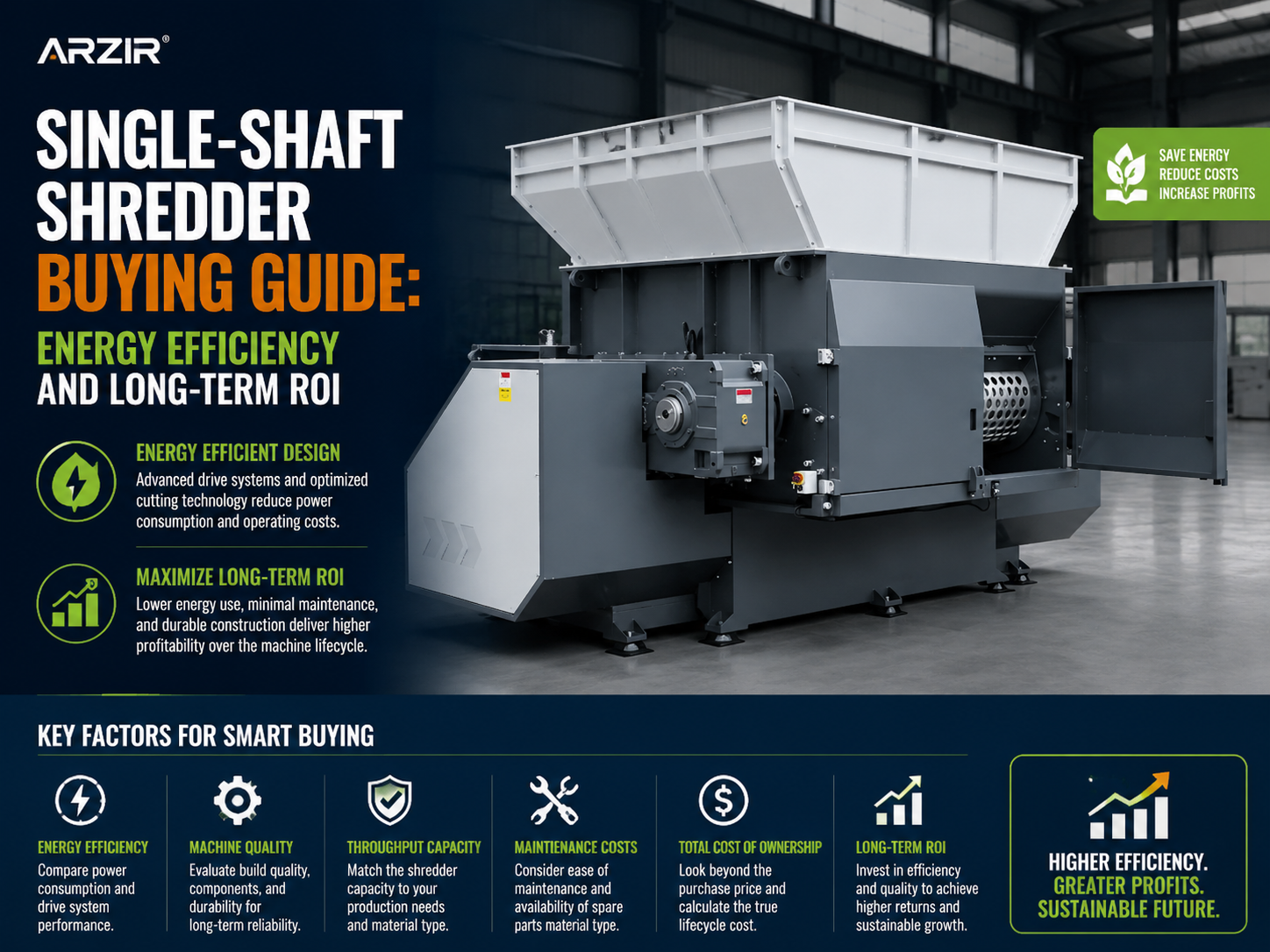
Single-Shaft Shredder Buying Guide: Energy Efficiency and Long-Term ROI

Introduction to Single-Shaft Shredder Procurement
In the modern industrial landscape, the drive toward sustainability and cost-efficiency has made the single-shaft shredder an indispensable asset for waste management and material recycling. Whether you are processing plastics, wood, paper, or light metal scraps, selecting the right machinery is not just about the initial purchase price; it is about understanding the total cost of ownership and the potential for a high return on investment (ROI). This guide focuses on the critical aspects of Single-Shaft Shredder Buying : Energy Efficiency Long-Term ROI, providing a comprehensive roadmap for procurement managers and business owners.
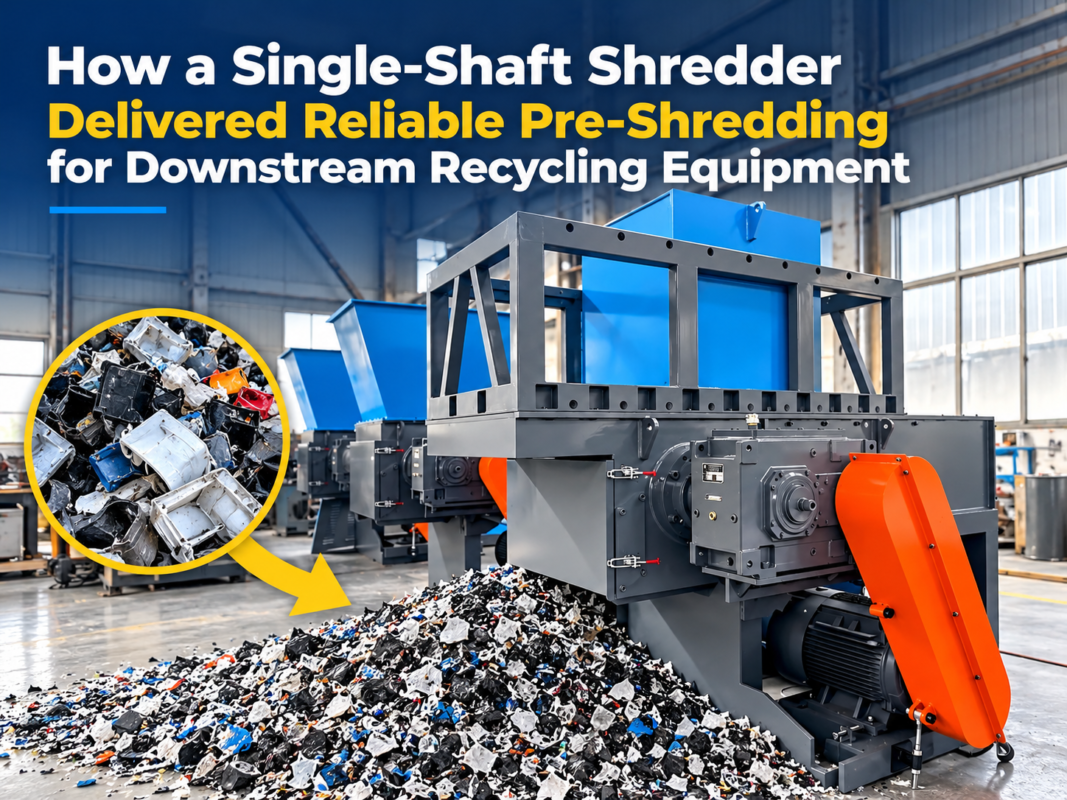
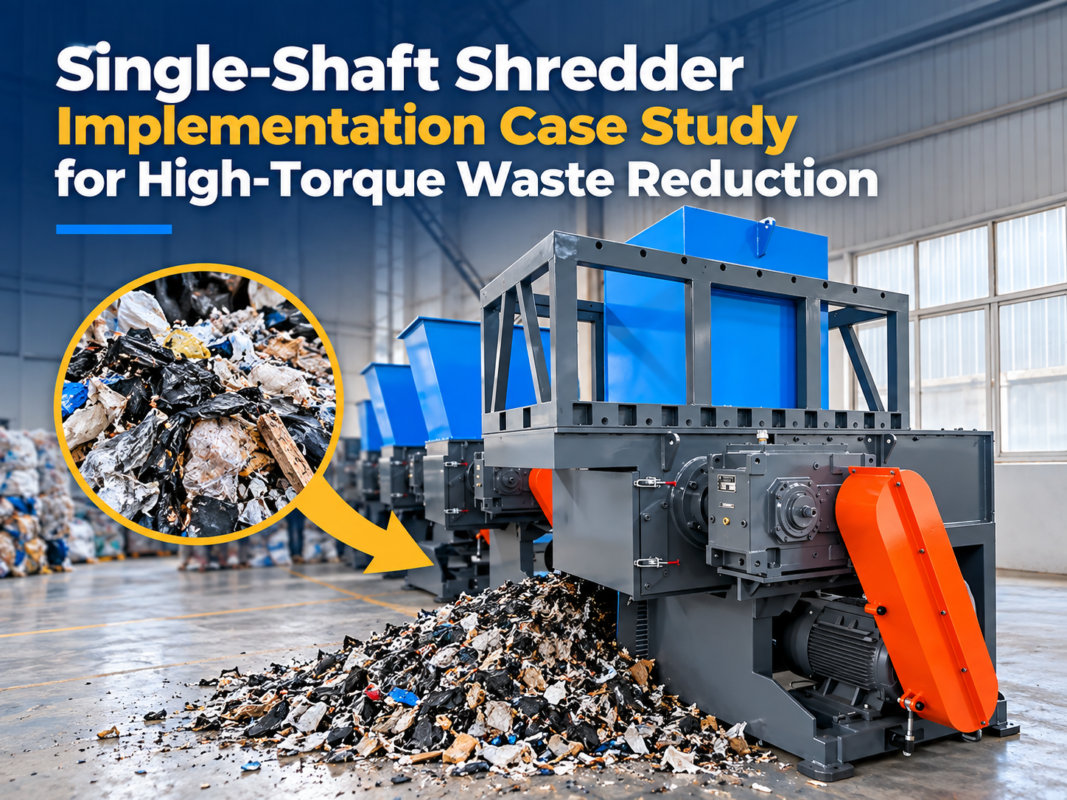
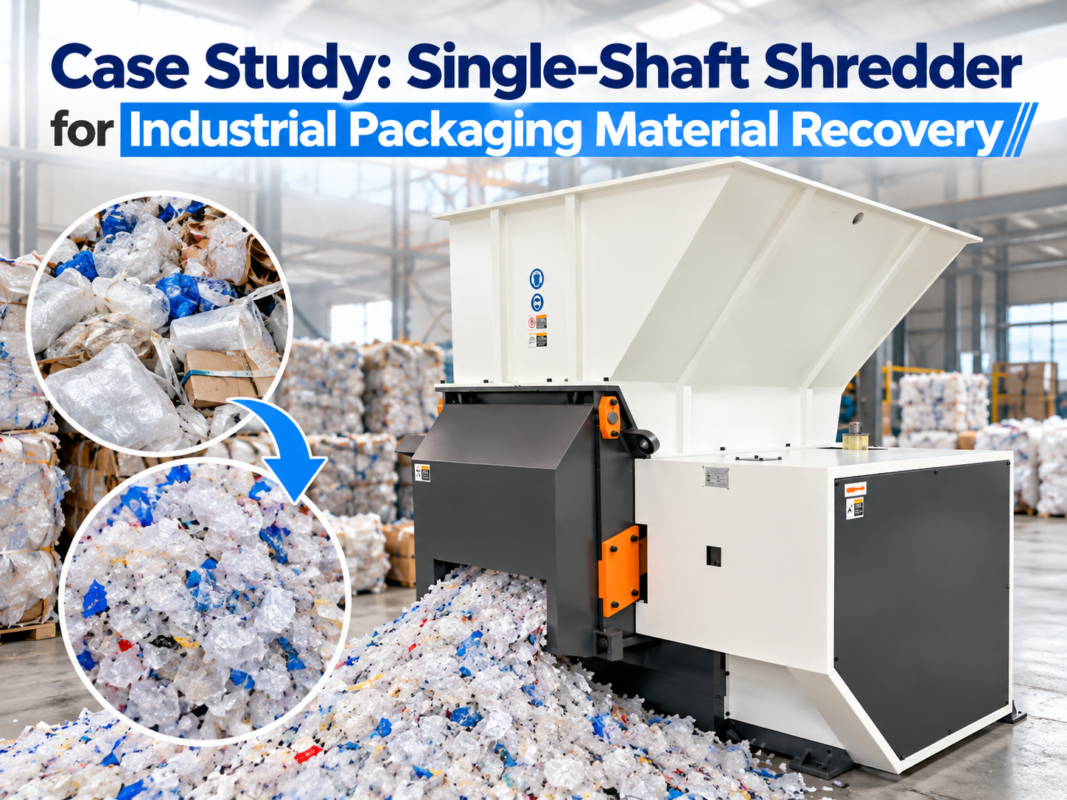
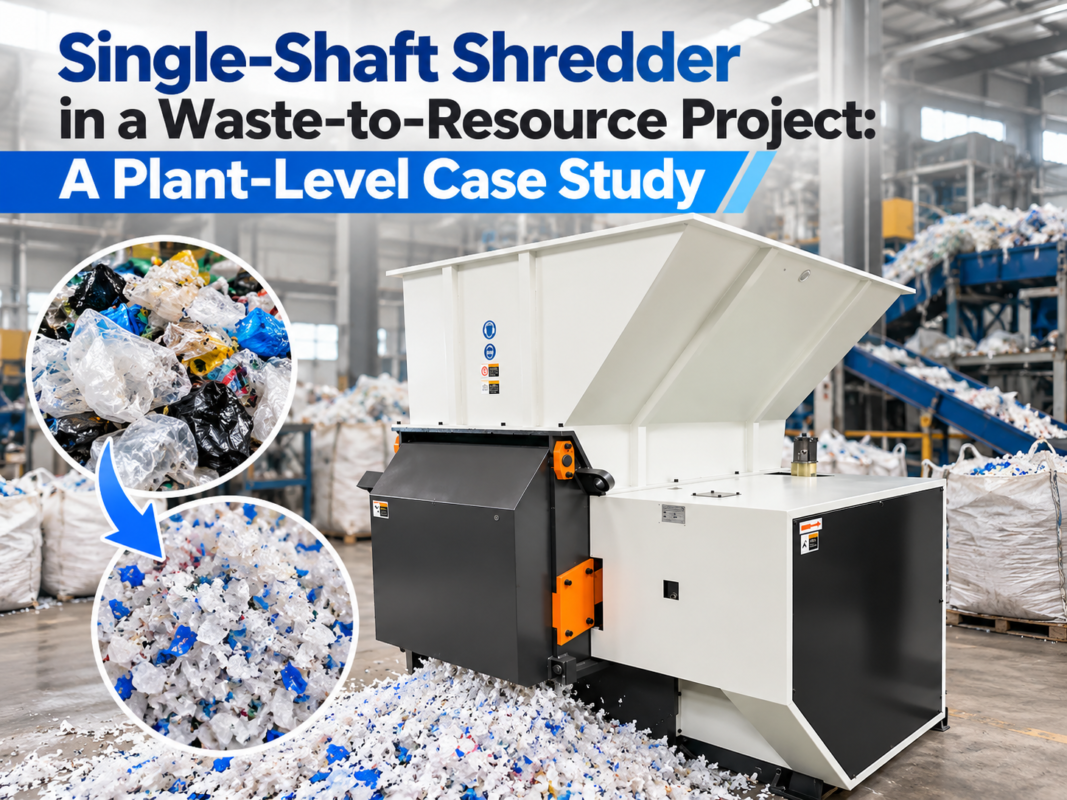
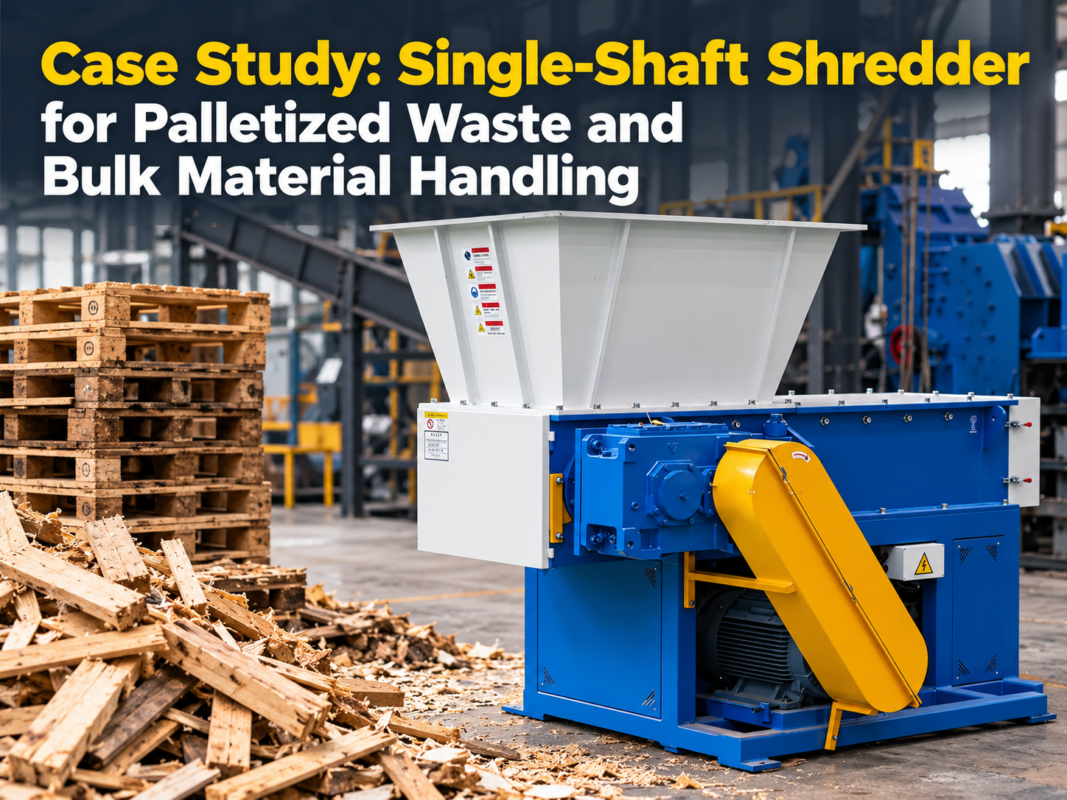
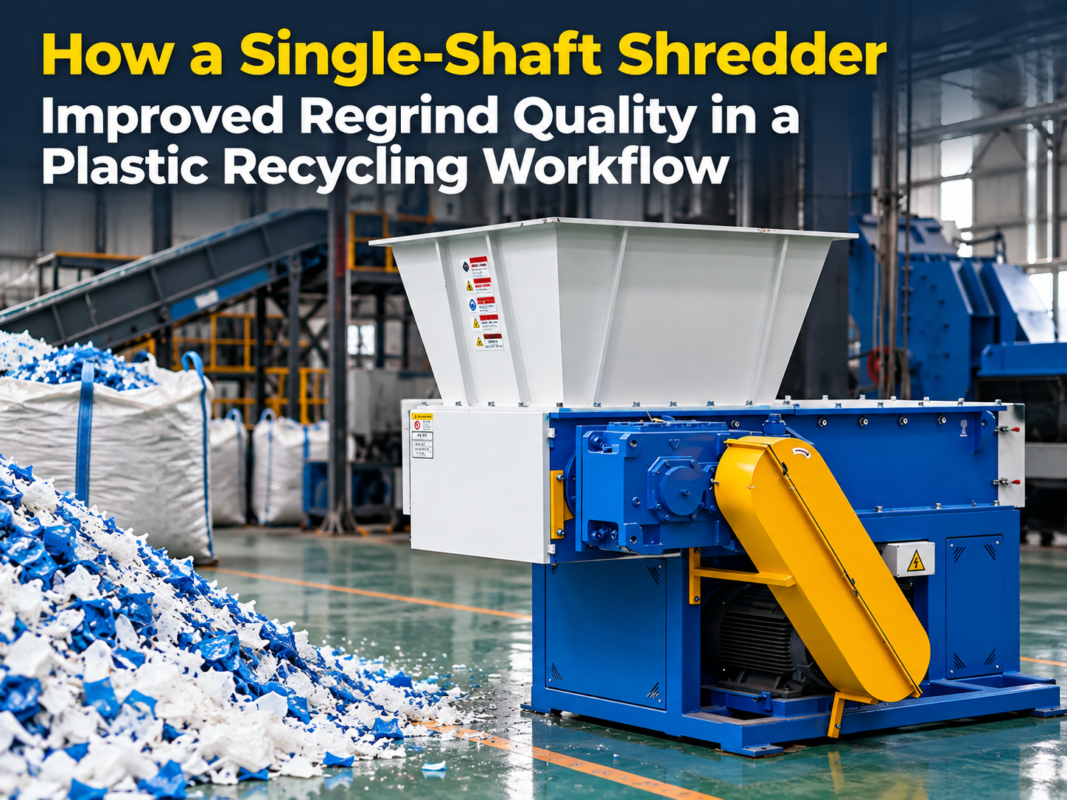
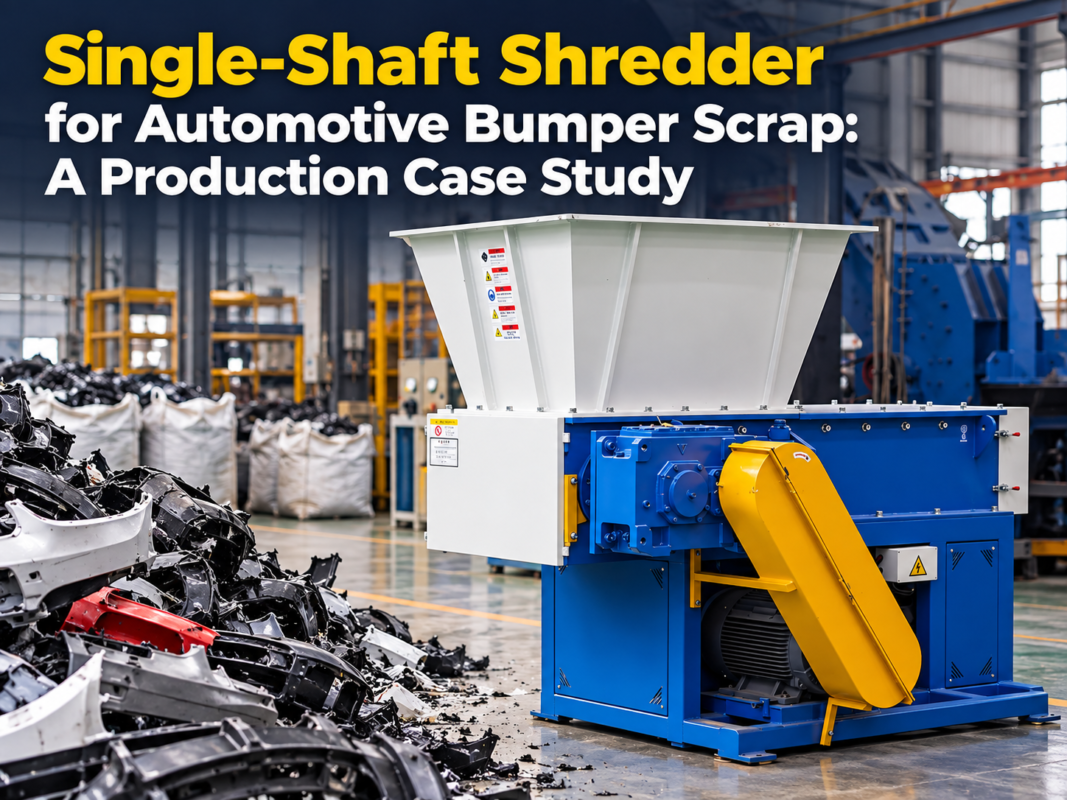
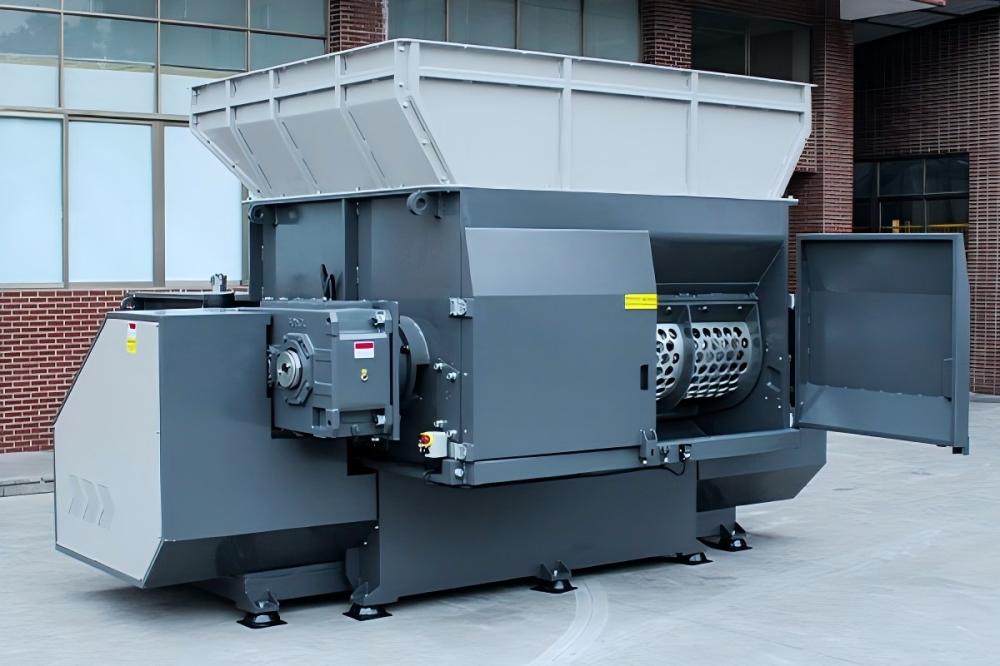
A single-shaft shredder operates by using a large hydraulic pusher to force material against a rotating shaft equipped with multiple blades. Unlike double-shaft shredders that use high torque and low speed to tear material, single-shaft models are designed for precision and uniform output size. This makes them ideal for secondary processing where the consistency of the regrind is paramount. However, the energy required to maintain high-speed rotation and hydraulic pressure can be significant, making energy efficiency a primary concern for any long-term operation.
As energy prices fluctuate and environmental regulations tighten, the efficiency of your shredding equipment directly impacts your bottom line. A machine that saves 15% in energy consumption can pay for its price difference within a few years of operation. In this guide, we will break down the financial and technical components that define a smart shredder investment, ensuring your facility remains competitive and profitable.
Price Range Overview: What to Expect
When entering the market for a single-shaft shredder, the price range can be vast, often leading to confusion for first-time buyers. Generally, industrial-grade single-shaft shredders fall into three main categories based on their capacity, build quality, and technological integration. Understanding these brackets helps in setting a realistic budget that aligns with your production goals.
- Entry-Level/Small-Scale Shredders ($10,000 – $30,000): These machines are typically designed for small workshops or laboratories. They feature smaller motors (usually under 15kW) and narrower rotors. While they are affordable, they often lack advanced energy-saving features like Variable Frequency Drives (VFDs) and may have higher maintenance requirements if pushed beyond their intended duty cycle.
- Mid-Range Industrial Shredders ($35,000 – $85,000): This is the most common category for medium-sized recycling facilities. These machines offer a balance of robust construction and modern electronics. You can expect motor powers ranging from 22kW to 75kW, hydraulic swing-arm pushers, and PLC control systems. This range is where energy efficiency starts to become a measurable differentiator between brands.
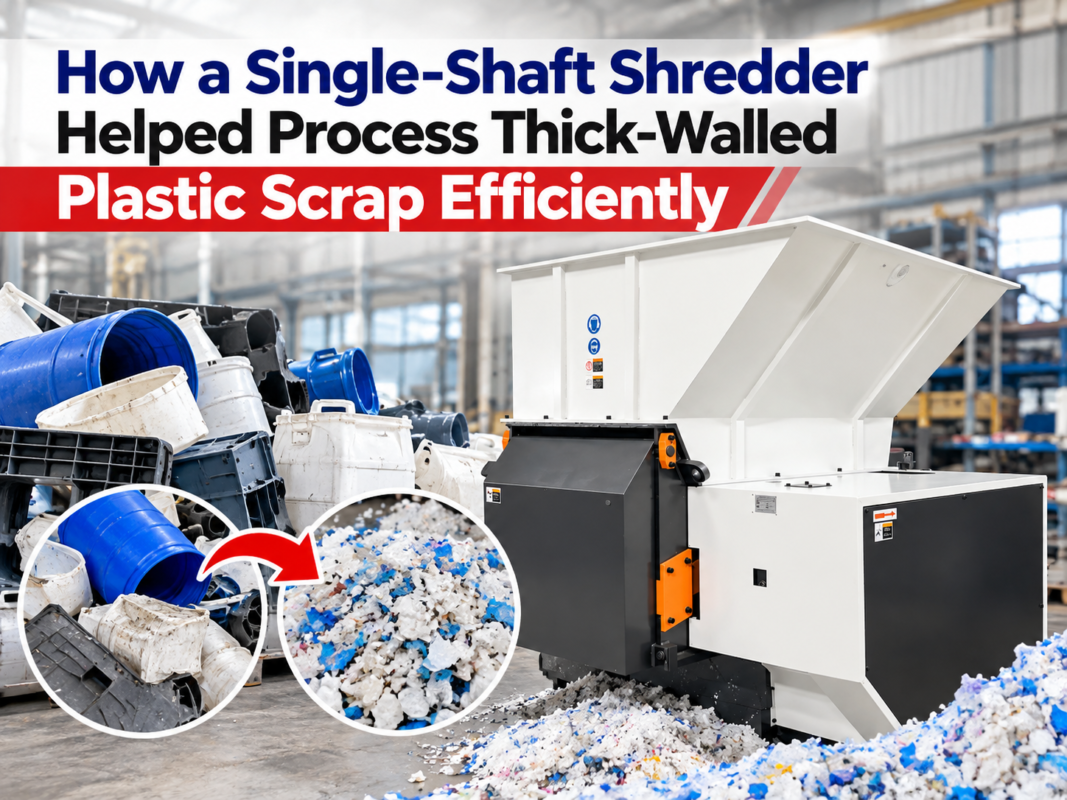
- Heavy-Duty/High-Capacity Systems ($90,000 – $250,000+): Designed for 24/7 operation in large-scale recycling plants, these shredders feature massive rotors, dual-drive motors, and sophisticated cooling systems. They are built to handle the toughest materials, including thick-walled pipes and large purgings. The high initial cost is often offset by extreme durability and the lowest energy-per-ton processing costs.
Main Cost Drivers in Shredder Manufacturing
The price of a single-shaft shredder is dictated by several core components. Understanding these drivers allows buyers to identify where they should invest more for quality and where they can potentially save. The first major driver is the Rotor and Blade Material. High-quality rotors are often machined from a single piece of forged steel to prevent cracking under stress. The blades, usually made from D2 (SKD-11) or DC53 steel, must be heat-treated to a specific hardness. Investing in premium blade materials reduces the frequency of sharpening and replacement, which is a significant long-term cost factor.
The Hydraulic System is another critical cost driver. The pusher mechanism, which feeds material into the rotor, relies on hydraulic cylinders and pumps. High-end shredders use load-sensing hydraulic systems that adjust the pressure based on the motor’s current load. This prevents the motor from stalling and reduces unnecessary energy consumption. Cheaper models may use constant-flow pumps that waste energy by bypassing oil at high pressure when the pusher is not at full load.
Finally, the Control System and Electronics play a massive role in both the price and the efficiency. A shredder equipped with a Siemens or Schneider PLC and a high-quality VFD will cost more upfront. However, these components allow for “intelligent shredding,” where the machine automatically reverses the rotor if it detects a jam and optimizes the motor speed to match the material density. This level of automation reduces operator error and protects the machine from catastrophic failure.
Configuration Impact on Energy Efficiency
Configuration is where the concept of Single-Shaft Shredder Buying : Energy Efficiency Long-Term ROI truly comes to life. The most significant configuration choice is the drive system. Traditional belt-driven systems are simple and easy to maintain but can lose 5-10% of energy through friction and slippage. In contrast, direct-drive systems or those using high-efficiency gearboxes ensure that more of the motor’s power is transferred directly to the rotor, improving the kilograms-per-kilowatt ratio.
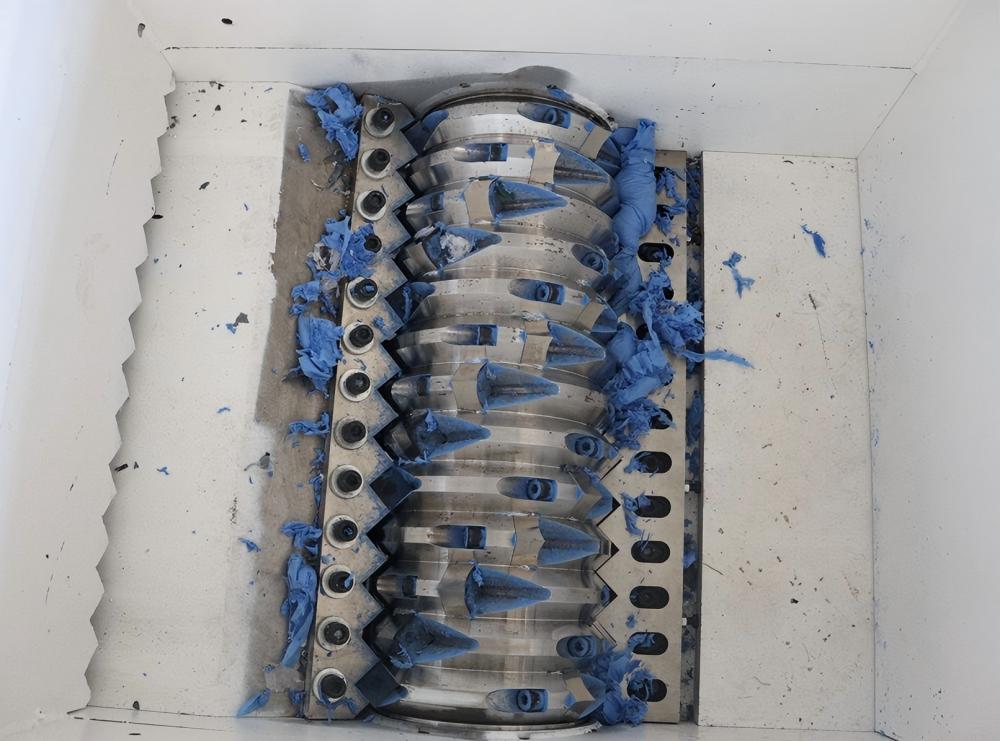
The Rotor Design also influences energy consumption. A “V-shaped” rotor arrangement of blades tends to pull material into the center, preventing it from getting stuck at the sides of the chamber. This leads to a smoother shredding action and prevents the power spikes associated with material buildup. Furthermore, the diameter of the rotor affects the torque; a larger diameter rotor provides more cutting force at lower speeds, which is often more energy-efficient for heavy-duty materials.
Another configuration to consider is the Screen Size and Design. The screen determines the final particle size. A screen with a larger open area allows shredded material to exit the chamber faster, preventing “over-shredding.” Over-shredding occurs when material stays in the chamber longer than necessary, consuming extra energy and causing unnecessary wear on the blades. Choosing a quick-change screen system allows operators to swap screens easily to match the material, ensuring the machine always operates at its peak efficiency point.
Hidden Costs: Beyond the Purchase Price
Smart buyers look past the invoice price to identify hidden costs that can erode ROI over time. The most prominent hidden cost is Downtime. If a shredder requires four hours of labor to change blades or clear a jam, that is four hours of lost production. Machines designed with easy-access maintenance doors and externally adjustable blade bolts significantly reduce these labor costs. At HARSLE, we emphasize the importance of “Maintenance-Friendly Design” to ensure that routine checks don’t become major operations.
Consumables represent another ongoing expense. This includes not just the blades, but also hydraulic oil, filters, and screen plates. A machine that uses non-standard blade sizes may force you to buy expensive replacements from the original manufacturer. Opting for a shredder that uses standard, widely available blade geometries can save thousands of dollars over the machine’s lifespan. Additionally, consider the cost of Blade Sharpening. Some blade designs can be rotated four times (using all four corners) before needing a grind, effectively quadrupling the life of the part compared to single-edged blades.
Lastly, Energy Waste is a hidden cost that accumulates every minute the machine is running. Many older or cheaper shredders run the motor at full speed even when the machine is idling or the pusher is retracted. Modern systems with “Auto-Idle” or VFD-controlled motors drop the power consumption to near zero during these intervals. Over a year of double-shift operation, these small savings can amount to a significant portion of the machine’s original cost.
Calculating Long-Term ROI
To justify the investment in a high-efficiency single-shaft shredder, you must calculate the ROI. The formula for ROI is: (Net Profit from Investment / Cost of Investment) x 100. However, in the context of shredding, we look at “Net Savings and Revenue.”
Consider this scenario: Machine A costs $50,000 and consumes 45kW/h. Machine B (High Efficiency) costs $65,000 but consumes only 35kW/h for the same throughput. If you operate 2,000 hours a year and electricity costs $0.15/kWh:
- Machine A Energy Cost: 45kW * 2000h * $0.15 = $13,500/year
- Machine B Energy Cost: 35kW * 2000h * $0.15 = $10,500/year
- Annual Energy Savings: $3,000
While the $3,000 energy saving is significant, you must also add the Increased Throughput. If Machine B’s advanced rotor design allows it to process 10% more material per hour, and your profit per ton of regrind is $100, the additional revenue could be $20,000 per year. When you combine energy savings, reduced maintenance labor, and higher throughput, the $15,000 price difference between Machine A and Machine B is often recovered in less than 12 months. This is the essence of Single-Shaft Shredder Buying : Energy Efficiency Long-Term ROI.
Buying Advice: A Checklist for Success
When you are ready to make a purchase, use the following checklist to ensure you are getting a machine that delivers on its promises:
- Verify Motor Efficiency: Ask for the motor’s IE rating (IE3 or IE4 is preferred for industrial applications).
- Inspect the Rotor: Is it a solid steel rotor or a hollow tube? Solid rotors offer better inertia and durability.
- Check the PLC Brand: Ensure the electronics are from a reputable global brand to guarantee spare parts availability.
- Test the Pusher Action: Look for a smooth, controlled movement. Jerky movements indicate poor hydraulic calibration.
- Evaluate Blade Accessibility: Can the blades be rotated or changed without dismantling half the machine?
- Request an Energy Consumption Report: Reputable manufacturers like HARSLE can provide data on the kWh per ton for various materials.
- Consider the Noise Levels: High-efficiency machines often run quieter due to better tolerances and vibration dampening.
Working with a manufacturer that offers strong after-sales support and technical consultation is vital. A shredder is a long-term partner in your production line; ensure the supplier understands your specific material challenges and can recommend the exact configuration needed for your ROI goals.
Frequently Asked Questions (FAQ)
1. What is the main advantage of a single-shaft shredder over a double-shaft one?
The main advantage is the ability to produce a consistent, small particle size in a single pass, thanks to the internal screen. Single-shaft shredders are also generally better for processing “soft” or “elastic” materials like plastics and rubber that might wrap around the shafts of a double-shaft shredder.
2. How often do the blades need to be changed?
This depends entirely on the material. For clean plastics, blades might last 500-1,000 hours per edge. If the material is abrasive (like glass-filled plastic) or contaminated with metal, the interval will be much shorter. Using high-quality D2 steel and maintaining proper blade gaps can extend this life significantly.
3. Can a single-shaft shredder handle metal?
They are excellent for light metals like aluminum cans, copper wiring, or thin-walled extrusions. However, they are not intended for heavy steel plates or structural beams, which require specialized metal shears or heavy-duty multi-shaft shredders.
4. Does a VFD really save that much money?
Yes. A VFD (Variable Frequency Drive) reduces the “inrush current” when the motor starts, which can lower peak demand charges from your utility company. It also allows the motor to slow down during low-load periods, which significantly reduces total kWh consumption.
5. What is the ideal rotor speed for energy efficiency?
There is no single “ideal” speed, as it depends on the material. However, most single-shaft shredders operate between 60 and 100 RPM. The key to efficiency is maintaining a constant speed under load, which is managed by the PLC and hydraulic pusher synchronization.
6. Why is the hydraulic pusher so important?
The pusher is the “brain” of the feeding process. If it pushes too hard, the motor draws excessive current and may trip. If it doesn’t push hard enough, the rotor spins empty, wasting energy. An intelligent, load-sensing pusher ensures the rotor is always fed at the optimal rate for maximum efficiency.
7. How do I calculate the throughput I need?
Always buy a machine with a rated capacity 20-30% higher than your current average needs. This provides a buffer for surges in material volume and prevents you from running the machine at 100% load constantly, which extends the lifespan of all components.