Single-Shaft Shredder Buying Guide for Beginners: Avoid Costly Mistakes

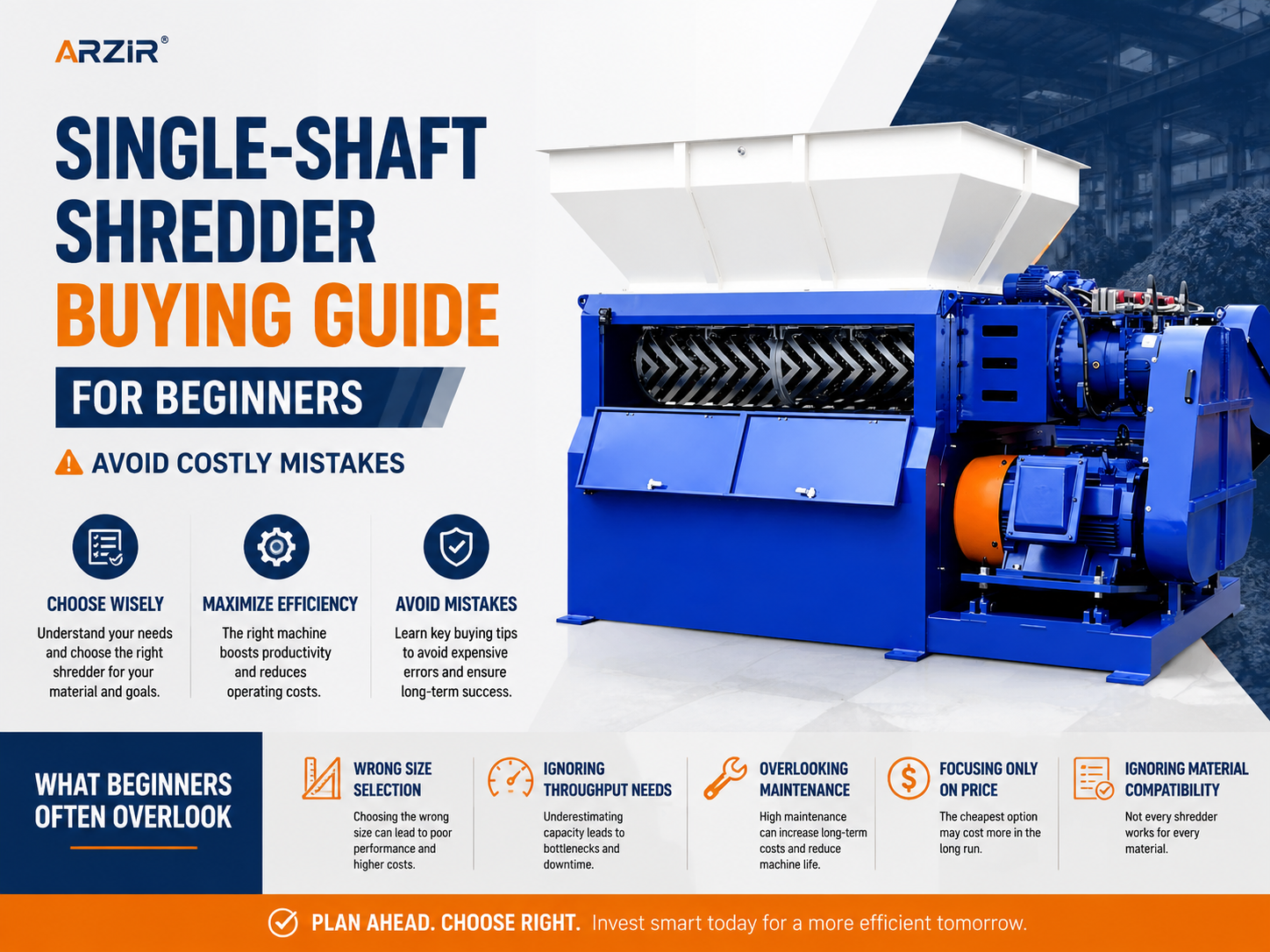
Introduction to Single-Shaft Shredding Technology
In the rapidly evolving landscape of industrial recycling and waste management, the single-shaft shredder stands as a cornerstone of efficiency. For businesses looking to reduce the volume of waste materials—ranging from plastics and wood to light metals and textiles—investing in the right machinery is critical. However, for beginners, the market can be a minefield of technical jargon and varying price points. This Single-Shaft Shredder Buying Guide for Beginners: Avoid Costly Mistakes is designed to navigate you through the complexities of procurement, ensuring that your investment yields long-term productivity rather than unexpected overheads.
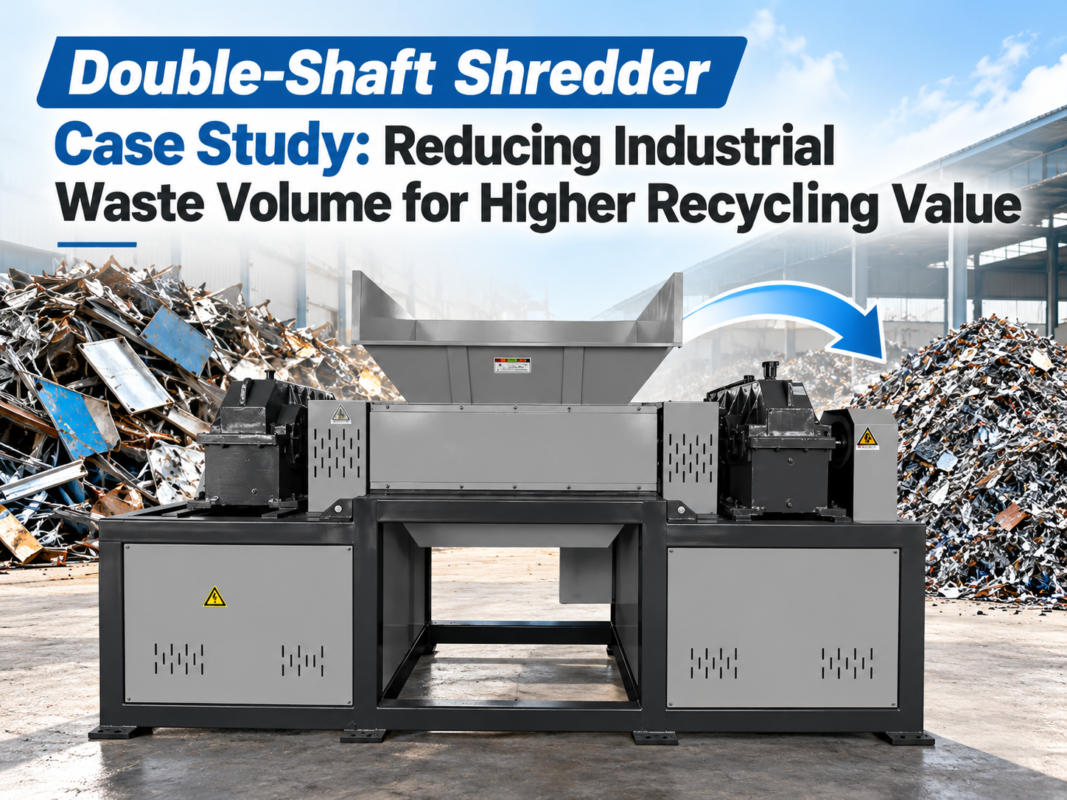
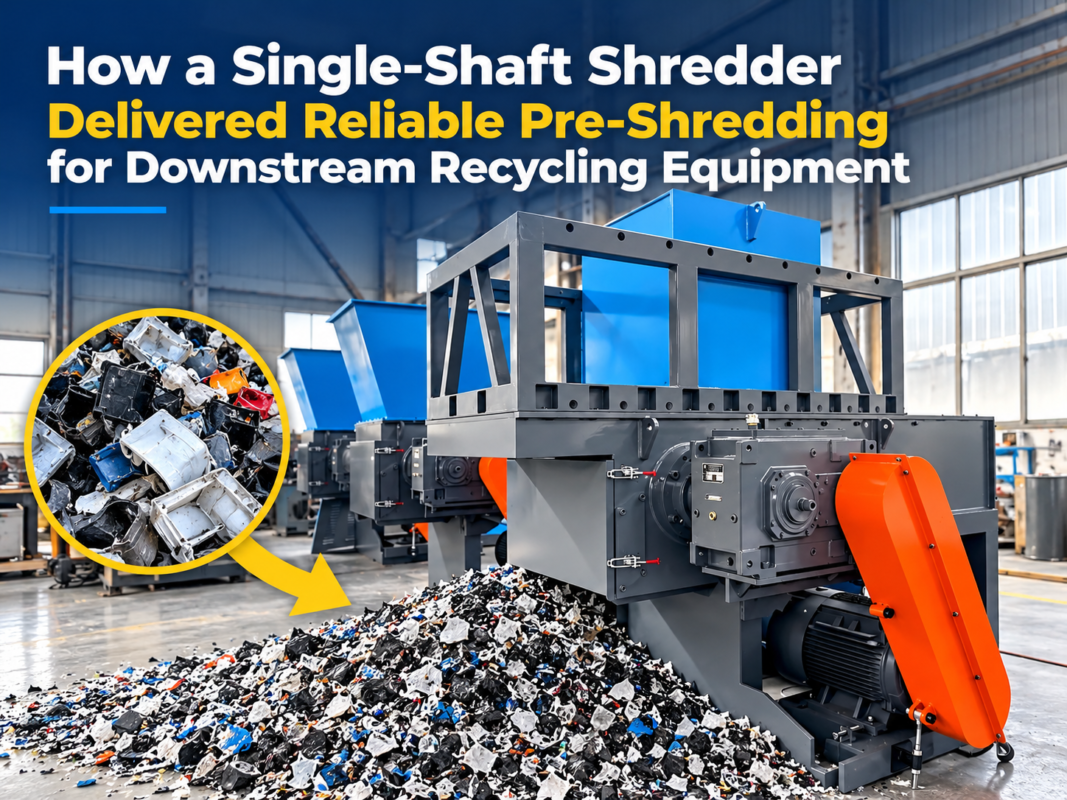
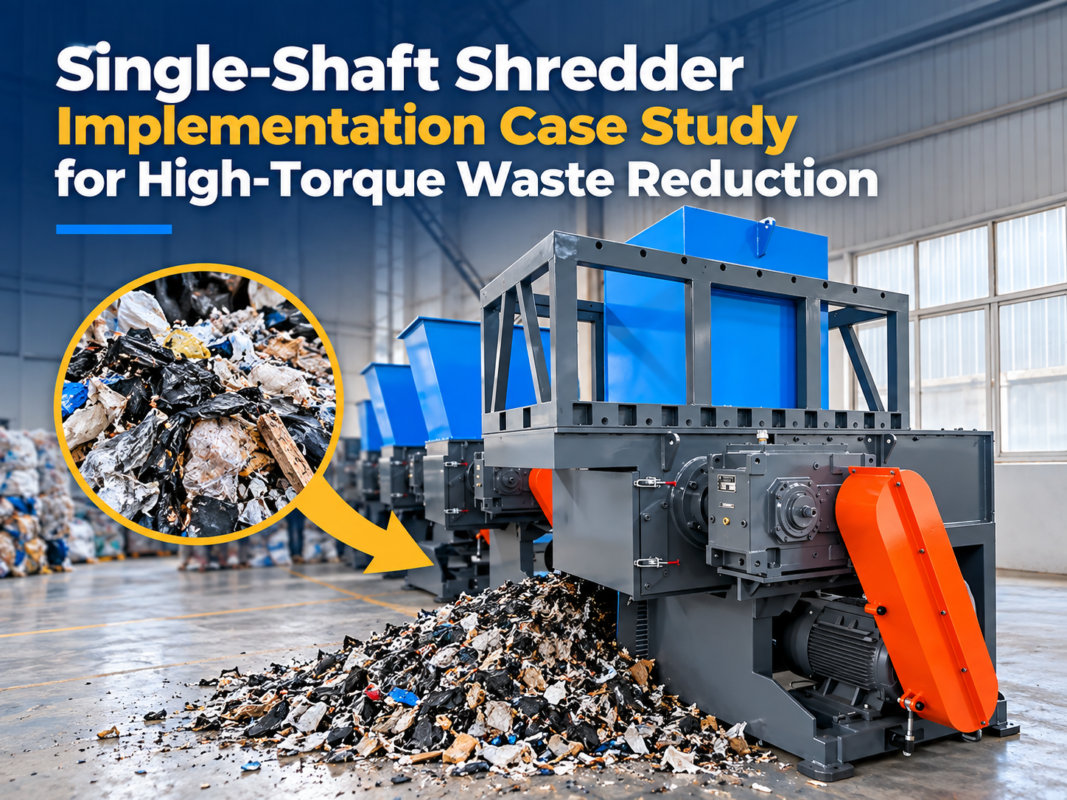
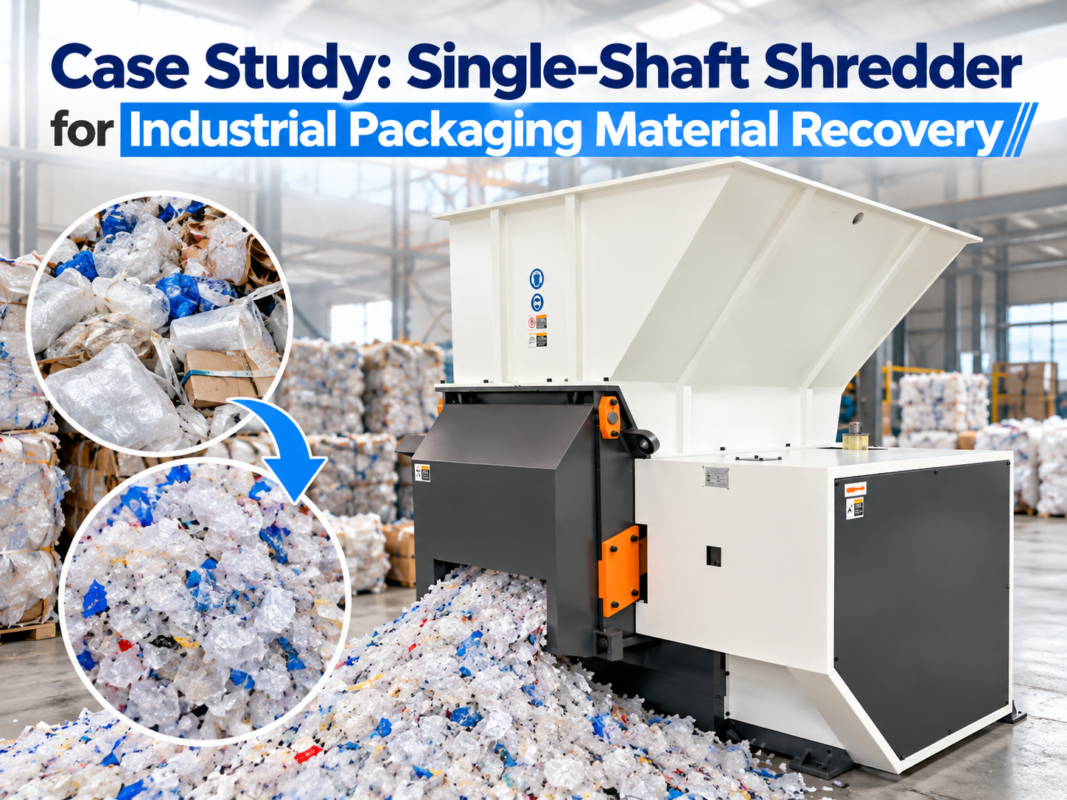
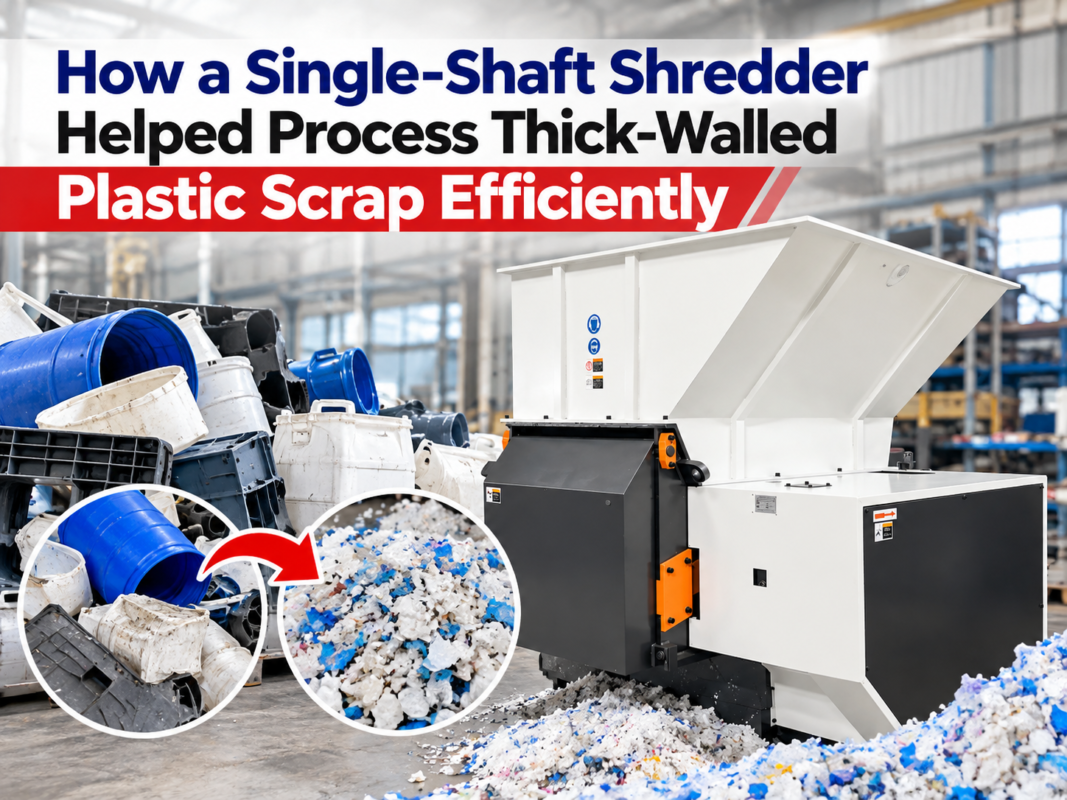
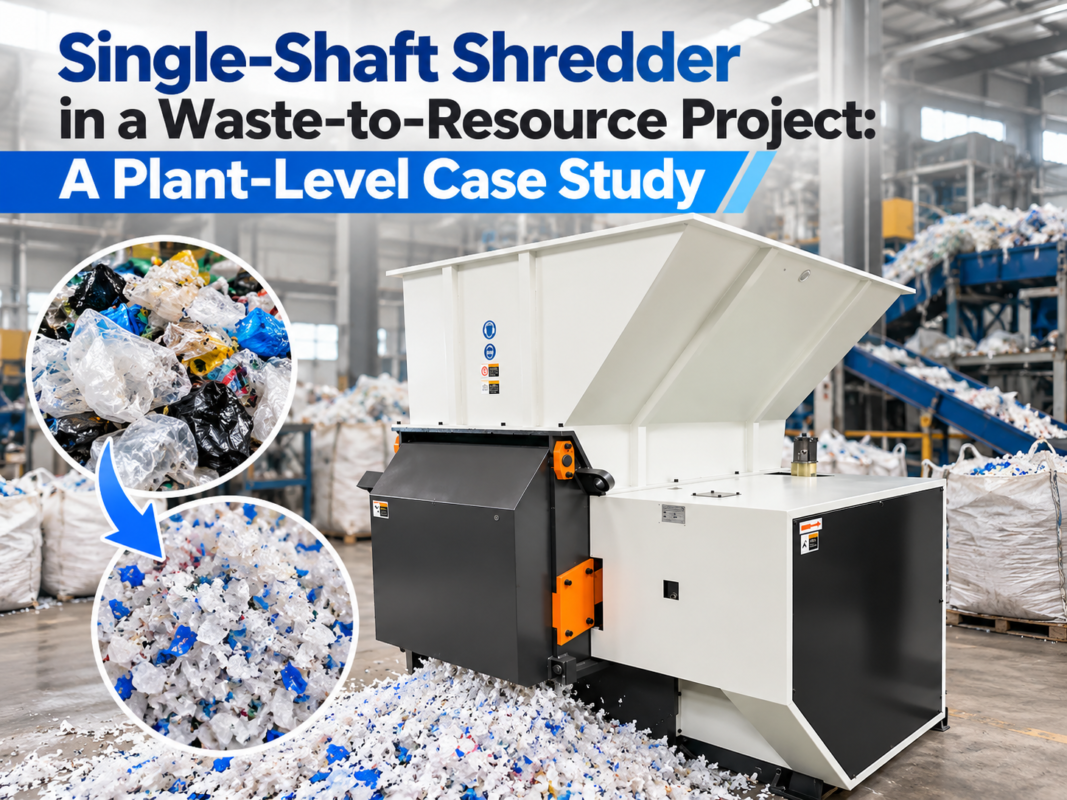
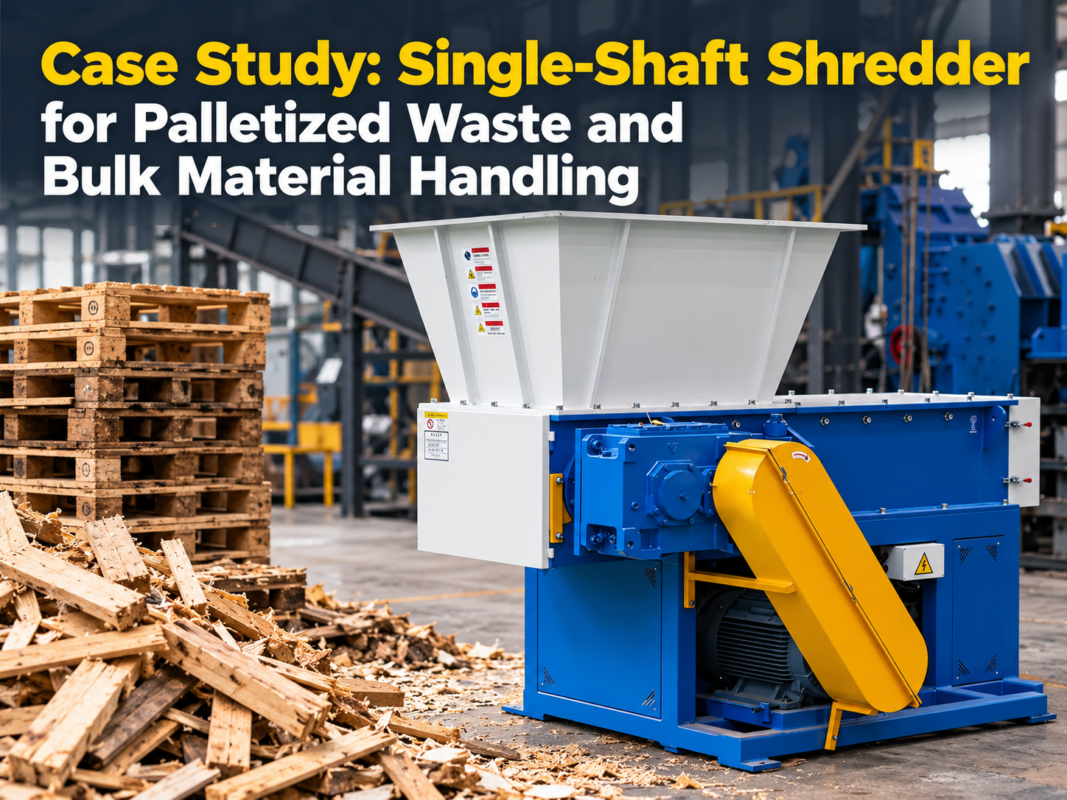
A single-shaft shredder operates using a large hydraulic pusher that forces material against a rotating shaft equipped with multiple blades. As the shaft turns, the blades shear the material against a fixed counter-knife, reducing it to a size determined by a screen located beneath the rotor. While the concept is simple, the execution varies wildly between manufacturers. Choosing the wrong configuration can lead to frequent jams, excessive blade wear, or even catastrophic motor failure. Understanding the nuances of these machines is the first step toward a successful industrial setup.
Price Range Overview: What to Expect
When you begin your search for a single-shaft shredder, the first thing that will strike you is the massive variance in pricing. Entry-level machines designed for light plastics or small-scale wood shops can start as low as $8,000 to $15,000. These units are typically characterized by smaller rotor diameters (around 200mm to 300mm) and lower motor power (7.5kW to 15kW). While they are excellent for low-volume operations, attempting to use them for heavy-duty industrial waste is a recipe for disaster.
Mid-range shredders, which are the workhorses of the recycling industry, generally fall between $25,000 and $60,000. These machines feature robust frames, advanced PLC (Programmable Logic Controller) systems, and higher torque gearboxes. They are capable of handling tougher materials like thick-walled HDPE pipes, rubber, and large purgings. For high-capacity industrial facilities requiring 24/7 operation, heavy-duty shredders can exceed $100,000. These premium units offer specialized cooling systems, reinforced rotors, and automated lubrication, ensuring maximum uptime in the most demanding environments.
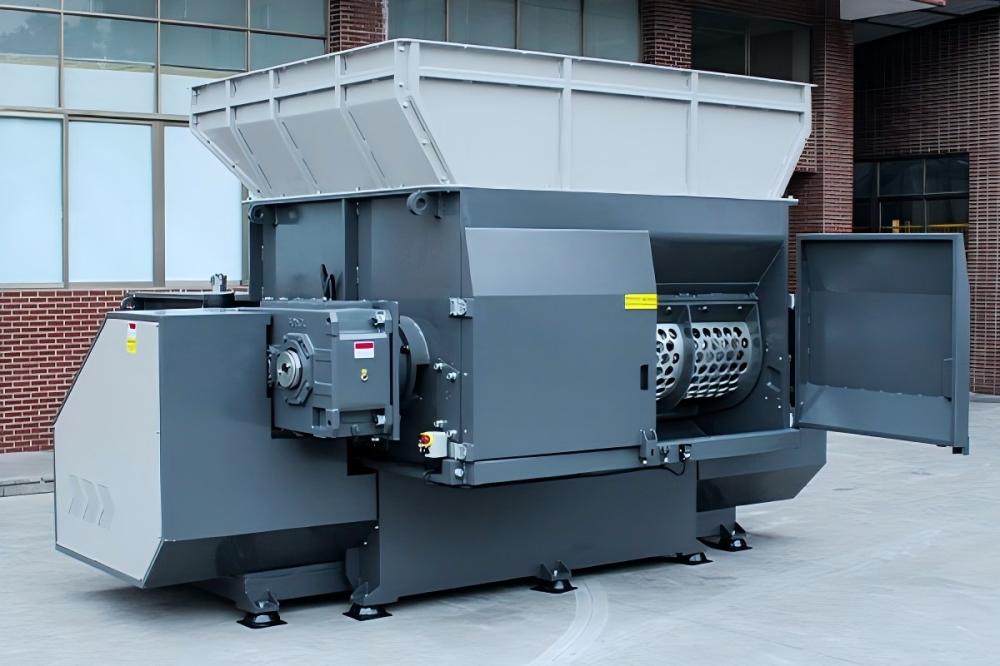
Summary Table: Shredder Categories and Pricing
| Category | Typical Price Range (USD) | Motor Power (kW) | Best Use Case |
|---|---|---|---|
| Entry-Level / Lab | $8,000 – $18,000 | 7.5 – 18.5 | Small plastic parts, paper, light wood waste |
| Standard Industrial | $20,000 – $55,000 | 22 – 55 | General recycling, HDPE, rubber, textiles |
| Heavy-Duty / High Capacity | $60,000 – $150,000+ | 75 – 160+ | Large purgings, thick timber, light metal scrap |
Main Cost Drivers: Why Some Machines Cost More
Understanding the cost drivers is essential for any Single-Shaft Shredder Buying Beginners: Avoid Costly Mistakes strategy. The most significant cost driver is the quality of the drive system. A high-torque gearbox paired with a reputable motor brand like Siemens or ABB adds significant cost but ensures the machine can handle sudden load spikes without burning out. Cheap, unbranded motors often lack the copper density required for continuous industrial use, leading to overheating and premature failure.
The second major driver is the metallurgy of the cutting components. Blades made from D2 (high-carbon, high-chromium tool steel) or SKD-11 are standard for quality machines. These materials undergo rigorous heat treatment to achieve a hardness of 55-60 HRC. Lower-cost machines may use inferior steel that dulls quickly, requiring frequent sharpening or replacement. In a high-volume environment, the cost of downtime and replacement blades can quickly exceed the initial savings of a cheaper machine.
Finally, the hydraulic system and the frame construction play a massive role. A heavy-duty shredder requires a thick, vibration-dampening steel frame. If the frame is too light, the mechanical stresses of shredding will eventually lead to weld cracks and misalignment. Similarly, a high-quality hydraulic pusher system with proportional valves allows for smoother material feeding, preventing the rotor from stalling and extending the life of the entire drive train.
Configuration Impact: Matching the Machine to the Material
One of the most common mistakes beginners make is buying a “general-purpose” shredder without considering their specific material. The rotor design is the most critical configuration choice. For example, a “V-shaped” rotor is excellent for general plastics as it pulls material toward the center, preventing build-up on the side walls. However, for film or fibrous materials, a different blade arrangement might be necessary to prevent wrapping around the shaft.
The screen size is another vital configuration. The screen determines the final output size of the shredded material. While it might be tempting to choose a very small screen to get a fine output in one pass, this significantly reduces throughput and increases heat generation. If you need a very fine output, it is often more efficient to use a shredder for primary reduction followed by a granulator for the final sizing. This two-stage approach protects the shredder and optimizes energy consumption.
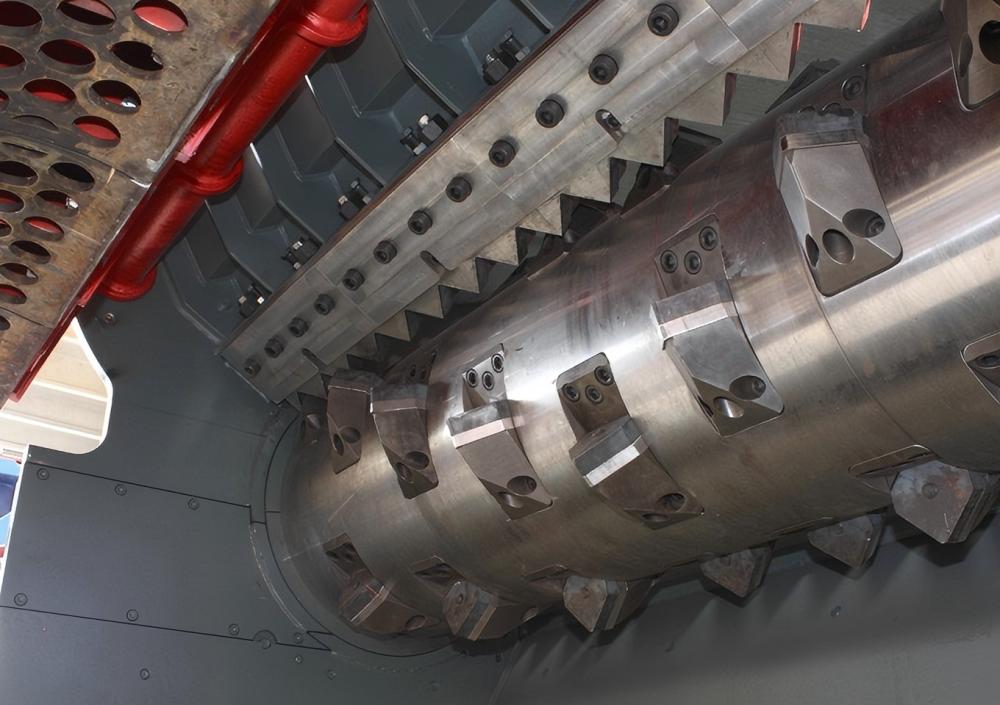
Furthermore, the type of pusher—horizontal or swing-arm—impacts how the machine handles bulky items. Horizontal pushers are standard and work well for most applications. However, for large hollow objects like drums or crates, a swing-arm pusher can provide better downward force, ensuring the material is consistently engaged with the rotor. Failing to specify the right pusher type can result in the machine “bridging,” where material sits above the rotor without being shredded.
Hidden Costs: Beyond the Initial Purchase Price
The sticker price of a single-shaft shredder is only the beginning. To truly Avoid Costly Mistakes, you must account for the total cost of ownership (TCO). Shipping and logistics for heavy machinery can be substantial, especially if the unit requires a flat-rack container or specialized rigging for installation. Once the machine arrives, you may need to upgrade your facility’s electrical infrastructure. Industrial shredders have high starting currents; if your transformers or wiring aren’t up to the task, you’ll face frequent breaker trips or even electrical fires.
Maintenance and consumables are the most overlooked hidden costs. Shredder blades are wear parts. Depending on the abrasiveness of your material (e.g., glass-filled plastics or dirty wood), you may need to rotate or replace blades every few hundred hours. A machine with 40 blades, each costing $50-$100, represents a significant recurring expense. Additionally, the hydraulic oil and gearbox lubricant must be changed at regular intervals to prevent expensive component failures.
Downtime is perhaps the most expensive “hidden” cost. If your shredder is a critical part of your production line, a single day of downtime can cost thousands of dollars in lost productivity. This is why choosing a manufacturer with a robust spare parts inventory and accessible technical support is vital. Buying a cheap machine from a vendor with no local presence often results in weeks of waiting for a simple replacement part to clear customs.
ROI Calculation: Making the Business Case
Calculating the Return on Investment (ROI) is the best way to justify the purchase of a high-quality shredder. The primary benefit is usually volume reduction. For many businesses, waste hauling fees are based on volume, not weight. By shredding waste, you can often reduce the number of dumpster pickups by 3:1 or even 5:1, leading to immediate monthly savings. In some cases, shredded material can be sold as a commodity (e.g., clean HDPE flakes or wood chips for biomass), turning a waste expense into a revenue stream.
To calculate ROI, consider the following formula: (Annual Waste Savings + Annual Material Revenue) – (Annual Operating Costs + Depreciation) = Net Annual Benefit. Operating costs include electricity, labor for feeding the machine, and maintenance. A high-efficiency machine might have a higher initial cost but lower electricity and maintenance bills, leading to a faster ROI. For example, a $40,000 HARSLE shredder that saves $2,000 a month in hauling fees and generates $1,000 in material sales pays for itself in less than 18 months.
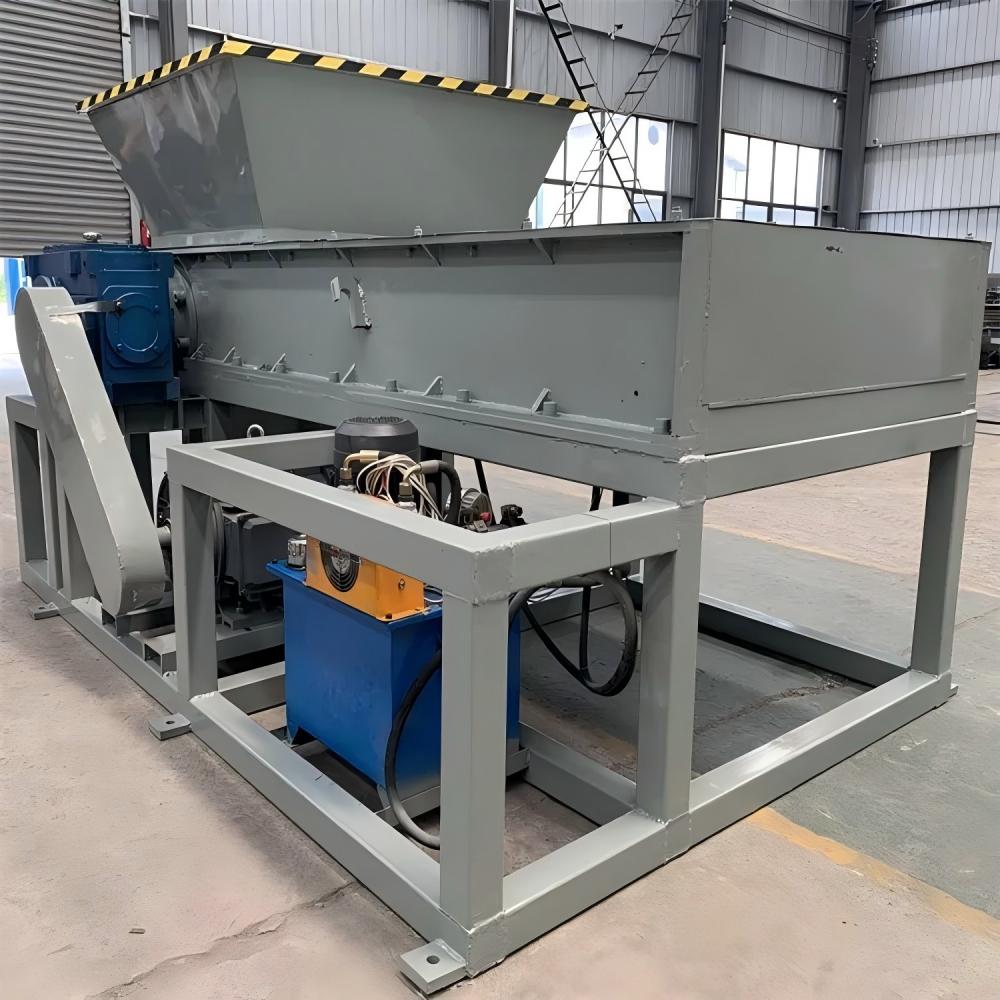
Buying Advice: A Checklist for Beginners
To conclude this Single-Shaft Shredder Buying Guide for Beginners: Avoid Costly Mistakes, here is a practical checklist to use during your procurement process:
- Define Your Material: Be specific. “Plastic” isn’t enough. Is it PET bottles, HDPE pipes, or PVC purgings? Provide samples to the manufacturer for testing.
- Verify Throughput Requirements: Don’t buy a machine rated for 500kg/h if you need to process 1,000kg/h. Running a machine at 100% capacity constantly will shorten its lifespan.
- Check the Blade Access: How easy is it to change the blades? Look for machines with bolted-on blades that can be rotated (4-way blades) to extend their life.
- Inspect the PLC: Ensure the machine has an auto-reverse function. If the rotor jams, the PLC should automatically reverse the shaft to clear the obstruction and then resume shredding.
- Evaluate the Manufacturer: Does the company provide a clear warranty? Do they have a track record in your industry? HARSLE, for instance, provides detailed technical documentation and support for all their shredding equipment.
- Safety Features: Ensure the machine has emergency stop buttons, safety interlocks on access doors, and proper guarding around moving parts.
Frequently Asked Questions (FAQ)
1. Can a single-shaft shredder handle metal?
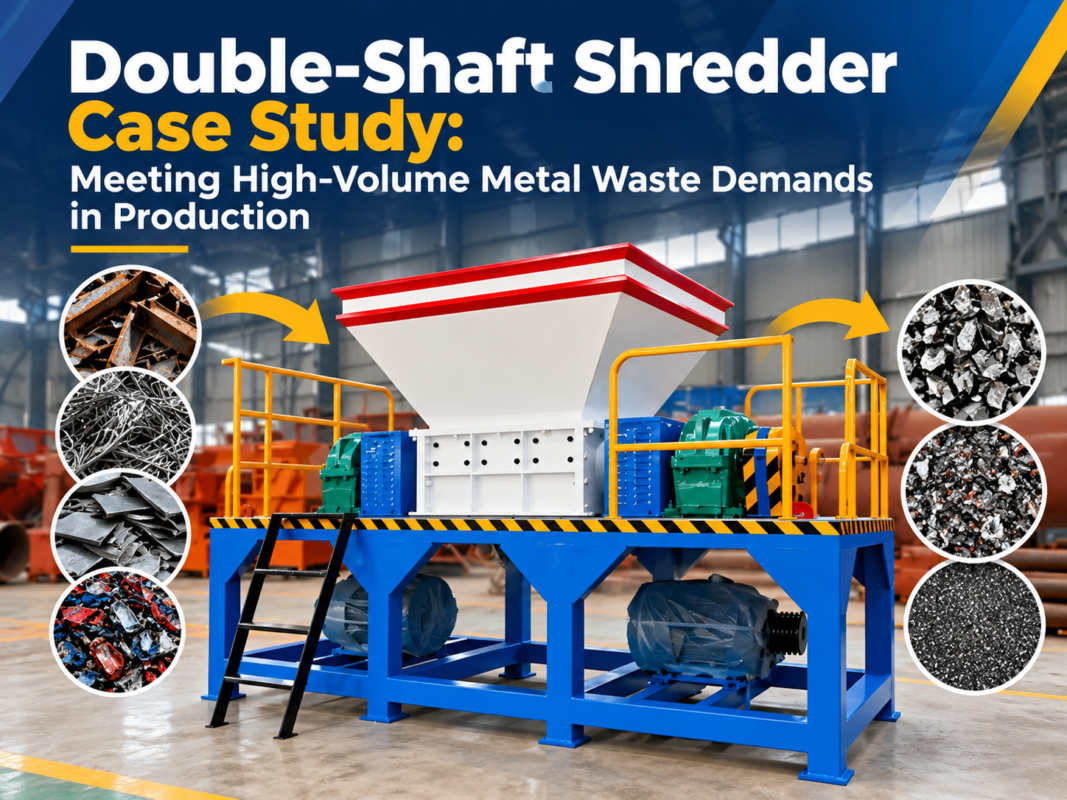
Single-shaft shredders are primarily designed for plastics, wood, paper, and rubber. While they can handle light non-ferrous metals like aluminum cans or thin copper wiring, they are not suitable for heavy steel scrap or iron. For those materials, a dual-shaft shredder or a specialized metal crusher is required.
2. How often do the blades need sharpening?
This depends entirely on the material. For clean plastics, blades may last 500-800 hours before needing to be rotated. If the material is contaminated with sand, glass, or metal, the lifespan can drop to less than 100 hours. Most modern blades are designed with four cutting edges; you simply rotate them 90 degrees when one edge becomes dull.
3. What is the difference between a shredder and a granulator?
A shredder is a high-torque, low-speed machine designed for heavy-duty volume reduction of large objects. A granulator is a high-speed machine designed to take already-shredded material and turn it into small, uniform granules (usually 3mm-10mm). They are often used together in a recycling line.
4. Do I need a water-cooled system?
If you are processing materials with a low melting point (like certain films) or operating in a very hot environment for multiple shifts, a water-cooled rotor or gearbox is highly recommended to prevent the material from melting and sticking to the blades.
5. Is it better to buy new or used?
For beginners, buying new is almost always better. Used shredders often have hidden damage to the gearbox or rotor that is difficult to detect until the machine is under load. A new machine from a reputable brand like HARSLE comes with a warranty and technical support, which is invaluable during the learning curve.
6. How much space do I need for the installation?
Beyond the physical footprint of the machine, you need at least 1.5 to 2 meters of clearance on all sides for maintenance, blade changes, and material feeding/discharge. You also need to account for the space required for conveyors if you plan to automate the process.