How to Buy a Gantry Shear for Metal Fabrication: Capacity, Blade Size, and Control Options

Introduction to Gantry Shears in Modern Metal Fabrication
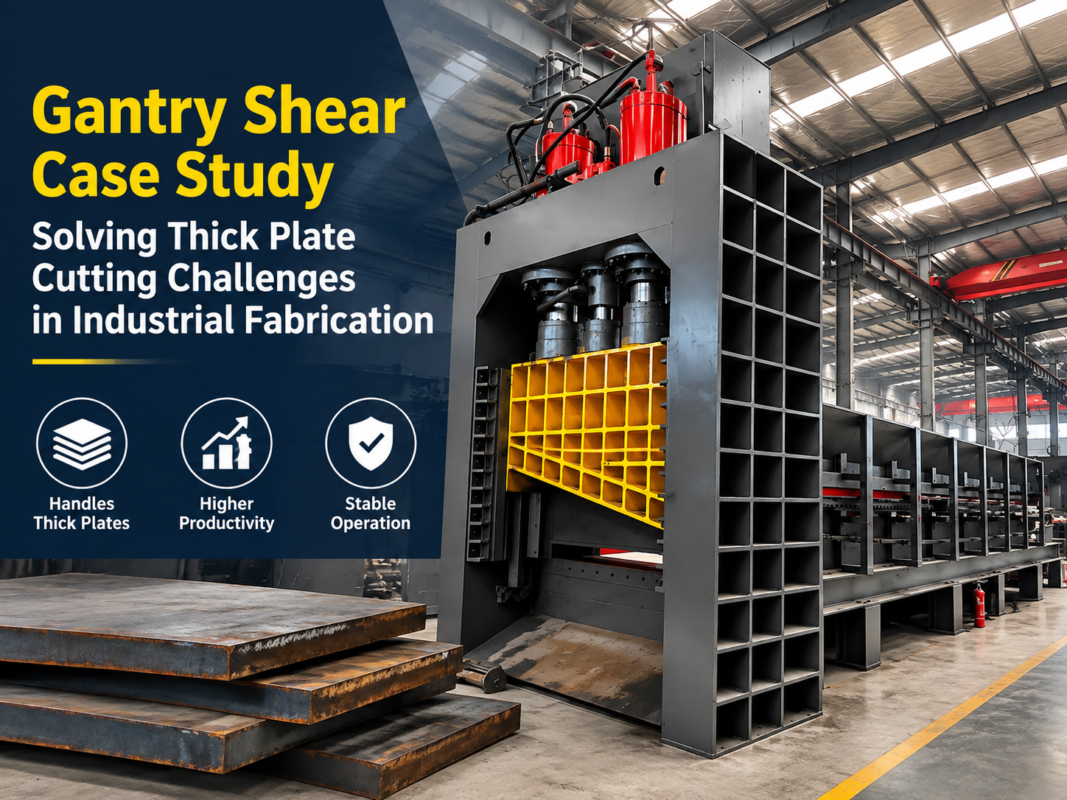
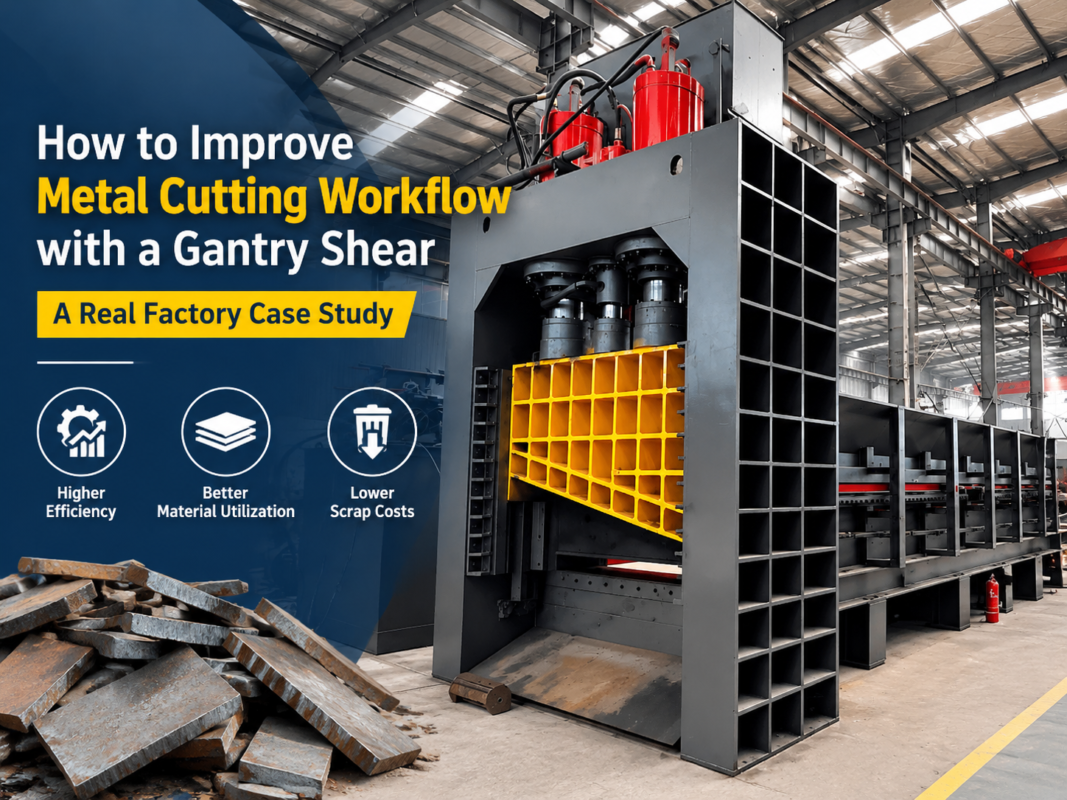
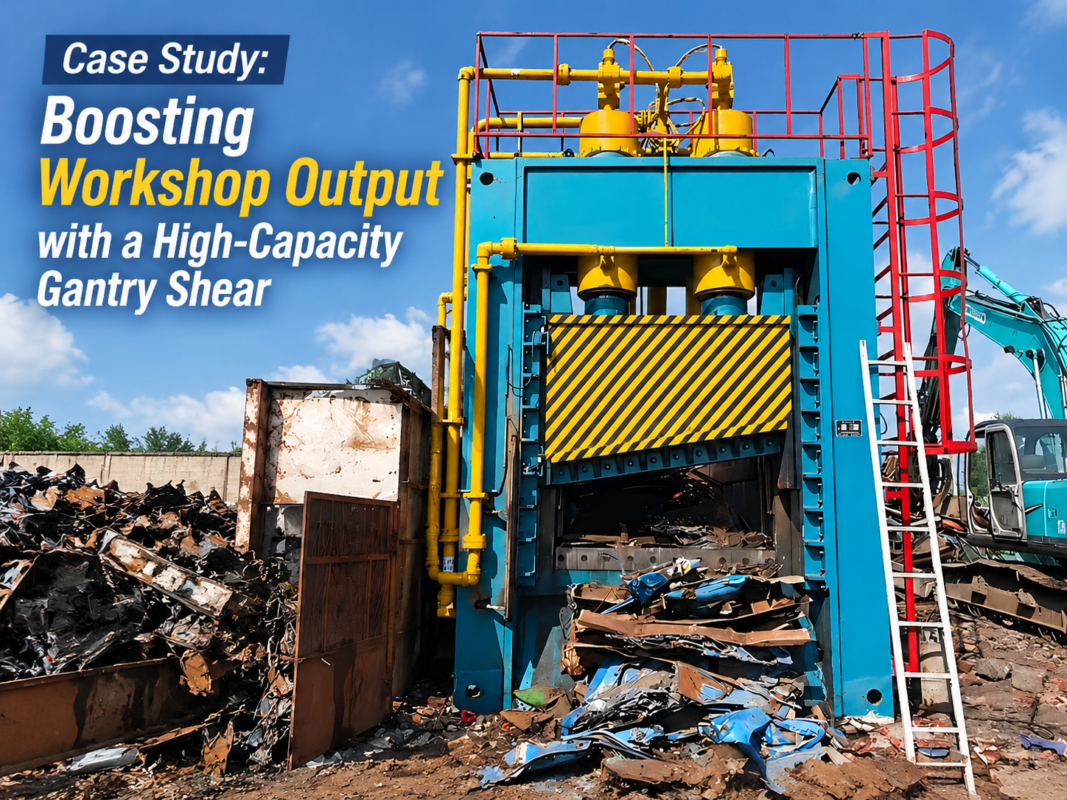
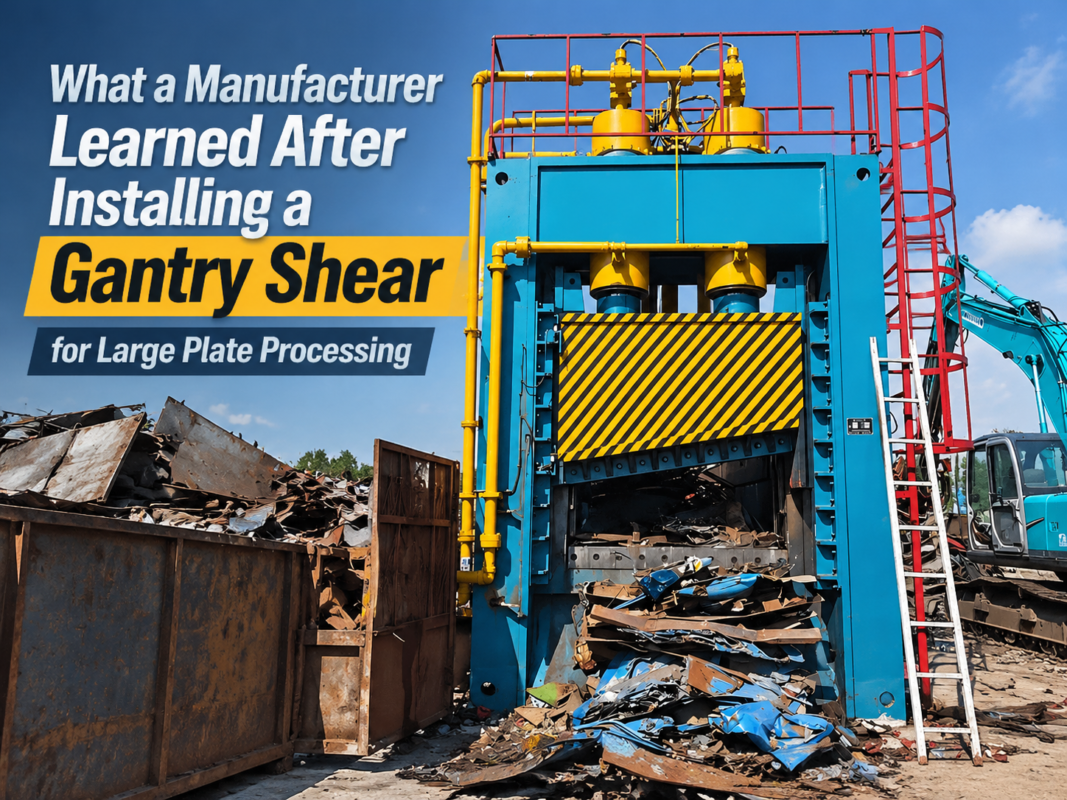
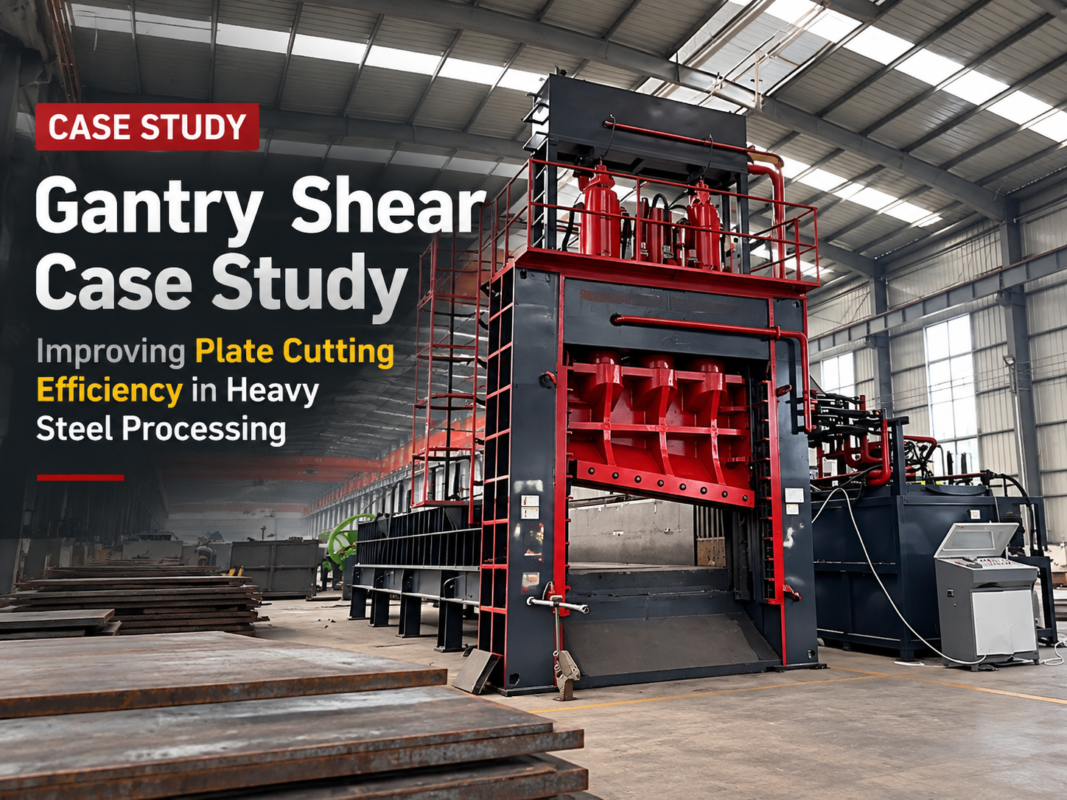
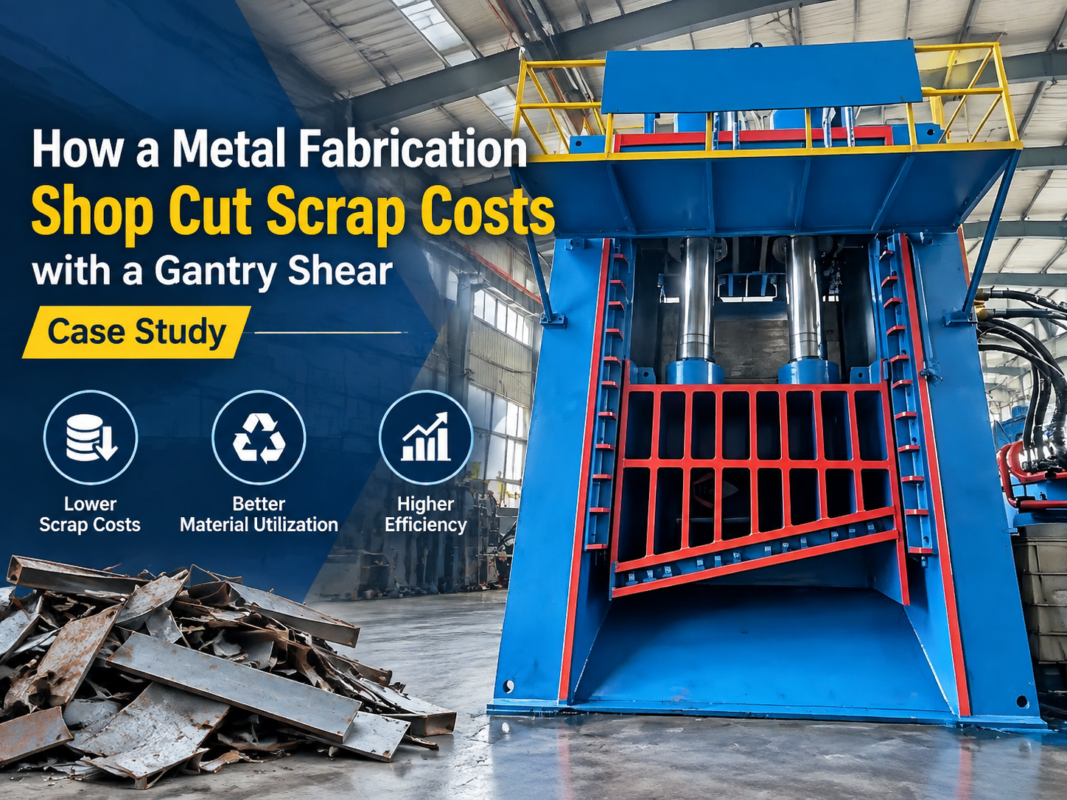
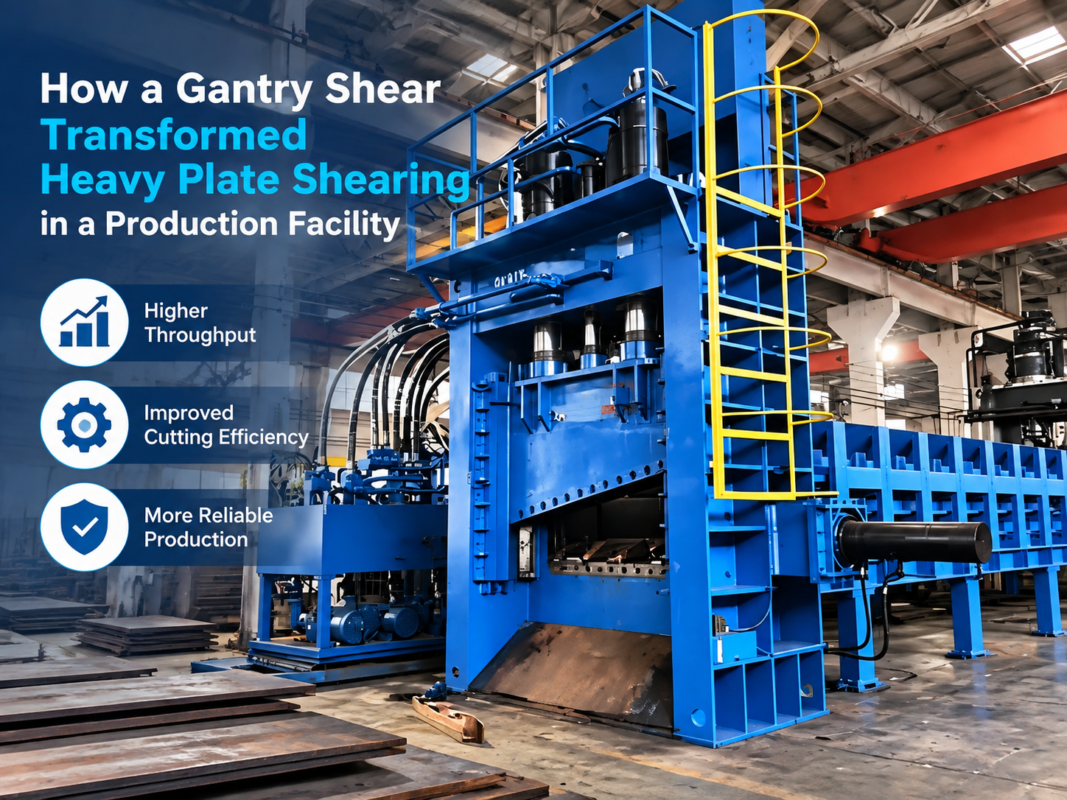
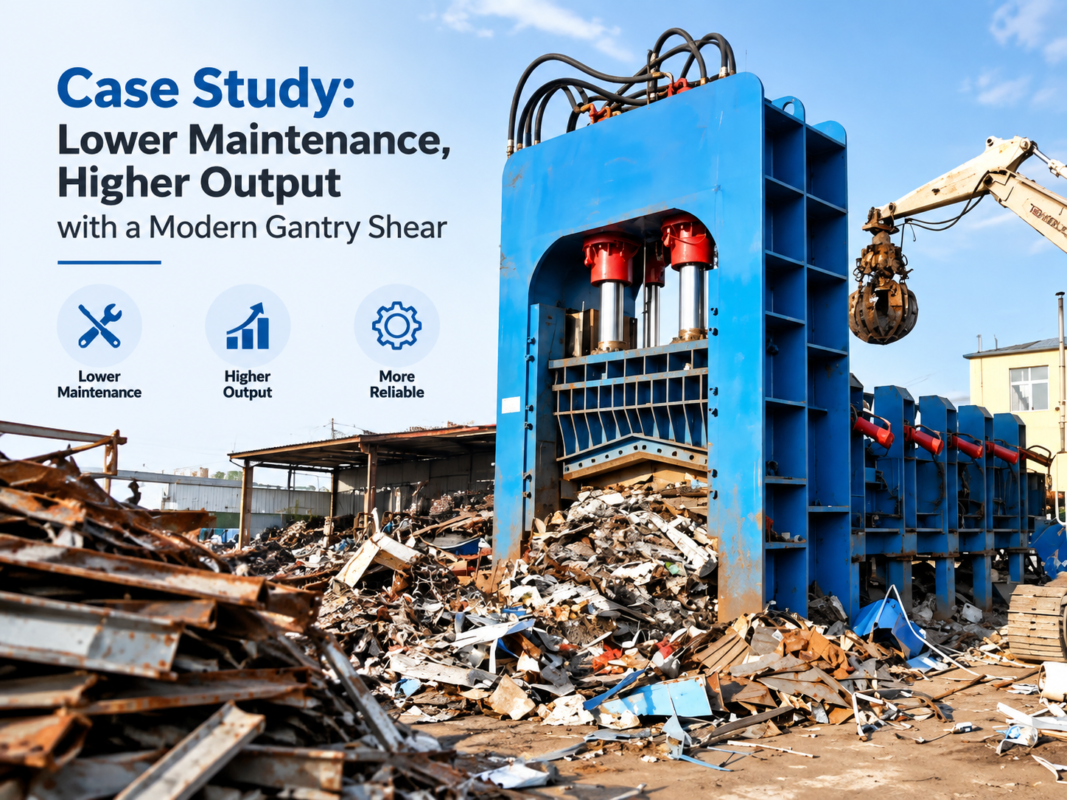
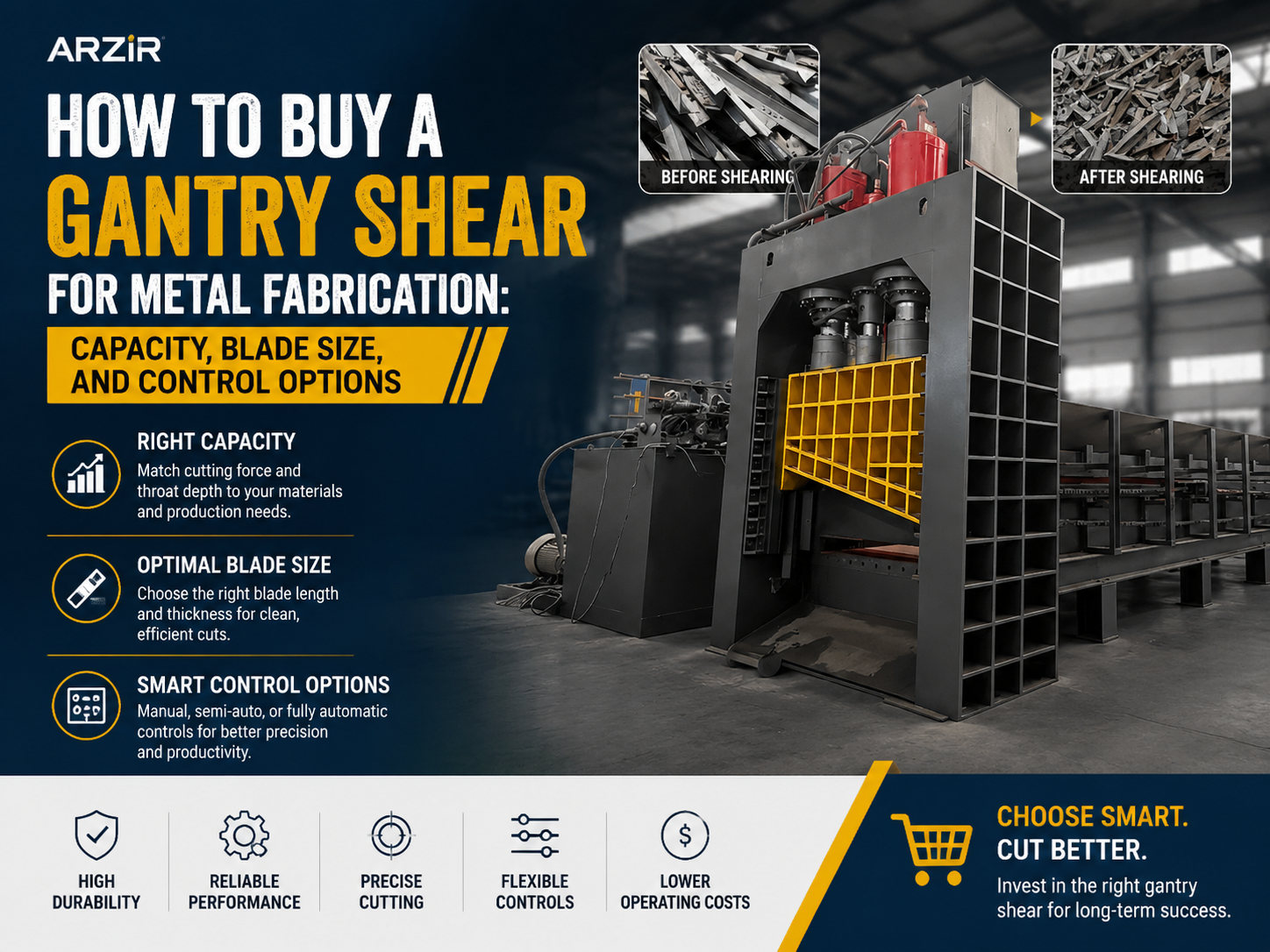
In the heavy-duty world of metal recycling and industrial fabrication, the gantry shear stands as a titan of efficiency. Unlike smaller alligator shears or manual cutting tools, a gantry shear is designed to process massive volumes of scrap metal, structural steel, and decommissioned machinery with relentless precision. When you decide to Buy A Gantry Shear Metal Fabrication: Capacity, Blade Size, Control Options are the three pillars that will determine your operational success and long-term profitability. Choosing the right machine involves more than just looking at the price tag; it requires a deep understanding of how hydraulic force interacts with material thickness and how modern control systems can optimize your throughput.
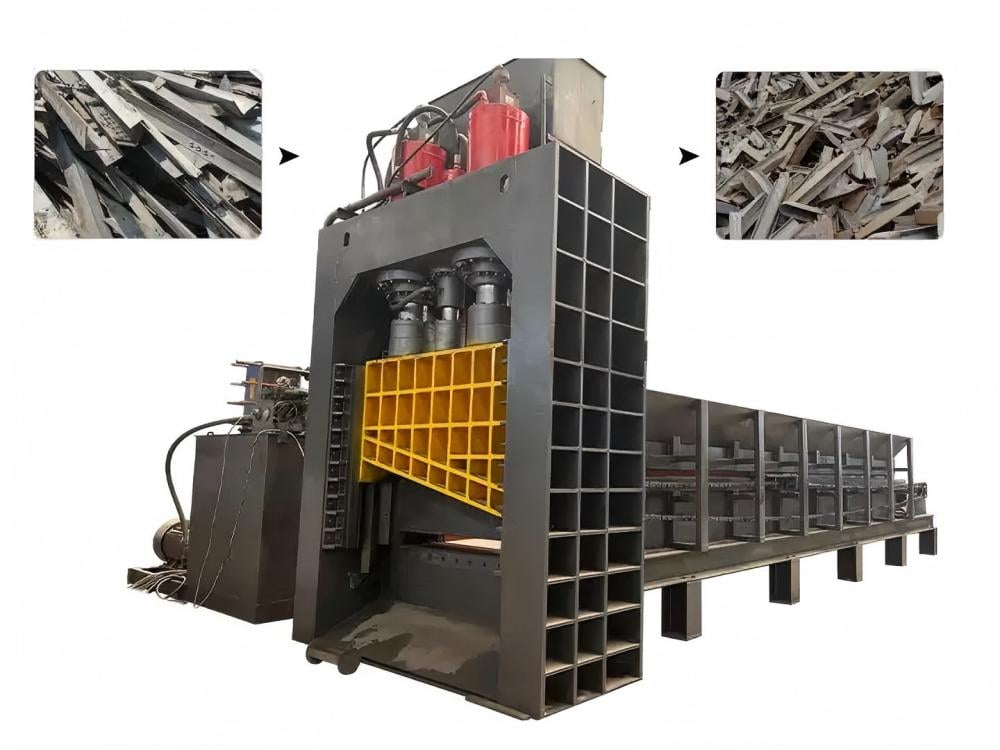
HARSLE has pioneered the development of high-performance gantry shears that cater to both medium-sized recycling yards and massive industrial processing plants. The decision to invest in a gantry shear is often driven by the need to reduce labor costs and increase the density of scrap for better transport efficiency. By shearing large beams, pipes, and plates into manageable sizes, fabricators can command higher prices for their processed material. This guide will walk you through every technical and financial aspect of the purchasing process, ensuring you select a machine that matches your specific production requirements.
Price Range Overview: What to Expect
The investment required for a gantry shear varies significantly based on the shearing force (tonnage) and the level of automation. Generally, gantry shears are categorized by their maximum cutting force, ranging from 400 tons to over 2000 tons. For a standard 400-ton to 600-ton unit, which is suitable for light to medium scrap, prices typically start around $40,000 and can go up to $80,000 depending on the brand and features. These machines are ideal for processing sheet metal, small pipes, and light structural steel.
As we move into the heavy-duty range—800 tons to 1250 tons—the price increases to between $100,000 and $250,000. These units are the workhorses of the industry, capable of handling heavy I-beams, thick plates, and large automotive components. For the most demanding applications, such as shipbreaking or heavy industrial demolition, shears exceeding 1600 tons can cost upwards of $400,000. These high-end models often feature advanced cooling systems, high-speed hydraulic circuits, and integrated conveyor systems.
Price Breakdown by Tonnage
| Shear Force (Tons) | Typical Price Range (USD) | Primary Application |
|---|---|---|
| 400T – 500T | $35,000 – $65,000 | Light scrap, aluminum, thin steel plates |
| 600T – 800T | $70,000 – $120,000 | General recycling, medium structural steel |
| 1000T – 1250T | $150,000 – $280,000 | Heavy industrial scrap, thick beams, pipes |
| 1600T+ | $350,000+ | Shipbreaking, heavy demolition, high-volume yards |
Main Cost Drivers in Gantry Shear Manufacturing
When you Buy A Gantry Shear Metal Fabrication: Capacity, Blade Size, Control Options are the primary factors, but the underlying components drive the final cost. The hydraulic system is perhaps the most critical driver. High-quality pumps from brands like Rexroth or Parker, combined with specialized valve blocks, ensure that the machine can maintain high pressure without overheating. A dual-pump system or a high-speed circuit can significantly reduce cycle times, but it adds to the initial purchase price.
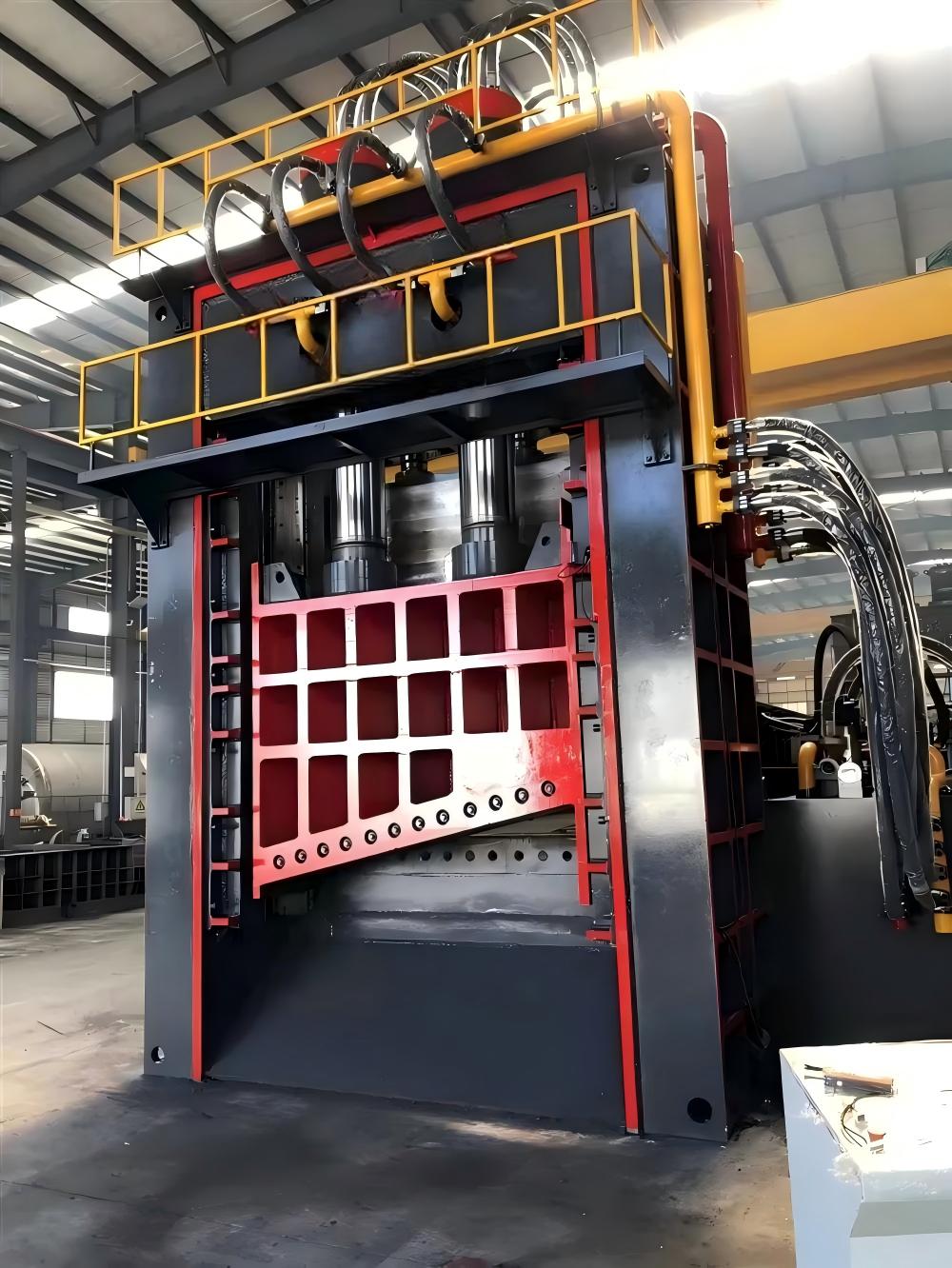
The quality of the steel used in the frame and the shear head also plays a massive role. Gantry shears are subject to immense stress and vibration. HARSLE utilizes high-tensile Q345B or Q355 steel, often reinforced in critical stress zones, to prevent frame warping over years of service. Furthermore, the blade material—typically high-alloy tool steel like 9CrSi or Cr12MoV—is a significant cost factor. These blades must be hard enough to cut through steel but tough enough not to shatter under impact. The inclusion of a specialized “hard-facing” or heat treatment process extends blade life but increases the upfront cost.
Automation and safety features are the third major cost driver. Modern shears come equipped with laser sensors for material positioning, automatic lubrication systems, and remote diagnostic capabilities. While these features increase the price, they drastically reduce downtime and maintenance labor. A machine with a fully integrated PLC (Programmable Logic Controller) and a user-friendly HMI (Human Machine Interface) will always command a premium over a manual, lever-operated system.
Configuration Impact: Capacity, Blade Size, and Control Options
Understanding the configuration is vital when you Buy A Gantry Shear Metal Fabrication: Capacity, Blade Size, Control Options. Capacity refers to the maximum force the hydraulic cylinder can exert. However, capacity is also linked to the “throat width” and “throat height.” A 1000-ton shear with a narrow throat might be able to cut thick bars but will struggle with wide plates. Conversely, a wide-throat machine allows for the processing of bulky scrap without pre-cutting, which saves significant labor time.
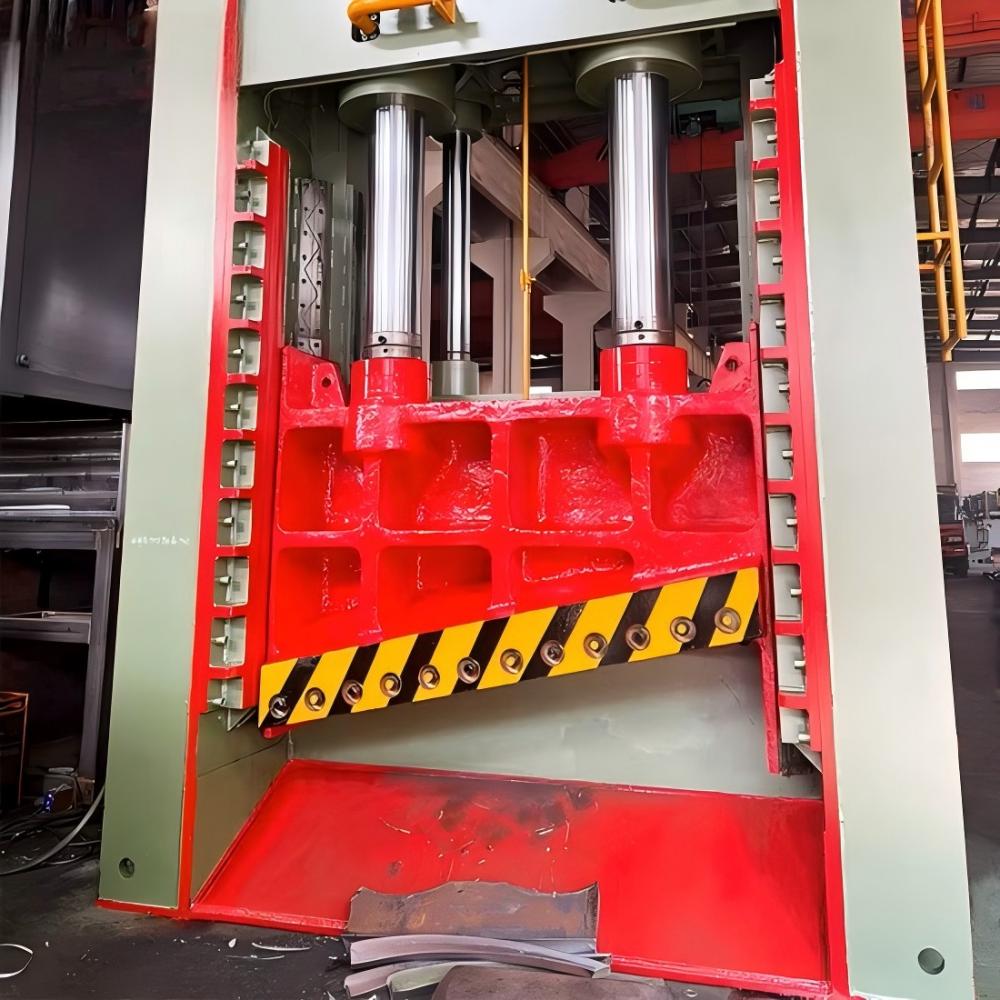
Blade size is another critical configuration detail. Longer blades allow for wider cuts in a single stroke, which is essential for processing large sheets or wide-flange beams. However, longer blades also require more force to maintain the same cutting pressure per inch. Most industrial gantry shears offer blade lengths ranging from 800mm to 2000mm. The choice depends on the typical dimensions of your raw material. If you primarily process long pipes, a shorter, more concentrated blade might be more efficient than a long, thin one.
Control options have evolved from simple manual valves to sophisticated CNC systems. Manual controls are robust and easy to repair but rely heavily on operator skill. Semi-automatic systems allow the operator to set a cycle (e.g., feed, clamp, shear, retract), which ensures consistency. Fully automatic systems, often integrated with a feed hopper or conveyor, can run continuously with minimal supervision. These systems use sensors to detect material presence and adjust the stroke length automatically to save energy and time. For high-volume operations, the extra investment in advanced controls pays for itself through increased cycles per hour.
Hidden Costs of Owning a Gantry Shear
The purchase price is only the beginning. One of the most overlooked hidden costs is the foundation and installation. A 1000-ton gantry shear can weigh between 40 and 80 tons. It requires a reinforced concrete pad, often several feet thick, to absorb the vibrations and prevent the machine from shifting. Failure to provide a proper foundation can lead to frame misalignment and premature hydraulic failure. Additionally, the cost of rigging and heavy-duty cranes to position the machine can run into thousands of dollars.
Power consumption is another ongoing cost. These machines utilize massive electric motors, often ranging from 45kW to 200kW or more. If your facility does not have the necessary electrical infrastructure, you may need to invest in a transformer or a power grid upgrade. Furthermore, hydraulic oil is a significant recurring expense. A large gantry shear may require 1,000 to 3,000 liters of high-grade hydraulic oil, which must be filtered and replaced periodically to protect the sensitive pump components.
Maintenance and wear parts must also be budgeted. Blades are consumable items; depending on the material being cut, they may need to be rotated or sharpened every few months. A set of replacement blades for a large shear can cost several thousand dollars. You must also account for the cost of seals, filters, and the labor required for daily lubrication. HARSLE recommends an automated lubrication system to mitigate some of these labor costs, but the system itself requires periodic refilling and inspection.
ROI Calculation: Is a Gantry Shear Worth It?
To determine the Return on Investment (ROI), you must look at the “spread” between the price of unprocessed scrap and processed scrap. For example, if unprocessed HMS (Heavy Melting Scrap) sells for $200 per ton, but sheared, furnace-ready scrap sells for $300 per ton, your gross margin is $100 per ton. If your gantry shear processes 10 tons per hour, that is $1,000 of value added per hour. Subtracting labor, electricity, and maintenance (estimated at $150/hour), you are left with a net profit of $850 per hour.
At this rate, a $200,000 machine would pay for itself in approximately 235 hours of operation. Even with more conservative estimates, most high-volume fabricators find that a gantry shear pays for itself within 12 to 18 months. The ROI is further enhanced by the reduction in transportation costs. Sheared metal is much denser than loose scrap, meaning you can fit more weight into each truckload or shipping container, significantly lowering your logistics overhead.
Another factor in ROI is the reduction in manual labor. Using torches to cut large beams is slow, dangerous, and expensive due to the cost of gases and skilled labor. A gantry shear replaces multiple torch operators with a single machine operator, drastically improving safety and reducing insurance premiums. When you Buy A Gantry Shear Metal Fabrication: Capacity, Blade Size, Control Options, you are essentially buying a tool that transforms a labor-intensive process into a capital-intensive, high-efficiency production line.
Buying Advice: How to Choose the Right HARSLE Model
When selecting a HARSLE gantry shear, start by analyzing your material stream. What is the thickest and hardest material you process? Always choose a machine with a capacity roughly 20% higher than your maximum requirement to avoid running the hydraulics at peak pressure constantly. This “headroom” extends the life of the pumps and cylinders. If you frequently process 20mm plates, a shear rated for 25mm or 30mm is a safer and more durable choice.
Inspect the blade design and the ease of blade changes. HARSLE shears are designed with accessibility in mind, allowing for relatively quick blade rotations. Check if the machine features a “side-squeeze” or a “pre-compression” box. These features are essential for bulky scrap like car bodies or large tanks, as they crush the material into a dense log before it reaches the shear blade, ensuring a cleaner cut and preventing the material from wedging in the throat.
Finally, consider the after-sales support. Industrial machinery requires parts and expertise. HARSLE provides comprehensive documentation, remote technical support, and a robust warranty. Ensure that your purchase includes a startup service where a technician visits your site to calibrate the machine and train your operators. Proper training is the best way to prevent accidental damage and ensure the machine operates at its rated capacity from day one.
Frequently Asked Questions (FAQ)
1. What is the difference between a gantry shear and an alligator shear?
An alligator shear is a smaller, jaw-like machine used for cleaning non-ferrous metals and cutting small bars. A gantry shear is a much larger, vertical-stroke machine designed for high-volume processing of heavy structural steel and large scrap. Gantry shears offer much higher tonnage and automation levels.
2. How often do the blades need to be sharpened?
Blade life depends entirely on the material being cut. For clean, soft steel, blades may last for 500-1,000 hours before needing a rotation. For hard or sandy/dirty scrap, they may need attention every 200 hours. Most HARSLE blades have four cutting edges, meaning you can rotate them three times before they need professional regrinding.
3. Can a gantry shear be used for stainless steel?
Yes, but stainless steel is harder and work-hardens quickly. You generally need a shear with higher tonnage (about 1.5 times the force required for mild steel of the same thickness) and specialized high-chrome blades to prevent premature wear and ensure a clean cut.
4. What kind of hydraulic oil should I use?
HARSLE recommends high-quality anti-wear hydraulic oil, typically ISO VG 46 or 68, depending on your local climate. In very cold environments, a low-pour-point oil is necessary, while in hot climates, a higher viscosity oil helps maintain pressure and lubrication.
5. Is it better to buy a new or used gantry shear?
While used machines are cheaper, they often come with hidden hydraulic issues or structural fatigue. Given the extreme forces involved, a new HARSLE gantry shear offers the security of a warranty, modern safety features, and the latest energy-efficient hydraulic technology, which often results in a lower total cost of ownership over five years.
6. How do I determine the right throat width?
The throat width should be slightly wider than the widest piece of scrap you regularly receive. For most recycling yards, a width of 800mm to 1200mm is standard. If you process oversized industrial components, you may need a custom wide-throat model to avoid the need for manual pre-cutting.