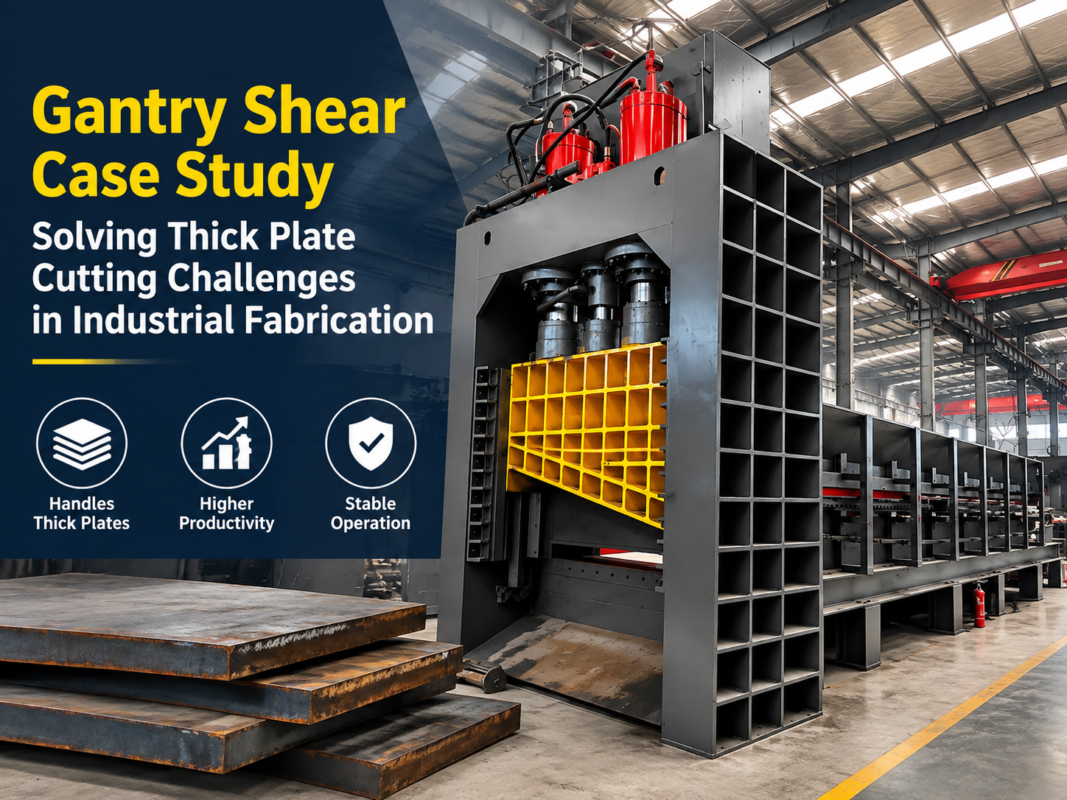
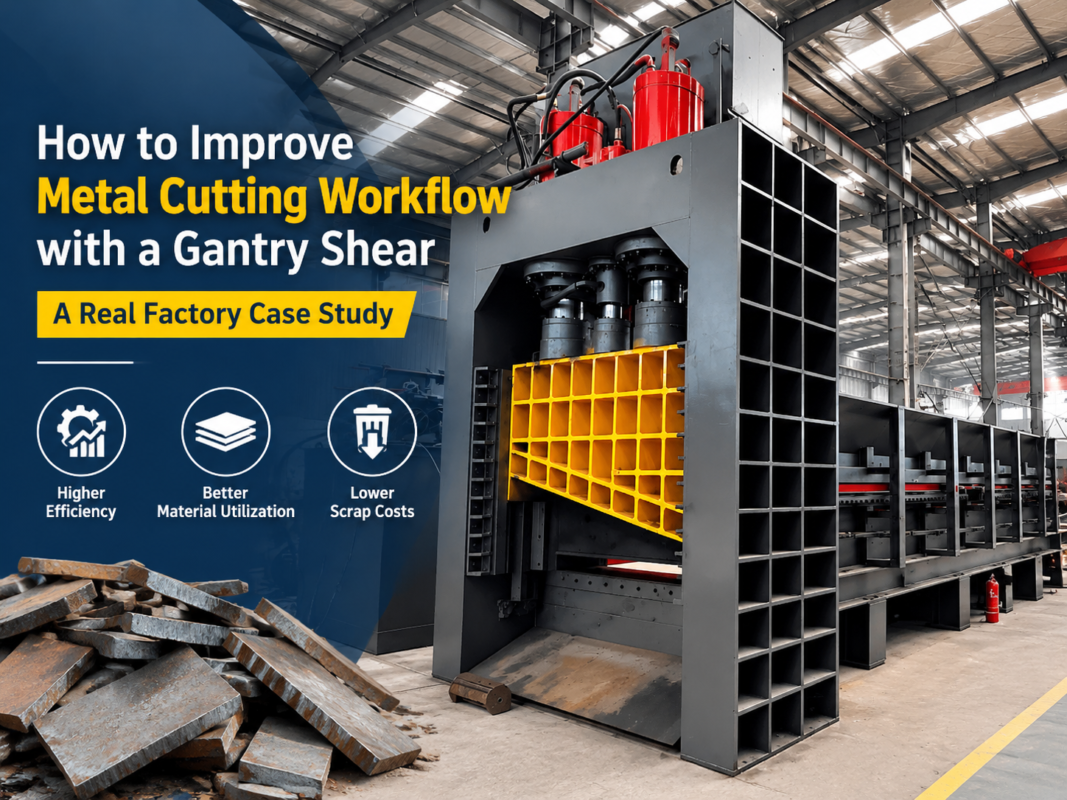
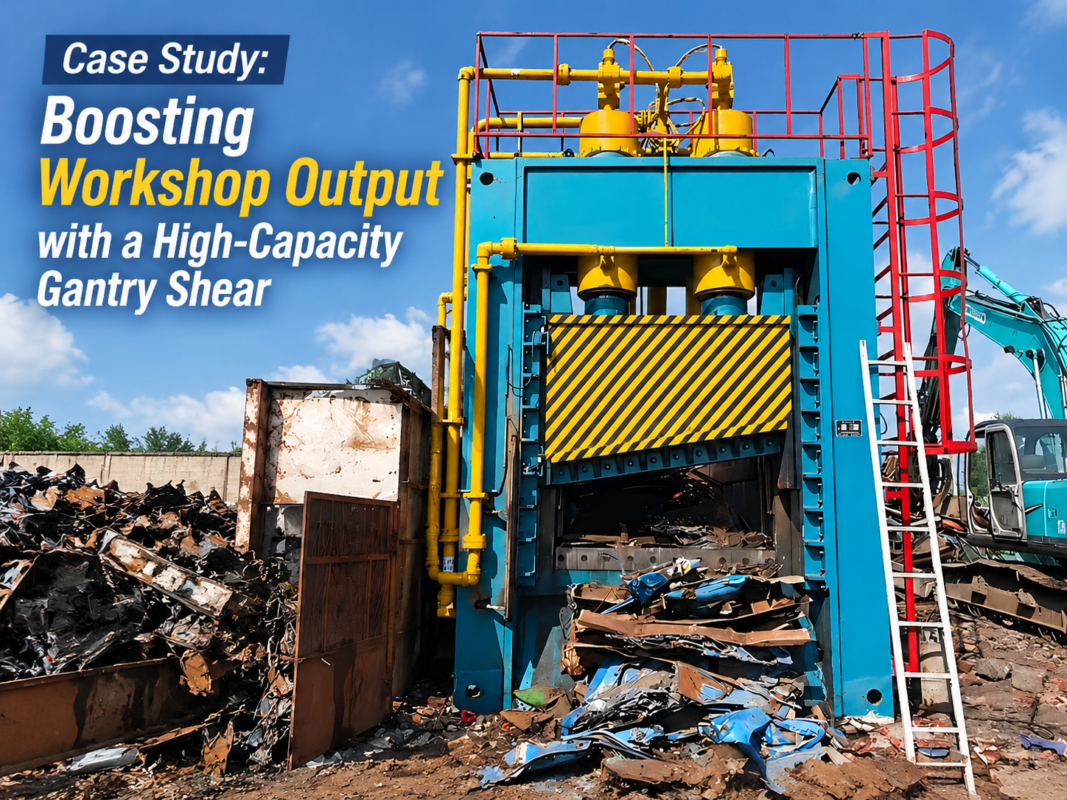
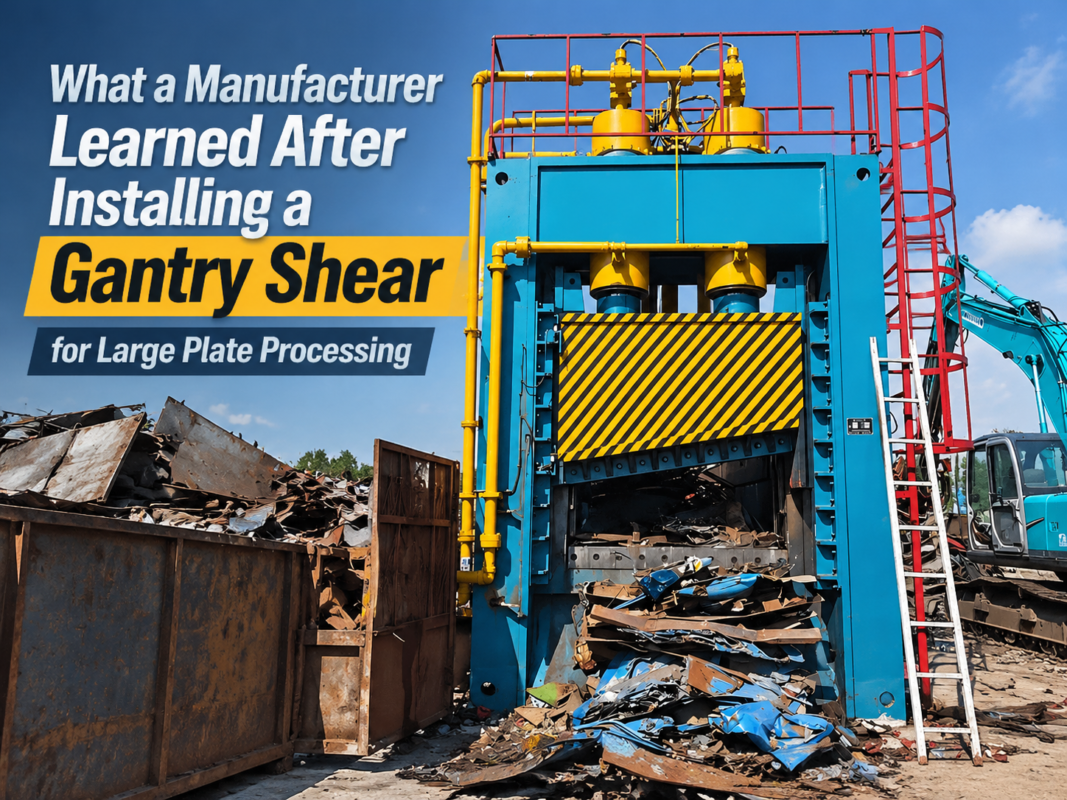
Gantry Shear Buying Guide: How to Choose the Right Machine for Heavy Plate Cutting

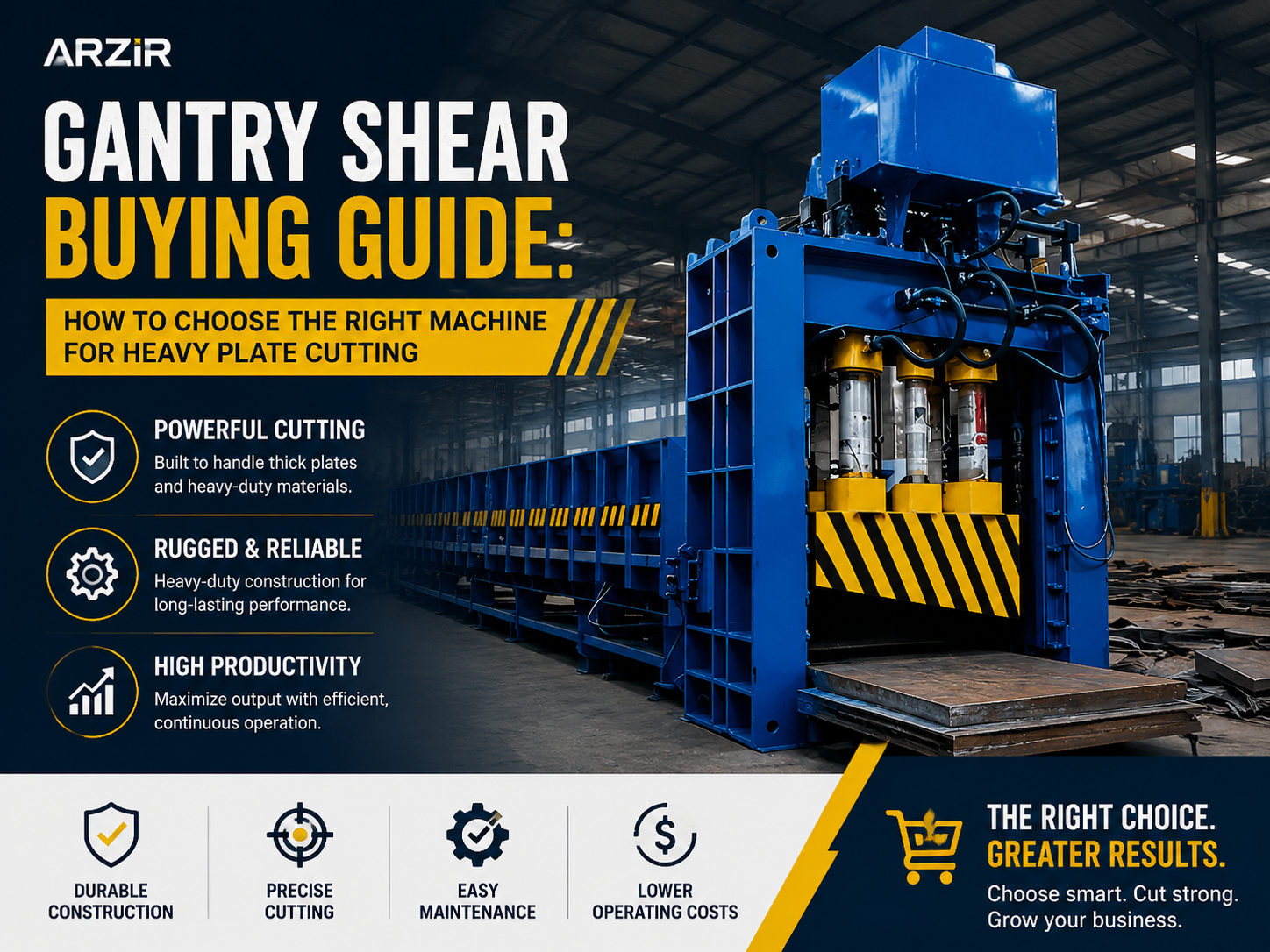
Introduction to Gantry Shear Selection for Heavy Plate Processing
In the world of heavy-duty metal recycling and industrial fabrication, the gantry shear stands as a titan of efficiency. Designed to handle massive volumes of scrap metal and thick steel plates, these machines are essential for operations that require high-force cutting and continuous throughput. However, the process of Gantry Shear Buying : Choose Machine Heavy Plate Cutting is not as simple as picking the largest tonnage available. It requires a deep understanding of material types, production goals, and the technical nuances of hydraulic systems.
HARSLE has been at the forefront of providing high-performance metal fabrication machinery, and we understand that a gantry shear is a significant capital investment. Whether you are upgrading an existing scrap yard or setting up a new heavy plate processing facility, selecting the right machine determines your long-term profitability. This guide will walk you through every critical aspect of the buying process, from initial price considerations to the technical configurations that drive performance.
Heavy plate cutting involves unique challenges, such as material hardness, thickness variations, and the need for precision in downstream processing. A gantry shear must be robust enough to withstand the immense pressure of shearing 20mm to 100mm+ plates while maintaining operational safety and energy efficiency. In the following sections, we will break down the costs, configurations, and ROI factors that every buyer must evaluate.
Price Range Overview: What to Expect in the Market
The price of a gantry shear is primarily dictated by its shearing force (tonnage) and the width of its blade. In the current global market, prices can range significantly based on the country of origin, the quality of hydraulic components, and the level of automation. Generally, a standard 400-ton gantry shear might start around $40,000, while massive 1600-ton or 2000-ton units used in shipbreaking or heavy industrial recycling can exceed $300,000.
For most medium-to-heavy fabrication shops, the ‘sweet spot’ usually lies between 630 tons and 1000 tons. These machines offer the versatility to cut through common structural steel, heavy plates, and mixed scrap. Below is a general breakdown of price ranges based on machine capacity:
| Machine Tonnage | Estimated Price Range (USD) | Typical Applications |
|---|---|---|
| 400T – 500T | $35,000 – $60,000 | Light scrap, thin plates, aluminum extrusions |
| 630T – 800T | $65,000 – $110,000 | Structural steel, medium plates, automotive scrap |
| 1000T – 1250T | $120,000 – $190,000 | Heavy plates, HMS 1/2 scrap, industrial demolition |
| 1600T+ | $220,000+ | Shipbreaking, heavy casting scrap, large-scale recycling |
It is important to note that these are base prices. Customizations such as extended feeding hoppers, specialized cooling systems for hot climates, or advanced PLC integration for automated lines will add to the final cost. When evaluating Gantry Shear Buying : Choose Machine Heavy Plate Cutting, always request a detailed quote that specifies the brand of the hydraulic pumps and valves, as these are the most expensive replacement parts in the future.
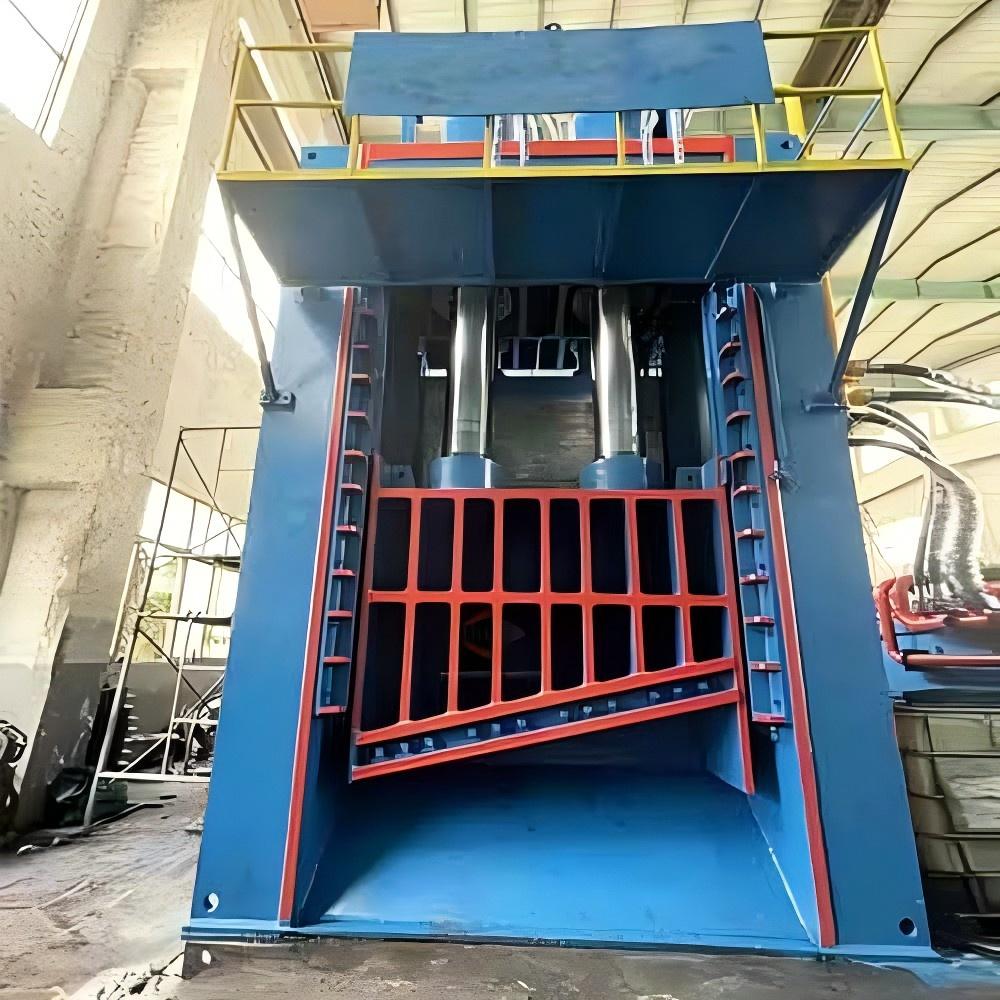
Main Cost Drivers in Gantry Shear Manufacturing
Understanding why one machine costs $20,000 more than a seemingly identical competitor is crucial. The first major cost driver is the quality of the steel frame. A gantry shear operates under extreme cyclical stress. High-quality manufacturers like HARSLE use Q345B or higher-grade carbon steel, often with stress-relieved welded structures. Cheaper machines may use lower-grade steel or skip the heat treatment process, leading to frame warping or cracking after a few years of heavy use.
The second driver is the hydraulic system. The hydraulic pump and valve block are the heart of the machine. Premium brands like Rexroth, Parker, or Vickers offer superior reliability and faster cycle times compared to generic alternatives. A high-end hydraulic system ensures that the pressure remains consistent even during 24/7 operations, which is vital for heavy plate cutting where the resistance is maximum.
Thirdly, the electrical and control systems play a significant role. Modern gantry shears utilize PLC (Programmable Logic Controller) systems from Siemens or Schneider. These systems allow for precise control over the shearing stroke, pressure settings, and safety interlocks. They also facilitate remote diagnostics, which can save thousands of dollars in technician travel fees if a minor software issue occurs.
Finally, the blade material and design impact the cost. For heavy plate cutting, blades must be made from high-strength alloy steel like 9CrSi or Cr12MoV. The precision with which these blades are ground and the ease with which they can be rotated (most blades have 4 cutting edges) affect both the initial price and the ongoing maintenance costs.
Configuration Impact: Tailoring the Machine to Your Material
When you are in the process of Gantry Shear Buying : Choose Machine Heavy Plate Cutting, the configuration of the machine must match your specific material flow. One of the most important configurations is the feeding mechanism. You can choose between a traditional push-feeder (where a hydraulic ram pushes the scrap toward the blade) or a conveyor-fed system. For heavy plates, a heavy-duty chain conveyor or a reinforced vibrating feeder is often preferred to handle the impact of large pieces being dropped into the hopper.
The blade length and throat depth are also critical. If you are cutting wide plates, a 1200mm or 1500mm blade is necessary. However, a wider blade requires more tonnage to maintain the same shearing pressure per square inch. Therefore, you must balance the width of your material with the power of the machine. If your plates are narrow but very thick (e.g., 80mm), a narrower, high-tonnage shear is more efficient than a wide, low-tonnage one.
Another configuration to consider is the cooling and filtration system. Heavy plate cutting generates significant heat within the hydraulic oil. In warmer climates or high-production environments, an industrial-grade air or water cooling system is mandatory. Without proper cooling, the oil viscosity drops, leading to seal failure and pump damage. Similarly, high-precision magnetic filters are recommended to remove metal fines from the oil, extending the life of the hydraulic valves.
Lastly, consider the automation level. Some gantry shears are equipped with sensors that detect the thickness of the material and automatically adjust the shearing force and stroke length. This not only saves energy but also reduces wear and tear on the machine by preventing ‘over-shredding’ of thinner materials.
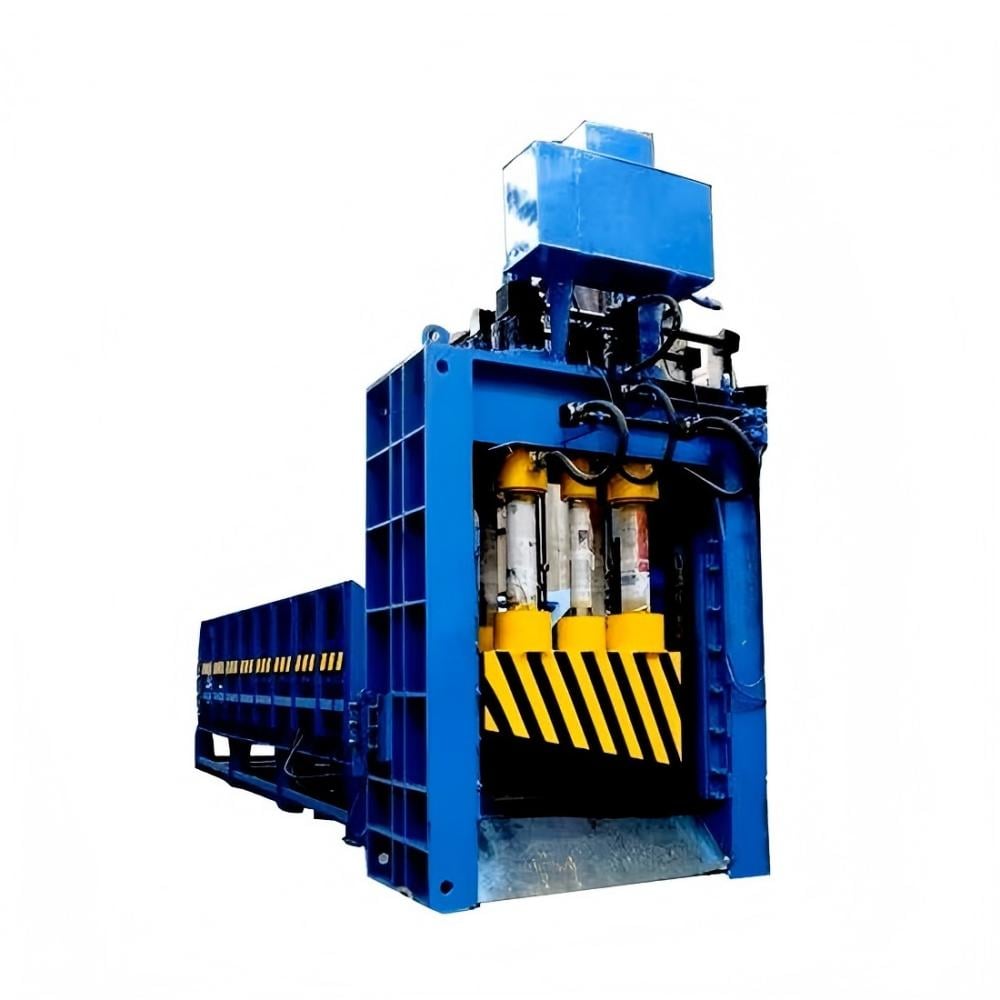
Hidden Costs of Owning a Gantry Shear
The purchase price is only the beginning. One of the most overlooked hidden costs is foundation and installation. A 1000-ton gantry shear can weigh over 60 tons. It requires a reinforced concrete foundation, often several meters deep, to absorb the vibrations and prevent the machine from shifting. Depending on your local soil conditions and labor costs, the foundation work alone can cost between $5,000 and $20,000.
Hydraulic oil is another significant expense. A large gantry shear may require 2,000 to 5,000 liters of high-grade hydraulic oil. This oil needs to be changed periodically, and the cost of disposal for used oil must also be factored in. Additionally, the electricity consumption of a 100kW+ motor can be substantial. Buyers should look for machines with variable displacement pumps or servo-driven motors that reduce power consumption during idle times.
Maintenance parts, specifically blades and seals, are recurring costs. In a heavy plate cutting environment, blades may need to be rotated every 3-6 months and replaced every 12-18 months. High-quality seals are essential to prevent leaks, but they eventually wear out due to the high pressures involved. Keeping a stock of critical spares is necessary to avoid downtime, which can cost thousands of dollars per day in lost production.
Finally, consider logistics and commissioning. Shipping a massive gantry shear requires specialized heavy-lift transport and often multiple flatbed trucks. Once it arrives, you will need a crane for assembly and a factory-trained technician to commission the machine and train your operators. Ensure these costs are clearly defined in your purchase agreement.
ROI Calculation: Is the Investment Worth It?
To justify the investment in Gantry Shear Buying : Choose Machine Heavy Plate Cutting, you must calculate the Return on Investment (ROI). The primary driver of ROI in scrap processing is the ‘spread’—the difference between the price you pay for unprocessed scrap and the price you receive for processed, ‘clean’ HMS (Heavy Melting Steel) scrap. Processed scrap commands a much higher price at steel mills because it is easier to handle and melts more efficiently.
Let’s look at a hypothetical example: A 630-ton gantry shear processes 8 tons of heavy plate scrap per hour. If the price difference between unprocessed and processed scrap is $50 per ton, the machine generates $400 of value per hour. Operating 8 hours a day, 22 days a month, the gross value added is $70,400 per month. After subtracting labor ($5,000), electricity ($3,000), and maintenance/consumables ($2,000), the monthly net profit is approximately $60,400.
In this scenario, a machine costing $100,000 could theoretically pay for itself in less than two months of full-capacity operation. Even with more conservative estimates and lower throughput, most high-quality gantry shears pay for themselves within 12 to 18 months. Furthermore, the ability to process heavy plates that competitors cannot handle allows you to bid on more lucrative demolition and industrial salvage contracts.
Buying Advice: Step-by-Step Selection Checklist
When you are ready to make a purchase, follow this checklist to ensure you choose the right machine for your needs:
- Define Your Material: What is the maximum thickness and width of the plates you will cut? What is the tensile strength of the material?
- Determine Throughput Requirements: How many tons per day do you need to process? This will dictate the motor power and cycle speed.
- Verify Component Brands: Insist on a component list. Are the pumps, valves, and PLC from reputable global brands?
- Inspect the Frame Construction: Ask about the steel grade and whether the frame has undergone stress-relieving heat treatment.
- Check Safety Features: Does the machine have emergency stops, safety cages, and hydraulic overload protection?
- Evaluate After-Sales Support: Does the manufacturer have a local service partner? How quickly can they ship replacement blades or seals?
- Request a Video Test: If you cannot visit the factory, request a live video of the machine shearing material similar to yours.
HARSLE recommends always choosing a machine with slightly more capacity than you currently need. Overloading a small shear will lead to premature failure, whereas a larger machine running at 80% capacity will last significantly longer and provide room for your business to grow.
Frequently Asked Questions (FAQ)
1. What is the difference between a Gantry Shear and an Alligator Shear?
Alligator shears are smaller, manually fed machines used for cleaning scrap and cutting long pieces. Gantry shears are much larger, automated machines designed for high-volume processing of heavy plates and bulky scrap. Gantry shears offer much higher safety and throughput.
2. How often should I change the blades on a gantry shear?
This depends on the material being cut. For heavy steel plates, blades are typically rotated (using a new edge) every 500-800 hours of operation. Most blades have four edges, so a single set can last 2,000-3,000 hours before needing a full replacement or professional regrinding.
3. Can a gantry shear be used for non-ferrous metals?
Yes, gantry shears are excellent for processing large volumes of aluminum, copper, and stainless steel. However, because these metals have different properties, you may need to adjust the blade gap and pressure settings to ensure a clean cut without ‘smearing’ the metal.
4. What kind of maintenance is required daily?
Daily maintenance includes checking hydraulic oil levels, inspecting for leaks, greasing moving parts (if not equipped with an automatic lubrication system), and ensuring the feeding hopper is clear of debris that could jam the pusher.
5. Is it better to buy a new or used gantry shear?
While used machines are cheaper, they often come with hidden hydraulic issues or structural fatigue that can be extremely expensive to repair. For a critical piece of production equipment, buying new from a reputable manufacturer like HARSLE ensures you have a warranty, modern safety features, and the latest energy-efficient technology.
6. How do I choose the right tonnage?
As a rule of thumb, calculate the force required to shear your thickest material and add a 20-30% safety margin. For example, if your thickest plate requires 500 tons of force, a 630-ton or 800-ton machine is the appropriate choice to ensure longevity and reliability.