How to Buy the Right Horizontal Baler for Maximum Compression and Lower Transport Costs

Introduction to Horizontal Balers and Logistics Efficiency
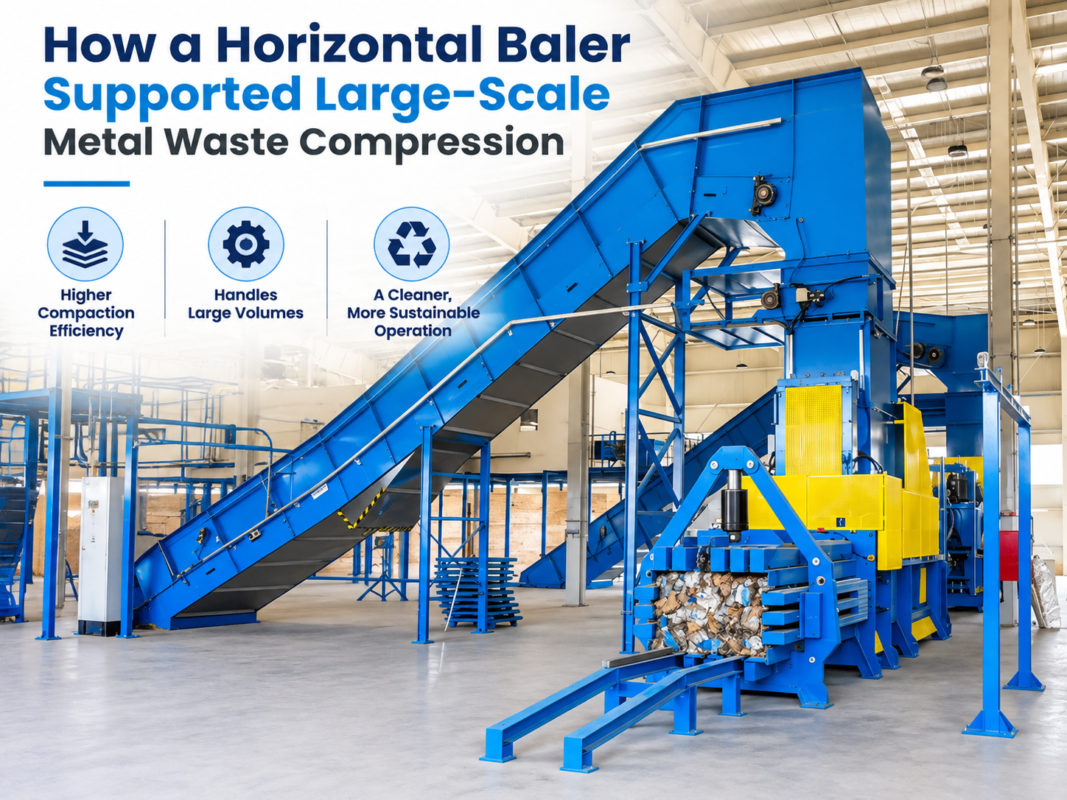
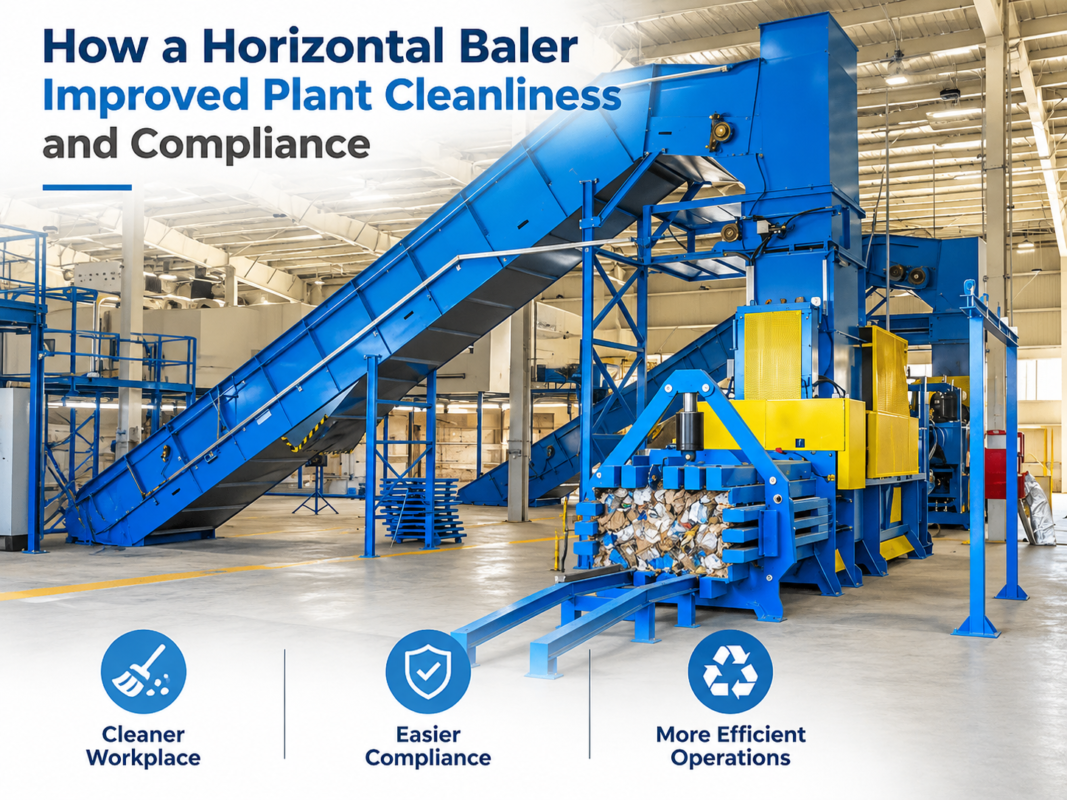
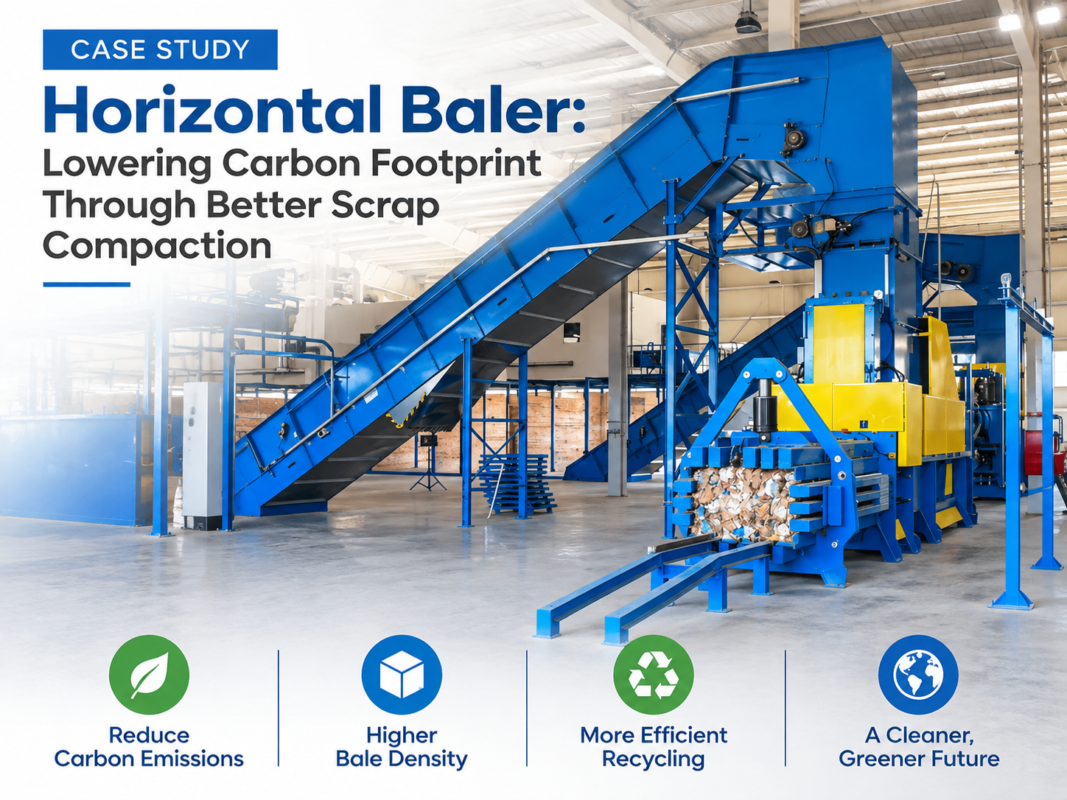
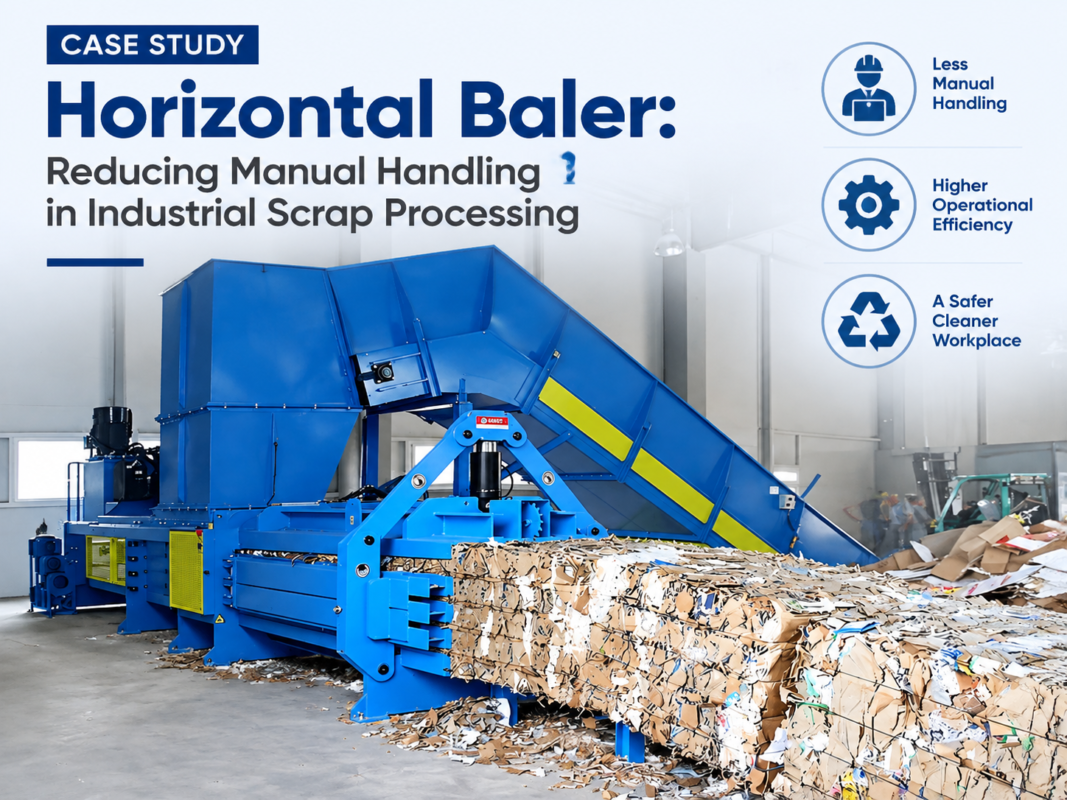
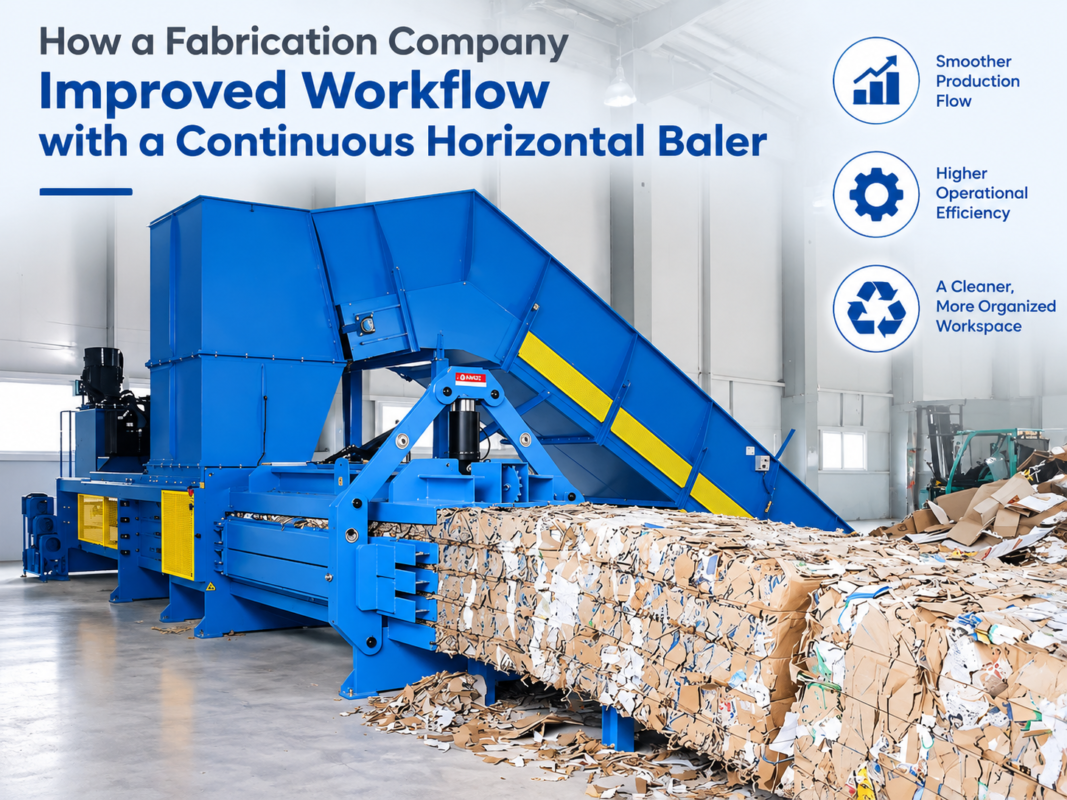
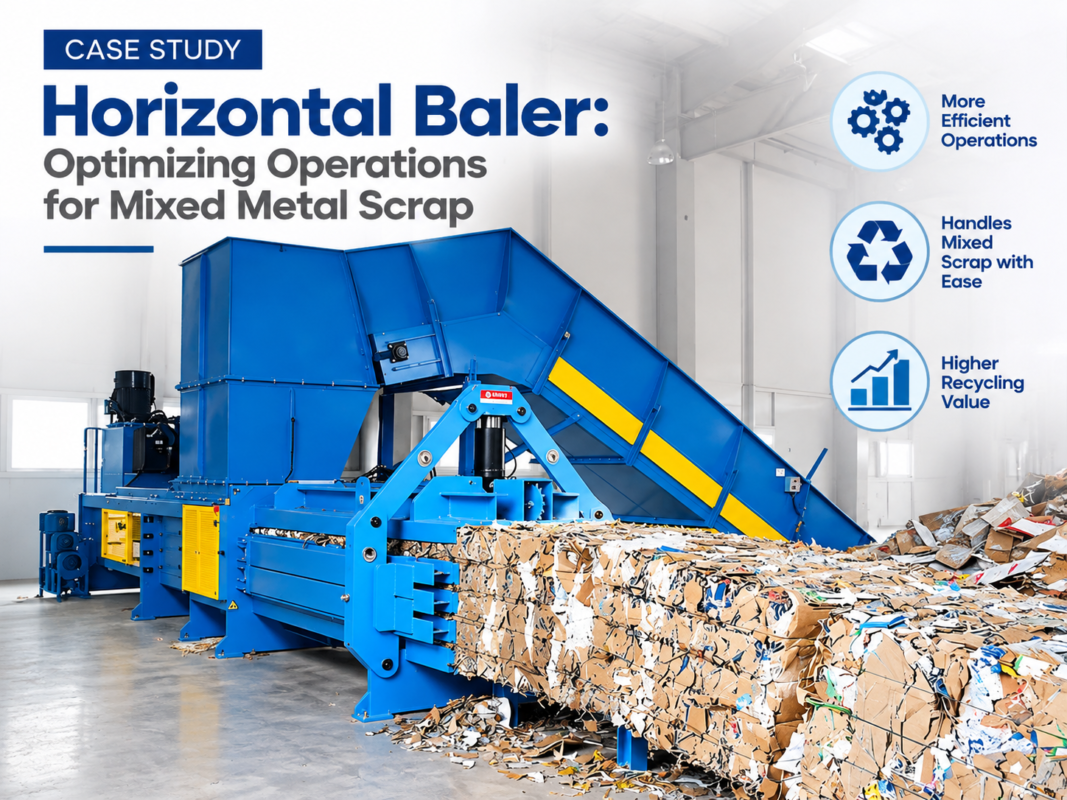
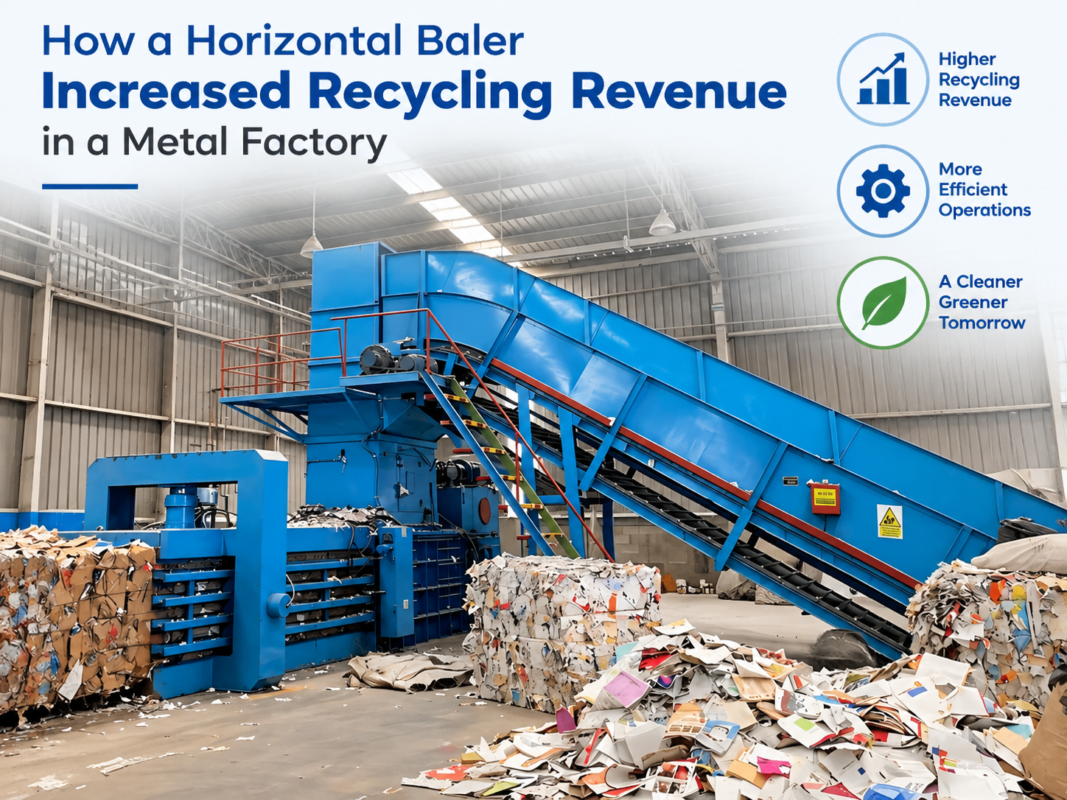
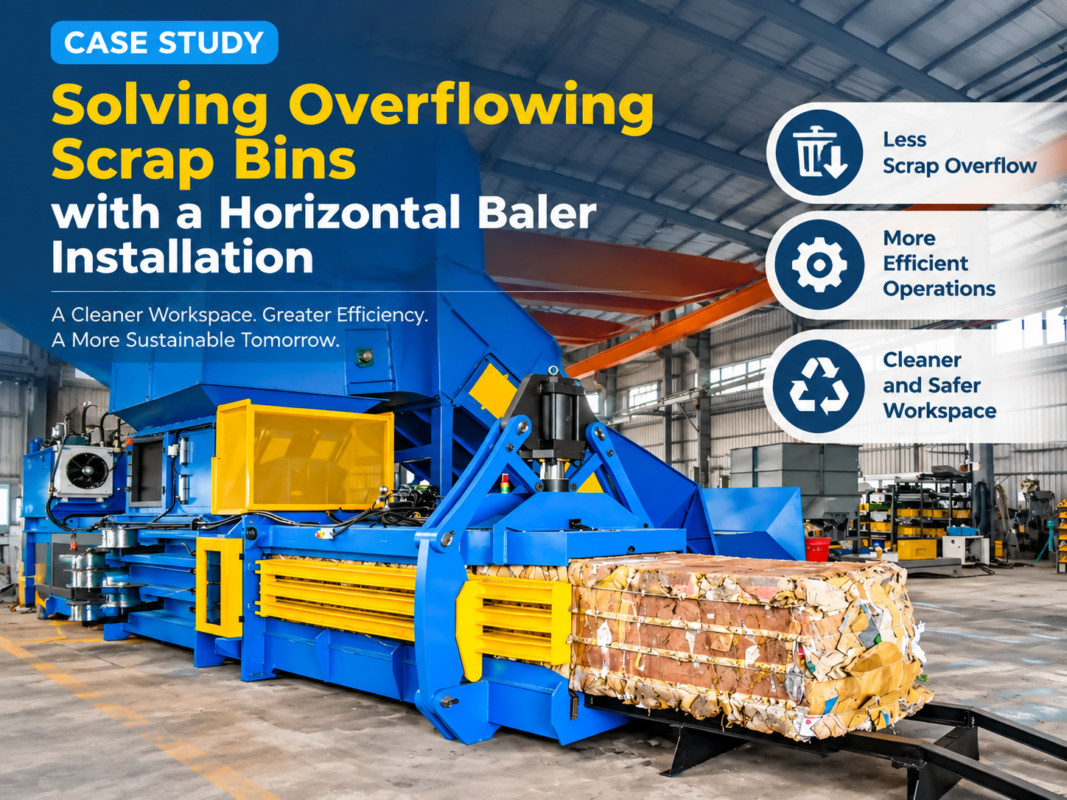
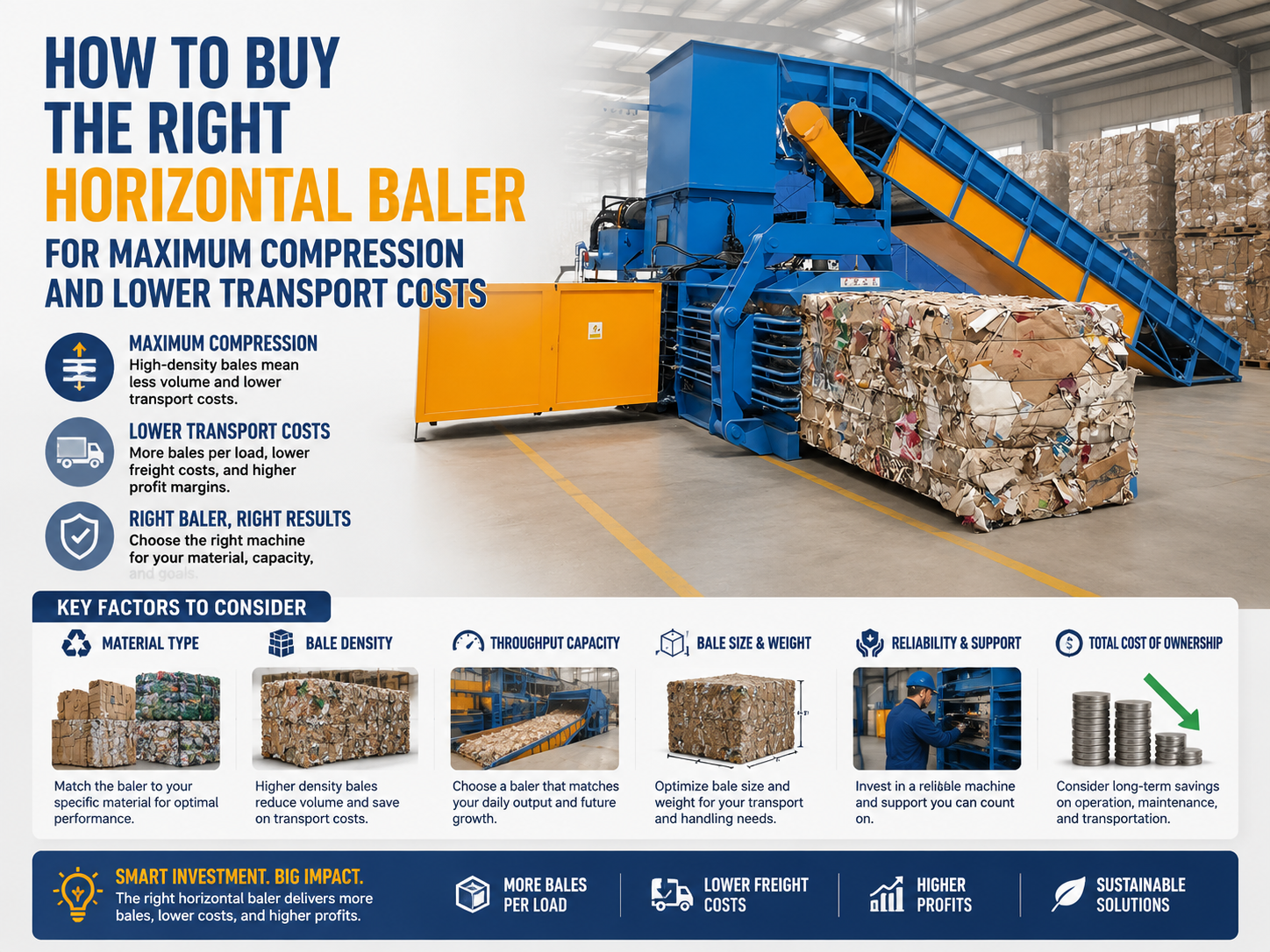
In the modern industrial landscape, waste management is no longer just a matter of disposal; it is a critical component of supply chain optimization. For businesses dealing with high volumes of recyclable materials—such as cardboard, plastics, paper, and non-ferrous metals—the ability to Buy Horizontal Baler Maximum Compression Lower Transport Costs is a strategic investment that directly impacts the bottom line. A horizontal baler is a powerful piece of machinery designed to compress loose waste into dense, manageable blocks known as bales. Unlike vertical balers, which are often limited by manual loading and lower throughput, horizontal models offer continuous feeding and significantly higher compression forces.
The primary goal of investing in a high-quality horizontal baler is to maximize the density of each bale. Higher density means more weight can be packed into a single transport vehicle, whether it is a standard truck or a shipping container. In an era where fuel prices and logistics fees are volatile, reducing the number of trips required to move waste can save a company tens of thousands of dollars annually. This guide will walk you through the complexities of selecting the right machine, understanding the cost structures, and ensuring your configuration is optimized for maximum ROI.
Price Range Overview: What to Expect
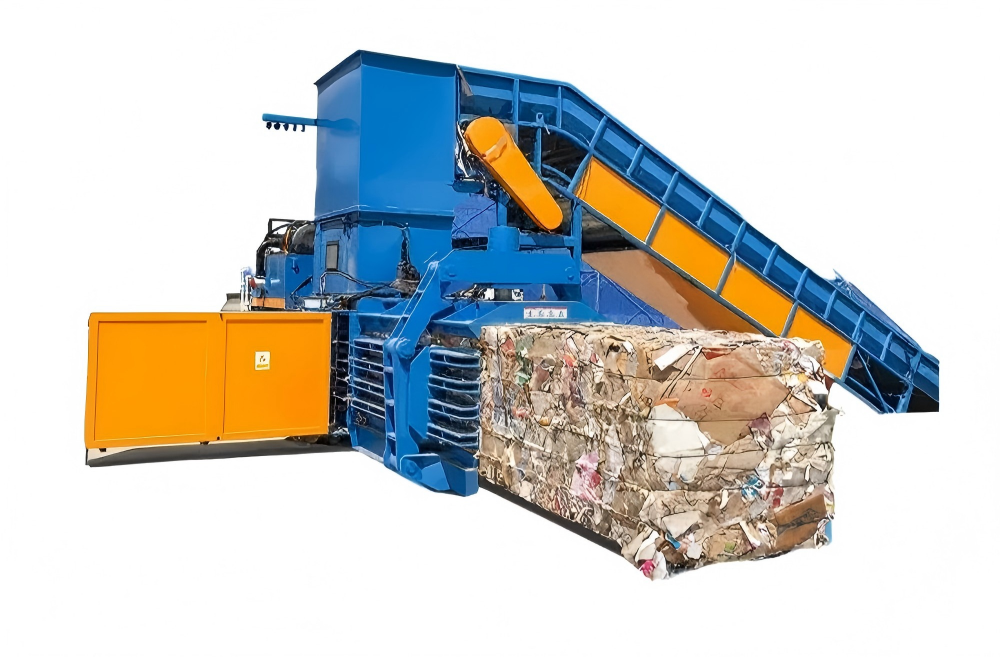
When you look to Buy Horizontal Baler Maximum Compression Lower Transport Costs, the price range can be quite broad, reflecting the diversity in capacity and automation. Generally, horizontal balers are categorized into three main price tiers. Entry-level semi-automatic horizontal balers typically range from $20,000 to $45,000. These machines are ideal for medium-sized facilities that process 1 to 3 tons of material per hour. They require manual tying of the bales but offer the structural integrity needed for consistent compression.
Mid-range industrial balers, often featuring automatic tying systems and larger feed hoppers, fall between $50,000 and $120,000. These machines are the workhorses of the recycling industry, capable of handling 5 to 10 tons per hour. They are designed for continuous operation and often include advanced PLC controls to optimize the compression cycle based on the material type. For large-scale municipal recycling centers or massive manufacturing plants, high-capacity heavy-duty balers can exceed $150,000. These units feature massive hydraulic cylinders, high-horsepower motors, and sophisticated cooling systems to maintain 24/7 productivity.
Main Cost Drivers in Horizontal Baler Procurement
Understanding what drives the price of a horizontal baler is essential for making an informed purchase. The most significant cost driver is the hydraulic system. The tonnage of the machine—referring to the force exerted by the main ram—determines how much material can be squeezed into a specific volume. A 100-ton baler will naturally cost more than a 60-ton model because it requires larger cylinders, more robust pumps, and a heavier steel frame to withstand the internal pressures. To achieve maximum compression, you must invest in a machine with sufficient tonnage for your specific material density goals.
Another major factor is the level of automation. Manual-tie machines are cheaper upfront but require more labor. Automatic-tie (auto-tie) systems use complex needle and twister mechanisms to secure the bale without operator intervention. While this adds to the initial cost, it significantly reduces labor expenses and increases throughput. Additionally, the quality of the structural steel and the inclusion of wear-resistant liners (such as Hardox steel) in the compression chamber will influence the price. These features ensure the machine lasts for decades rather than years, providing a better long-term value proposition.
Configuration Impact on Compression and Transport
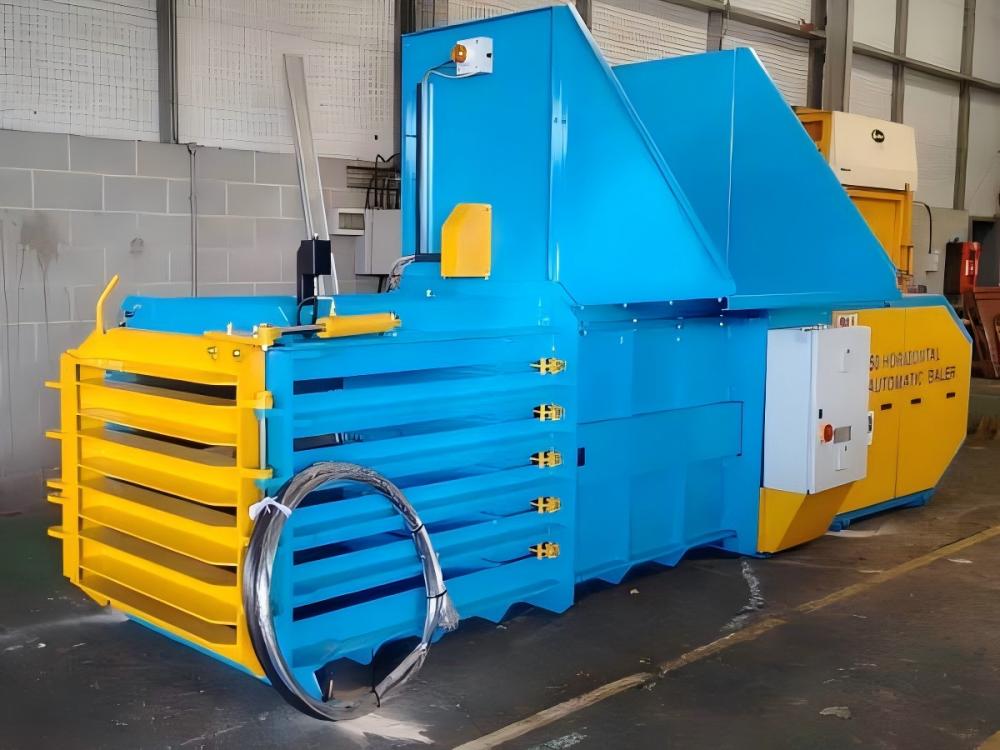
The configuration of your horizontal baler is the most critical factor in achieving lower transport costs. One of the first decisions is choosing between an open-end and a closed-end baler. Closed-end balers typically offer higher compression because the material is pressed against a solid steel door, allowing for extremely dense bales. However, they operate in cycles. Open-end balers allow for continuous extrusion, which is faster but requires a sophisticated tensioning system to maintain bale density. For materials like plastics that have high “memory” (the tendency to expand after being pressed), a closed-end configuration or a long-stroke cylinder is often preferred.
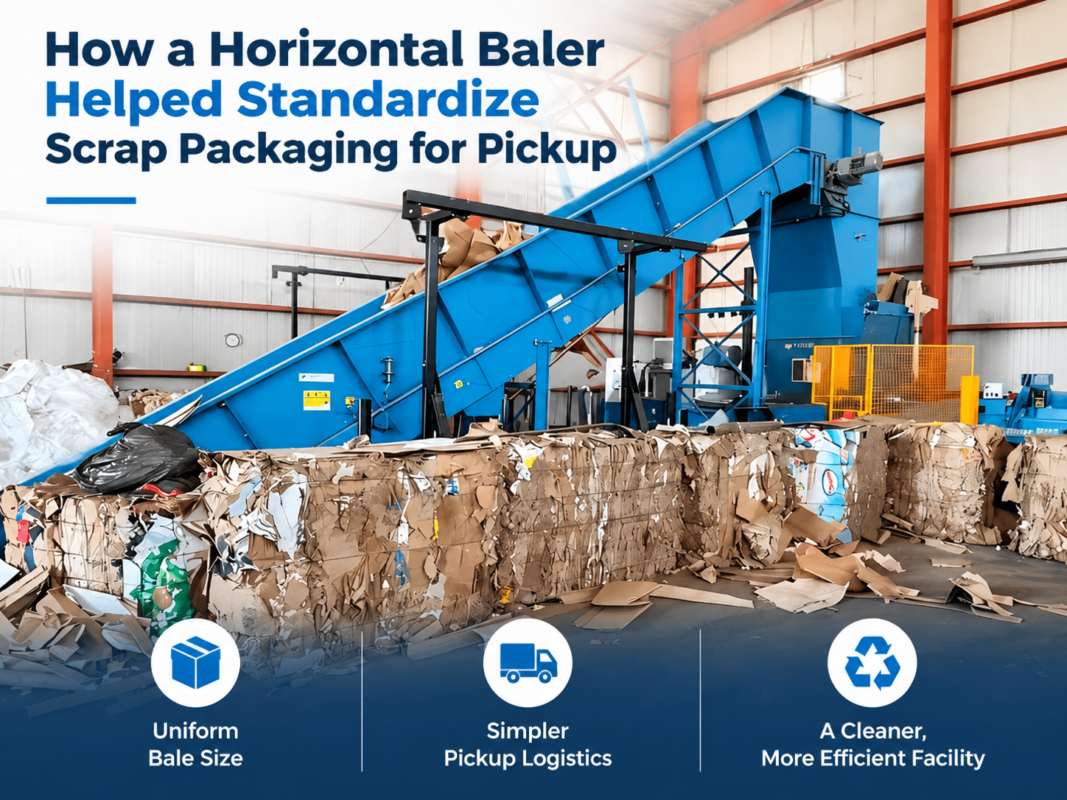
Bale size is another configuration detail that directly impacts logistics. Standardizing your bale dimensions to fit perfectly into a 40-foot high-cube container or a standard curtain-side truck is vital. If your bales are too wide, you lose space; if they are too light, you pay to ship air. A well-configured baler from a manufacturer like HARSLE allows you to adjust the bale length and tension settings to ensure every load reaches the maximum allowable weight for the transport vehicle. This optimization is the key to reducing the cost per ton of transported waste.
Hidden Costs to Consider Before Purchase
While the sticker price is the most visible expense, several hidden costs can affect the total cost of ownership. Installation and commissioning are often overlooked. A horizontal baler is a massive piece of equipment that may require specialized rigging, electrical upgrades to your facility (such as 480V three-phase power), and a reinforced concrete pad to handle the vibration and weight. These preparatory steps can add thousands to your initial budget.
Consumables and maintenance also represent ongoing costs. For auto-tie machines, the cost of baling wire can be significant over a year of high-volume production. Furthermore, hydraulic oil requires regular filtration and replacement to protect the pumps and valves. You should also factor in the cost of replacement parts like shear blades and wear plates. Choosing a manufacturer that provides a comprehensive spare parts kit and has a responsive service department can mitigate these hidden costs by reducing downtime and extending the machine’s lifespan.
ROI Calculation: Proving the Value
To justify the decision to Buy Horizontal Baler Maximum Compression Lower Transport Costs, you must perform a Return on Investment (ROI) calculation. Start by analyzing your current transport costs. If you are currently shipping loose or poorly baled material, calculate the number of truckloads required per month. For example, if you ship 100 tons of cardboard per month at 10 tons per truck, you need 10 trips. If a high-compression horizontal baler allows you to increase bale density so that each truck carries 20 tons, you reduce the trips to 5.
If each trip costs $500, you save $2,500 per month in transport alone. Over a year, that is $30,000. When you add the increased market value of high-density bales (recyclers often pay a premium for dense, well-shaped bales) and the reduction in labor costs from automation, a $100,000 machine can often pay for itself in less than 24 to 36 months. This calculation makes the horizontal baler one of the most financially sound investments in the waste management sector.
Buying Advice: Selecting the Right Partner
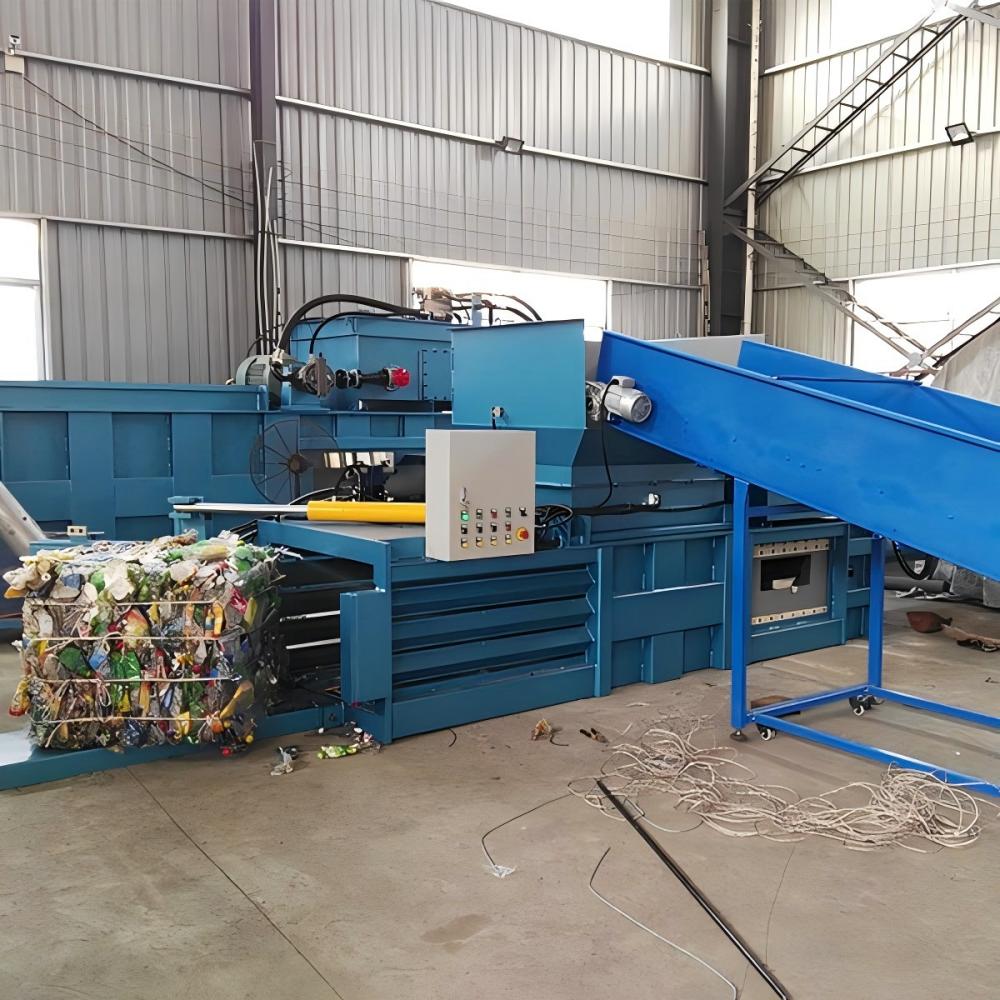
When you are ready to purchase, selecting the right manufacturer is as important as the machine’s specs. Look for a company like HARSLE that has a proven track record in metal fabrication and industrial machinery. A good manufacturer will ask you detailed questions about your material type, daily volume, and facility layout before recommending a model. They should provide technical drawings and performance guarantees regarding bale density and cycle times.
Always request a demonstration or video of the machine processing your specific material. Different materials behave differently under pressure; for instance, PET bottles require a different shear blade configuration than OCC (Old Corrugated Containers). Ensure the machine uses globally recognized components for its PLC (like Siemens or Schneider) and hydraulics (like Rexroth or Vickers). This ensures that if a minor component fails, you can find a replacement locally, minimizing operational downtime. Finally, verify the warranty terms and the availability of remote technical support, which is increasingly common and helpful in modern industrial settings.
Frequently Asked Questions (FAQ)
1. How does bale density affect the price I get from recyclers?
Recyclers prefer high-density bales because they are easier to handle, store, and process. Dense bales also mean the recycler spends less on their own transport. Consequently, many recycling facilities offer a higher price per ton for bales that meet specific density and size standards, directly increasing your revenue.
2. Can one horizontal baler handle multiple types of material?
Yes, most modern horizontal balers are versatile. However, you may need to adjust the pressure settings and cycle times via the PLC touch screen when switching from cardboard to plastic. Some machines also feature different “modes” programmed into the software to optimize compression for various materials automatically.
3. What is the average lifespan of a HARSLE horizontal baler?
With proper maintenance, a high-quality horizontal baler can last 15 to 20 years or more. The key to longevity is regular hydraulic oil changes, keeping the shear blades sharp, and replacing wear liners before they damage the main structural frame. HARSLE machines are built with heavy-duty steel to ensure they withstand the rigors of daily industrial use.
4. Is an automatic-tie system worth the extra investment?
If your facility processes more than 5 tons of material per day, an automatic-tie system is almost always worth the investment. The labor savings alone usually cover the additional cost within the first year. It also ensures a more consistent bale, which is safer for stacking and transport.
5. How much space is required for a horizontal baler installation?
Horizontal balers have a large footprint, often ranging from 20 to 40 feet in length, plus additional space for the conveyor system and bale discharge area. You also need to allow for a “clear zone” around the machine for maintenance and forklift access. Always review the floor plan with the manufacturer before finalizing your purchase.
6. How do I know what tonnage I need for maximum compression?
The required tonnage depends on the material’s elasticity and the desired bale density. For cardboard, 60-80 tons is usually sufficient. For tougher materials like plastic film or non-ferrous metals, 100-120 tons or more may be required to reach the density needed for lower transport costs. Consult with HARSLE engineers to match the tonnage to your specific goals.