Horizontal Baler Selection Guide for Metal Fabrication Facilities: Key Factors to Compare Before Buying

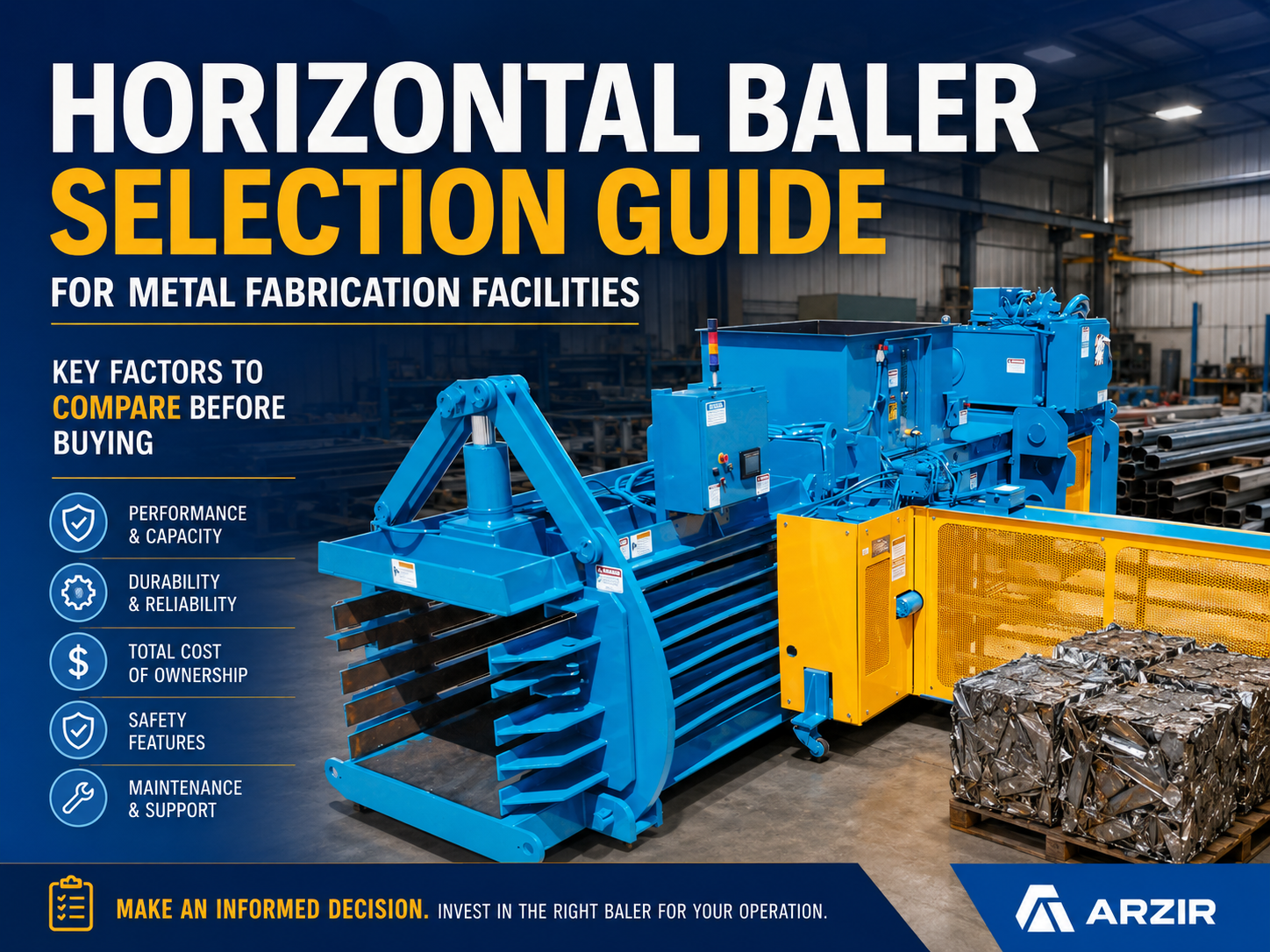
Introduction to Horizontal Baler Selection for Metal Fabrication
In the modern metal fabrication landscape, efficiency is not just about how fast you can cut or weld; it is also about how effectively you manage the byproduct of your production. Scrap metal, offcuts, and packaging waste can quickly overwhelm a facility floor, creating safety hazards and logistical nightmares. This is where the horizontal baler becomes an indispensable asset. Unlike vertical balers, which are often limited by manual loading and lower throughput, horizontal balers offer the high-capacity, automated processing required by industrial-scale metal fabrication facilities.
Choosing the right machine, however, is a complex process. The market is flooded with various models, each boasting different hydraulic pressures, cycle times, and automation levels. A mismatch between your facility’s needs and the machine’s capabilities can lead to underutilization or, conversely, frequent mechanical failures due to overloading. This guide aims to provide a deep dive into the Horizontal Baler Selection Metal Fabrication Facilities: Key Factors Compare Before Buying, ensuring that your investment yields the highest possible return while streamlining your waste management workflow.
Price Range Overview: Understanding the Investment Tiers
When beginning your search for a horizontal baler, the first hurdle is often the wide variance in pricing. Industrial horizontal balers generally fall into three primary price tiers, each defined by its capacity, durability, and level of automation. Understanding these tiers helps facility managers align their budgetary constraints with their operational requirements.
Entry-Level Horizontal Balers ($20,000 – $45,000)
Entry-level models are typically manual-tie machines. They are designed for facilities that generate a moderate amount of waste—perhaps 1 to 3 tons per day. These machines often feature smaller hydraulic cylinders and lower motor horsepower. While they are significantly more efficient than vertical balers, they still require a dedicated operator to thread the bale wire and secure the bale. They are ideal for smaller fabrication shops focusing on light-gauge aluminum or cardboard packaging waste.
Mid-Range Industrial Balers ($50,000 – $95,000)
The mid-range category is where most medium-to-large metal fabrication facilities find their ideal match. These machines often include semi-automatic features or basic auto-tie systems. They boast higher ram pressure (60 to 100 tons) and faster cycle times. At this price point, you begin to see more robust construction, such as Hardox wear liners and more sophisticated PLC (Programmable Logic Controller) systems that allow for better material handling and troubleshooting.
High-End, High-Volume Systems ($100,000 – $250,000+)
For facilities operating 24/7 or those processing massive volumes of heavy-gauge scrap, high-end horizontal balers are a necessity. These systems are fully automated, featuring advanced auto-tie mechanisms, integrated conveyor feeds, and massive hydraulic power (120+ tons). They are built to produce high-density bales that maximize shipping container weights, directly impacting the scrap value you receive from recyclers. These machines are often customized to fit specific facility layouts and material types.
Main Cost Drivers in Horizontal Baler Procurement
The sticker price of a horizontal baler is driven by several technical specifications. When you compare before buying, it is essential to look beyond the base price and evaluate the components that contribute to the machine’s longevity and performance.
- Hydraulic System Sophistication: The heart of the baler is its hydraulic system. High-quality pumps (such as Rexroth or Vickers) and oversized cylinders increase the initial cost but significantly reduce long-term maintenance and energy consumption. The complexity of the manifold and the inclusion of oil cooling systems also drive costs upward.
- Structural Steel and Wear Liners: Metal fabrication scrap is abrasive. A baler built with standard mild steel will wear out quickly. Premium machines use high-tensile steel frames and replaceable wear liners made of Hardox or similar abrasion-resistant materials. The thickness of the floor and side plates is a direct indicator of the machine’s lifespan.
- Motor Horsepower and Efficiency: A 20HP motor will cost less than a 50HP motor, but it will also result in slower cycle times. Furthermore, the use of IE3 high-efficiency motors adds to the upfront cost but pays for itself through reduced electrical bills in high-volume environments.
- Automation and Control Systems: A machine with a basic button interface is cheaper than one with a Siemens or Schneider Electric PLC and a full-color HMI (Human Machine Interface). However, the latter allows for remote diagnostics, bale weight tracking, and automated material selection, which are critical for modern industrial operations.

Configuration Impact: Tailoring the Machine to Your Material
The configuration of your horizontal baler must match the specific type of scrap your facility produces. Metal fabrication involves a variety of materials, from thin aluminum shavings to thick steel offcuts. Each requires a different approach to baling.
Shear Blade vs. Non-Shear Models
In metal fabrication, a shear-blade horizontal baler is often preferred. As the ram pushes material into the baling chamber, a heavy-duty blade shears off any overhanging scrap. This prevents jams and ensures a uniform bale shape. Non-shear models are generally cheaper but are better suited for uniform materials like cardboard or plastic film. If your scrap includes long strips of metal or irregular shapes, a shear blade is a non-negotiable configuration factor.
Feed Opening and Hopper Design
The size of the feed opening determines the maximum size of the scrap you can process without pre-shredding. A larger hopper allows for bulk loading via forklift or conveyor, which reduces labor costs. For metal fabrication facilities, a flared hopper design is often used to prevent “bridging,” where scrap gets stuck at the top of the opening instead of falling into the chamber.
Auto-Tie vs. Manual Tie Systems
The decision between auto-tie and manual tie is primarily driven by volume. An auto-tie system uses a needle and twister mechanism to secure the bale without operator intervention. This is essential for high-throughput environments. However, auto-tie systems are more complex and require specific types of baling wire. Manual tie systems are simpler and more versatile but significantly slower, requiring the machine to stop while the operator secures the bale.
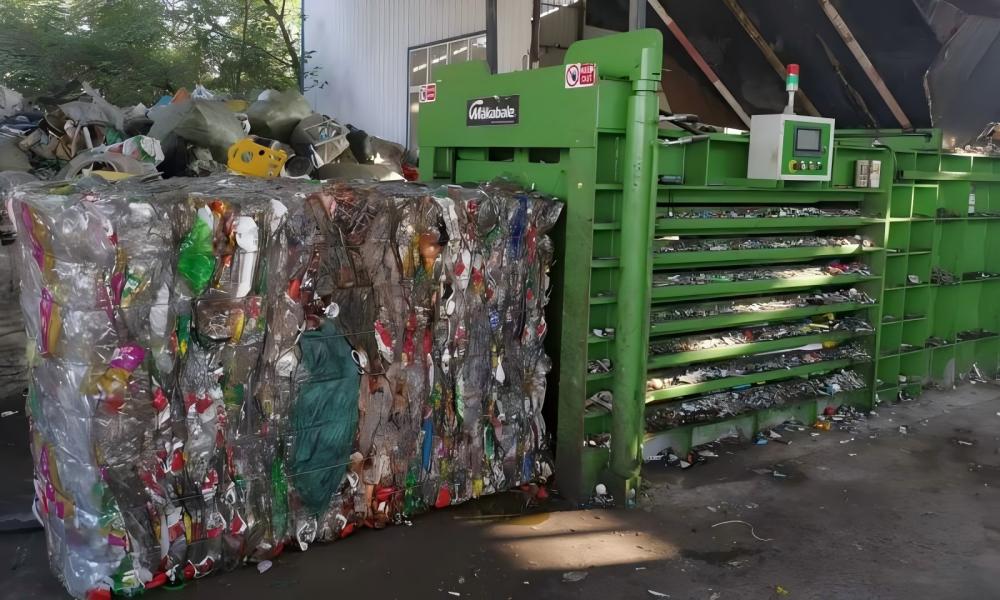
Hidden Costs: What the Quote Might Not Show
When evaluating the Horizontal Baler Selection Metal Fabrication Facilities: Key Factors Compare Before Buying, many buyers overlook the secondary costs associated with commissioning and operating the machine. These can add 10% to 20% to the total project cost.
- Freight and Rigging: Horizontal balers are massive pieces of equipment. Shipping them requires specialized heavy-haul trucking. Once at your facility, you will likely need a professional rigging crew and a high-capacity forklift or crane to position the machine.
- Electrical Infrastructure: High-performance balers require significant power. You may need to upgrade your facility’s electrical panel, install new breakers, or run heavy-gauge conduit to the machine’s location. Always check the Full Load Amps (FLA) of the machine before purchasing.
- Hydraulic Oil: A large horizontal baler can require hundreds of gallons of hydraulic oil. This is rarely included in the purchase price and represents a significant initial expense. Furthermore, the oil must be filtered and changed periodically.
- Consumables and Wear Parts: Baling wire is a recurring cost. Additionally, you must budget for the replacement of shear blades, wear liners, and hydraulic seals. Choosing a machine with readily available, non-proprietary parts can save thousands in the long run.
ROI Calculation: Justifying the Purchase
A horizontal baler is a significant capital expenditure, but its Return on Investment (ROI) is often surprisingly fast. To calculate the ROI, you must look at three primary areas: labor savings, transportation costs, and scrap value.
Labor Savings
How many man-hours are currently spent handling scrap? If your employees are manually loading small bins or struggling with an undersized vertical baler, the labor costs are likely high. A horizontal baler with a conveyor feed can reduce scrap handling labor by 70% or more. Multiply the hours saved by the average hourly wage (including benefits) to find your annual labor savings.
Transportation and Logistics
Recyclers pay more for material that is easy to transport. Loose scrap is “light,” meaning a truck might reach its volume capacity long before it reaches its weight capacity. Baled scrap is dense. By maximizing the weight of every truckload, you reduce the number of trips required, significantly lowering transportation fees or increasing the credit you receive from the scrap yard.
Increased Scrap Value
Many scrap processors offer a premium for “mill-ready” bales. Because the material is already densified and sorted, the processor has less work to do and can pass some of that value back to you. In some cases, the difference between loose scrap prices and baled scrap prices can be as much as 20% to 30%.
Buying Advice: A Checklist for Facility Managers
Before signing a purchase order, use this checklist to ensure the Horizontal Baler Selection Metal Fabrication Facilities: Key Factors Compare Before Buying process is thorough:
- Material Audit: Exactly what are you baling? Get samples of your toughest scrap and send them to the manufacturer for a test bale.
- Volume Assessment: Don’t just look at today’s volume. Consider your growth projections for the next 5 years. It is cheaper to buy a slightly larger machine now than to replace an undersized one in two years.
- Space Constraints: Measure your floor space, including the “bale out” area where the finished bales will exit the machine. Ensure there is enough clearance for maintenance access.
- Vendor Reputation: Does the manufacturer offer local support? How quickly can they ship replacement parts? Companies like HARSLE provide extensive documentation and support, which is vital for minimizing downtime.
- Safety Features: Ensure the machine meets all OSHA and ANSI standards. Look for interlocked gates, emergency stop buttons at multiple locations, and proper guarding for all moving parts.
Frequently Asked Questions (FAQ)
What is the difference between a closed-door and an open-end horizontal baler?
A closed-door baler has a manual or hydraulic door that stays shut until the bale is complete, allowing for extremely high density. It is ideal for difficult materials like plastic or springy metal. An open-end baler (often auto-tie) uses a long extrusion channel to create tension, allowing for continuous baling without stopping to open a door.
How often does a horizontal baler require maintenance?
Daily checks should include oil levels and safety interlocks. Monthly maintenance involves greasing pivot points and checking bolt tightness. A comprehensive hydraulic system service, including oil filtration and seal inspection, should be performed annually or every 2,000 operating hours.
Can one baler handle both aluminum and steel scrap?
Yes, but the settings may need to be adjusted. Steel requires more pressure and is more abrasive, while aluminum is lighter and may require different shear blade clearances. Modern PLCs often allow you to save “recipes” for different materials to optimize performance.
Is an auto-tie system worth the extra cost?
If you are producing more than 5 bales per day, an auto-tie system usually pays for itself within 18 to 24 months through labor savings alone. For lower volumes, a manual-tie horizontal baler is often a more cost-effective choice.
What electrical requirements should I expect?
Most industrial horizontal balers run on 3-phase power (208V, 230V, or 460V). The amperage requirement can range from 60A to over 200A depending on the motor size. Always consult with a licensed electrician during the selection process.
Conclusion
Selecting a horizontal baler for a metal fabrication facility is a strategic decision that impacts operational efficiency, safety, and profitability. By focusing on the Horizontal Baler Selection Metal Fabrication Facilities: Key Factors Compare Before Buying—including hydraulic power, structural integrity, and automation levels—you can choose a machine that not only handles your current waste stream but also scales with your business. Remember that the cheapest machine is rarely the most cost-effective over its lifespan. Invest in quality, prioritize safety, and ensure your chosen vendor provides the support necessary to keep your facility running at peak performance.