Where Scrap Metal Balers Are Used in Modern Recycling and Waste Management: A Comprehensive Guide

Introduction to Modern Scrap Metal Management
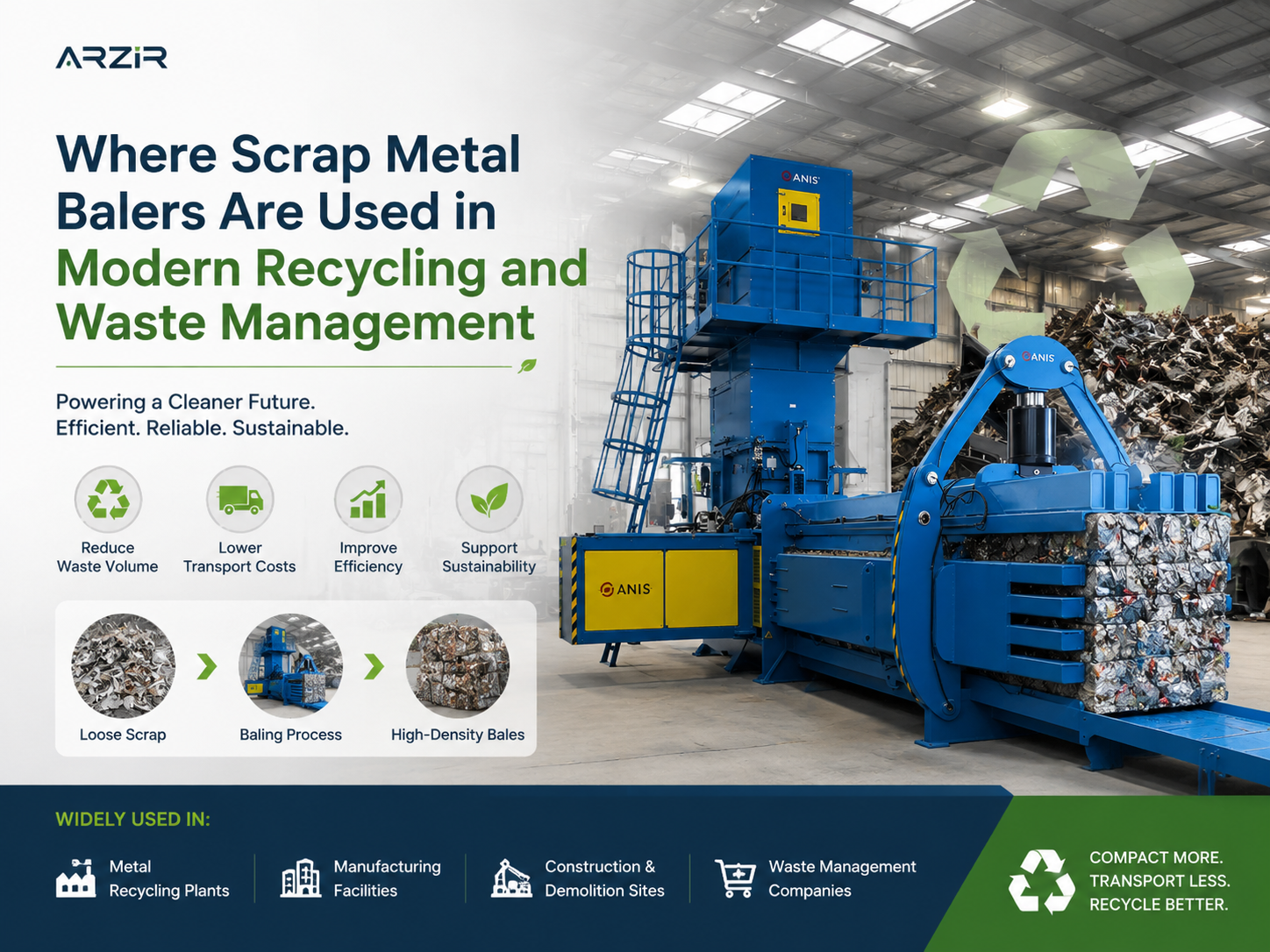
In the contemporary industrial landscape, the management of waste materials has transitioned from a secondary concern to a primary operational pillar. As global sustainability goals become more stringent, the role of efficient recycling machinery has never been more critical. Among these, the scrap metal baler stands out as a cornerstone technology. Understanding where scrap metal balers are used in modern recycling waste management is essential for any facility looking to optimize its logistics, reduce its carbon footprint, and maximize the value of its metallic waste streams.
HARSLE, a leader in metal fabrication machinery, provides high-performance hydraulic balers designed to meet the rigorous demands of the 21st-century recycling industry. These machines are not merely compactors; they are sophisticated engineering solutions that transform loose, voluminous scrap into dense, manageable blocks. This transformation is the first and most vital step in the circular economy of metals, ensuring that materials like steel, aluminum, copper, and brass can be efficiently transported and remelted into new products.
The integration of advanced hydraulics, PLC control systems, and wear-resistant materials has allowed modern balers to operate in environments ranging from small-scale scrap yards to massive automotive manufacturing plants. By reducing the volume of waste by up to 90%, these machines solve the primary challenge of scrap management: the high cost of logistics and storage. In this guide, we will explore the diverse applications, technical requirements, and productivity benefits of implementing scrap metal balers in modern waste management workflows.
Application Scenarios: Where Scrap Metal Balers Are Used
1. Professional Scrap Recycling Centers
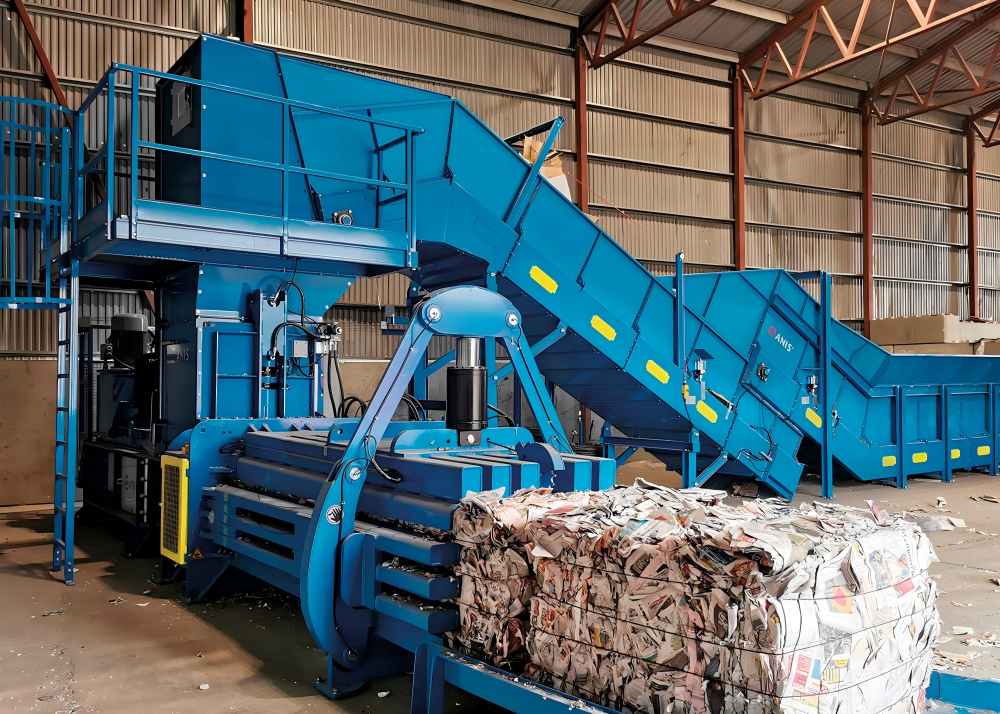
The most common location where scrap metal balers are used in modern recycling waste management is within dedicated scrap yards. These facilities act as hubs for collecting metal from various sources, including individuals, construction sites, and small businesses. In these environments, balers are used to process a wide variety of materials, from aluminum cans and copper wiring to heavy structural steel. The ability to quickly sort and bale these materials allows scrap yards to maintain a high turnover rate and provide refineries with standardized units of raw material.
2. Automotive Dismantling and Recycling
The automotive industry is one of the largest producers of scrap metal. When a vehicle reaches the end of its life, it is stripped of its fluids, engines, and electronics. The remaining chassis, often composed of high-strength steel and aluminum, is incredibly bulky. Scrap metal balers are used here to crush these car bodies into compact cubes. This process is vital for the efficient transport of end-of-life vehicles (ELVs) to shredding plants, where the metal is further refined. Without baling, the cost of transporting empty car shells would be economically unfeasible.
3. Manufacturing and Stamping Plants
Large-scale manufacturing facilities, particularly those involved in metal stamping, CNC machining, and fabrication, generate significant amounts of “prompt scrap.” This includes offcuts, skeletons from laser cutting, and metal shavings. By placing a scrap metal baler directly at the end of the production line, manufacturers can manage their waste in real-time. This keeps the factory floor clean, improves safety by removing sharp metal debris, and allows the company to sell its high-quality scrap directly to mills at a premium price.
4. Construction and Demolition Sites
Modern construction projects generate vast quantities of rebar, steel beams, and copper piping. During demolition, the volume of metal waste can be overwhelming. Portable or heavy-duty stationary balers are often deployed to these sites to process the metal on-site. This reduces the number of truck trips required to clear the site, significantly lowering the project’s logistics costs and environmental impact. It also ensures that valuable metals are not mixed with general construction debris, facilitating better recycling rates.
5. Municipal Waste Management Facilities
Municipalities are increasingly investing in metal recovery systems within their waste-to-energy or material recovery facilities (MRFs). After magnetic separators pull ferrous metals from the general waste stream, scrap metal balers are used to compress these items—such as food tins and household appliances—into bales. This allows local governments to turn a waste disposal cost into a revenue stream by selling the baled metal to industrial recyclers.
Material and Process Requirements
To understand how these machines function effectively, one must consider the specific material requirements they handle. Not all scrap is created equal, and the baling process must be tailored to the physical properties of the metal being processed. Modern recycling demands high-density bales that meet the specifications of smelting furnaces, which typically require a density of at least 15-20% of the metal’s solid density.
- Ferrous Metals: These include iron and steel. Because of their high tensile strength, ferrous metals require balers with significant hydraulic pressure (often exceeding 200 tons of force). The process must account for the “spring-back” effect, where the metal attempts to return to its original shape after compression.
- Non-Ferrous Metals: Aluminum, copper, and brass are softer but often more valuable. Balers for these materials focus on precision and preventing contamination. For example, an aluminum baler must be thoroughly cleaned if it previously processed lead to maintain the purity of the recycled material.
- Material Thickness: The thickness of the scrap determines the type of baler needed. Thin sheets can be processed by standard side-push balers, while thick structural beams may require a baler equipped with heavy-duty shear blades to cut the material as it is compressed.
- Bale Size Standards: Smelters and refineries have specific size requirements for their charging boxes. Common bale sizes include 300x300mm, 400x400mm, and 600x600mm. A modern baler must be configurable to produce these standardized dimensions consistently.
Recommended Machine Configuration for Modern Facilities
When selecting a machine for modern recycling and waste management, the configuration must balance power, efficiency, and automation. HARSLE recommends the following technical specifications for high-output environments:
| Component | Recommended Specification | Benefit |
|---|---|---|
| Hydraulic System | Dual-pump system with Rexroth or Vickers valves | Ensures consistent pressure and fast cycle times. |
| Control System | Siemens PLC with Touch Screen Interface | Allows for automated cycles and easy troubleshooting. |
| Wear Plates | Hardox 450 or 500 replaceable liners | Extends the life of the compression chamber against abrasive scrap. |
| Shear Blades | Integrated high-carbon steel blades | Cuts oversized scrap during the lid-closing phase. |
| Cooling System | Air or Water-cooled oil heat exchanger | Prevents overheating during 24/7 continuous operation. |
| Ejection Method | Side-push or Turn-out (Flip-out) | Optimizes the speed of removing the finished bale. |
Furthermore, modern configurations often include remote control capabilities, allowing a single operator to manage the baler from the safety of a crane or loader cabin. This integration is a hallmark of where scrap metal balers are used in modern recycling waste management, emphasizing safety and labor efficiency.
The Workflow: From Loose Scrap to Finished Bale
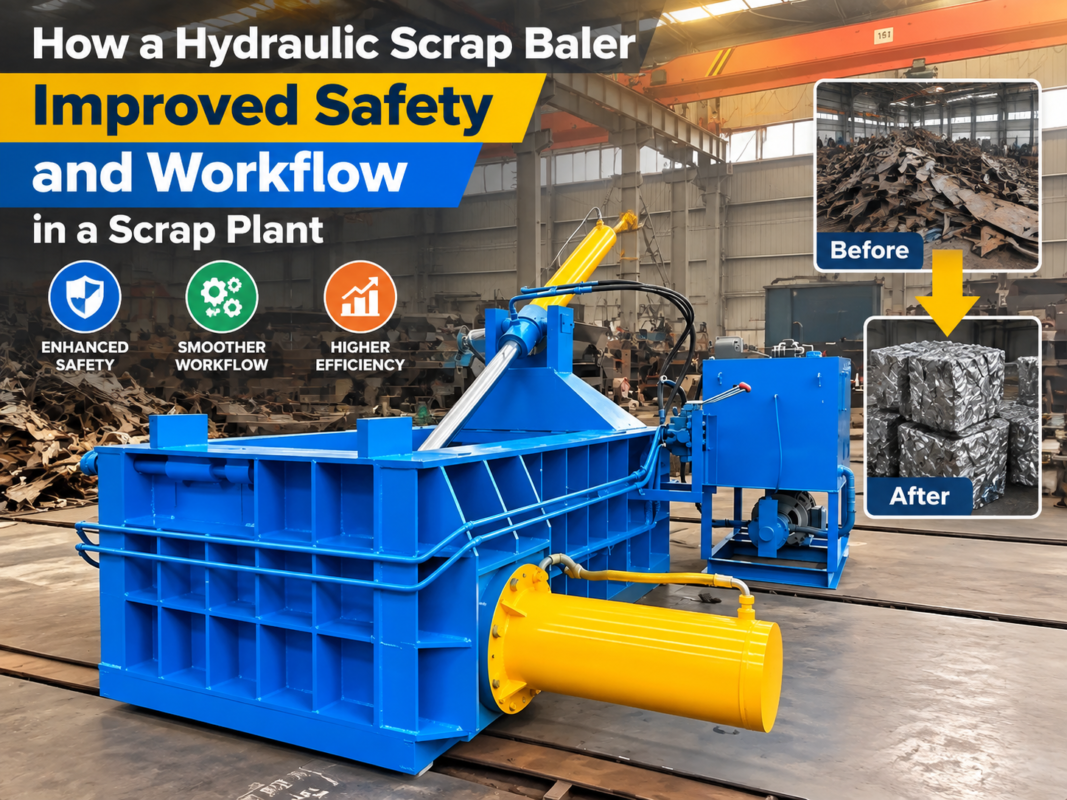
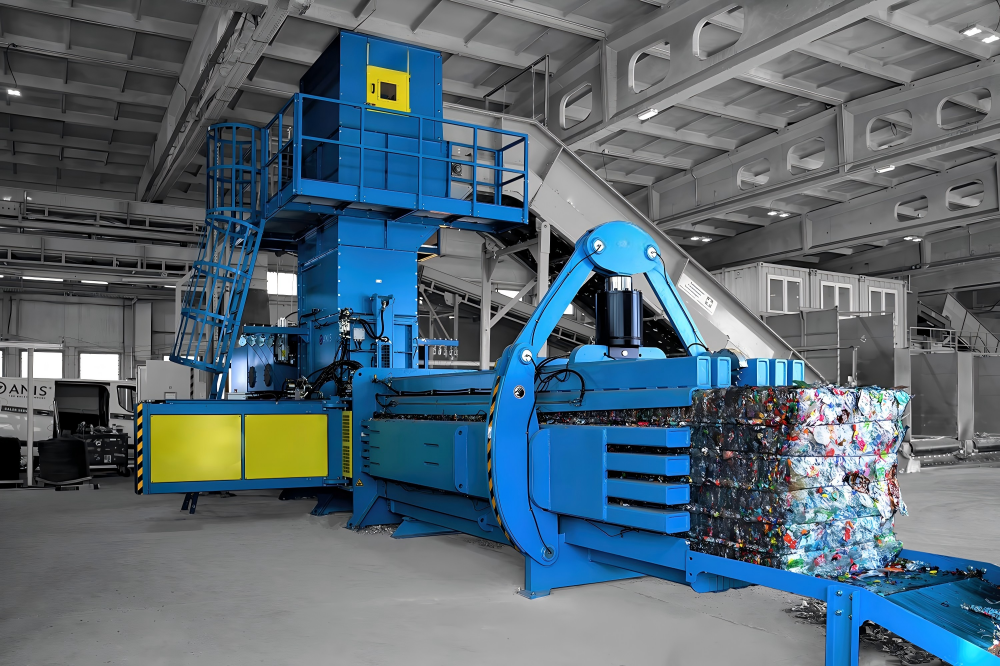
The operational workflow of a scrap metal baler is a marvel of hydraulic engineering. It involves several distinct stages that ensure the material is compacted to the highest possible density. Understanding this workflow helps operators maximize the throughput of their machinery.
- Feeding: Scrap is loaded into the compression chamber using a grapple, conveyor belt, or magnet. Modern balers feature large hopper openings to accommodate bulky items like appliances or car parts.
- Pre-Compression: Once the chamber is full, the lid (or the first ram) closes. In many HARSLE models, the lid is equipped with shear blades that trim any overhanging metal, ensuring a clean seal.
- Main Compression: The primary hydraulic cylinder moves forward, pushing the scrap against the end wall. This is where the bulk of the volume reduction occurs.
- Side Compression (Optional): In three-way balers, a side ram engages to further compress the metal from a different axis, resulting in an exceptionally dense and square bale.
- Bale Ejection: The chamber door opens, and the finished bale is either pushed out by the main ram (side-push) or flipped out by a dedicated mechanism (turn-out).
- Transport: The bale is moved to a storage area or directly onto a transport vehicle using a forklift or conveyor.
Productivity and Economic Benefits
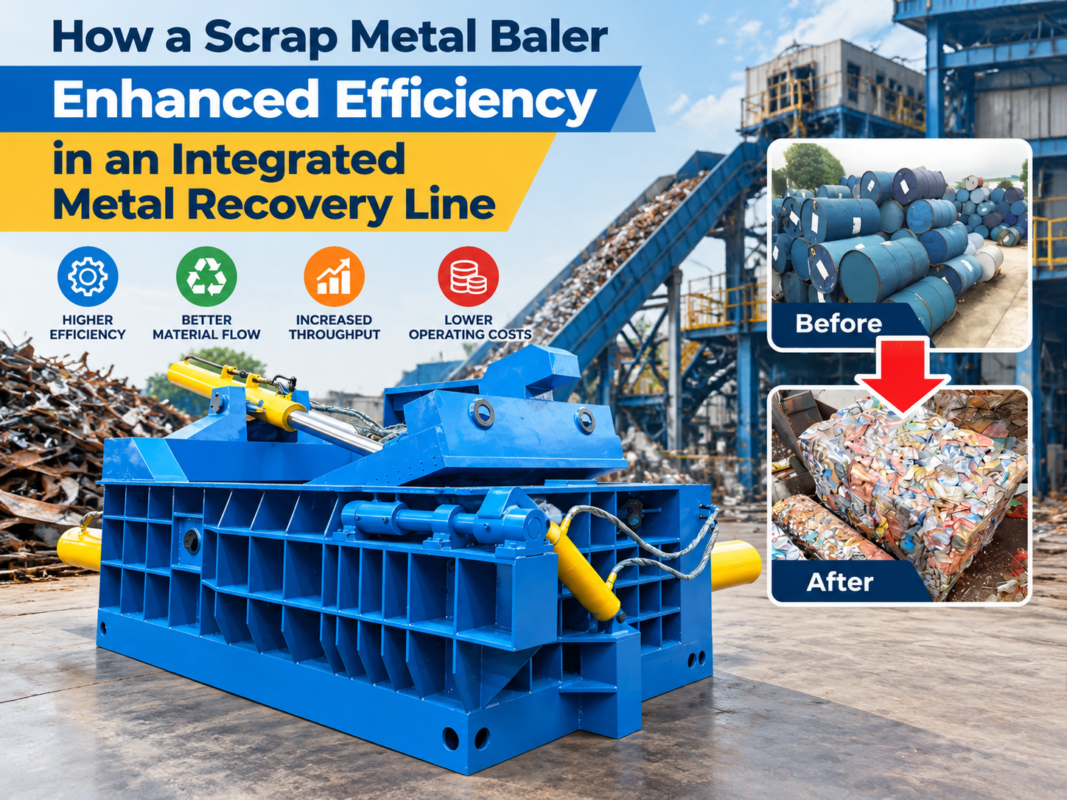
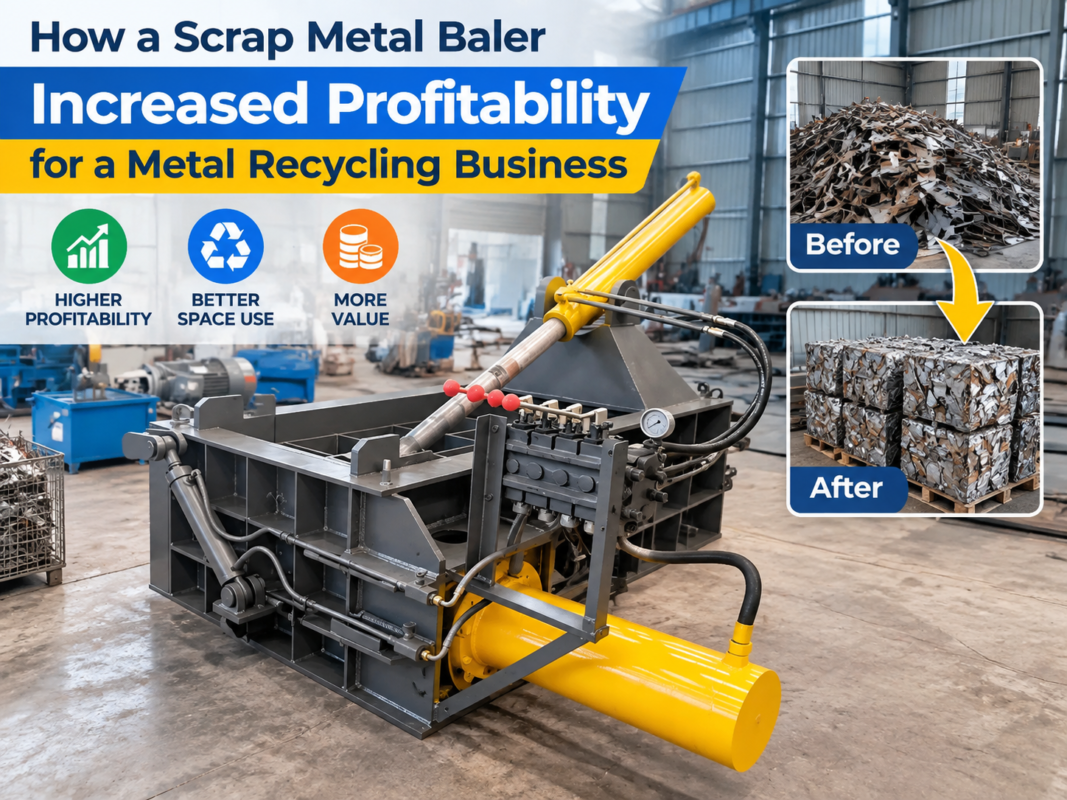
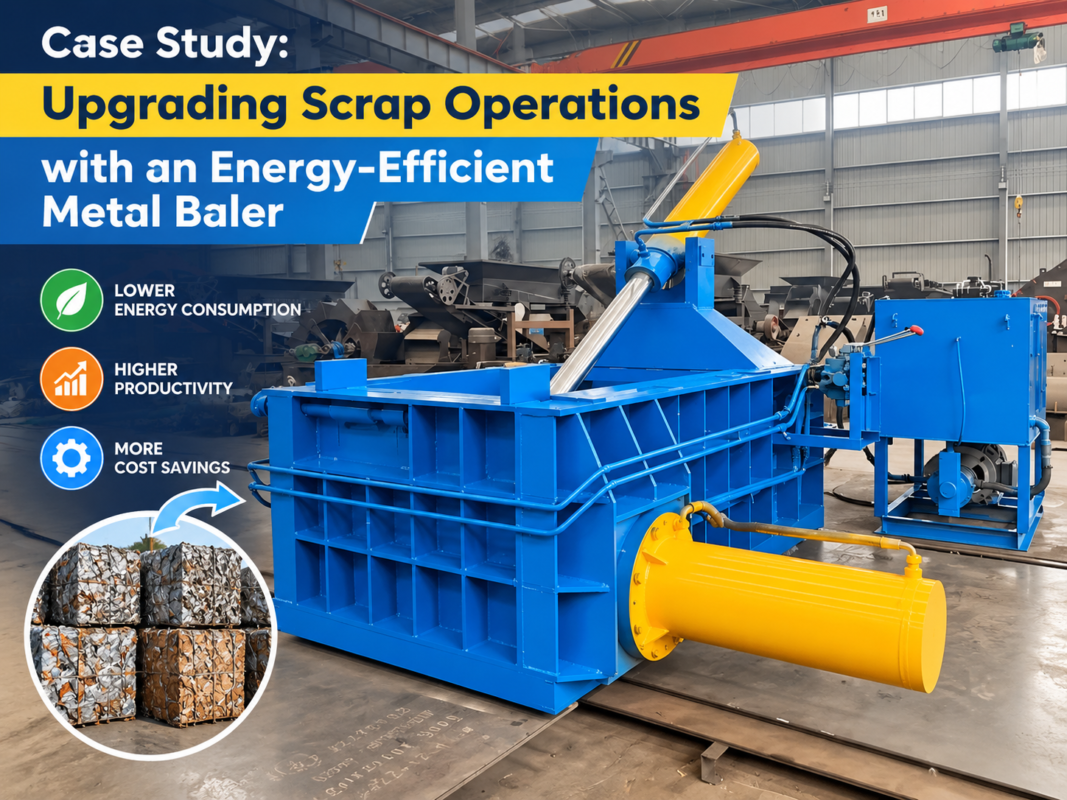
The primary reason why scrap metal balers are used in modern recycling waste management is the massive economic advantage they provide. The return on investment (ROI) for a high-quality baler is often realized within the first 12 to 18 months of operation through several key factors:
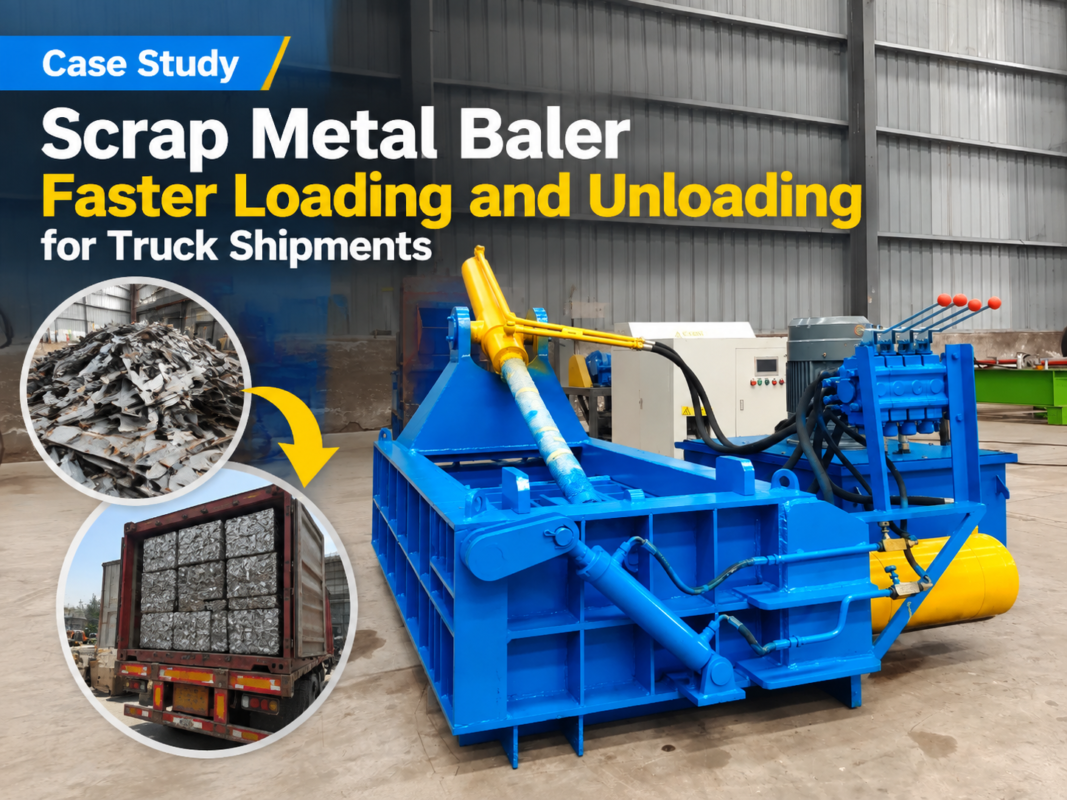
- Logistics Savings: Transporting loose scrap is essentially transporting air. A truck that can carry only 5 tons of loose aluminum might carry 20 tons of baled aluminum. This reduces fuel costs, driver hours, and the number of vehicles required.
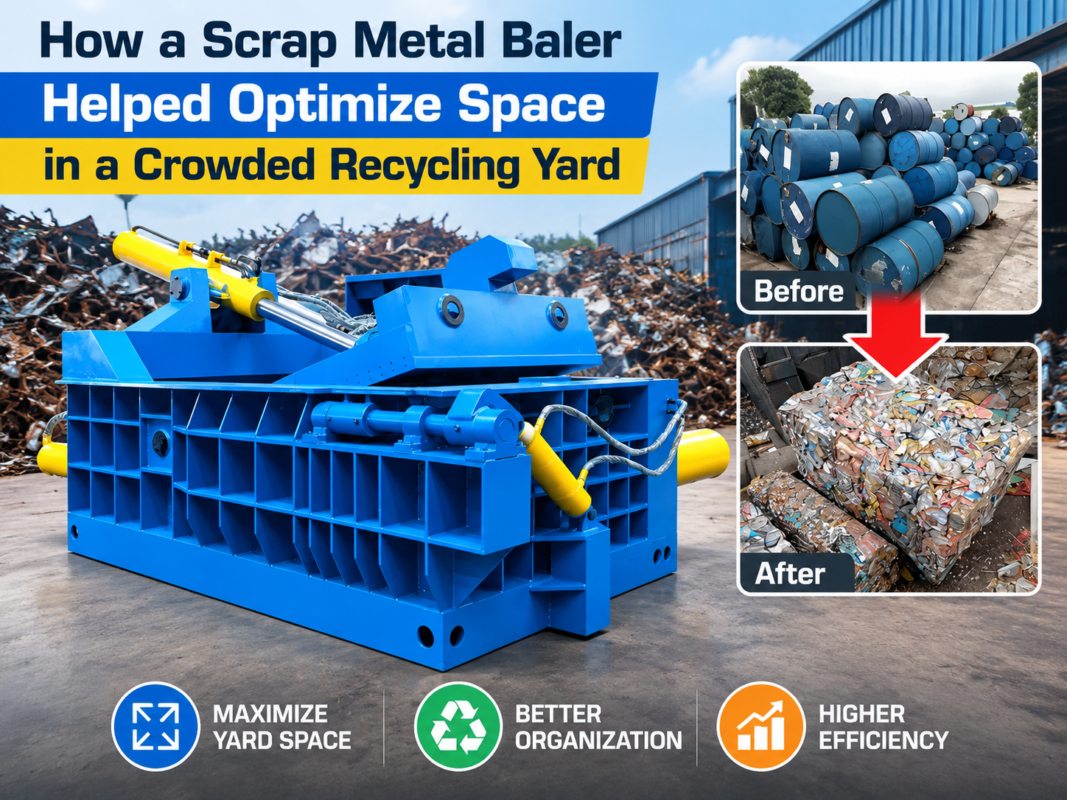
- Space Optimization: Scrap yards are often limited by physical space. Baling allows for vertical stacking of waste, increasing the storage capacity of a facility by 400-500%.
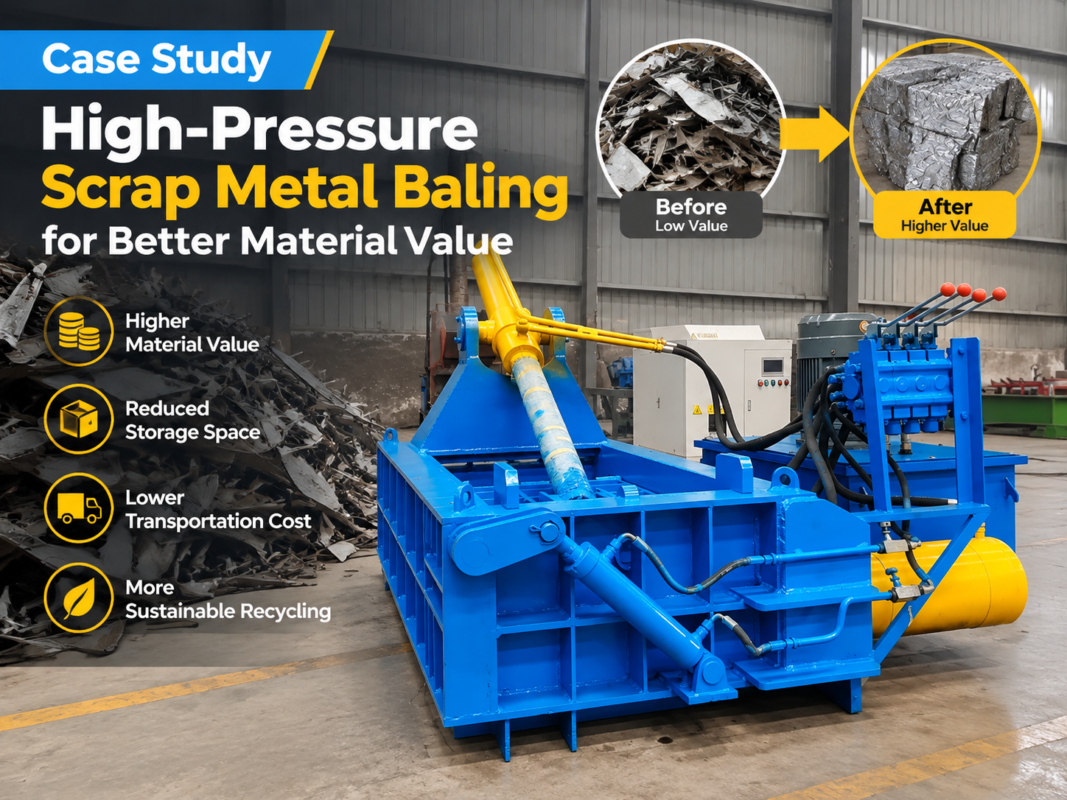
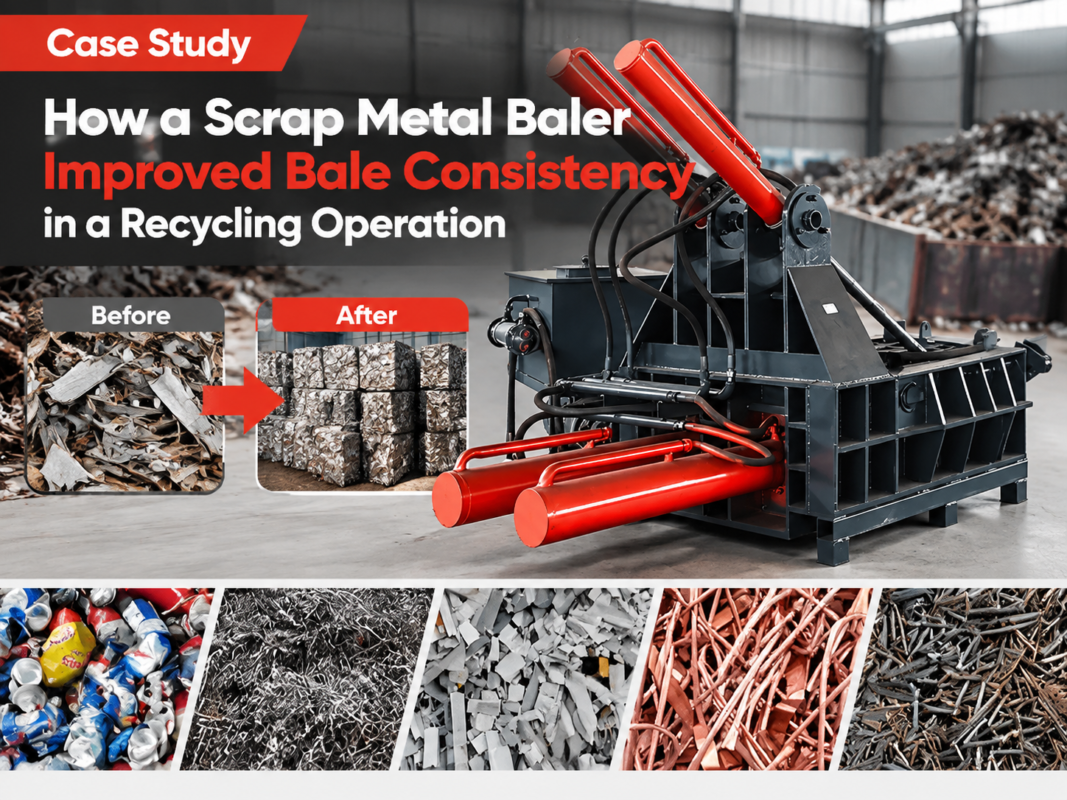
- Higher Resale Value: Refineries and mills pay a premium for baled scrap because it is easier to handle, has a known density, and fits perfectly into their melting furnaces. Loose scrap often incurs “processing fees” at the mill.
- Labor Efficiency: Automated baling systems reduce the need for manual sorting and cutting. A single operator can process tons of material per hour, significantly lowering the cost per ton of processed waste.
- Environmental Compliance: Many jurisdictions require scrap to be contained and managed to prevent soil contamination from residual oils or fluids. Baling makes it easier to store scrap on paved surfaces with proper drainage.
Case Example: HARSLE Y81 Series in Action
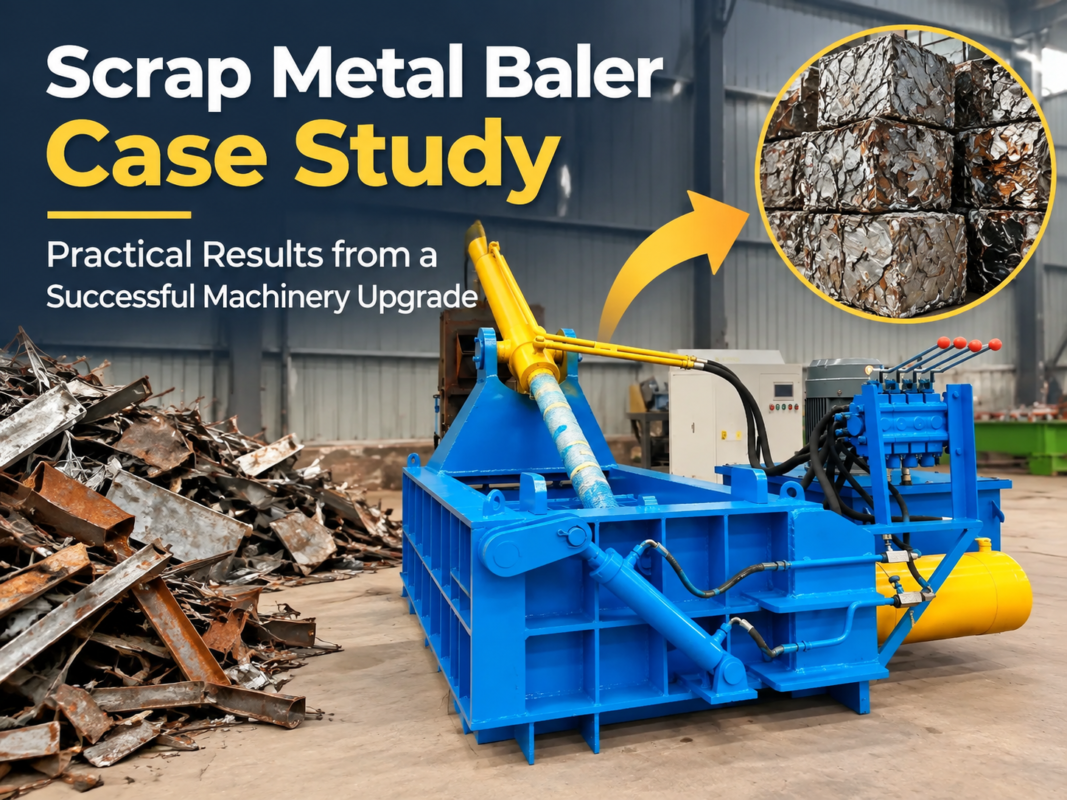
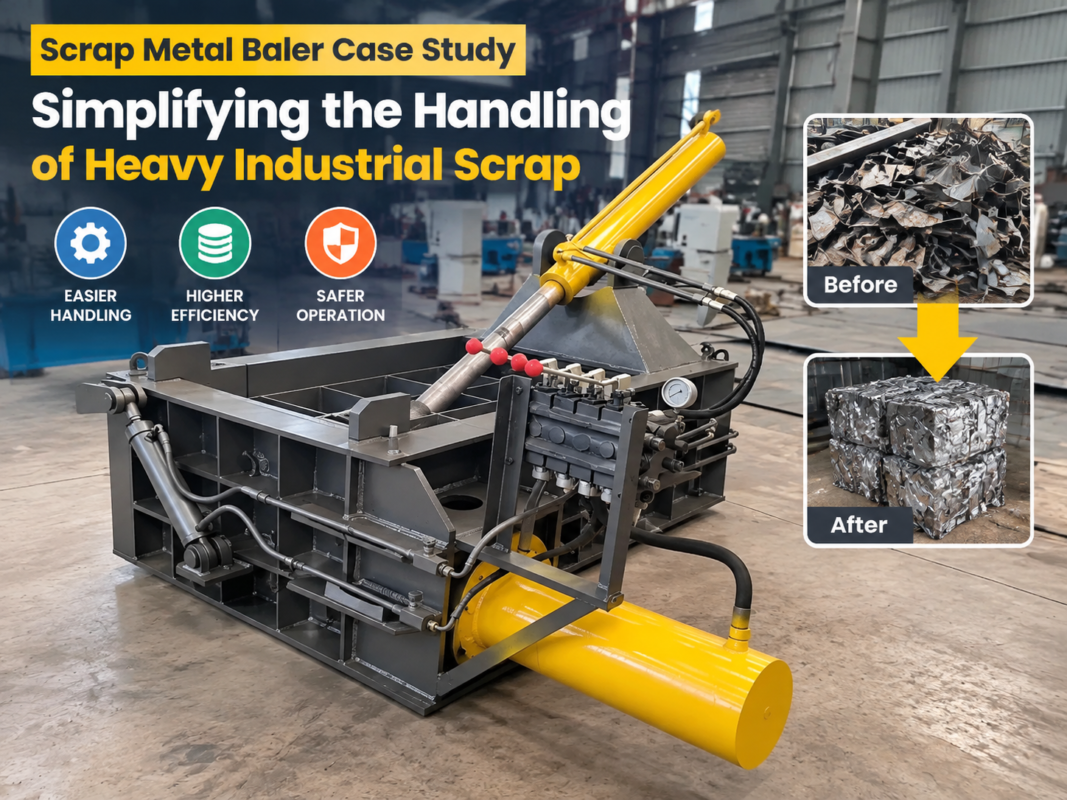
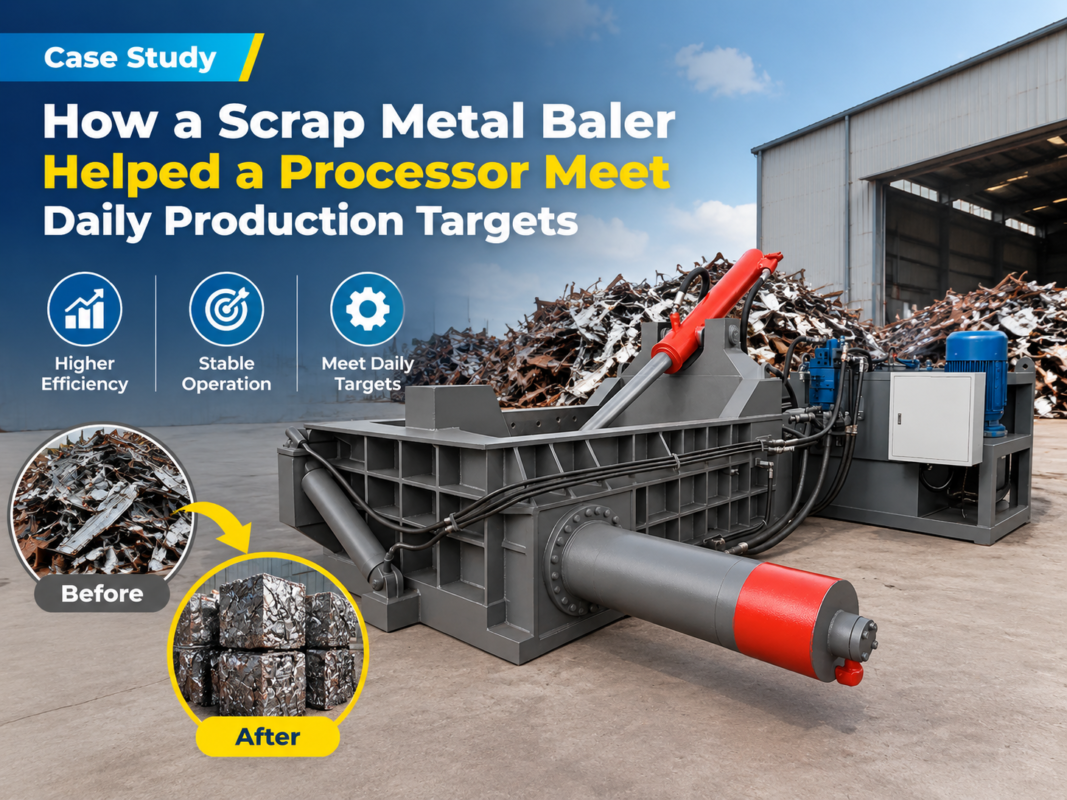
To illustrate the practical application, let’s look at a mid-sized recycling facility in Eastern Europe that recently integrated a HARSLE Y81-250 hydraulic metal baler. Before the installation, the facility struggled with a massive backlog of light steel scrap from local construction projects. They were using three trucks to transport loose scrap to a regional shredder daily.
After implementing the Y81-250, which features a 250-ton press force and a 2000x1400mm chamber, the facility was able to compress their daily intake into dense 400x400mm bales. The results were immediate: transport requirements dropped from three trucks per day to just one truck every two days. Furthermore, the facility began receiving a 15% higher price per ton from the steel mill because the bales met the mill’s “Grade A” density requirements. The automated PLC system allowed the facility to reassign two manual laborers to the sorting line, further increasing the purity and value of their output.
Frequently Asked Questions (FAQ)
What is the average lifespan of a scrap metal baler?
With proper maintenance, a high-quality industrial baler from HARSLE can last 15 to 20 years. Key factors in longevity include regular hydraulic oil changes, timely replacement of wear liners, and ensuring the machine is not overloaded beyond its rated capacity.
Can one baler handle different types of metal?
Yes, most modern balers are versatile. However, it is crucial to clean the chamber between different materials (e.g., switching from steel to aluminum) to prevent cross-contamination, which can lower the value of the recycled metal.
How do I choose the right size baler for my facility?
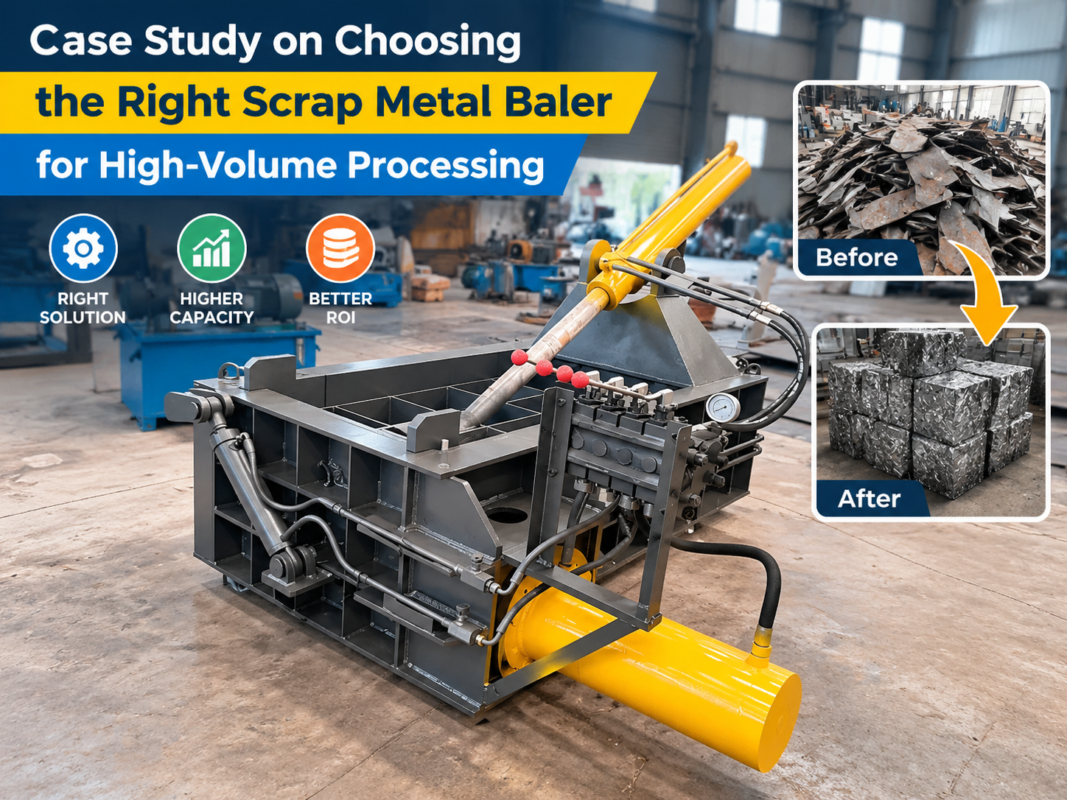
Selection depends on your daily volume and the thickest material you intend to process. For light household scrap, a 100-160 ton baler is sufficient. For automotive or heavy industrial scrap, you should look at 250-ton to 500-ton models with larger chambers.
What safety features should I look for?
Essential safety features include emergency stop buttons, safety interlocks on the chamber doors, pressure relief valves to prevent hydraulic failure, and protective guarding around moving parts. HARSLE machines comply with international CE safety standards.
Conclusion: The Future of Metal Waste Management
As we have explored, the question of where scrap metal balers are used in modern recycling waste management covers almost every sector of the industrial economy. From the factory floor to the municipal recycling center, these machines are the engines of sustainability. They turn the logistical nightmare of bulky waste into a streamlined, profitable raw material stream.
Investing in a HARSLE scrap metal baler is not just a purchase of machinery; it is an investment in operational efficiency and environmental responsibility. As the world moves toward a more circular economy, the ability to process metal waste effectively will define the success of recycling operations globally. Whether you are looking to reduce transport costs, save space, or increase the value of your scrap, HARSLE has the engineering expertise to provide the perfect baling solution for your needs.
Ready to optimize your recycling workflow? Contact HARSLE today for a technical consultation and a customized quote on our industry-leading scrap metal balers. Let us help you turn your waste into wealth.