Comprehensive Guide to Scrap Metal Baler Applications for Aluminum and Non-Ferrous Metal Recycling Operations

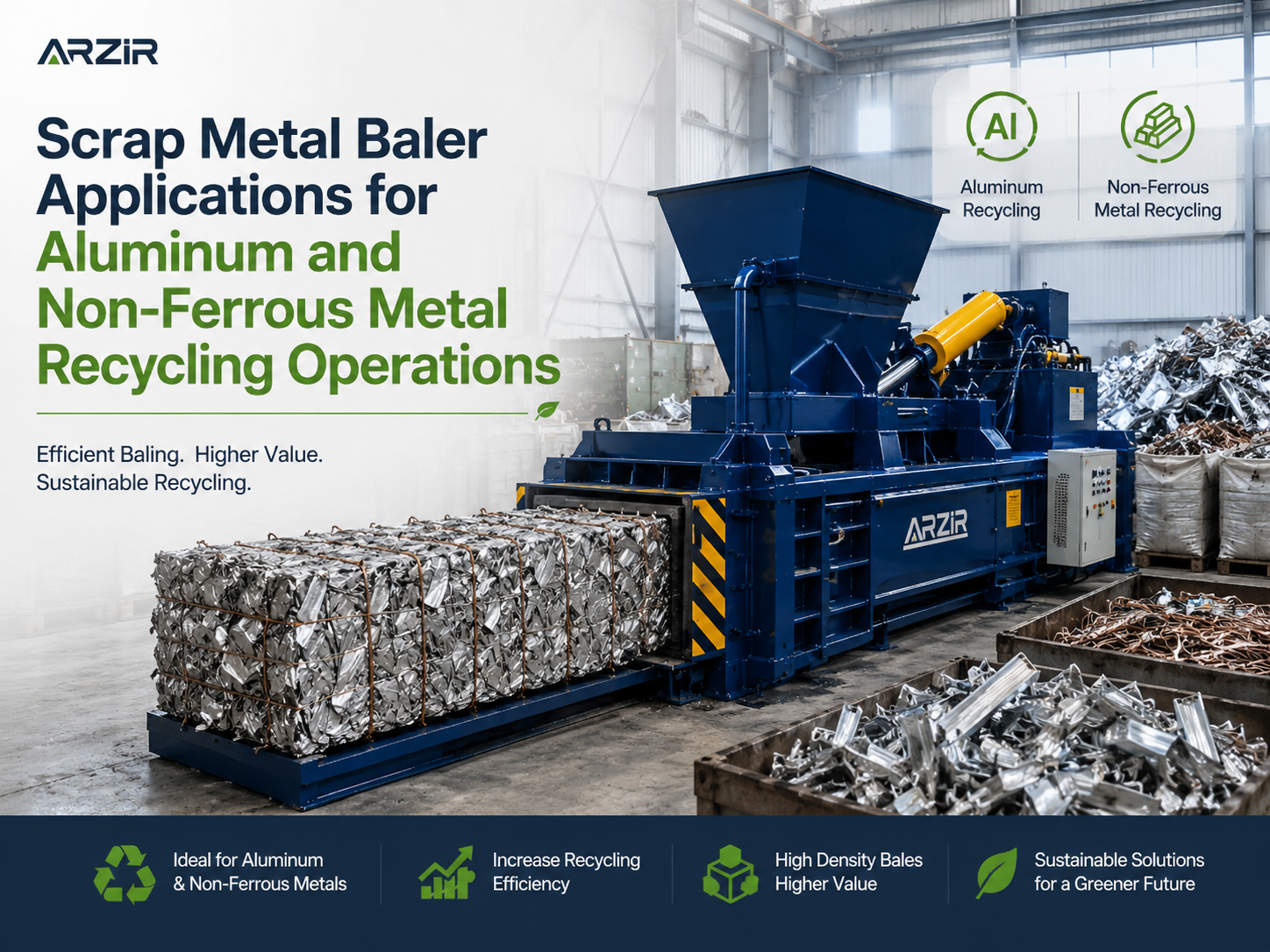
Introduction to Scrap Metal Baler Applications in Modern Recycling
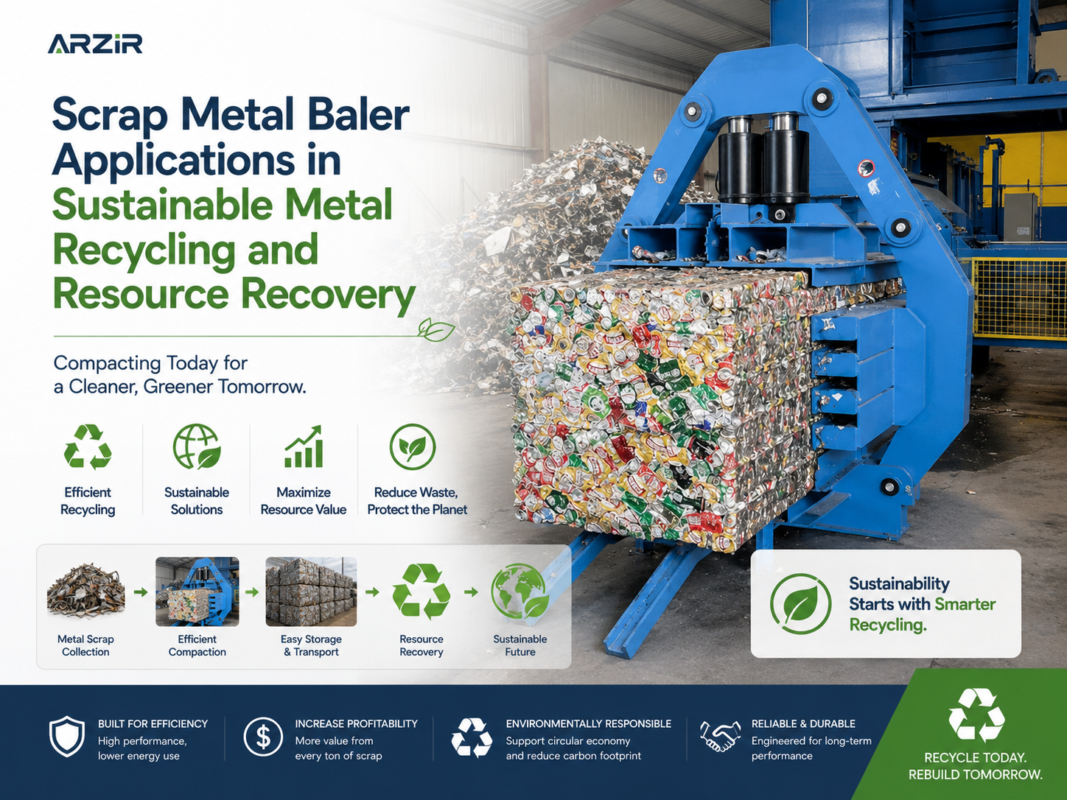
In the rapidly evolving landscape of global manufacturing and environmental sustainability, the role of efficient waste management has never been more critical. Scrap metal baler applications for aluminum and non-ferrous metal recycling operations represent a cornerstone of the circular economy. These machines are not merely tools for waste reduction; they are sophisticated industrial systems designed to transform loose, high-volume scrap into dense, manageable, and high-value commodities. For facilities dealing with non-ferrous metals—such as aluminum, copper, brass, and stainless steel—the ability to compress material efficiently is the difference between a profitable operation and one burdened by logistical overhead.
Aluminum and non-ferrous metals are particularly valuable in the recycling market due to their ability to be recycled infinitely without losing their physical properties. However, their physical form in the post-industrial or post-consumer stage is often problematic. From thin-walled aluminum extrusions and Used Beverage Cans (UBC) to bulky copper wiring and brass fittings, the low bulk density of these materials makes transportation and smelting highly inefficient. This is where specialized scrap metal balers come into play, providing the mechanical force necessary to create uniform bales that meet the stringent requirements of modern foundries and secondary smelters.
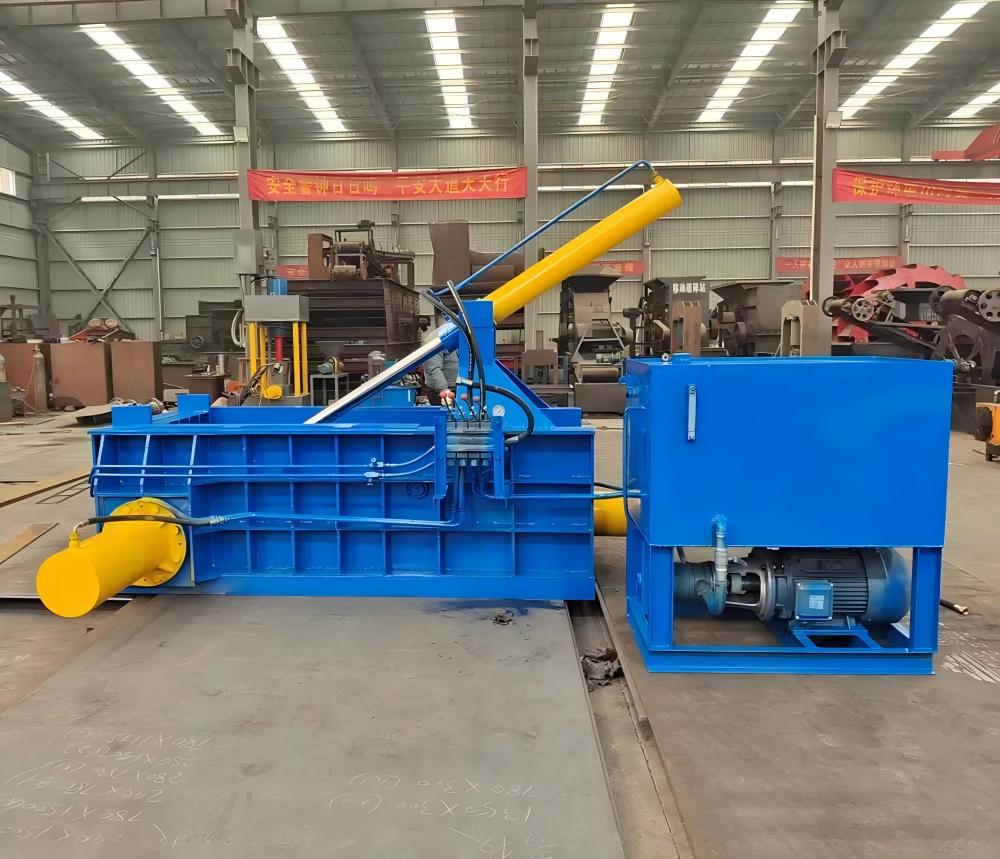
Application Scenarios for Non-Ferrous Metal Balers
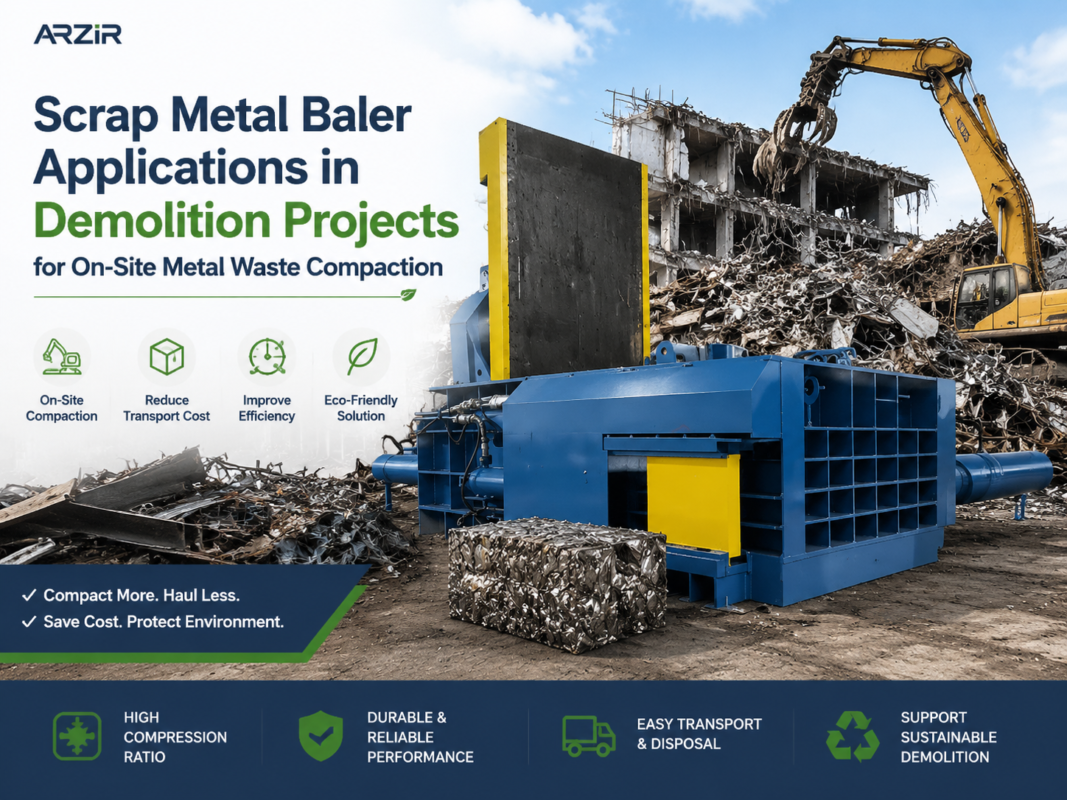
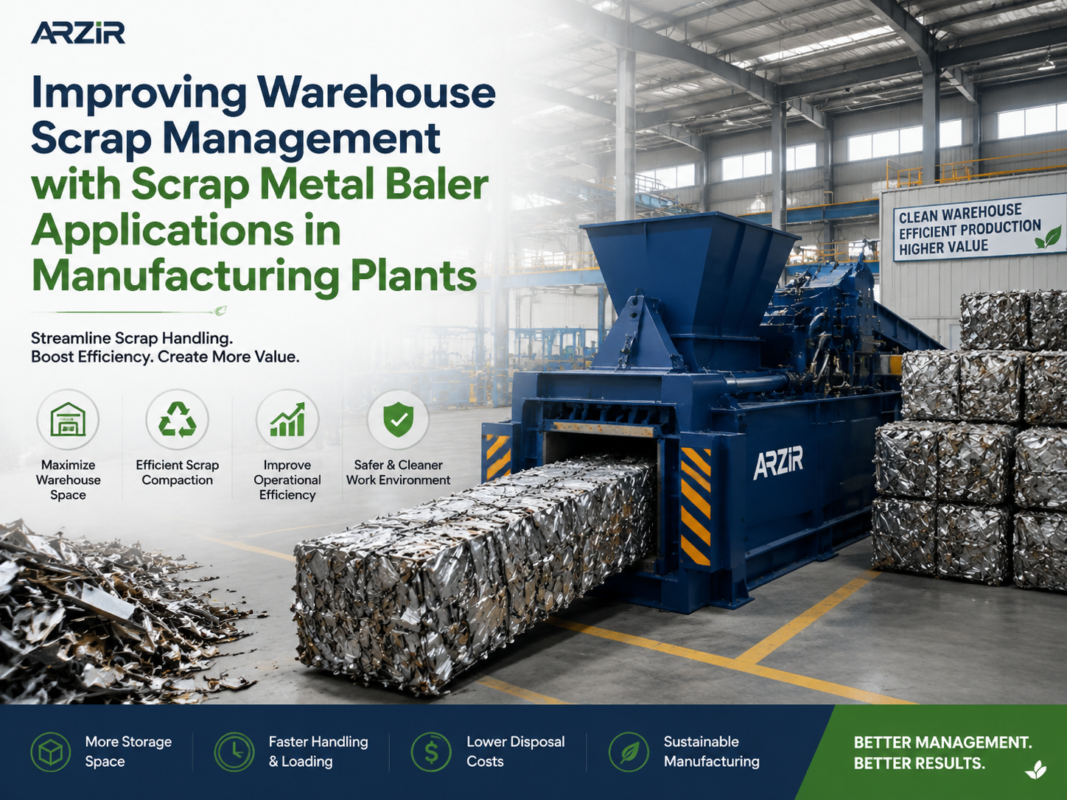
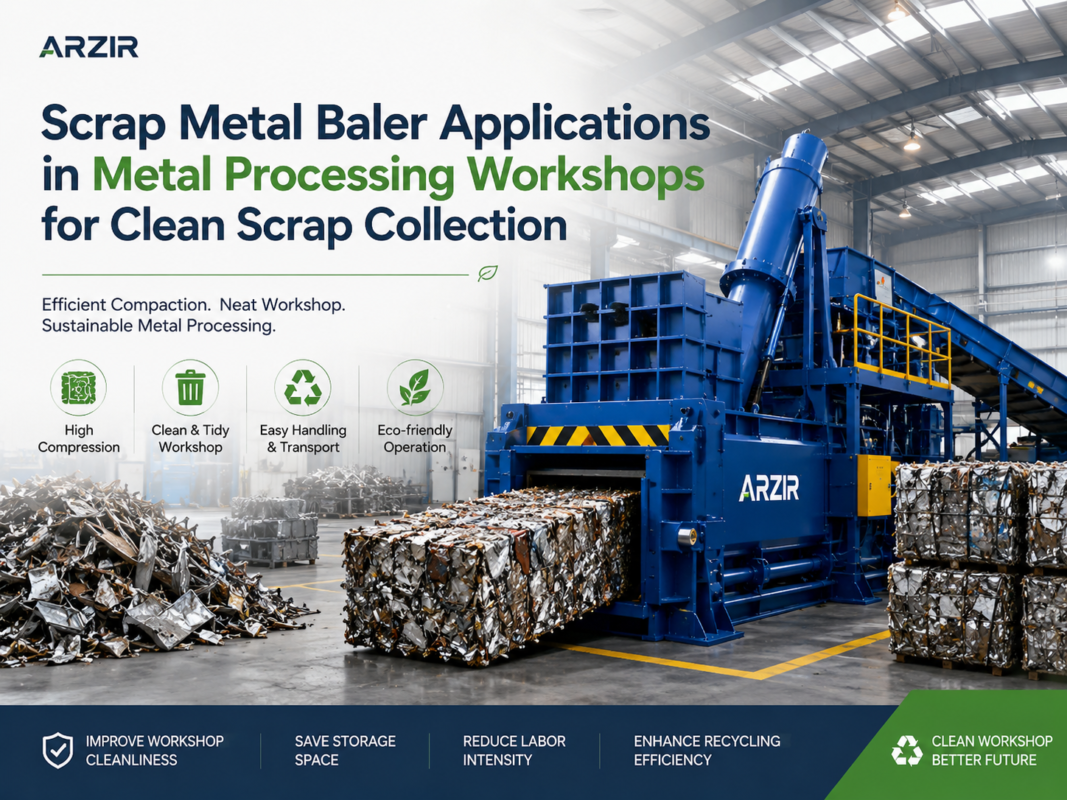
The versatility of scrap metal balers allows them to be integrated into various stages of the supply chain. Understanding the specific application scenarios is essential for selecting the right equipment. One of the primary environments for these machines is the Industrial Manufacturing Facility. Plants that specialize in aluminum window frames, automotive components, or aerospace parts generate significant volumes of offcuts, punchings, and skeletons. By installing a baler at the source of production, these companies can immediately process scrap, keeping the shop floor clean and maximizing the resale value of their waste stream.
Another critical scenario is the Municipal and Commercial Recycling Center. These facilities handle vast quantities of consumer waste, most notably aluminum cans. Because UBCs are extremely light and occupy significant space, they are expensive to transport. Scrap metal baler applications in these centers focus on high-speed throughput, turning thousands of loose cans into dense blocks that can be stacked and shipped in standard containers. This process significantly reduces the carbon footprint associated with transporting light-weight scrap.
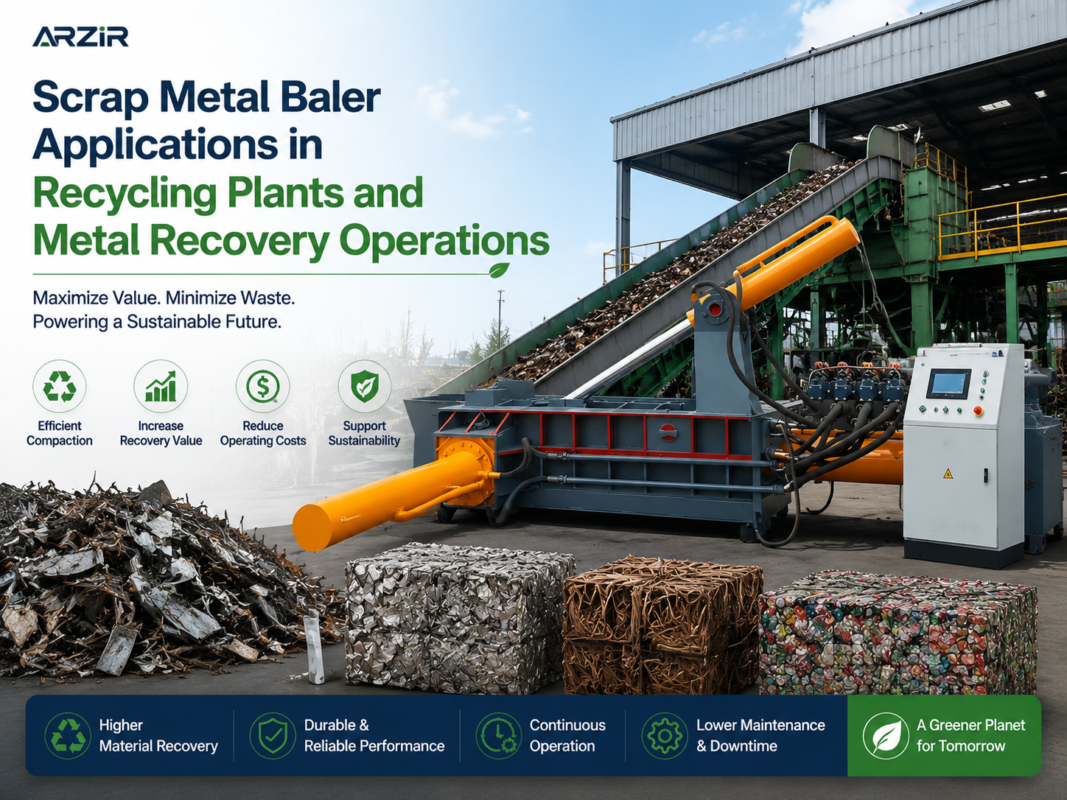
Furthermore, Specialized Scrap Yards and metal recovery facilities utilize balers to process diverse non-ferrous streams. These operations often deal with mixed loads that require sorting and then baling by material grade. For instance, copper radiators, brass plumbing fixtures, and stainless steel kitchenware each require different handling. A robust hydraulic baler allows these yards to create grade-specific bales that command premium prices from smelters, as the density of the bale ensures a more efficient melt with less oxidation loss.
Material and Process Requirements
Processing aluminum and non-ferrous metals requires a deep understanding of the material’s physical characteristics. Unlike ferrous metals (like steel), non-ferrous metals are often more ductile but can also be more abrasive or prone to “spring-back” after compression. Aluminum, in particular, has a low density but high volume, meaning the baler must have a large enough charging box to accommodate bulky items while providing sufficient hydraulic pressure to achieve the desired bale density.
The process requirements for high-quality baling include:
- Density Optimization: Smelters require a specific density range to ensure the bale sinks into the molten bath rather than floating on top, which leads to excessive oxidation and metal loss.
- Contamination Control: Non-ferrous recycling relies on purity. Balers must be designed to be easily cleaned between different material runs to prevent cross-contamination (e.g., preventing lead or zinc from entering an aluminum bale).
- Shearing Capability: Many non-ferrous scraps, such as long extrusions or thick copper cables, exceed the dimensions of the baler’s chamber. Integrated shear blades on the lid or the ram are essential for cutting overhanging material during the compression cycle.
- Surface Protection: For certain high-grade aluminum alloys, minimizing surface contamination from the baler’s internal plates is necessary, often requiring the use of specialized wear-resistant liners like Hardox steel.
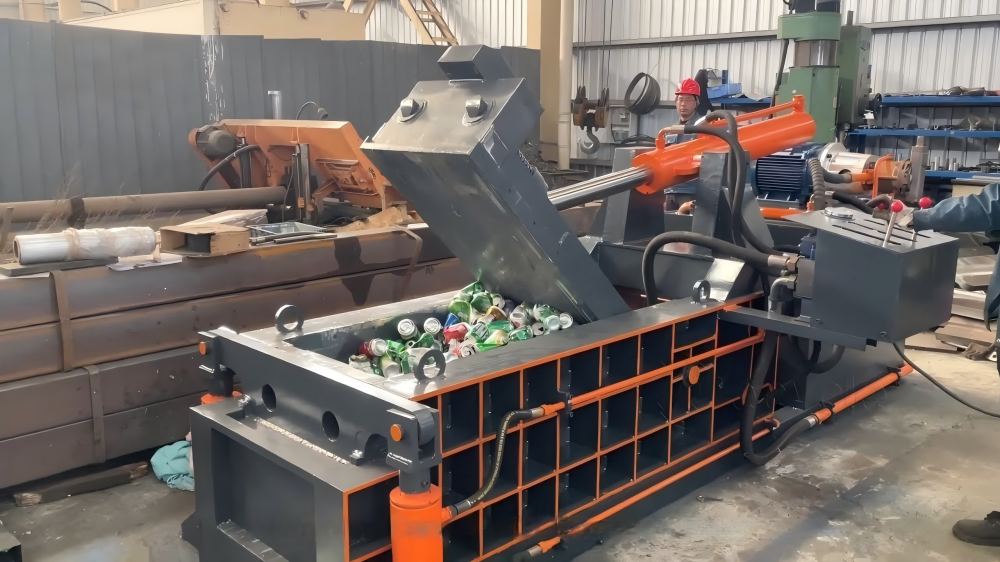
Recommended Machine Configuration
When selecting a machine for scrap metal baler applications for aluminum and non-ferrous metal recycling operations, the configuration must match the specific material flow. HARSLE recommends several key features for these demanding environments. First is the Hydraulic System Design. For non-ferrous metals, a variable displacement pump system is often preferred. This allows for high-speed movement during the initial compression phase and high-pressure, low-speed movement during the final compaction, optimizing energy consumption and cycle times.
The Chamber and Door Configuration is also vital. For aluminum extrusions, a “side-push” or “triple-compression” baler is often the most effective. Triple compression machines apply force from three directions, ensuring the highest possible density and a perfectly rectangular bale shape, which is ideal for stacking. For lighter materials like UBCs, a continuous horizontal baler with an automatic tying system might be more appropriate to handle the high volume of small items.
Technical Specification Comparison
| Feature | Light Non-Ferrous (UBC/Thin Sheet) | Heavy Non-Ferrous (Extrusions/Castings) |
|---|---|---|
| Nominal Force | 1000 – 1600 kN | 2500 – 6300 kN |
| Chamber Size | Large (e.g., 1200x700mm) | Deep/Reinforced (e.g., 2000x1400mm) |
| Bale Discharge | Side-out or Forward-out | Turn-out or Side-push |
| Cooling System | Standard Air Cooling | Industrial Water/Oil Cooling |
| Control System | Manual or Semi-Auto PLC | Fully Automated PLC with Remote Monitoring |
Additionally, the Wear Liner Material is a critical configuration detail. Non-ferrous scrap can be surprisingly abrasive. Using replaceable Hardox 450 or 500 liners ensures the longevity of the main structure. Furthermore, for operations in hot climates or those running 24/7, an integrated oil cooling system is mandatory to maintain hydraulic fluid viscosity and protect the pump components from premature wear.
Workflow of a Non-Ferrous Metal Baling Operation
The efficiency of a recycling operation depends on a streamlined workflow. The process typically begins with Material Sorting and Preparation. Before entering the baler, scrap is sorted by grade (e.g., 6061 aluminum vs. 3003 aluminum). Large contaminants, such as heavy steel bolts or plastic attachments, are removed to ensure the final bale meets foundry specifications. This stage often involves conveyors or magnetic separators for smaller non-ferrous streams.
The second stage is Feeding the Baler. Depending on the scale, this is done via a grapple crane, a front-end loader, or an automated conveyor belt. The operator (or the PLC system) ensures the charging box is filled to the optimal level. Once the chamber is full, the Compression Cycle begins. In a typical HARSLE Y81 series baler, the lid closes first, often shearing any excess material. Then, the side cylinders and the main cylinder engage in sequence to compress the scrap into a compact block.
Finally, the Bale Ejection and Storage phase occurs. The finished bale is pushed out of the machine—either through a side door or by tilting the chamber—and is then moved to a storage area. Modern workflows incorporate weighing scales at the exit point, allowing the facility to track production data in real-time. These bales are then loaded onto flatbed trucks or into shipping containers, where their uniform shape allows for maximum weight utilization, often reaching the legal transport limit of 20-25 tons per load.
Productivity and Economic Benefits
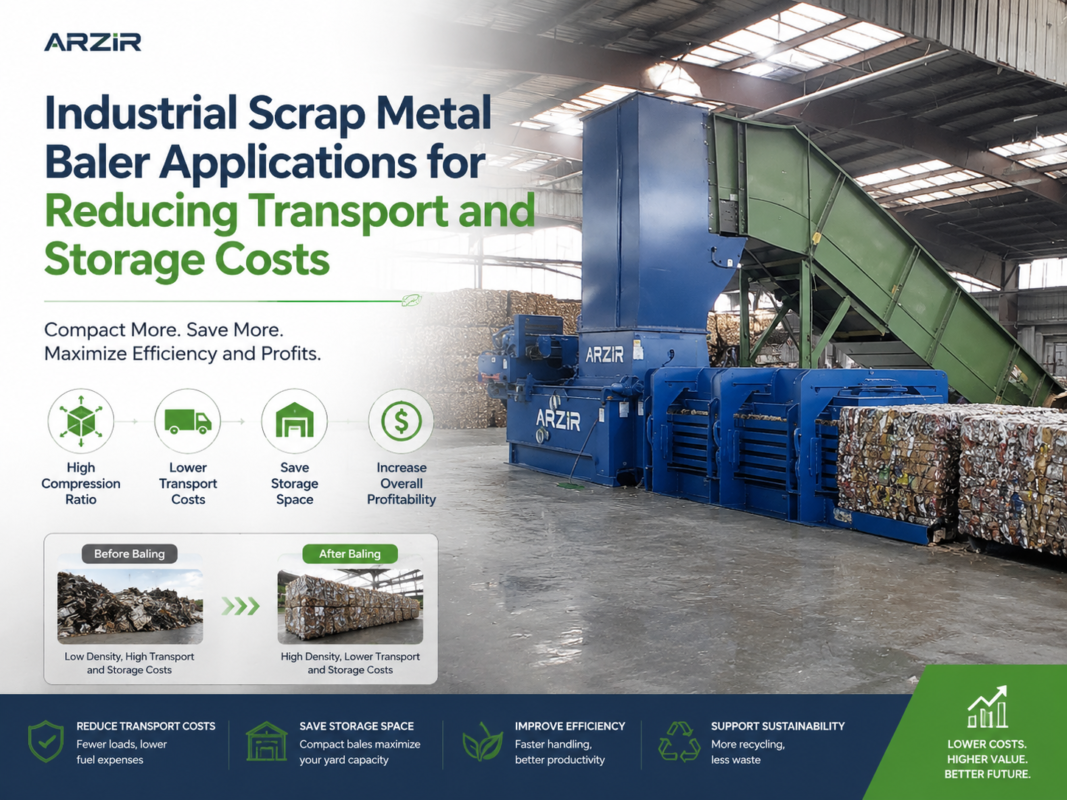
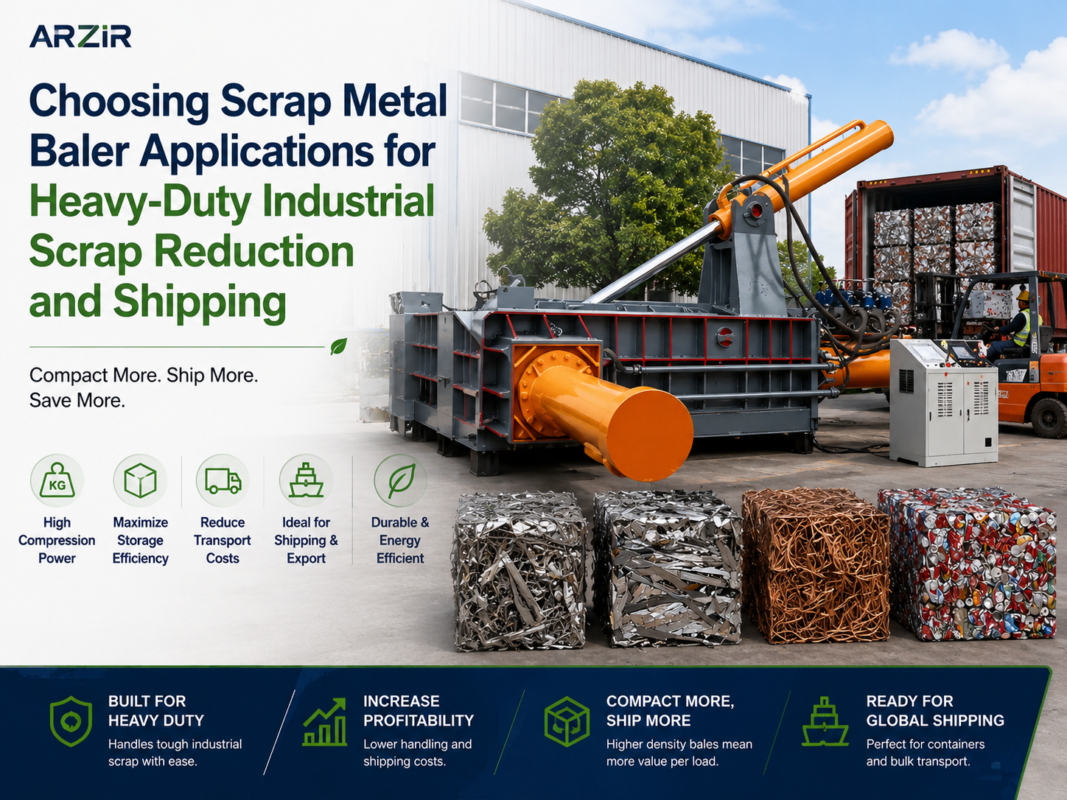
Investing in high-quality scrap metal baler applications for aluminum and non-ferrous metal recycling operations yields significant economic returns. The most immediate benefit is Logistics Cost Reduction. Loose aluminum scrap might have a density of only 50-100 kg/m³, whereas a baled product can exceed 1000 kg/m³. This 10-fold increase in density means that a single truck can carry ten times more material by weight, drastically cutting fuel and labor costs associated with transport.
Moreover, there is a Market Value Premium for baled material. Smelters prefer bales because they are easier to handle with forklifts and charging machines. More importantly, the high density of the bale reduces the surface area exposed to heat during the initial stages of melting. This minimizes “melt loss” (the amount of metal that turns into dross or oxide), which is a major concern in aluminum smelting. Consequently, smelters are willing to pay a higher price per ton for well-compacted bales compared to loose scrap.
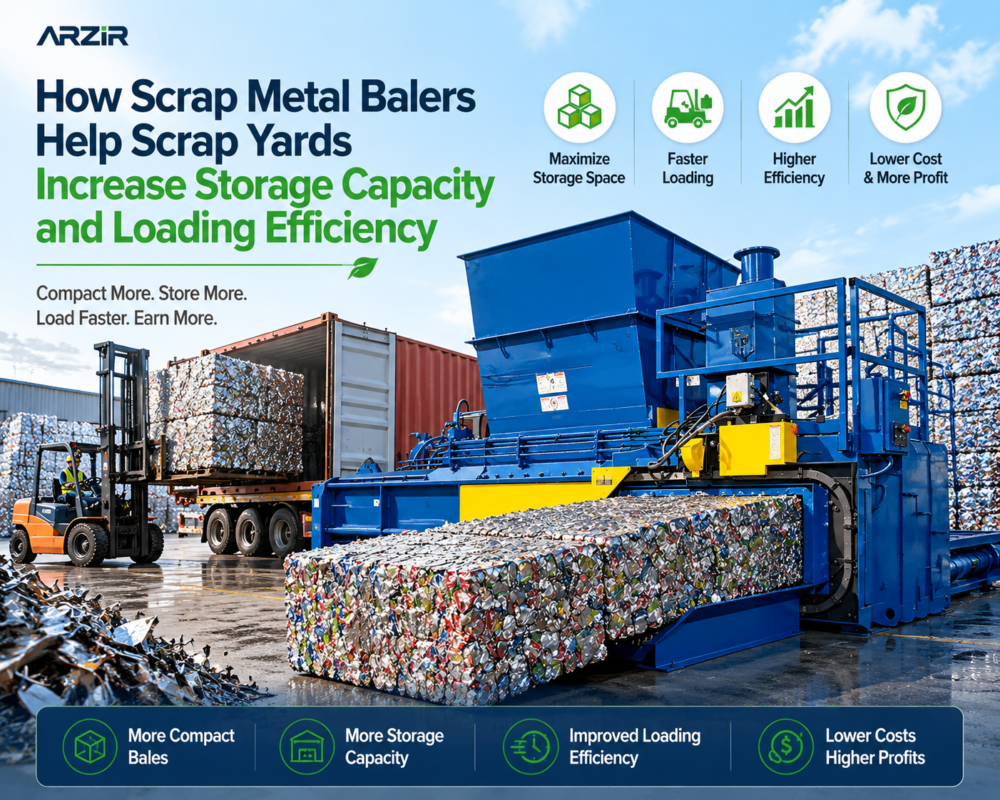
From an operational standpoint, baling also leads to Space Optimization. Scrap yards are often limited by physical square footage. By converting sprawling piles of loose metal into neat, stackable bales, facilities can increase their storage capacity by 400-500%. This allows businesses to hold onto inventory when market prices are low and sell in bulk when prices peak, providing a strategic advantage in the volatile commodities market.
Case Example: Aluminum Extrusion Plant Upgrade
Consider a medium-sized aluminum extrusion plant that produces approximately 200 tons of scrap per month. Previously, they sold their offcuts as loose material, requiring five truck pickups per week. The storage of this loose scrap occupied nearly 20% of their warehouse floor, and the material was often contaminated by floor debris.
After implementing a HARSLE Y81-250 hydraulic metal baler, the plant transformed its operations. The machine’s 250-ton press force allowed them to create 50kg bales with high density. The number of truck pickups was reduced from five per week to just one every ten days, saving thousands of dollars in monthly logistics fees. Furthermore, because the bales were clean and dense, they negotiated a 12% price increase from their secondary aluminum smelter. The ROI (Return on Investment) for the machine was achieved in less than 14 months, purely through transport savings and the scrap value premium.
Frequently Asked Questions (FAQ)
What is the best type of baler for aluminum cans?
For high-volume aluminum can recycling, a horizontal continuous baler is usually best due to its speed and automated tying capabilities. However, for smaller operations, a vertical baler or a small-chamber hydraulic side-push baler is a more cost-effective solution that still provides excellent density.
How often does a scrap metal baler require maintenance?
Daily checks should include oil levels, hydraulic leaks, and cleaning the chamber of debris. A deep maintenance cycle, including oil filtration and checking the tightness of all bolts and liners, should be performed every 500 operating hours. Replacing wear liners typically occurs every 1-2 years depending on the abrasiveness of the material processed.
Can one baler handle both aluminum and copper?
Yes, most hydraulic scrap balers are versatile enough to handle various non-ferrous metals. However, it is crucial to thoroughly clean the chamber between batches to prevent cross-contamination, which can significantly devalue the scrap. Some operators use dedicated machines for high-purity copper to ensure maximum return.
What safety features should I look for in a metal baler?
Essential safety features include emergency stop buttons at multiple locations, safety interlocks on all doors and access panels, and pressure relief valves to prevent hydraulic over-pressurization. Modern machines also feature infrared sensors to detect if a person or foreign object enters the charging box during the cycle.
Conclusion and Call to Action
The strategic implementation of scrap metal baler applications for aluminum and non-ferrous metal recycling operations is a transformative step for any metal-related business. By converting bulky waste into high-density assets, companies can achieve unprecedented levels of efficiency, sustainability, and profitability. Whether you are a small scrap yard or a large-scale industrial manufacturer, the right baling solution is key to unlocking the full value of your non-ferrous materials.
At HARSLE, we specialize in providing high-performance hydraulic machinery tailored to the unique needs of the recycling industry. Our Y81 series and custom baling solutions are engineered for durability, ease of use, and maximum compaction force. Don’t let your profits disappear in inefficient logistics and low-density scrap. Contact HARSLE today to consult with our technical experts and find the perfect baler configuration for your specific recycling goals. Let us help you turn your scrap into a streamlined source of revenue.