
Industrial Hammer Shredder Uses In Non-Ferrous Metal Recycling: A Comprehensive Guide

Introduction to Industrial Hammer Shredder Uses In Non-Ferrous Metal Recycling
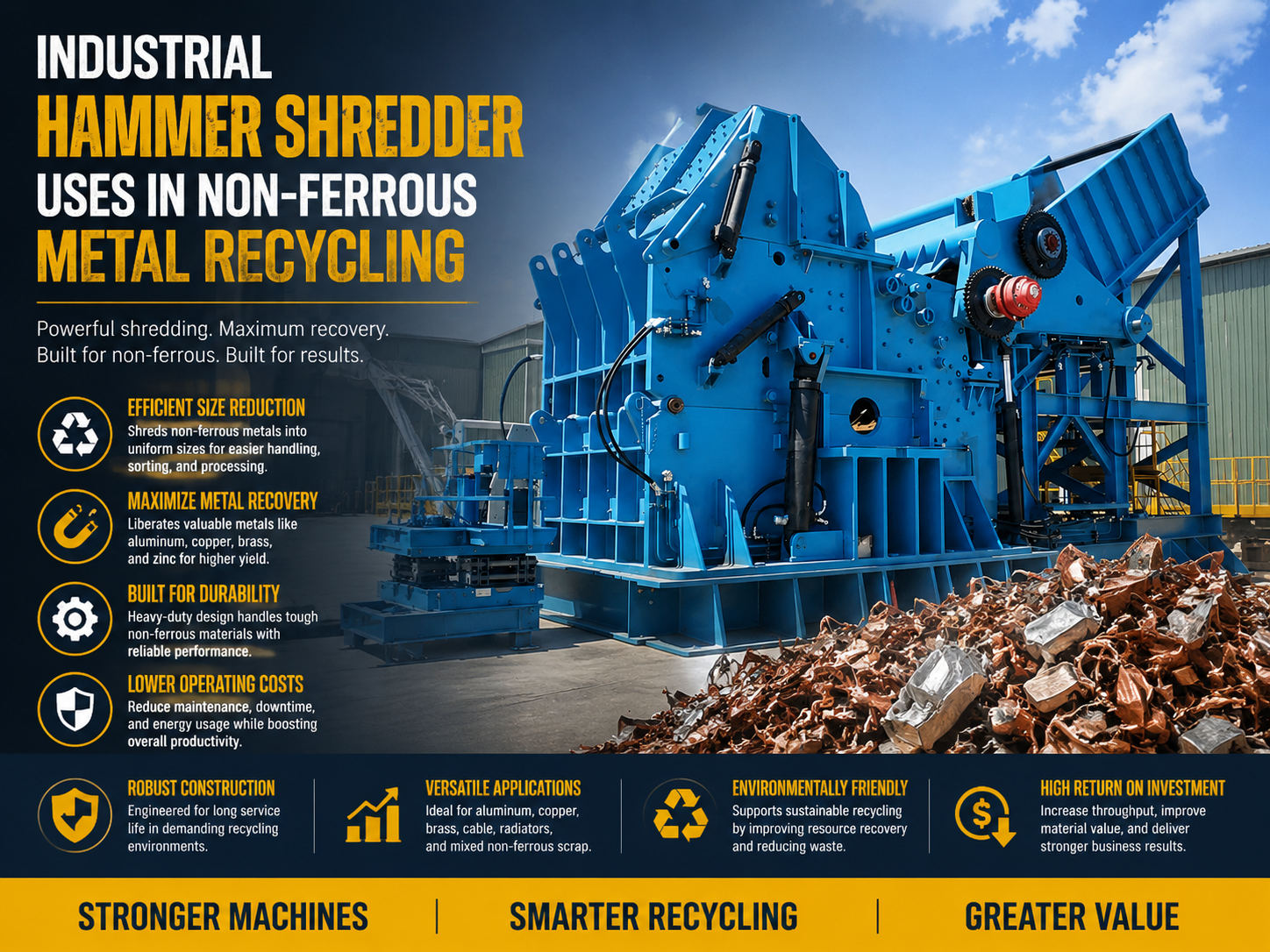
In the modern industrial landscape, the circular economy has transitioned from a buzzword to a fundamental operational requirement. At the heart of this transition lies the efficient processing of scrap materials, particularly non-ferrous metals like aluminum, copper, zinc, and lead. The Industrial Hammer Shredder Uses In Non-Ferrous Metal Recycling are vast and critical, providing the mechanical force necessary to transform bulky, contaminated scrap into high-purity, furnace-ready raw materials. Unlike ferrous metals, which are easily separated using simple magnets, non-ferrous metals require sophisticated mechanical liberation to ensure maximum recovery and value.
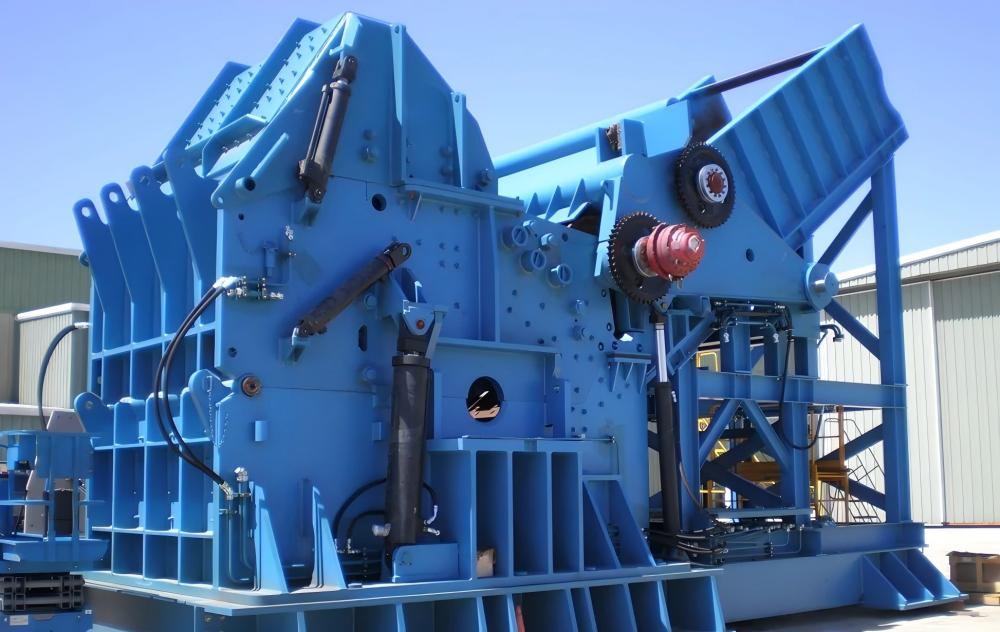
HARSLE has long been at the forefront of developing robust machinery that addresses the unique challenges of non-ferrous recycling. A hammer shredder operates on the principle of high-velocity impact. Large rotors equipped with heavy-duty hammers strike the incoming material, shattering brittle components and deforming ductile metals into dense, clean pellets or nuggets. This process is not merely about size reduction; it is about “liberation”—the physical separation of different materials that are bonded or joined together, such as plastic coatings on copper wire or steel fasteners in aluminum castings.
As global demand for aluminum and copper continues to rise due to the electrification of transport and the expansion of renewable energy grids, the efficiency of recycling processes becomes paramount. Industrial hammer shredders provide the throughput and consistency required to meet these demands. By utilizing high-kinetic energy, these machines can process everything from Used Beverage Cans (UBC) to complex automotive “Zorba” scrap, ensuring that valuable metals are kept within the production cycle and out of landfills.
The versatility of the hammer shredder makes it an indispensable tool for scrap yards, smelting plants, and specialized recycling facilities. Whether it is preparing material for eddy current separators or densifying light-gauge scrap for more efficient transport, the industrial hammer shredder is the workhorse of the non-ferrous industry. In the following sections, we will delve deeper into the considerations, technical specifications, and selection criteria that define the best practices in this field.
Key Considerations for Non-Ferrous Metal Shredding
When implementing Industrial Hammer Shredder Uses In Non-Ferrous Metal Recycling, several critical factors must be considered to ensure profitability and operational longevity. The first consideration is material purity. Non-ferrous scrap is often highly contaminated with plastics, rubber, wood, and ferrous metals. The shredder must be capable of breaking these bonds without over-shredding the metal into “fines,” which are difficult to recover and can be lost in the exhaust or slag during smelting. Achieving the right balance between liberation and grain size is a hallmark of a well-engineered shredding system.
Throughput and capacity are equally vital. A recycling facility must match its shredder’s capacity with its upstream collection and downstream separation capabilities. If a shredder is underpowered, it will struggle with heavy castings or bundled wire, leading to frequent jams and mechanical stress. Conversely, an oversized shredder operating at low capacity is energy-inefficient. HARSLE designs its hammer shredders with variable speed drives and customizable rotor configurations to allow operators to fine-tune the machine to the specific scrap stream they are processing.
Wear and tear are inevitable in metal recycling, but they must be managed. The hammers, grates, and liners are subject to extreme abrasion and impact. Choosing a machine with high-manganese steel components or specialized alloy coatings can significantly extend the interval between maintenance shutdowns. Furthermore, the ease of access to these wear parts is a major consideration. A shredder that requires days of downtime to change a set of hammers will quickly erode the profit margins of a recycling operation.
Environmental and safety regulations also play a significant role. Shredding non-ferrous metals can generate significant dust and noise. Modern industrial hammer shredders must be integrated with dust suppression systems, often involving water sprays or sophisticated air filtration units. Noise dampening enclosures are also becoming standard in urban or semi-urban recycling centers. Ensuring that the machinery complies with local environmental standards is not just a legal requirement but a social responsibility that affects the long-term viability of the business.
Technical Details of Industrial Hammer Shredders
The technical prowess of an industrial hammer shredder lies in its rotor assembly and the physics of impact. The rotor is the heart of the machine, typically constructed from high-strength forged steel. Attached to the rotor are the hammers, which can weigh anywhere from a few kilograms to over a hundred kilograms depending on the application. In non-ferrous recycling, “swinging hammers” are preferred because they can retract when they hit an un-shreddable object, such as a heavy steel shaft, preventing catastrophic damage to the rotor and motor.
The motor power is another defining technical specification. For non-ferrous applications, motors typically range from 100kW to over 1000kW. High-torque motors are essential for maintaining rotor speed when large volumes of material are fed into the chamber. Many HARSLE shredders utilize hydraulic couplings or sophisticated electronic soft-starts to manage the massive inertia of the rotor during startup and to protect the electrical grid from power surges.
| Feature | Specification Detail | Benefit for Non-Ferrous Recycling |
|---|---|---|
| Rotor Speed | 400 – 1200 RPM | Adjustable for different material densities and liberation needs. |
| Hammer Material | High-Manganese / Chrome Alloy | Maximum durability against abrasive non-ferrous scrap. |
| Grate Size | Customizable (20mm – 150mm) | Controls the final output size for downstream separation. |
| Drive System | Direct or Belt Drive with Hydraulic Clutch | Protects the motor from shock loads and jams. |
| Housing | Reinforced Welded Steel | Withstands the internal pressure of high-speed impacts. |
The discharge grate is the component that determines the final particle size. In non-ferrous recycling, the grate size is often chosen to optimize the performance of Eddy Current Separators (ECS). If the pieces are too large, the ECS cannot effectively “kick” the non-ferrous metal away from the waste stream. If they are too small, the magnetic field may not be strong enough to influence the tiny particles. Therefore, the ability to easily swap out grates to match the material type (e.g., switching from aluminum siding to copper motors) is a key technical advantage of HARSLE machinery.
Furthermore, the internal geometry of the shredding chamber is designed to promote “metal-on-metal” grinding. As the hammers strike the scrap, the scrap pieces also collide with each other and the anvil plates. This secondary impact helps to strip paint, insulation, and dirt from the metal surfaces, resulting in a cleaner end product that fetches a higher price at the foundry. Advanced cooling systems for the bearings and lubrication units ensure that the machine can operate 24/7 in harsh environments.
Selection Advice for Industrial Hammer Shredders
Choosing the right machine for Industrial Hammer Shredder Uses In Non-Ferrous Metal Recycling requires a deep understanding of your specific scrap profile. The first step in selection is identifying the primary material. For example, if you are primarily processing aluminum extrusions and UBC, a high-speed shredder with lighter hammers is ideal for creating a dense, clean product. However, if your feed consists of heavy copper electric motors (meatballs) or mixed automotive scrap, you will need a heavy-duty shredder with high-mass hammers and a reinforced housing to handle the intense impacts.
Consider the total cost of ownership (TCO), not just the initial purchase price. TCO includes energy consumption, the cost of replacement parts, and the labor required for maintenance. A cheaper machine might use more electricity per ton of output or require more frequent hammer changes, eventually costing more than a premium HARSLE shredder. Look for features like hydraulic housing openings, which allow for quick inspection and part replacement, significantly reducing labor costs and downtime.
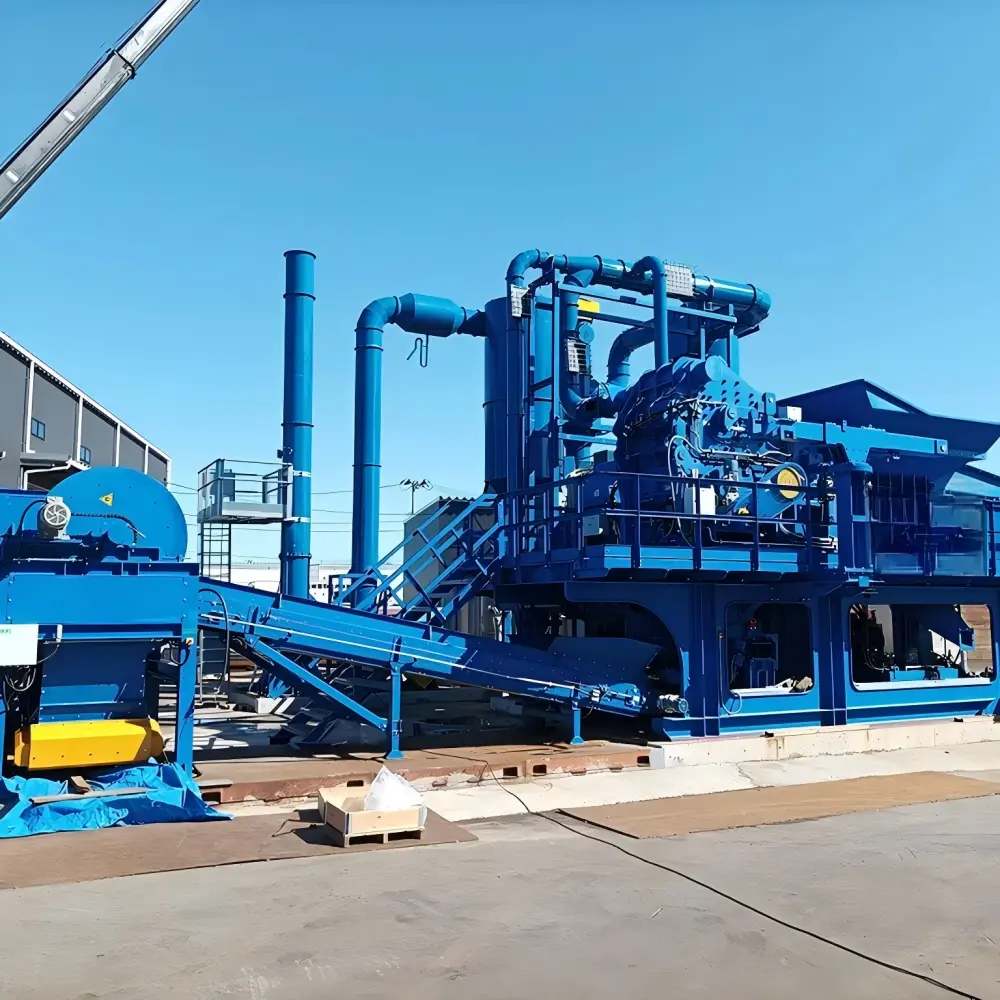
Integration with downstream equipment is another vital selection factor. A hammer shredder is rarely a standalone machine; it is usually part of a line that includes vibratory feeders, magnetic separators, eddy current separators, and air classification systems (Z-box). Ensure that the shredder’s discharge height and conveyor compatibility match the rest of your facility’s layout. HARSLE offers consultation services to help design a complete, integrated recycling line that maximizes the recovery rate of every ton of scrap processed.
Finally, evaluate the manufacturer’s support and spare parts availability. In the recycling industry, a broken machine is a liability that stops the entire production flow. Choosing a reputable brand like HARSLE ensures that you have access to expert technical support and a steady supply of high-quality wear parts. Before purchasing, ask for performance data on similar material streams and, if possible, visit a site where the machine is in operation to see its real-world performance.
Frequently Asked Questions (FAQ)
1. What are the main benefits of using a hammer shredder for non-ferrous metals?
The primary benefits include high-efficiency material liberation, densification of scrap for better transport, and the ability to produce a clean, furnace-ready product. It effectively separates non-metallic contaminants from valuable metals like aluminum and copper, increasing the market value of the recycled material.
2. How often do the hammers need to be replaced?
Hammer life depends on the abrasiveness of the material being shredded and the alloy of the hammers. Typically, in non-ferrous applications, hammers can last between 100 to 500 hours of operation. Regular inspection and flipping the hammers to use the other wearing edge can extend their lifespan.
3. Can a hammer shredder handle stainless steel?
While hammer shredders can process stainless steel, it is much harder and more abrasive than aluminum or copper. Processing large amounts of stainless steel will accelerate wear on the hammers and liners. If stainless steel is a significant portion of your scrap, a machine with specialized high-chrome hammers is recommended.
4. What is “Zorba” and how does a shredder help process it?
Zorba is the industry term for shredded non-ferrous scrap, primarily consisting of aluminum. A hammer shredder is used to break down automotive scrap into Zorba, which is then further refined using eddy current separators and sensor-based sorting to separate the aluminum from other metals like copper and brass.
5. How does the shredder handle dust and explosions?
Metal shredding can create fine dust which, in some cases (like magnesium or fine aluminum), can be explosive. Modern shredders use water injection systems to suppress dust and cool the material. Additionally, explosion relief vents and heavy-duty reinforced structures are designed into the machine to safely manage any pressure spikes.
Conclusion: The Future of Non-Ferrous Recycling with HARSLE
The role of Industrial Hammer Shredder Uses In Non-Ferrous Metal Recycling will only grow in importance as the world moves toward a more sustainable and resource-efficient future. The ability to recover high-purity metals from complex waste streams is not just an economic advantage but an environmental necessity. By reducing the need for primary mining, recycling saves up to 95% of the energy required to produce aluminum and significantly reduces carbon emissions across the manufacturing sector.
HARSLE remains committed to pushing the boundaries of shredding technology. Our industrial hammer shredders are engineered for the toughest environments, providing the reliability, power, and precision needed to turn scrap into gold. By focusing on robust construction, innovative rotor designs, and user-friendly maintenance, we ensure that our clients can maximize their ROI while contributing to a cleaner planet.
Whether you are a small-scale recycler looking to upgrade your capabilities or a large industrial plant requiring a high-capacity solution, HARSLE has the expertise and the machinery to meet your needs. Investing in a high-quality hammer shredder is an investment in the future of your business and the global circular economy. Explore our range of products today and discover how HARSLE can transform your non-ferrous metal recycling operations.


