
Processing Mixed Metal Waste A Hammer Shredder: Common Use Cases

Introduction to Processing Mixed Metal Waste with a Hammer Shredder
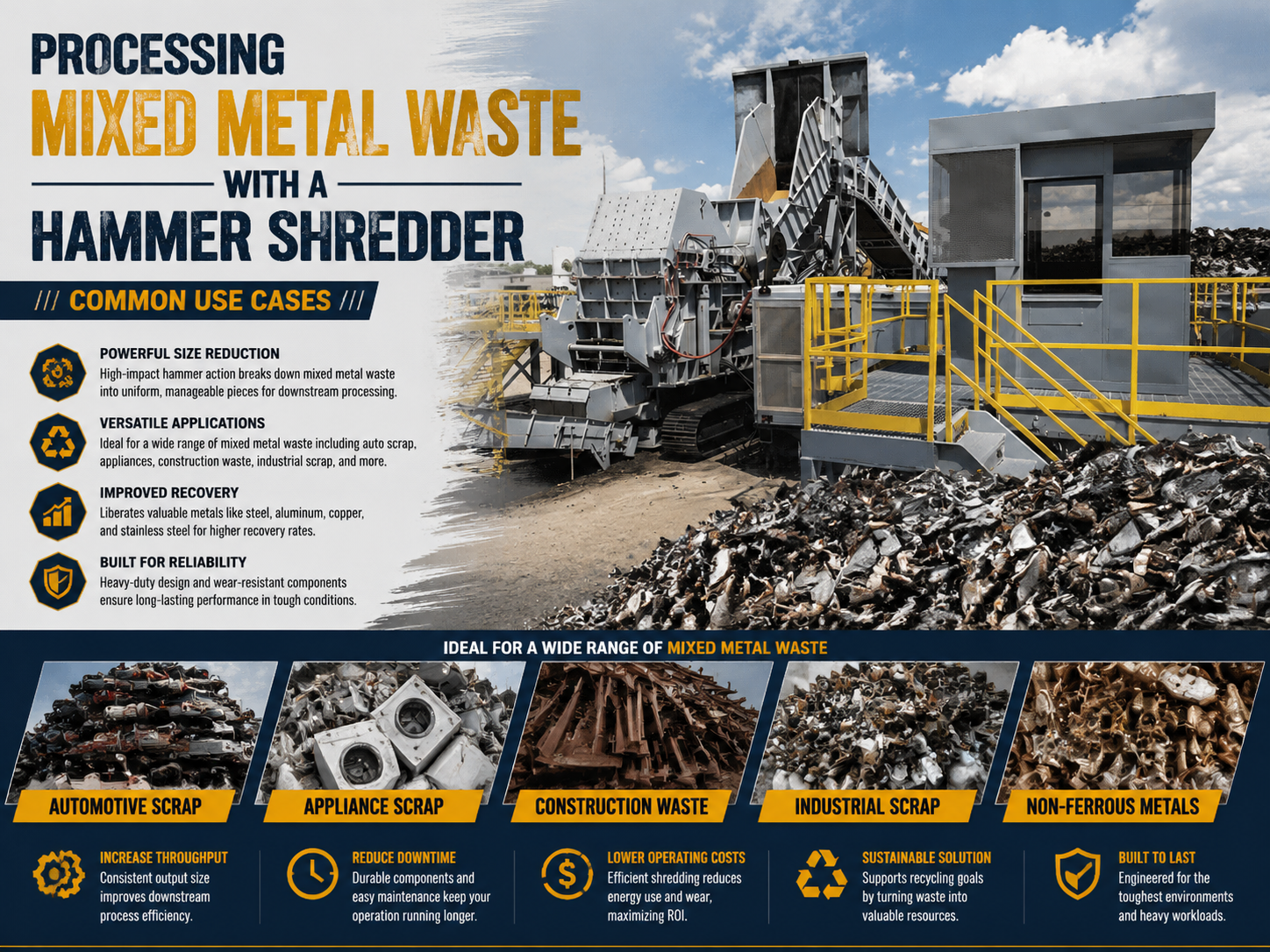
In the modern industrial landscape, the management of scrap materials has evolved from a simple disposal task into a sophisticated resource recovery operation. Processing Mixed Metal Waste A Hammer Shredder: Common Use Cases represents a pivotal intersection of engineering and environmental stewardship. As global demand for recycled metals grows, the efficiency of the machinery used to process these materials becomes paramount. Hammer shredders, known for their robust construction and high-impact force, have emerged as the gold standard for transforming heterogeneous metal scrap into high-quality, furnace-ready raw materials.
Mixed metal waste typically consists of a variety of materials, including ferrous metals like steel and iron, and non-ferrous metals such as aluminum, copper, and brass. These are often intertwined with plastics, rubber, and glass, particularly in complex products like end-of-life vehicles or discarded household appliances. The primary challenge in recycling these items is liberation—the process of breaking down the assembly so that individual materials can be separated and purified. This is where the hammer shredder excels, utilizing kinetic energy to shatter, tear, and densify the waste into a manageable form.
HARSLE, a leader in metal fabrication and processing machinery, understands that the versatility of a hammer shredder is its greatest asset. By adjusting rotor speeds, hammer weights, and grate sizes, operators can tailor the machine to handle everything from light aluminum cans to heavy industrial castings. This article provides an in-depth exploration of how these machines operate within various industrial contexts, offering technical insights and selection advice for businesses looking to optimize their recycling workflows.
Key Considerations for Processing Mixed Metal Waste
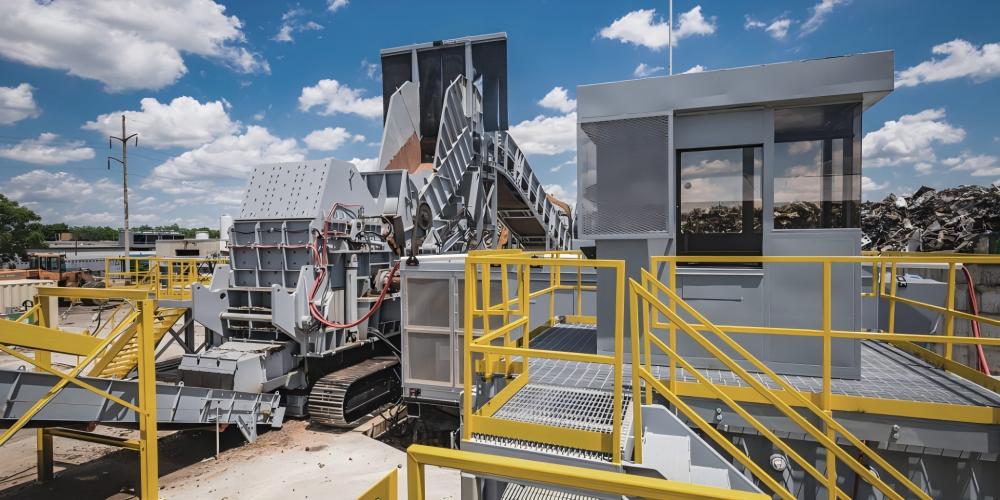
When approaching the task of processing mixed metal waste, several critical factors must be evaluated to ensure operational efficiency and longevity of the equipment. The first consideration is the material composition. Not all scrap is created equal; a load of electronic waste (WEEE) requires a different approach than a load of crushed car bodies. Understanding the ratio of ferrous to non-ferrous materials, as well as the presence of hazardous contaminants, is essential for setting up the shredding line.
The second consideration is throughput requirements. Industrial facilities must balance the speed of processing with the quality of the output. High-volume operations require hammer shredders with massive rotors and high-horsepower motors to maintain consistent flow. However, pushing a machine beyond its rated capacity can lead to premature wear of the hammers and grates, increasing maintenance costs and downtime. Finding the “sweet spot” in production volume is key to a profitable recycling business.
Power consumption and energy efficiency are also vital. Hammer shredders are energy-intensive machines. Modern designs, such as those offered by HARSLE, incorporate advanced motor control systems and optimized rotor dynamics to reduce the kilowatt-hour per ton of processed material. In an era of rising energy costs and carbon footprint regulations, choosing an energy-efficient shredder is not just an environmental choice but a financial necessity.
Lastly, one must consider the downstream separation process. A hammer shredder is rarely a standalone solution. It is usually the first stage in a multi-step process that includes magnetic separators for ferrous metals, eddy current separators for non-ferrous metals, and air classification systems for light fractions like foam and plastic. The shredder must produce a particle size that is compatible with these downstream technologies to ensure maximum recovery rates.
Technical Details of Hammer Shredder Mechanics
The core of a hammer shredder is the rotor assembly. This heavy-duty shaft is fitted with a series of free-swinging hammers made from high-manganese steel or specialized alloys. As the rotor spins at high speeds, these hammers strike the incoming waste with immense force. The impact causes the material to fracture along its weakest points. Unlike shear shredders that cut material, hammer shredders rely on impact and attrition, which is particularly effective for brittle metals and complex assemblies.
The internal chamber of the shredder is lined with replaceable wear plates, often referred to as liners. These liners protect the main housing from the constant bombardment of metal fragments. Below the rotor, a discharge grate or screen determines the final size of the output. Material remains in the shredding chamber until it is small enough to pass through the openings in the grate. This ensures a uniform product size, which is critical for secondary smelting processes.
Hammer Metallurgy and Design
The choice of hammer design is a science in itself. For processing mixed metal waste, “bell” or “ring” hammers are often used. These shapes provide a balance between impact surface area and the ability to deflect when hitting un-shreddable objects (like a solid steel shaft). The metallurgy of the hammer is equally important; it must be hard enough to resist abrasion but tough enough to withstand repeated high-energy impacts without cracking. HARSLE utilizes advanced heat-treatment processes to ensure their hammers provide the longest possible service life.
Vibration and Cooling Systems
Given the violent nature of the shredding process, vibration control is a significant technical requirement. Heavy-duty dampening mounts and precision-balanced rotors are essential to prevent structural damage to the facility. Furthermore, the friction generated during shredding can create significant heat. In some high-capacity models, water injection systems are used to cool the chamber and suppress dust, while oil cooling systems keep the massive bearings at optimal operating temperatures.
Common Use Cases for Hammer Shredders
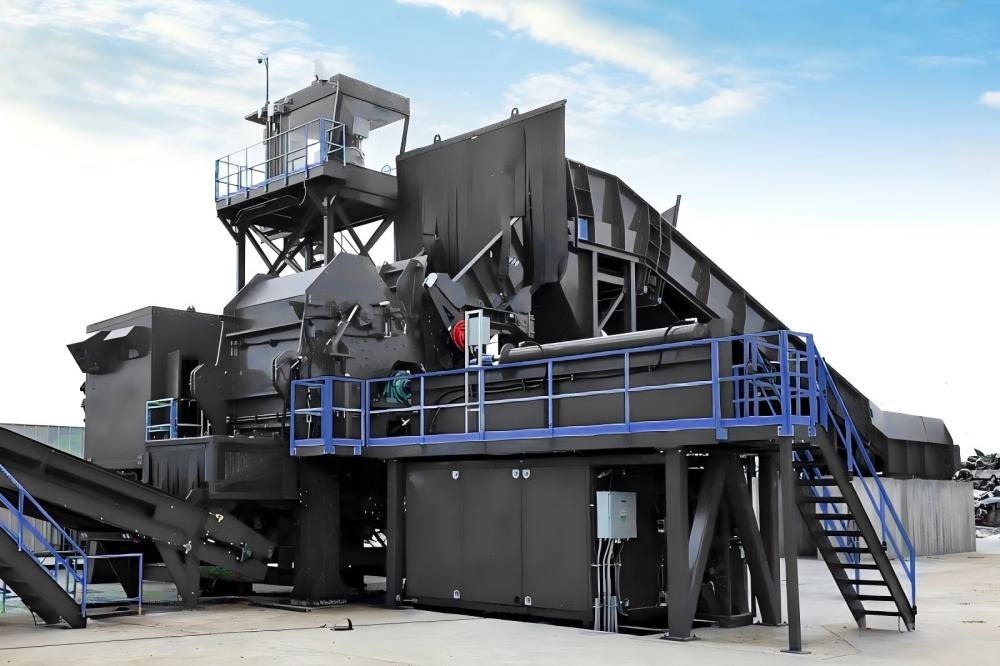
The application of hammer shredders in the recycling industry is vast. By understanding the specific use cases, facility managers can better configure their equipment for maximum ROI. Below are the most common scenarios where processing mixed metal waste with a hammer shredder is essential.
1. End-of-Life Vehicle (ELV) Processing
Automobiles are perhaps the most complex form of mixed metal waste. They contain steel frames, aluminum engine blocks, copper wiring, and a variety of plastics and fluids. A large-scale hammer shredder can process a flattened car body in seconds. The impact of the hammers strips the copper wiring from the steel chassis and breaks the aluminum components into small nuggets. This process, often called “fragging,” produces “shredded steel scrap,” which is a highly sought-after commodity for electric arc furnaces (EAF).
2. Electronic Waste (WEEE) Recycling
Electronic waste, including computers, servers, and household appliances, contains a treasure trove of precious and base metals. However, these metals are often embedded in circuit boards and plastic housings. Hammer shredders are used to liberate the gold, silver, and copper from the surrounding materials. Because WEEE can contain hazardous materials like lead or mercury, these shredders are often equipped with sophisticated dust extraction and filtration systems to ensure operator safety and environmental compliance.
3. Municipal Solid Waste (MSW) Metal Recovery
In many modern waste-to-energy plants, municipal waste is processed to remove recyclable metals before incineration. Hammer shredders are used to break down bagged trash and bulky items, allowing magnets and eddy current separators to pull out tin cans, aluminum foil, and discarded metal tools. This not only recovers valuable material but also improves the efficiency of the incineration process by removing non-combustible items.
4. Aluminum Profile and Casting Clean-up
Aluminum scrap often comes in the form of long profiles (from window frames) or large castings (from engine parts). These items are often contaminated with steel screws, rubber seals, or paint. A hammer shredder effectively “cleans” the aluminum by knocking off the attachments and breaking the aluminum into small, dense pieces. This densification is crucial for melting, as it reduces the surface area-to-volume ratio, thereby minimizing oxidation losses in the furnace.
Selection Advice: Choosing the Right HARSLE Shredder
Selecting the appropriate hammer shredder for your facility involves more than just looking at the price tag. It requires a deep dive into your specific operational needs. Here is a checklist to guide your decision-making process:
- Define Your Primary Feedstock: Are you mostly processing light tin and aluminum, or are you dealing with heavy industrial scrap? The weight of the hammers and the power of the motor must match the density of the waste.
- Evaluate Required Particle Size: If your downstream separation equipment requires a 20mm particle size, you need a shredder capable of high-frequency impacts and fine grate settings.
- Consider Maintenance Accessibility: Hammer shredders require regular maintenance. Look for designs like HARSLE’s that offer hydraulic housing opening systems, allowing for quick and safe access to the rotor and hammers.
- Analyze Total Cost of Ownership (TCO): This includes the initial purchase price, energy consumption, and the cost of wear parts. A cheaper machine that requires hammer replacements every week will quickly become more expensive than a premium machine with durable components.
- Space and Installation: Ensure your facility has the footprint for the shredder, the infeed conveyor, and the discharge systems. Also, check the electrical infrastructure to ensure it can handle the high starting current of large shredder motors.
Maintenance and Safety Protocols
Operating a hammer shredder involves managing significant forces, which makes maintenance and safety non-negotiable. A daily inspection routine should include checking for loose bolts, inspecting the hammers for cracks, and ensuring the lubrication system is functioning correctly. Hammers should be rotated or replaced before they wear down to the point of losing their balance, as an unbalanced rotor can cause catastrophic bearing failure.
Safety protocols must include strict Lock-Out Tag-Out (LOTO) procedures during maintenance. Given the noise levels, hearing protection is mandatory, and the shredder should be housed in a sound-dampening enclosure if located near other work areas. Furthermore, explosion suppression systems are often required when shredding materials that might contain sealed containers or volatile dust, such as certain types of industrial scrap.
Frequently Asked Questions (FAQ)
What is the difference between a hammer shredder and a shear shredder?
A hammer shredder uses high-speed impact to break material apart, which is ideal for densifying metal and liberating mixed components. A shear shredder uses low-speed, high-torque blades to cut material, which is better for reducing the size of bulky items like tires or large plastic drums without creating as much dust or noise.
How long do the hammers last?
Hammer life depends entirely on the material being processed. When shredding clean aluminum, hammers may last for hundreds of hours. When processing abrasive materials like sandy castings or reinforced steel, they may need replacement or hard-facing every 40-80 hours. HARSLE provides various alloy options to maximize this lifespan.
Can a hammer shredder handle stainless steel?
Yes, but with caution. Stainless steel is much harder and more work-hardening than mild steel. Processing large amounts of stainless steel requires a shredder with higher horsepower and hammers specifically designed for high-impact toughness to prevent shattering.
Is it possible to process wet metal waste?
While possible, wet waste can lead to clogging of the discharge grates and increased corrosion of the internal components. It is generally recommended to process dry material or use a shredder specifically equipped with a wet-shredding kit that includes specialized drainage and corrosion-resistant liners.
Conclusion: The Future of Metal Waste Processing
Processing Mixed Metal Waste A Hammer Shredder: Common Use Cases highlights the indispensable role of impact-based shredding in the circular economy. As the world moves toward more sustainable manufacturing, the ability to efficiently separate and reuse metals will define the success of the industrial sector. Hammer shredders provide the necessary power and versatility to turn complex waste streams into valuable commodities.
HARSLE remains committed to pushing the boundaries of what is possible in metal fabrication and recycling technology. By investing in high-quality hammer shredders, businesses can ensure they are prepared for the challenges of tomorrow’s scrap market. Whether you are a small-scale recycler or a massive industrial processing plant, understanding the technical nuances and applications of these machines is the first step toward operational excellence. With the right equipment, the “waste” of today becomes the “resource” of tomorrow, driving both profitability and environmental sustainability.


