
Comprehensive Guide to Hammer Shredder Applications in Automotive Scrap and End-of-Life Vehicle Recycling

Introduction to Hammer Shredder Applications In Automotive Scrap End-Of-Life Vehicle Recycling
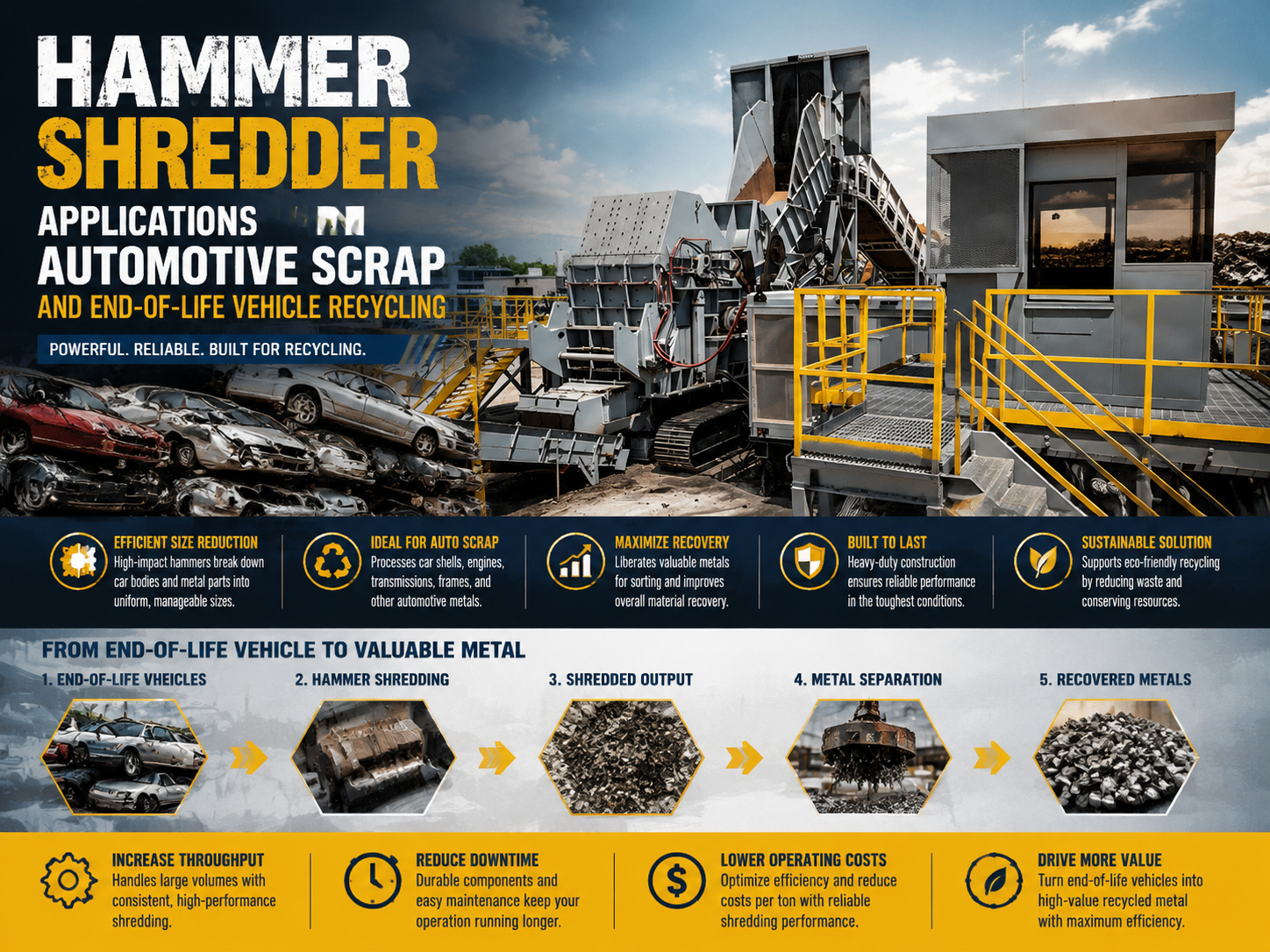
The global automotive industry is undergoing a massive transformation, not just in how vehicles are manufactured, but in how they are disposed of at the end of their lifecycle. As millions of vehicles reach their end-of-life (ELV) status annually, the demand for efficient, high-capacity recycling solutions has never been higher. Central to this industrial challenge is the hammer shredder. Hammer Shredder Applications In Automotive Scrap End-Of-Life Vehicle Recycling represent the pinnacle of mechanical processing, turning complex, multi-material vehicle carcasses into clean, high-value secondary raw materials.
HARSLE, a leader in metal fabrication and industrial machinery, recognizes that the efficiency of a recycling facility depends heavily on the robustness of its primary shredding equipment. A hammer shredder is designed to handle the extreme rigors of crushing car frames, engines, and body panels. By utilizing high-velocity kinetic energy, these machines break down bulky automotive scrap into manageable fragments, facilitating the subsequent separation of ferrous metals, non-ferrous metals, and waste residues. This process is essential for achieving the high recycling rates mandated by modern environmental regulations.
In this comprehensive guide, we will explore the intricate details of how hammer shredders operate within the automotive recycling sector. We will delve into the technical specifications that define a high-performance machine, the economic considerations for facility operators, and the strategic advice for selecting the right equipment. Whether you are looking to upgrade an existing scrap yard or establish a new ELV processing plant, understanding the nuances of Hammer Shredder Applications In Automotive Scrap End-Of-Life Vehicle Recycling is critical for long-term success.
Key Considerations for Automotive Scrap Processing
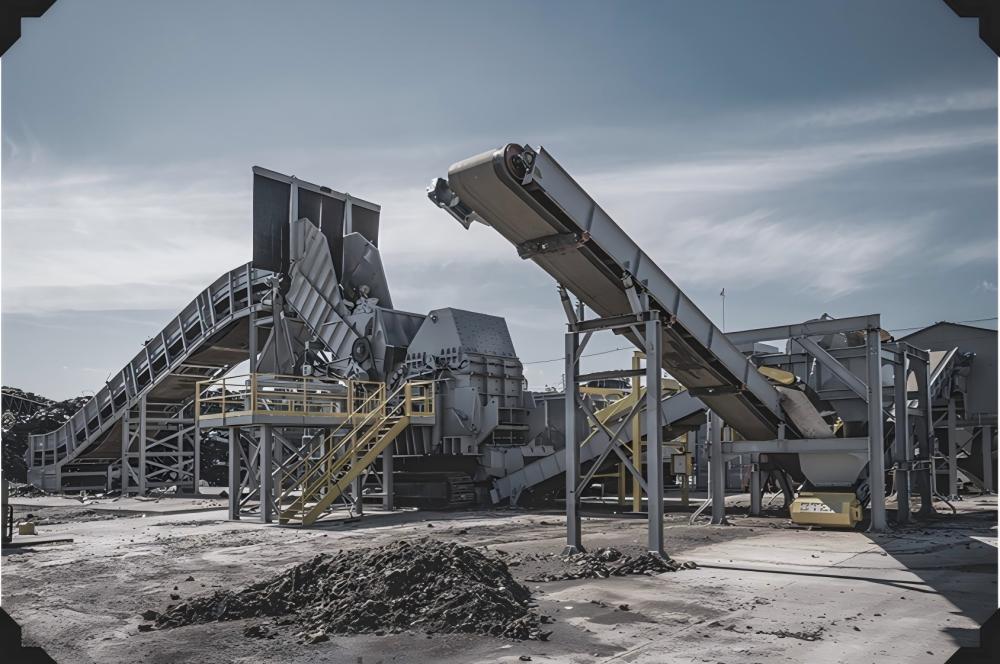
When implementing Hammer Shredder Applications In Automotive Scrap End-Of-Life Vehicle Recycling, several critical factors must be addressed to ensure operational efficiency and profitability. The first consideration is the material composition of modern vehicles. Unlike cars from several decades ago, today’s vehicles contain a complex mix of high-strength steel, aluminum alloys, plastics, glass, and electronic components. A hammer shredder must be versatile enough to process these diverse materials without excessive wear or frequent downtime.
Throughput and capacity are equally vital. Industrial recycling facilities often operate on thin margins, meaning the volume of material processed per hour directly impacts the bottom line. Operators must calculate the expected daily tonnage of ELVs and choose a shredder that can handle peak loads. Furthermore, the size of the output material—often referred to as the “shredder fraction”—must be consistent to ensure that downstream separation equipment, such as magnetic drums and eddy current separators, can function at peak efficiency.
Environmental and safety regulations also play a significant role. Shredding automotive scrap generates significant noise, dust, and potential emissions from residual fluids or batteries. Modern Hammer Shredder Applications In Automotive Scrap End-Of-Life Vehicle Recycling must incorporate advanced dust suppression systems, soundproofing enclosures, and explosion protection measures. Additionally, the management of Auto Shredder Residue (ASR), or “fluff,” is a major logistical challenge. Efficient shredding helps in better liberating the recyclable components from the ASR, thereby reducing the volume of waste sent to landfills.
Finally, the total cost of ownership (TCO) must be evaluated. This includes not only the initial capital expenditure but also the ongoing costs of replacement parts, such as hammers, liners, and grates. High-quality alloys and modular designs can significantly reduce maintenance intervals. HARSLE focuses on engineering shredders that balance high-impact performance with ease of maintenance, ensuring that the machine remains an asset rather than a liability over its decades-long service life.
Technical Details of Hammer Shredders in ELV Recycling
The engineering behind Hammer Shredder Applications In Automotive Scrap End-Of-Life Vehicle Recycling is a study in controlled violence. At the heart of the machine is a massive rotor, often weighing several tons, spinning at high speeds. Attached to this rotor are free-swinging hammers made from specialized manganese steel or other wear-resistant alloys. When a vehicle carcass enters the shredding chamber, these hammers deliver massive kinetic energy impacts, shattering the metal along its grain boundaries and weld points.
Rotor and Hammer Dynamics
The rotor is the most critical component of the hammer shredder. It must be dynamically balanced to prevent vibrations that could damage the bearings or the machine’s structural frame. The hammers themselves are designed to swing freely, which allows them to retract if they encounter an un-shreddable object (like a solid steel shaft), preventing catastrophic failure. The geometry of the hammer—its weight, face area, and pivot point—is optimized for the specific type of automotive scrap being processed.
The Shredding Chamber and Grates
The interior of the shredding chamber is lined with replaceable wear plates. Below the rotor lies the grate basket. The size of the openings in these grates determines the final size of the shredded material. Material remains in the chamber, being struck repeatedly by the hammers, until it is small enough to pass through the grates. In Hammer Shredder Applications In Automotive Scrap End-Of-Life Vehicle Recycling, the grate design is often a compromise between throughput and the purity of the output; smaller holes yield cleaner separation but lower the overall capacity.
Power and Drive Systems
Driving a large-scale hammer shredder requires immense power, often ranging from 1,000 to over 5,000 horsepower. These systems typically utilize high-voltage electric motors coupled with sophisticated fluid couplings or frequency drives to manage the high starting torque and to protect the motor from shock loads. The drive system must be robust enough to handle the constant fluctuations in load as different parts of the vehicle (e.g., the engine block vs. the door panels) are processed.
| Feature | Specification Range | Benefit in ELV Recycling |
|---|---|---|
| Motor Power | 500 HP – 6000 HP | Handles heavy engine blocks and frames |
| Rotor Speed | 400 – 700 RPM | Optimizes kinetic energy for metal liberation |
| Hammer Weight | 50 kg – 250 kg | Provides the necessary impact force for thick steel |
| Grate Size | 50mm – 150mm | Controls output quality and separation efficiency |
| Throughput | 10 – 150 Tons/Hour | Scalable to facility size and scrap volume |
Selection Advice: Choosing the Right Shredder for Your Facility
Selecting the appropriate equipment for Hammer Shredder Applications In Automotive Scrap End-Of-Life Vehicle Recycling is a strategic decision that requires a deep understanding of your local market and operational goals. The first step is to define your primary feedstock. Are you processing whole cars with engines and transmissions included, or are you dealing with pre-processed, flattened hulks? Whole cars require a larger feed opening and significantly more power to crush the heavy castings found in drivetrains.
Another key factor is the desired end-product. If your goal is to sell high-quality “shredded steel” (often referred to as ISRI 211) to steel mills, you need a shredder that provides excellent liberation of non-ferrous contaminants. This often means choosing a machine with a higher hammer-to-volume ratio and a specific grate configuration. If you are also targeting the recovery of copper and aluminum, the shredder must be part of a larger system that includes sophisticated downstream sorting technology.
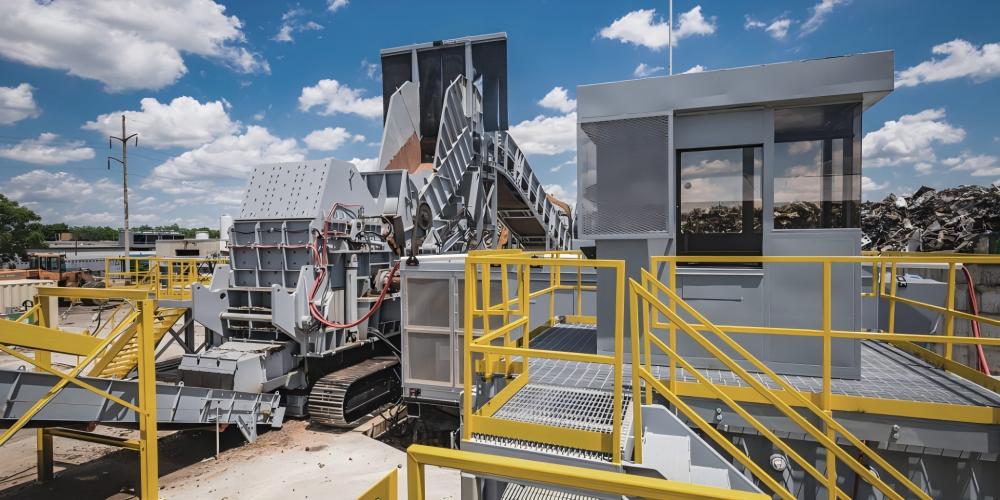
Consider the footprint and infrastructure of your site. Large-scale hammer shredders require substantial reinforced concrete foundations to absorb the massive vibrations generated during operation. They also require significant electrical infrastructure. For smaller operations or those requiring flexibility, mobile or semi-mobile hammer shredders are an increasingly popular choice. These units offer lower throughput but can be deployed closer to the source of the scrap, reducing transportation costs.
Maintenance accessibility should never be overlooked. In the world of Hammer Shredder Applications In Automotive Scrap End-Of-Life Vehicle Recycling, downtime is the enemy of profit. Look for designs that feature hydraulic opening mechanisms for the top housing and grate baskets. This allows for rapid inspection and replacement of hammers and liners. HARSLE machines are engineered with the operator in mind, featuring easy-access points and standardized wear parts to minimize the time the machine spends offline.
Checklist for Buyers:
- Material Analysis: Determine the ratio of ferrous to non-ferrous and the presence of heavy castings.
- Capacity Requirements: Calculate your average and peak hourly tonnage needs.
- Power Availability: Ensure your facility can support the high-voltage requirements of the motor.
- Downstream Compatibility: Ensure the shredder output matches the requirements of your sorting line.
- Service and Support: Choose a manufacturer like HARSLE that provides comprehensive technical support and spare parts availability.
- Regulatory Compliance: Verify that the machine meets local noise, dust, and safety standards.
The Role of Downstream Separation in ELV Recycling
While the hammer shredder is the primary engine of the recycling process, its effectiveness is maximized when integrated with a robust downstream separation system. Once the automotive scrap is shredded into small fragments, it passes through a series of stages designed to sort the materials by their physical properties. This is where the true value of Hammer Shredder Applications In Automotive Scrap End-Of-Life Vehicle Recycling is realized, as it transforms a mixed pile of debris into purified commodity streams.
The first stage usually involves air classification (Z-box or cyclone), which removes the light fraction—plastics, foam, fabric, and dust. This “light fluff” is often the most difficult part of the ELV to recycle. Following this, magnetic separators (drums or overbelt magnets) extract the ferrous metals, which typically make up about 65-70% of a vehicle’s weight. The remaining material, known as the non-ferrous fraction or “heavy fluff,” contains valuable metals like aluminum, copper, and brass.
Eddy current separators are then used to repel non-ferrous metals away from the remaining waste. In advanced facilities, sensor-based sorting (using X-ray or optical sensors) can further refine these streams, separating different grades of aluminum or identifying specific types of plastics. The precision of the initial hammer shredding is crucial here; if the shredder does not properly liberate the different materials (e.g., if a piece of copper wire remains wrapped around a steel bolt), the downstream sensors will fail to sort them correctly, leading to lower purity and lower market value.
Maintenance and Longevity of Hammer Shredders
The operational environment for Hammer Shredder Applications In Automotive Scrap End-Of-Life Vehicle Recycling is incredibly harsh. Constant impacts, abrasion, and the presence of contaminants mean that a rigorous maintenance schedule is non-negotiable. The most frequent maintenance task is the rotation or replacement of the hammers. Depending on the material being processed, hammers may need to be flipped or replaced every few days or weeks to maintain shredding efficiency and prevent damage to the rotor.
Lubrication of the main rotor bearings is another critical task. These bearings operate under extreme loads and temperatures. Automated lubrication systems are highly recommended to ensure a consistent supply of grease. Furthermore, the structural integrity of the shredder housing must be inspected regularly for cracks or thinning of the wear liners. Replacing a liner is a routine task; repairing a breached housing is a major and expensive undertaking.
Modern monitoring technology has revolutionized shredder maintenance. Vibration sensors, temperature probes on the bearings, and motor load monitors can provide real-time data to operators. This “predictive maintenance” approach allows for the identification of potential issues before they lead to catastrophic failure. For instance, a sudden increase in vibration might indicate a broken hammer or an unbalanced rotor, allowing the operator to shut down the machine safely and address the problem immediately.
Frequently Asked Questions (FAQ)
What is the typical lifespan of a hammer in an ELV shredder?
The lifespan of a hammer varies greatly depending on the material being shredded and the alloy of the hammer itself. In high-volume automotive recycling, hammers might last between 40 to 100 hours of operation before needing to be rotated or replaced. Using high-quality manganese or chrome-moly steel can extend this life significantly.
Can a hammer shredder process electric vehicle (EV) batteries?
No, EV batteries should never be processed in a standard hammer shredder due to the extreme risk of fire and explosion. Batteries must be removed during the de-pollution stage before the vehicle carcass enters the shredder. Specialized battery recycling equipment is required for processing lithium-ion cells.
How does the shredder handle engine blocks?
Heavy-duty hammer shredders are designed to shatter cast iron engine blocks. However, to reduce wear and power consumption, many facilities use a “pre-shredder” or a hydraulic shear to break the engine into smaller pieces before it enters the main hammer mill. This significantly increases the longevity of the main shredder’s components.
What is the difference between a hammer mill and a ring shredder?
While both use a spinning rotor, a hammer mill uses fixed or swinging hammers to impact the material, while a ring shredder uses heavy rings that roll and crush the material against a grate. Hammer mills are generally preferred for ELV recycling because they provide better liberation of different materials through high-impact force.
What happens to the “fluff” or ASR?
Auto Shredder Residue (ASR) is traditionally sent to landfills. However, modern Hammer Shredder Applications In Automotive Scrap End-Of-Life Vehicle Recycling are increasingly focused on “ASR recovery,” where the fluff is further processed to extract residual metals and high-caloric plastics for use as engineered fuel (SRF/RDF).
Conclusion: The Future of Hammer Shredder Applications In Automotive Scrap End-Of-Life Vehicle Recycling
As the world moves toward a circular economy, the role of Hammer Shredder Applications In Automotive Scrap End-Of-Life Vehicle Recycling will only become more prominent. The ability to efficiently recover high-purity metals from complex waste streams is essential for reducing the environmental impact of the automotive industry and ensuring a steady supply of raw materials for future manufacturing. The technology continues to evolve, with smarter automation, more durable materials, and better integration with digital monitoring systems.
HARSLE remains at the forefront of this evolution, providing the recycling industry with the robust, high-performance machinery needed to tackle the challenges of tomorrow. By focusing on engineering excellence, ease of maintenance, and operational efficiency, HARSLE hammer shredders empower recyclers to maximize their recovery rates and profitability. Investing in the right shredding technology is not just a business decision; it is a commitment to a more sustainable industrial future. Whether you are processing traditional internal combustion vehicles or preparing for the next generation of automotive scrap, the hammer shredder remains the indispensable heart of the recycling plant.


