
Why Hammer Shredders Are Essential for Scrap Metal Pre-Processing Lines

Introduction to Modern Scrap Metal Pre-Processing
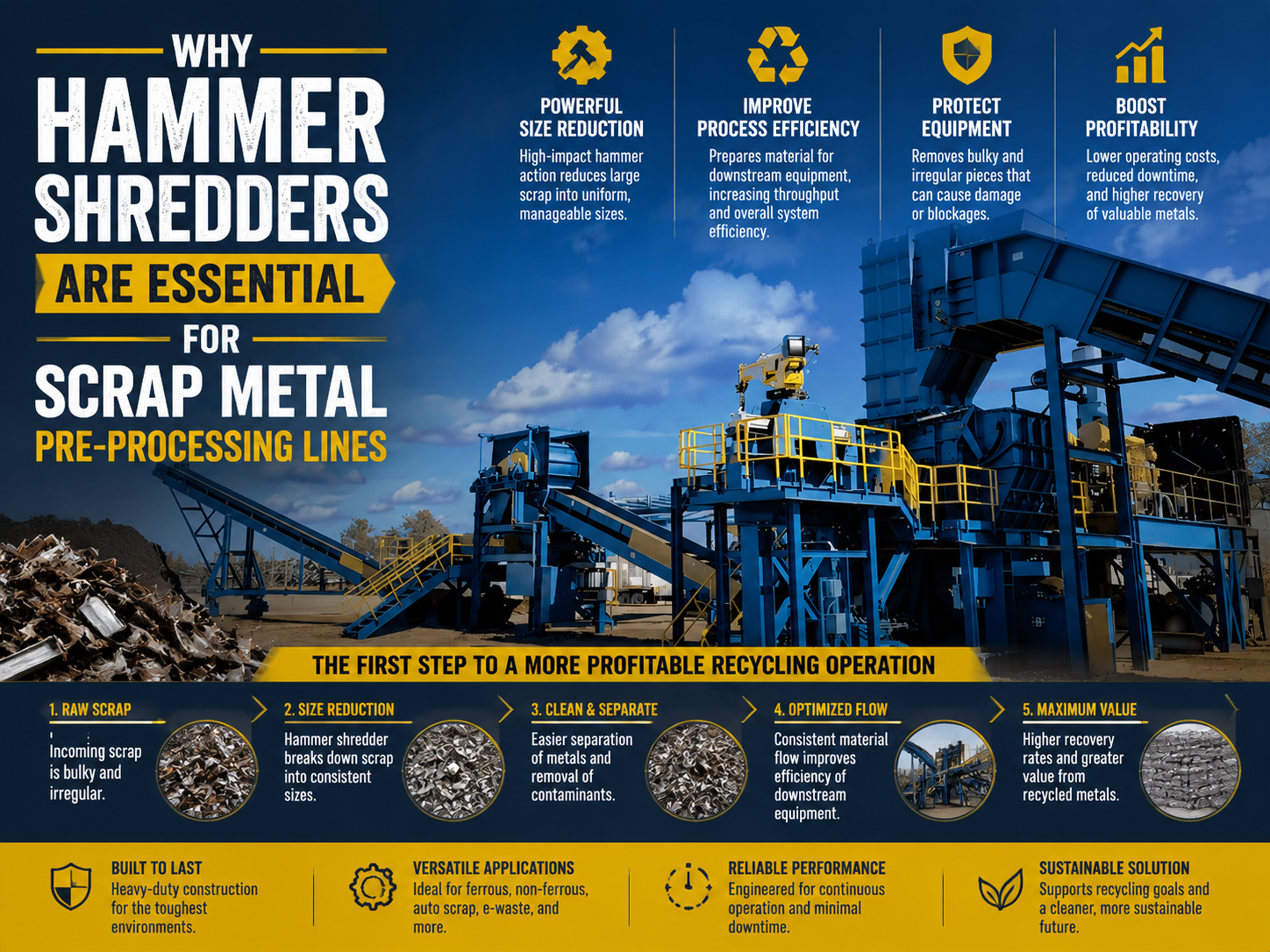
In the rapidly evolving landscape of global metal recycling, the efficiency of a processing facility is often determined by its primary reduction stage. As the demand for high-quality secondary raw materials grows, the role of specialized machinery becomes more critical. Among these, the hammer shredder stands out as a cornerstone technology. Understanding why Hammer Shredders Are Essential Scrap Metal Pre-Processing Lines requires a deep dive into the mechanics of material transformation and the economic requirements of modern smelting operations.
Scrap metal, in its raw form, is often a chaotic mix of bulky structures, composite materials, and surface contaminants. From end-of-life vehicles (ELVs) to industrial offcuts and household appliances, the diversity of input material presents a significant challenge for recyclers. A hammer shredder addresses this by utilizing high-velocity impact forces to break down large objects into dense, uniform fragments. This process is not merely about size reduction; it is about liberation—separating ferrous metals from non-ferrous metals, plastics, and coatings to ensure the highest possible purity for downstream sorting.
HARSLE, a leader in industrial machinery, recognizes that the pre-processing stage is where the most value is added to the recycling chain. By implementing a robust hammer shredding system, facilities can transform low-grade scrap into a premium commodity. This article explores the technical nuances, strategic advantages, and selection criteria that make these machines indispensable in today’s industrial environment.
Key Considerations: Why Hammer Shredders Are Essential Scrap Metal Pre-Processing Lines
1. Material Densification and Transport Efficiency
One of the primary reasons Hammer Shredders Are Essential Scrap Metal Pre-Processing Lines is their ability to significantly increase the bulk density of scrap. Raw scrap is notoriously voluminous and difficult to transport economically. A truckload of loose light-gauge steel might only weigh a few tons, whereas the same volume of shredded, densified scrap can weigh five to ten times more. This densification reduces logistics costs and carbon footprints, making the entire recycling operation more sustainable.
Furthermore, densified scrap is preferred by steel mills and foundries. High-density material improves the charging efficiency of Electric Arc Furnaces (EAF). When the scrap is uniform and dense, it melts more consistently, reduces electrode breakage, and minimizes the number of furnace charges required per heat. This direct link between shredding and furnace productivity highlights the shredder’s role as a vital link in the circular economy.
2. Liberation of Contaminants
Scrap metal is rarely pure. It is often painted, galvanized, or attached to non-metallic components like rubber, glass, and plastic. The intense kinetic energy of a hammer shredder performs a process known as “scrubbing.” As the hammers strike the metal against the anvil and grate bars, the impact strips away surface coatings and breaks the mechanical bonds between different materials. This liberation is essential for effective downstream separation using magnetic drums, eddy current separators, and sensor-based sorting systems.
3. Protecting Downstream Equipment
A pre-processing line is a sequence of sophisticated machines. If large, unshredded pieces of metal were to pass directly to sensitive sorting equipment, the risk of damage would be catastrophic. Hammer shredders act as a protective barrier, ensuring that only manageable, sized fragments proceed through the line. By normalizing the input size, the shredder allows magnetic separators and air classifiers to operate at peak efficiency, preventing clogs and mechanical failures that lead to expensive downtime.
4. Maximizing Recovery Rates
In the recycling industry, every percentage point of recovered metal translates directly to profit. Hammer shredders are designed to break down complex assemblies, such as electric motors or automotive alternators, which contain valuable copper and aluminum trapped inside steel housings. Without the aggressive pulverizing action of a hammer shredder, these precious metals would likely remain trapped and be lost to the ferrous stream or landfill. The shredder ensures that every gram of valuable metal is exposed and ready for recovery.
Technical Details of Hammer Shredder Engineering
The Rotor and Hammer Assembly
The heart of the hammer shredder is the rotor. This massive, high-speed rotating shaft holds the hammers—heavy, cast-alloy blocks designed to withstand extreme impact. The design of the rotor is critical; it must be balanced to prevent vibration while being robust enough to handle the shock of crushing a car engine block. HARSLE utilizes advanced metallurgy for its hammers, often employing manganese steel or specialized chrome alloys that work-harden during use, extending the service life of the wear parts.
The Grate and Anvil System
The size of the final product is determined by the discharge grates located at the bottom of the shredding chamber. Material remains in the chamber, being struck repeatedly by the hammers, until it is small enough to pass through the grate openings. The anvil serves as the primary impact point where the initial reduction occurs. Adjusting the gap between the hammers and the anvil, as well as the size of the grate openings, allows operators to fine-tune the output to meet specific customer requirements or furnace specifications.
Power and Drive Systems
Hammer shredders require immense power. These machines are typically driven by high-torque electric motors or hydraulic systems. The drive system must be capable of handling sudden load spikes—for example, when a particularly thick piece of structural steel enters the chamber. Modern shredders often feature sophisticated electronic control systems that can momentarily reverse the feed or adjust the motor speed to prevent stalling, ensuring continuous operation even under heavy loads.
| Feature | Technical Specification | Benefit to Pre-Processing |
|---|---|---|
| Rotor Speed | 400 – 1,000 RPM | High kinetic energy for maximum fragmentation. |
| Hammer Weight | 50kg – 250kg per hammer | Ability to crush heavy-duty industrial scrap. |
| Grate Size | 50mm – 150mm (Adjustable) | Controls final product density and size. |
| Liner Material | Hardened Manganese Steel | Reduces maintenance frequency and protects the housing. |
| Drive Type | Direct Drive or Fluid Coupling | Protects the motor from shock loads and vibration. |
Selection Advice: Choosing the Right Shredder for Your Line
Assessing Throughput Requirements
When selecting a hammer shredder, the first consideration is the required throughput, measured in tons per hour (TPH). It is a common mistake to undersize a shredder to save on initial capital expenditure. However, an undersized machine will be forced to run at its limit, leading to accelerated wear and frequent breakdowns. Prospective buyers should analyze their current scrap intake and project future growth, typically selecting a machine with 20% more capacity than currently needed to ensure longevity and operational flexibility.
Material Compatibility
Not all hammer shredders are created equal. A machine designed for light aluminum scrap will fail if fed heavy HMS (Heavy Melting Scrap). Operators must define their primary feed material. If the line is intended for ELVs (End-of-Life Vehicles), the shredder must have a wide intake and a high-inertia rotor. For electronic waste (e-waste), a smaller, high-speed shredder with finer grates might be more appropriate to ensure the liberation of small components from circuit boards.
Maintenance and Accessibility
Hammer shredders are high-wear machines by nature. Therefore, ease of maintenance is a critical selection factor. Look for designs that feature hydraulic housing opening mechanisms, which allow for quick access to the rotor and hammers. The ability to flip or replace hammers in a matter of hours rather than days can be the difference between a profitable month and a loss. HARSLE designs emphasize “maintenance-friendly” architecture, ensuring that wear parts can be swapped with minimal specialized tools.
Integration with Sorting Technology
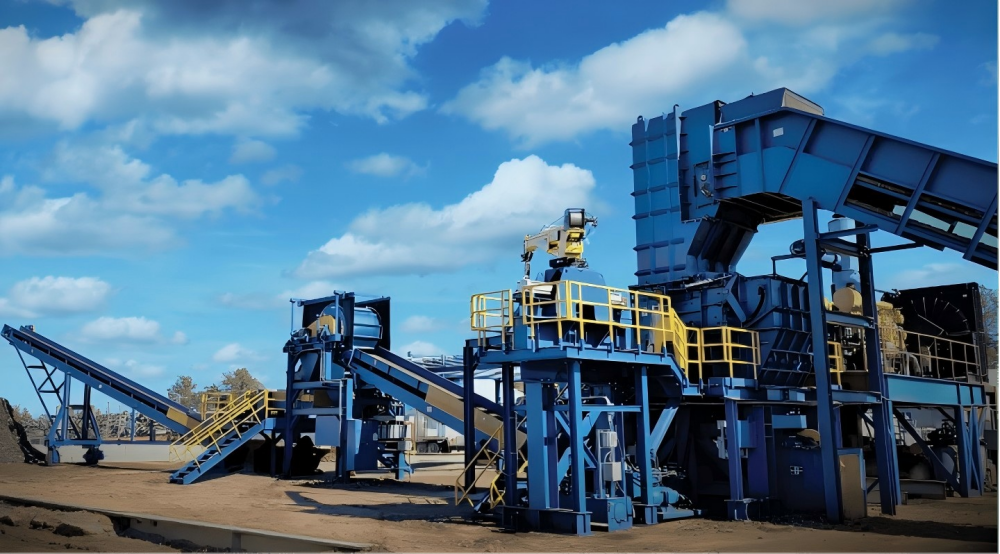
A hammer shredder is rarely a standalone unit. It must be integrated into a complete pre-processing line that includes conveyors, magnetic separators, and dust extraction systems. When choosing a shredder, consider how it will interface with these components. For instance, does the shredder have an integrated vibration feeder to ensure a steady flow of material? Does it include a water injection system to suppress dust and prevent explosions when processing volatile materials?
Frequently Asked Questions (FAQ)
How often do the hammers need to be replaced?
The lifespan of hammers depends entirely on the abrasiveness and hardness of the material being processed. In heavy-duty ferrous applications, hammers might need to be rotated or replaced every 40 to 80 hours of operation. In lighter applications, such as aluminum shredding, they can last significantly longer. Regular inspection is key to maintaining efficiency and preventing damage to the rotor.
Can hammer shredders handle non-metallic materials?
Yes, hammer shredders are excellent at processing composite materials. They are frequently used to shred tires, plastics, and wood when those materials are mixed with metal. However, if the goal is purely non-metallic shredding, different blade configurations might be more efficient. In a metal pre-processing line, the shredder’s job is to break the bond between the metal and the non-metal so they can be separated later.
What are the safety risks associated with hammer shredders?
The primary risks are flying debris and dust explosions. High-speed shredders can eject small pieces of metal at high velocity. Therefore, they must be enclosed in a reinforced housing with proper intake and discharge shielding. Additionally, shredding certain materials (like sealed containers or magnesium) can create explosive dust. Modern systems include “explosion vents” and water misting systems to mitigate these risks.
Is a hammer shredder better than a twin-shaft shear shredder?
It depends on the application. Twin-shaft shear shredders operate at lower speeds and use high torque to cut material. They are excellent for primary reduction of bulky items but do not provide the densification or “scrubbing” action of a hammer shredder. For a scrap metal pre-processing line where purity and density are the goals, the hammer shredder is generally superior.
Conclusion: The Future of Scrap Metal Processing
As we have explored, Hammer Shredders Are Essential Scrap Metal Pre-Processing Lines because they provide the necessary transformation of raw waste into high-value industrial feedstock. Their ability to densify material, liberate contaminants, and protect downstream investments makes them the heartbeat of the modern recycling facility. Without the aggressive impact technology of the hammer shredder, the efficiency of the global metal supply chain would be significantly diminished.
Investing in a high-quality hammer shredder from a reputable manufacturer like HARSLE is not just a purchase of a machine; it is a strategic investment in the future of a recycling business. As environmental regulations tighten and the demand for “green steel” and recycled aluminum rises, the ability to produce clean, dense scrap will become a major competitive advantage. By focusing on robust engineering, smart selection, and diligent maintenance, operators can ensure their pre-processing lines remain productive and profitable for decades to come.
In conclusion, whether you are processing automotive scrap, industrial waste, or consumer electronics, the hammer shredder remains the most effective tool for achieving the size reduction and material purity required by today’s global markets. Its role in the circular economy is undisputed, and its evolution continues to drive the recycling industry toward greater heights of efficiency and sustainability.


