Comprehensive Guide to Scrap Metal Baler Applications in Recycling Plants and Metal Recovery Operations

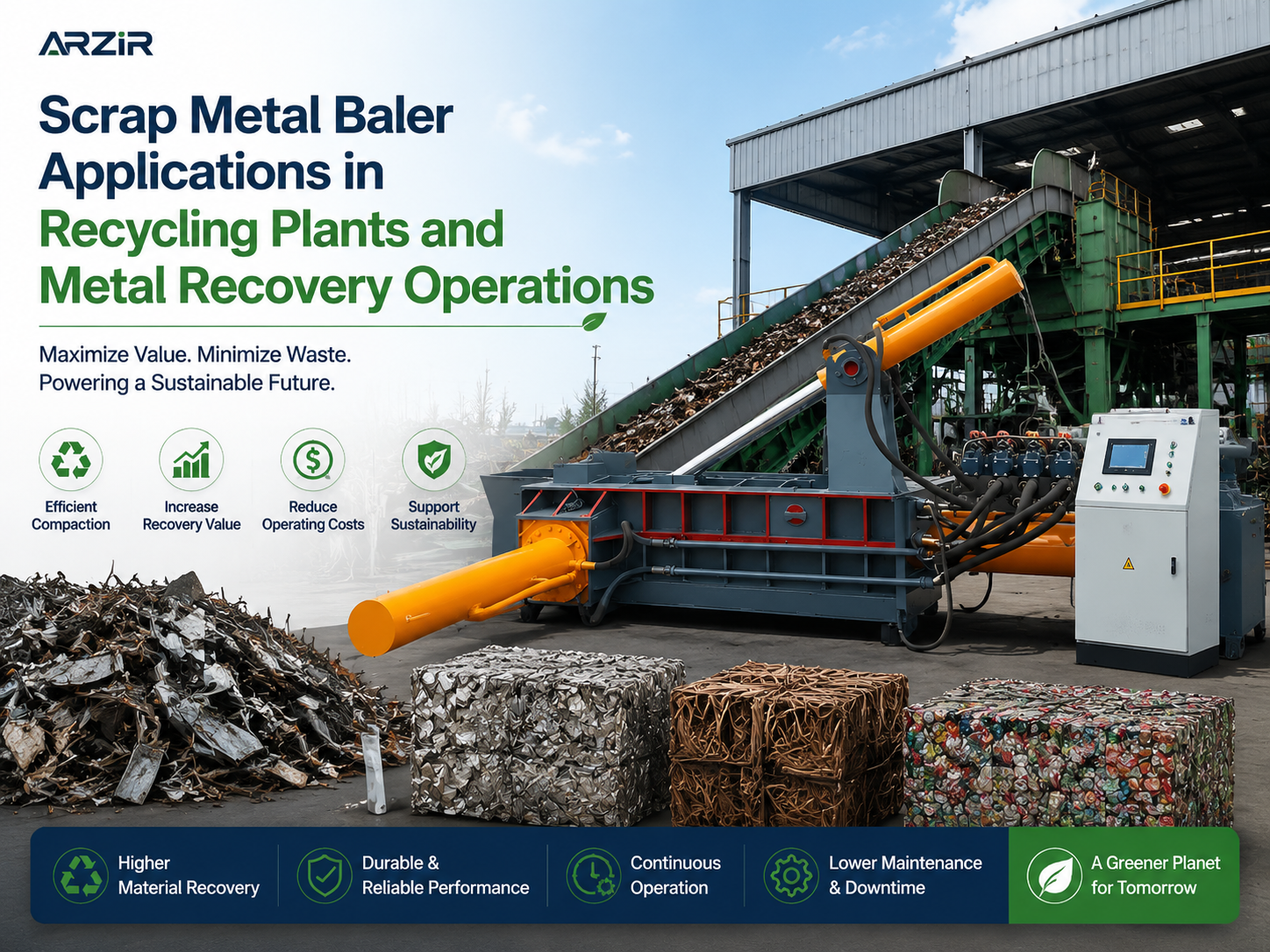
Introduction to Scrap Metal Baler Applications in Recycling Plants and Metal Recovery Operations
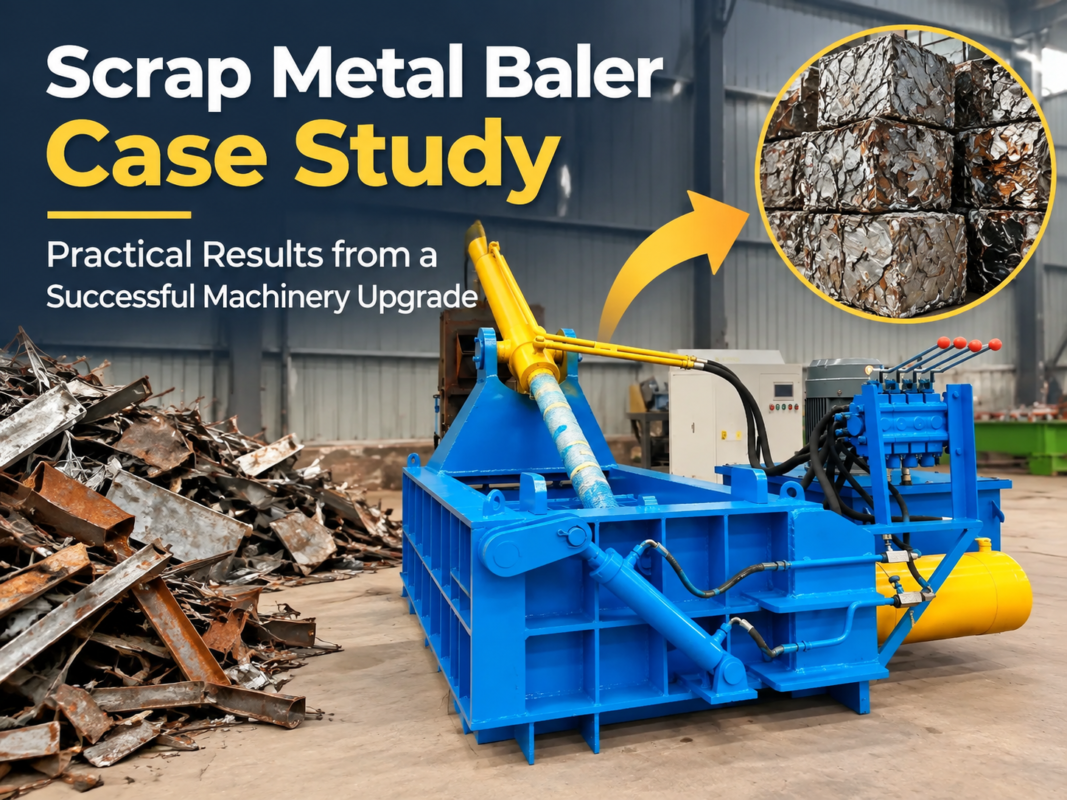
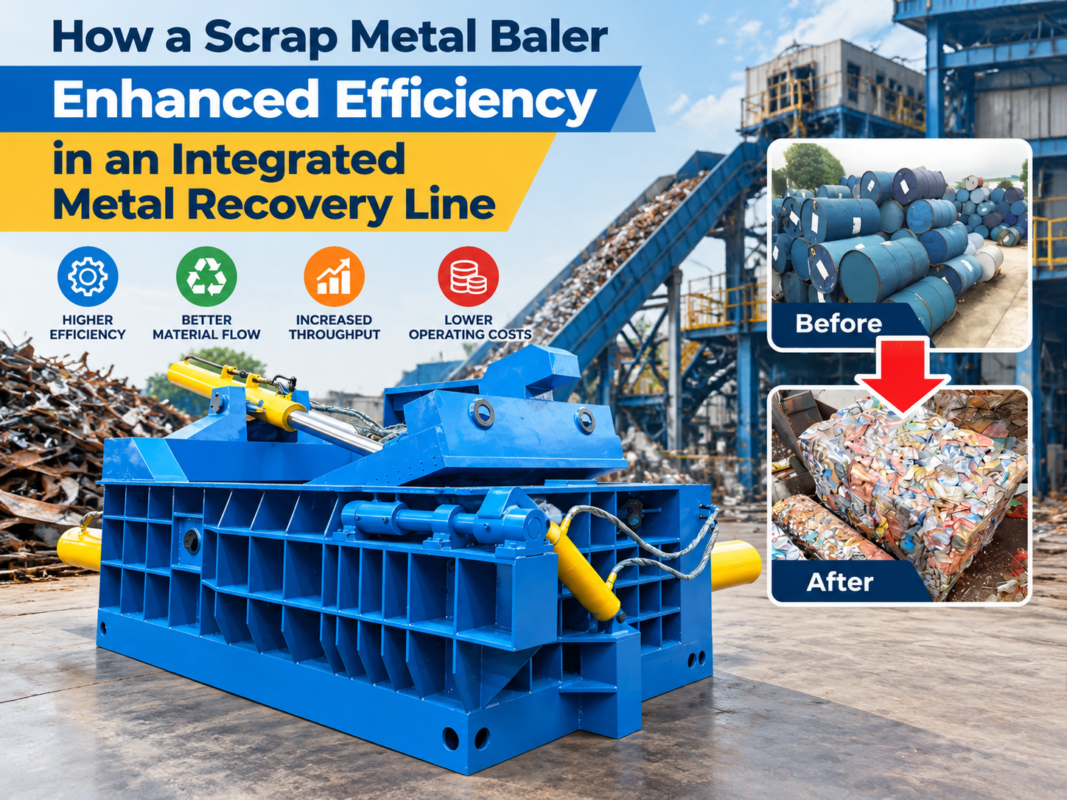
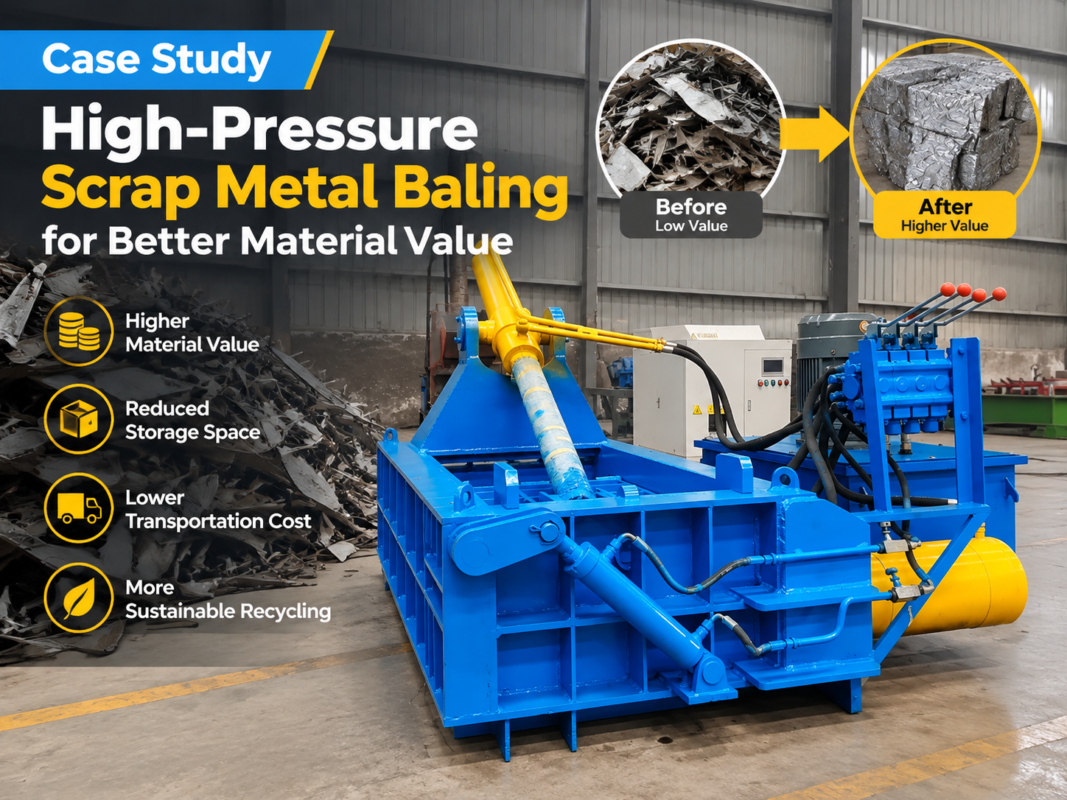
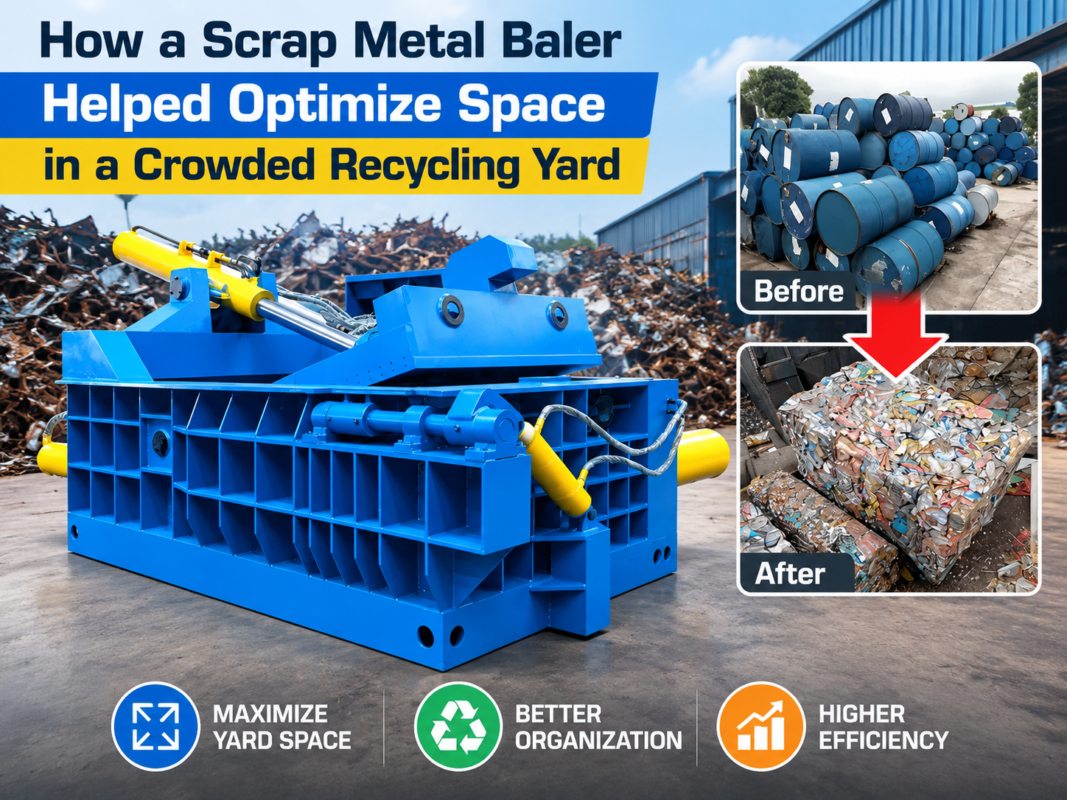
In the modern industrial landscape, the efficiency of recycling processes is not just a matter of environmental responsibility but a cornerstone of economic viability. Scrap metal balers stand as the workhorse of this sector, transforming loose, voluminous metal waste into dense, manageable blocks. The strategic use of Scrap Metal Baler Applications In Recycling Plants Metal Recovery Operations allows facilities to streamline their logistics, maximize storage space, and significantly increase the market value of their processed materials. As global demand for recycled steel, aluminum, and copper continues to rise, the role of high-performance hydraulic balers, such as those manufactured by HARSLE, becomes increasingly critical.
Metal recovery operations involve a complex series of steps designed to divert waste from landfills and reintroduce it into the manufacturing cycle. Without effective compaction, the sheer volume of scrap metal—ranging from automotive skeletons to industrial offcuts—would make transportation costs prohibitive. By utilizing advanced baling technology, recycling plants can achieve densities that meet the strict requirements of smelting furnaces and international shipping standards. This guide explores the multifaceted applications of these machines, the technical requirements of the materials they process, and the productivity benefits that drive the industry forward.
Application Scenarios for Scrap Metal Balers
Large-Scale Recycling Centers (MRFs)
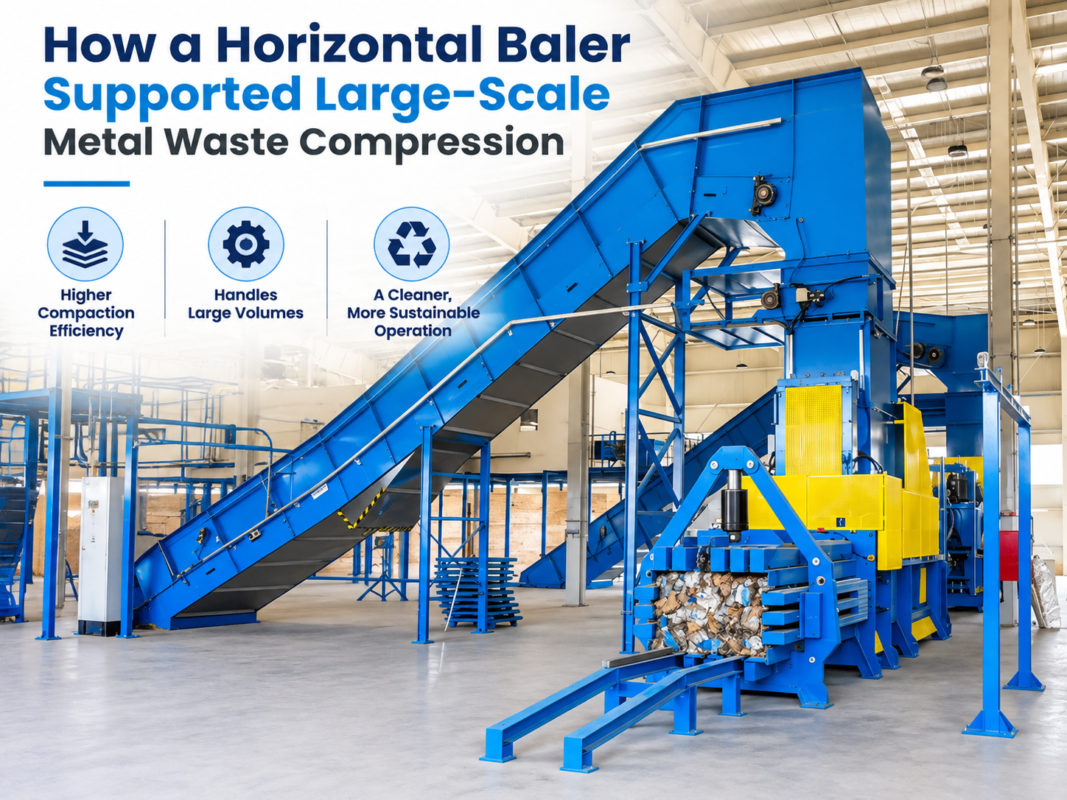
Material Recovery Facilities (MRFs) are the primary hubs for urban and industrial waste. In these environments, scrap metal balers are used to process a diverse stream of materials. These plants often deal with high volumes of post-consumer waste, such as aluminum cans and tin-plated steel containers. The baler acts as the final stage in the sorting line, where separated metals are compressed into uniform cubes. This uniformity is essential for inventory management, as it allows for precise weighing and stacking, which is impossible with loose scrap.
Automotive Dismantling and ELV Processing
End-of-Life Vehicle (ELV) processing is one of the most demanding Scrap Metal Baler Applications In Recycling Plants Metal Recovery Operations. Once a vehicle has been stripped of its fluids, engine, and reusable parts, the remaining chassis—a mix of high-strength steel and various alloys—must be reduced in size. Heavy-duty balers are employed to crush these frames into compact bales. This process not only facilitates easier transport to shredding facilities but also helps in separating ferrous from non-ferrous components during subsequent melting stages.
Industrial Manufacturing and Stamping Plants
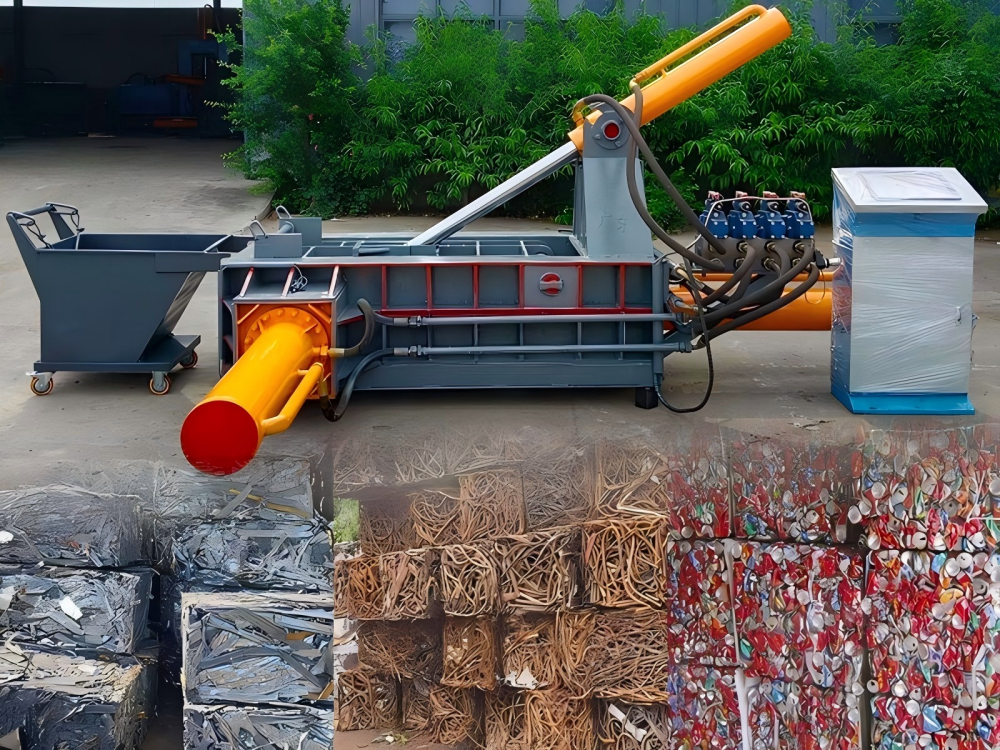
Manufacturing facilities, particularly those involved in automotive parts, appliance production, and aerospace, generate significant amounts of “new scrap” or prompt scrap. This includes skeletons from sheet metal stamping, trimmings, and defective parts. Integrating a scrap metal baler directly into the production environment—often referred to as on-site waste compaction—allows manufacturers to manage their waste stream in real-time. This prevents the accumulation of sharp, hazardous metal debris on the factory floor and ensures that the scrap remains clean and un-contaminated, fetching a higher price from metal recyclers.
Construction and Demolition (C&D) Sites
Demolition projects yield vast quantities of structural steel, rebar, and copper piping. On-site portable balers are increasingly used in these scenarios to process scrap at the source. By baling rebar and structural beams on-site, contractors can reduce the number of truck trips required to clear the site, leading to lower fuel consumption and a smaller carbon footprint for the project. This application highlights the versatility of modern balers, which can be configured for mobility without sacrificing compaction force.
Material and Process Requirements
Ferrous vs. Non-Ferrous Materials
The requirements for baling vary significantly depending on the metal’s properties. Ferrous metals, such as carbon steel and cast iron, are magnetic and generally harder, requiring higher hydraulic pressure for effective compaction. Non-ferrous metals, including aluminum, copper, and brass, are softer but often more valuable. For non-ferrous applications, the focus is often on maintaining material purity and achieving a specific bale density that prevents the metal from melting too quickly or unevenly in a furnace.
Material Thickness and Geometry
The physical form of the scrap dictates the baler’s configuration. Thin-gauge materials like HVAC ducting or aluminum siding require a baler with tight tolerances in the pressing chamber to prevent material from escaping between the ram and the walls. Conversely, heavy structural scrap requires a machine with reinforced shearing blades at the edge of the chamber to cut through overhanging pieces as the lid closes. Understanding the “shear strength” of the material is vital for selecting a machine that won’t suffer from premature wear or structural fatigue.
Bale Density and Furnace Requirements
The ultimate goal of most Scrap Metal Baler Applications In Recycling Plants Metal Recovery Operations is to prepare the metal for the melting furnace. Furnaces have specific requirements for bale density; if a bale is too loose, it may float on top of the molten bath and oxidize, leading to material loss. If it is too dense, it may take too long to melt, reducing the furnace’s throughput. High-quality balers allow operators to adjust the pressure settings to achieve the optimal density for the specific end-user, whether it’s a secondary aluminum smelter or a steel mini-mill.
Recommended Machine Configuration
Hydraulic System and Power Units
The heart of any scrap metal baler is its hydraulic system. For industrial-scale operations, a multi-pump system is often recommended. This allows for high-speed movement of the ram during the initial stages of compaction and high-pressure, low-speed movement during the final compression. HARSLE balers often utilize high-pressure piston pumps paired with sophisticated manifold blocks to minimize heat generation and energy consumption. Cooling systems, either air-cooled or water-cooled, are essential for maintaining oil viscosity during continuous 24/7 operations.
Chamber Design and Wear Liners
The compaction chamber is subject to extreme abrasion and impact. Recommended configurations include the use of replaceable wear plates made from high-hardness alloys like Hardox. These liners protect the main structure of the machine and can be swapped out during routine maintenance. Additionally, the inclusion of a “triple compression” design—where the metal is squeezed from three sides—is preferred for achieving the highest possible density and perfectly rectangular bales that are easy to stack.
Control Systems and Automation
Modern recycling plants demand integration with broader facility management systems. PLC (Programmable Logic Controller) systems, such as those from Siemens or Schneider, are standard in high-end balers. These systems allow for automated cycles, where the operator simply loads the hopper and the machine handles the rest. Features like remote diagnostics, bale counting, and pressure logging provide management with the data needed to optimize productivity and schedule preventative maintenance.
Workflow in Metal Recovery Operations
- Collection and Sorting: Scrap is gathered from various sources and sorted by grade (e.g., 304 stainless steel vs. 316). This is crucial because mixed-metal bales have significantly lower market value.
- Feeding the Baler: Material is loaded into the baler’s hopper or charging box using a crane with a grapple or a conveyor belt. Overfilling is avoided to ensure the lid can close and shear any protruding metal.
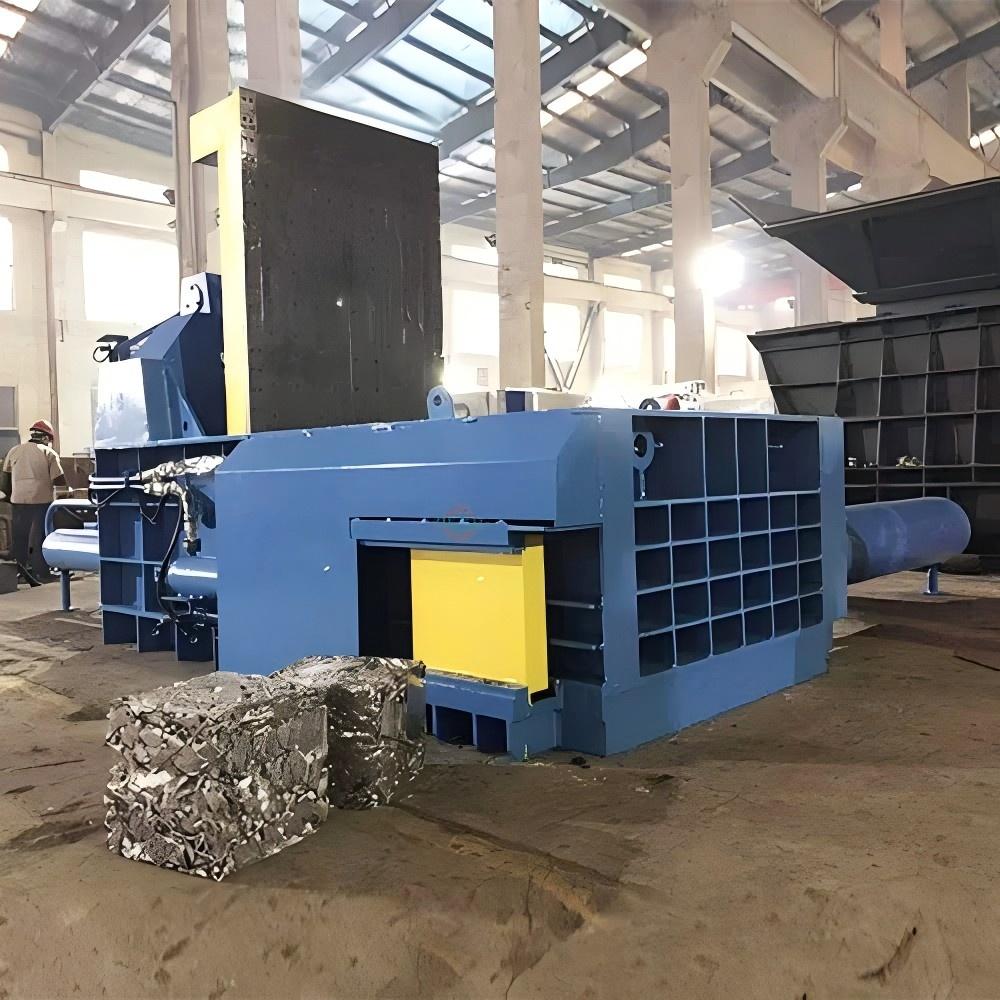
- The Compaction Cycle: The machine’s lid closes, often performing a primary shear. Then, the side ram and the main ram engage sequentially to compress the scrap into the corner of the chamber.
- Bale Ejection: Once the desired pressure is reached, the discharge door opens. The main ram pushes the completed bale out of the machine. In some designs, a “turn-out” or “side-push” mechanism is used to move the bale onto a discharge ramp.
- Storage and Transport: Bales are moved by forklift to a storage area. Because they are uniform in size, they can be stacked safely and loaded into shipping containers or onto flatbed trucks with maximum space utilization.
Productivity Benefits of Advanced Baling
The implementation of Scrap Metal Baler Applications In Recycling Plants Metal Recovery Operations yields immediate and long-term financial benefits. The most significant is the reduction in logistics costs. Loose scrap metal can have a bulk density as low as 150 kg/m³, whereas a baled product can exceed 1500 kg/m³. This means a single truck can carry ten times the weight of material in baled form compared to loose form, drastically reducing freight costs per ton.
Furthermore, baling improves safety and environmental compliance. Loose scrap often has sharp edges and can leak residual oils onto the ground. Bales are easier to handle, reducing the risk of workplace injuries. From a commercial perspective, baled scrap is classified as a “processed commodity” rather than “waste,” which often simplifies the regulatory requirements for international trade and allows recyclers to access global markets where prices may be higher.
| Feature | Loose Scrap | Baled Scrap | |||
|---|---|---|---|---|---|
| Transport Efficiency | Low (High volume, low weight) | High (Maximum payload per truck) | Storage Space | Extensive (Requires large bins/yards) | Minimal (Can be stacked vertically) |
| Market Value | Standard/Lower | Premium (Ready for furnace) | |||
| Handling Safety | Hazardous (Sharp edges, unstable) | Safe (Uniform, stable blocks) | |||
| Environmental Impact | High (Potential for runoff/leaks) | Low (Contained and compact) |
Case Example: Upgrading a Regional Recycling Facility
A mid-sized recycling plant in Eastern Europe was struggling with the rising costs of transporting loose aluminum and light steel scrap to a distant smelter. Their existing process involved manual loading of loose scrap into high-sided trailers, which often reached their volume limit long before their weight limit. This resulted in inefficient transport and low profit margins.
After consulting with HARSLE, the facility installed a high-speed hydraulic scrap metal baler with a 1600mm x 1200mm charging box. The results were transformative. The plant was able to increase its daily processing capacity by 40% due to the faster cycle times of the new machine. More importantly, the density of their aluminum bales increased to a level that allowed them to fit 24 tons of material into a standard 40-foot container, up from just 8 tons of loose material. Within 14 months, the savings in transportation costs alone covered the capital investment of the baler, while the improved bale quality allowed them to negotiate better pricing with the smelter.
Frequently Asked Questions (FAQ)
What is the average lifespan of a scrap metal baler?
With proper maintenance, a high-quality industrial scrap metal baler can last 15 to 20 years. Key factors in longevity include the regular replacement of wear liners, maintaining hydraulic oil cleanliness, and ensuring the machine is not consistently over-pressured beyond its design limits.
Can one baler handle both ferrous and non-ferrous metals?
Yes, most balers are versatile enough to handle both. However, it is critical to clean the chamber between different material runs to prevent cross-contamination. For example, even a small amount of steel in an aluminum bale can significantly devalue the load at a secondary smelter.
What safety features should I look for in a metal baler?
Essential safety features include emergency stop buttons at multiple locations, safety interlocks on all access doors, pressure relief valves in the hydraulic system, and infrared sensors or physical barriers to prevent personnel from entering the charging zone during operation.
How do I determine the right bale size for my operation?
Bale size should be determined by your end-customer’s requirements (the furnace opening) and your transport method. Standard sizes like 400mm x 400mm or 600mm x 600mm are common because they stack well in standard shipping containers and fit most industrial melting pots.
Conclusion and Call to Action
The strategic integration of Scrap Metal Baler Applications In Recycling Plants Metal Recovery Operations is a definitive factor in the success of modern recycling enterprises. By converting chaotic waste into high-density industrial raw materials, these machines provide the efficiency and reliability needed to thrive in a competitive global market. Whether you are managing a small scrap yard or a massive industrial recovery plant, the right baling technology is an investment in your facility’s future.
HARSLE is a leader in providing robust, high-efficiency metal fabrication and recycling machinery. Our range of hydraulic scrap metal balers is engineered for durability, ease of use, and maximum compaction force. Contact HARSLE today to speak with our technical experts about customizing a baling solution that meets your specific material requirements and production goals. Let us help you turn your scrap into a high-value asset.